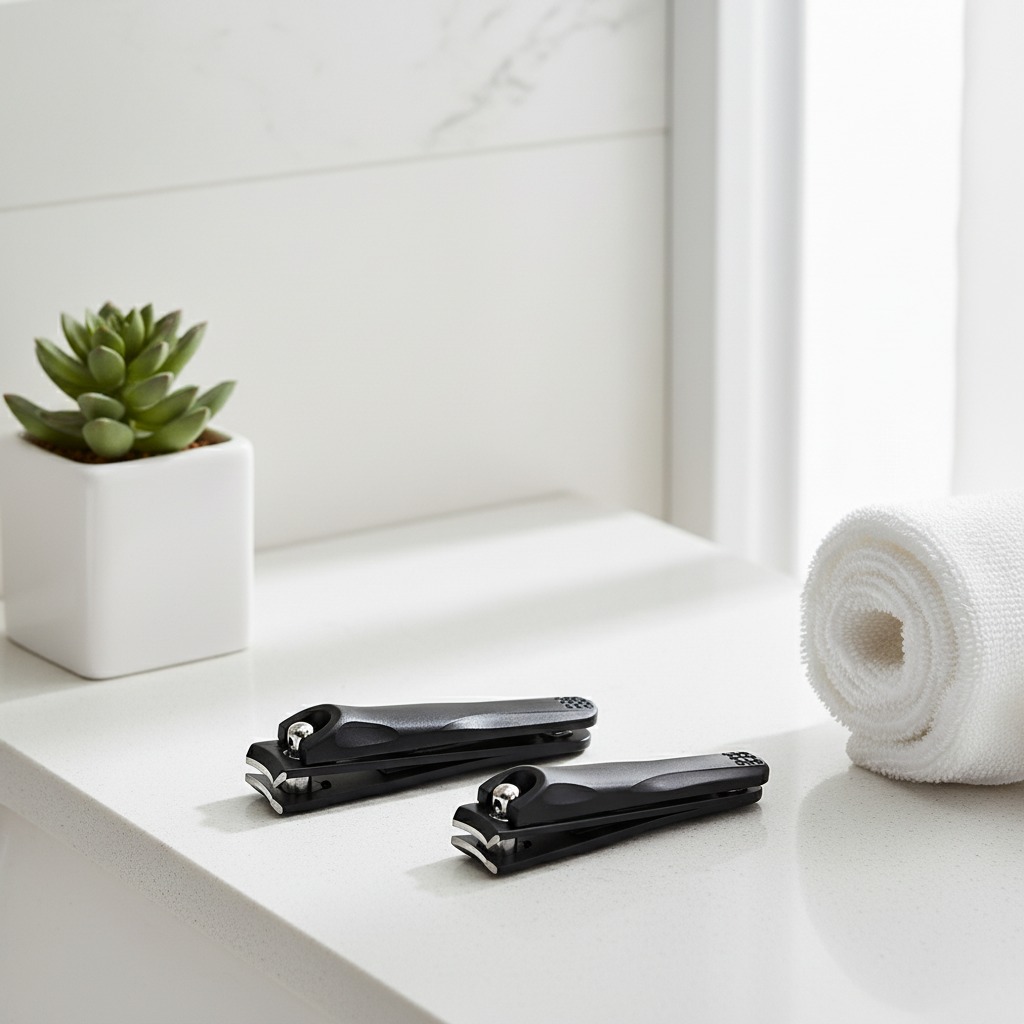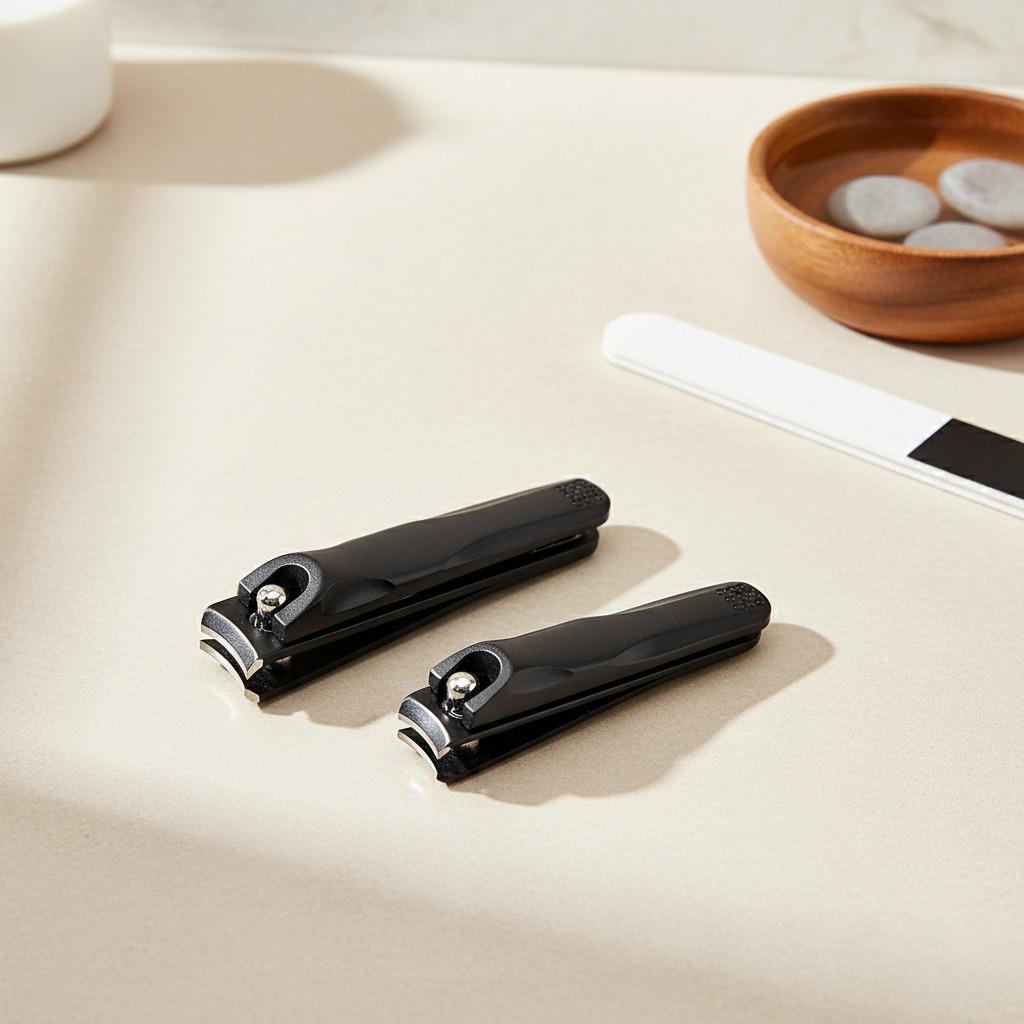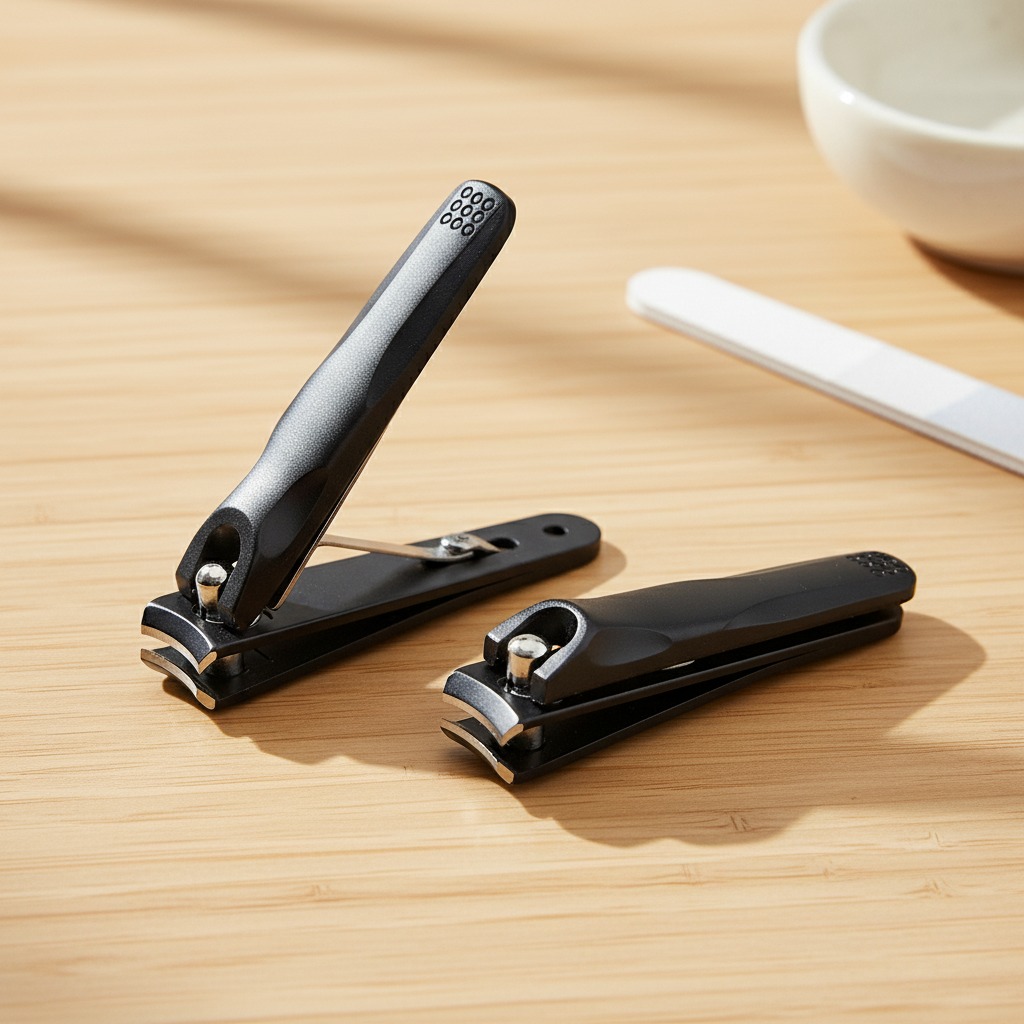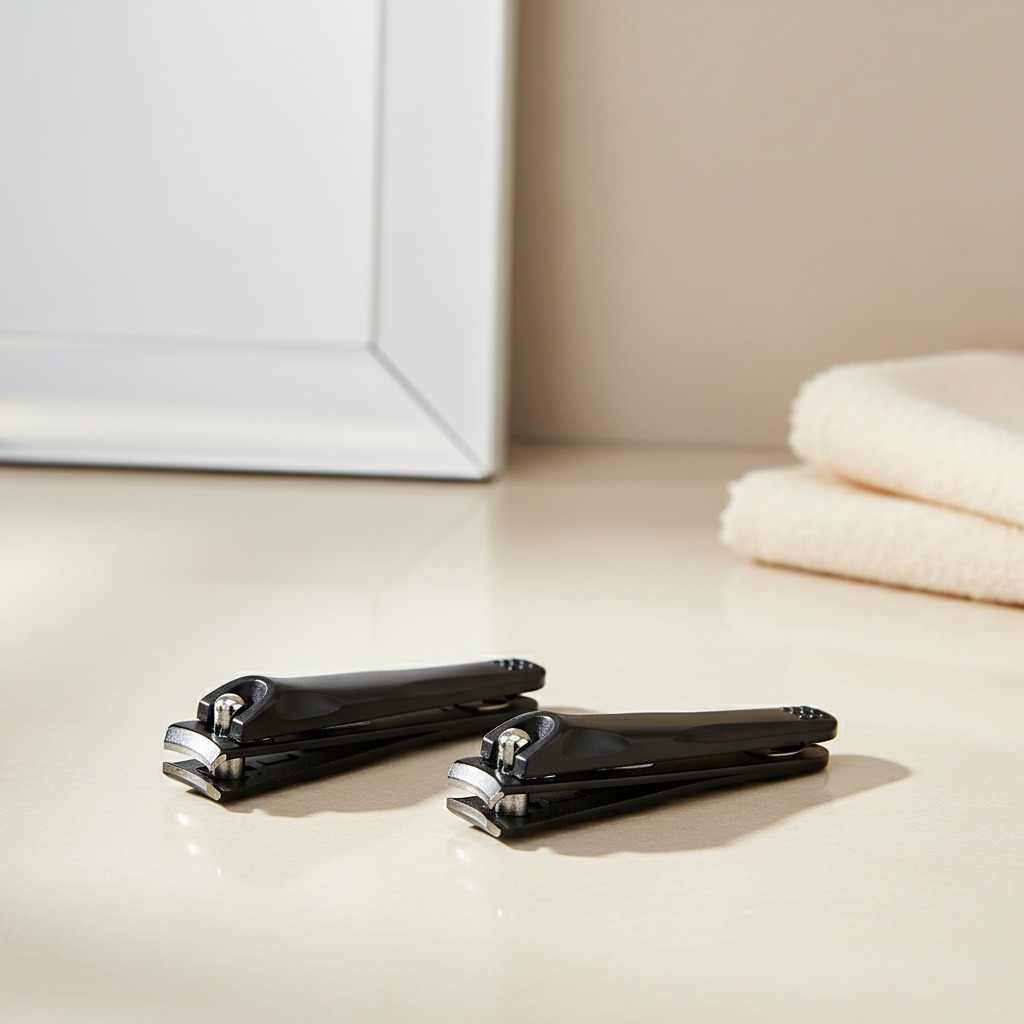












Wholesale grooming tools are not just a purchasing category for salons, spas, brow studios, barbers, and beauty training centers. They influence appointment speed, service consistency, staff comfort, hygiene routines, and the way a business controls replacement costs. When a salon buys tools one at a time, it is easy for stations to end up with mismatched scissors, inconsistent accessories, and emergency replacements that interrupt the workday. A wholesale approach helps standardize the tools used across the team and makes inventory easier to manage.
For professional buyers, the most useful question is not simply “Which tool is cheapest?” It is “Which tool can perform reliably across repeated services, fit the way our technicians work, and remain practical to maintain?” Olimor Beauty supports B2B beauty supplies for professional use, including grooming tools such as scissors designed for detailed work. If you are reviewing beauty tool products for a salon or spa, the points below will help you evaluate wholesale options with more confidence.
Why Wholesale Grooming Tools Matter in Professional Settings
In a salon environment, grooming tools are handled repeatedly throughout the day. A pair of scissors may be used for trimming, shaping, finishing, or detail work depending on the service type. When tools vary too much from station to station, service quality can become less predictable. Staff may also spend extra time adjusting to different weights, tip shapes, or handle comfort.
Buying wholesale grooming tools can support a more organized operation in several ways. First, it allows the business to keep backup tools available, reducing downtime when a tool needs cleaning, inspection, sharpening, or replacement. Second, it makes training easier because new team members can practice with tools that feel similar to those used on the salon floor. Third, it gives owners and managers a clearer view of inventory: what is in active use, what is reserved, and what should be reordered before supplies become urgent.
This matters especially for growing salons and multi-chair businesses. A single technician may know exactly which tool they prefer, but a salon owner needs a repeatable purchasing standard. Wholesale sourcing helps turn tool buying into a planned business process rather than a last-minute decision.
What to Look for in Beauty Scissors Bought in Bulk
Scissors are among the most sensitive grooming tools to purchase because small differences in construction affect control, cutting feel, and technician comfort. The original product information highlights the Precision Craft Scissors from Olimor Beauty, crafted from high-quality stainless steel and intended to provide sharpness for detailed tasks. It also notes ergonomic designs that help reduce hand fatigue, along with balanced weight and fine tips for intricate work.
When comparing beauty scissors bulk options, salons should evaluate the tool from the perspective of actual daily use. A sharp edge is important, but so are control, balance, finish, and repeatability from one unit to the next. A tool that feels acceptable for a few minutes may become uncomfortable during long appointment blocks. Ergonomics are therefore not an extra feature; they are part of staff productivity and comfort.
- Material and finish: Stainless steel is commonly selected for professional grooming tools because it can support durability and cleanability when properly manufactured and maintained.
- Sharpness and edge consistency: Scissors used for detailed tasks should cut cleanly without forcing the hand to compensate for a dull or uneven edge.
- Tip design: Fine tips can help with careful, precise work where visibility and control are important.
- Weight balance: Balanced weight helps reduce awkward wrist movement and supports smoother handling during repeated use.
- Ergonomic comfort: Handle design should support the way technicians grip the tool and should not create unnecessary strain during longer sessions.
- Quality consistency: In wholesale buying, one good sample is not enough. The goal is a consistent batch that performs predictably across multiple stations.
How Salon Wholesale Distributors Should Be Evaluated
Salon wholesale distributors can simplify purchasing, but buyers still need a clear evaluation process. A distributor or manufacturing partner should make it easier to source appropriate tools, compare product categories, and maintain supply continuity. For grooming tools, consistency and inspection are especially important because they affect the technician’s hand and the client’s service experience.
Olimor Beauty emphasizes internal quality control from raw material selection to final packaging. For buyers, that kind of process focus is important because quality does not come from the final inspection alone. It depends on choices made throughout production: material selection, forming, edge finishing, surface treatment, assembly, handling, and packaging. Even if a salon does not need deep manufacturing knowledge, it should still evaluate whether a wholesale partner can explain how product consistency is managed.
A practical buyer review can include these questions:
- Does the product category match the salon’s actual services, such as trimming, detail grooming, brow work, or spa use?
- Are tool features described clearly enough to support purchasing decisions, including material, grip comfort, edge purpose, and handling?
- Is there a visible quality control approach covering raw materials, production, inspection, and packaging?
- Can the tools be ordered in a way that supports future reordering and station standardization?
- Is packaging suitable for storage, distribution to staff, and protection during transport?
- Does the supplier offer enough communication for product comparison, customization discussions, or purchasing planning?
If you are narrowing options across categories, reviewing product collections can help compare grooming tools with related salon and spa supplies before committing to a larger order.
Planning a Wholesale Tool Inventory for Salon Workflow
A strong wholesale purchase starts with workflow mapping. Many salons buy based on headcount alone, but actual needs depend on services, station setup, cleaning rotation, training, and backup inventory. A busy salon may require more than one tool per technician if tools need to move through cleaning or inspection between clients. A spa or brow studio may need a smaller number of tool types but a higher level of precision for detail tasks.
Before placing an order, list the services that require grooming tools and identify which tools are used daily, weekly, or only for specific treatments. Then separate active inventory from reserve inventory. Active tools are assigned to stations or technicians. Reserve tools are kept clean, protected, and ready for replacement. This approach reduces the risk of borrowing between stations, which can create confusion and weaken accountability for maintenance.
| Buying Area | What to Check | Why It Matters |
|---|---|---|
| Service fit | Match tools to trimming, detailing, or grooming tasks | Prevents overbuying tools that do not support real services |
| Staff comfort | Review weight, grip, balance, and fatigue reduction | Supports better control during repeated appointments |
| Batch consistency | Look for reliable quality control and repeatable design | Keeps stations standardized across the salon |
| Storage plan | Separate active, reserve, and inspection tools | Reduces downtime and lost tools |
| Reorder planning | Track usage rate and replacement timing | Makes procurement predictable instead of urgent |
For salons expanding to multiple rooms or locations, documenting tool choices is especially valuable. A simple purchasing standard can include the tool type, intended use, handling notes, cleaning expectations, and reorder contact. This makes it easier for managers to train staff and keep supply decisions consistent.
Maintenance and Handling After Bulk Purchase
Wholesale buying improves access to tools, but long-term value depends on maintenance. Scissors and other grooming tools should be protected from impact, stored dry, and handled only for their intended purpose. Even a well-made tool can lose performance if it is dropped, stored loose in a drawer, exposed to moisture, or used on materials it was not designed to cut.
Salon managers should create a maintenance routine that staff can follow without guesswork. After use, tools should be cleaned according to salon hygiene practices and allowed to dry before storage. Scissors should not be mixed with heavy metal tools that can damage fine tips or cutting edges. If a tool feels rough, loose, misaligned, or less sharp, it should be removed from active use until inspected.
It is also useful to assign responsibility. Some salons use a sign-out system for shared tools; others assign tools to each technician. Either system can work, but the policy should make it clear who checks condition, who reports problems, and where reserve tools are stored. Good tool control protects the salon’s investment and helps maintain a more consistent client experience.
Choosing B2B Beauty Supplies Without Overbuying
Wholesale purchasing can reduce unit-by-unit friction, but it should still be disciplined. Overbuying ties up storage space and may leave the salon with products that do not match future services. Underbuying creates urgent orders and inconsistent substitutions. The most reliable approach is to build a small procurement framework before scaling up.
Start by identifying core tools used in daily services, then estimate the number needed per active station plus a reasonable reserve. Next, consider staff training needs. If apprentices or new technicians need practice tools, keep those separate from client-service inventory. Finally, record how quickly tools wear, require service, or need replacement. Over time, this creates a purchasing rhythm based on actual salon behavior rather than assumptions.
When reviewing spa product wholesalers or salon wholesale distributors, prioritize clarity, repeatability, and support for professional use. Olimor Beauty’s focus on quality checks, stainless steel construction for scissors, ergonomic design, balanced weight, and fine tips gives buyers practical points to consider when comparing grooming tools for detail work. For product questions or wholesale planning, you can contact Olimor or send an inquiry with your intended use, target product category, and ordering requirements.
Final Buying Checklist for Salon Grooming Tools
A good wholesale grooming tool purchase should support the way your salon actually works. Before finalizing an order, confirm the service application, comfort requirements, quality control expectations, storage method, and reorder plan. For scissors, pay close attention to stainless steel construction, sharpness, fine tips, balanced handling, and ergonomic comfort. For the overall procurement process, look for a supplier that treats consistency as part of production rather than an afterthought.
With a structured buying process, salons and spas can reduce tool shortages, keep stations better organized, and provide technicians with grooming tools that support precise daily work. Wholesale sourcing is most effective when it combines product performance, inventory planning, and practical maintenance habits.