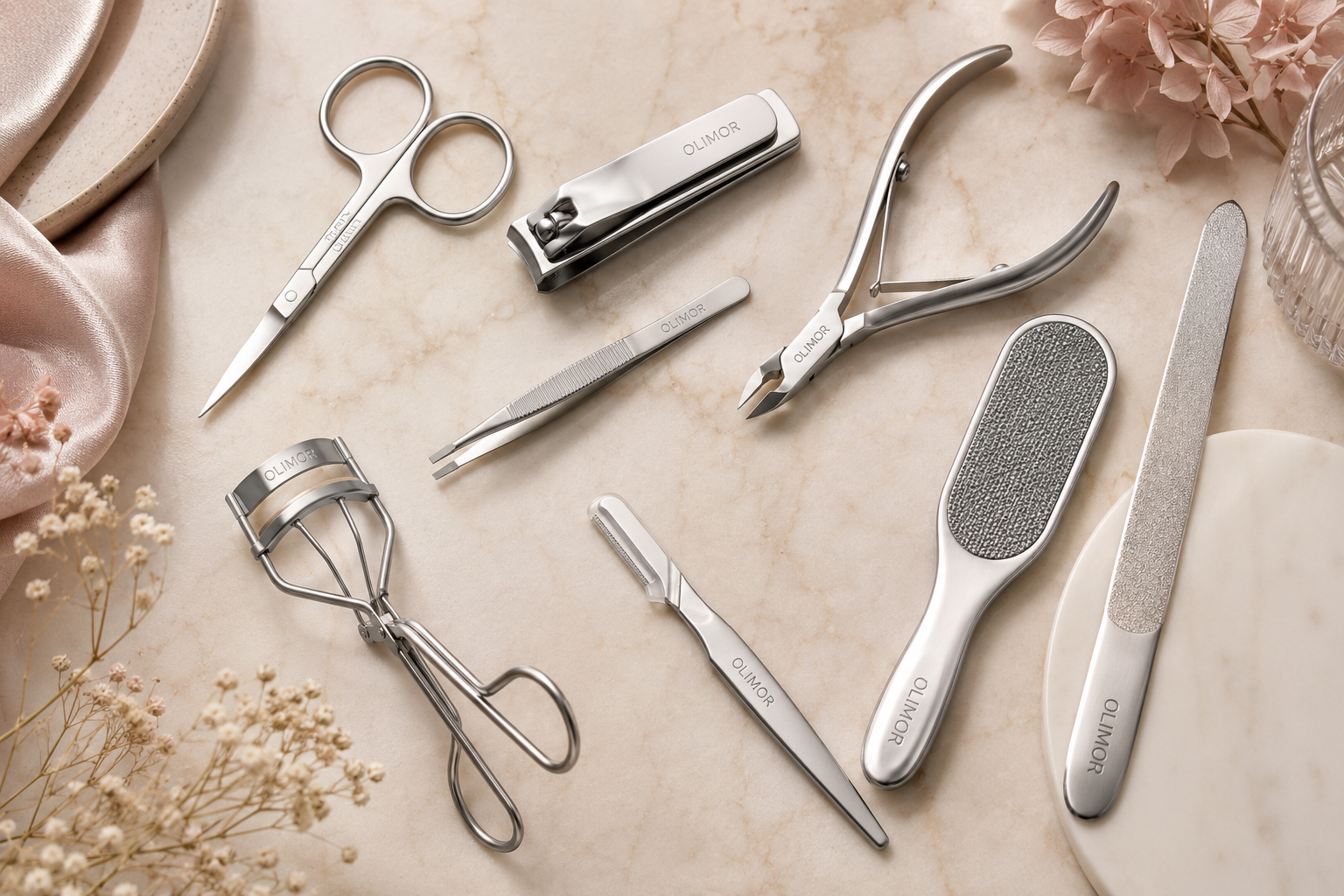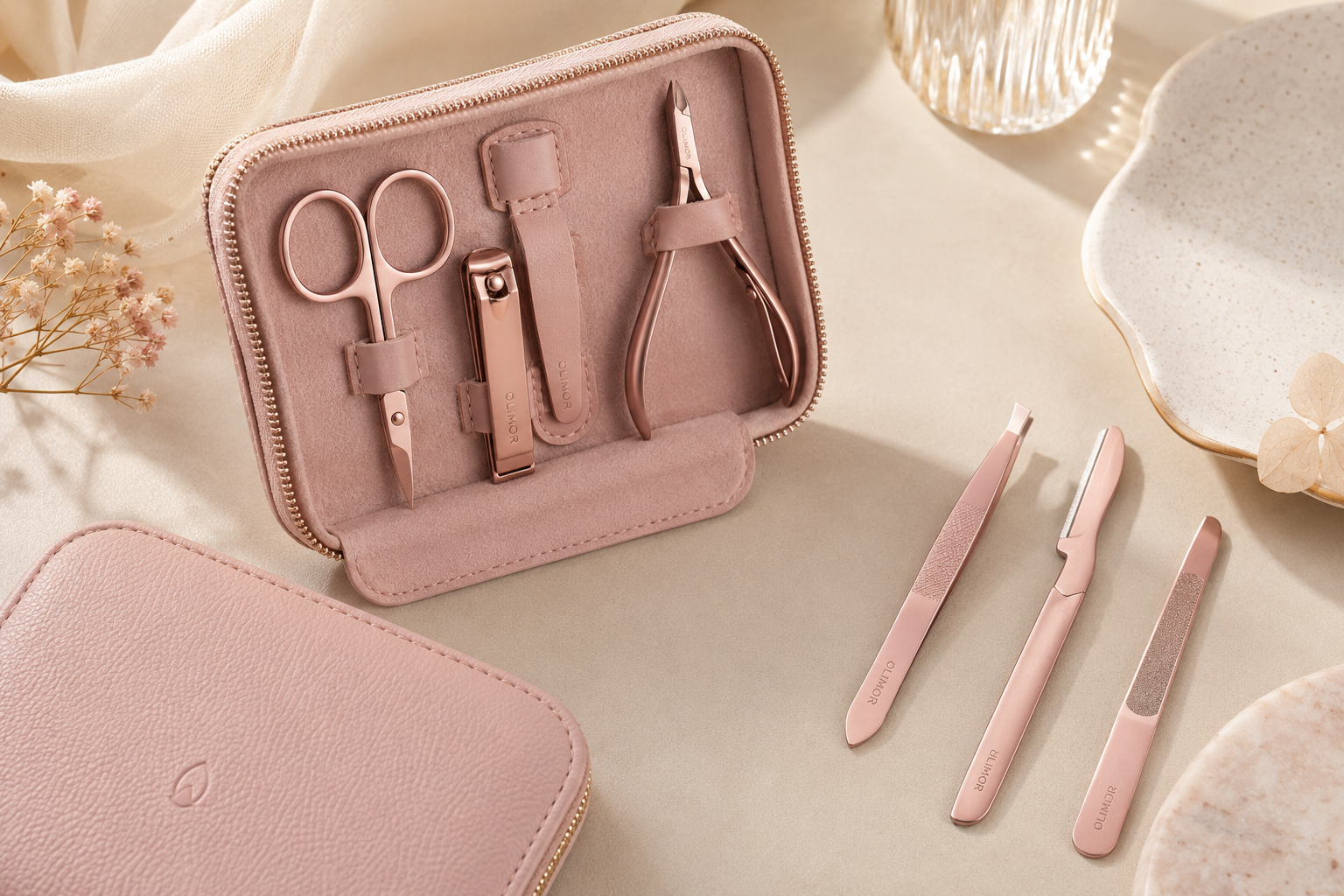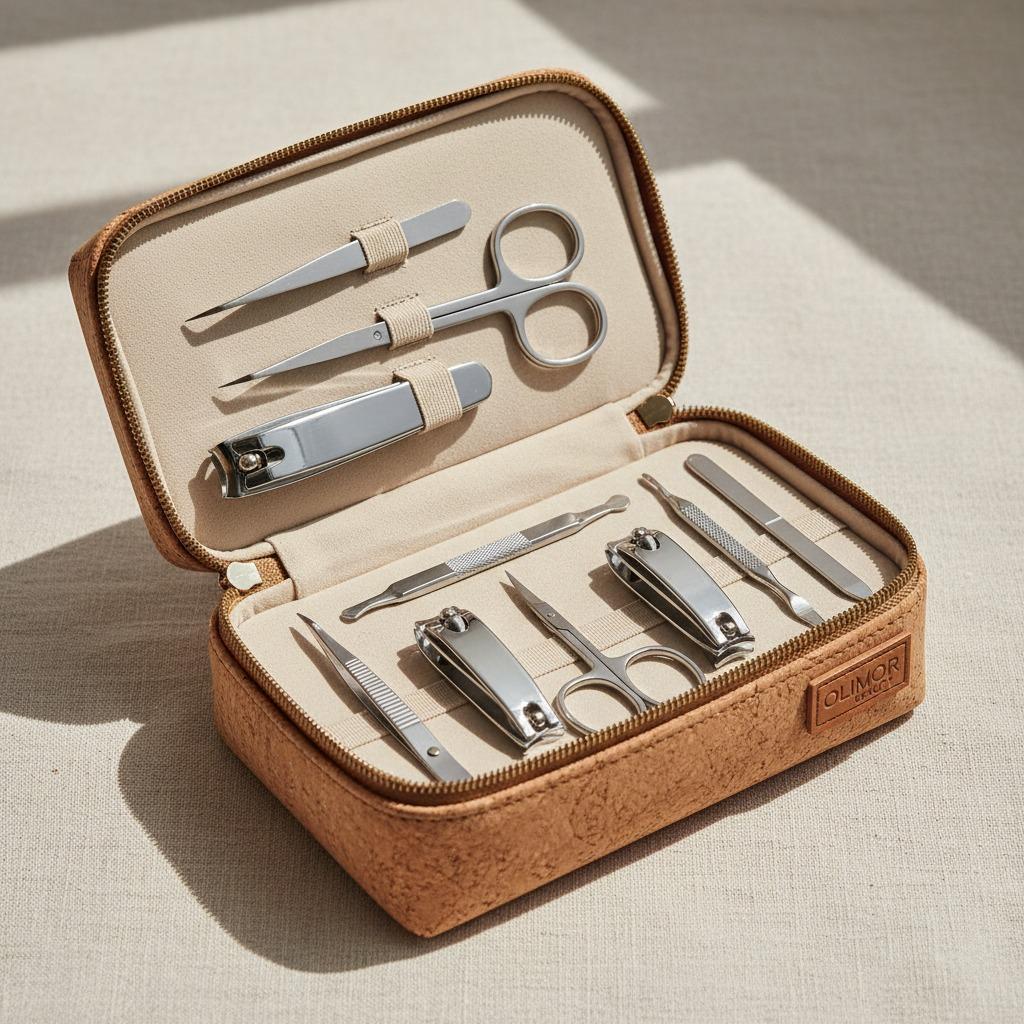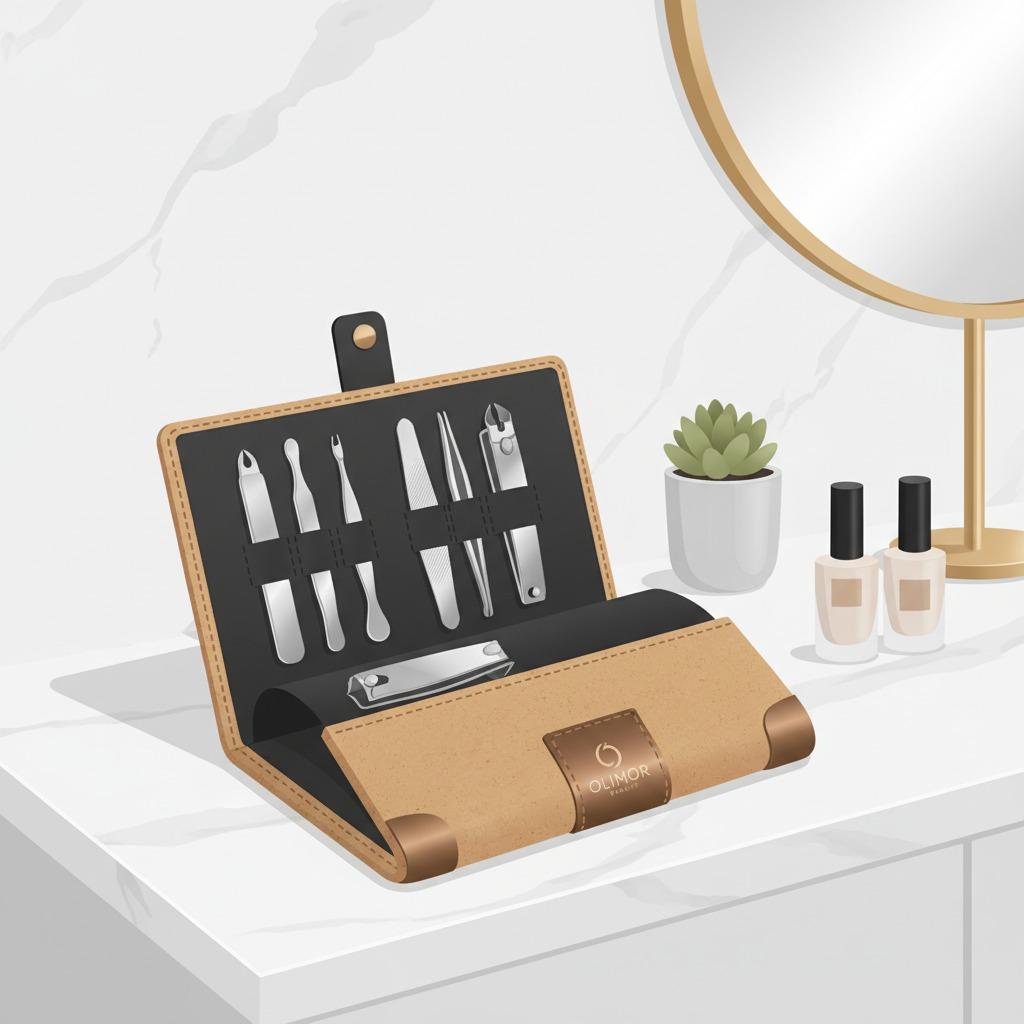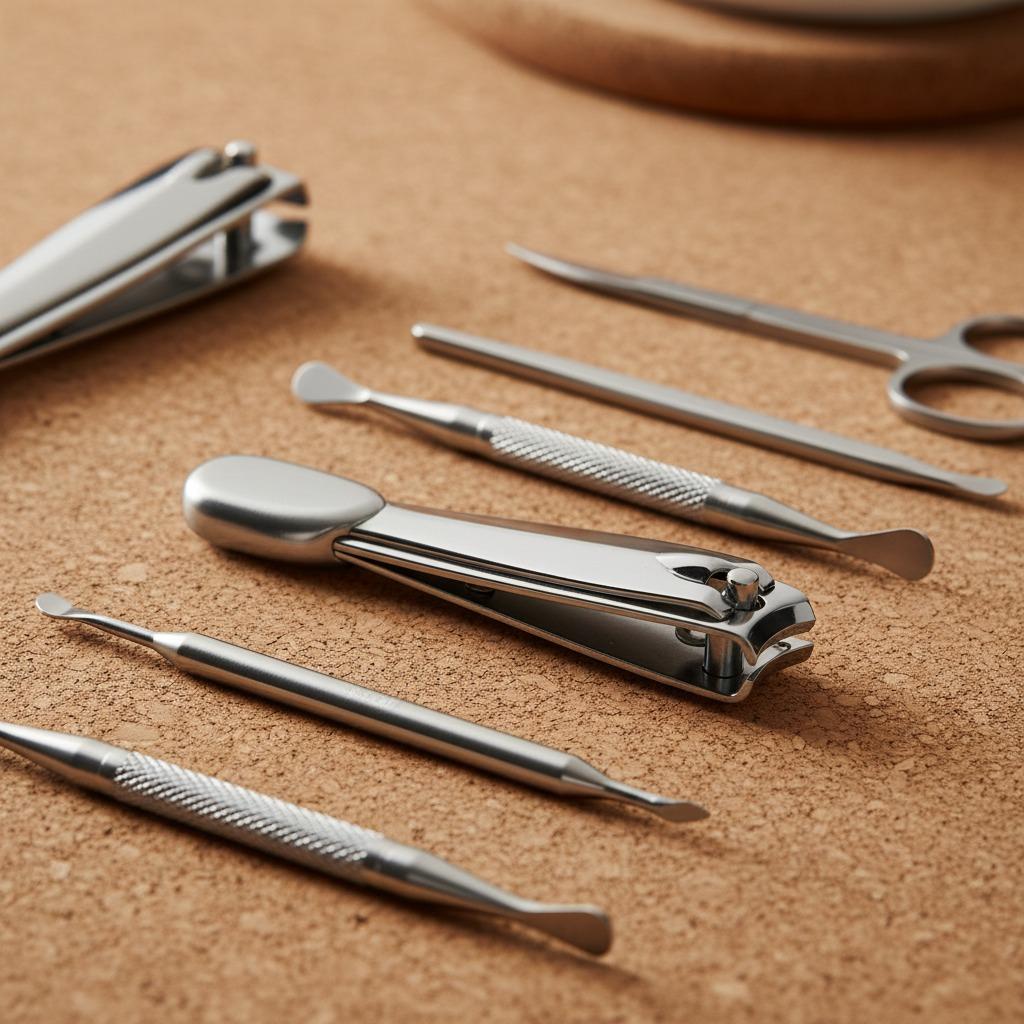












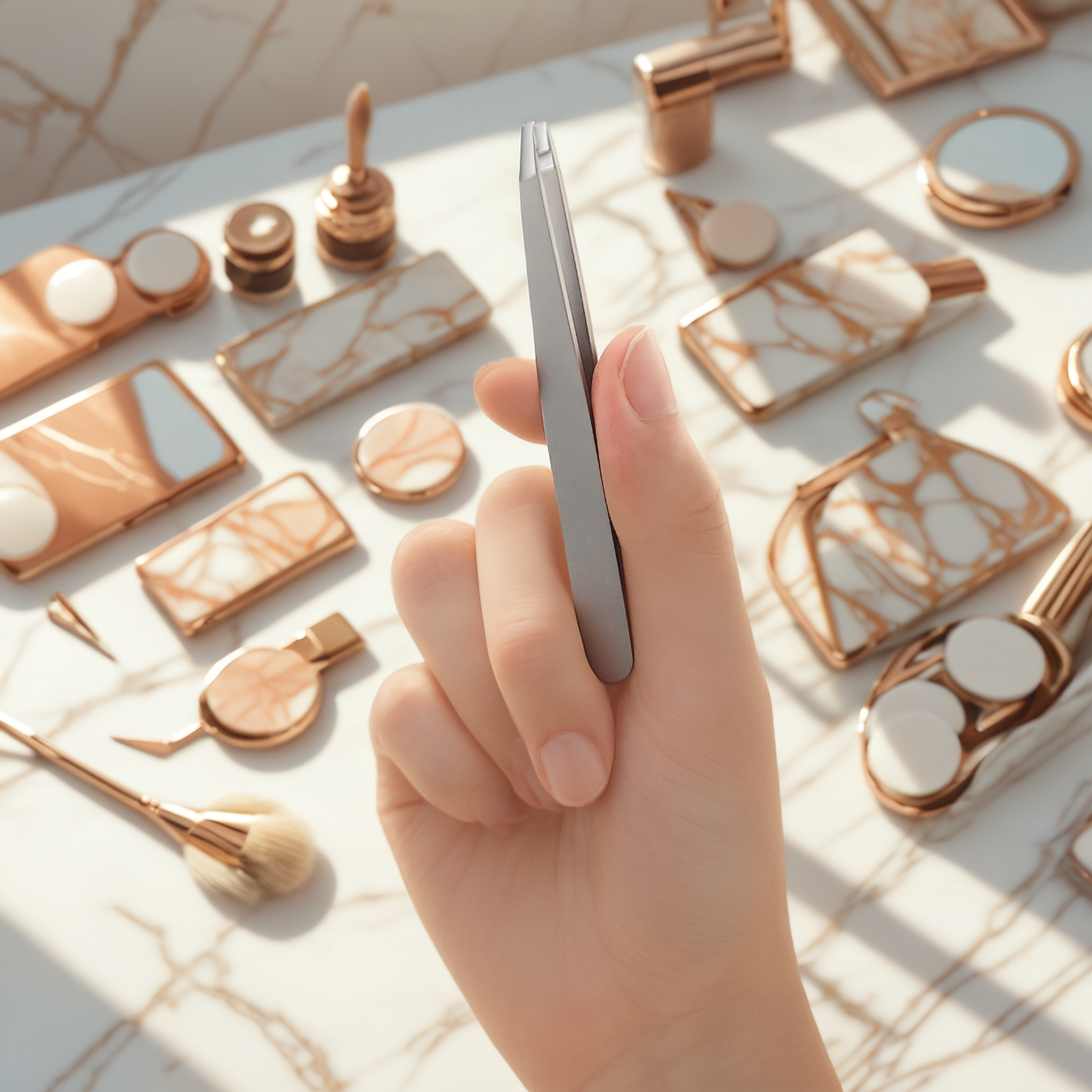
Choosing the best tweezers for eyebrows is mainly a precision decision. A good pair should grip short and fine brow hairs close to the root, close evenly without slipping, feel controlled in the hand, and remain easy to clean after repeated use. For personal grooming users, this means faster and more comfortable brow maintenance. For salons, beauty retailers, distributors, and private-label sourcing teams, the same details influence customer satisfaction, repeat purchase potential, hygiene expectations, and perceived product quality.
Eyebrow tweezers look simple, but their performance depends on the interaction of tip alignment, tip shape, material, tension, surface finish, grip design, and storage habits. If the tips do not meet correctly, the tool may slide off the hair or break it at the surface. If the arms are too stiff, the hand tires quickly. If the tips are knocked out of alignment in storage, even a previously accurate tweezer can become frustrating to use.
This guide explains how to choose eyebrow tweezers for daily grooming and how B2B buyers can evaluate samples before selecting products for a retail range, salon kit, or customized beauty tool program. Olimor focuses on practical beauty tools where hand feel, finish, and repeatable use matter; buyers can start by reviewing the wider Olimor beauty tool range when comparing eyebrow grooming options.
Why Precision Matters in Eyebrow Tweezers
Eyebrow hair is often short, fine, and angled close to the skin. A tool that works for general grooming may not be accurate enough for shaping the lower brow line, cleaning under the arch, or removing one stray hair near the tail without disturbing the surrounding shape. Precision matters because small changes around the brow can noticeably affect facial expression.
The best eyebrow tweezers grip the hair securely without cutting it. When the two tips meet evenly, pressure is applied across the hair shaft instead of only at one point. This helps the user pull in the direction of growth and reduces the chance of snapping the hair at the surface. Clean removal is usually more comfortable and leaves fewer broken hairs visible below the skin line.
For commercial buyers, precision should be treated as a functional specification rather than a decorative claim. A polished surface and attractive packaging can help sell the tool, but repeat satisfaction depends on whether customers can grip fine hairs consistently. When comparing beauty tool products, inspect the working tip before judging color, coating, or display presentation.
Key Features to Compare Before Buying
The most reliable tweezers for eyebrow shaping usually share several practical characteristics. Some can be checked visually, while others require handling samples under real-use conditions.
- Tip alignment: The two tips should meet evenly with no obvious gap, crossing, or twisting. Misalignment is one of the most common causes of slipping.
- Tip shape: Slant tips are the most versatile for everyday brow shaping. Pointed tips support detailed work but require steadier handling. Flat tips are less ideal for precise brow shaping.
- Material: Stainless steel is widely used because it is durable, practical for regular grooming, and easy to wipe clean. Material alone is not enough; the finishing and alignment still determine performance.
- Tension: The arms should close with controlled pressure. Too loose can reduce grip; too stiff can cause hand fatigue during repeated plucking.
- Grip and finish: A secure surface, including matte or textured finishes where appropriate, can help reduce finger slipping during detailed work.
- Edge consistency: Clean, well-finished edges help the tips contact hair instead of sliding over it or catching roughly on skin.
For B2B sourcing, these features should be checked across multiple pieces, not only on one display sample. Consistency is important because end users judge the product by the unit they receive, not the best sample presented during selection.
Slant, Pointed, or Flat Tips: Which Is Best for Eyebrows?
There is no single tweezer tip that is ideal for every user and every brow task. The right choice depends on grooming habits, experience level, and whether the product is intended for home users, brow artists, salon kits, or mass retail assortments.
| Tip type | Best use | What buyers should check |
|---|---|---|
| Slant tip | General eyebrow shaping, cleaning under the brow, removing medium and short hairs | Tips meet evenly along the angled edge; corner can isolate individual hairs without blocking visibility |
| Pointed tip | Targeting very fine hairs, detailed correction, occasional work around difficult single hairs | Point is symmetrical and smooth; user instructions or positioning make careful handling clear |
| Flat tip | Gripping thicker hairs or removing multiple hairs from less detailed areas | Edges close flat, but product positioning should not overstate suitability for precise brow arch shaping |
For most eyebrow routines, slant tweezers are the practical starting point. The angled edge can sit along the brow line while the corner targets individual hairs. This balance makes slant tips suitable for home grooming kits and broad retail ranges. Pointed tweezers can be useful as a second tool for experienced users, but they are less forgiving if used quickly, with poor lighting, or near sensitive skin.
Material, Hygiene, and Durability Considerations
Because eyebrow tweezers touch skin and may contact oil, makeup residue, skincare products, and fine debris, hygiene should be part of the buying decision. Stainless steel tweezers are commonly preferred for beauty tools because they are durable and can be cleaned after use. For personal grooming, users should wipe the tips before and after tweezing. In salon and professional environments, cleaning and disinfection practices should follow local hygiene rules and the way the tools are used.
Buyers can reference public guidance from bodies such as the U.S. Food and Drug Administration for general cosmetic and personal-care safety context, and ISO 22716 for cosmetic good manufacturing practice where it is relevant to the wider beauty product environment. These references do not automatically apply in the same way to every hand tool or market, and buyers should verify the applicable version, local rules, and supplier documentation before making compliance decisions. No certification should be assumed unless the supplier provides valid supporting documents for the specific product and order.
Durability depends not only on the base material but also on finishing and storage. A tweezer may be made from strong metal yet still perform poorly if the arms feel unstable or the tips are uneven. Avoid storing tweezers loose in a crowded cosmetic bag where the tips can knock against scissors, nail files, or other hard tools. For retail or salon customers, simple care instructions can reduce complaints and extend useful product life.
How to Choose Tweezers for Different Grooming Needs
The best tweezer for one buyer may not be the best for another. A home user may prioritize comfort and ease of control. A brow professional may focus on exact tip contact and tension over long sessions. A retail buyer may need a balanced product that feels intuitive for first-time users while still offering a clean result.
| Grooming or buying need | Useful tweezer feature | Selection question |
|---|---|---|
| Cleaning stray hairs under the brow | Slanted precision tip | Can the user see the brow line while gripping one hair? |
| Removing short regrowth | Fine, well-aligned edges | Do the tips hold a short hair without heavy squeezing? |
| Frequent personal use | Comfortable tension and stable grip | Does the hand feel relaxed after repeated plucks? |
| Salon or retail assortment | Durable material and consistent finish | Do multiple samples close and feel similar? |
| Private-label beauty set | Balanced appearance and function | Does the tool match the target customer while still passing practical grip checks? |
Grip should be tested with dry hands and, where appropriate, slightly damp hands. A surface that looks attractive in photographs may feel slippery in real use. The tweezer should give feedback through the fingers so the user can feel when the hair is caught without squeezing aggressively.
Step-by-Step Method for Cleaner Eyebrow Plucking
Even the best tweezers for eyebrows can give poor results when technique is rushed. A slow, controlled process protects the brow shape and reduces unnecessary pulling.
- Start with clean skin. Remove makeup, oil, and skincare residue around the brow so the tips can contact hair more securely.
- Use bright, even lighting. Natural daylight or a clear vanity light helps reveal fine hairs without shadows that distort the brow line.
- Brush brows into place. Seeing the natural direction of growth makes it easier to identify only the hairs outside the desired shape.
- Map before removing. Notice the start, arch, and tail of each brow. Remove obvious strays first instead of changing the shape immediately.
- Hold the skin gently taut. This can reduce tugging and make removal cleaner.
- Grip close to the root. Place the tweezer near the skin as comfortably as possible and pull in the direction of hair growth.
- Remove one hair at a time near the arch. Small changes in this area are especially visible.
- Pause often. Step back and compare both brows before continuing. Stop before over-correcting.
Tweezing after a warm shower can feel more comfortable for many users because the skin is clean and hair may release more easily. After tweezing, mild pinkness can occur, especially for sensitive skin. A clean, cool compress may help calm the area. Avoid applying heavy makeup immediately if the skin feels tender.
B2B Sourcing Checklist for Eyebrow Tweezers
Retailers, salons, distributors, and private-label teams should evaluate eyebrow tweezers through both product-use and supply-consistency lenses. A tool can look attractive in packaging but still disappoint customers if it does not grip. When possible, compare samples from the same proposed specification and inspect more than one unit.
| Checklist item | Why it matters | How to evaluate |
|---|---|---|
| Tip contact | Determines whether fine brow hairs are gripped cleanly | Close the tips under good light and check for gaps or crossing |
| Tension consistency | Affects comfort and control across repeated use | Open and close several samples and compare hand feel |
| Edge smoothness | Helps avoid rough contact and slipping | Inspect the edges visually and test on appropriate sample hair where available |
| Finish security | Influences grip and perceived quality | Handle with normal grooming posture and check for slipping |
| Cleaning practicality | Supports hygiene expectations in personal and professional settings | Confirm surfaces and tip areas can be wiped without trapping residue |
| Packaging protection | Helps preserve tip alignment before sale or use | Check whether the tip area is protected during transport and retail handling |
| Customization feasibility | Important for private label or gift sets | Discuss available finishes, packaging options, and documentation before committing |
Cost differences often come from material choice, finishing complexity, polishing or surface treatment, packaging style, customization requirements, order quantity, and inspection expectations. A low unit cost may not be the best value if grip consistency is weak or packaging fails to protect the tips. For assortment planning, buyers can compare related categories through the Olimor product collection and then request details for the tweezer styles that match the intended customer segment.
Supplier Evaluation Questions for Commercial Buyers
Before placing an order, buyers should ask practical questions that connect product performance with supply reliability. The goal is not only to find a nice-looking tweezer, but to choose a supplier that can support repeatable quality and clear communication.
- Can the supplier provide samples for checking tip alignment, finish, grip, and tension before bulk production?
- What customization options are available for finish, color, branding, packaging, or beauty set configuration?
- How are tweezer tips protected during packing and transport to reduce the risk of misalignment?
- What in-process or final inspection steps are used for visual appearance, closing feel, and tip contact?
- What documentation is available for the specific product and market requirements, and which claims are supported by records?
- How are order details, artwork, packaging requirements, and approval samples confirmed before production?
These questions help reduce sourcing risk without relying on unsupported claims. If your team is evaluating eyebrow tweezers for retail, salon distribution, or a private-label grooming line, you can send an inquiry to Olimor with your intended use, target packaging, and customization requirements.
Common Problems and How to Avoid Them
Tweezers slide off fine hairs
Check tip alignment first. If the tips do not meet evenly, the tool may not hold short regrowth. Also clean the tip area to remove oil or product residue, and make sure the user is gripping close to the root rather than the hair end.
Hairs break instead of coming out
Hair breakage can come from poor alignment, rough or uneven edges, pulling against the direction of growth, or squeezing too far from the root. Use controlled lighting, hold the skin taut, and pull in the natural growth direction.
The hand gets tired quickly
The tweezer may be too stiff or the grip shape may not suit the user. For buyers, this is why tension should be tested during sample evaluation rather than judged only by appearance.
Tips lose accuracy after storage
Tip protection matters. Store tweezers with a cap or in a protected compartment when possible. For commercial packaging, ensure the working end is not free to hit harder tools or packaging components during transport.
Why Work with Olimor for Eyebrow Tweezer Sourcing
Olimor supports beauty tool buyers who need practical, usable grooming products rather than purely decorative accessories. For eyebrow tweezers, the key discussion points are intended user, tip style, finish, packaging, customization, and quality-check expectations. Clear communication at the sample stage helps buyers choose a product that fits home grooming, salon use, retail display, or private-label beauty sets.
A restrained sourcing process is usually the most effective: define the customer need, compare appropriate samples, confirm packaging protection, review available documentation, and approve details before production. To discuss a current project or request supplier information, contact the team through Olimor contact support.
FAQ
Can I request samples before ordering eyebrow tweezers?
Sample availability should be discussed with Olimor based on the selected tweezer style, customization needs, and project stage. Samples are useful for checking tip alignment, tension, finish, packaging, and overall hand feel before confirming a larger order.
Is there a minimum order quantity for customized tweezers?
MOQ depends on the product specification, finish, branding method, packaging choice, and production arrangement. Buyers should confirm the applicable MOQ directly with Olimor for the exact product and customization plan.
What customization options can buyers discuss?
Common discussion areas include surface finish, color direction, logo placement, packaging format, and inclusion in a broader beauty tool set. Availability depends on the tweezer design and production feasibility, so details should be confirmed during quotation and sample review.
What quality checks are important for eyebrow tweezers?
Important checks include tip contact, edge smoothness, closing tension, surface finish, grip comfort, visual appearance, and packaging protection. Buyers should verify which inspection steps and documents apply to their specific order.
How should lead time be confirmed?
Lead time depends on sample approval, customization complexity, packaging requirements, order quantity, and production schedule. Buyers should confirm timing with Olimor after specifications and artwork, if any, are finalized.