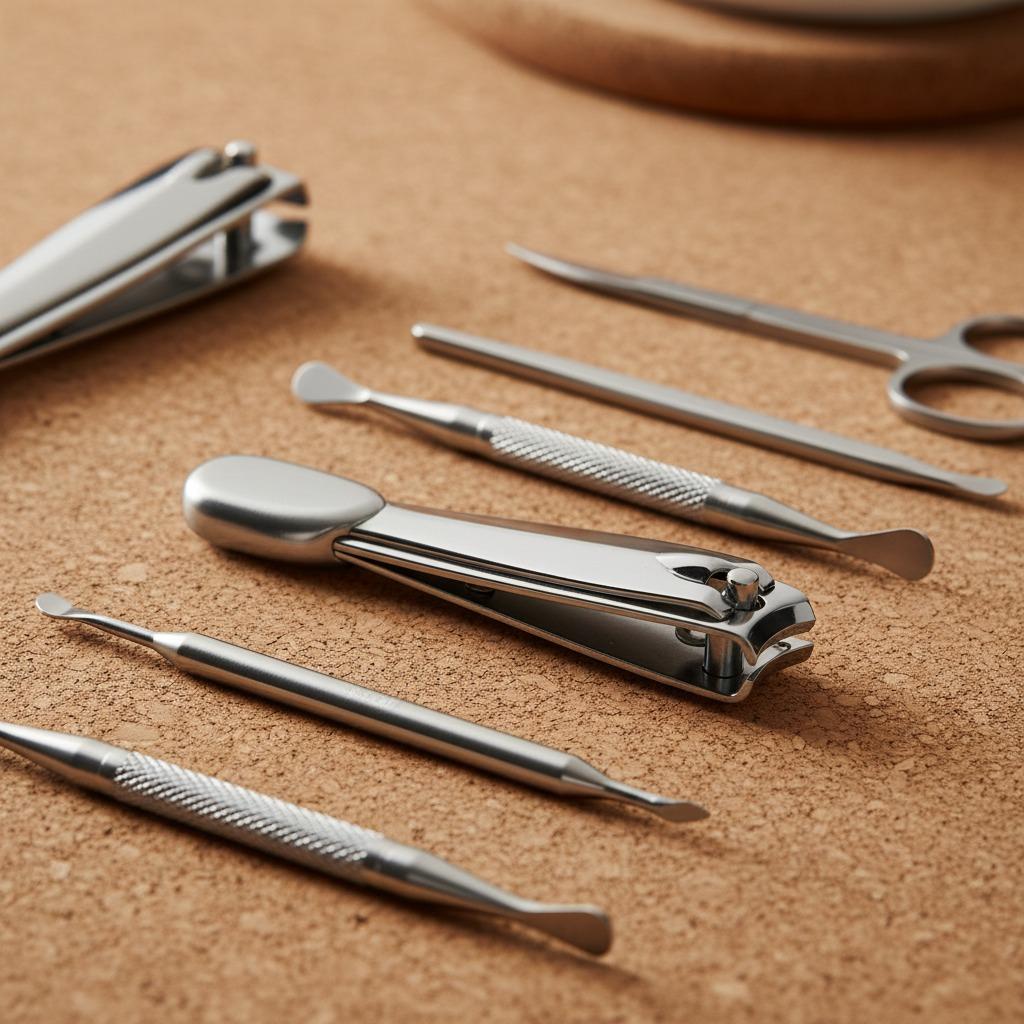

The best tweezers for eyebrows are the pair that can grip fine brow hairs close to the root, close evenly at the tips, feel stable in the hand, and remain easy to clean after repeated use. Sharpness alone is not enough. For brow grooming, precision depends on the relationship between tip shape, alignment, edge finish, handle tension, surface grip, packaging protection and proper maintenance.
This guide is for beauty-tool buyers, salon purchasers, retail assortment planners and careful end users who want to evaluate eyebrow tweezers more practically. It explains how slanted, pointed and flat tips differ, why stainless steel is widely used, what to inspect before approving a sample, and which supplier questions help reduce avoidable quality problems in bulk orders.
What Eyebrow Tweezers Need to Do Well
Eyebrow grooming is a close-contact task. Brow hairs are often short, fine, angled and located near sensitive skin. A general-purpose tweezer may pick up small objects, but it may not isolate a single hair without slipping, cutting the hair, catching neighboring hairs or pinching the skin. A brow tweezer must give the user controlled contact at the tip.
For most users, the most useful eyebrow tweezer is a well-aligned slanted tweezer. The angled edge can rest near the skin while still giving the user a clear view of the hair. This makes it easier to remove stray hairs below the arch, between the brows or around the brow tail. Pointed tweezers may be useful for very fine or awkward hairs, but they require more care. Flat tips can grip a broader surface, but they are usually less precise for detailed brow shaping.
The tweezer also needs predictable spring tension. If the arms are too stiff, the hand tires quickly and the user may squeeze too hard. If the arms are too loose, the tips may not close with enough control. Good eyebrow tweezers balance firmness and comfort so the user can remove one hair at a time without repeated attempts.
Tip Shapes Compared: Slanted, Pointed and Flat
Tip style is the first practical decision when choosing brow tweezers. It affects how close the tool can get to the skin, how much skill the user needs, and how well the tweezer suits retail, salon or private label programs.
| Tip style | Best use | Strengths | Watch points |
|---|---|---|---|
| Slanted tip | Everyday brow shaping and stray hair removal | Versatile, easier to position near the root, suitable for most users | Must be evenly aligned across the angled edge to avoid slipping |
| Pointed tip | Very fine, isolated or hard-to-reach hairs | High precision for experienced users | Requires careful handling; not ideal for careless or rushed grooming |
| Flat tip | Gripping broader surfaces or non-detail tasks | Stable contact area | Less precise around a shaped brow line and may catch more than one hair |
| Rounded or safety-focused tip | Entry-level grooming kits where comfort is prioritized | May feel less aggressive for new users | May not grip very short or fine brow hairs as cleanly |
For a commercial assortment, a slanted stainless steel tweezer is often the safest core item because it serves the widest group of brow users. A pointed tweezer can be added as a more specialized option, while flat or rounded styles should be selected only when the intended use is clear.
Material, Finish and Hygiene Considerations
Stainless steel tweezers are common in eyebrow grooming because they are durable, resist rust in normal use, and are easier to clean than many porous or low-quality alternatives. Stainless steel also supports a precise edge and a stable tweezer body when manufactured and finished properly. However, material choice alone does not guarantee performance. A stainless steel tweezer with poor alignment can still slip, and a poorly polished tool can feel rough against the skin.
Surface finish matters for both appearance and handling. A polished finish can look clean and retail-ready, while textured or coated handle areas may improve grip. Buyers should check whether the finish affects the user’s ability to hold the tweezer securely, especially after face cleansing or skincare application. Any coating or decorative treatment should be reviewed for durability and compatibility with normal cleaning expectations.
For personal use, tweezers should be cleaned after each grooming session. Remove hair and residue from the tips, wipe the gripping edge carefully, dry the tool, and store it away from moisture. For shared or professional environments, hygiene procedures should follow the requirements of the relevant workplace and local authority. In the United States, salon and workplace practices may involve state cosmetology boards, local health departments and OSHA requirements where exposure risks apply. Requirements vary, so buyers and operators should verify current rules and supplier documents rather than relying on packaging language alone.
How to Inspect Eyebrow Tweezers Before Buying or Approving Samples
A tweezer is small, but its quality is easy to feel when it is tested correctly. Visual appearance and attractive packaging are not enough. The most important checks focus on the tip, the tension and the consistency between pieces.
Practical inspection checklist
- Tip alignment: Close the tweezer gently and check whether both sides meet evenly. A visible gap can cause slipping on fine hairs.
- Full-edge contact: For slanted tips, the angled gripping edge should make controlled contact, not just touch at one corner.
- Edge finish: The tips should feel precise without burrs, roughness or jagged areas that may scratch skin.
- Spring tension: Open and close the tweezer several times. The movement should feel smooth, not wobbly, overly stiff or weak.
- Handle comfort: Hold the tweezer as a user would during brow grooming. The grip should feel stable and not awkwardly narrow, sharp or slippery.
- Surface consistency: Inspect under bright light for uneven polishing, scratches, visible asymmetry or sharp handle corners.
- Tip protection: Check whether packaging, caps or inserts protect the tips during transport and storage.
- Sample consistency: For B2B review, compare several samples, not one piece, because bulk satisfaction depends on repeatability.
Retail buyers reviewing broader beauty tool products should treat these checks as part of category evaluation. Brow tweezers are handled closely and judged quickly. If the tool slips repeatedly, the end user will usually blame the product, not the grooming technique.
How to Use Brow Tweezers for Cleaner Results
Even the best tweezers for eyebrows work better with careful technique. Start with clean, dry skin. Oil, sunscreen, moisturizer and makeup residue can make brow hairs harder to grip. Brush the brow upward and outward so the natural growth direction is visible before removing anything.
- Identify strays first: Remove obvious hairs outside the intended brow line before making shape changes.
- Use clear lighting: Natural light or a bright task light helps prevent over-plucking.
- Hold skin gently taut: Slight tension can reduce pulling and help the hair release more cleanly.
- Grip close to the root: Place the slanted tip near the skin without pinching the skin.
- Pull with the growth direction: Pulling against the natural direction can increase breakage or discomfort.
- Remove one hair at a time: This preserves control and helps avoid gaps in the brow line.
- Step back often: Check both brows from a normal distance instead of relying only on a magnifying mirror.
The most common brow mistake is chasing perfect symmetry hair by hair. Natural brows are not identical. A precise tweezer should support restraint: remove the hair intended, then reassess before continuing.
Maintenance: Keeping Precision Tweezers Working Longer
Tweezers lose performance when the tips become dirty, damaged or misaligned. Regular care is simple but important. After each use, remove trapped hairs from the tips and wipe away residue. Dry the tool before storage. If a tip cover is supplied, use it. A cover helps prevent the tip from being knocked out of alignment in a drawer, travel pouch or makeup bag.
Avoid dropping tweezers onto hard surfaces. Even a small impact can change how the tips meet. Also avoid using eyebrow tweezers as a general household tool. Opening packages, scraping cosmetic pans, pulling adhesive strips or handling sticky materials can damage the edge and reduce grip quality.
For retail and salon programs, consider whether the packaging teaches basic care. A simple insert or back-card note can explain cleaning, dry storage and tip protection. This is useful because many complaints about slipping develop after the tool has been dropped, stored unprotected or used for non-grooming tasks.
B2B Selection: Retail, Salon and Private Label Factors
Commercial buyers need to think beyond one attractive sample. A tweezer program succeeds when performance is consistent across units, packaging protects the working edge, and the selected style matches the user profile. A fashion-focused retail set may prioritize finish and display appeal, while a salon supply program may prioritize stainless steel, cleanability, consistent alignment and simple replacement planning.
Cost is influenced by more than material. Tip finishing, polishing consistency, handle design, surface treatment, packaging construction, inspection requirements and customization can all affect the final quotation. A lower-cost tweezer may be suitable for some promotional uses, but brow grooming is a precision category; if tip alignment is unreliable, the product may create returns or negative reviews. Buyers should compare total value, not only unit cost.
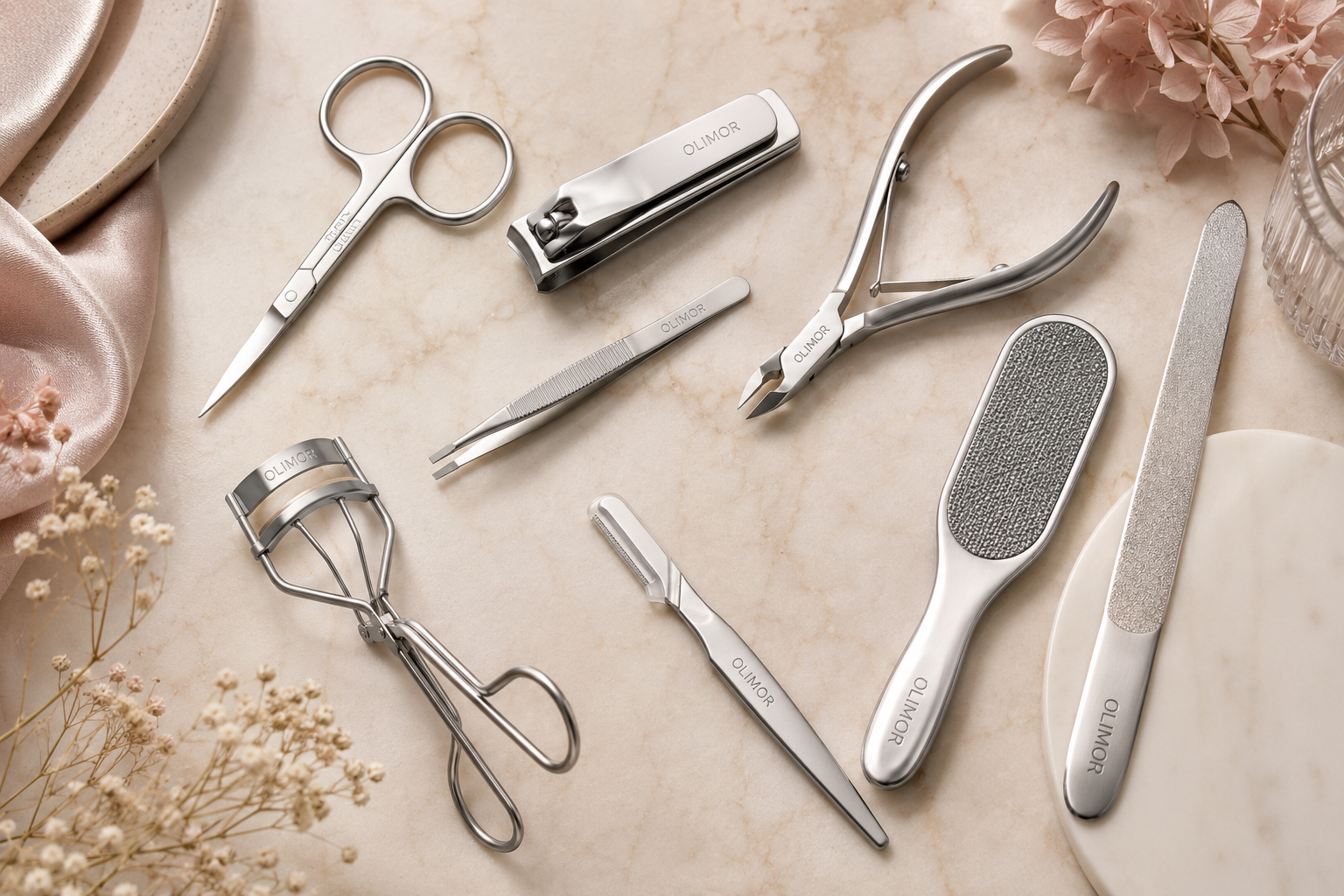
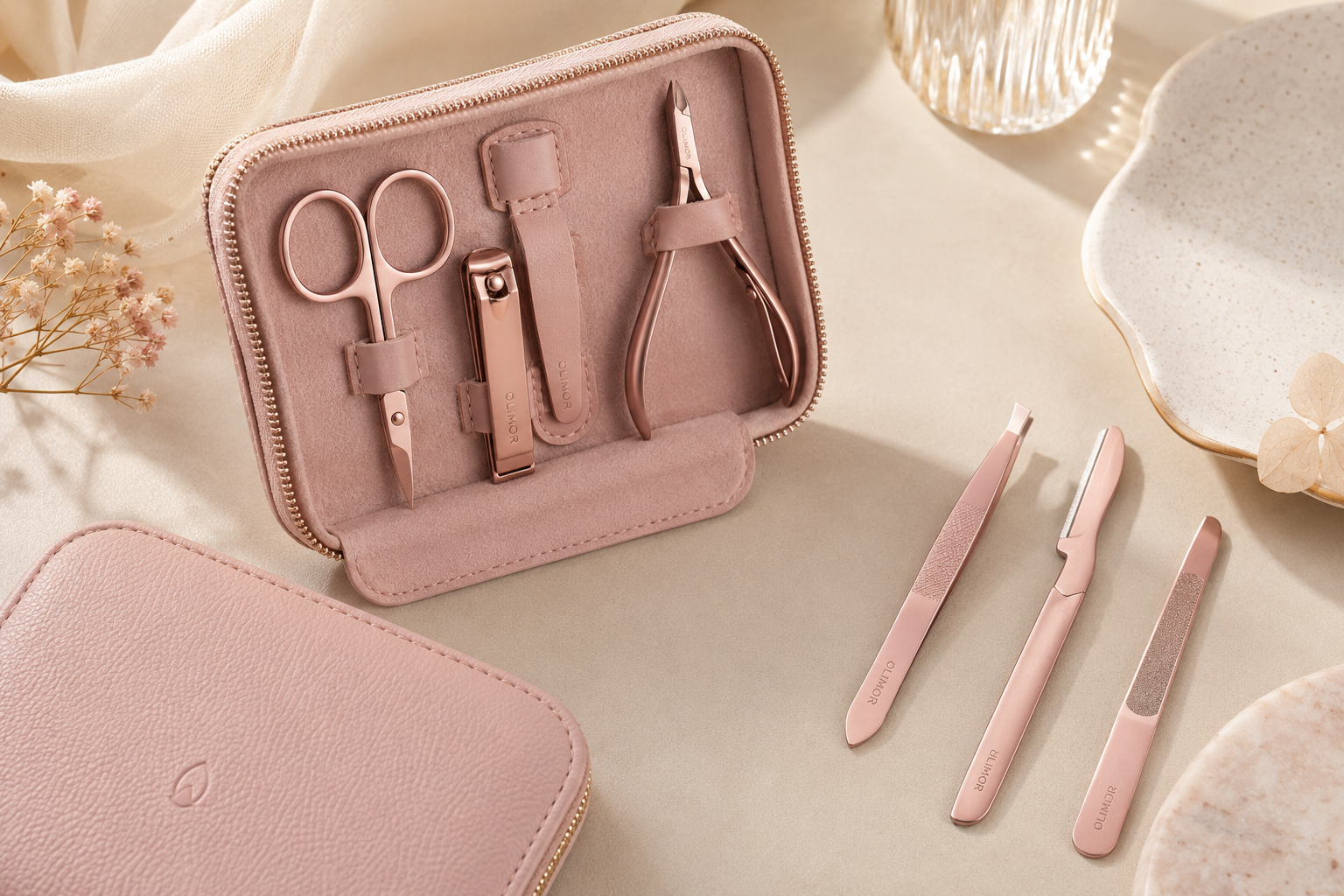
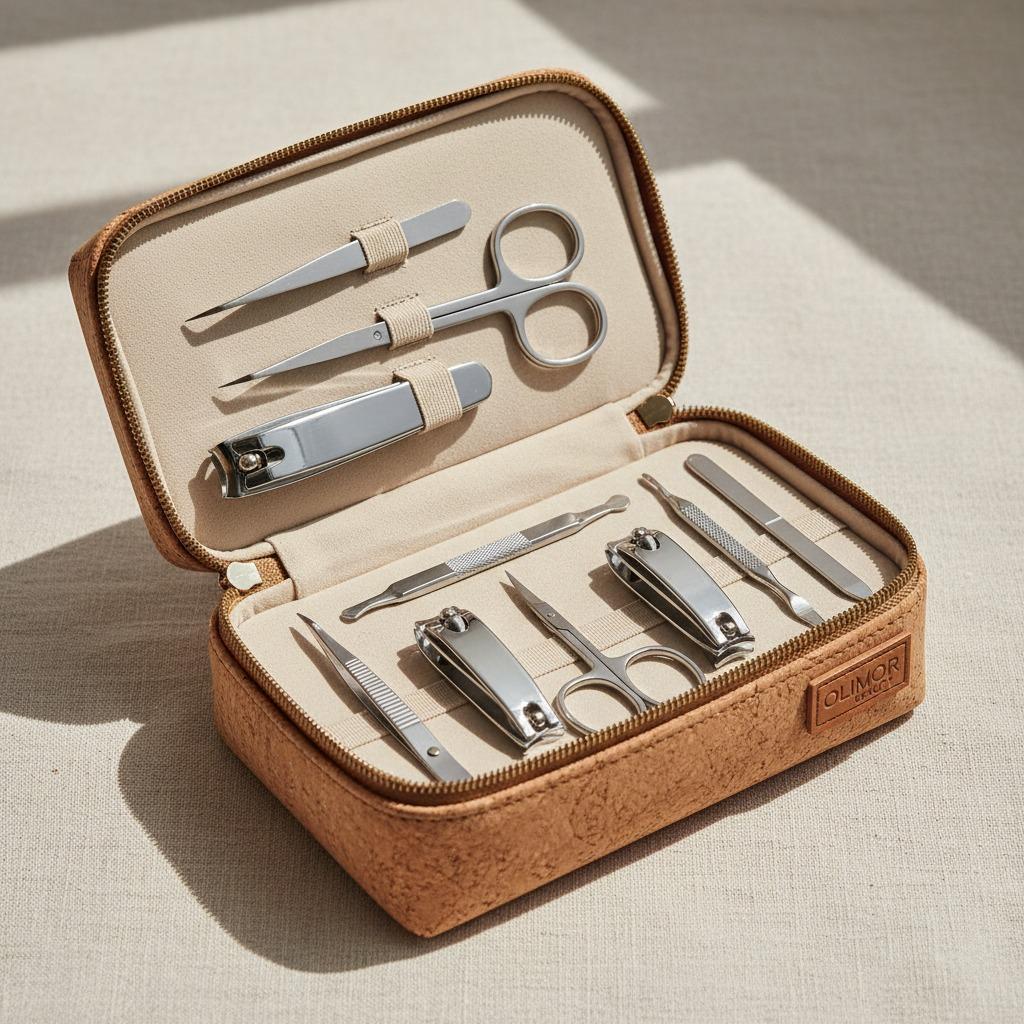
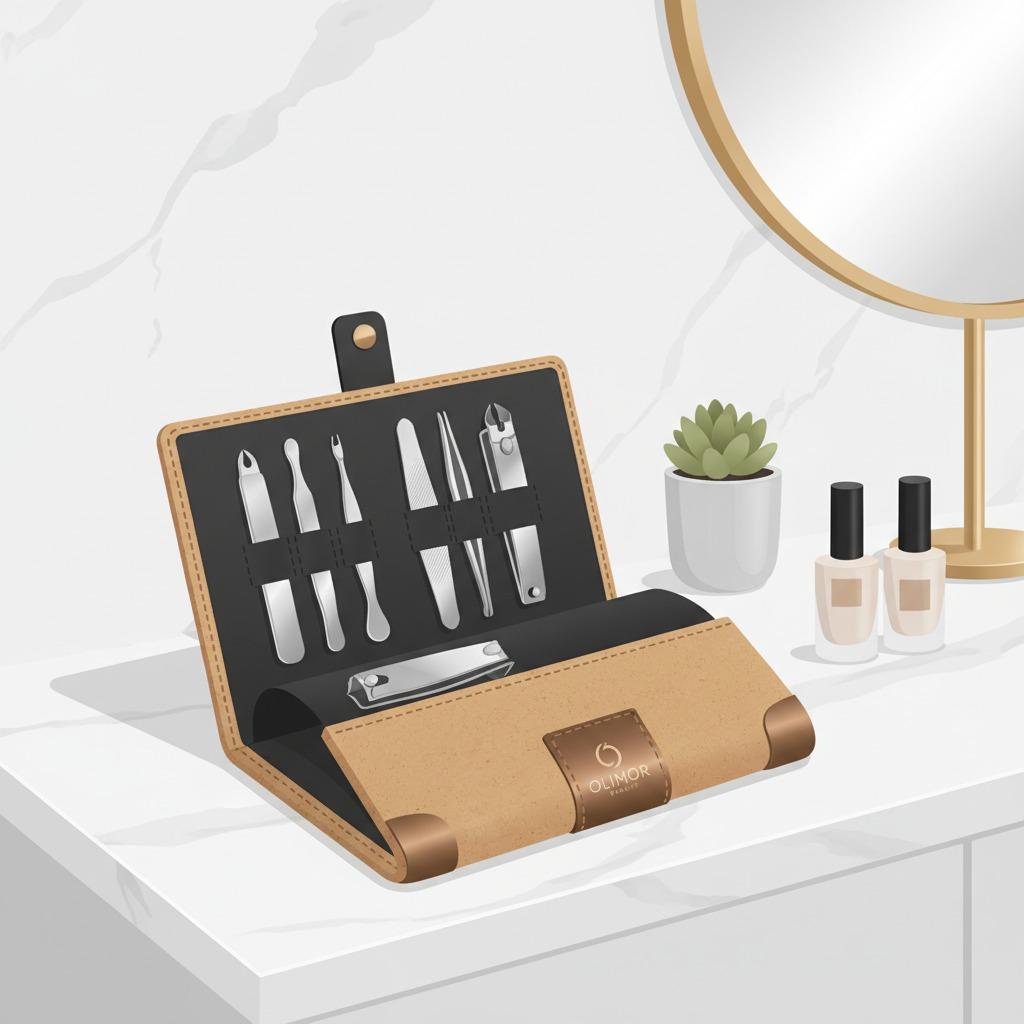
When building coordinated beauty tool collections, consider how the eyebrow tweezer fits with other tools. Matching finish, packaging style and care instructions can create a more professional retail presentation. At the same time, do not allow decorative choices to compromise grip, tip protection or cleaning practicality.
Supplier evaluation questions
- How is tip alignment checked during production and before packing?
- Are samples pulled from normal production or prepared separately?
- What inspection criteria are used for burrs, uneven edges, surface defects and handle tension?
- How are the tips protected during shipping, warehousing and retail display?
- Which customization options are available for finish, logo placement or packaging, and how might they affect handling or cleaning?
- Can product care instructions be included in retail packaging?
- What documents can the supplier provide for material, production and quality review?
These questions help buyers have a practical discussion instead of relying on vague claims such as “professional quality” or “premium precision.” A reliable supplier should be able to explain how the tool is made, checked and packed without overstating certifications or unsupported performance data.
Problem Solving: Why Tweezers Slip, Cut Hair or Feel Uncomfortable
If eyebrow tweezers do not perform well, the problem usually comes from alignment, edge condition, residue, user technique or damage. Slipping often happens when the tips do not meet evenly or when skincare residue coats the hair and tool. Cutting the hair instead of pulling it may indicate an overly sharp or poorly finished gripping edge, an incorrect pulling angle, or gripping too far from the root. Pinching skin may come from poor visibility, an unsuitable tip shape or attempting to grab multiple hairs at once.
Before replacing a tweezer, clean and dry the tips, inspect the alignment, and test the grip on a fine fiber or a clearly visible brow hair. If the tweezer has been dropped, the tips may no longer meet correctly. If the edge has burrs or visible damage, it is better to remove the tool from use, especially in professional settings.
For B2B buyers, repeated complaints about slipping should trigger sample retention review and batch inspection. Compare returned or complaint units with approved samples. Check packaging protection and shipping handling as well as the tool itself. Precision tips can leave the factory correctly aligned but become damaged if not protected through the distribution chain.
Why Olimor Beauty Focuses on Practical Precision
Olimor Beauty eyebrow tweezers are positioned around practical grooming needs: stainless steel construction, ergonomic handling and carefully aligned tips for accurate hair removal. The focus is not on making brow shaping complicated. It is on providing a compact tool that grips cleanly, feels controlled and supports hygienic care over repeated use.
For beauty-tool buyers, the most productive conversation starts with use case: retail brow grooming, salon supply, travel kits, promotional sets or private label assortments. From there, decisions about tip style, finish, packaging and inspection can be matched to the intended user. Buyers can review relevant options through Olimor product categories or discuss requirements directly through the product inquiry form.
A restrained but clear specification helps both sides. Instead of asking only for the lowest-cost tweezer, define the preferred tip shape, stainless steel requirement, finish direction, packaging protection, inspection focus and any customization needs. This improves the chance that the final tweezer will satisfy the people who actually use it.
Final Buyer Checklist
- Choose slanted tips for the widest everyday eyebrow grooming use.
- Select stainless steel when durability and cleaning practicality are priorities.
- Inspect tip alignment and full-edge contact before approving samples.
- Test several pieces, not one, when reviewing B2B quality consistency.
- Check tension, grip comfort, polishing and absence of burrs.
- Make sure packaging protects the tips during shipping and storage.
- Provide care instructions so users clean, dry and store the tweezer properly.
- Verify current hygiene rules, supplier documents and any applicable regulatory requirements for your market.
FAQ
Can I request eyebrow tweezer samples before placing an order?
Sample availability depends on the product style, customization needs and current production situation. Business buyers can use the contact page to discuss sample requirements and the intended application.
Is there a fixed MOQ for customized eyebrow tweezers?
MOQ can vary by tweezer design, finish, logo method, packaging and production plan. It is best to confirm the current requirement after sharing the target specification.
Can eyebrow tweezers be customized for private label packaging?
Customization may include finish direction, branding and packaging discussion, depending on the selected product and project requirements. Any customization should preserve tip protection, grip comfort and cleaning practicality.
How should buyers evaluate quality before bulk approval?
Review multiple samples for tip alignment, edge finish, handle tension, surface consistency and packaging protection. Ask the supplier how these points are checked during production and before shipment.
What affects lead time for eyebrow tweezer orders?
Lead time may depend on order quantity, customization, packaging development, production scheduling and inspection requirements. Buyers should confirm timing with current project details rather than assuming a standard schedule.