










A good stainless steel nail clipper should do three things well: cut cleanly, feel stable in the hand, and stay easy to maintain. That sounds simple, but the difference shows up quickly in daily use. A clipper with poor alignment can crush the nail edge, force repeated pressure, or leave rough corners that snag on fabric. A well-made clipper gives a smoother trim, better hygiene, and a more predictable grooming routine.
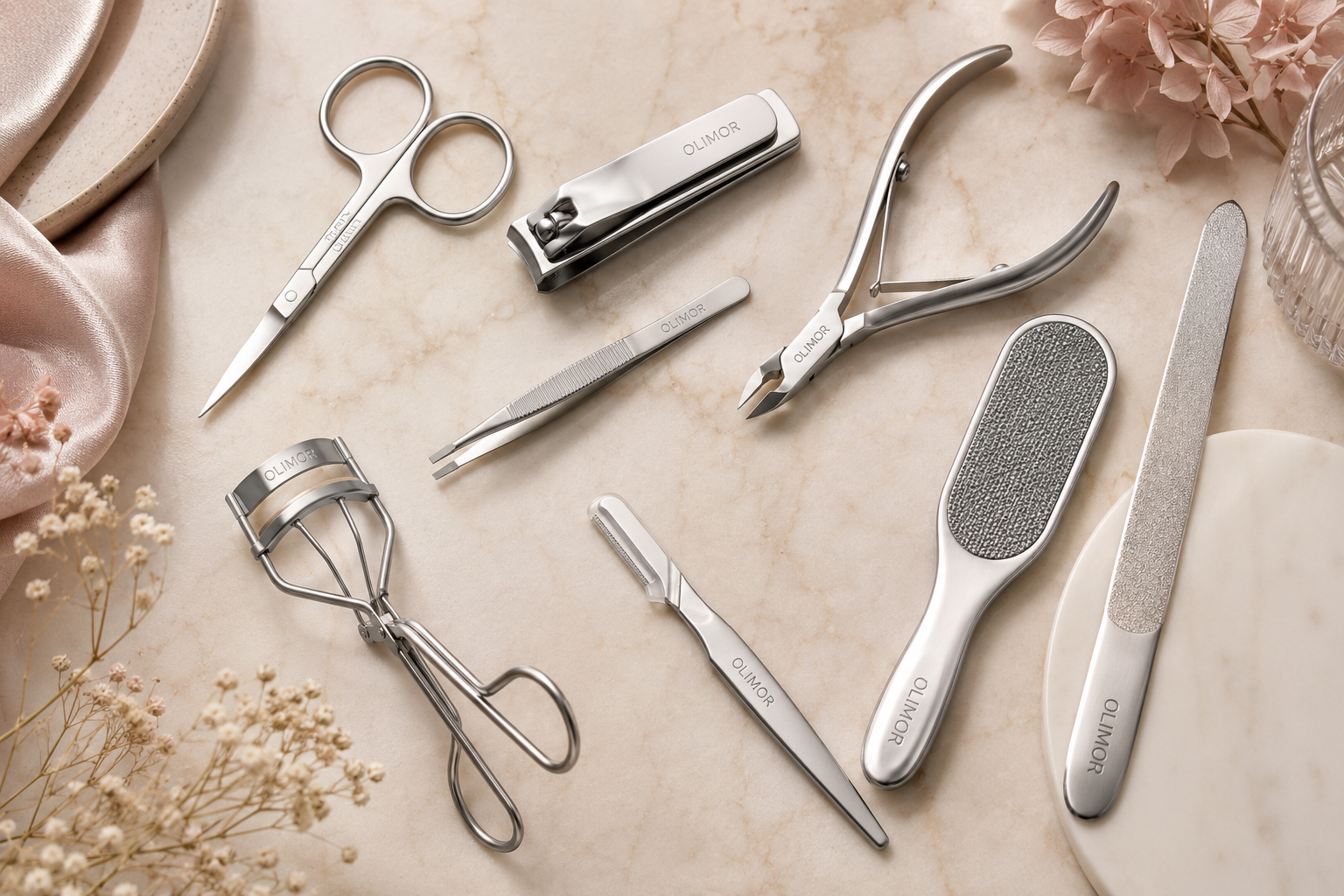
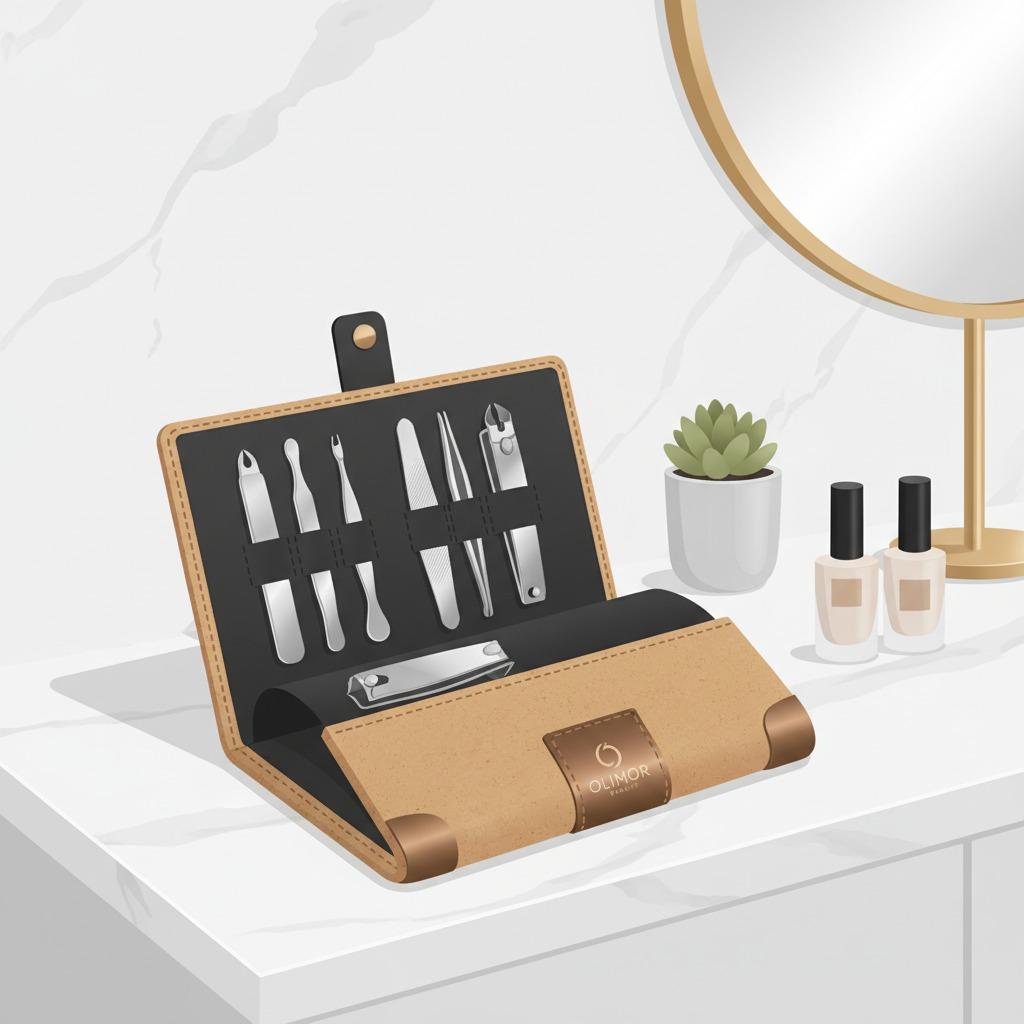
For consumers, that means less frustration during home care. For retailers, salon buyers, and private-label sourcing teams, it means fewer complaints and a product that is easy to explain on shelf or in a catalog. Olimor Beauty focuses on practical beauty tools with a polished appearance, and the stainless steel nail clipper described here reflects that approach with a polished finish, textured ergonomic handling, smooth spring action, and a built-in nail catcher. If you are comparing related manicure items, you can also explore Olimor beauty tool products or browse broader grooming collections.
What a Stainless Steel Nail Clipper Should Do Well
The main job of a nail clipper is not just to shorten the nail. It is to shorten it cleanly, without tearing or compressing the edge. That matters because nails differ in thickness, shape, and moisture level. Fingernails often need a lighter, more controlled trim, while toenails may need firmer leverage and a steadier jaw.
Stainless steel is a strong choice because it supports durability and easier cleaning in a tool that is used around moisture, sinks, bathroom counters, and travel kits. It also gives the clipper a solid, reliable feel. But material alone does not guarantee performance. Buyers should still inspect the cutting edge, hinge movement, leverage, and grip before making a selection.
- Clean cutting edge: The jaws should meet evenly to help reduce crushing and splitting.
- Stable lever action: The lever should move smoothly without wobble.
- Comfortable handling: A secure grip improves control during detailed trimming.
- Simple cleaning: A polished surface and practical shape make upkeep easier.
- Mess control: A built-in catcher can keep clippings from scattering.
Why Stainless Steel Is a Practical Material for Grooming Tools
Stainless steel is widely used in personal care tools because it balances durability, hygiene, and appearance. For a nail clipper, that matters in everyday settings where the tool may be exposed to water, steam, skincare products, or regular handling. A material that resists ordinary wear is especially useful for shared retail assortments, travel kits, salon preparation, and home grooming drawers.
The polished finish mentioned in the product description adds another practical benefit: it gives the tool a cleaner visual presentation and can be easier to wipe after use. That does not replace proper cleaning, but it supports it. A neat, finished surface also suits modern beauty kits where the tool needs to look as refined as it functions.
For buyers working across markets, it is still important to verify current supplier documents and local compliance requirements. If a product is intended for retail in regulated regions, confirm any applicable material, labeling, or import guidance with the supplier and the relevant authorities, such as the EU REACH framework or local consumer product regulators, as appropriate to the market.
Features to Compare Before You Buy
When people compare nail clippers, they often focus on appearance first. That is reasonable, especially for gift sets or premium shelf display. But the details that influence performance are usually mechanical. A decorative feature may help merchandising, but the cut, grip, and hinge decide whether the tool earns repeat use.
| Feature | What to Check | Why It Matters |
|---|---|---|
| Cutting edge alignment | The jaws should meet evenly and close without visible skew. | Better alignment helps produce cleaner cuts and fewer rough edges. |
| Lever action | The lever should press down smoothly and feel controlled. | Predictable action helps the user trim with less effort. |
| Grip surface | Look for a handle that feels secure, even with slightly damp hands. | A stable grip improves accuracy and comfort. |
| Built-in catcher | Check whether clippings are contained and whether the catcher is easy to empty. | Cleaner use is especially helpful for travel, desks, and shared bathrooms. |
| Surface finish | A polished finish should look refined without compromising function. | Helps with presentation, wiping, and product appeal. |
| Overall balance | The clipper should feel steady rather than top-heavy or awkward. | Good balance supports safer, more controlled trimming. |
Cutting Edge and Jaw Alignment
The cutting edge is the most important part of the tool. If the jaws do not meet correctly, the clipper may compress the nail before it cuts. That can create jagged edges or tiny splits, especially on brittle nails. Buyers should inspect alignment visually and by feel. The action should be consistent across the width of the blade, not stronger on one side than the other.
Lever Action and Spring Feel
The source description notes a finely adjusted spring mechanism designed for smooth action with minimal effort. That matters because the lever helps turn hand pressure into cutting force. If the action feels too stiff, users may press too hard. If it feels loose or uneven, they may lose control. A stable hinge and smooth lever movement make the tool easier to position, especially when trimming around the corners of toenails or using the non-dominant hand.
Grip, Shape, and Comfort
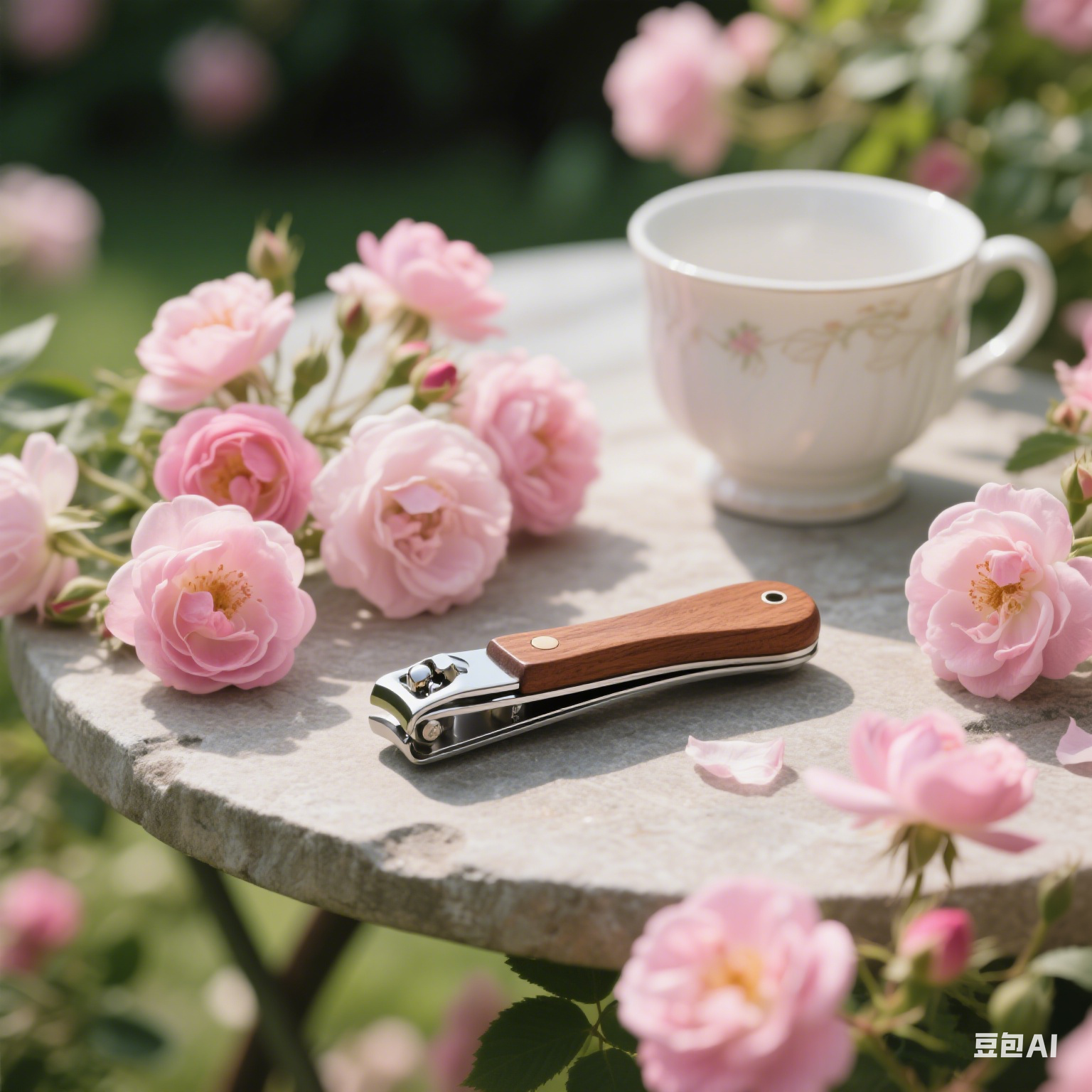
A nail clipper should sit naturally in the hand. A textured ergonomic handle can improve control and reduce slipping, which is useful for older users, people with limited hand strength, and anyone who prefers careful grooming rather than quick trimming. Comfort is not a luxury feature here. It directly affects accuracy.
Style Features and Their Limits
The description also mentions a crystal embellishment. This can add retail appeal in gift sets or beauty assortments, but it should remain secondary to the actual tool performance. A decorative element should not interfere with grip, cleaning, or the movement of the lever. For commercial buyers, the safest rule is simple: style can support the sale, but the cut must justify the repeat purchase.
Which Type of Buyer Needs Which Clipper?
Different buyers should prioritize different details. A personal-use customer may want a clean-looking tool that is easy to store in a bathroom drawer. A salon or spa buyer may want reliable handling and easy cleaning. A retail or private-label team may need a product that is visually neat, easy to merchandise, and straightforward to explain.
The chart below shows how to match features to use cases.
| Use Case | Priority Features | Why |
|---|---|---|
| Daily home grooming | Clean cutting edge, comfortable grip, easy maintenance | Supports consistent use without hassle. |
| Travel kits | Compact shape, built-in catcher, polished surface | Helps reduce mess and improves portability. |
| Salon or spa kits | Reliable action, easy cleaning, controlled trimming | Important for repeated professional handling. |
| Retail gift sets | Refined appearance, balanced design, practical packaging | Helps the tool look premium while remaining useful. |
| Private-label sourcing | Stable quality, packaging compatibility, clear supplier communication | Supports brand consistency and customer trust. |
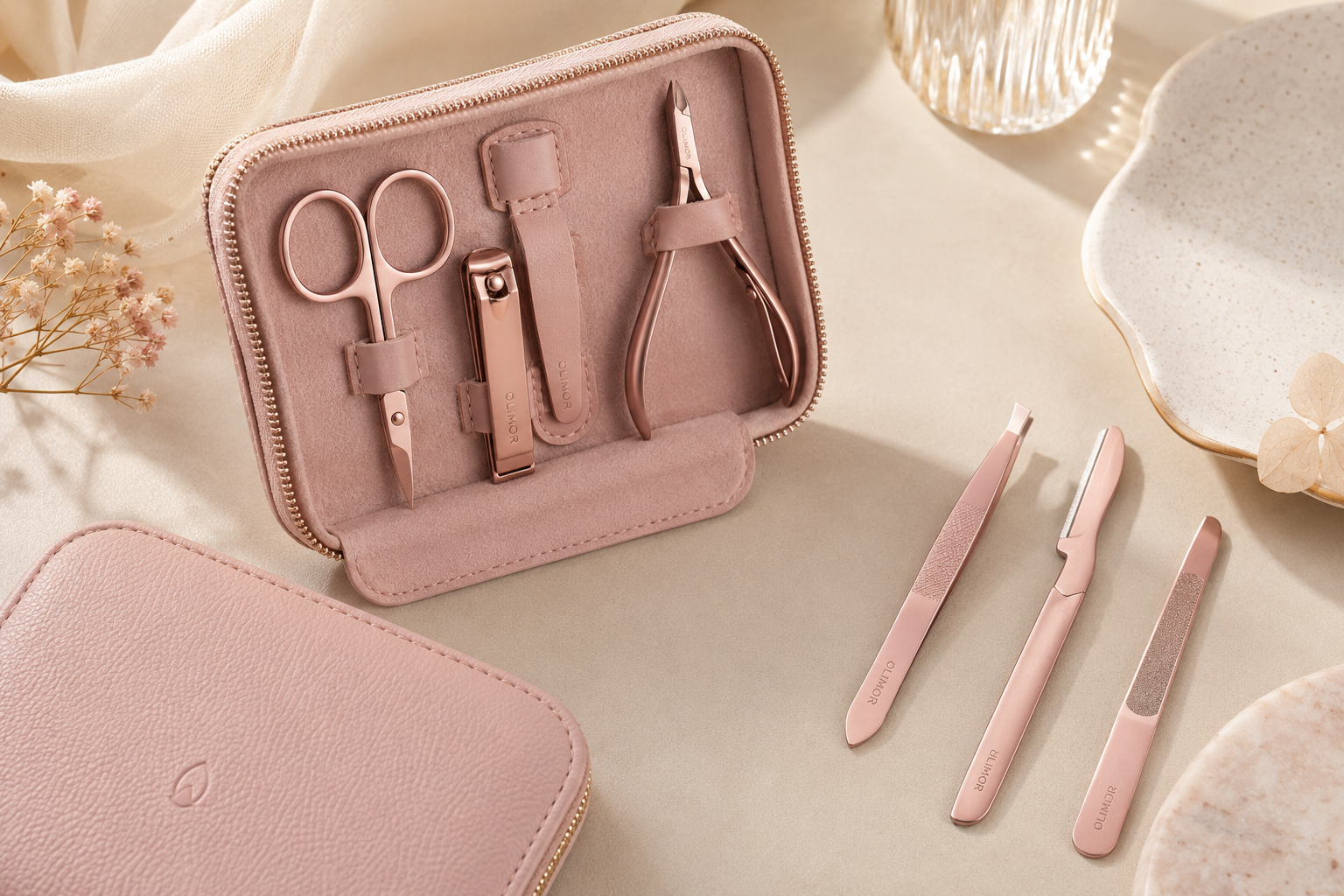
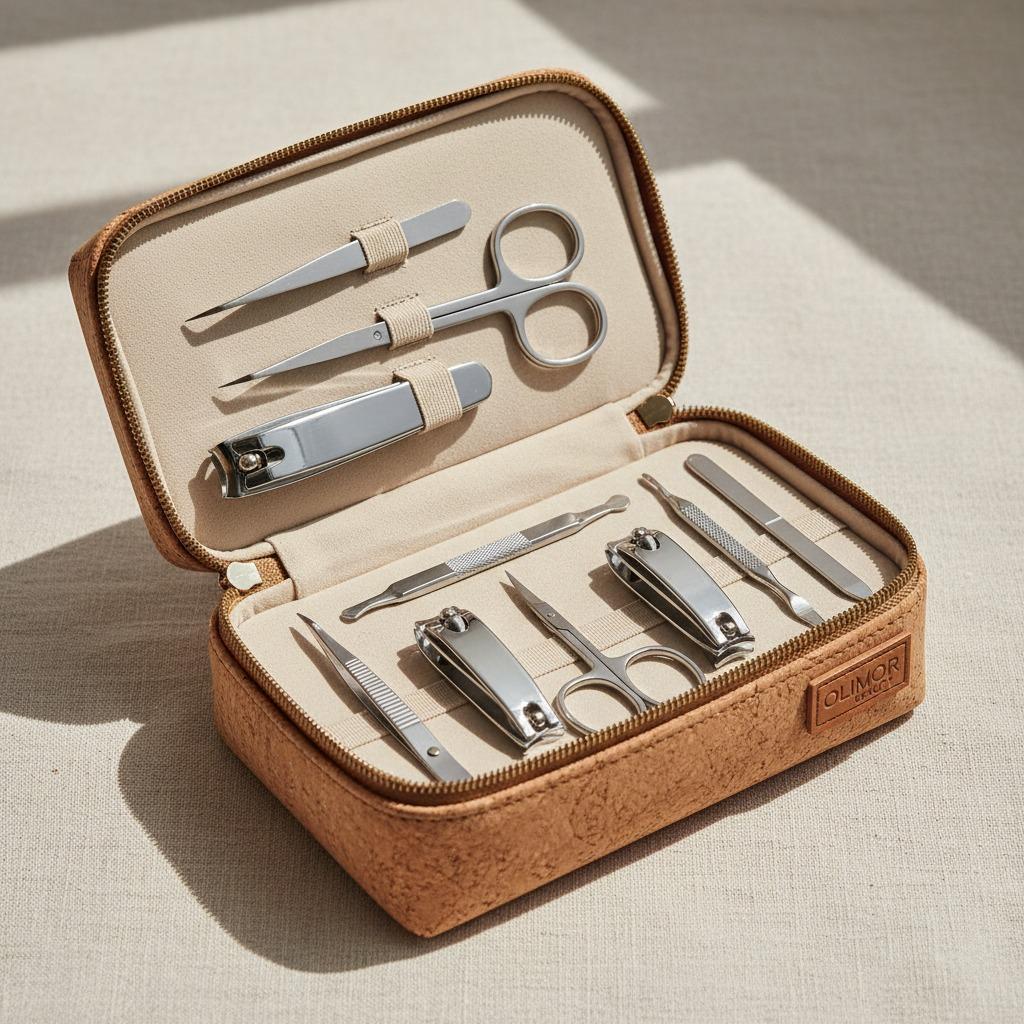
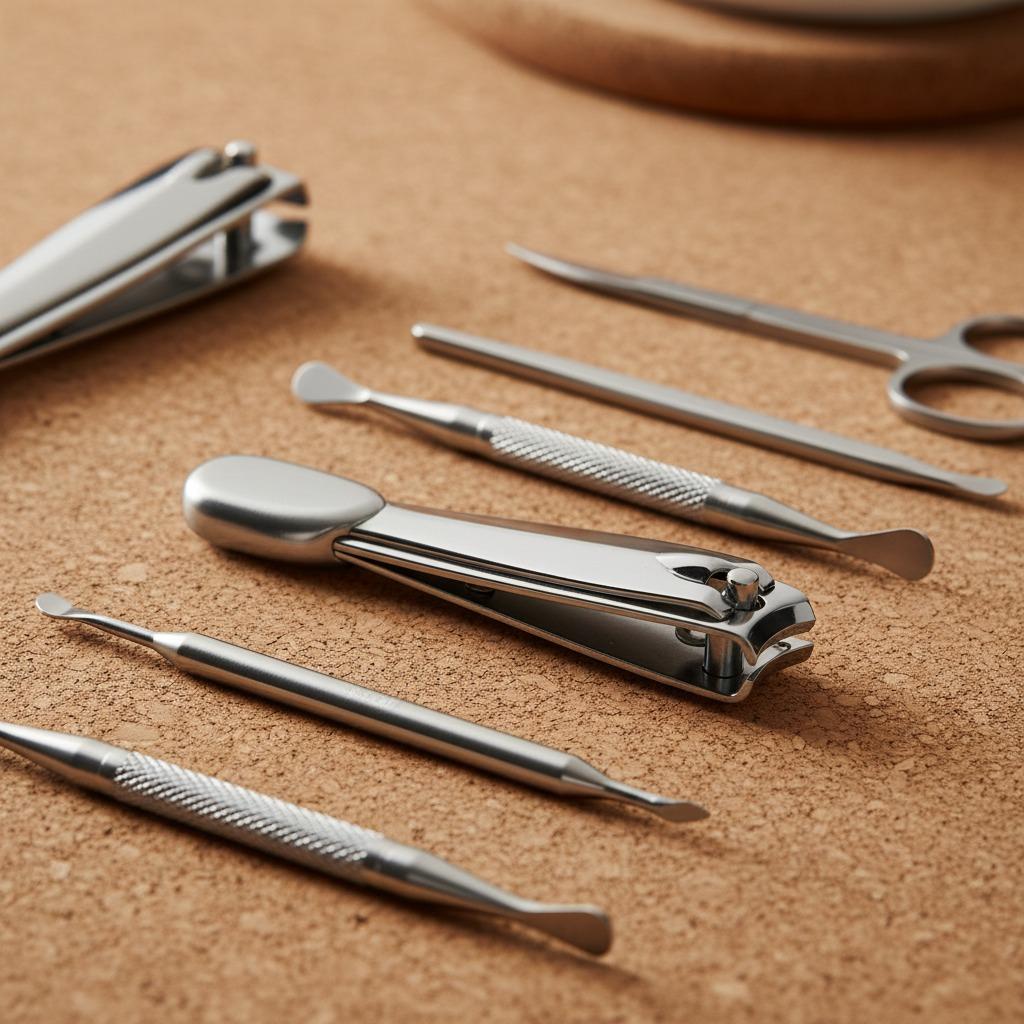
If you are building a product line, it helps to review the tool alongside related items rather than as a single object. Coordinated assortments often sell better when nail clippers, files, tweezers, and scissors are positioned as part of a complete routine. For project discussions, you can send an inquiry with your target market, packaging needs, and assortment goals.
How to Use Stainless Steel Nail Clippers for Better Results
Even a well-made clipper performs better when used with good technique. Most trimming problems come from rushing, using too much force, or trying to remove too much nail at once.
- Trim after washing: Nails are usually a little softer after a bath or hand wash, which can make clipping easier.
- Start with small cuts: This is especially useful for wider toenails or thicker nail edges.
- Follow the natural shape: Fingernails usually look cleaner with a gentle curve rather than a deep corner cut.
- Keep pressure steady: Position the clipper before pressing down so the cut stays controlled.
- Refine with a file if needed: A nail file can smooth rough edges after trimming.
- Empty the catcher immediately: If the clipper includes a catcher, clean it after every use to keep the tool sanitary and ready for next time.
For households, it is also wise to keep personal nail tools separate whenever possible. Sharing clippers can raise hygiene concerns, particularly if someone has broken skin, thickened nails, or any visible nail condition that needs attention.
Care, Cleaning, and Storage
Stainless steel is durable, but it still needs regular care. After each use, remove nail debris and wipe the clipper with a clean dry cloth. If the tool has been exposed to water, dry it thoroughly before storing it. Moisture left around the hinge or spring area can interfere with smooth movement over time.
For deeper cleaning, use a method suitable for personal grooming tools and the supplier’s guidance. Then dry the tool fully. Do not put a damp clipper back into a closed case, bathroom drawer, or travel pouch. A dedicated pouch or small case can help protect the cutting edge from impact and keep the tool cleaner between uses.
If the jaws begin to feel rough, the lever becomes unstable, or the clipper stops cutting cleanly, replacement is usually the smarter option than forcing the tool. Nail grooming is a direct-contact task, so consistent cutting quality matters more than trying to stretch a worn tool beyond its practical condition.
Supplier Evaluation Checklist for Retailers and Sourcing Teams
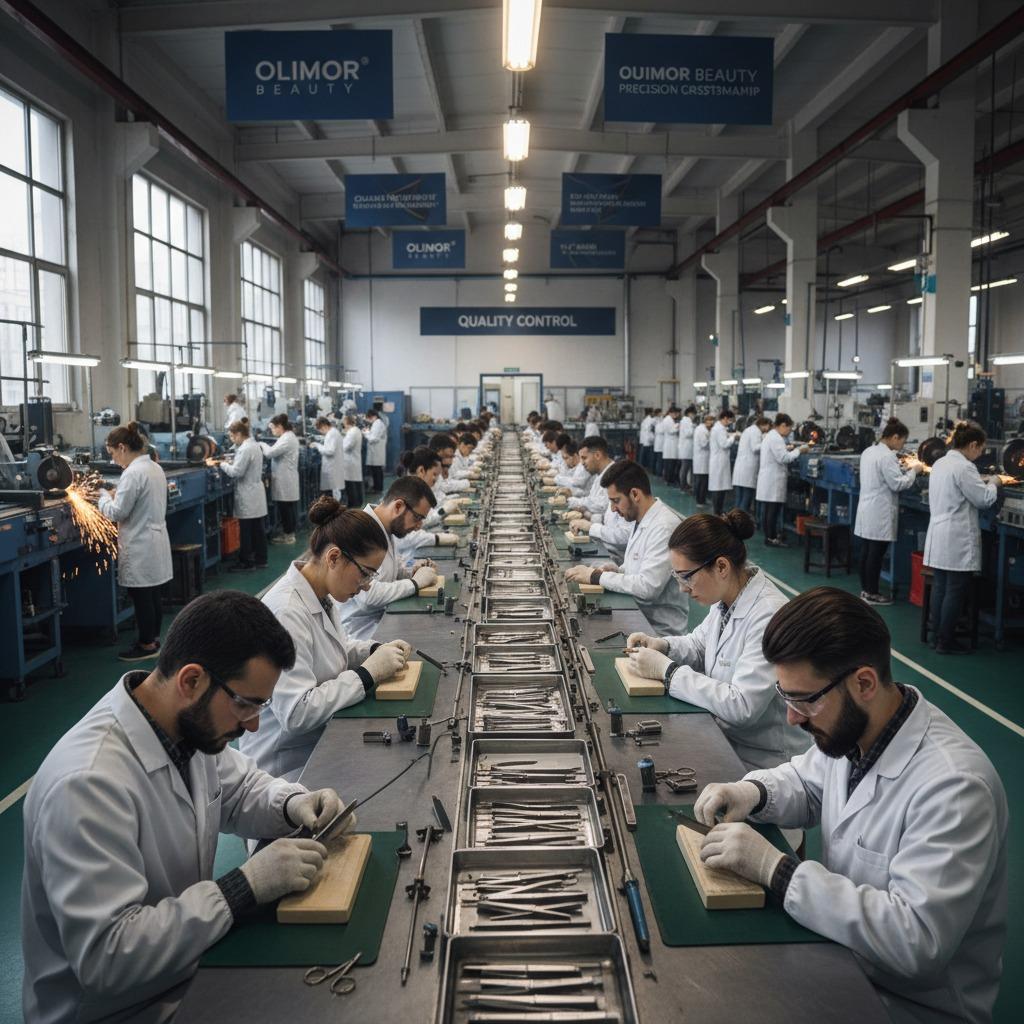
When sourcing nail clippers for retail or private-label programs, product quality should be assessed alongside packaging, consistency, and buyer support. The goal is not only to find a tool that looks good, but one that can be explained clearly and repeated reliably across batches.
- Confirm the stainless steel construction and finish consistency.
- Inspect cutting edge alignment and lever movement in sample units.
- Review how the built-in catcher works and whether it is easy to empty.
- Check that the grip is comfortable and does not feel slippery.
- Ask how the product is packed to protect the edge during transit.
- Review whether the design suits retail display, gift sets, or travel kits.
- Verify current supplier documents, labeling details, and any market-specific compliance needs.
Packaging matters more than many buyers expect. A good clipper can be damaged by poor packing, and an attractive clipper can still disappoint if the edge is knocked during shipping. For that reason, commercial buyers should ask how the tool is protected inside the carton and whether the packaging supports shelf presentation as well as transit safety.
The best supplier conversations are practical. Share where the tool will be sold, how it will be used, and what kind of finish or packaging fits the assortment. If the clipper will sit in a premium beauty kit, the presentation should reflect that. If it will be sold as a high-utility everyday item, the focus should shift toward dependable function and easy cleaning.
Why This Style of Nail Clipper Fits Modern Grooming Needs
A stainless steel nail clipper with smooth action, ergonomic handling, and a built-in catcher addresses the main needs most people have: clean trimming, less mess, and simple upkeep. That is why it works well for personal grooming, travel, salon prep, and retail assortments. The tool is compact, familiar, and easy to understand, but it still has meaningful quality differences that buyers can evaluate before choosing a supplier.
Olimor Beauty’s approach combines practical features with a polished look, which is especially useful in beauty-tool categories where appearance and usability both matter. The described clipper is not about unnecessary complexity. It is about the basics done well: stable handling, clean cutting, and easy maintenance.
If you are comparing options for a grooming program, manicure set, or retail lineup, focus on the qualities that affect real use every day. For product selection or sourcing support, you can contact the team to discuss suitable beauty tool options for your market.
FAQ
Can I request samples before placing a larger order?
Sample availability depends on the project and the type of order you are planning. The most practical next step is to send an inquiry with your target product, packaging needs, and market so the supplier can confirm the available process.
What affects MOQ for stainless steel nail clippers?
MOQ is usually influenced by the product configuration, packaging style, customization needs, and overall order scope. If you need a private-label or retail-ready version, ask early so the supplier can explain the options clearly.
Can the clipper be customized for my brand?
Customization may be possible depending on the program, especially for packaging or assortment planning. Share your brand requirements, intended use, and display needs so the supplier can tell you what is available.
How should I check quality before approving an order?
Review sample units for cutting-edge alignment, lever feel, grip comfort, surface finish, and catcher function. It is also wise to confirm how the product is packed and whether supplier documents match the version you plan to sell.
What should I ask about lead time?
Ask the supplier to confirm lead time based on the final configuration, packaging, and order size. Lead time can change with customization, so it is better to confirm it after the product details are settled.