










Thick nails need a nail clipper that cuts with steady leverage, stays secure in the hand and keeps the cutting edge aligned under pressure. For B2B buyers, salon assortments and retail product teams, the best choice is not simply the most polished-looking clipper. It is the tool that solves common user problems: hard toenails, aging nails, curved edges, reduced hand strength, slippery handling and inconsistent cutting pressure.
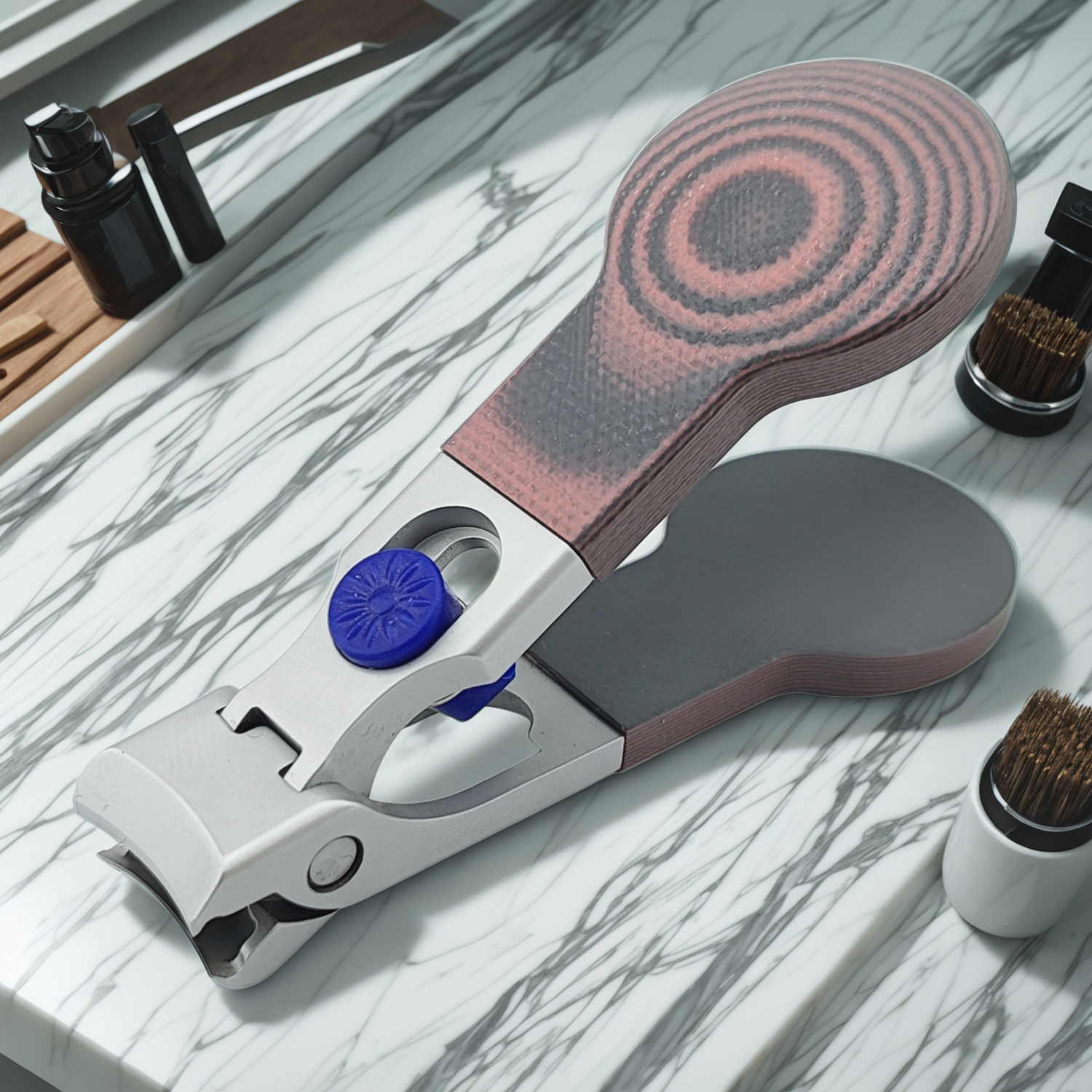
Olimor Beauty offers an ergonomic nail clipper designed around practical thick-nail needs. Its key product details include stainless steel cutting components, a G10 composite handle, a textured concentric ring grip pattern and a blue dial used for locking and adjustment. These features give buyers a useful framework for evaluating nail clippers beyond basic appearance, packaging or generic premium claims.
This guide explains how to compare thick-nail clippers by material, grip, leverage, adjustment, maintenance and supplier readiness. It is written for commercial buyers as well as anyone choosing a more capable personal grooming tool.
Why Thick Nails Require a Different Clipper
Thick nails create more resistance than ordinary fingernails. They may be hard, curved, uneven or difficult to reach, especially on the toes. Common causes can include age, repeated footwear pressure, past nail trauma or fungal conditions such as onychomycosis. The trimming challenge is similar in each case: the nail does not yield easily, so the clipper must apply force cleanly without crushing, slipping or twisting.
Small standard clippers often work for thin fingernails but may be frustrating on thick toenails. If the lever is weak, the user squeezes harder. If the handle is slippery, the hand shifts during the cut. If the cutting edges do not meet evenly, the nail may split, tear or leave a jagged edge. These issues can lead to uncomfortable grooming and dissatisfied customers.
A thick-nail clipper should support three outcomes. First, it should deliver controlled pressure through a lever that feels stable. Second, it should offer a secure grip so the user can place the blade accurately. Third, it should be easy to clean and store after use. Buyers comparing beauty tool products should therefore inspect function before focusing on decorative finish.
Core Product Features to Evaluate
The Olimor Beauty ergonomic nail clipper is built around four feature areas that are especially relevant to thick nails: stainless steel cutting components, G10 composite handle material, surface texture and an adjustment or locking dial. Each feature has a practical purpose.
Stainless Steel Cutting Components
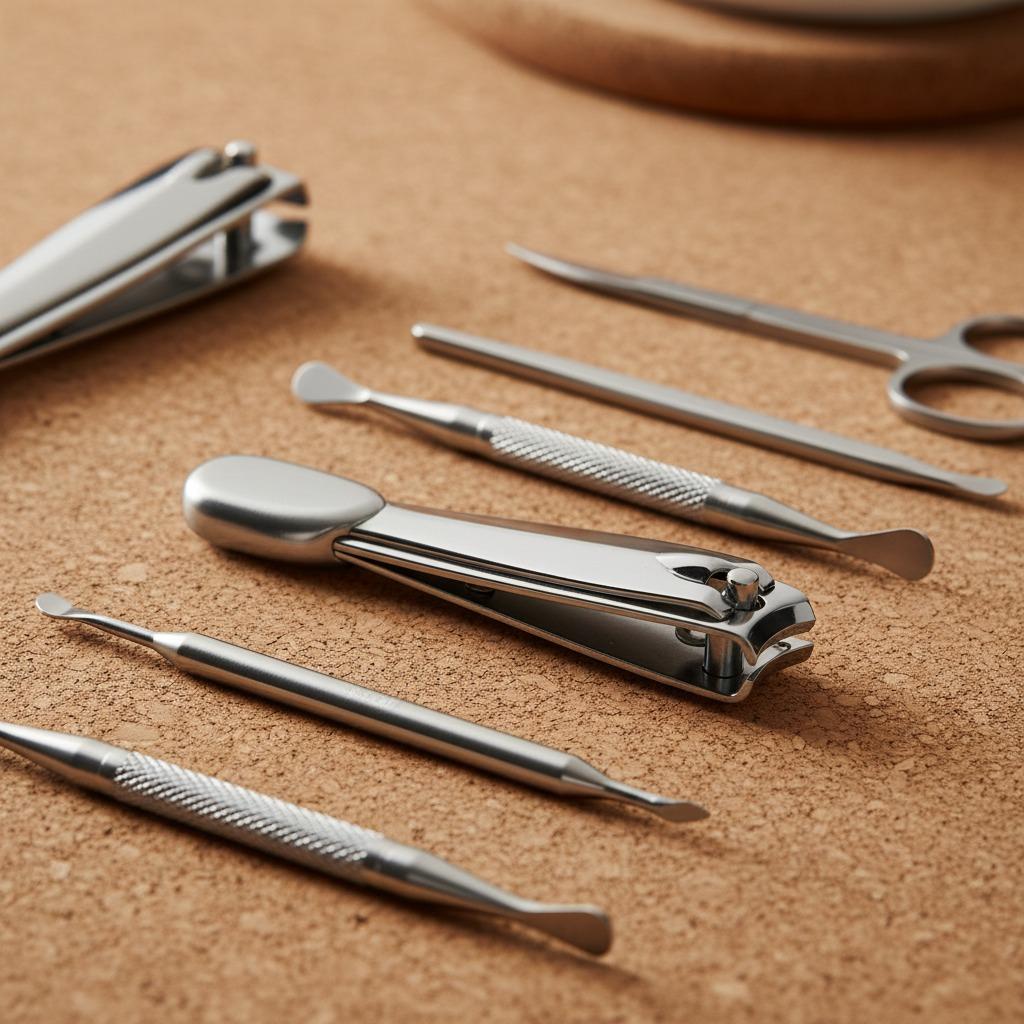
Stainless steel is widely used in nail tools because it resists corrosion and supports repeated cleaning. In bathroom, salon and retail environments, corrosion resistance matters because nail tools are exposed to humidity, water and cleaning routines. A cutting edge that becomes rough, misaligned or stained is harder to trust and harder to maintain.
For thick nails, the cutting area must also remain stable when pressure increases. Buyers should examine whether the upper and lower cutting edges meet evenly and whether the pivot feels firm. Stainless steel alone does not guarantee good cutting performance, but it is an important foundation for durability and hygiene management.
G10 Composite Handle
The handle uses G10 composite, a fiberglass-epoxy material known for strength, light weight and wear resistance. In a nail clipper, this type of handle can help provide a firm hold without making the tool bulky. That is useful when the user needs controlled pressure instead of a quick, light fingernail trim.
The handle is also part of the user experience. A clipper may have a sharp cutting edge, but if the user cannot hold it securely, the cut becomes less predictable. G10 supports a stable grip surface, making it a practical design choice for thick nails and for customers who prefer a more substantial handle feel.
Concentric Ring Texture
The handle texture features a concentric ring pattern. This detail is more than decoration. Texture increases contact between the fingers and the handle, helping reduce slip when the hand is slightly damp or when more squeezing force is needed. For users trimming hard toenails, this can improve confidence and placement accuracy.
Blue Dial for Locking and Adjustment
The blue dial functions as a locking and adjustment feature. A locking function can make storage safer and keep the tool more controlled when not in use. Adjustment can help the user fine-tune how the clipper feels during trimming, especially when moving between thinner and thicker nails.
For sourcing teams, the important question is not whether a product has a visible dial, but whether the mechanism feels secure, accessible and useful. It should not wobble, bind or make the tool difficult to clean.
Comparison Table: Basic Clippers vs Thick-Nail Clippers
Commercial buyers often need a quick way to compare product types. The table below outlines the functional differences that matter most when building a nail-care assortment.
| Evaluation Point | Basic Small Clipper | Thick-Nail Focused Clipper | Buyer Check |
|---|---|---|---|
| Cutting leverage | Often suitable for thin fingernails | Designed to support stronger, steadier pressure | Test whether the lever feels smooth and controlled |
| Grip security | May have a slim or polished handle | Benefits from textured or ergonomic grip surfaces | Check handling with dry and slightly damp fingers |
| Material priority | Varies widely by product level | Stainless steel cutting parts support cleaning and corrosion resistance | Inspect edge alignment and finish quality |
| User group | General light grooming | Hard nails, toenails, aging nails or users needing more control | Match tool design to customer need |
| Storage and control | May not include a lock | Locking or adjustment features can improve handling | Confirm the mechanism is stable and easy to operate |
| Retail positioning | Entry-level or everyday grooming | Problem-solving, ergonomic or premium tool category | Use accurate feature-based product copy |
How to Select Nail Clippers for Retail, Salon or Distribution
When selecting thick-nail clippers commercially, use a checklist that connects the product to real customer problems. This helps avoid weak claims and improves buyer confidence.
- Cutting edge alignment: The two cutting edges should meet evenly without obvious gaps. Poor alignment can crush the nail instead of cutting cleanly.
- Lever stability: The lever should apply pressure smoothly. Excess wobble may reduce control on hard nails.
- Grip material: A textured G10 composite handle can support secure handling and reduce the risk of slipping.
- Corrosion resistance: Stainless steel cutting and pivot components are useful for tools that will be cleaned and stored in humid environments.
- Adjustment or lock: A blue dial or similar device should be easy to understand, secure in use and practical for storage.
- Cleaning access: The clipper should not have unnecessary crevices where nail debris is difficult to remove.
- Customer fit: Consider whether the tool suits older users, people with thicker toenails or buyers who want better grip control.
- Packaging accuracy: Product descriptions should explain materials and functions clearly without unsupported medical or performance claims.
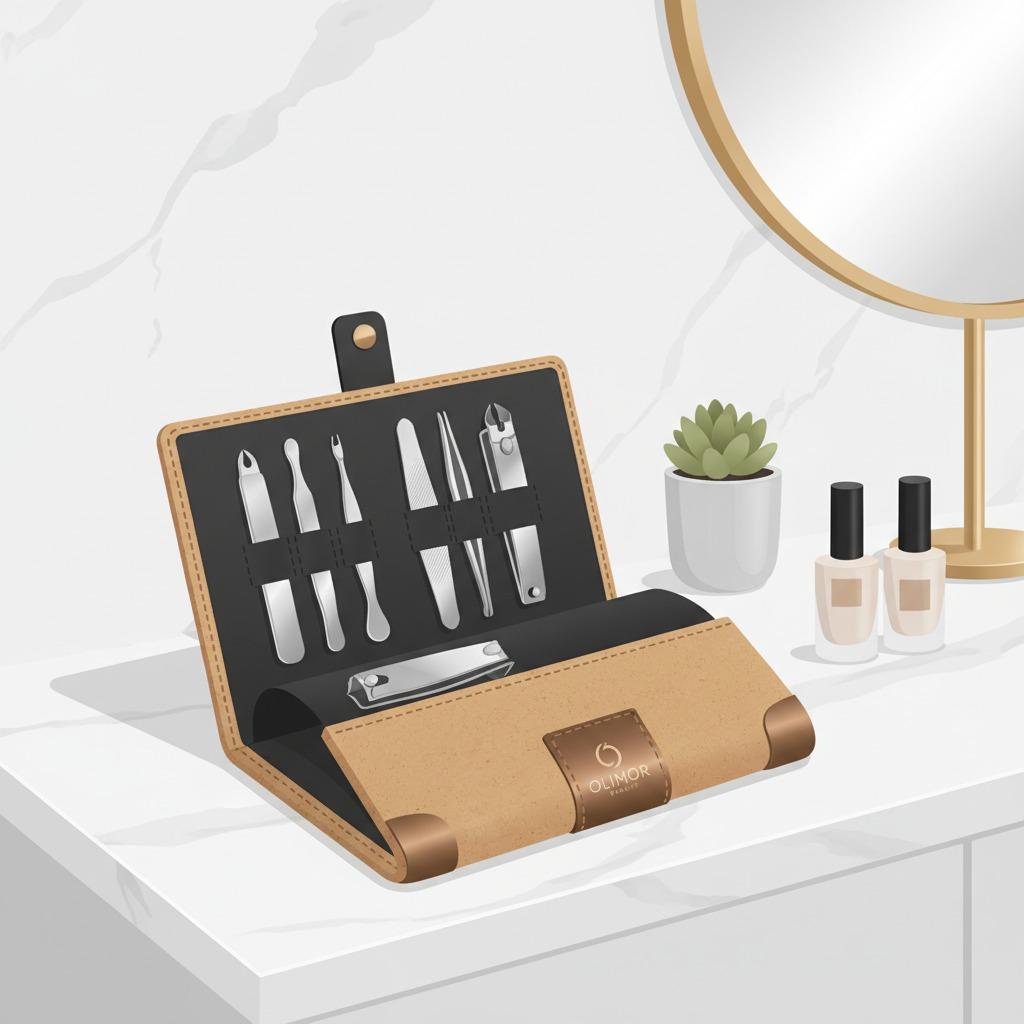
For wider assortment planning, review how the clipper sits alongside files, scissors, cuticle tools and other grooming items in your beauty tool collection. A thick-nail clipper can fill a clear problem-solving role rather than competing only on price or finish.
Cost Factors Without Relying on Guesswork
Thick-nail clippers can vary in cost because of materials, construction complexity, finishing, packaging and order requirements. It is not useful to judge cost by metal appearance alone. A low-cost clipper may look acceptable in a photo but fail customer expectations if the lever flexes, the grip slips or the cutting edge is poorly aligned.
For B2B buying, the most relevant cost drivers usually include:
- Material selection: Stainless steel cutting components and a G10 composite handle can affect sourcing and production cost compared with simpler materials.
- Mechanism complexity: Locking and adjustment features require consistent assembly and inspection.
- Surface finish and texture: A functional grip pattern may add production steps but can improve the user experience.
- Packaging requirements: Retail packaging, instructions, barcode needs and private-label presentation can change total project cost.
- Customization scope: Logo application, color direction, packaging artwork or assortment bundling may affect quotation details.
- Inspection expectations: More detailed quality checks can influence project planning but help reduce downstream complaints.
Rather than asking only for the lowest unit price, buyers should request a quotation based on the exact product configuration, packaging needs and quality expectations. This produces a more realistic comparison between suppliers.
Quality Inspection Points Before Purchase
A thick-nail clipper should be inspected as a functional hand tool, not just a beauty accessory. Before approving samples or placing a commercial order, check both appearance and performance.
Sample Inspection Checklist
- Open and close the clipper several times to feel for stiffness, scraping or looseness.
- Check whether the cutting edges meet evenly from one side to the other.
- Confirm the G10 handle is secure and free from sharp or uncomfortable edges.
- Test the textured grip pattern for comfort and traction.
- Operate the blue dial to confirm that locking or adjustment feels stable.
- Inspect stainless steel surfaces for visible burrs, rough spots or areas that may trap debris.
- Confirm that any packaging or instructions describe the product accurately.
For consumer products, buyers should also verify the regulations and documentation that apply in their destination market. In the United States, the Consumer Product Safety Commission is a relevant public body for consumer product safety oversight. In the European Union, the General Product Safety Regulation may be relevant for general consumer goods. Requirements can change, so always verify current versions and request supplier documents that match your market and product category. Do not assume a certification or compliance status unless it is documented for the exact product and order.
How to Use Thick-Nail Clippers Safely and Effectively
Even a well-designed clipper works best with the right trimming method. Thick nails should be cut gradually. Trying to remove too much nail in one bite can create pressure, rough edges or discomfort.
- Soften the nail: Trim after bathing or after soaking the nail in warm water so the nail is less rigid.
- Clean the tool first: Wipe the cutting area before use to remove dust, residue or old nail debris.
- Start with small cuts: Work from one side across the nail instead of forcing one deep center cut.
- Follow the natural shape: Avoid cutting deeply into toenail corners, where irritation and ingrown edges can occur.
- Use the adjustment feature calmly: If the clipper includes a dial, set it so pressure feels controlled rather than abrupt.
- Smooth after clipping: Use a suitable nail file to reduce snagging and refine rough corners.
- Stop if pain occurs: Pain, bleeding, severe thickening, discoloration or recurring ingrown nails should be handled with professional care.
People with diabetes, poor circulation, nerve loss in the feet or significant nail disease should be especially cautious and seek appropriate medical or podiatric advice. A nail clipper can improve grooming control, but it is not a treatment for underlying nail conditions.
Cleaning, Maintenance and Storage
Durability depends on good materials and good care. Stainless steel helps resist corrosion, but nail tools still need regular cleaning and drying. After each use, remove nail debris from the cutting area and wipe the clipper dry. If the tool has been exposed to water, allow it to dry fully before storage.
Pay attention to the pivot and dial area. If movement becomes stiff, do not force the clipper through a thick nail. Check for trapped debris and inspect whether the cutting edges still align. Store the clipper in a dry place where the edge will not be damaged by loose metal objects or heavy items.
For shared household, salon or professional settings, cleaning expectations are higher. Tools should be cleaned between users according to the hygiene procedures required for the setting and local rules. Buyers serving professional channels should provide clear care instructions and avoid tool designs that are difficult to clean.
Supplier Evaluation Questions for B2B Buyers
A reliable supplier should be able to discuss product construction, customization options, packaging and inspection steps clearly. For a thick-nail clipper, ask questions that connect directly to user satisfaction and after-sale risk.
- What parts of the clipper are stainless steel, and how are cutting edges inspected?
- How is the G10 handle assembled and checked for secure fit?
- What customization options are available for logo, color direction, packaging or product sets?
- Can pre-production samples be reviewed before a larger order?
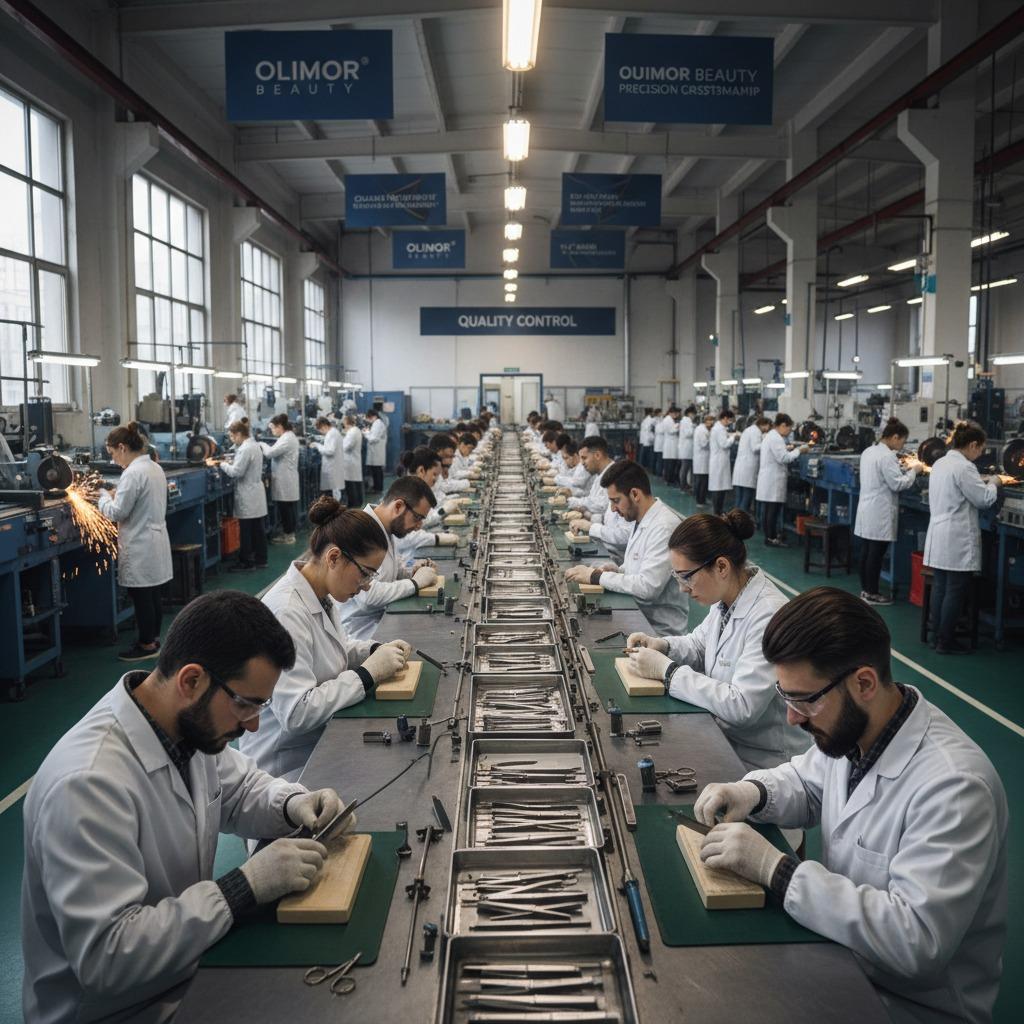
- What quality checks are performed on edge alignment, pivot movement, grip finish and dial function?
- What documents can be provided for the destination market and product category?
If you are building a retail or distribution program, share the sales channel, packaging expectations and target customer profile early. That helps the supplier recommend a suitable configuration and avoid mismatches between product function and market positioning.
When the Olimor Ergonomic Nail Clipper Makes Sense
The Olimor Beauty ergonomic nail clipper is most relevant when the buyer wants a practical solution for hard, thick or aging nails. Its stainless steel cutting components support durability and cleaning, while the G10 composite handle and concentric ring texture support grip stability. The blue dial adds a locking and adjustment element for more controlled handling.
This type of tool fits product lines focused on functional grooming, senior-friendly tools, toenail care, salon retail add-ons or premium personal care assortments. It is also useful for sellers who want product copy based on real construction details instead of vague luxury language.
For product discussions, customization questions or sample review, you can contact Olimor Beauty. If you already have a project brief, packaging concept or sourcing requirement, send details through the inquiry form so the team can review the most relevant options.
FAQ
Can I request samples before placing a bulk order?
Sample availability depends on the product configuration and current stock or production status. Buyers should confirm the sample process, sample finish, packaging expectations and any customization needs before evaluation.
What is the MOQ for customized nail clippers?
MOQ can vary by customization type, packaging, material requirements and production plan. Request a quotation with your logo, packaging and order details so the supplier can provide accurate information.
Can the clipper be customized for private label retail?
Customization may include branding, packaging direction or assortment planning depending on project requirements. Confirm what can be customized on the product itself and what is better handled through retail packaging.
How should quality be checked before shipment?
Useful checks include cutting edge alignment, lever movement, dial function, handle security, surface finish and packaging accuracy. Buyers should agree on inspection points before production where possible.
How long does production or delivery take?
Lead time depends on order quantity, customization, packaging approval and production scheduling. Ask for a current timeline when you submit the final product and packaging requirements.