










A good nail clipper should do one simple job well: trim the nail cleanly without crushing, tearing or leaving a ragged edge. For salons, retailers, distributors and personal grooming users, the best choice is usually the tool that combines sharp blade alignment, stable leverage, comfortable handling and a surface that is easy to keep clean.
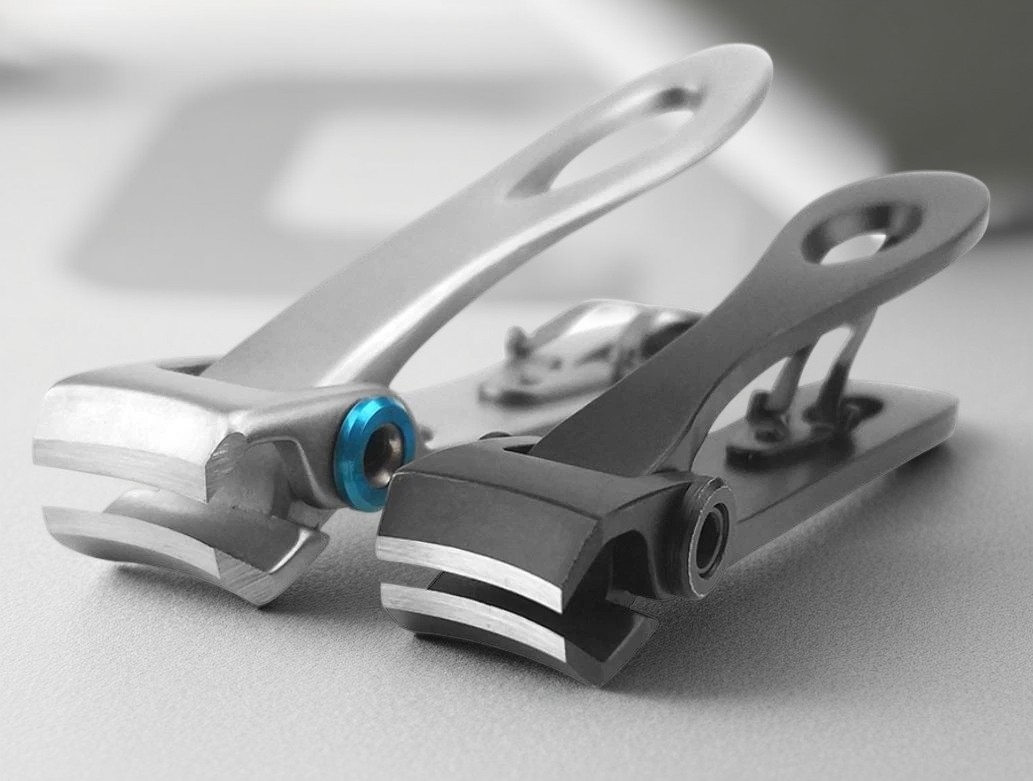
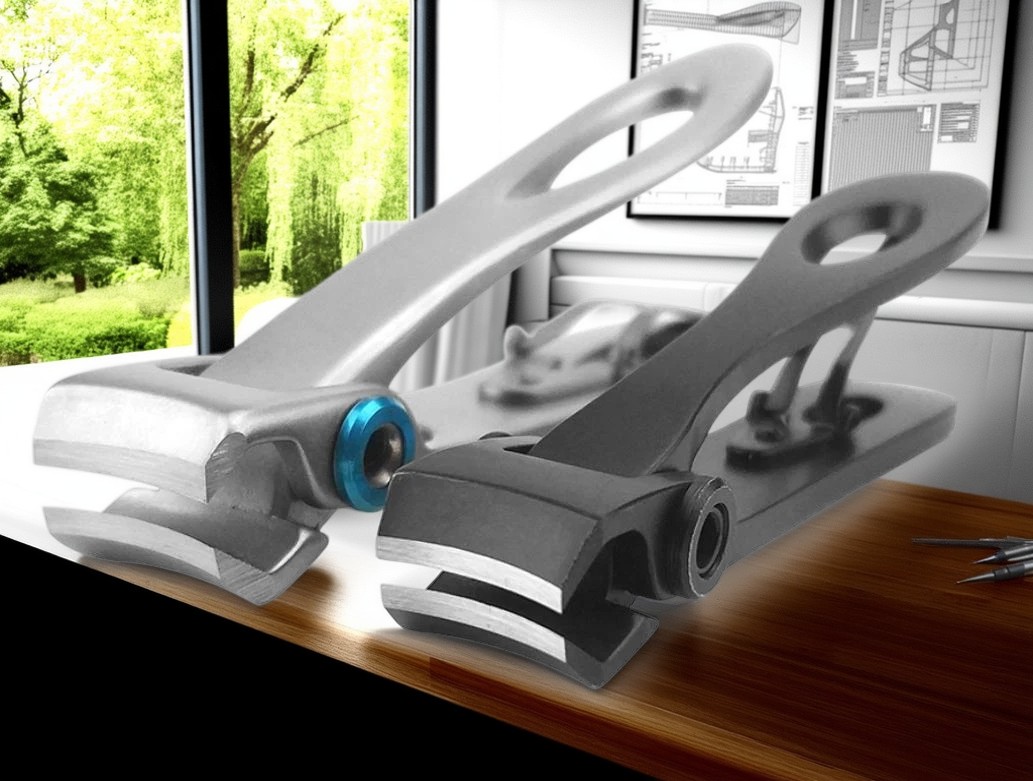
Olimor Beauty nail clippers are designed around these everyday requirements. The product features stainless steel construction, curved cutting blades, an ergonomic handle with an open-hole detail, compact proportions for storage or travel, and finish options including classic metallic silver with a blue accent and soft matte black. These details make the clipper suitable for routine home nail care, salon manicure stations, travel grooming kits and retail beauty tool assortments.
What Makes a Nail Clipper Worth Buying?
The primary search question for most buyers is straightforward: how do you choose a nail clipper that cuts neatly and lasts through regular use? The answer starts with the cutting edge. Size, color and packaging matter, especially for retail programs, but blade alignment and leverage decide whether the clipper feels precise or frustrating.
A well-made nail clipper should close evenly across the cutting curve. When the lever is pressed, the upper and lower edges should meet with a firm, controlled action. If one side touches before the other, the nail may bend before it cuts. If the lever feels loose, the user may need repeated pressure on the same nail section. If the edges are dull or uneven, the result may be splitting, rough corners or an uncomfortable pinch.
For commercial buyers, this means sample evaluation should include actual handling, not only visual inspection. A clipper can look polished in a product photo but still fail if the jaws are misaligned, the lever flexes too much or the handle has uncomfortable burrs. For personal users, the same principle applies: choose the tool that feels stable in the hand and clips small sections cleanly.
Blade Shape, Cutting Feel and Nail Type
Curved cutting blades are useful because they follow the natural contour of fingernails and many toenails. Instead of forcing the user to turn the wrist sharply, the curved blade helps guide a rounded trim. This is helpful for at-home grooming and important in salons where technicians perform repeated trimming throughout the day.
For fingernails, curved blades support a neat shape with small, progressive cuts. For toenails, control is especially important because nails may be thicker and the user may be working from a less comfortable angle. A stable clipper allows the user to trim gradually rather than forcing one deep cut across the nail. This reduces strain on the hand and helps avoid cutting too far into the side corners.
Cutting feel should be firm, not harsh. The lever should provide enough mechanical advantage that the user does not need excessive pressure, but it should not feel flimsy or uncontrolled. In professional environments, this matters because tool comfort affects consistency. In retail, it affects customer satisfaction after purchase. In travel kits, it matters because compact tools are often used quickly and in varied lighting or seating conditions.
Why Stainless Steel Is Common for Nail Clippers
Stainless steel is widely used for nail clippers because it offers a practical balance of durability, rigidity, surface cleanability and a refined appearance. The Olimor Beauty nail clipper uses stainless steel construction, which supports everyday grooming requirements while giving the tool a stable feel in the hand.
For salons and beauty tool suppliers, stainless steel also fits the expectations of professional-looking grooming tools. Smooth metal surfaces are easier to wipe than textured or overly decorative surfaces where nail dust and residue can collect. A clean surface also improves the user’s confidence when the tool is displayed in a salon station, retail set or toiletry kit.
Finish quality should be inspected separately from base material. Metallic silver offers a classic, familiar look that fits many grooming assortments. The silver option with a blue accent provides a subtle visual detail that can help differentiate the product. Matte black gives a softer, modern appearance and may suit contemporary kits or retail displays. Regardless of finish, buyers should check that the handle edges feel smooth, the surface is even, and there are no sharp burrs around the open-hole detail or lever contact areas.
Professional Salon Use vs. Personal Grooming Use
The same nail clipper can serve both professional and personal use when it is built around core performance requirements. However, the buying priorities differ. A salon or distributor evaluates repeat handling, hygiene workflow, presentation and replenishment. A personal grooming user usually focuses on comfort, clean cutting and convenient storage.
Professional users should pay close attention to tool control. A clipper used at a manicure or pedicure station may be handled repeatedly during a workday. The lever should feel predictable, the grip should remain comfortable and the cutting edge should support controlled trimming in small sections. A compact clipper can also be useful for mobile technicians, travel services or kits assembled for clients.
Personal users need a tool that is easy to keep in a bathroom drawer, toiletry pouch or travel bag. Compact proportions make storage simple, but the tool should still feel substantial enough to guide the cut. If the clipper is too light, slippery or poorly aligned, trimming can become inconsistent. The ergonomic handle and open-hole detail on the Olimor design are intended to give the fingers a defined contact point for better control.
Comparison Checklist for Sourcing Nail Clippers
For B2B buyers, nail clippers should be compared with a repeatable checklist. This helps purchasing teams, private label planners, retail buyers and salon suppliers avoid making decisions based only on appearance. The following table can be used when reviewing samples or discussing requirements with a supplier.
| Selection Point | What to Inspect | Why It Matters |
|---|---|---|
| Blade alignment | Check whether the curved upper and lower edges meet evenly when pressed | Even contact supports clean trimming and reduces ragged nail edges |
| Cutting action | Press the lever several times and feel for smooth, firm movement | A stable action improves control for both salon and home users |
| Handle comfort | Inspect the ergonomic lever and open-hole area for grip and smoothness | Comfort matters during repeated use and detailed trimming |
| Material and surface | Confirm stainless steel construction and look for smooth, easy-to-wipe surfaces | Supports durability, cleaning and professional presentation |
| Finish consistency | Review metallic, accent or matte finishes for even appearance and no burrs | Important for retail display, gift sets and brand perception |
| Storage suitability | Consider the compact size for kits, travel pouches and salon drawers | Helps match the tool to the intended selling channel |
| Supplier documentation | Request current product details, packaging information and applicable quality documents | Reduces sourcing risk and supports internal approval processes |
If you are comparing beauty tools across categories, you can review Olimor’s beauty tool product range or browse related grooming collections to plan a more complete assortment.
Cost Factors Without Guesswork
Nail clipper cost can vary for reasons that are not always visible in a product photo. Buyers should avoid comparing only the unit quote without understanding what is included. Material selection, finish type, assembly consistency, inspection requirements, packaging, order configuration and customization can all affect final cost.
Stainless steel construction is one important factor, but finish and presentation also influence sourcing decisions. A classic metallic finish may suit basic assortments, while matte black or accent details may be chosen for a more distinctive retail look. Packaging can range from simple bulk handling for salon supply to more polished consumer-facing presentation, depending on the channel.
Inspection expectations also matter. If a buyer requires tighter visual screening, specific packaging checks or additional documentation, this can affect production planning and quotation details. Rather than assuming price from a generic listing, B2B buyers should share the intended use, target channel, finish preference, packaging requirements and customization needs. Olimor can then discuss relevant options through the inquiry form.
How to Use Nail Clippers for a Cleaner Trim
Even a well-made clipper performs best with careful technique. The goal is to trim gradually, follow the natural nail shape and avoid excessive pressure. This is true for personal grooming and for professional service settings.
- Clean the nail area first. Wash and dry hands or feet before trimming so the nail edge is visible and easier to control.
- Use small clips. Make several small cuts instead of one deep cut across the nail. This helps preserve shape and reduces splitting.
- Follow the natural curve. Use the curved blade as a guide, especially for fingernails. Avoid cutting side corners too deeply.
- Do not cut too short. Leave a slight free edge to reduce tenderness and make filing easier.
- File if needed. A nail file can refine minor roughness after clipping.
- Clean the clipper after use. Remove nail fragments from the jaw area and wipe the surfaces before storage.
For thicker toenails, steady progressive trimming is better than forcing the tool through the full nail in one motion. Some users find nails easier to trim after bathing, when the nail plate is temporarily softer. If a nail is painful, unusually thick, infected or difficult to manage, the user should seek appropriate professional medical or foot-care advice rather than forcing a grooming tool.
Cleaning, Hygiene and Maintenance
Nail clippers contact the nail edge and may come close to surrounding skin, so hygiene matters. For home use, remove clippings after each session, wipe the tool clean and store it dry. Moisture left around the pivot or between metal surfaces can shorten the life of many grooming tools, even when the main material is stainless steel.
For salons and commercial service settings, cleaning and disinfection procedures should follow local public health requirements and the salon’s written hygiene process. Requirements can differ by location, so buyers and operators should verify current rules with the relevant local public health or licensing authority. If workplace chemical handling is involved, review applicable safety guidance from recognized bodies such as OSHA in the United States and always follow the disinfectant manufacturer’s instructions.
Maintenance is mostly about protecting alignment and cleanliness. Store the clipper where the cutting edges will not be knocked repeatedly against heavier metal tools. Avoid leaving the clipper loose in a crowded drawer if it can be placed in a pouch, organizer or kit compartment. If the lever becomes sticky, inspect the pivot and jaw area for buildup. If the cutting edges are damaged or no longer meet evenly, replace the tool rather than forcing it through nails.
How to Evaluate a Nail Clipper Supplier
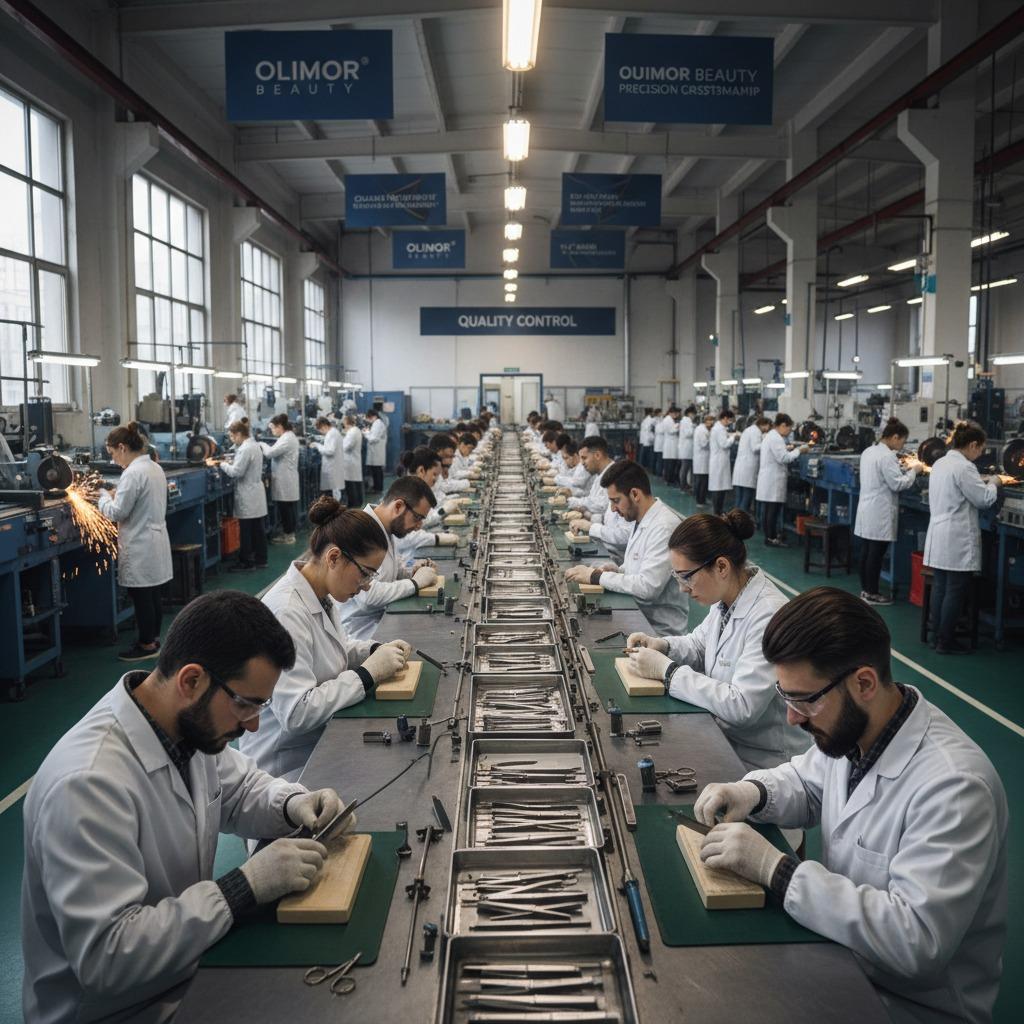
A reliable nail clipper supplier should be able to discuss more than appearance. For B2B purchasing, useful conversations include material, finish, sample review, packaging, customization, inspection process and documentation. Buyers should ask for current product details and verify any quality system or compliance documents supplied. Standards such as ISO 9001 may be relevant when reviewing a supplier’s quality management system, but buyers should verify current certificate status and scope directly from supplier documents rather than assuming certification.
When reviewing a supplier, consider these practical questions:
- Can the supplier provide samples for handling and finish inspection?
- Are finish options, such as metallic silver with accent detail or matte black, available for the intended project?
- Can packaging be matched to salon supply, travel kit, retail display or set assembly needs?
- How does the supplier handle visual inspection for burrs, uneven surfaces and lever function?
- What documentation is available for the specific product and order configuration?
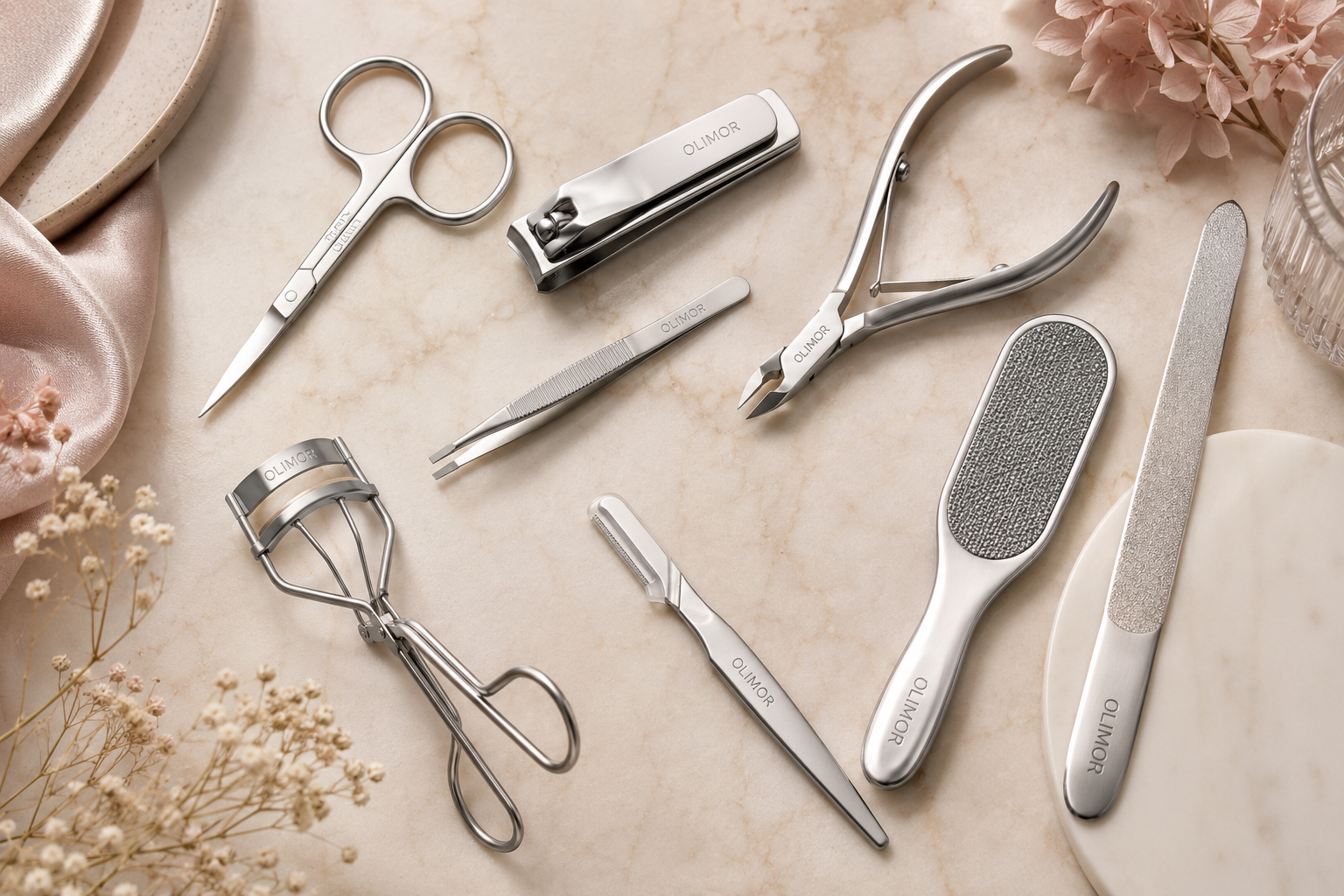
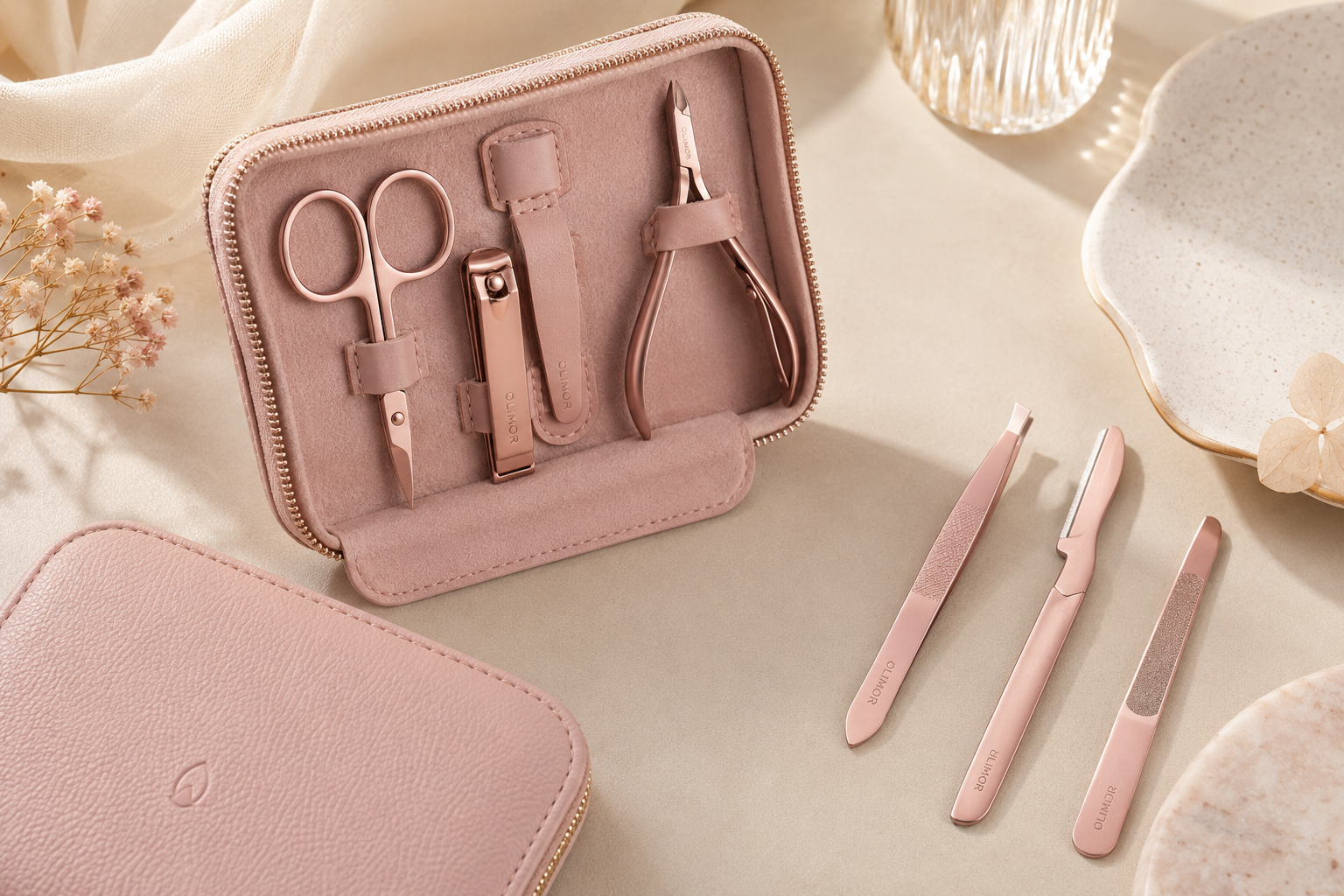
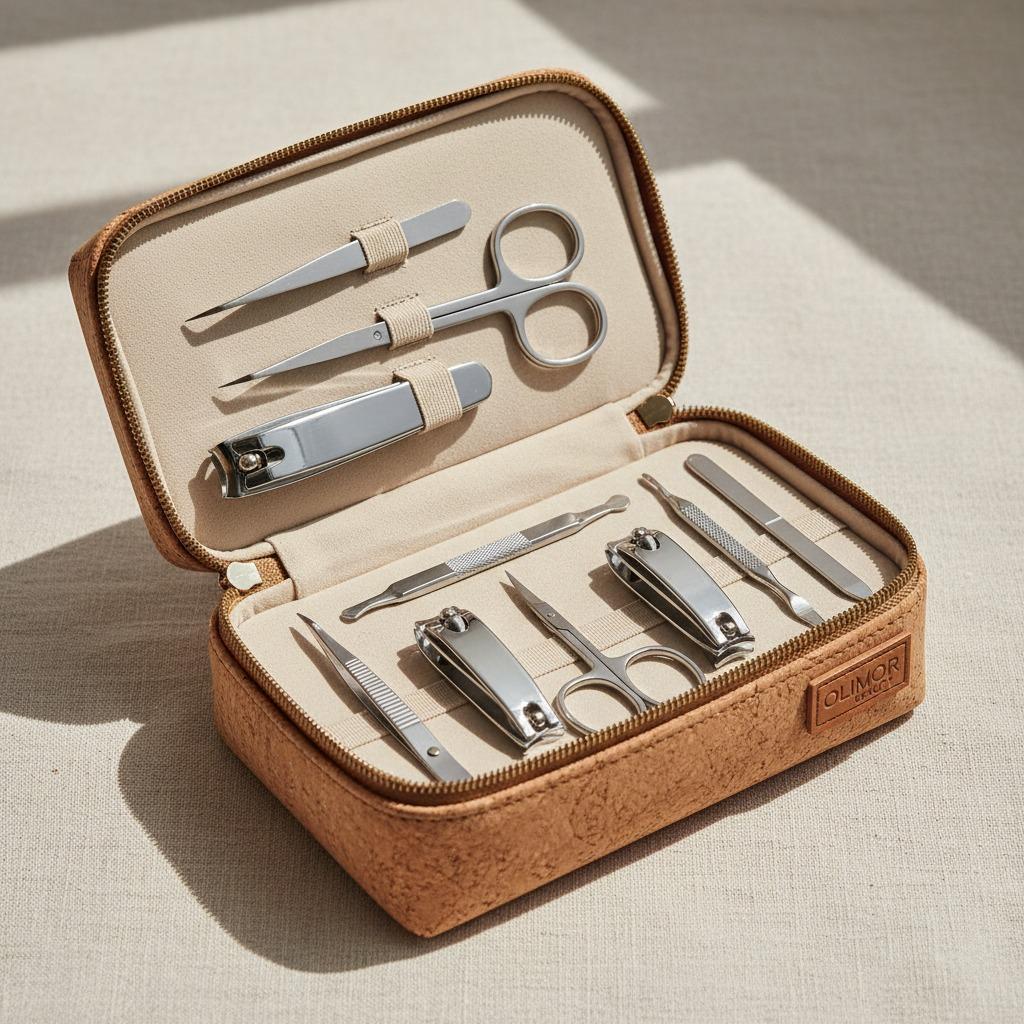
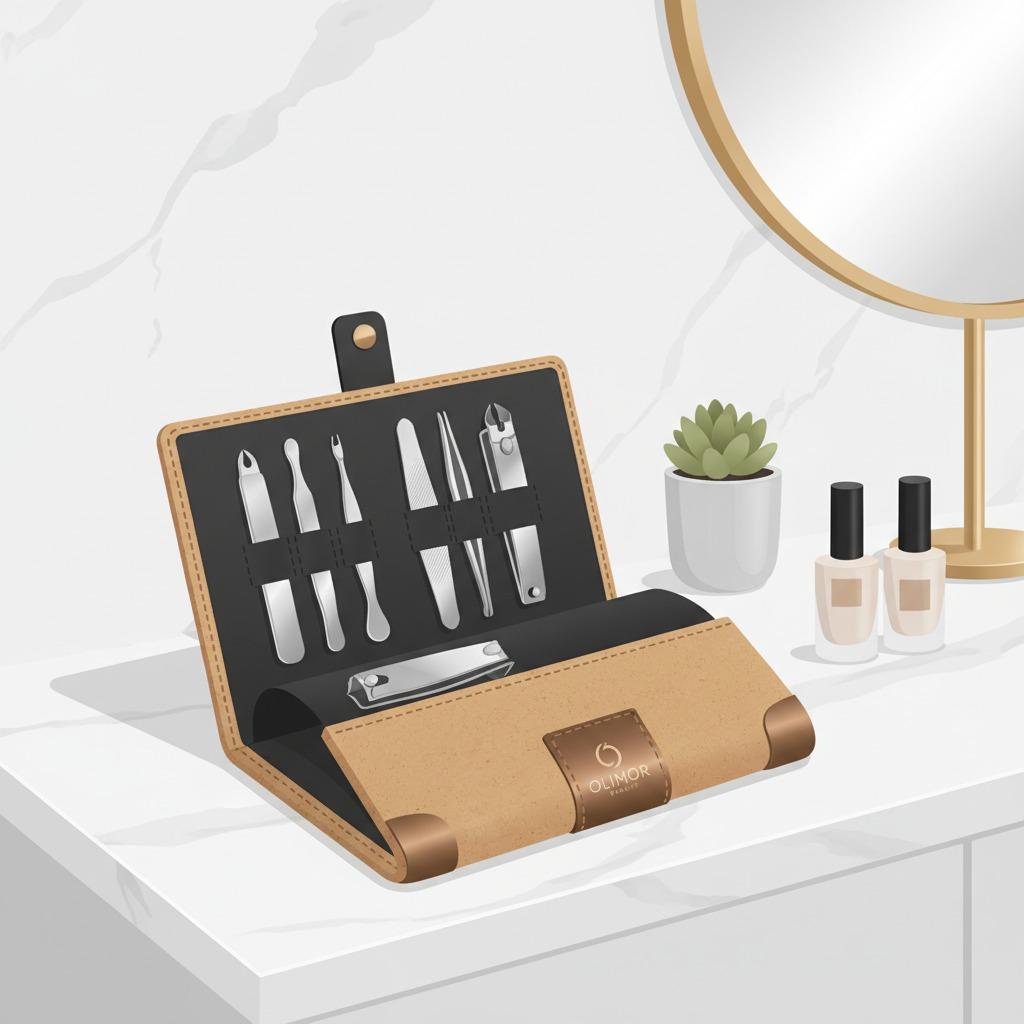
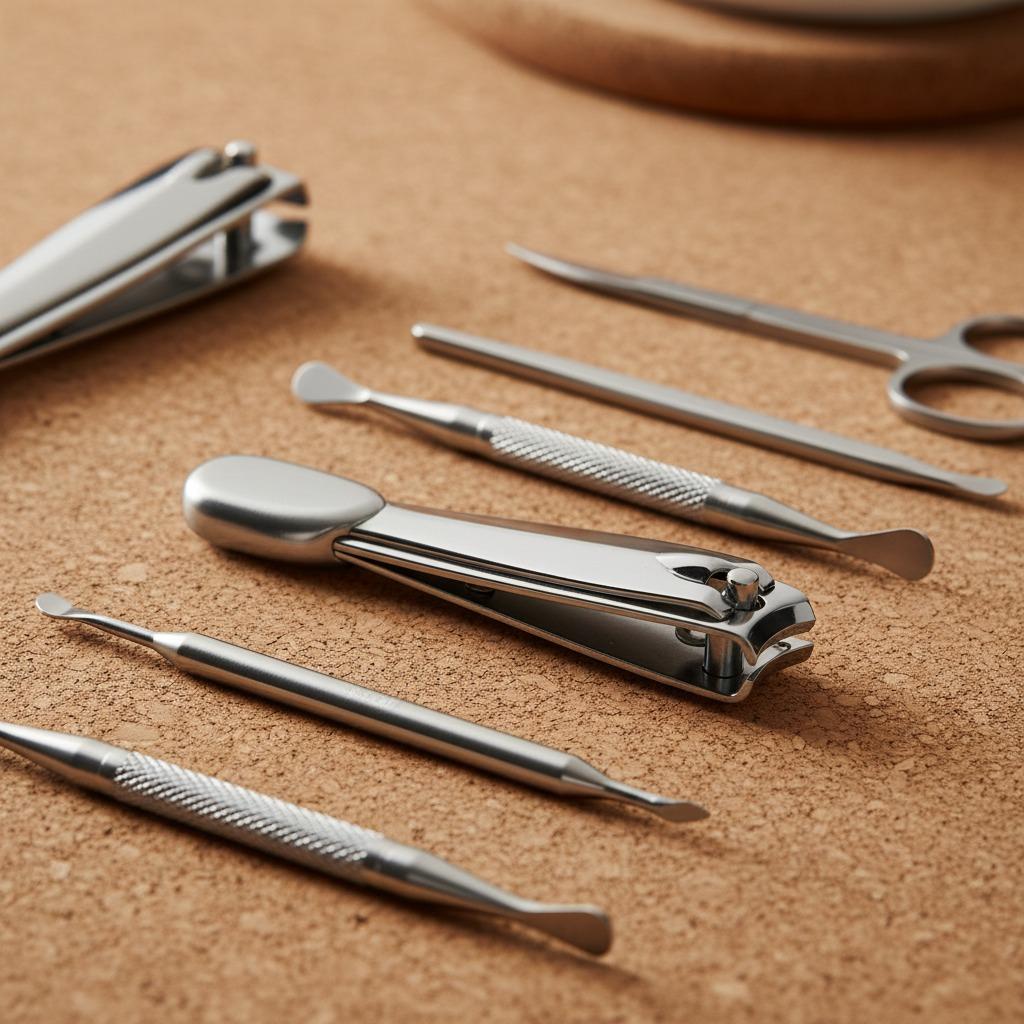
For assortment planning, nail clippers may be paired with nail files, cuticle tools, tweezers or other grooming items. If you are building a retail or salon program, you can contact Olimor to discuss how this clipper fits into a broader beauty tool selection.
When This Nail Clipper Is a Good Fit
The Olimor Beauty stainless steel nail clipper is a practical option when the purchasing goal is a clean, compact grooming tool with professional visual appeal. The curved blades support everyday nail shaping, the ergonomic open-hole handle helps with control, and the stainless steel construction provides a smooth surface that is easy to wipe after use.
It is especially relevant for salon stations, travel grooming kits, personal care assortments, retail nail care displays and distributor beauty tool programs. Buyers who need a simple, dependable clipper should focus on sample performance: how the blade closes, how the handle feels, how the finish looks and how easily the tool can be cleaned and stored.
The best nail clipper is not necessarily the most complicated one. For most users, value comes from clean cutting, stable leverage, comfortable grip and a finish that matches the intended channel. By evaluating these details carefully, both personal users and commercial buyers can choose a nail clipper that supports neat grooming without unnecessary features.
FAQ
Can I request samples before placing a larger nail clipper order?
Sample availability depends on the product configuration and current supply situation. B2B buyers should share the intended finish, packaging idea and target channel when submitting an inquiry so the sample discussion is more accurate.
Is there a minimum order quantity for customized nail clippers?
MOQ can vary by customization type, finish, packaging and production arrangement. Olimor should confirm the applicable requirement based on the specific project rather than using a generic number.
Can the nail clipper be customized for retail or salon kits?
Customization may involve finish selection, packaging style or assortment planning with related grooming tools. Buyers should provide artwork, packaging expectations and market requirements for review before confirmation.
How should quality be checked before shipment?
Common checks include blade alignment, lever action, surface finish, burr inspection, cleanliness and packaging condition. Buyers should agree on inspection points and documentation with the supplier before production.
How is lead time confirmed?
Lead time depends on order quantity, finish, packaging, customization and production schedule. Confirm timing with current supplier communication and approved order details before planning a launch or replenishment.