










Choosing the best nail clippers is not only about getting a sharper cut. For many users, nail trimming is difficult because the nail is thick, dry, curved, brittle, or hard to reach. A basic clipper may crush the nail edge, slip in the hand, or require too much force. The right tool should make trimming more controlled, especially for toenails and tougher nail types.
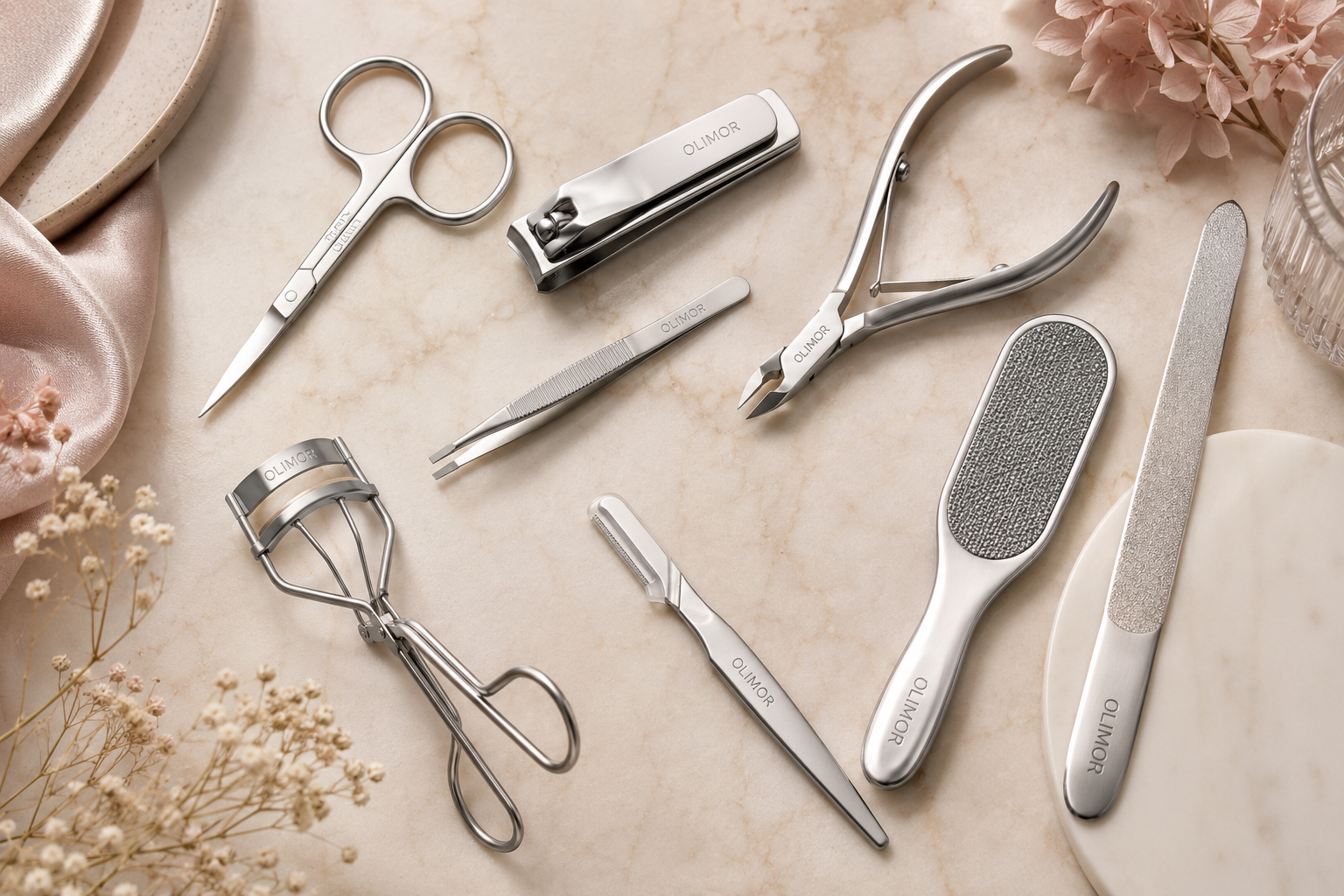
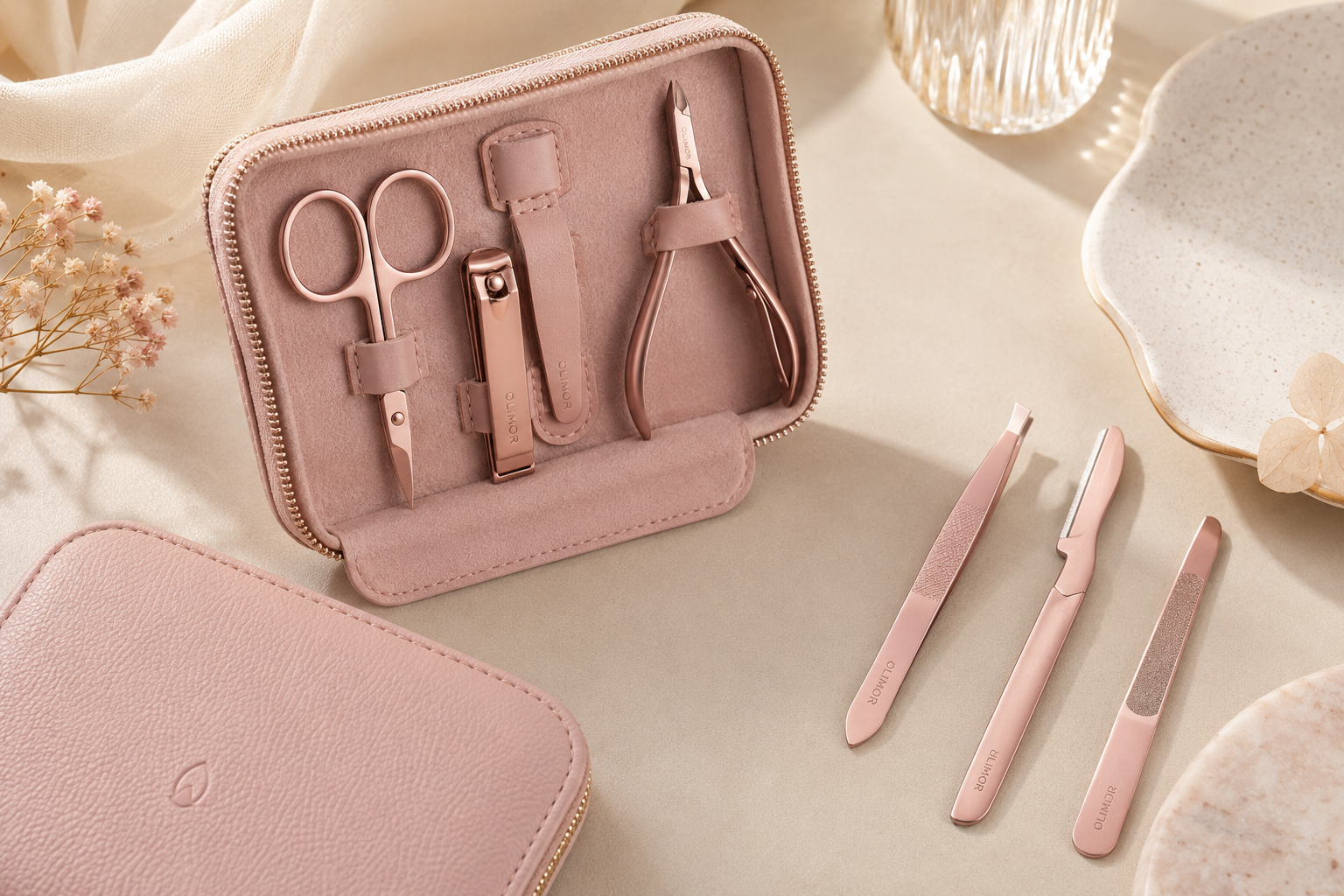
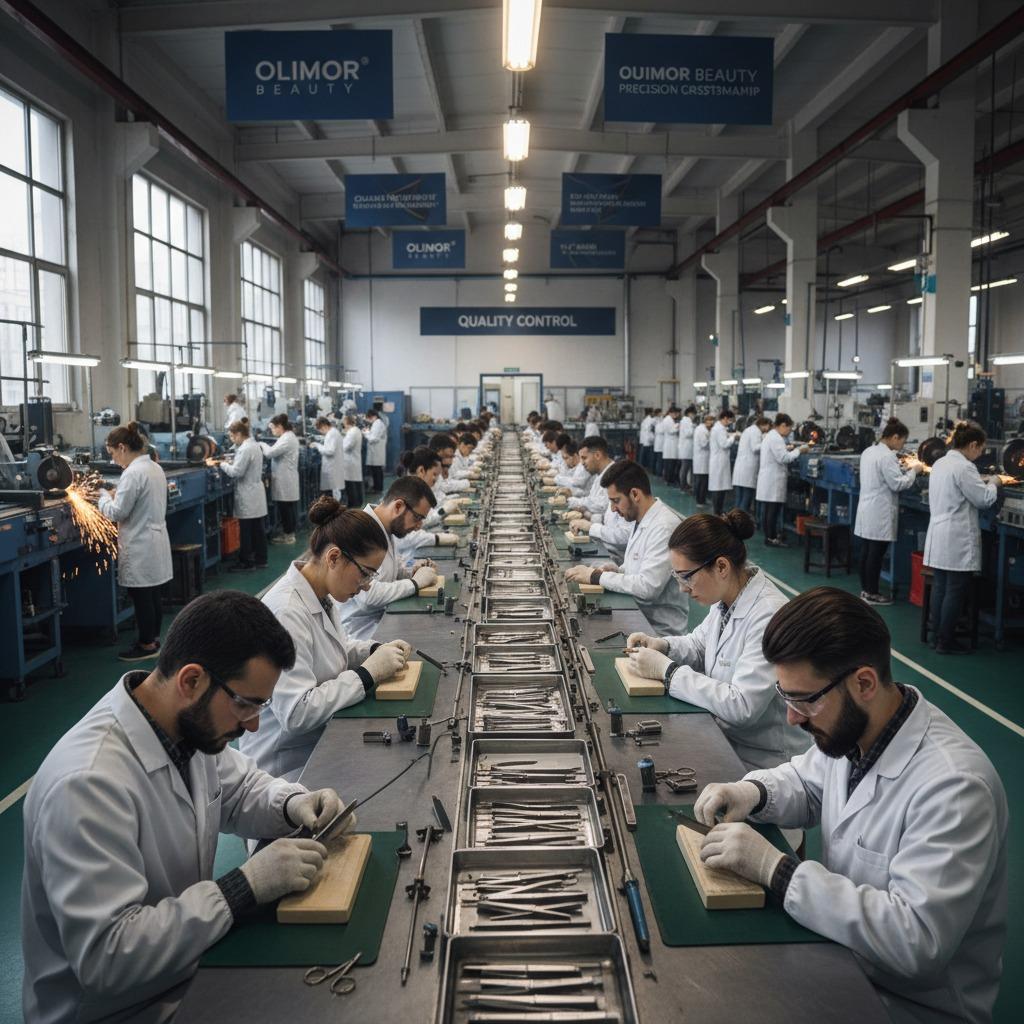
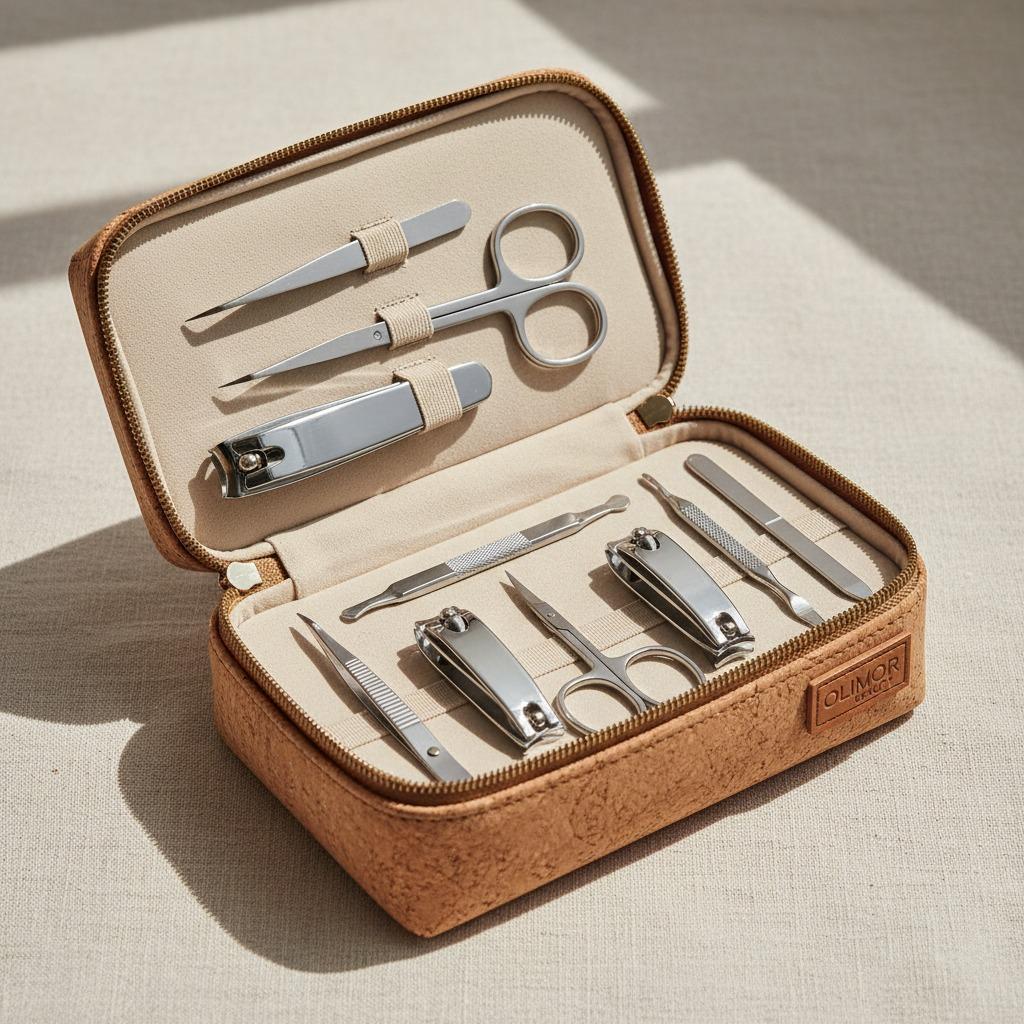
For buyers comparing professional-looking grooming tools, the most useful features are easy to identify: durable cutting components, a comfortable handle, controlled leverage, safe adjustment, and a shape that supports clean cuts without excessive pressure. Olimor Beauty focuses on practical beauty tools for daily grooming and personal care, including designs intended for more demanding nail care situations. If you are comparing options beyond a standard clipper, this guide explains what to look for and how to judge whether a nail clipper is suitable for precision work and tougher nails.
Why Tough Nails Need a Different Kind of Clipper
Fingernails are usually easier to trim than toenails because they are thinner and more accessible. Toenails, especially the big toenail, can become thicker with age, repeated pressure from footwear, sports activity, or nail health issues such as fungal nail changes. Some nails also curve inward at the sides, making the trimming angle more important. When the clipper is too small or weak, users often squeeze harder, which increases the chance of jagged edges, discomfort, or accidental skin contact.
A better nail clipper for tough nails should reduce the amount of hand strength required. It should also help the user keep the cutting edge steady. This is where handle geometry, leverage, and blade alignment matter. A sharp edge alone is not enough if the tool twists during use or if the handle is difficult to grip with wet, oily, or low-strength hands.
For salons, retailers, distributors, and personal care brands, these details matter because nail tools are frequently purchased for repeat use. A clipper that feels reliable from the first cut is easier to recommend and easier to position as a quality grooming product within broader beauty tool products.
Material and Blade Quality: What Buyers Should Check
The original cutting performance of a nail clipper depends heavily on the cutting components. Stainless steel is commonly selected for nail clippers because it can provide strength, a clean cutting edge, and resistance to corrosion when properly maintained. For nail tools used around water, disinfectant, and skin care products, corrosion resistance is an important practical advantage.
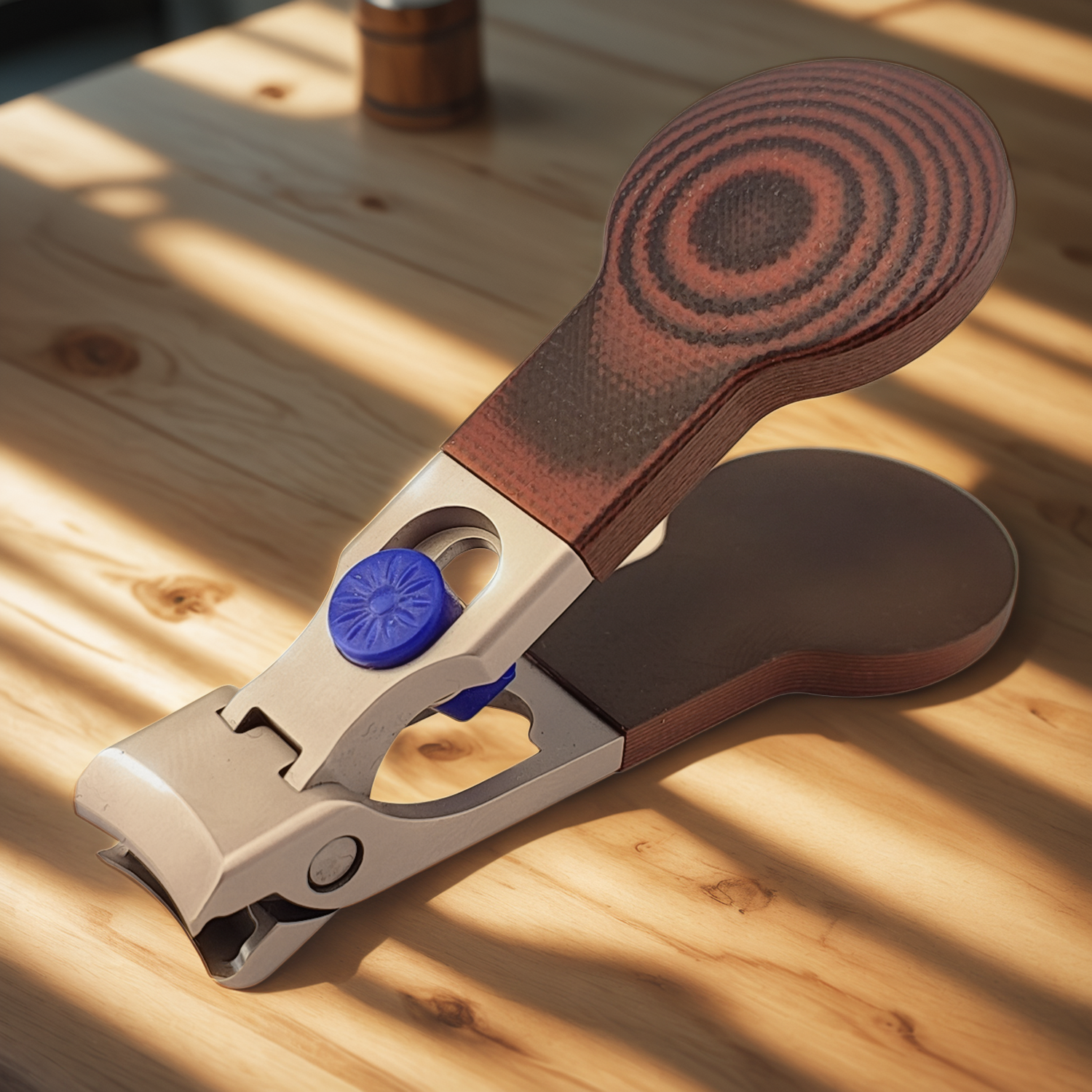
Olimor Beauty’s 2025 ergonomic nail clipper is described with cutting components forged from premium stainless steel. This detail is useful because the cutting edge must handle repeated pressure without quickly becoming dull or uneven. A smooth, clean cut helps reduce splintering and leaves less filing work afterward.
Material selection should also include the handle. The 2025 ergonomic nail clipper features a G10 composite handle, a material known for durability and a lightweight feel. In a nail clipper, the handle is not decorative only. It affects stability, grip confidence, and the user’s ability to maintain the correct trimming angle. A secure grip is especially valuable when cutting thick toenails, where the user may need more control than with a small fingernail clipper.
Grip, Leverage, and Adjustability for Hard Nails
For thick nails, the difference between a standard clipper and a more capable clipper often comes down to leverage. The 2025 ergonomic nail clipper includes a leverage mechanism designed to amplify cutting force. This matters because many users do not want to squeeze harder; they want the tool to transfer force more efficiently.
An adjustable knob is another practical feature mentioned for the 2025 model. Adjustability can help users customize the tightness of the clipper, which may improve cutting pressure and control. This is especially helpful when moving between thinner fingernails and thicker toenails, or when different users have different grip strength. A clipper that feels too loose may lack confidence; one that feels too tight may require unnecessary effort.
When comparing nail clippers for thick nails, use the following checklist:
- Blade alignment: The cutting edges should meet evenly without visible offset.
- Cutting force: The clipper should cut through the nail without repeated crushing.
- Grip security: The handle should remain steady, even when trimming at an angle.
- Control near nail corners: The tool should allow careful positioning around curved or inward-growing edges.
- Adjustment stability: If the clipper has an adjustable knob, it should hold its setting during use.
- Cleaning access: Nail dust and clippings should be easy to remove from the tool.
How to Trim Thick or Difficult Toenails More Safely
Even the best nail clippers perform better when used with a careful trimming method. Tough nails should not be rushed, especially if they are curved, brittle, or sensitive. Users with pain, bleeding, diabetes-related foot concerns, or suspected infection should seek appropriate professional care rather than forcing a cut at home.
For routine trimming, a slower process helps protect both the nail and the surrounding skin:
- Soften the nail first. Trim after bathing or soaking the feet in warm water, then dry the area well.
- Clean the tool. Wipe the clipper before use, especially if it has been stored in a bathroom drawer or shared grooming kit.
- Start at the edge. Make small cuts rather than trying to remove the full width of a thick toenail in one press.
- Avoid cutting too deep into corners. Over-trimming the sides can irritate the skin and may worsen discomfort around inward-growing nails.
- Smooth the edge. After clipping, use a suitable nail file to remove sharp points that may catch on socks.
- Clean and dry again. Remove clippings and moisture from both the nail and the clipper before storage.
This method reduces sudden pressure on the nail plate. It also makes better use of a clipper with strong leverage because the user can make controlled cuts rather than forcing a single heavy cut.
Who Benefits Most from an Ergonomic Nail Clipper?
Ergonomic nail clippers are useful for more than one type of customer. Older users may appreciate a tool that requires less squeezing force. People who cut thick toenails may need a stronger cutting action and more secure hand placement. Caregivers may also prefer a clipper that offers predictable pressure and a stable grip, because trimming another person’s nails requires extra control.
In a retail or sourcing context, this makes ergonomic nail clippers a practical addition to personal care assortments. They can sit alongside standard nail tools, foot care accessories, and grooming sets in product collections. The product angle is not simply luxury; it is usability. A buyer should consider whether the clipper solves real problems: slipping, crushing, fatigue, and uneven trimming.
For users with limited hand strength, handle length and grip texture can be as important as blade sharpness. A lightweight handle can reduce fatigue, while a secure surface helps prevent hand movement during the cut. The G10 composite handle described for the 2025 ergonomic nail clipper directly supports this need by combining durability with a lighter feel.
Maintenance: Keeping Stainless Steel Nail Clippers Reliable
A nail clipper is a personal care tool, so maintenance affects both performance and hygiene. Stainless steel can resist corrosion, but it should still be cleaned and dried properly. Leaving moisture, nail dust, or skin care residue on the tool can reduce smooth operation over time.
After each use, remove nail debris from the cutting area. Wipe the blades and hinge area with a clean cloth. If the clipper has been used on thick toenails, inspect the cutting edge for trapped nail fragments. Store the tool in a dry place rather than leaving it exposed to steam in the bathroom. If disinfecting, follow a method appropriate for the tool material and avoid long exposure to harsh chemicals unless the product instructions support it.
For business buyers, maintenance guidance is also part of product value. Clear care instructions can reduce complaints and help end users understand why a quality clipper should still be cleaned, dried, and stored correctly.
Sourcing Questions for Nail Clipper Buyers
When evaluating nail clippers for wholesale, private label planning, retail shelves, or professional kits, avoid judging by appearance alone. A polished tool can still perform poorly if the blades do not align or if the handle does not support stable pressure. Instead, build your evaluation around user scenarios.
| Evaluation area | Why it matters | What to check |
|---|---|---|
| Cutting components | Determines clean trimming and edge durability | Stainless steel quality, blade alignment, smooth closure |
| Handle design | Affects control and comfort | Grip security, weight, shape, hand fit |
| Leverage | Reduces effort on thick nails | Ease of cutting hard toenails without crushing |
| Adjustability | Allows control over tightness and pressure | Knob stability and consistent feel during use |
| Cleaning | Supports hygiene and long-term use | Accessible blade area and dry storage compatibility |
If you are comparing nail clippers for a product program, sample testing should include both fingernails and thicker toenails where appropriate. Test whether the clipper cuts cleanly in small sections, whether the handle remains comfortable, and whether the adjustable mechanism stays secure. For questions about available beauty tools or sourcing options, you can contact Olimor or send an inquiry.
Choosing the Right Clipper for Precision and Strength
The best nail clippers for tough nails combine several qualities rather than relying on one feature. Stainless steel cutting components help deliver clean edges. A durable, lightweight handle improves control. A leverage mechanism reduces effort. An adjustable knob can help users fine-tune pressure and tightness. Together, these features make trimming more predictable, especially for thick toenails and users who need more comfort in the hand.
For personal grooming, the right clipper can make nail care safer and less frustrating. For buyers and product planners, the right clipper offers a clear value proposition: practical performance for real nail care challenges. Olimor Beauty’s 2025 ergonomic nail clipper reflects this direction with its G10 composite handle, forged stainless steel cutting components, leverage mechanism, and adjustable knob designed for controlled trimming.