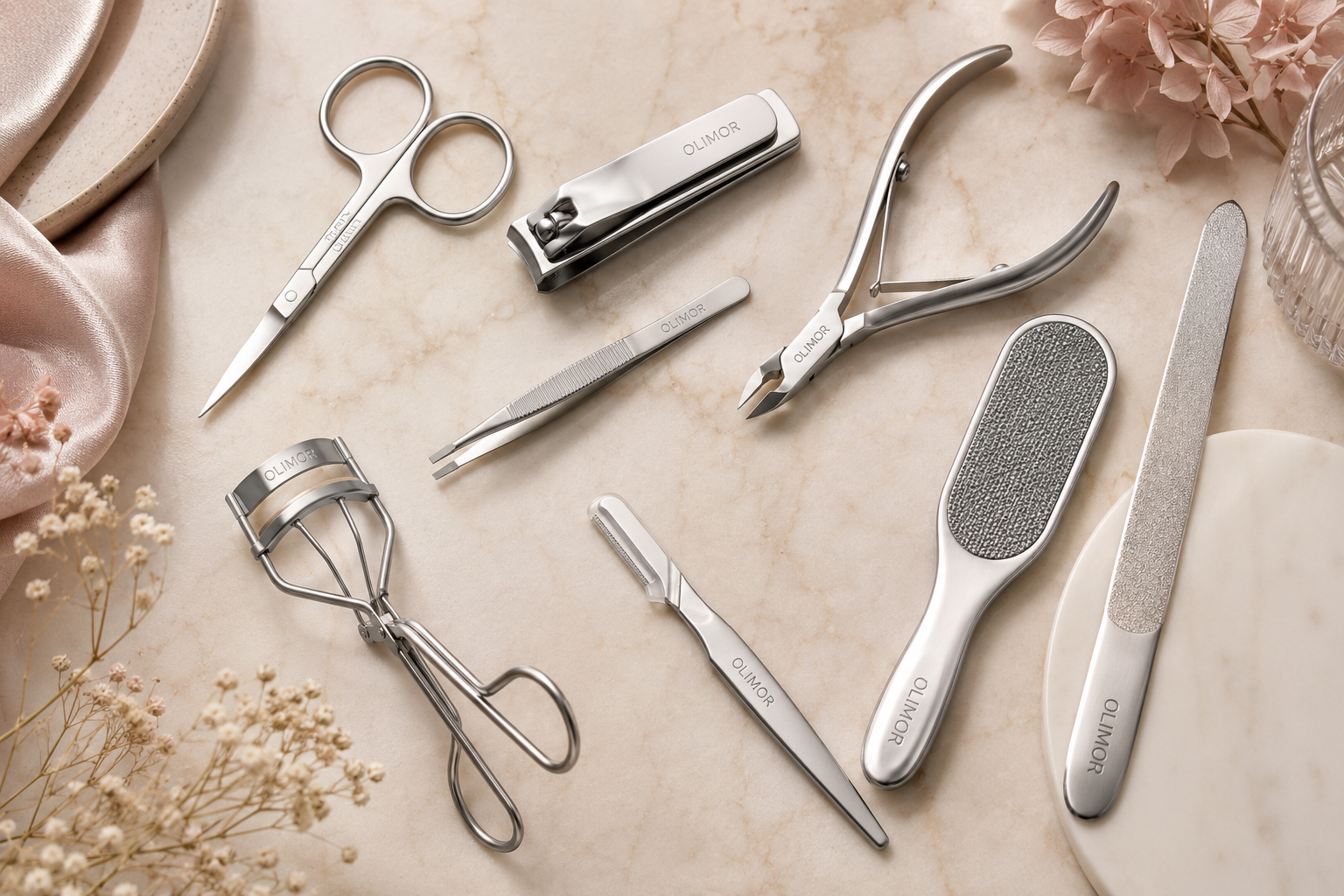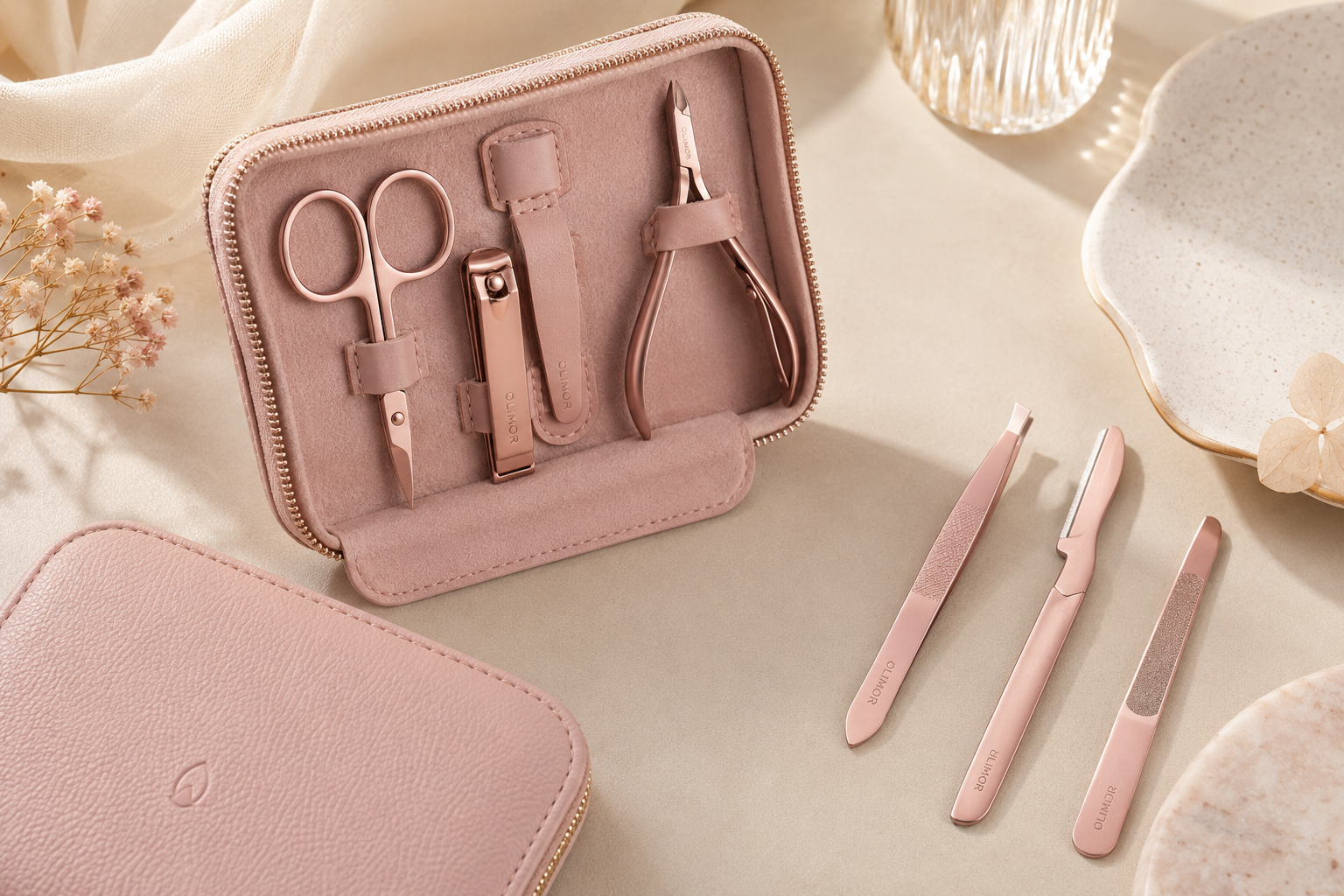
The best nail clipper is the one that cuts cleanly, feels controlled in the hand and matches the nail type it is meant to trim. For everyday users, that means less splitting, fewer jagged edges and a neater finish. For beauty brands, distributors, salons and retail buyers, it means a small tool that can strongly influence customer satisfaction.
A nail clipper may look simple, but its performance depends on blade alignment, leverage, material, surface finishing, assembly and intended use. A weak clipper can press the nail before it cuts, leaving rough edges that need extra filing. A better-made clipper slices through the nail with less force, giving the user more control and a cleaner grooming result.
This guide explains how to evaluate a professional nail clipper for personal care, pedicure use, travel kits, gift sets, salon supply and retail beauty assortments. It also covers quality checks, maintenance, cost factors and supplier questions without relying on exaggerated claims.
What Makes a Nail Clipper Worth Choosing?
A good nail clipper should be judged by practical performance before appearance. Shine, weight and packaging can support a premium impression, but they do not guarantee a clean cut. The most important question is simple: do the blades meet accurately and cut the nail without crushing it?
Nails vary in thickness, moisture level, shape and toughness. Fingernails usually require controlled trimming along a curved edge. Toenails are often thicker and need steadier leverage. If the cutting edges are dull, flexible or misaligned, the user may experience tearing, splitting or an uncomfortable snapping action.
A professional nail clipper normally combines several useful qualities:
- Sharp, aligned blades: the cutting edges should meet evenly across the nail.
- Comfortable leverage: the lever should reduce hand strain, especially for toenails.
- Stable body construction: the clipper should not twist or feel loose during use.
- Corrosion-resistant material: stainless steel is commonly preferred for grooming tools when properly produced and maintained.
- Smooth finishing: non-cutting edges should not feel rough against the fingers.
- Easy cleaning: nail fragments and moisture should be simple to remove after use.
For B2B buyers, these details matter because nail clippers are often sold as part of a wider grooming range. If one small tool feels weak, it can affect the perceived quality of a kit, private-label assortment or retail program.
Fingernail Clippers vs. Pedicure Nail Clippers
There is no single best nail clipper for every grooming task. Fingernail and toenail care have different requirements, so buyers should match the tool to the intended use instead of choosing only by size or style.
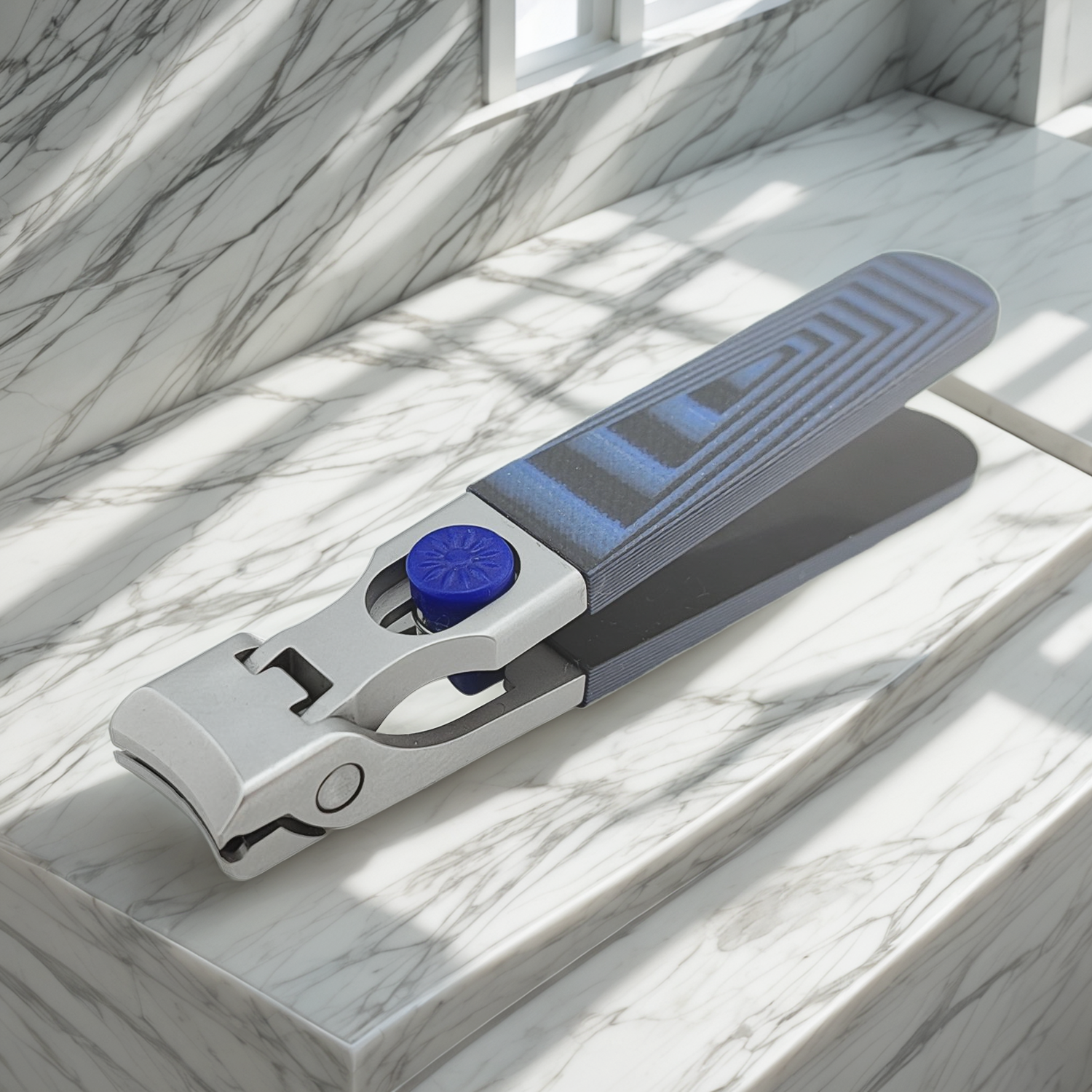
Fingernail clippers are usually selected for precision, easy control and a cutting curve that follows the natural shape of smaller nails. Pedicure nail clippers should emphasize leverage, grip stability and controlled cutting on thicker nails. A straight or less aggressively curved cutting edge is often preferred for toenails because many users trim toenails more evenly to avoid cutting too deeply at the sides.
| Use case | What to prioritize | Commercial relevance |
|---|---|---|
| Everyday fingernail trimming | Fine blade alignment, smooth action and controlled shape | Suitable for personal grooming items, beauty kits and daily care assortments |
| Pedicure nail care | Stronger leverage, stable grip and a less delicate cutting profile | Useful for foot care ranges, salon supply and grooming sets |
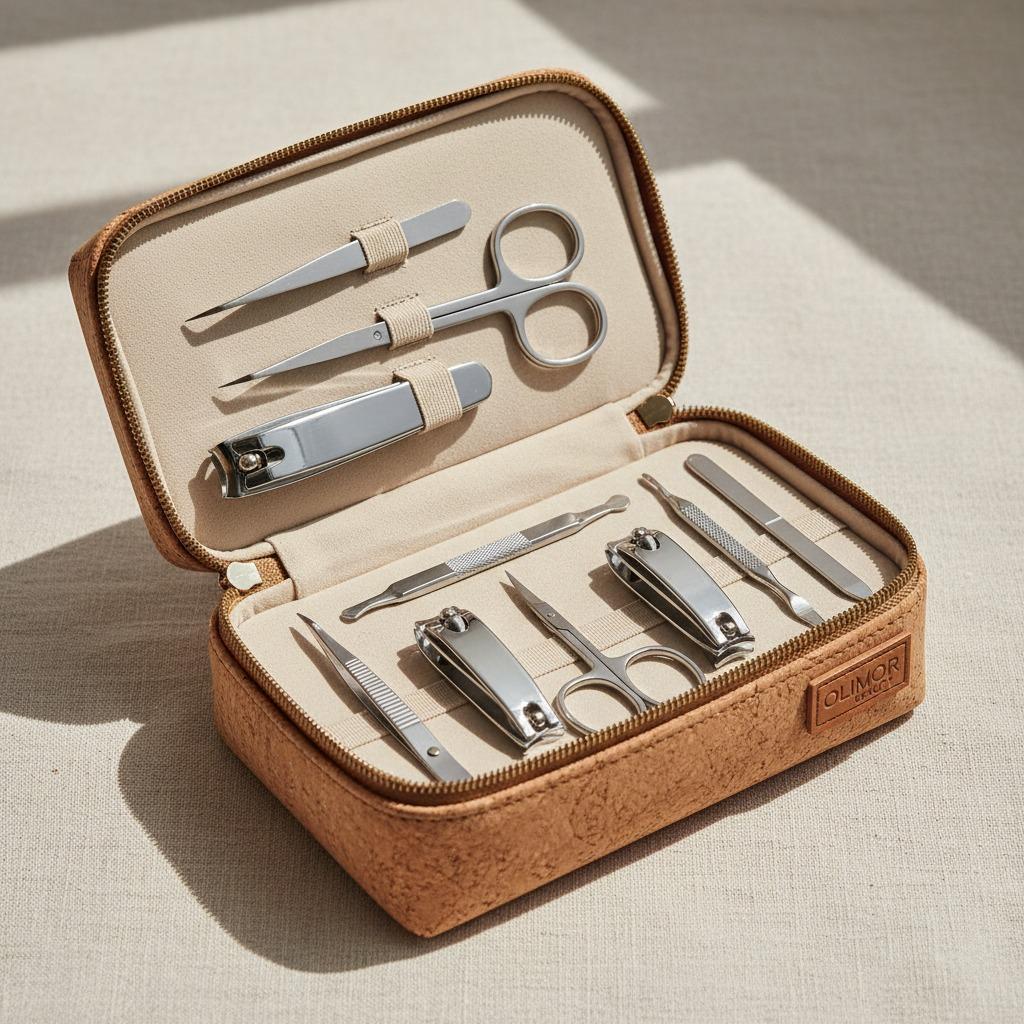
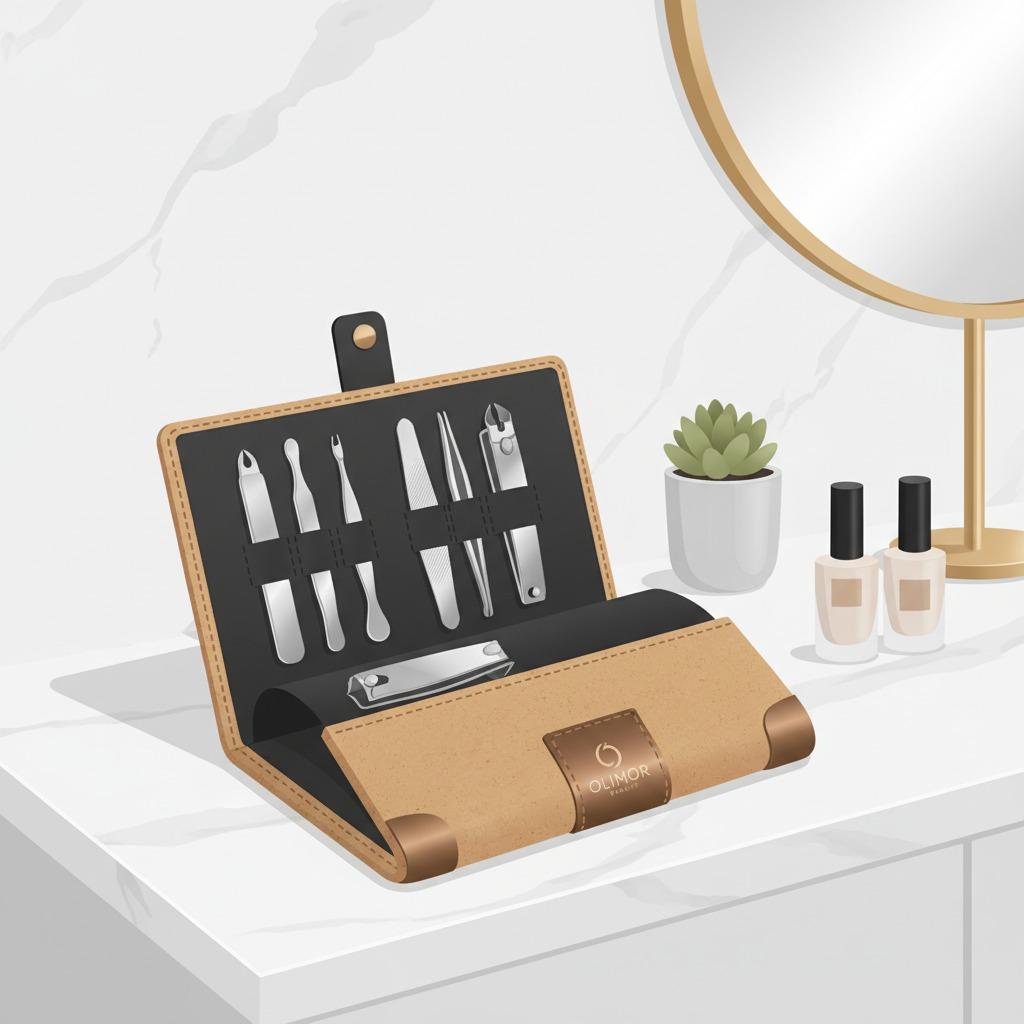
| Travel grooming kit | Compact construction, reliable closing action and protected storage | Supports portable beauty sets, amenity kits and gift packs |
| Retail beauty assortment | Consistent finish, comfortable hand feel and packaging compatibility | Helps create a dependable entry-level or mid-range nail care offer |
| Premium grooming set | Refined finish, smooth lever movement and cohesive appearance with other tools | Improves perceived value when paired with files, tweezers or scissors |
If a product line includes both hand and foot care, it is often better to offer dedicated options rather than positioning one clipper as suitable for every nail. This helps customers choose correctly and reduces unrealistic expectations.
Material, Manufacturing and Finish Details to Inspect
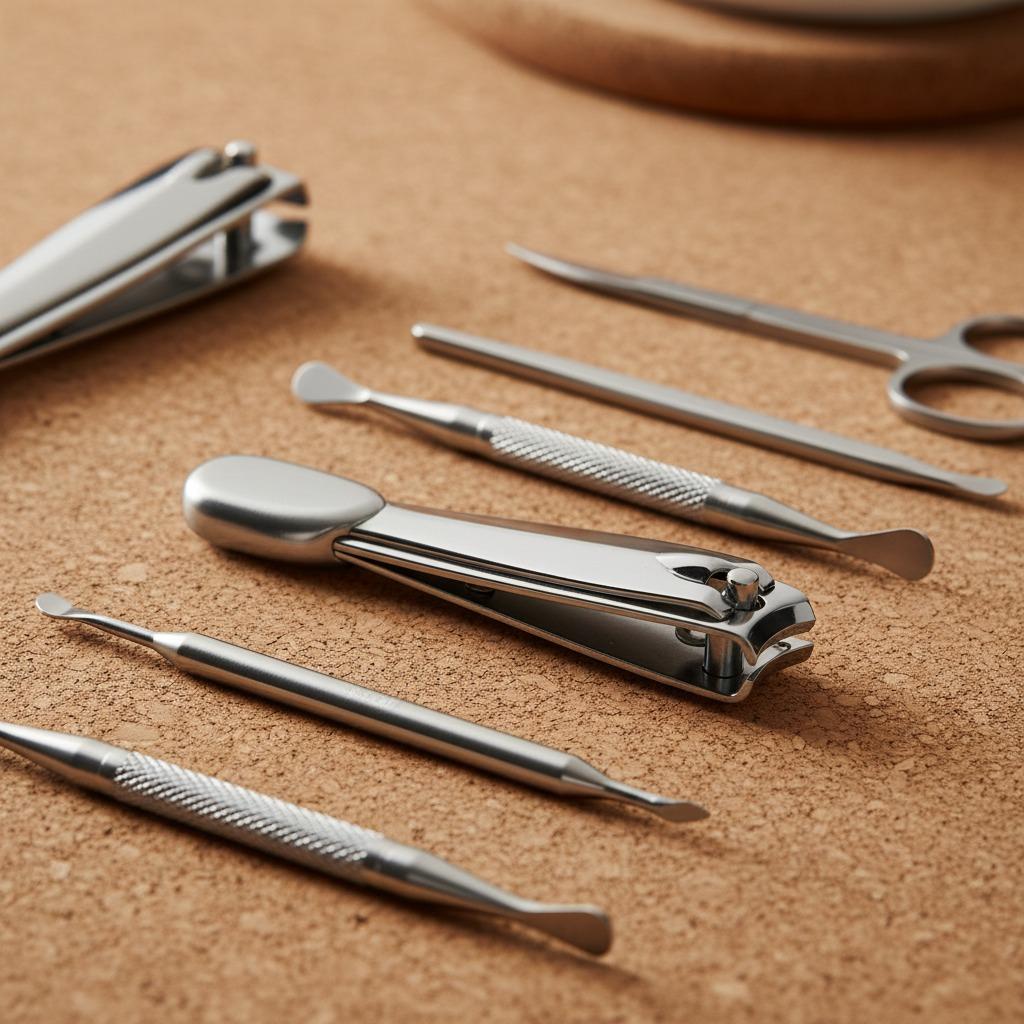
Stainless steel is widely used in nail clippers because it can support durability and rust resistance when made and maintained correctly. However, the material name alone is not enough. Buyers should also inspect how the tool is cut, formed, ground, polished and assembled.
Blade geometry is one of the most important manufacturing details. The cutting edges must meet at the right point and angle. If one side contacts before the other, the nail may tear or cut unevenly. If the edges are not sharp enough, the clipper may compress the nail before completing the cut. If the body is too flexible, the blades may shift under pressure.
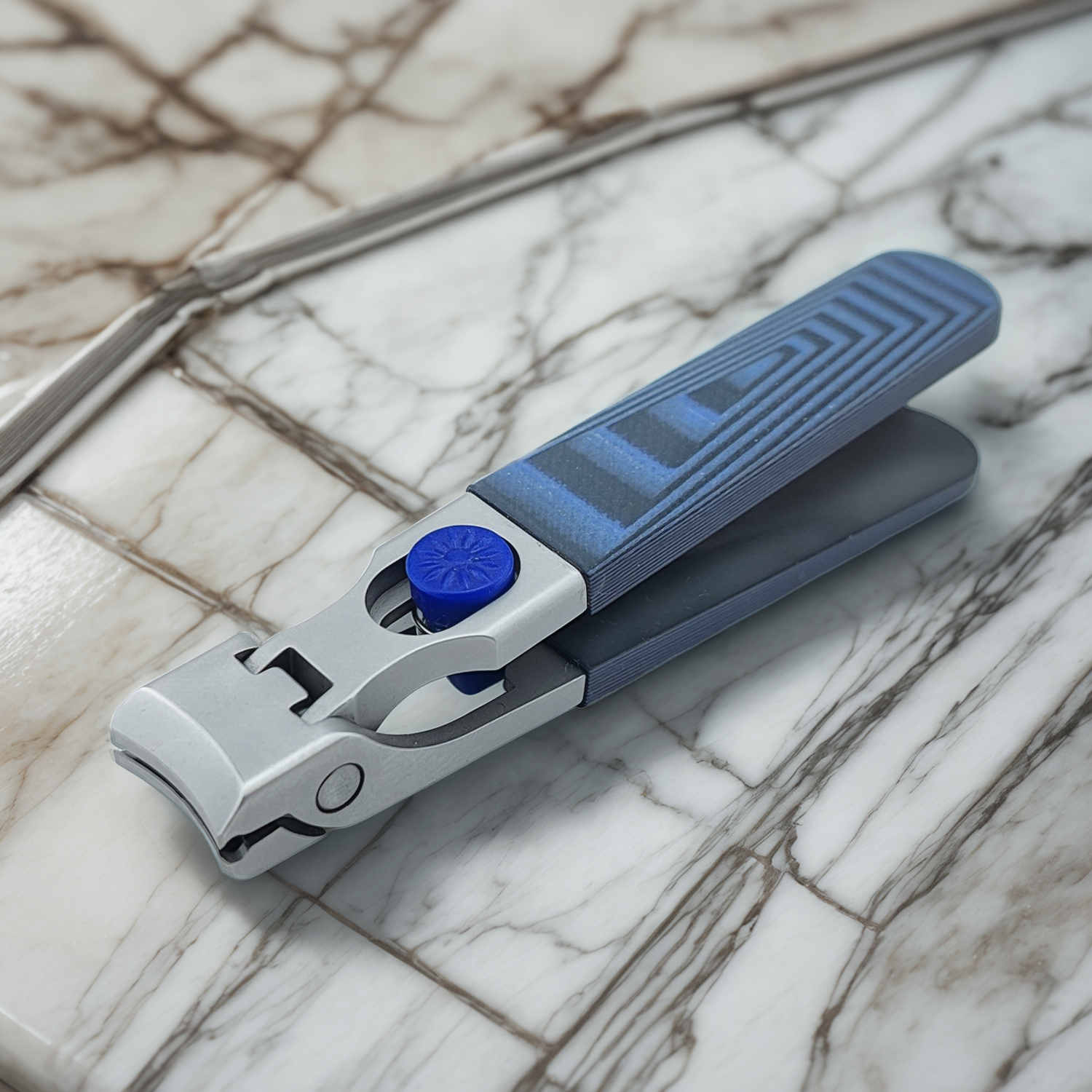
Surface finishing also affects user experience. A highly polished clipper can look attractive, but buyers should check for burrs, sharp non-cutting corners and uneven plating or finishing. The lever should rotate smoothly into position and provide enough leverage without feeling loose. The pin or rivet area should feel stable because looseness in this area can affect blade alignment.
When reviewing samples, inspect under strong light and handle the product as an end user would. Open and close it several times. Feel the underside, side edges and lever contact area. A nail clipper is held close to the fingers and toes, so small rough areas are noticeable.
How to Evaluate Nail Clipper Samples Before Ordering
For individual use, testing one clipper may be enough. For brand owners, importers, distributors and salon supply buyers, sample evaluation should be more systematic. A nail clipper is a relatively simple tool, but small differences in grinding, tension and finishing can create a different user experience.
Before requesting samples, define the target customer and use case. A general beauty kit may need a balanced clipper that works for most users. A pedicure-focused item should prioritize strength and stability. A premium set may require a more refined finish and coordinated packaging. Buyers comparing related beauty tool products should consider whether the nail clipper matches the quality and appearance of the full range.
Practical sample inspection checklist
- Confirm the intended use: fingernail, toenail, travel, salon supply, retail set or gift kit.
- Check blade alignment: view the cutting edges from the front and side to see whether they meet evenly.
- Test lever movement: open, rotate and press the lever repeatedly to assess smoothness and stability.
- Assess hand comfort: hold the clipper with both dominant and non-dominant hands.
- Inspect finishing: look for burrs, sharp non-cutting edges, rough surfaces or inconsistent polishing.
- Evaluate cutting feel: where appropriate, test on suitable nail samples and look for a clean edge rather than crushing.
- Review cleaning access: check whether nail fragments can be removed easily after use.
- Consider packaging fit: confirm whether the clipper works with the intended pouch, card, box or grooming kit layout.
For shared or professional environments, buyers should also consider hygiene procedures. In the United States, state cosmetology boards commonly regulate salon sanitation practices, and requirements can vary by location. For products sold to consumers in the European Union, the General Product Safety Regulation may be relevant. Always verify current regulatory versions and request supplier documents appropriate to your market and product category.
Cost Factors: Why the Cheapest Clipper May Not Be the Best Value
Nail clipper cost is influenced by material choice, size, blade grinding, finishing level, assembly consistency, packaging and order requirements. A lower unit cost can be attractive, but it may not represent better value if the clipper cuts poorly, feels uncomfortable or generates customer complaints.
Buyers should separate cosmetic cost from functional cost. Decorative finishes, special packaging and custom branding can support retail appeal, but the cutting function should come first. A clipper that looks good but leaves rough nails will not build repeat trust. On the other hand, a plain but well-aligned clipper may perform reliably in practical grooming kits.
Important cost questions include:
- Is the clipper intended as a basic utility item or a premium grooming tool?
- Does the product require custom logo placement, color finishing or packaging?
- Will the clipper be sold alone or included in a larger beauty set?
- Does the target market expect a fingernail clipper, pedicure clipper or both?
- What inspection process will be used before shipment?
For commercial programs, the best value is usually the clipper that meets the required user experience consistently. When building a larger nail care or beauty assortment, buyers can review related product collections to plan tools that fit together in function, finish and packaging style.
Common Nail Clipper Problems and How to Avoid Them
Many nail clipper complaints come from predictable issues. Understanding these problems helps both users and buyers choose better products and maintain them properly.
Jagged or split nail edges
This usually happens when blades are dull, misaligned or not suited to the nail thickness. Users should trim gradually rather than forcing one large cut. Buyers should inspect blade meeting points and test samples for clean cutting action.
Uncomfortable hand pressure
If a clipper requires too much force, the lever may not provide enough leverage or the tool may be too small for the intended nail type. Pedicure clippers should feel stable and controlled, not delicate or slippery.
Rust spots or surface discoloration
Even corrosion-resistant tools need care. Leaving a clipper wet, storing it in a humid bathroom or exposing it to residue can affect appearance over time. Users should wipe the tool clean and dry it before storage.
Loose lever or unstable cutting
A loose hinge, pin or body can cause poor blade contact. During sourcing, buyers should open and close samples repeatedly and check for wobble or uneven movement.
Poor fit in a grooming kit
A clipper may perform well but still fail commercially if it does not fit the planned pouch, tray or retail card. Packaging compatibility should be checked during sample approval, not after bulk production planning.
Cleaning, Maintenance and Safe Everyday Use
A nail clipper lasts longer and performs better when it is kept clean and dry. After trimming, remove nail fragments and wipe the tool with a soft cloth. If moisture is present, allow the clipper to air dry before putting it away. Storage in a pouch or compartment helps protect the cutting edge, especially during travel.
Users should avoid using nail clippers for non-nail tasks such as cutting wire, plastic tags, packaging, thread or hard craft materials. These uses can damage the edge and reduce future cutting performance. A clipper designed for nails should stay dedicated to nail grooming.
For salons, spas or shared-use settings, cleaning and sanitation should follow local professional rules. Requirements can differ by region and service type, so businesses should verify current guidance from the relevant cosmetology board or public health authority. A supplier can provide product information, but the workplace is responsible for applying the correct hygiene procedure for its market.
How to Compare Nail Clipper Suppliers
Supplier evaluation should go beyond a catalog image. A reliable nail clipper program depends on sample quality, communication, consistency, packaging support and realistic product positioning. Avoid suppliers that rely only on broad claims without helping you confirm practical details.
Useful supplier questions include:
- Which nail clipper styles are available for fingernail and pedicure use?
- Can samples be reviewed before a bulk order decision?
- What customization options are available for logo, finish or packaging?
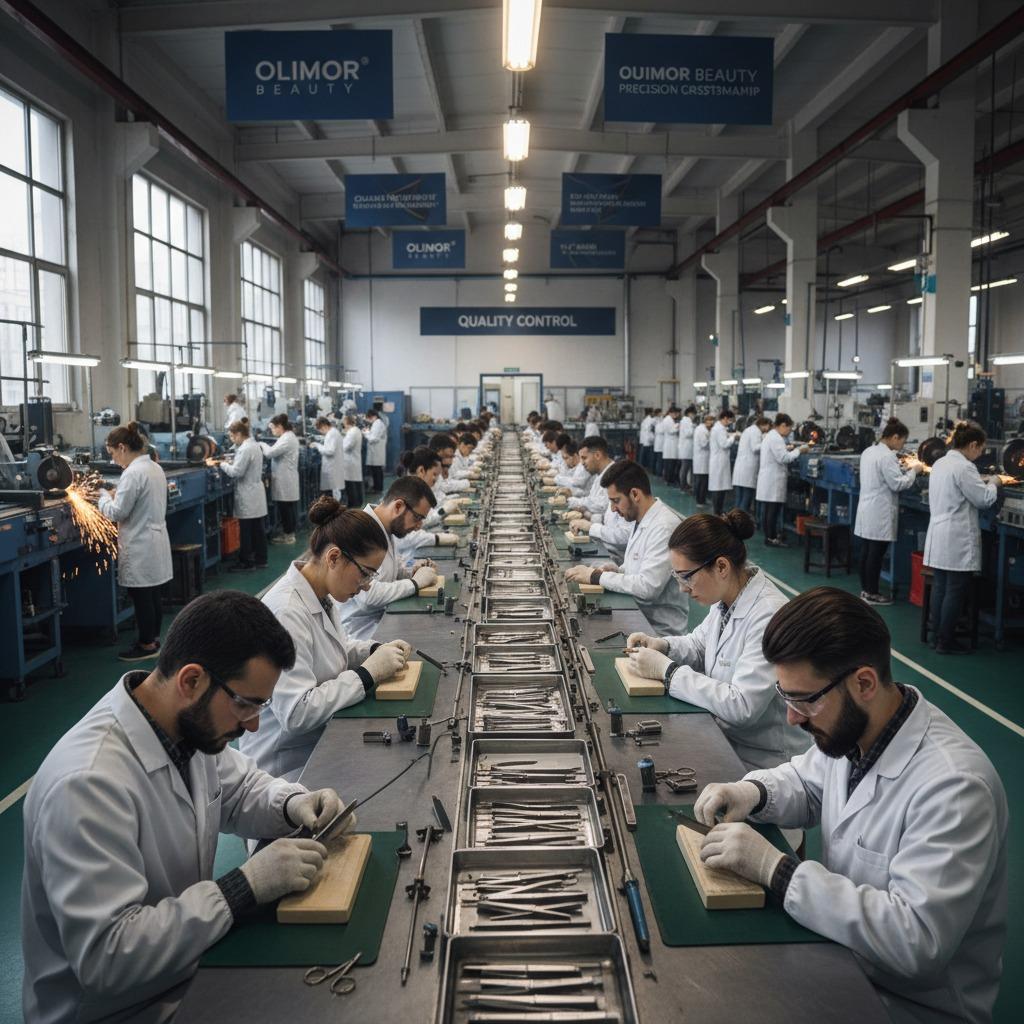
- How is blade alignment and surface finishing checked during production?
- What product documents or specifications can be provided for market review?
- How should the clipper be cleaned, stored and maintained by end users?
Olimor Beauty focuses on practical beauty tools for everyday grooming, retail assortments and business sourcing. For nail clippers, selection should emphasize the details users notice immediately: cutting feel, grip comfort, blade contact and finish consistency. If you are adding nail care tools to an existing range, preparing a grooming kit or comparing supplier options, you can contact Olimor with your intended use, target customer, packaging direction and quality expectations.
For active sourcing projects, send product requirements through the inquiry form. Clear information about the market, application and customization needs helps make the discussion more efficient.
FAQ: Nail Clipper Sourcing and Customization
Can I request samples before placing a larger order?
Sample availability depends on the product style and current supply situation. For B2B evaluation, samples are useful for checking blade alignment, leverage, finish, packaging fit and overall hand feel before confirming an order.
Is there a fixed MOQ for nail clippers?
MOQ can vary by style, customization, packaging and production plan. Buyers should confirm current requirements directly with the supplier instead of assuming one standard quantity for every nail clipper option.
Can nail clippers be customized for a retail or private-label program?
Customization may include branding, finish direction or packaging, depending on the selected product and project requirements. Share the target market, desired presentation and any packaging constraints early so feasibility can be reviewed.
How should quality be checked before shipment?
Common checks include blade alignment, lever movement, cutting feel, surface finishing, cleanliness, packaging condition and consistency across samples or production units. Buyers should agree on inspection expectations and request relevant product information before final approval.
Choose the Clipper by Function First
A precise nail clipper is not defined by appearance alone. The best choice has aligned blades, comfortable leverage, stable handling, suitable corrosion resistance and a design matched to fingernail or pedicure use. For personal grooming, these qualities make trimming easier and cleaner. For B2B buyers, they help create a beauty tool that customers are more likely to keep, use and trust.
Whether you are selecting one grooming tool or building a broader nail care assortment, start with practical criteria. A nail clipper should cut cleanly, feel secure and remain easy to maintain. When those basics are right, packaging, branding and assortment planning can add value without covering up weak performance.