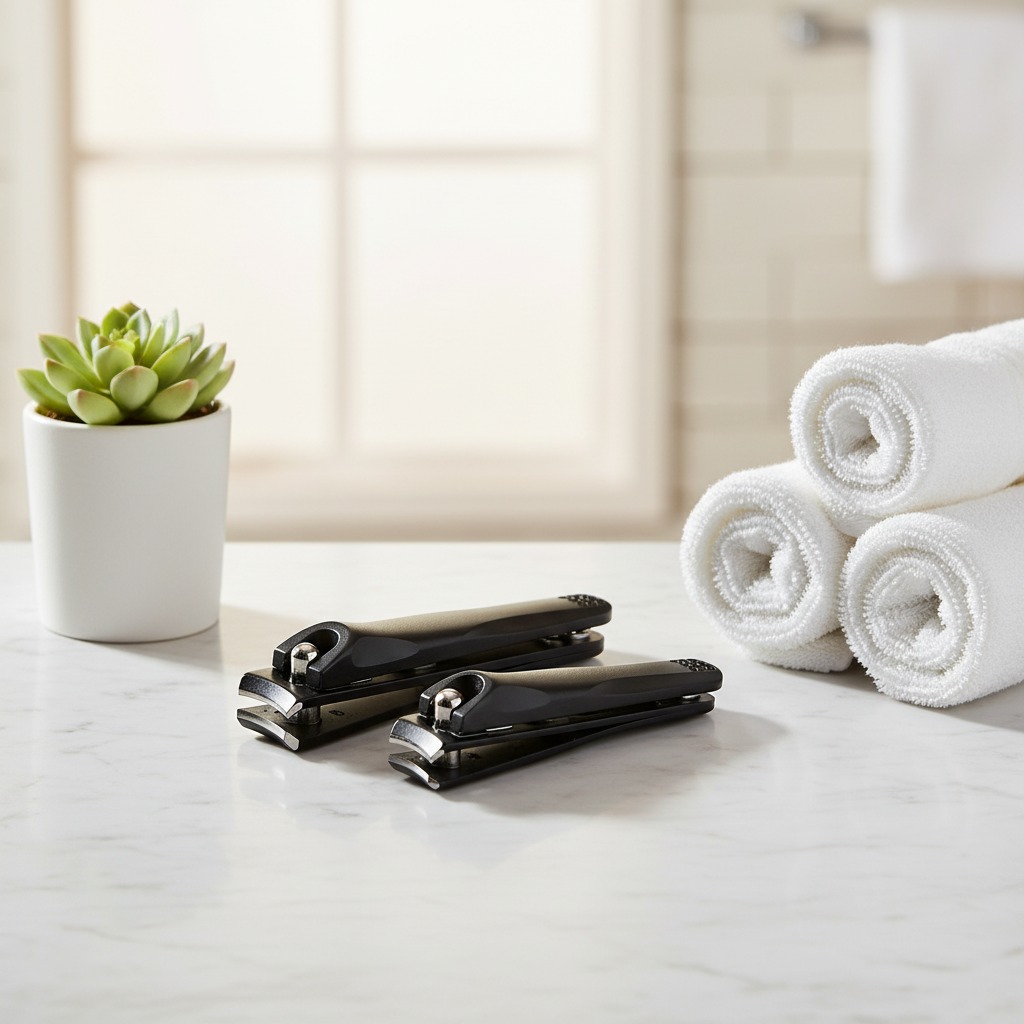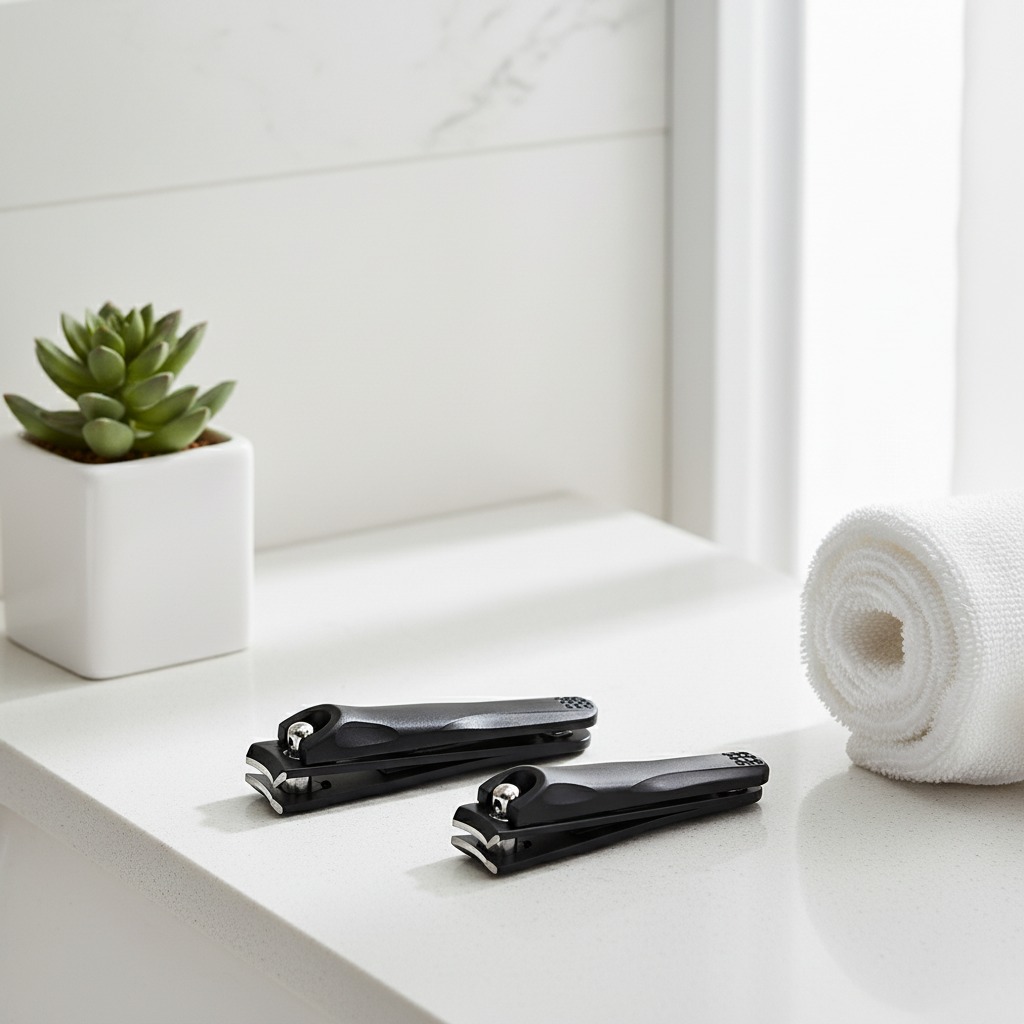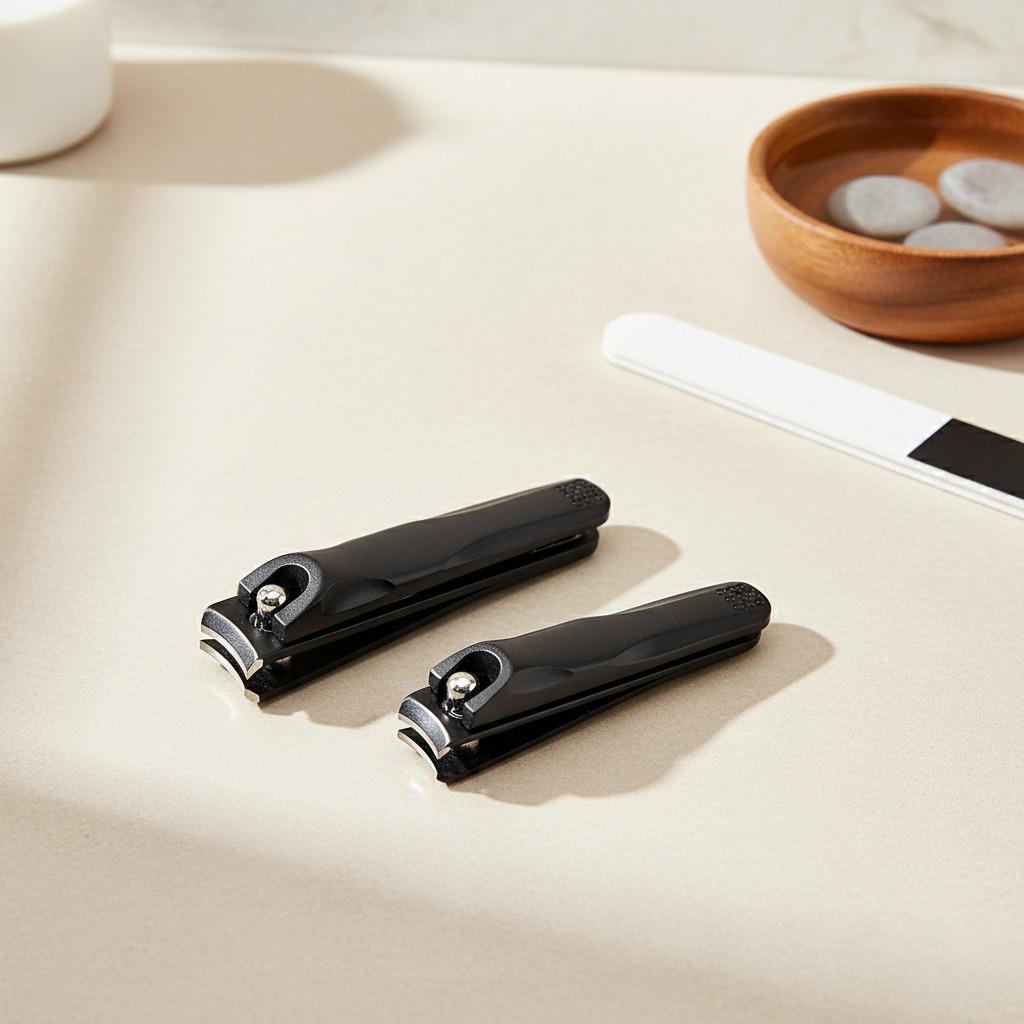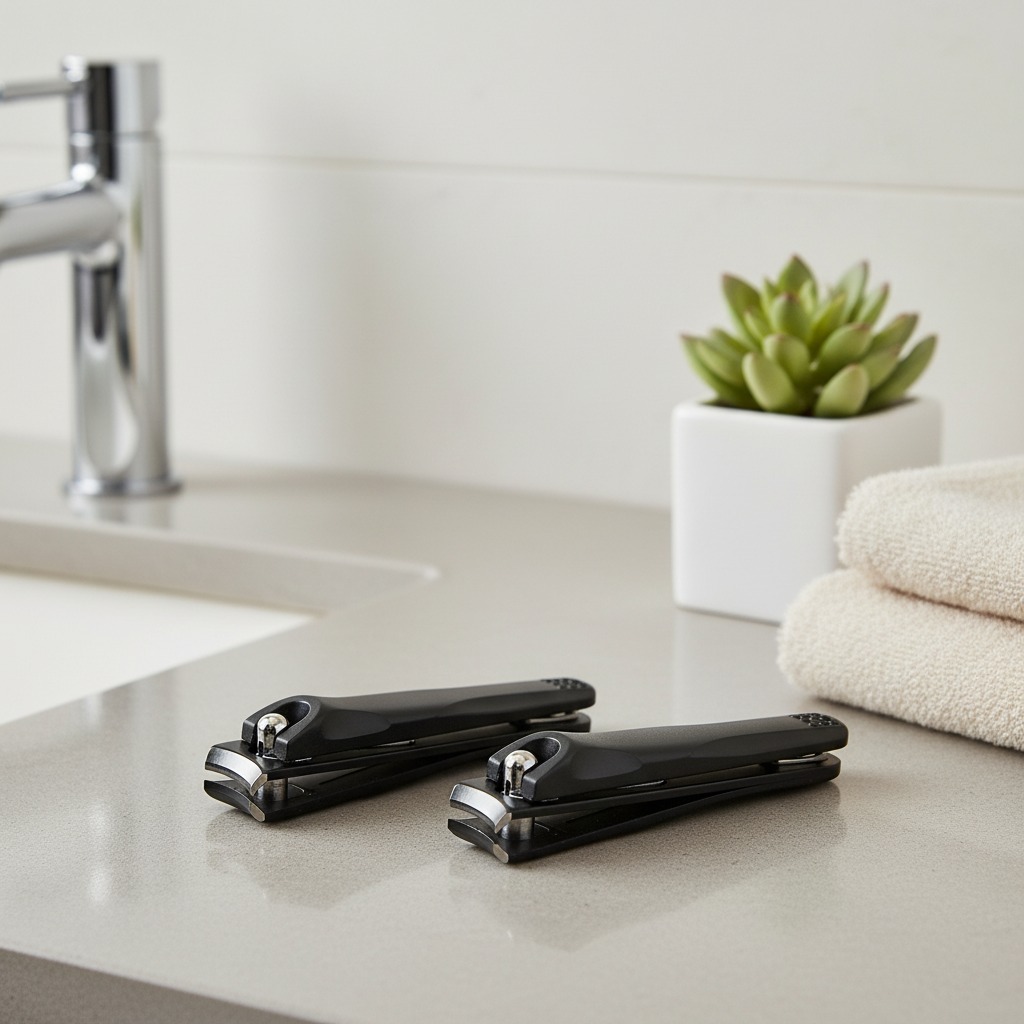











For a nail clipper to feel smooth, cut cleanly, and hold alignment over repeated use, its metal parts must begin with accurate shapes. The cutting stage may look simple from the outside, but it determines whether the blades, lever, and body can be assembled with stable geometry later in production. Automated cutting has become an important part of modern nail clipper manufacturing because it gives factories a repeatable way to shape stainless steel components before forming, polishing, sharpening, and assembly.
This guide explains how automated cutting is used in nail clipper production, why it matters for product consistency, and what B2B buyers should review when comparing suppliers. It is written for importers, distributors, private label buyers, and beauty tool brands that need dependable grooming tools at scale rather than one-off samples that cannot be repeated.
What Automated Cutting Means in Nail Clipper Manufacturing
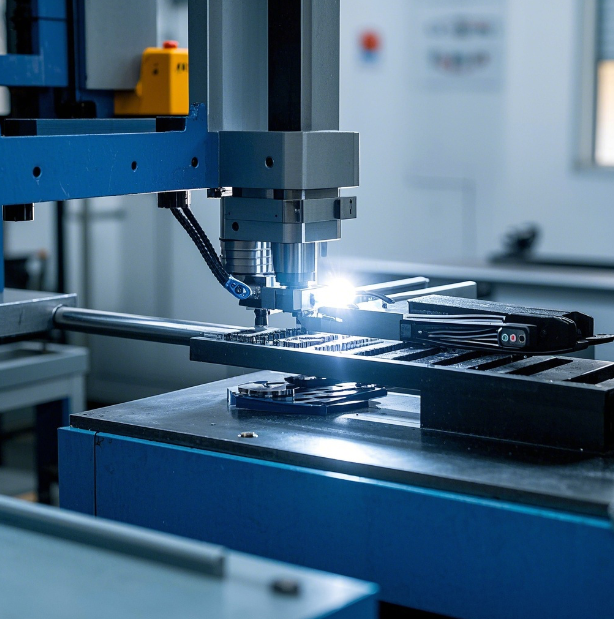
Automated cutting refers to the use of programmed machinery to cut raw material into defined component shapes. In nail clipper production, this often involves equipment such as CNC machines or laser cutters. A digital drawing defines the required profile, and the machine follows that program to cut stainless steel sheets into parts that will later become blades, handles, levers, or supporting components.
The main value is repeatability. Manual cutting depends heavily on the operator’s hand, experience, and judgment. Skilled manual work still has a role in some finishing steps, but the initial cutting of metal parts benefits from controlled movement, consistent positioning, and repeatable programming. When thousands of identical nail clippers are required, even a small variation in a blade blank can affect later assembly and cutting performance.
Automated cutting also supports a cleaner transition between design and production. Once a component drawing is finalized, the machine can reproduce it repeatedly, subject to normal equipment calibration and material control. This is especially useful when a buyer is developing a product line and wants future orders to match approved samples as closely as possible.
Why Cutting Accuracy Affects the Final Nail Clipper
A nail clipper is a small tool, but it depends on mechanical alignment. The upper and lower cutting edges need to meet correctly. The lever must apply pressure in the right position. The body must flex enough to cut, but not so unpredictably that the user feels poor control. Because each part interacts with another part, inaccurate cutting can create problems that may not be fully corrected later.
Consistent cutting contributes to several product qualities buyers care about:
- Blade alignment: Uniform blanks make it easier to align cutting edges during later forming and assembly.
- Smooth operation: Better part consistency helps the lever and body work together without unnecessary looseness or friction.
- Cleaner finishing: Accurately cut parts can be polished and deburred more predictably than irregular parts.
- Lower rejection risk: When component dimensions stay within target ranges, fewer pieces are likely to fail downstream inspection.
- Repeatable bulk orders: Automated cutting helps approved sample geometry carry into larger production runs.
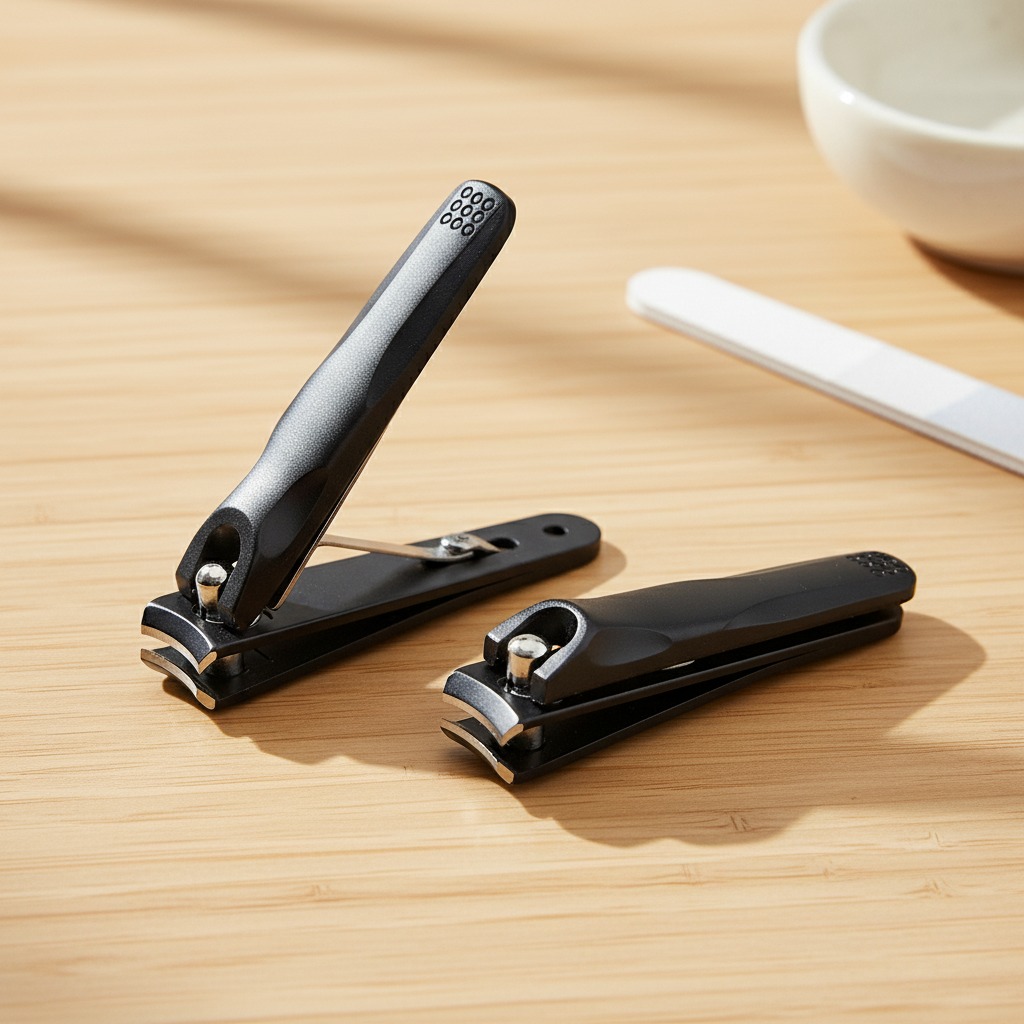
For buyers reviewing beauty tool products, it is useful to think beyond exterior appearance. A nail clipper can look acceptable in a catalog image but still perform poorly if the underlying blade geometry or part fit is inconsistent. Cutting accuracy is one of the early controls that supports dependable finished goods.
The Typical Automated Cutting Workflow
While each factory may organize production differently, an automated cutting workflow for nail clippers generally follows a structured sequence. Understanding this flow helps buyers ask better questions and interpret production updates more clearly.
- Component design: Engineers or technicians prepare digital drawings for the required nail clipper parts. These drawings define the profile, critical dimensions, and shape of each component.
- Material preparation: Stainless steel sheets are selected and prepared for cutting. The material must be suitable for the intended tool design and downstream processing.
- Machine programming: The digital file is loaded into the CNC or laser cutting system. Parameters are set according to the component shape and material being cut.
- Layout optimization: Cutting software may arrange multiple components on a sheet to use material efficiently and reduce scrap.
- Cutting execution: The machine cuts the programmed shapes from the sheet. Stable fixturing and correct settings help maintain edge quality and dimensional consistency.
- Initial inspection: Cut parts are checked for shape, dimensions, burrs, and visible defects before moving to forming, polishing, sharpening, or assembly.
The cutting stage is not the final quality checkpoint. It is an early control point. If problems are missed here, later processes may spend time working on parts that should have been corrected or removed. For high-volume orders, that can create delays, additional sorting, and inconsistent final products.
CNC Cutting, Laser Cutting, and Practical Selection Criteria
The original production concept often mentions CNC machines and laser cutters because both are relevant to automated metal shaping. The best choice depends on the component design, material behavior, edge requirements, and production plan. Buyers do not need to specify every technical parameter, but they should understand what questions matter.
| Buyer consideration | Why it matters in nail clippers | What to review |
|---|---|---|
| Part tolerance | Blade and body alignment depend on repeatable component dimensions. | Confirm how dimensions are checked after cutting and before assembly. |
| Edge condition | Rough edges or burrs can affect finishing quality and handling safety. | Review deburring and polishing steps after cutting. |
| Material utilization | Efficient sheet layout can reduce waste and support cost control. | Ask how nesting or layout optimization is handled. |
| Order repeatability | Future bulk orders should match approved samples as closely as possible. | Check whether digital files and settings are controlled between runs. |
| Design changes | Small changes to handle shape or blade profile may affect production. | Confirm when a new sample or revised drawing is needed. |
CNC and laser cutting should not be evaluated only by speed. A fast process that creates inconsistent edges or requires excessive rework may not be the best choice for a grooming tool. The practical goal is a stable part that can move smoothly into the next manufacturing stage.
Material Optimization and Waste Reduction
Automated cutting can improve material use by arranging multiple parts efficiently on a metal sheet. This is often called nesting or layout optimization. For small components like nail clipper parts, layout planning can make a meaningful difference because many pieces are cut from each sheet.
Better material utilization does not only affect cost. It can also support more predictable production planning. When the cutting plan is organized, the factory can estimate raw material needs more accurately and reduce avoidable offcuts. In a competitive B2B environment, this matters because buyers are often balancing product quality, order timing, and cost targets.
However, material savings should not come at the expense of part integrity. Components still need adequate spacing during cutting, stable positioning, and suitable edge quality. A responsible production process balances efficient use of stainless steel with the dimensional reliability required for a functional nail clipper.
Quality Checks Buyers Should Expect Around Cutting
Automated equipment improves consistency, but it does not remove the need for inspection. Machines require correct programming, maintenance, calibration, and operator oversight. A strong quality approach treats automated cutting as a controlled process rather than a guarantee by itself.
When evaluating a nail clipper supplier, consider whether the production process includes these checks:
- Drawing control: The approved component drawing should be clear and used consistently for production.
- First-piece inspection: Initial cut parts should be checked before the full batch continues.
- Dimensional sampling: Parts from the run should be measured to confirm consistency.
- Burr and edge review: Cut edges should be inspected so finishing work can be planned properly.
- Segregation of nonconforming parts: Defective pieces should be kept out of later production stages.
- Traceable production feedback: If a problem appears during assembly, the cutting stage should be reviewed as a possible source.
These checks are especially important for buyers ordering across multiple designs or sizes. A small nail clipper, large toenail clipper, and specialty shape may each place different demands on the cutting process. If you are building a broader assortment, reviewing product collections can help clarify how production requirements vary across tool types.
How Automated Cutting Supports Customization
Automated cutting can make product development more manageable because design files can be adjusted before tooling and production decisions are finalized. For buyers, this is useful when considering changes to a handle outline, lever profile, or overall clipper shape. A digital workflow allows the supplier to review whether a proposed shape is practical to cut and assemble.
Still, customization should be approached carefully. A visually appealing shape may create problems if it weakens the body, complicates polishing, interferes with leverage, or makes the cutting edges harder to align. Good customization balances appearance with mechanical function. Before moving into bulk production, buyers should confirm that any revised design has been sampled and assessed for grip, cutting feel, alignment, finishing, and packaging fit.
For private label or OEM-style projects, prepare a clear brief. Include target use, preferred size range, finish expectations, packaging requirements, and any reference features you want to keep or avoid. If your project needs technical review, you can send an inquiry with the relevant design goals and order context.
Questions to Ask Before Placing a Bulk Order
Automated cutting is one part of a complete nail clipper production system. Buyers should avoid judging a factory only by whether it has modern equipment. The more useful question is how that equipment is used, controlled, and connected to downstream steps.
Before placing a bulk order, review the following points:
- Are the component drawings confirmed before production begins?
- How are the first cut parts inspected and approved?
- What happens if cut parts show burrs, distortion, or dimensional variation?
- How does the factory maintain consistency between samples and bulk runs?
- Which finishing steps follow cutting, and how are sharp or rough edges handled?
- How are blade alignment and cutting performance checked after assembly?
- Can packaging and assortment requirements be coordinated with production planning?
These questions help shift the discussion from general capability to actual process control. For distributors and brand owners, that distinction is important. A reliable nail clipper is the result of many controlled steps, and automated cutting is one of the earliest stages where quality can be built in.
Choosing a Nail Clipper Supplier with Production Control in Mind
Automated cutting gives nail clipper manufacturers a practical way to produce consistent stainless steel components at scale. It supports precision, improves material planning, and helps approved designs move more reliably into bulk production. But the technology works best when paired with careful drawing control, inspection, finishing, and assembly checks.
For buyers, the main takeaway is simple: do not evaluate nail clippers only by surface finish or price. Ask how the parts are made, how consistency is monitored, and how the supplier manages the transition from cut metal to finished grooming tool. If you are comparing options for a new order or product range, contact Olimor to discuss the type of nail clipper production support your project requires.