










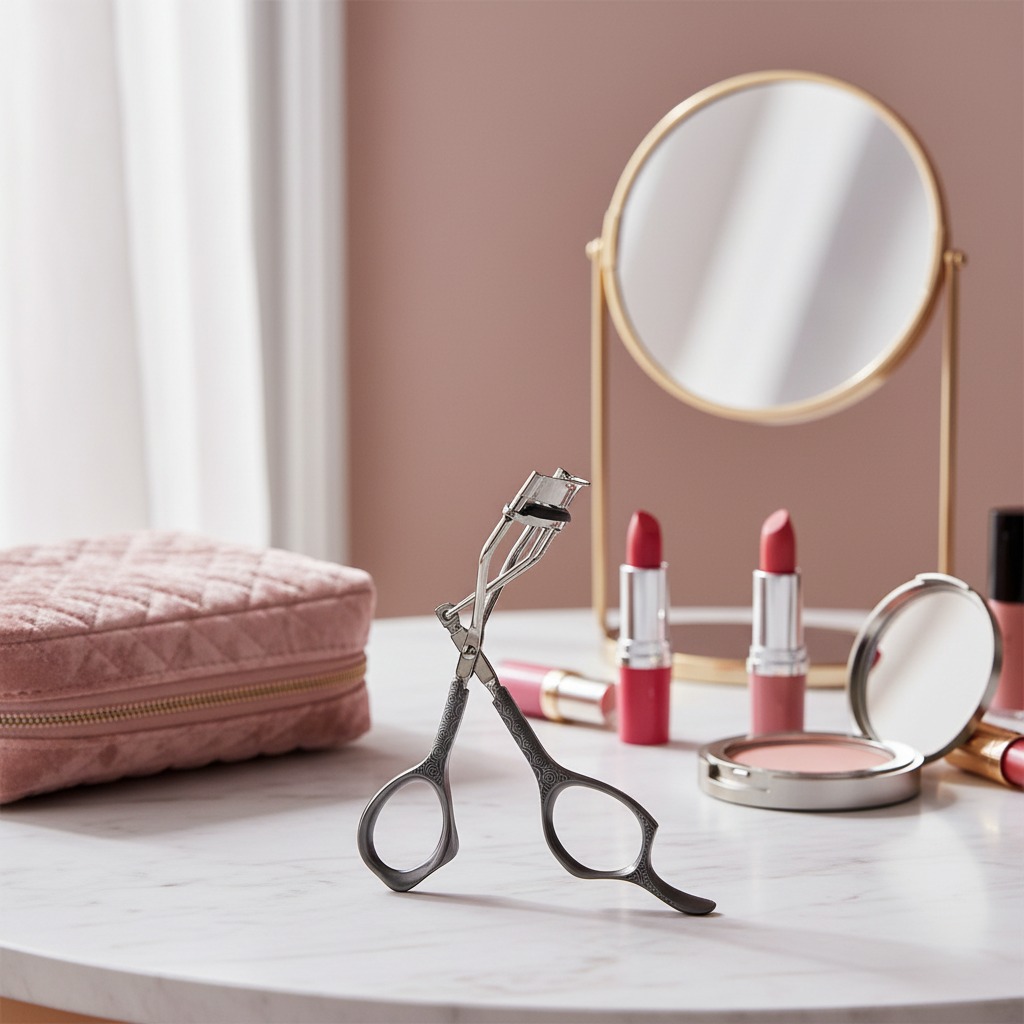
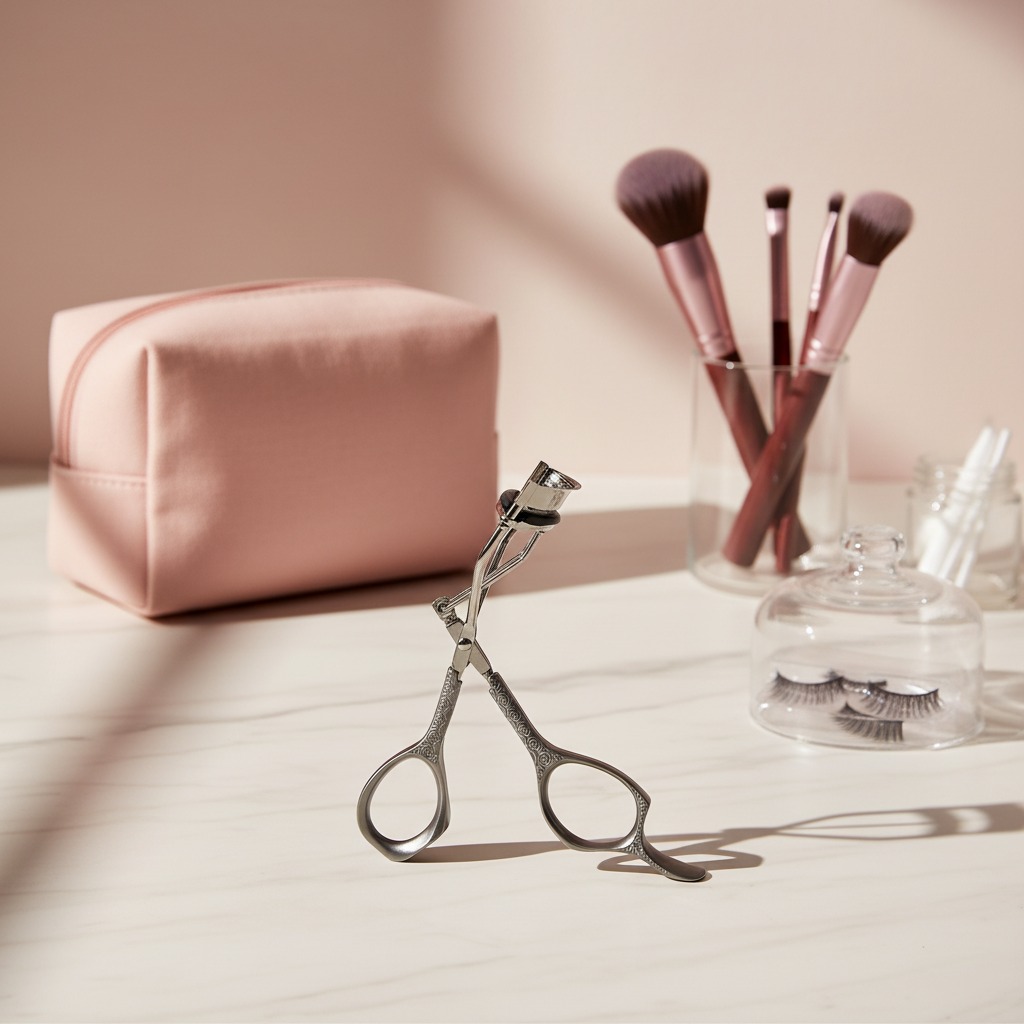
An eyelash curler can look simple, but its performance depends on several small details working together. When a curler pinches, misses outer lashes, creates a sharp bend, or loses lift quickly, the cause is usually not one single fault. The frame may not match the eye shape, the pad may be worn, the hinge may close unevenly, or the user may be applying too much pressure in one place.
This guide explains how to identify the real reason an eyelash curler fails and how to choose, use, clean, and evaluate one more effectively. It is written for daily users, salon professionals, retailers, distributors, and beauty brands comparing lash tools through Olimor beauty tool products or building a broader grooming range.
Quick Answer: Why Eyelash Curlers Stop Working
Most eyelash curler problems come from poor fit, uneven pressure, damaged pads, residue buildup, or rushed technique. A good curler should sit close to the lash base without pinching skin, close evenly across the pad, and lift lashes with controlled pressure rather than force. If the result is patchy, uncomfortable, or sharply bent, inspect the tool before blaming the lashes.
For B2B buyers, the same logic applies at sample stage. A lash curler should be evaluated as a functional tool, not only as a cosmetic accessory. Buyers should check frame alignment, hinge smoothness, pad resilience, edge finishing, packaging protection, and whether replacement pads are available. These points affect customer satisfaction, product reviews, and repeat purchasing.
Common Eyelash Curler Failures and What They Mean
A failed curl usually gives clues about the underlying issue. Reading those signs helps users fix the problem faster and helps buyers compare samples more objectively.
The curler pinches the eyelid
Pinching often means the frame curve does not match the eye shape, the user is placing the tool too close to the skin, or the side bars are pressing into the eyelid before the pad reaches the lashes. A very curved frame may feel uncomfortable on flatter eyes, while a flatter frame may not follow rounder eyes evenly. Pinching can also happen when handles slip and the curler shifts during clamping.
The curl looks bent instead of lifted
A sharp angle usually comes from clamping too hard in one position or using a pad that is too rigid, grooved, or compressed. Lashes need gradual pressure to form a curve. If the pad has a deep line, it can trap lashes in one narrow channel and create a crease rather than a smooth lift.
Outer or inner lashes stay straight
Missed lashes often indicate poor contact across the full width of the tool. The upper bar and lower pad may not meet evenly, or the frame may not reach the lash base at the corners. This is especially common when one universal curler is expected to work for every eye shape.
The lift disappears quickly
Weak curl retention can be related to lash type, humidity, mascara choice, or technique, but the tool still matters. A pad that collapses too easily may not create enough controlled lift. Residue on the pad can also reduce grip and make the lashes slide instead of curling.
The curler pulls lashes
Pulling may happen when mascara residue, dried skincare, or a damaged pad causes lashes to stick. It can also happen if users curl after applying mascara, especially once mascara has dried. Any pulling near the eye area should be taken seriously; stop using the tool until it is cleaned and inspected.
How to Inspect an Eyelash Curler Before Use
A short inspection protects the eye area and improves results. This is important for personal makeup bags, professional kits, retail testers, and B2B sample evaluation. The tool should feel stable, clean, and predictable before it touches the lash line.
| Inspection point | What to check | Why it matters |
|---|---|---|
| Pad condition | Look for deep grooves, cracks, sticky buildup, hardening, or flattened areas. | A damaged pad can crease, pull, or break lashes. |
| Frame alignment | Close the curler slowly and check whether the upper bar meets the pad evenly. | Uneven contact creates patchy curl and missed lashes. |
| Hinge movement | Open and close the handles several times. Movement should be smooth, not loose or stiff. | A rough hinge can create sudden pressure near the eyelid. |
| Edge finishing | Check for rough contact points on the frame, handles, and areas near the lash line. | Clean finishing improves comfort and perceived quality. |
| Residue and hygiene | Remove visible mascara, powder, oil, or skincare residue before use. | Buildup can cause slipping, sticking, and uneven pressure. |
| Fit near the eye | Hold the curler near the eye without clamping to see whether it reaches the lash base comfortably. | Fit affects safety, comfort, and curl coverage. |
If any part feels unstable or uncomfortable, do not compensate by squeezing harder. More force rarely solves an eyelash curler problem. It usually increases the chance of pinching, bending, or pulling.
Technique: How to Get a Better Curl Without Over-Squeezing
The best technique uses light, staged pressure. Instead of clamping once with force, curl in two or three gentle steps along the lash length. This creates a smoother arc and reduces the risk of a visible crimp.
- Start with clean, dry lashes. Remove residue from skincare, powder, or old mascara. Dry lashes are easier to control.
- Position close to the base. Place the curler near the lash line without catching eyelid skin. Look downward slightly if that helps expose the lashes.
- Close gently. Apply light pressure for several seconds. The goal is controlled contact, not maximum force.
- Move to the middle. Release, shift slightly along the lash length, and press again with lighter pressure.
- Finish near the tips if needed. Use a very soft squeeze to complete the curve, especially on longer lashes.
- Apply mascara afterward. Curling before mascara is generally safer and helps reduce sticking or pulling.
Using a heated approach requires extra caution. If a metal tool is warmed, it should be tested on the wrist before going near the eye and should never feel hot. Excess heat can irritate skin and may weaken lashes. For general eye cosmetic safety, public guidance from bodies such as the U.S. Food and Drug Administration can be useful; always verify current guidance and follow supplier instructions for the specific tool and materials.
Choosing the Right Eyelash Curler for Eye Shape and Use Case
The right eyelash curler is the one that fits the user and applies pressure evenly. Decorative finishes can support retail appeal, but they do not replace basic functional checks. For individual users, comfort and lash coverage should come first. For wholesale buyers and private label programs, consistency across samples is just as important as first impression.
For personal users
Choose a curler that reaches the lash base without digging into the eyelid. The handles should feel steady, the pad should compress evenly, and the tool should create visible lift without hard squeezing. If your eyes are flatter, a deeply curved tool may miss areas or pinch. If your eyes are rounder, a very flat frame may not follow the lash line well.
For salons and professional kits
Professional users need tools that can be cleaned reliably, inspected quickly, and controlled precisely. A smooth hinge and replaceable pads are important because the tool may be used more frequently than in a personal routine. Storage also matters: a curler should be protected from bending, impact, and contamination between uses.
For retailers, distributors, and beauty brands
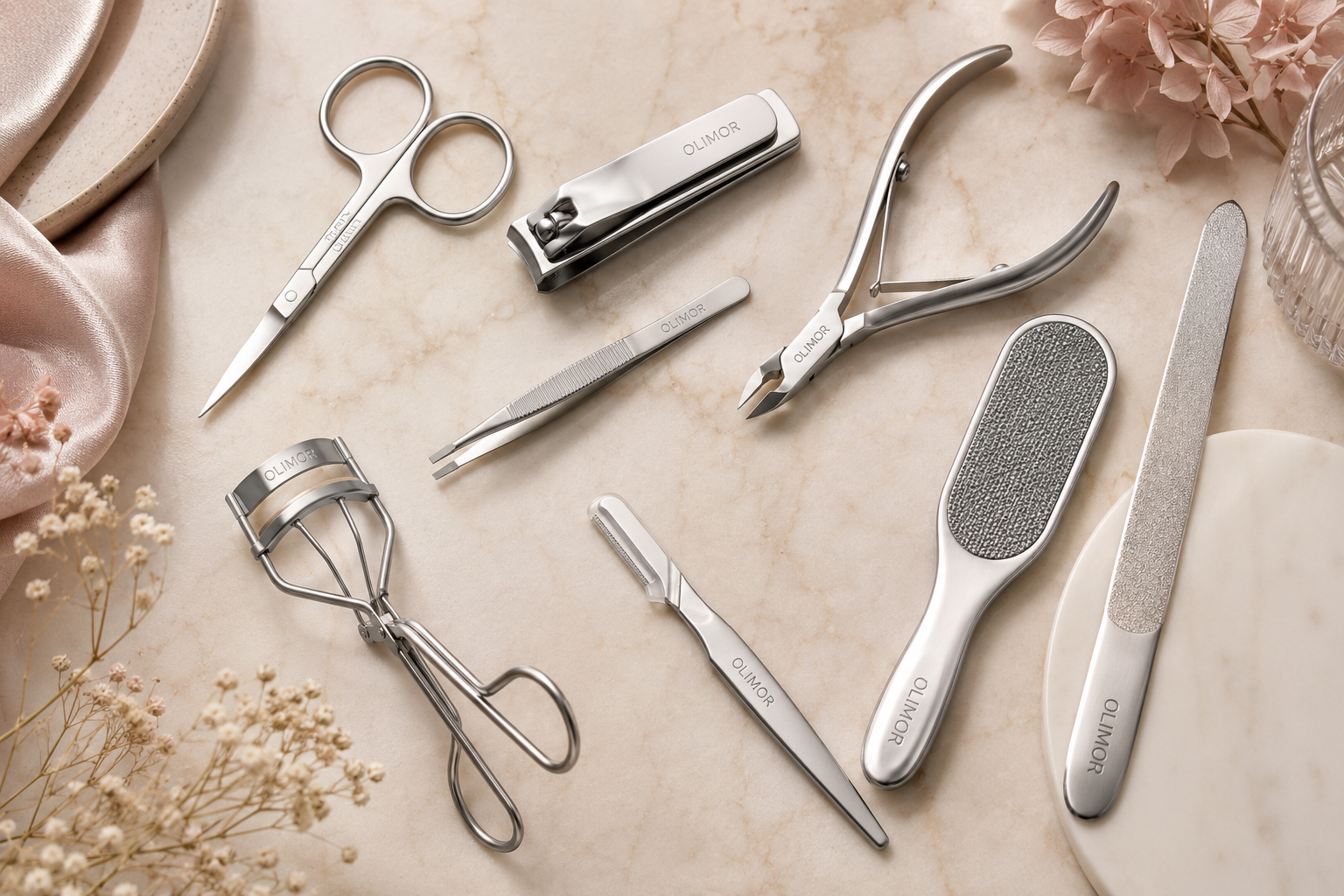
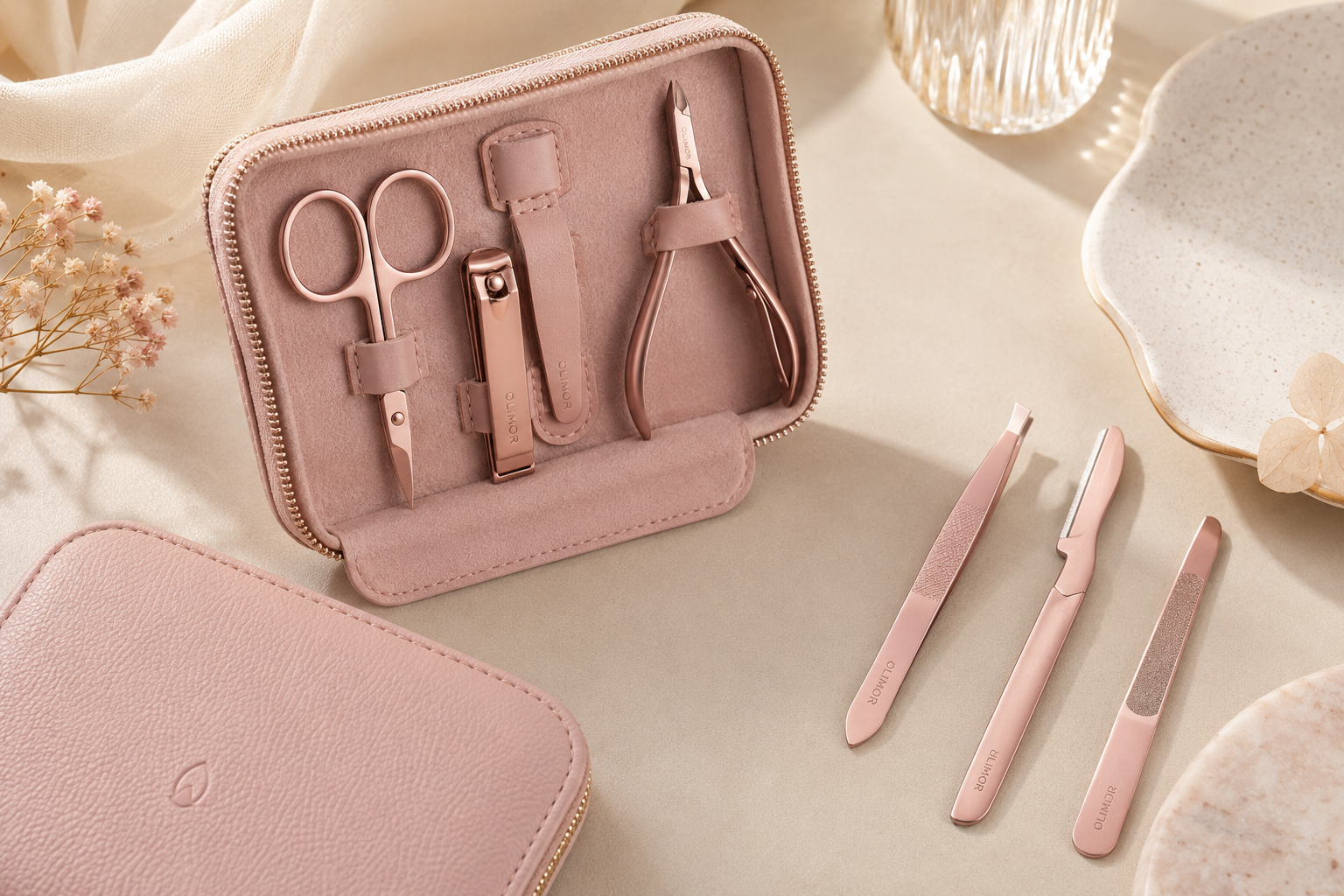
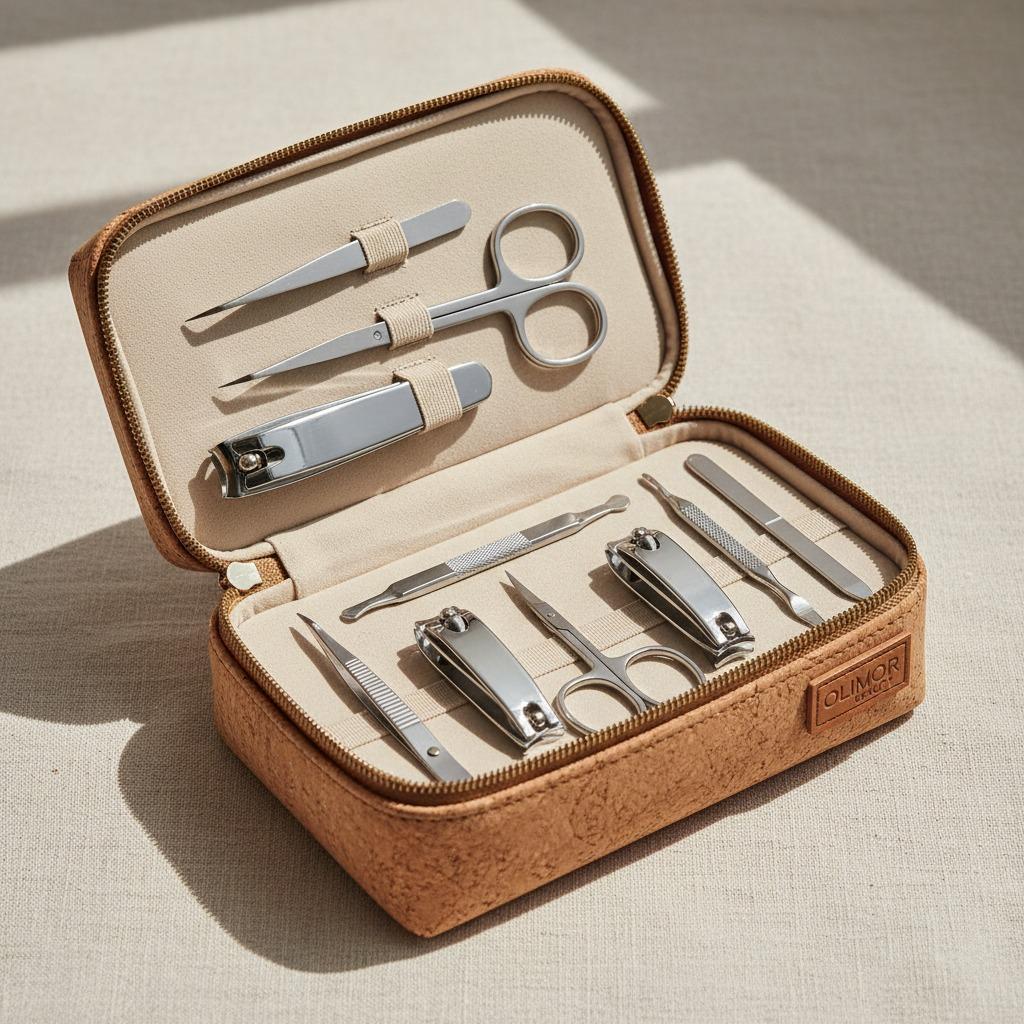
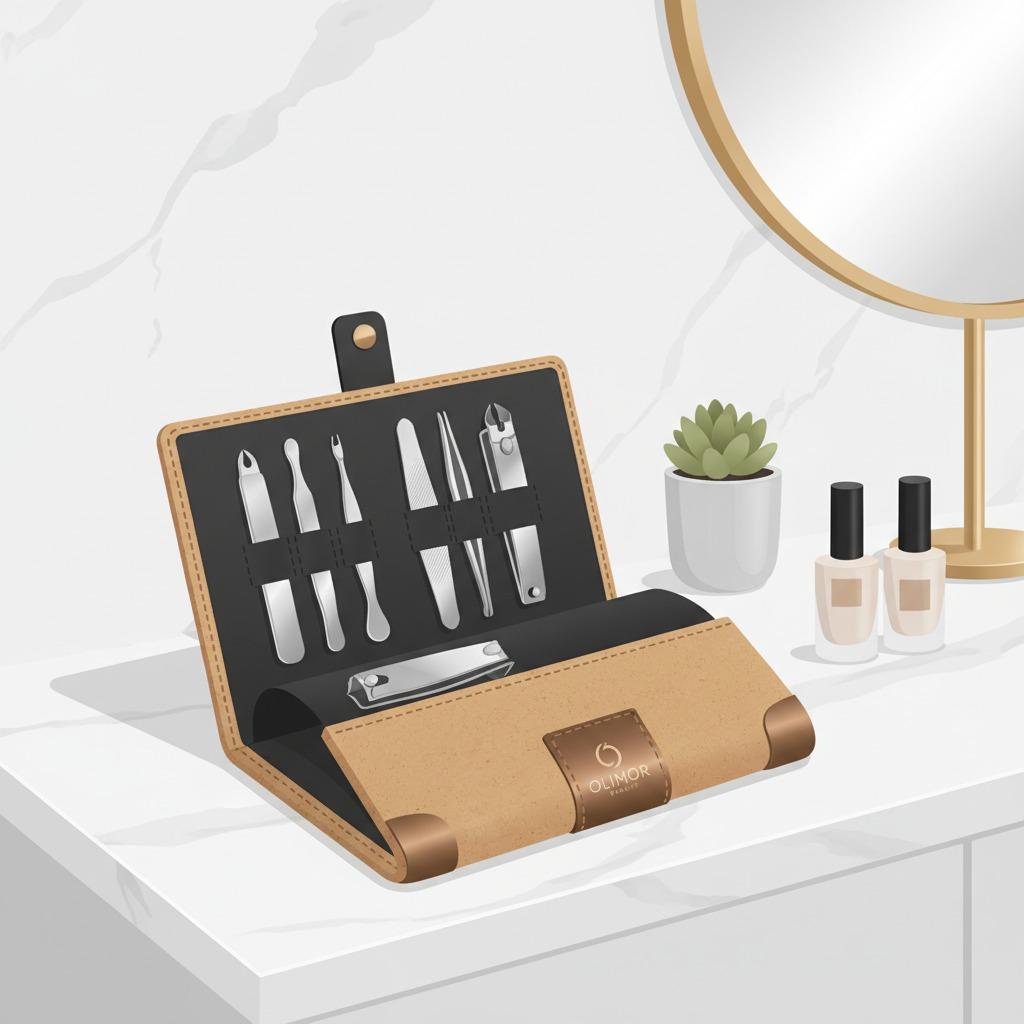
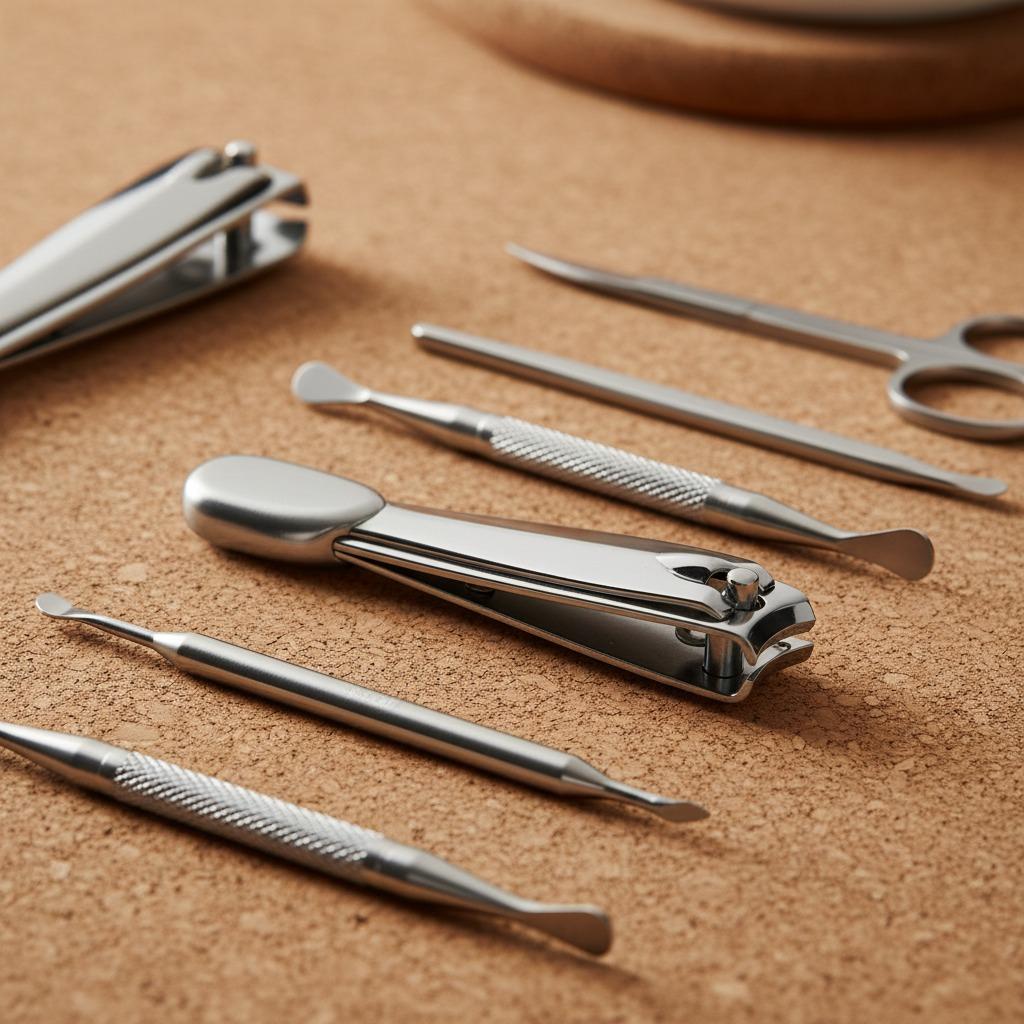
B2B buyers should evaluate how the curler performs across a range of eye shapes and how it fits into a broader assortment. If a product is positioned for everyday users, a balanced curve and predictable hinge may be more useful than an extreme design. If a curler is part of a larger beauty tool range, review how it coordinates with tweezers, scissors, mirrors, and other accessories in the Olimor product collection.
Pad Quality, Replacement, and Cleaning
The pad is one of the most important working parts of an eyelash curler. It controls how pressure is transferred from the frame to the lashes. When the pad is new and resilient, it cushions the lashes and supports a gradual curl. When it becomes grooved, sticky, cracked, or hardened, it can create a crease, trap lashes, or reduce lift.
Inspect the pad regularly instead of waiting for discomfort. Daily users should replace it when visible wear appears or when curl quality changes. Professional users should apply stricter hygiene and replacement routines because tools are handled more often and client expectations are higher. Do not continue using a curler if the pad no longer returns to shape after compression.
Cleaning should be simple and consistent. Wipe the pad and metal contact areas after use with a clean soft cloth. Remove visible mascara or skincare buildup according to the tool material and supplier instructions, then allow the curler to dry fully before storage. Avoid soaking or using harsh methods unless the supplier confirms they are suitable for the specific construction.
Store the curler in a dry, protected place. A crowded makeup bag can bend the frame, contaminate the pad, or damage the hinge. If the curler is dropped and the top bar no longer meets the pad evenly, do not force it back into use near the eye.
Manufacturing and Quality Details Buyers Should Review
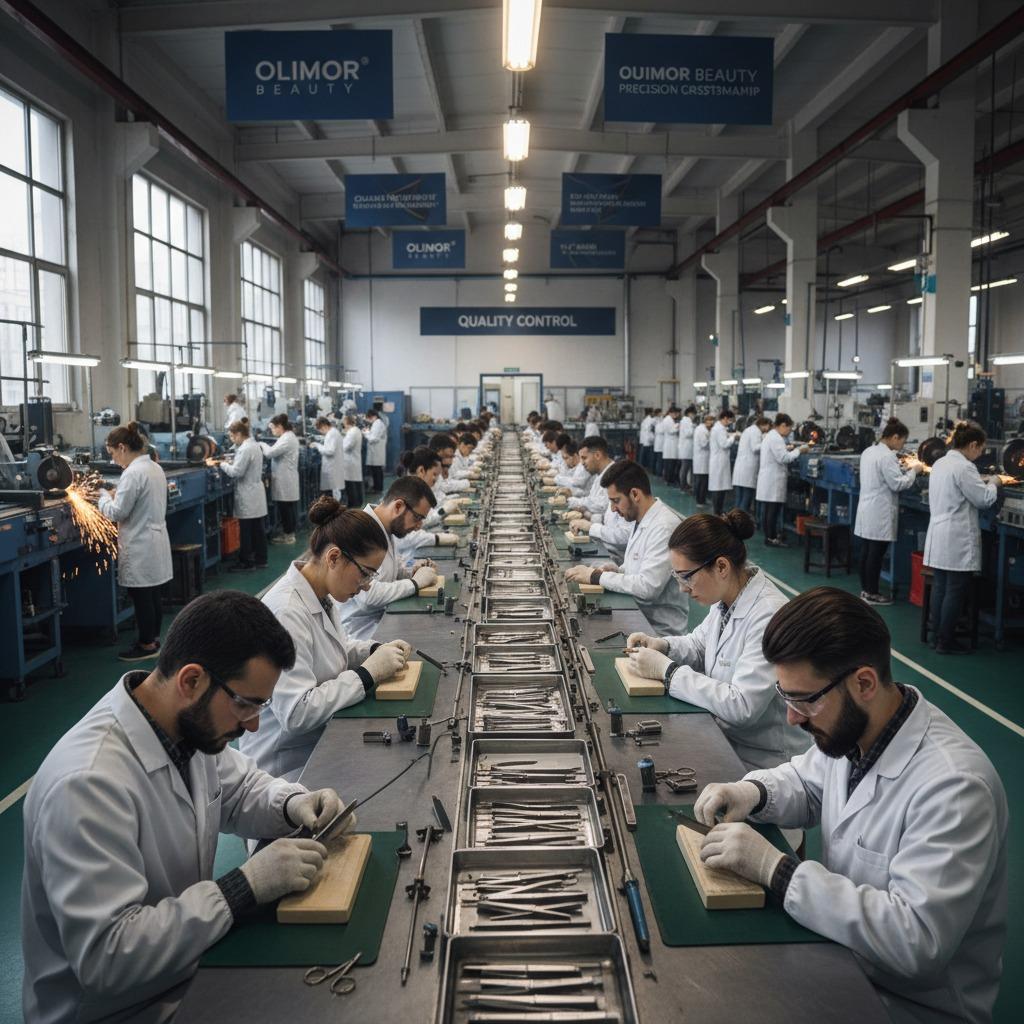
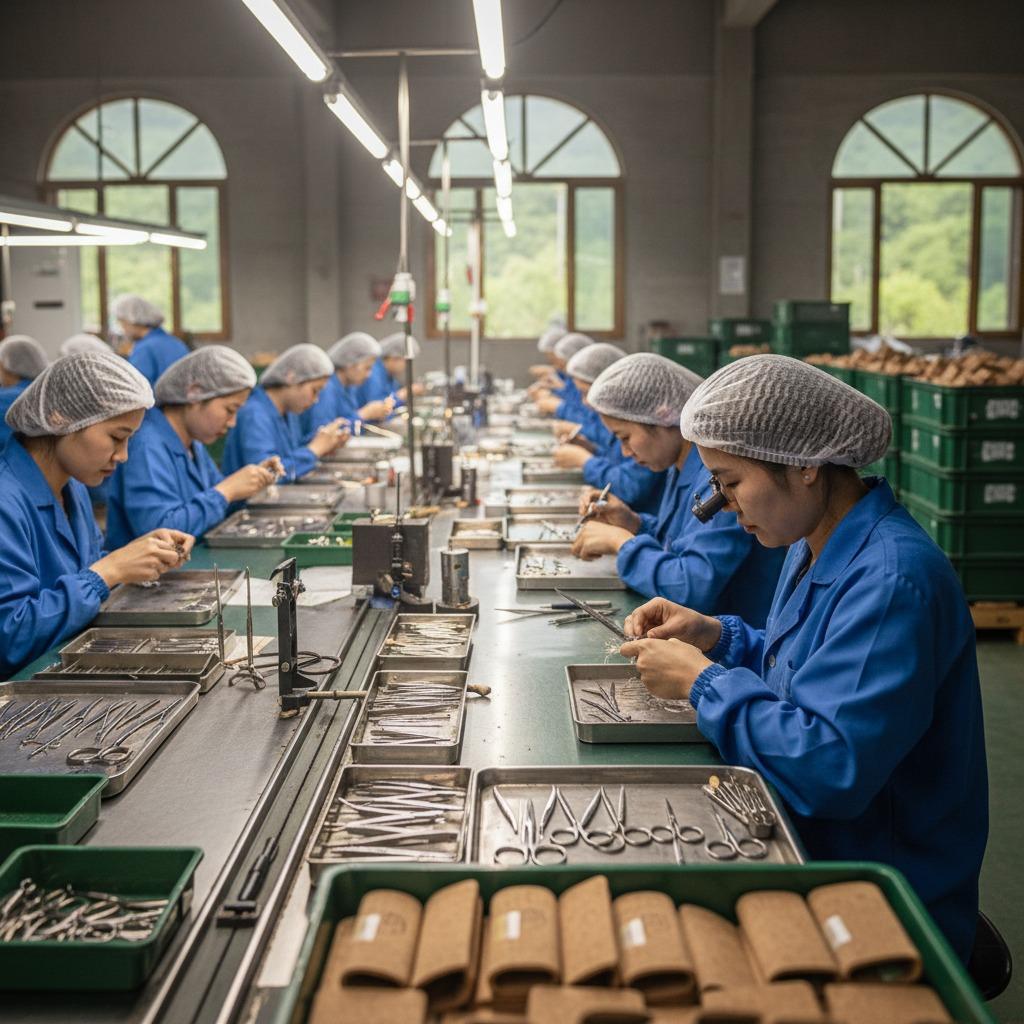
For commercial sourcing, eyelash curlers should be assessed through both visual inspection and practical use testing. The product is small, but quality differences appear quickly when the hinge, pad, and frame are handled repeatedly. Buyers should ask suppliers for current product documents, packaging information, and available customization options rather than assuming every design is identical.
Useful manufacturing and inspection points include:
- Frame consistency: Samples from the same batch should show consistent curve, symmetry, and alignment.
- Pad fit: The pad should sit securely in the channel and should not shift during normal opening and closing.
- Hinge assembly: The hinge should move smoothly without wobbling or snapping shut unpredictably.
- Surface finish: Edges and contact points should feel clean, with no rough areas near the eye.
- Handle control: Finger loops or handle areas should support stable placement and controlled pressure.
- Packaging protection: Packaging should help prevent bending, pad contamination, and surface damage during handling and transport.
- Replacement support: Confirm whether spare pads are included or available separately.
- Customization feasibility: Discuss finish, packaging, logo placement, and assortment needs with the supplier before confirming a program.
Depending on where the product will be sold, buyers may also need to review applicable consumer product safety obligations. For example, companies selling into the European Union should verify the current requirements of the General Product Safety Regulation and any applicable national rules. This is not a statement that any specific Olimor product holds a certification; buyers should verify current standards, regulatory duties, and supplier documents for their own market.
Cost Factors Without Guessing the Price
Eyelash curler cost is influenced by design, construction, finishing, packaging, order requirements, and customization. A lower unit price may not be the best value if pads wear quickly, alignment is inconsistent, or packaging allows tools to bend before they reach retail shelves. Conversely, a premium look should still be supported by real functional performance.
When comparing quotations, ask what is included. Does the offer include spare pads, customized packaging, retail-ready labeling, protective inserts, or only the basic tool? Are samples available for evaluation before a larger order? What inspection process does the supplier use for alignment, pad fit, and surface finishing? These questions help buyers compare total value rather than focusing only on the first quoted price.
For private label or assortment planning, buyers should also consider after-sale experience. A curler that feels comfortable, curls evenly, and is easy to clean can reduce complaints and improve customer trust. A tool that pinches or loses performance quickly can create returns even if it looked attractive in product photos.
Supplier Evaluation Checklist for Lash Curlers
Before placing an order, use a structured checklist to make sample review more objective. This is especially helpful when multiple departments are involved in sourcing, such as purchasing, product development, quality, and marketing.
- Does the frame reach the lash base comfortably on the intended user group?
- Do the upper bar and lower pad meet evenly from side to side?
- Is the hinge smooth after repeated opening and closing?
- Does the pad compress evenly and return to shape?
- Are replacement pads available or included?
- Are all contact points smooth and free from rough edges?
- Does packaging protect the frame and pad during shipment and storage?
- Can the supplier discuss customization, packaging, and documentation clearly?
- Are current regulatory and product documents available for the target market?
- Does the final product fit the brand position and related beauty tool assortment?
For product selection support, packaging discussions, or sample review, buyers can contact Olimor or send a sourcing inquiry with target market, intended channel, and customization needs.
FAQ
Can I request samples before choosing an eyelash curler for my range?
Sample availability depends on the product and project requirements. It is best to share the intended market, packaging expectations, and any customization needs so the supplier can recommend suitable options for evaluation.
Is there a fixed MOQ for customized eyelash curlers?
MOQ can vary by product style, finish, packaging, and customization method. Confirm the current requirement directly with the supplier before planning launch quantities or retail pricing.
Can eyelash curlers be customized with branding or packaging?
Customization may be possible for suitable projects, including packaging or brand presentation. Feasibility depends on the selected tool, order details, and production process, so confirm options during inquiry.
How should buyers check quality before bulk ordering?
Review physical samples for frame alignment, pad resilience, hinge movement, surface finish, packaging protection, and comfort near the lash line. Buyers should also request current supplier documents relevant to their target market.
How long does production or delivery take?
Lead time depends on product availability, customization, packaging, order quantity, and shipping arrangement. Ask for the current schedule after confirming specifications and sample approval steps.
Bottom Line: Better Curl Comes From Fit, Control, and Care
Eyelash curlers fail when fit, pressure, pad condition, hygiene, or technique is overlooked. The most reliable results come from a tool that matches the eye shape, closes evenly, and uses a resilient pad to create controlled lift. Users should curl clean lashes in gentle stages before mascara and replace worn pads promptly.
For B2B buyers, the best eyelash curler is not simply the most attractive sample. It is the one that performs consistently, cleans easily, travels safely in packaging, and matches the expectations of the intended customer. Careful sample testing and clear supplier questions help turn a small beauty tool into a dependable product in a retail or professional range.