











Tweezers are small tools, but they carry a large share of the customer experience in any beauty or grooming assortment. A pair that grips cleanly, aligns correctly, and feels comfortable can become a repeat-purchase driver for retailers and a daily workhorse for salons. A poorly finished pair, on the other hand, quickly creates complaints because users notice slipping tips, rough edges, weak tension, or inconsistent performance within the first few uses.
For beauty professionals, distributors, and brand owners, buying tweezers wholesale is not only about unit cost. It is about selecting a dependable personal care tool that fits the intended user, matches the rest of the manicure or grooming range, and can be supplied with packaging suitable for retail shelves, kits, or promotional programs. Olimor Beauty supplies beauty tools for businesses that need practical sourcing options, including tweezers, clippers, and related manicure tools. Buyers comparing beauty tool products should look closely at function, finish, packaging, and quality consistency before placing a wholesale order.
Why Tweezers Remain a Core Item in Beauty Tool Assortments
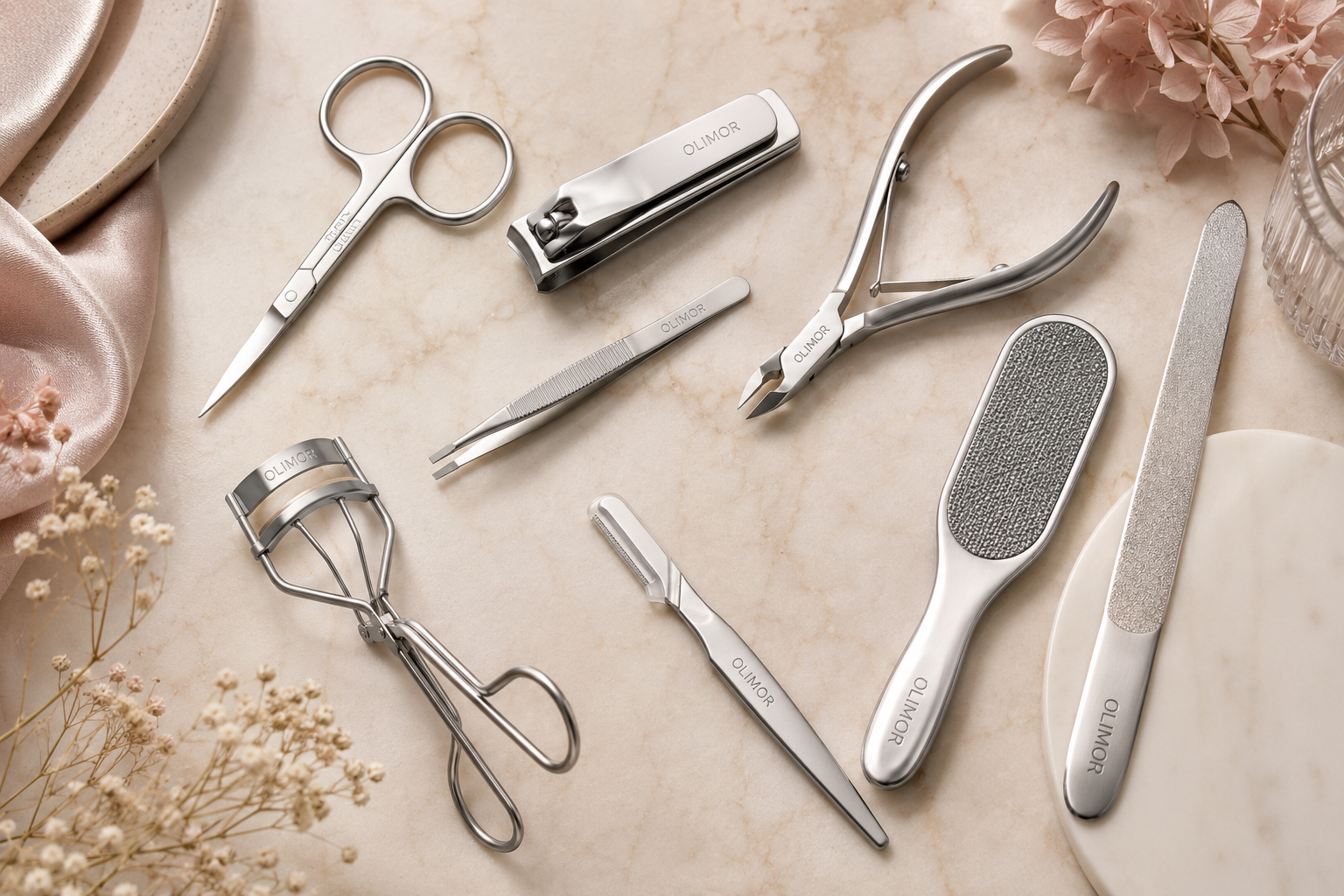
Unlike trend-driven beauty accessories, tweezers solve everyday grooming needs across many customer groups. They are used for eyebrow shaping, removing fine hairs, applying small cosmetic items, cleaning nail edges, handling decals, and supporting detail work in manicure services. That makes them suitable for professional beauty salons, brow studios, nail salons, retail beauty stores, personal care brands, pharmacies, travel kits, and gift sets.
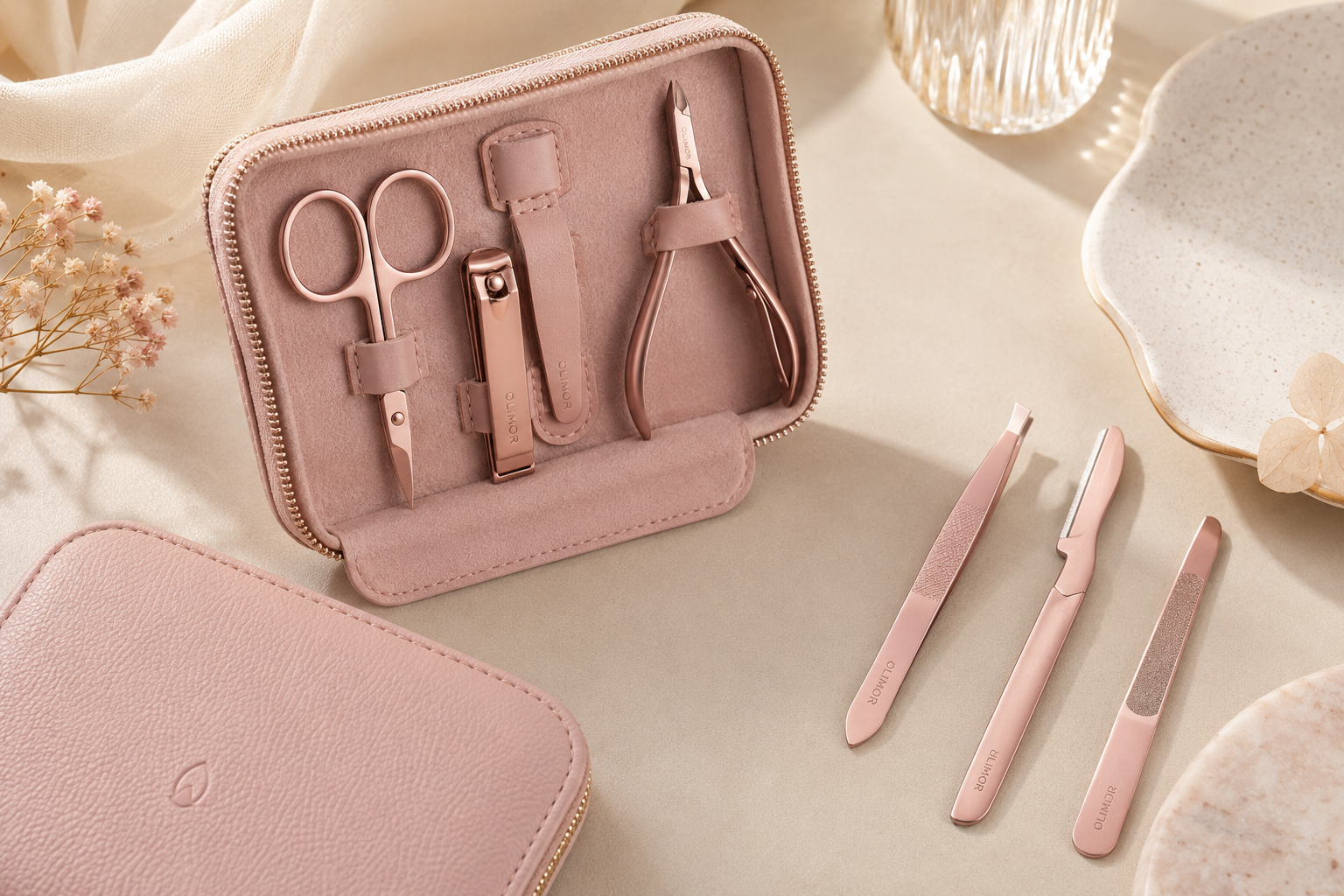
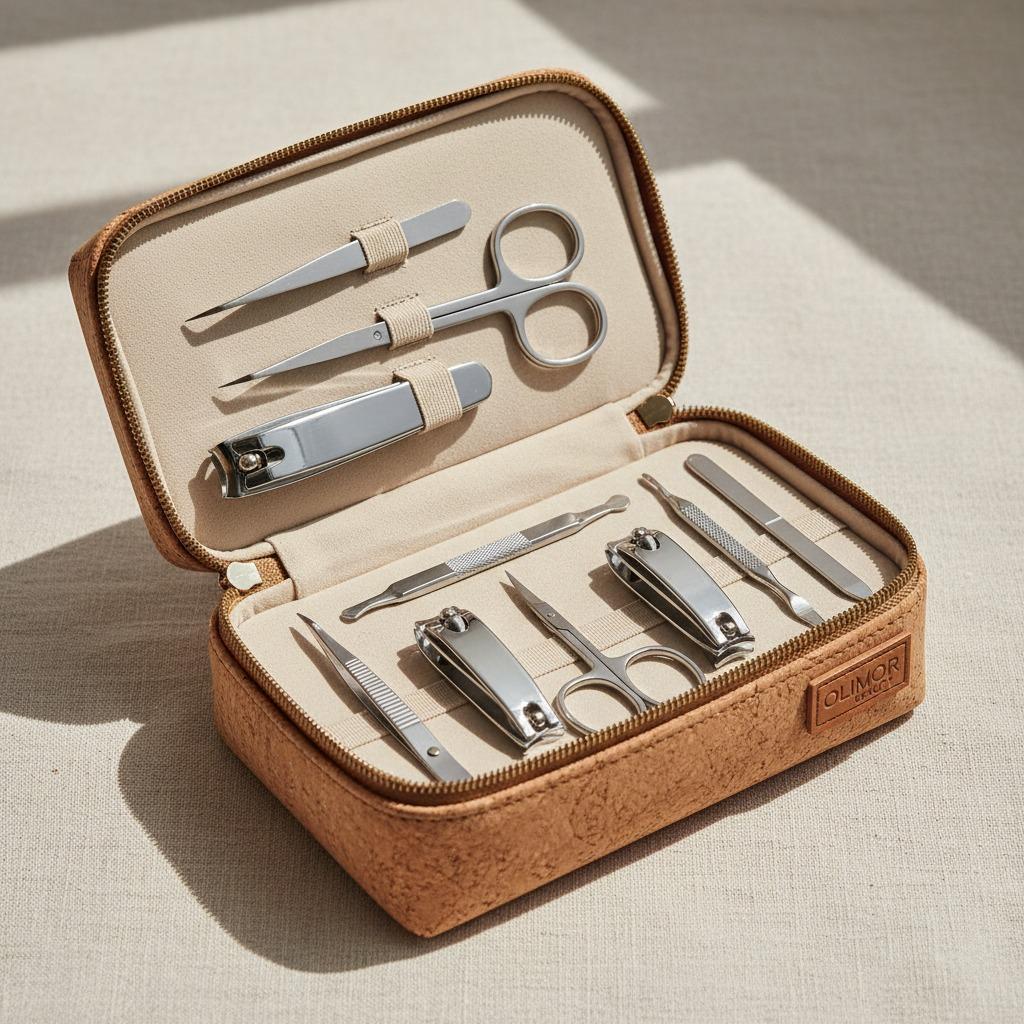
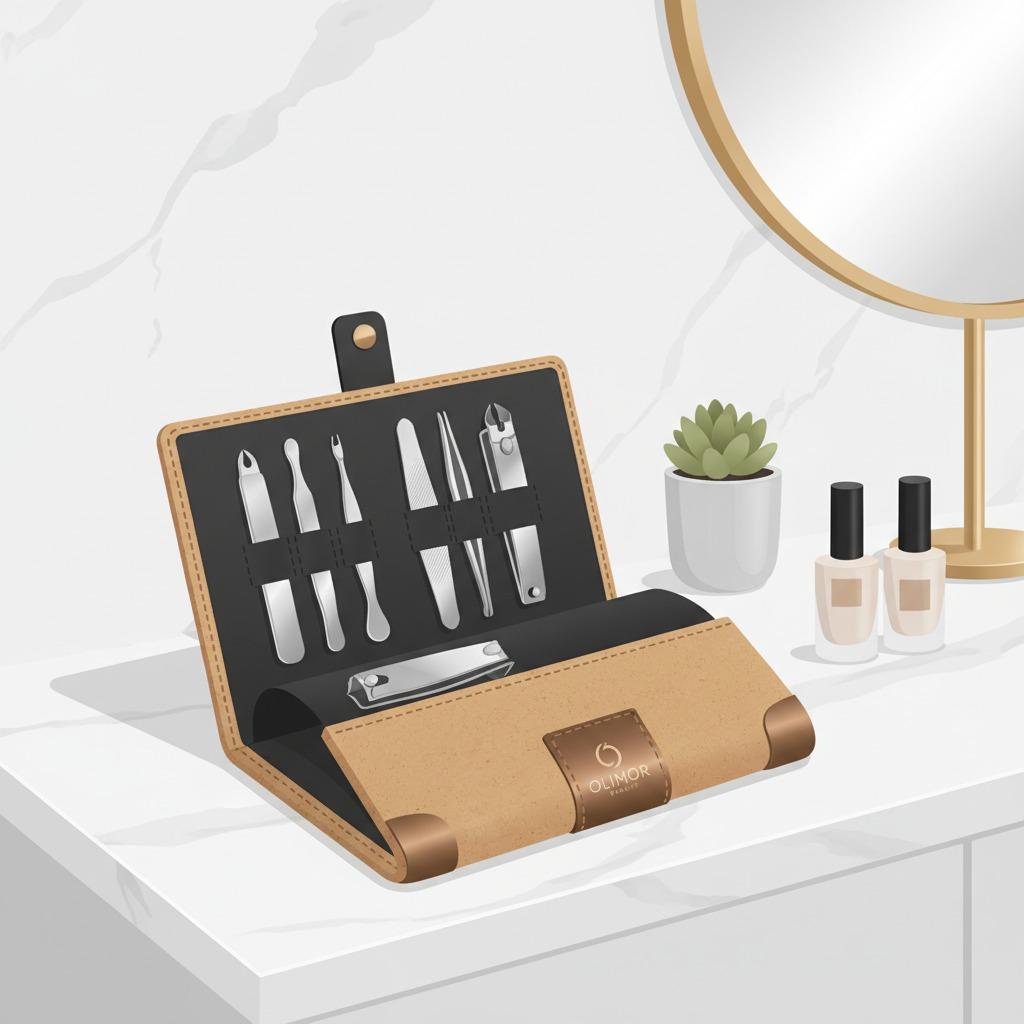
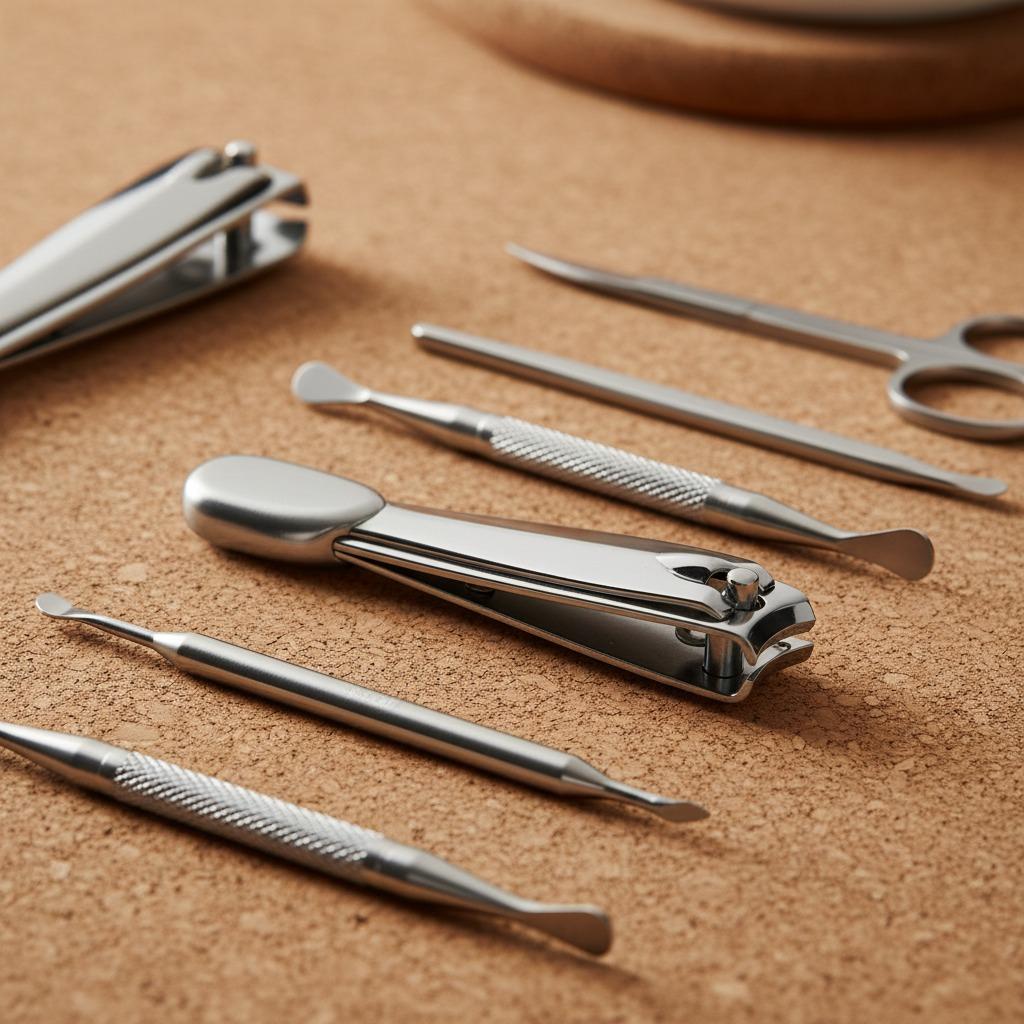
Wholesale tweezers are also easy to combine with other tools. A retailer may sell them as a single item, while a brand owner may include them in a manicure set with nail clippers, nail files, scissors, or cuticle tools. Because they are compact and familiar to customers, tweezers can help introduce a new private label line without requiring extensive consumer education.
The challenge is that many tweezers look similar in photos. The real difference is in the details: how the tips meet, whether the tool keeps its tension, whether the surface feels smooth in the hand, and whether the finish remains presentable after handling and transport. Wholesale buyers should therefore evaluate samples in real use, not only by appearance.
Choosing the Right Tweezer Type for the End User
The best wholesale tweezer choice depends on how the product will be used. A general beauty retailer may need a versatile shape for everyday grooming, while a salon buyer may prefer a more precise tip for brow work. Product range planning should begin with clear use cases rather than simply choosing the lowest-priced option.
- Slanted tips: Common for eyebrow grooming and general hair removal because the angled edge gives users control along the brow line.
- Pointed tips: Useful for very fine detail work, but they require careful handling and may not be the best choice for inexperienced users.
- Flat tips: Suitable for gripping broader items or simple personal care tasks where extreme precision is not required.
- Curved or specialty tips: Often used for cosmetic application, nail art, or handling small decorative items.
- Mini tweezers: Practical for travel kits, gift sets, and compact retail packaging, though they may offer less leverage than full-size tools.
For a broad retail assortment, it is often better to carry fewer well-chosen styles than a large number of poorly differentiated products. A basic line might include a slanted tweezer for everyday grooming and a pointed or specialty option for detail work. A professional kit may need a more specific selection based on the services offered.
Quality Checks That Matter in Wholesale Tweezer Sourcing
When evaluating tweezers wholesale, buyers should inspect more than the outer finish. A polished surface can make a tool look attractive, but performance comes from alignment, tension, edges, and consistency from piece to piece. Sampling should include several pieces, especially when the final order will be used in retail packs or private label programs.
| Inspection Point | What to Check | Why It Matters |
|---|---|---|
| Tip alignment | Both tips should meet evenly without visible gaps or twisting. | Poor alignment causes slipping and makes fine hair removal difficult. |
| Grip performance | Test on fine hair, thread, or a small paper edge. | A reliable grip is the main reason customers keep or reject tweezers. |
| Hand tension | Press and release repeatedly to feel resistance and rebound. | Tension affects comfort during repeated professional or personal use. |
| Edge comfort | Run a finger carefully along the handle edges, not the sharp tips. | Rough edges reduce perceived quality and may cause discomfort. |
| Surface finish | Check for scratches, uneven coating, stains, or visible defects. | Retail buyers need a clean appearance at the point of sale. |
| Packaging fit | Confirm the tool sits securely and tips are protected. | Packaging should prevent damage during shipping and display. |
These checks are simple, but they reveal whether a product is suitable for your channel. A salon may prioritize precision and long working comfort. A retail brand may focus on consistency, visual presentation, and protective packaging. A promotional buyer may need a balance of practical quality and pack efficiency.
Private Label Manicure Tools and Brand Presentation
Private label manicure tools allow a retailer, distributor, salon chain, or personal care brand to present a consistent product line under its own identity. Tweezers are a logical starting point because they are widely understood by consumers and pair well with other grooming tools. However, private label success depends on more than adding a logo. The product needs to feel credible when the customer opens the package and uses it for the first time.
Brand presentation should be considered at three levels. First, the tool itself should match the target audience. A minimalist beauty brand may prefer a clean stainless steel appearance, while a gift-oriented range may require a more decorative finish. Second, the packaging should explain the intended use clearly, especially when the tip shape is specialized. Third, the product should sit naturally within the wider assortment, whether it is sold beside nail clippers, cuticle tools, brow accessories, or full manicure kits.
When planning a private label program, prepare a practical brief before comparing options. Include the target sales channel, price position, preferred tip style, packaging format, visual direction, and any handling requirements. If you are building a broader range, it may help to review Olimor product collections to understand how different personal care tools can be grouped for retail or kit development.
Eco-Conscious Choices Without Weakening Product Performance
Many buyers now want personal care tools that support more responsible purchasing decisions. For tweezers, sustainability is often approached through durability, material choice, packaging reduction, and avoidance of unnecessary components. Stainless steel tools are widely used in beauty and grooming because they can provide a durable, reusable alternative to disposable grooming accessories. A longer-lasting tool can reduce replacement frequency and improve customer satisfaction when the quality is consistent.
Eco-conscious sourcing should still begin with performance. A product that looks responsible but fails quickly is not a good environmental or commercial choice. Instead, buyers can examine whether the tweezer is designed for repeated use, whether the tips are protected to prevent early damage, and whether packaging can be made appropriately compact for the sales channel. Simple packaging can be effective when it protects the tool, communicates the use, and avoids excessive material.
For retail programs, consider whether customers need a reusable pouch, a protective tip cover, a carded retail pack, or a compact box. Each option has tradeoffs in cost, presentation, shipping volume, and protection. The right answer depends on where the item is sold and how it is displayed.
Wholesale Buying Criteria for Retailers, Salons, and Distributors
Different buyers judge wholesale tweezers in different ways. A salon owner may want a reliable tool that can handle frequent use throughout the day. A distributor may need a product that ships efficiently and remains consistent across repeat orders. A brand owner may focus on finish, packaging, and the customer’s first impression. The most effective sourcing process turns these priorities into a written checklist.
- Define the use case. Decide whether the tweezer is for eyebrow grooming, general personal care, nail art, cosmetic application, travel kits, or professional services.
- Select the tip style. Match slanted, pointed, flat, or specialty tips to the user’s skill level and task.
- Review sample consistency. Check more than one piece for alignment, grip, finish, and hand feel.
- Consider packaging early. Retail packaging, kit insertion, and e-commerce shipping may require different protection.
- Plan the assortment. Decide whether tweezers will be sold alone, paired with manicure tools, or included in a larger beauty set.
- Clarify branding needs. For private label products, prepare artwork direction, logo placement expectations, and packaging copy requirements.
- Evaluate long-term supply fit. Consider whether the supplier can support the type of product range and communication process your business needs.
This approach reduces sourcing mistakes. It also makes supplier discussions more efficient because the buyer can compare products against the same criteria instead of relying on general descriptions.
Maintenance Advice That Helps Customers Use Tweezers Longer
Wholesale buyers should also think about the care information included with the product. Clear maintenance guidance reduces avoidable complaints and helps users get better results. Simple instructions can be printed on packaging, inserted into a kit, or added to an online product listing.
Useful care guidance includes keeping tweezer tips clean and dry, storing the tool with a tip cover when possible, avoiding drops that can misalign the tips, and not using precision tweezers for tasks that may bend the ends. For personal grooming use, customers should clean the contact area before and after use according to the hygiene expectations of their setting. Salons and professional users should follow their own hygiene protocols and local requirements for reusable tools.
These details may seem small, but they improve the customer’s impression of the brand. A tweezer that arrives with practical care information feels more considered than a loose tool with no explanation.
Building a Stronger Beauty Tool Range with Olimor Beauty
Wholesale tweezers are most successful when they are selected as part of a complete product strategy. The right tool should fit the end user, the sales channel, the packaging plan, and the brand position. For some buyers, that means a straightforward stainless steel tweezer for daily grooming. For others, it means a coordinated private label manicure tool range that includes tweezers alongside clippers and other personal care tools.
Olimor Beauty supports buyers looking for practical beauty tool sourcing options, including tweezers and related manicure tools. If you are comparing specifications, planning a private label range, or preparing a new retail assortment, you can send an inquiry with your target use, packaging preference, and product requirements. For broader sourcing questions, you may also contact Olimor to discuss suitable beauty tool options for your market.
By focusing on alignment, grip, finish, packaging, and user fit, wholesale buyers can avoid generic product selection and build a tweezer assortment that customers are more likely to trust, use, and repurchase.