










Buying tweezers wholesale is a practical sourcing decision, not just a search for the lowest unit price. For salons, brow studios, lash artists, beauty retailers, distributors and private label brands, a tweezer is a small tool that is judged closely in daily use. If the tips do not meet evenly, if the grip slips on fine hair, if the arms feel tiring, or if the finish looks inconsistent, the result can be customer complaints, slower services and weaker repeat sales.
The right wholesale tweezer program starts with one clear question: what user and task must the tool support? A brow technician, a home grooming customer, a lash artist and a retail gift-set buyer may all need different tip shapes, packaging and quality checks. This guide explains how to compare wholesale tweezers, inspect samples, plan private label presentation and evaluate a professional beauty tools supplier without relying on vague claims.
Olimor Beauty works with beauty tool buyers sourcing products for salon use, retail assortments and branded programs. You can review related beauty tool categories through the Olimor product range when planning tweezers alongside nail tools, grooming accessories or personal care implements.
Who Buys Tweezers Wholesale?
Wholesale tweezers are used across several professional and retail channels. Each channel has a different definition of value, so the best choice depends on the selling environment and the end user.
- Salons and brow studios: Need tools that feel controlled through repeated daily use, with reliable grip and comfortable tension.
- Lash artists: Often need precise straight, angled or curved tips for isolation, pickup and placement work.
- Beauty retailers: Need consistent appearance, clear packaging, practical assortments and products that customers can understand quickly.
- Private label brands: Need stable production quality, logo and packaging support, and presentation that matches the wider brand line.
- Distributors and wholesalers: Need dependable supply, clear specifications and assortments that do not create unnecessary inventory complexity.
- Gift and promotional buyers: Need attractive presentation, safe handling and consistent appearance across the batch.
Before requesting a quote, define whether the tweezers will be used for eyebrow shaping, facial hair removal, lash extension work, manicure support, nail art placement, travel kits or general grooming. This prevents overbuying and makes supplier communication more specific.
What Makes a Professional-Grade Tweezer?
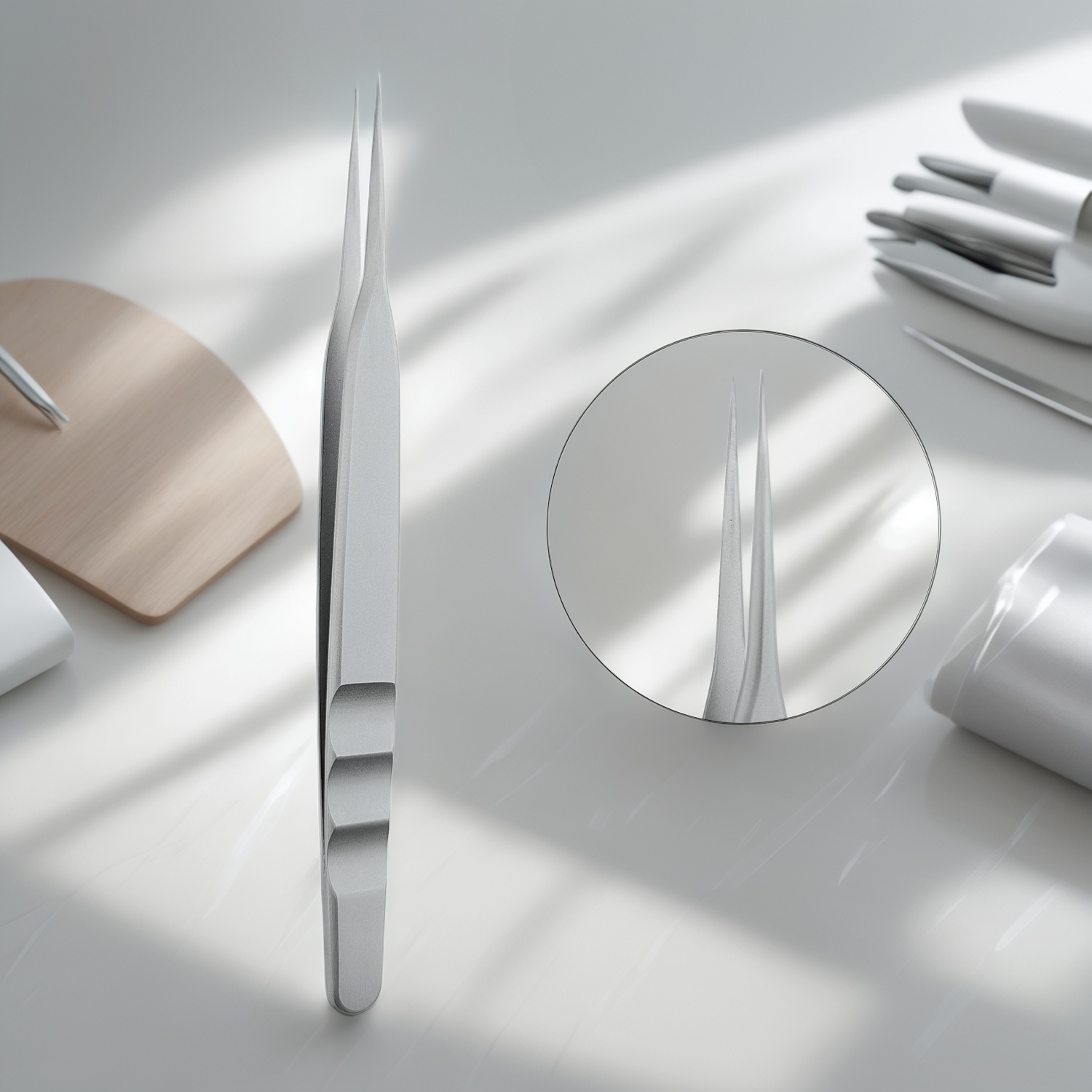
A professional-grade tweezer should feel precise from the first use. The most important performance area is the tip. When the two sides do not meet evenly, the tool may miss fine hairs, break hairs instead of pulling them cleanly, or require too much pressure. For brow shaping and lash work, small alignment differences become obvious quickly.
Material is another key factor. Stainless steel is widely used for professional beauty tools because it supports durability, cleaning and a clean appearance. Buyers should still confirm the exact material expectations, finish, coating, care instructions and market requirements for their own sales channel. A general stainless steel description is not enough if your customers expect a particular finish or care routine.
Comfort matters as much as appearance. A tweezer may look polished in packaging but feel awkward during repeated use. Balanced spring tension helps users grip hairs or small beauty components without excessive hand strain. The arms should feel smooth and controlled, while the edges should be finished cleanly so they do not scratch fingers or catch on packaging.
Compare Tweezer Tip Styles Before Buying in Bulk
Tip shape affects control, learning curve, safety perception and customer satisfaction. A wholesale program may focus on one versatile style or offer a small assortment for different professional and home grooming needs. Use the table below as a practical comparison when selecting sample styles.
| Tip style | Typical use | Buyer considerations |
|---|---|---|
| Slant tip | General eyebrow shaping and everyday grooming | Often a versatile salon and retail option. Check that the slant edges meet evenly and grip short hairs cleanly. |
| Point tip | Fine hair removal and detailed precision work | Requires careful tip protection in packaging because sharp tips can be damaged or become a handling concern. |
| Flat tip | Gripping broader sections, thicker hairs or utility tasks | Check the flat contact surface for even closure and comfortable pressure. |
| Pointed slant tip | Mixed shaping and precision tasks | Evaluate the balance between the angle, point alignment and smooth edge finishing. |
| Straight tip | General shaping, selecting hairs or handling small beauty items | Inspect whether the tips meet evenly along the gripping edge. |
| Angled tip | Brow work, precise plucking and controlled access at a hand-friendly angle | Look for balanced tension, a clean meeting point and stable hand feel. |
| Curved tip | Lash extension application, delicate placement and detailed work | Evaluate control, visibility and comfort during small movements. |
| Round tip | Gentler handling and beginner-friendly grooming | May suit users who prioritize ease of handling over very fine precision. |
There is no single best tweezer style for every buyer. A brow-focused salon supply program may prefer slant and pointed slant styles. A lash-focused buyer may evaluate straight, angled and curved shapes. A mass retail program may choose simpler shapes with clear packaging and easy instructions. The correct assortment is the one that matches the real use case.
Material, Finish and Ergonomics
Many beauty buyers begin with durability and hygiene expectations. Stainless steel is a practical starting point because beauty tools are handled often and need appropriate cleaning between uses. Cleaning routines vary by service type and local requirements, so buyers should confirm care instructions and market-specific obligations before finalizing packaging or user guidance.
Finish also affects the product experience. A polished, matte or colored surface can change how the tweezer appears in photos, how it feels in the hand and how it fits a retail line. Surface finishing should appear even, without visible stains, rough burrs, scratches or inconsistent coloring that could weaken shelf presentation.
Ergonomics should be checked with real handling, not only product photos. Professionals who perform many services in a day need control without unnecessary strain. Retail customers may not use the word ergonomics, but they quickly notice whether the tool feels secure, balanced and easy to close. A useful sample review should include repeated opening and closing, grip testing on fine hair-like fibers and a simple comfort check during normal hand positions.
Quality Checks Before Confirming a Wholesale Order
Even simple-looking beauty tools can vary in performance because small manufacturing details affect precision. A clear inspection process reduces risk before moving into bulk sourcing. Use the following checklist when reviewing samples and pre-shipment expectations.
- Check tip alignment: Close the tweezer gently and hold it toward the light. The tips should meet evenly, without obvious gaps, twisting or crossing.
- Test grip performance: Try the tweezer on fine hair-like fibers or suitable test material. It should grip cleanly without slipping or requiring excessive pressure.
- Evaluate tension: The arms should open and close smoothly. Too much stiffness causes fatigue, while weak tension reduces control.
- Inspect edge finishing: Look for burrs, rough edges or unfinished areas that could feel uncomfortable or damage packaging.
- Review surface appearance: Polishing, coloring or coating should look consistent and appropriate for the intended market.
- Check packaging fit: Tips should be protected, especially for pointed, ultra-fine, angled or curved styles.
- Compare multiple samples: One good sample is useful, but buyers should check whether performance is consistent across several pieces.
- Confirm assortment logic: Make sure the selected shapes, finishes and packaging fit the customer segment instead of choosing only by visual appeal.
These checks are useful for salons buying tools for internal use and for brands creating retail products. They also help buyers communicate more clearly with suppliers because quality is described through observable details rather than broad words such as premium or professional.
Private Label Tweezers and Retail Presentation
Private label tweezers can turn a basic grooming tool into a recognizable beauty product line. A cohesive look across the tool, logo, packaging and display materials can support brand recognition, but performance must come first. A product that looks attractive but slips, pinches or loses alignment will not protect the brand experience.
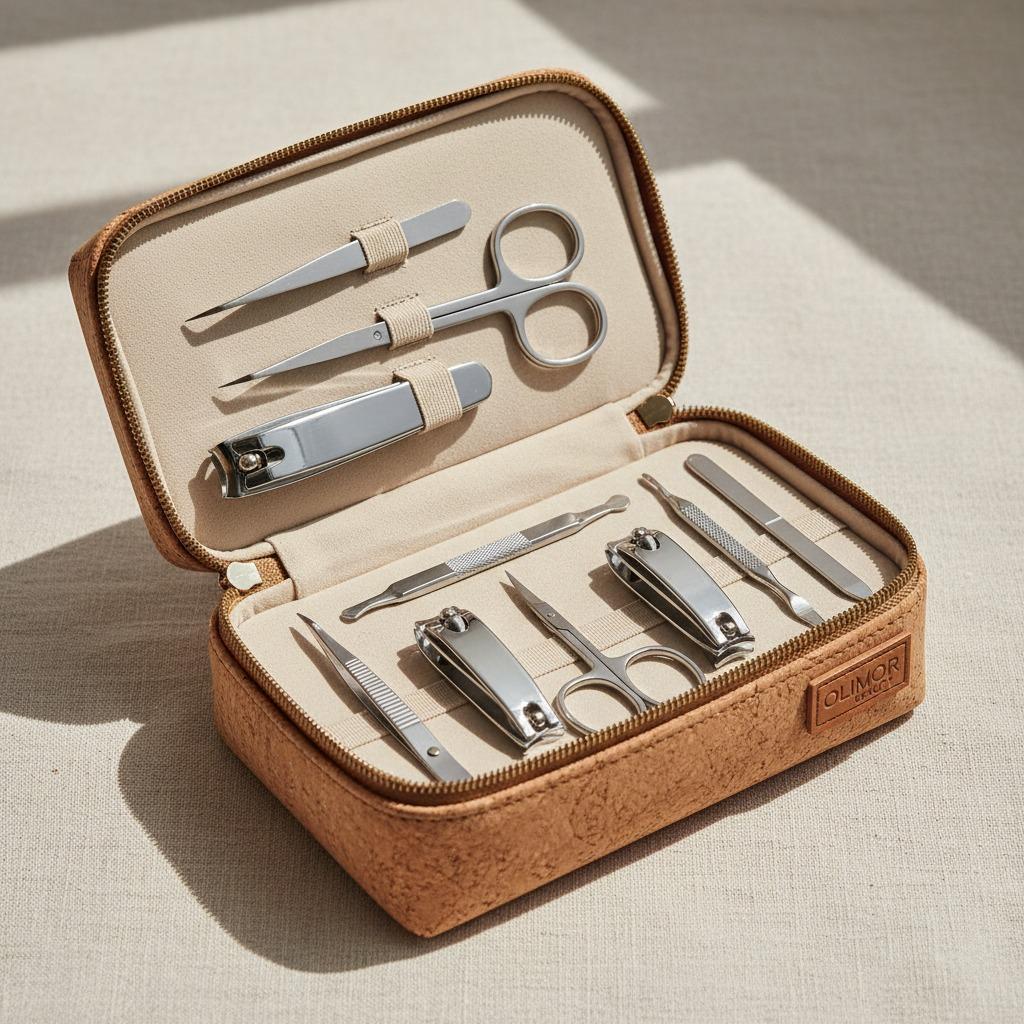
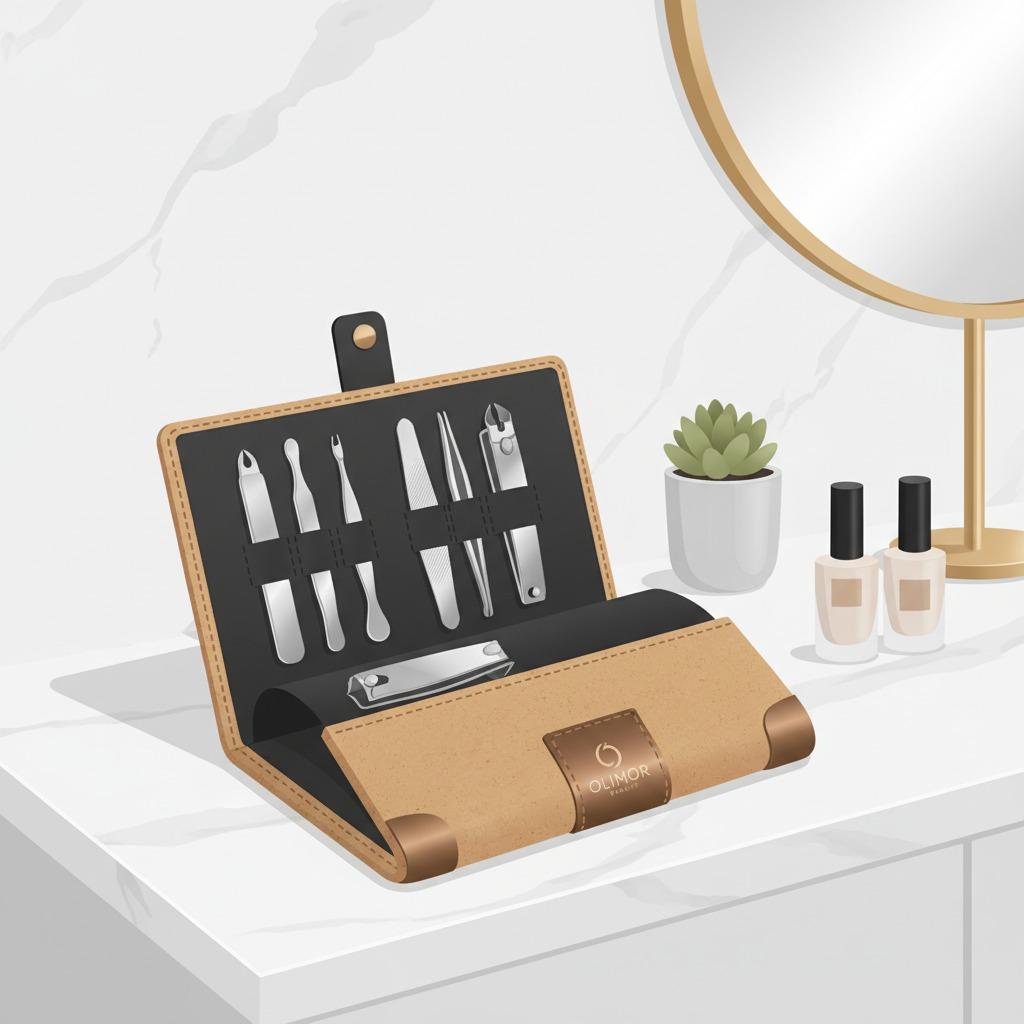
When planning private label tweezers, prepare a clear brief. Include the preferred tip style, finish, logo placement, packaging type, target retail environment and any market-specific labeling needs. A salon refill pack has different requirements from a blister card, protective pouch, e-commerce-ready package or gift-ready box.
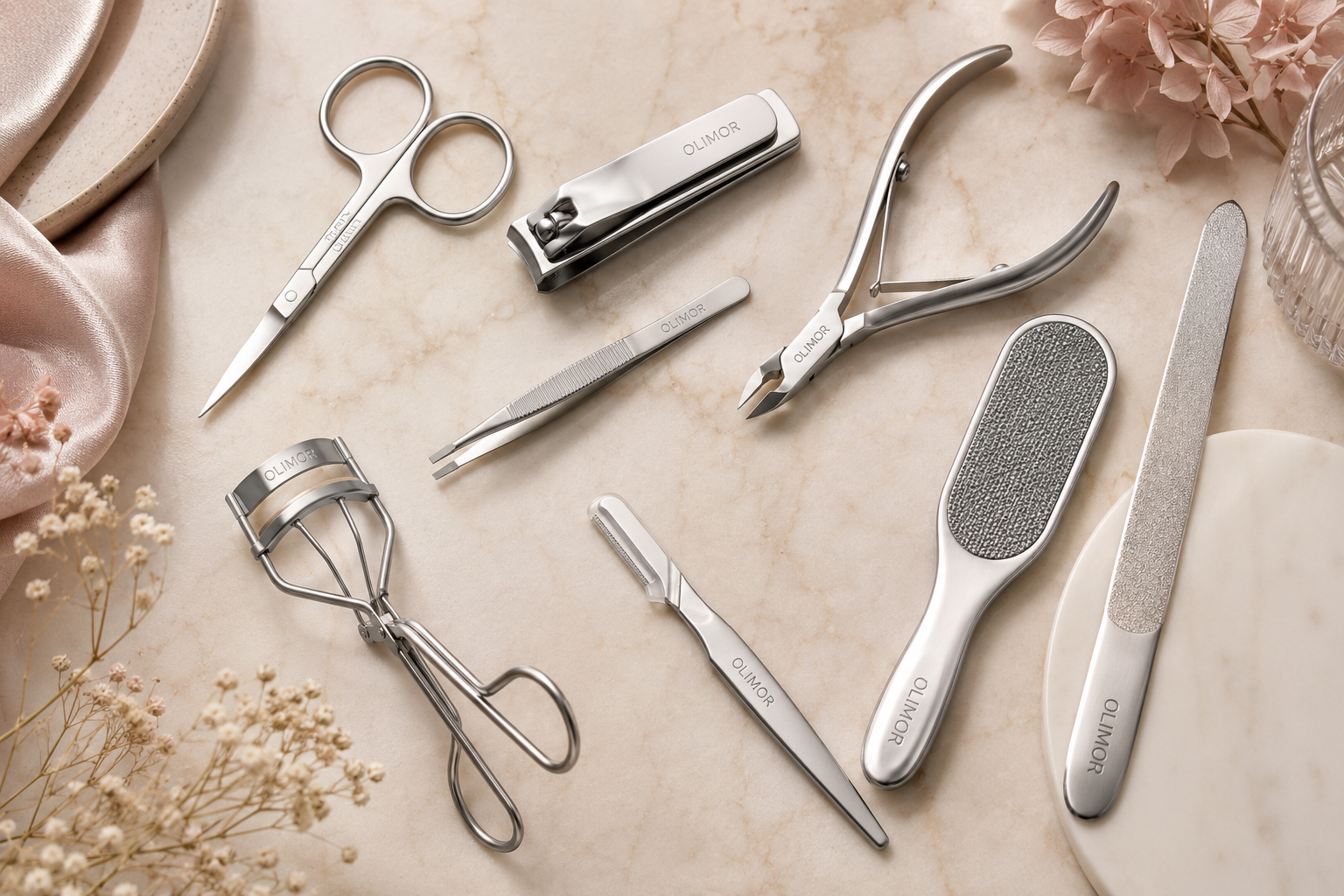
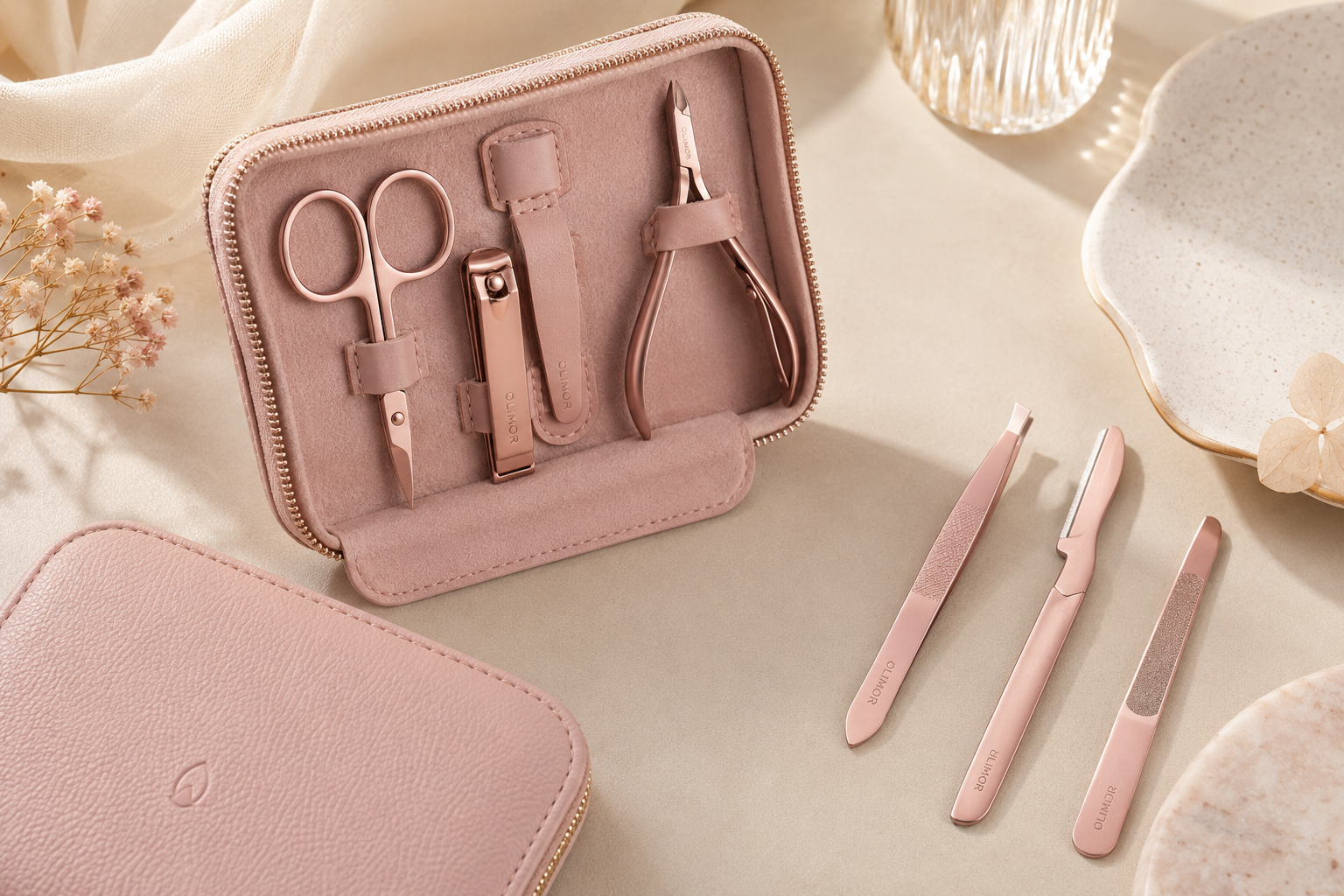
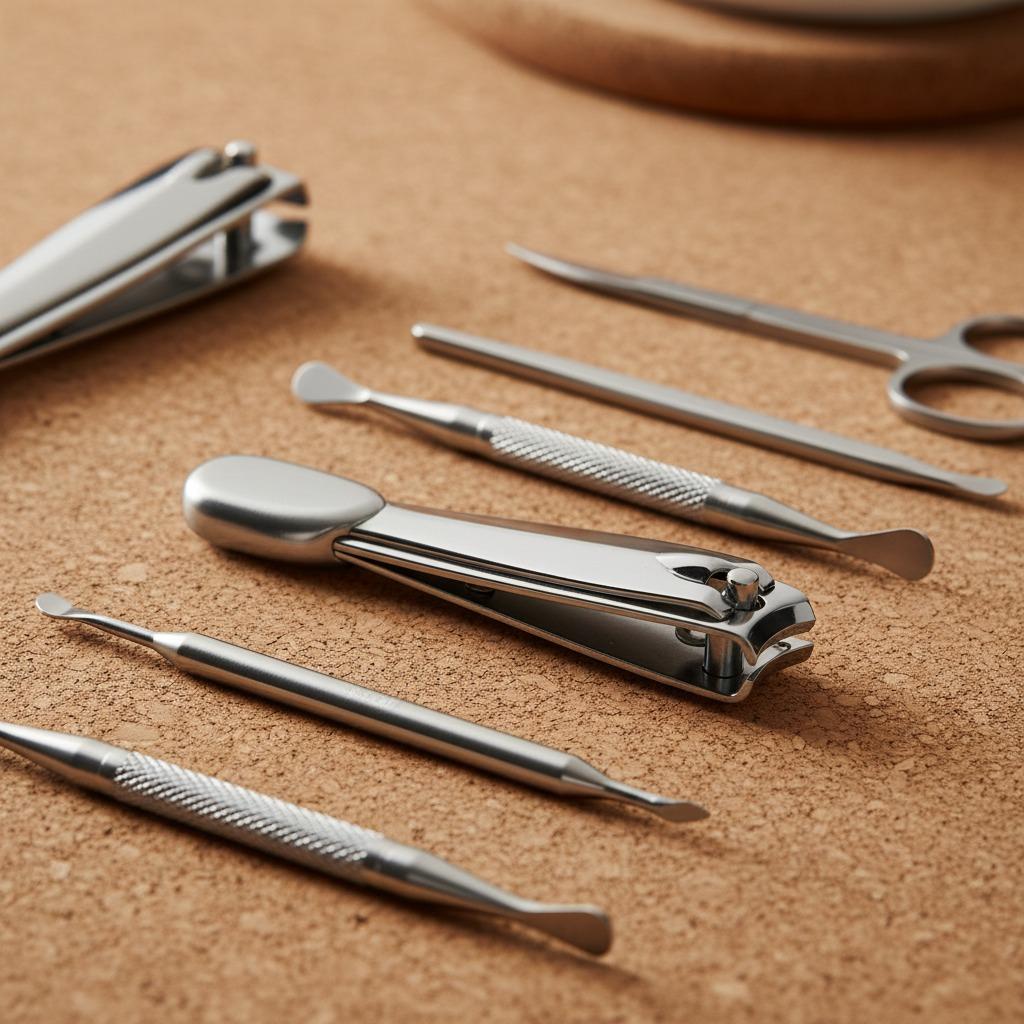
For brands building wider beauty assortments, tweezers often sit beside cuticle tools, nail files, scissors and grooming accessories. Coordinated finishes and packaging can make the line easier to present. Buyers comparing related categories can browse Olimor beauty tool collections to consider how tweezers may fit into a broader sourcing plan.
How to Evaluate a Wholesale Tweezers Supplier
A wholesale tweezers supplier should be evaluated beyond price. Low unit cost does not help if the tools create returns, complaints, uneven replenishment or packaging damage. Professional buyers need clear communication, sample support and practical quality expectations.
Ask direct questions before confirming a larger order. How are tips inspected? How are finished tools packed to protect alignment? Which packaging options are suitable for retail display, e-commerce shipment or salon supply? Can the supplier discuss customization feasibility before production? How should your team approve samples or packaging artwork? Practical answers are more valuable than exaggerated claims.
Olimor Beauty focuses on beauty tool sourcing for buyers who need dependable communication around product selection, customization and packaging. Internal checks may include attention to raw materials, tool finishing and final packaging approval, but buyers should still perform their own sample review and confirm the documentation required for their market.
If your company has a defined project, you can send specifications through the Olimor wholesale inquiry page so the discussion starts with use case, tip style, finish and packaging expectations rather than only a target price.
Standards, Documentation and Market Requirements
Beauty tools may be subject to different expectations depending on where they are sold and how they are described. Buyers should verify the applicable version of any standard, regulation or customer requirement before placing an order. For example, companies may use ISO 9001 as a reference for quality management expectations when reviewing supplier systems, but that does not mean a specific supplier or product is certified unless current documentation is provided. For material and chemical compliance in some markets, buyers may also need to consider requirements such as EU REACH or other local rules that apply to finishes, coatings, packaging or consumer products.
The practical point is simple: do not rely on assumptions. Ask for the documentation relevant to your sales market, confirm labeling responsibilities and keep approval records for samples, packaging and specifications. Olimor can discuss product and packaging requirements, but buyers remain responsible for verifying the rules that apply to their own import, retail or professional service environment.
Cost Factors in Wholesale Tweezers
Wholesale tweezer cost is influenced by more than the base tool. Tip shape, finishing, polishing, color treatment, logo application, packaging structure, assortment complexity and inspection expectations can all affect the final quotation. A simple salon-use tweezer in practical packaging is different from a branded retail product with custom presentation.
To compare quotations fairly, make sure each supplier is quoting the same specification. Confirm tip style, material expectation, finish, packaging, logo method, sample requirements and shipping terms before comparing. A cheaper quotation may exclude packaging details or customization work that another supplier has included. Clear specifications help avoid price confusion and reduce the chance of changes after sampling.
Practical Buying Process for B2B Tweezer Orders
A structured sourcing process helps buyers reduce mistakes and approve the right product faster. The steps below apply whether you are buying for a salon group, a retail line or a distributor assortment.
- Define the user: Identify whether the tweezer is for brow experts, lash artists, home grooming customers, nail art users or general retail shoppers.
- Select candidate tip styles: Choose styles that match the main task rather than overloading the range with unnecessary variants.
- Request samples: Review several pieces for alignment, grip, finish, tension and packaging protection.
- Test in context: Have the intended user group handle the tool where possible, especially for salon and lash work.
- Confirm packaging and branding: Approve logo placement, package structure and any user-facing information before bulk production.
- Clarify quality expectations: Agree on the inspection points that matter most, such as tip closure, finish consistency and packaging condition.
- Maintain approval records: Keep sample references, packaging approvals and specification notes for repeat orders.
This approach makes repeat purchasing easier because the approved product is defined by performance, appearance and packaging, not just a catalog name.
When to Contact Olimor
If you are comparing wholesale tweezers for salons, retail shelves, distributor supply or a private label beauty tool line, Olimor Beauty can help discuss practical options based on use case, tip style, finish and packaging needs. The best starting point is a clear brief: who will use the tool, how it will be sold, what presentation is required and which sample checks matter most to your team.
For sourcing questions or project discussion, contact Olimor through the contact page. A restrained, specification-led conversation is usually the fastest way to compare options and avoid mismatched expectations.
FAQ
Can I request samples before placing a wholesale tweezer order?
Sample review is strongly recommended. Buyers should check tip alignment, grip, tension, surface finish and packaging protection before approving a bulk order. Availability and sample arrangements should be confirmed with Olimor based on the selected product and project requirements.
Does Olimor offer private label or customized tweezers?
Customization may include options such as logo placement, finish direction and packaging presentation depending on the product and order requirements. Buyers should provide a clear brief so feasibility can be reviewed before production planning.
What MOQ applies to wholesale tweezers?
MOQ can vary by tweezer style, customization, packaging and production requirements. Olimor should confirm the applicable MOQ after reviewing the requested specification rather than relying on a general assumption.
How should buyers check quality before approving a bulk order?
Review several samples, not only one piece. Check whether the tips meet evenly, whether the tweezer grips fine fibers without slipping, whether the arms feel controlled and whether the packaging protects the tips during handling.
What affects lead time for tweezers wholesale orders?
Lead time can depend on product selection, customization, packaging approval, sample confirmation and production schedule. Buyers should confirm timing with the supplier after the final specification is agreed.