










Wholesale salon supplies are not simply bulk purchases. For a salon, lash studio, nail bar, spa, or beauty distributor, the tools selected at the sourcing stage affect treatment consistency, technician comfort, client perception, and replacement costs. A low-cost tool that bends, slips, rusts, or feels uncomfortable during long services can quickly become expensive through wasted time and repeat buying.
This guide is written for professional buyers comparing salon wholesale distributors, manicure tools wholesale options, spa product wholesalers, and specialist tweezer suppliers. It explains how to evaluate beauty tools with a practical eye, what to check before placing an order, and how to build a supplier shortlist that supports daily salon work without relying on vague claims.
What Counts as Wholesale Salon Supplies?
Wholesale salon supplies cover the tools, accessories, and consumables used to deliver beauty services at professional scale. In the beauty-tool category, the focus is often on handheld instruments that need precision, comfort, and repeatable performance. These may include manicure implements, lash tweezers, brow tools, skincare accessories, and spa treatment tools.
For many buyers, the first decision is whether to source a broad range from one supplier or to work with specialist suppliers for each category. A broad supplier can simplify communication and consolidation, while specialist suppliers may offer deeper product knowledge in a narrow category such as lash tweezers or nail tools. Olimor Beauty focuses on beauty tools for professional use, including products designed around durability, ergonomic handling, and reliable day-to-day performance. Buyers can review available beauty tool products to compare categories before building a purchasing plan.
Core Tool Categories to Review Before Buying
A good wholesale order starts with service mapping. List the services your team performs most often, then identify which tools are essential, which are used occasionally, and which are backups. This prevents overbuying slow-moving items while understocking tools that every technician uses daily.
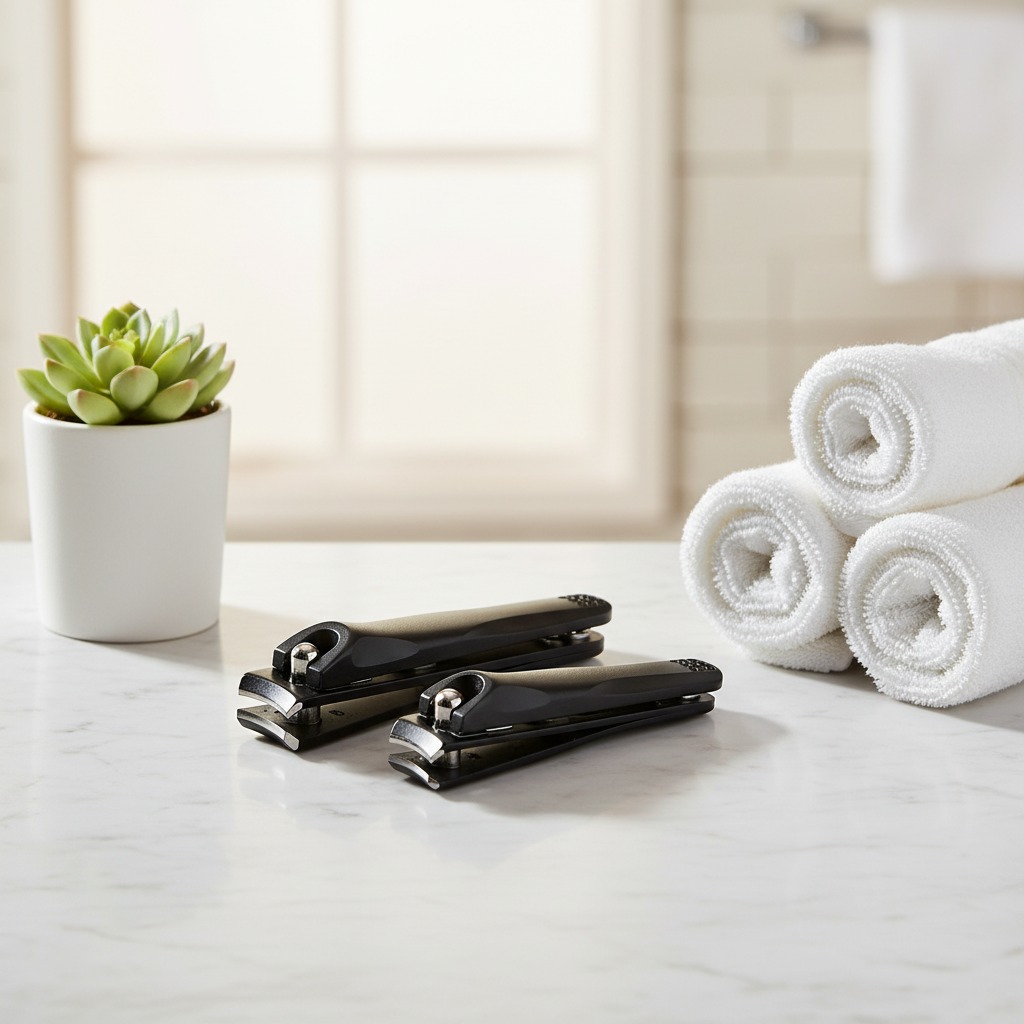
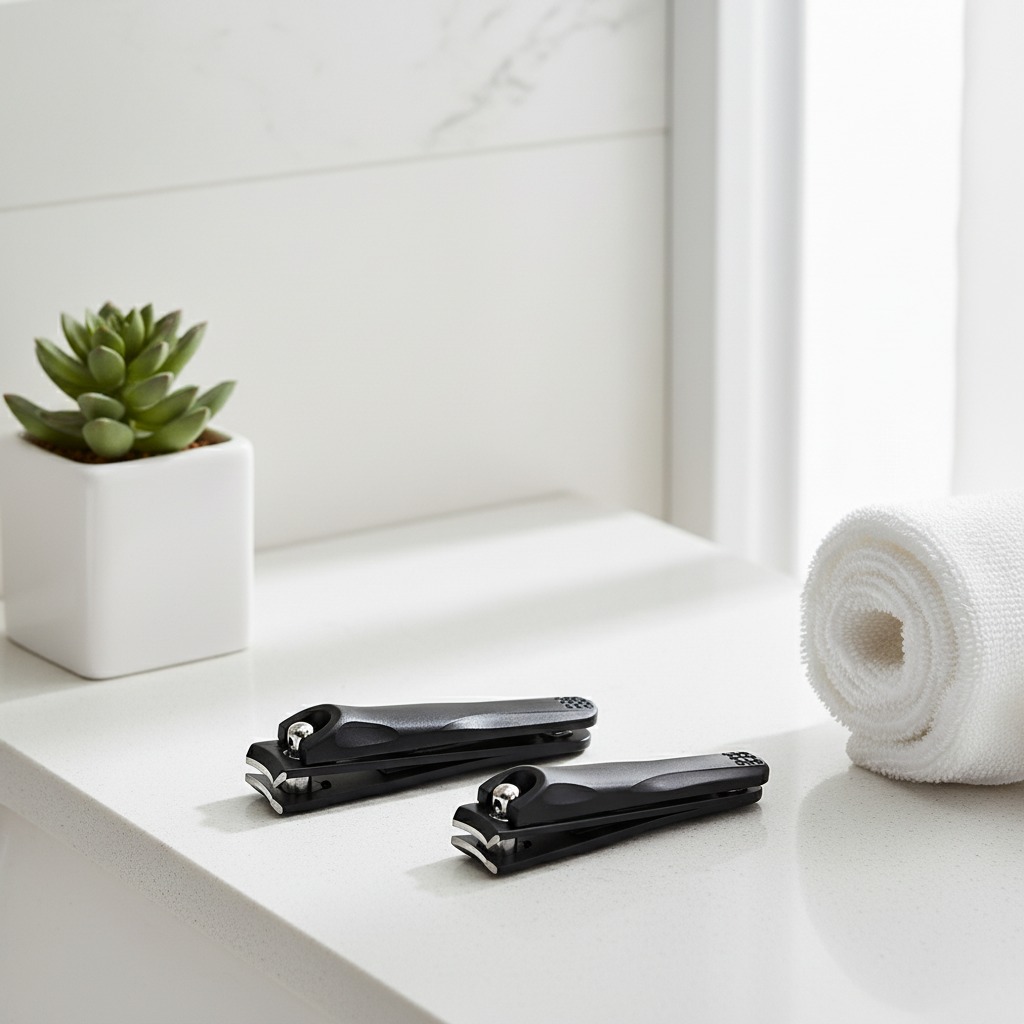
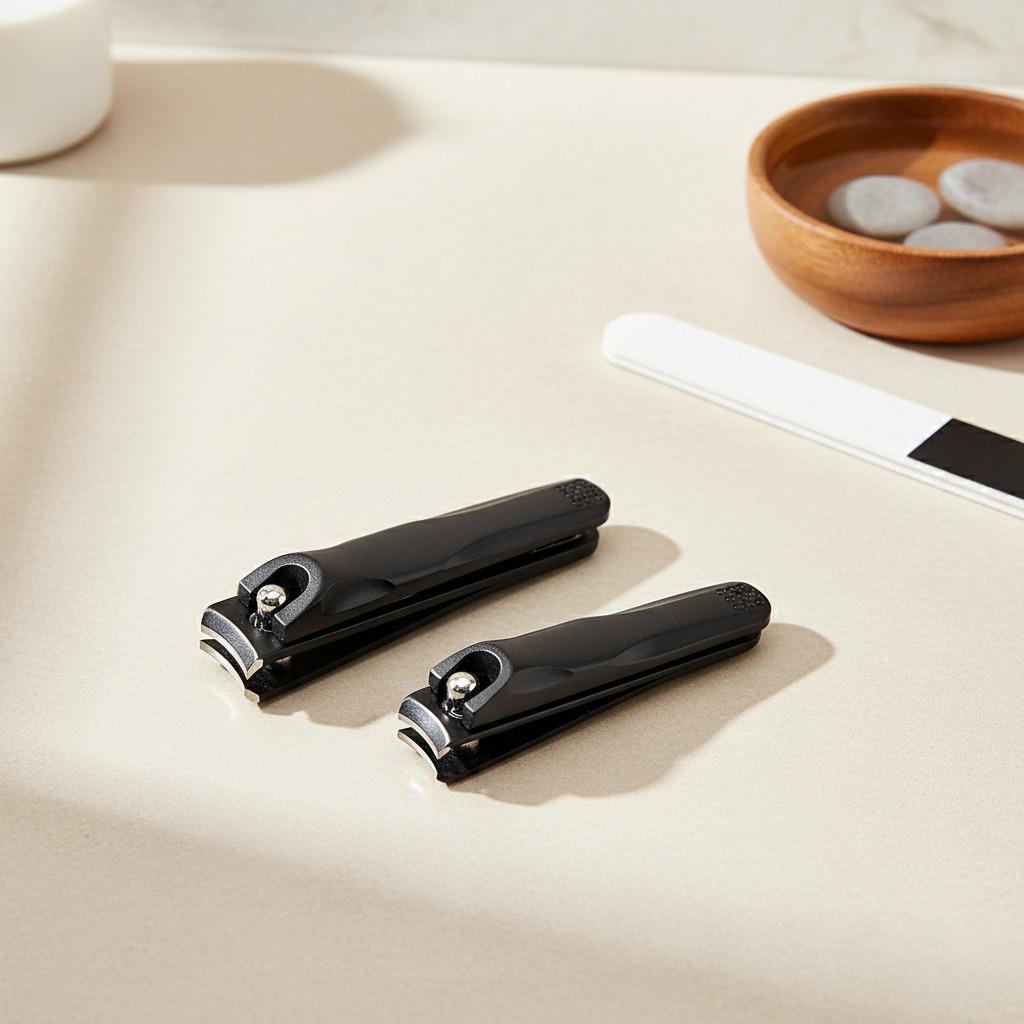
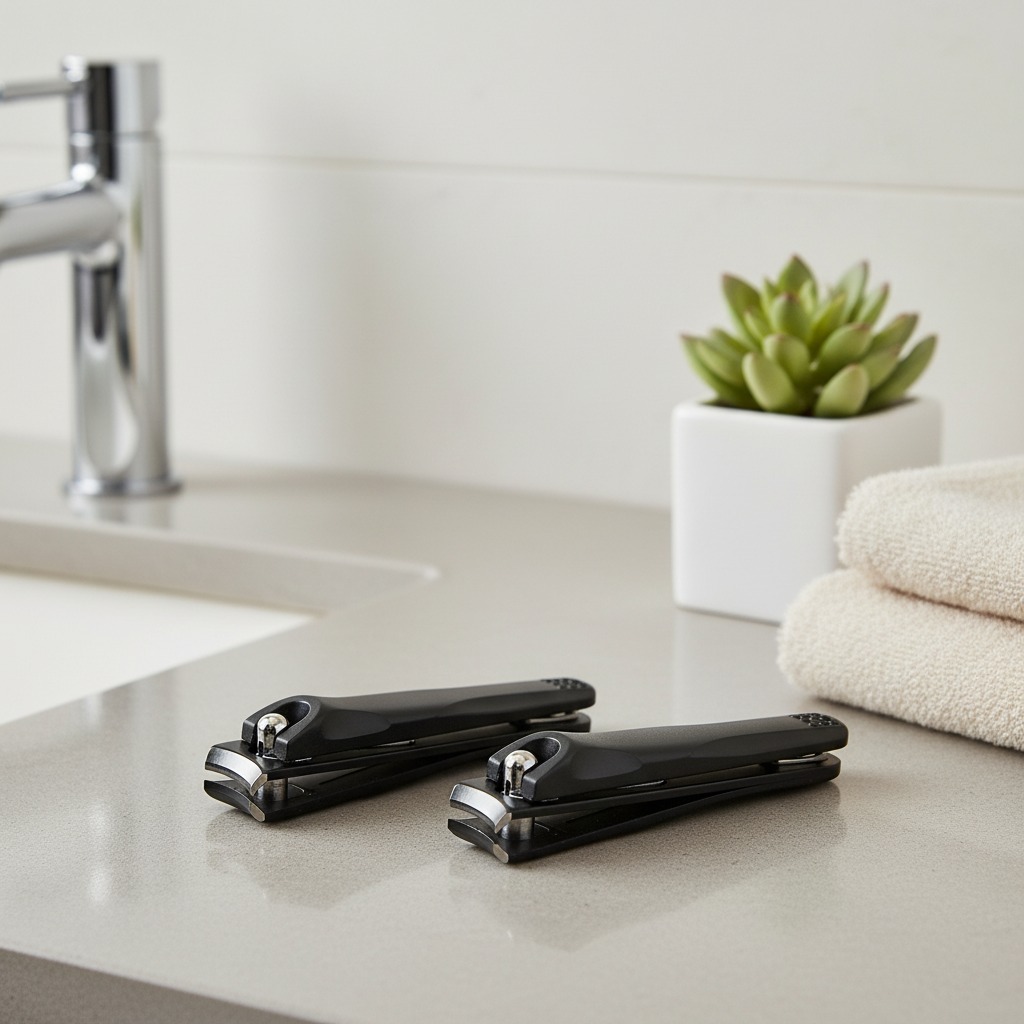
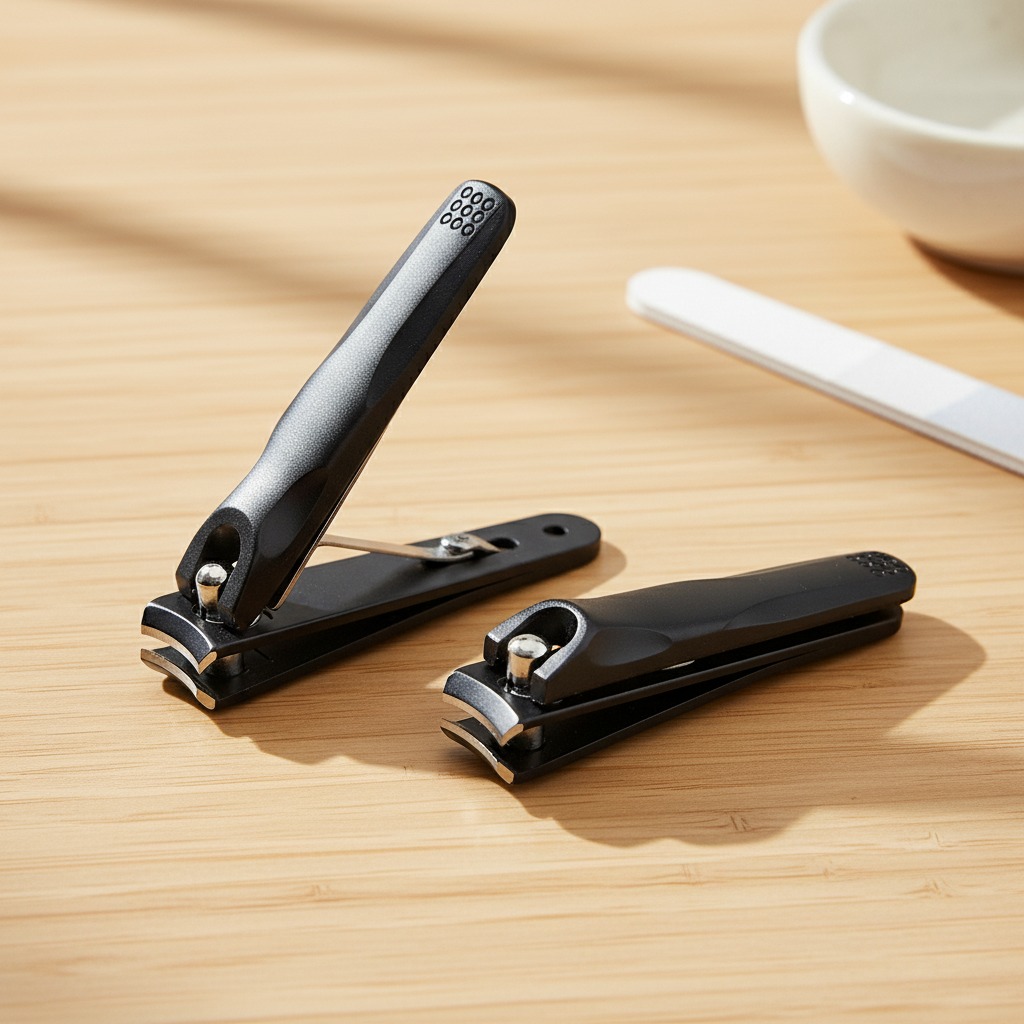
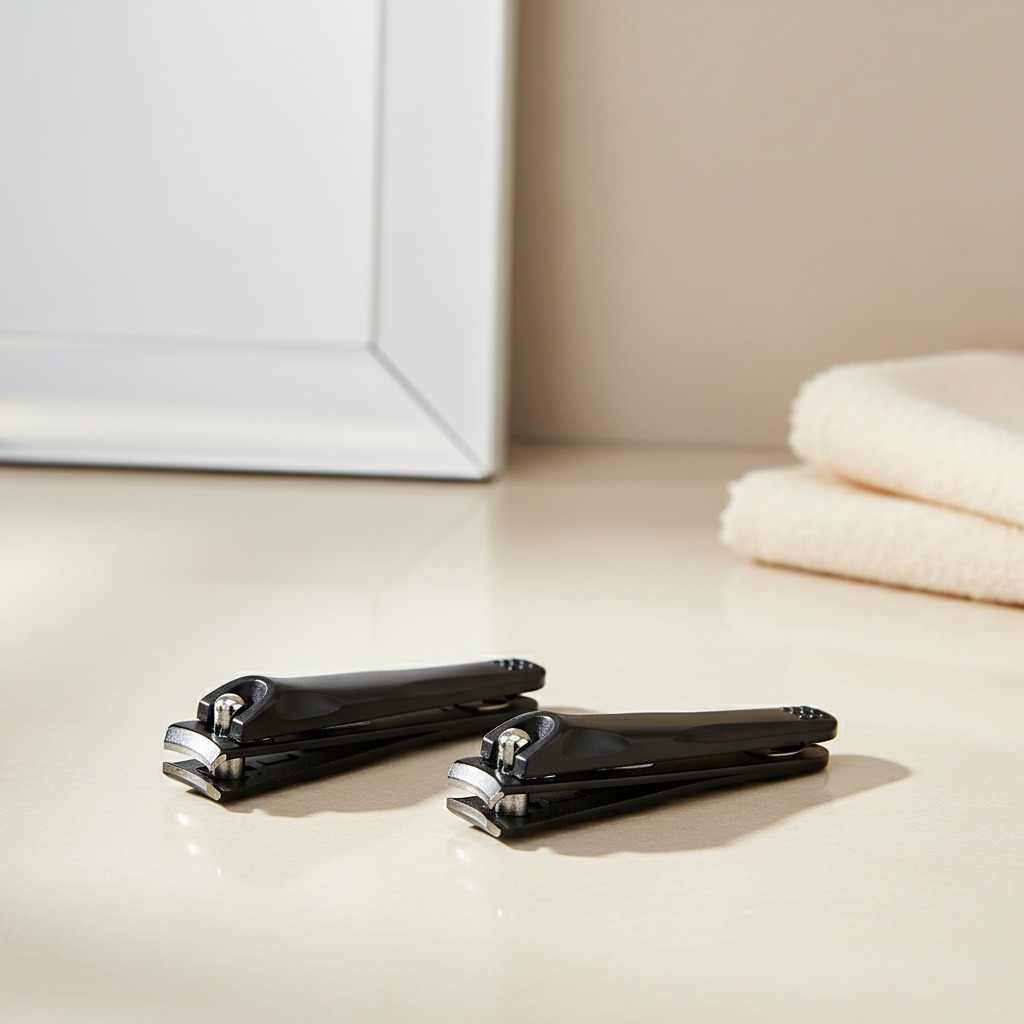
- Manicure and nail tools: Look for stable grip, clean finishing, and shapes suited to the salon’s treatment menu. Tools should be easy to clean and comfortable to control during detailed work.
- Lash and brow tweezers: Precision is critical. Tip alignment, grip texture, hand fatigue, and weight all affect accuracy during lash placement or brow shaping.
- Spa and skincare tools: Smooth edges, hygienic surfaces, and appropriate handling are important because these tools are often used close to sensitive skin.
- Reusable accessories: Any reusable item should be assessed for cleaning compatibility, finish quality, and storage requirements.
- Backup tools: High-use tools should have replacements available so appointments are not delayed when one item is being cleaned, repaired, or removed from service.
When comparing product collections, avoid choosing by appearance alone. A tool may look professional in photos but still fail if the tip is poorly finished, the grip slips, or the balance is awkward during a long appointment. Review the relevant product collections with actual service needs in mind.
How to Judge Quality in Professional Beauty Tools
Quality in salon tools is practical, not decorative. A professional tool should support consistent work across many services. For metal beauty tools, buyers commonly review surface finishing, tip precision, grip comfort, resistance to everyday wear, and ease of cleaning. Where stainless steel construction is used, it is valued because it can support durability and a clean professional appearance when properly maintained.
For a tweezer supplier, the most important details are often small. The tips should meet cleanly, the tool should return smoothly after pressure, and the grip should feel controlled without requiring excessive force. For manicure tools wholesale sourcing, buyers should check whether edges, joints, or handles feel stable and whether the tool can withstand repeated handling in a busy salon setting.
Quality assurance should also be discussed in operational terms. Instead of accepting broad statements such as “high quality,” buyers can compare how a supplier checks alignment, finish, packaging condition, and consistency between batches. The purpose is not to create paperwork for its own sake; it is to reduce surprises when the order arrives and is put into service.
Example: Why Lash Tweezer Design Details Matter
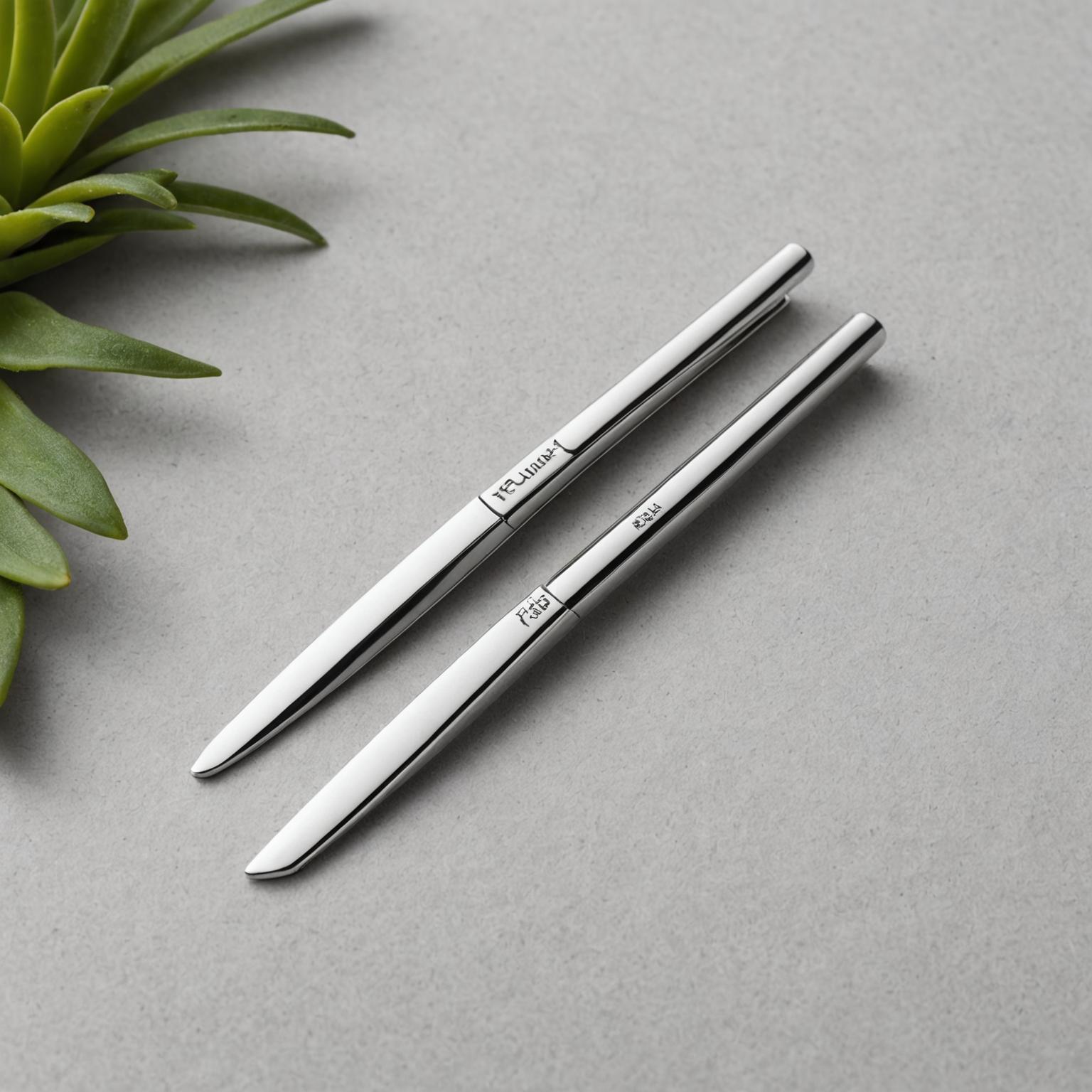
The False Lash Tweezer is a useful example of how small design choices can influence salon performance. It is described with a curved tip for precise application, textured grips for better control, and a lightweight build that helps reduce strain during extended sessions. These features matter because lash services require repeated micro-movements, steady pressure, and a clear view of the application area.
A curved tip can help technicians approach lashes at a controlled angle. Textured grips can reduce slipping when hands are working under time pressure. A lighter build can be helpful during longer appointments, especially where multiple clients are scheduled in a day. None of these features replace technician skill, but they can support a more comfortable and predictable working process.
When evaluating lash tweezers or similar precision tools, consider ordering samples for hands-on comparison. Different technicians may prefer different angles, grip widths, or tension levels. A practical trial can reveal whether a tool fits the way your team actually works, not just how it appears in a catalog.
Wholesale Buying Checklist for Salons and Distributors
Before committing to a larger purchase, use a consistent checklist. This helps compare salon wholesale distributors fairly and makes it easier to document why one tool or supplier was selected over another.
- Confirm the use case: Match each tool to a specific service, such as lash application, brow shaping, manicure preparation, or spa treatment support.
- Inspect handling comfort: Check grip texture, weight, balance, and whether the tool causes strain during repeated motions.
- Review material and finish: Look for clean surfaces, smooth edges where needed, and construction suitable for professional cleaning routines.
- Test precision: For tweezers and detailed tools, check tip alignment, closure feel, and control under light pressure.
- Assess consistency: If ordering multiple units, compare whether samples feel and perform the same rather than treating one good sample as proof of the full batch.
- Consider packaging and storage: Tools should arrive protected and be easy to organize for salon inventory.
- Plan replacements: Identify high-use tools and keep enough backup stock to avoid interrupting appointments.
This checklist is also useful for distributors building their own beauty-tool assortment. It creates a neutral way to compare products without relying only on price or promotional wording.
Questions to Clarify Before Placing a Wholesale Order
Professional buyers should clarify details that affect daily operations. The goal is to understand whether the supply relationship fits your business model, not to collect unnecessary information. Useful questions include whether the supplier can provide clear product photos, whether samples are available for evaluation, how tools are packed for shipment, and how product consistency is managed across repeat orders.
It is also sensible to discuss customization only when it is genuinely needed. Some salons and distributors require private labeling, special packaging, or assortment planning, while others simply need dependable standard tools. If you need a tailored sourcing discussion, you can send an inquiry with the product categories, intended use, and order planning details.
Avoid making a final decision based only on the lowest unit cost. In professional service environments, replacement frequency, technician comfort, and treatment reliability can matter more than a small difference in initial price. A tool that performs consistently may help protect appointment flow and reduce frustration for staff.
Maintenance and Inventory Practices That Protect Tool Value
Even a well-made tool can fail early if it is stored carelessly or cleaned in a way that does not match its construction. Salons should establish simple handling rules: keep precision tips protected, separate clean and used tools, dry tools properly after cleaning, and remove any damaged item from service immediately. For tweezers, tip protection is especially important because a small impact can affect alignment.
Inventory control also matters. Label storage areas by service category, rotate stock so older tools are used first, and keep a record of which items require frequent replacement. If a certain tool type wears out faster than expected, that information can guide the next wholesale purchase. It may indicate a need for a different design, different handling process, or a higher backup quantity.
For multi-location salons or distributors, standardizing the tool list can improve training and ordering efficiency. However, standardization should still allow for technician feedback, especially for precision tools like lash tweezers where hand feel can influence performance.
Choosing a Beauty Tool Supplier for Long-Term Use
A reliable supplier relationship is built on product clarity, communication, and repeatability. Olimor Beauty serves professional beauty-tool buyers looking for practical options across salon and spa use. When comparing suppliers, focus on whether the product information is specific enough for buying decisions and whether communication supports your sourcing timeline.
If your business is reviewing wholesale salon supplies for a new salon opening, a restock program, or a distributor catalog, begin with a defined service list and a clear quality checklist. Then compare tools by how they perform in real salon conditions: grip, precision, durability, cleaning compatibility, and technician comfort. For product questions or sourcing support, you can contact Olimor and share the categories you are evaluating.
Wholesale beauty-tool sourcing is most successful when it balances cost control with professional performance. By treating tools as working equipment rather than simple accessories, salons and distributors can build an inventory that supports efficient appointments, consistent results, and confident day-to-day service delivery.