











Wholesale nail clippers look simple, but they are one of the beauty tools most likely to be judged immediately by the end user. A clipper either cuts cleanly, feels stable in the hand and lasts through repeated use, or it creates frustration through dull edges, uneven alignment and weak leverage. For salons, retailers, distributors and private beauty-tool buyers, that makes nail clippers a product category where small quality differences can have a large effect on repeat sales.
Olimor Beauty supplies beauty tools for buyers who need dependable grooming products for professional and retail channels. When selecting wholesale nail clippers, the goal is not only to find a low unit cost. It is to choose a clipper that matches your target customer, packaging plan, price positioning and expected usage environment. This guide explains how to evaluate nail clippers before placing a bulk order and how to build a more reliable purchasing checklist.
Why Nail Clippers Remain a High-Volume Beauty Tool Category
Nail clippers are a practical daily item used across many customer groups: home grooming users, nail salons, hotels, travel kits, pharmacies, beauty retailers and promotional gift sets. Unlike trend-led beauty accessories, a nail clipper is purchased because it solves a clear need. That makes it a steady category for wholesale buyers, but it also means customers have strong expectations. They know how a good clipper should feel.
For retail shelves, nail clippers can serve as an entry-level product that introduces customers to a broader grooming range. For salon and spa supply, they may be part of a larger manicure and pedicure tool assortment. For distributors, they are useful because they can fit many sales channels when the quality, finish and packaging are aligned with the market.
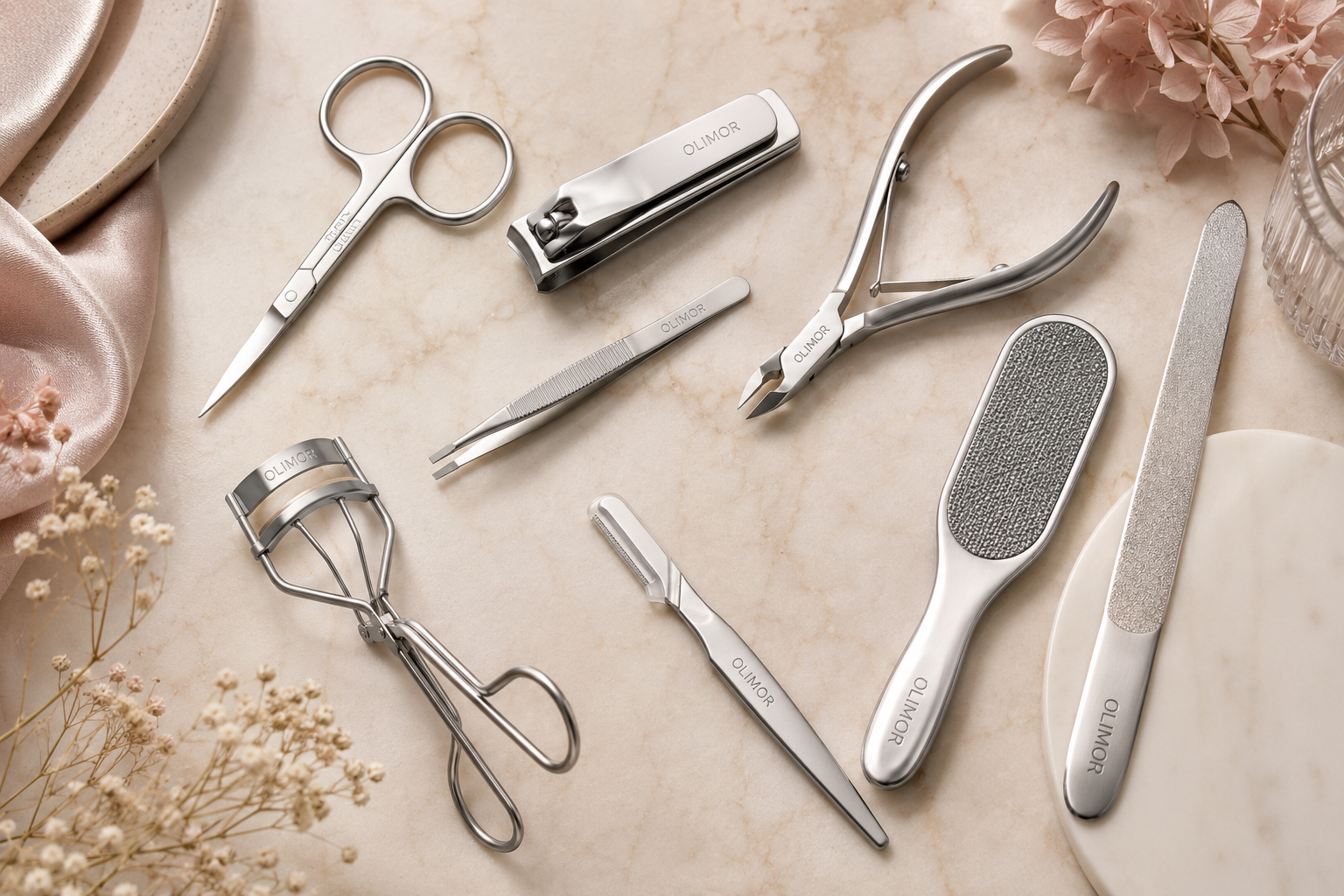
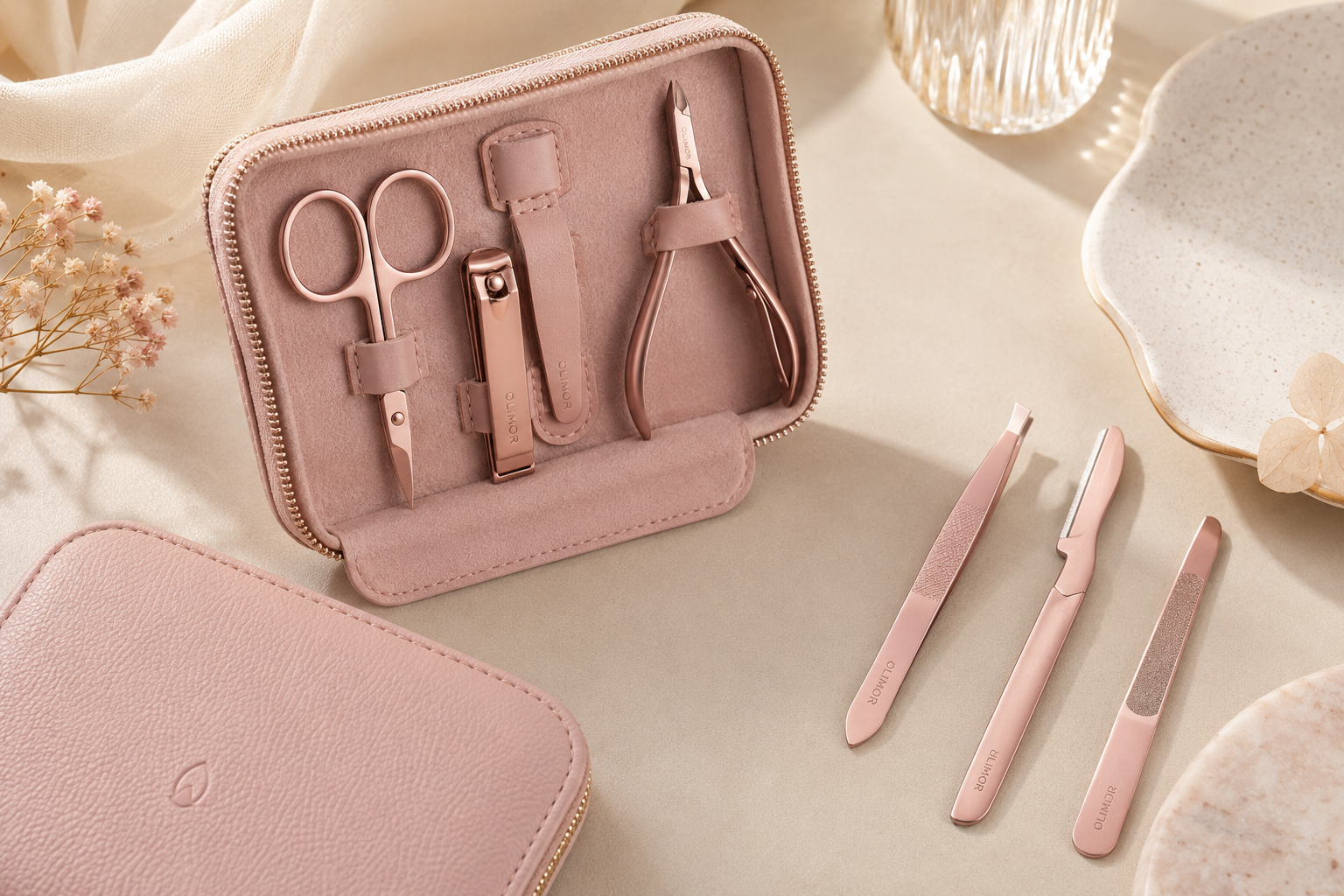
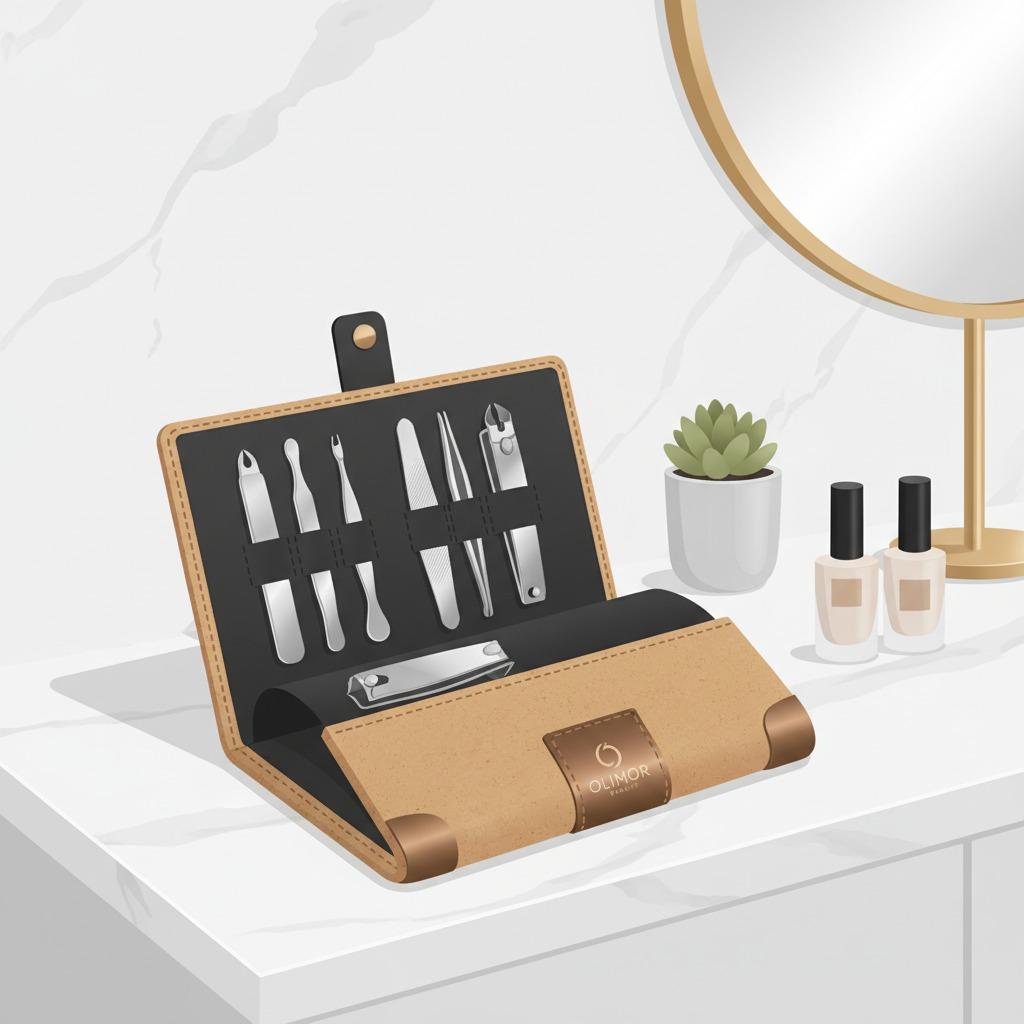
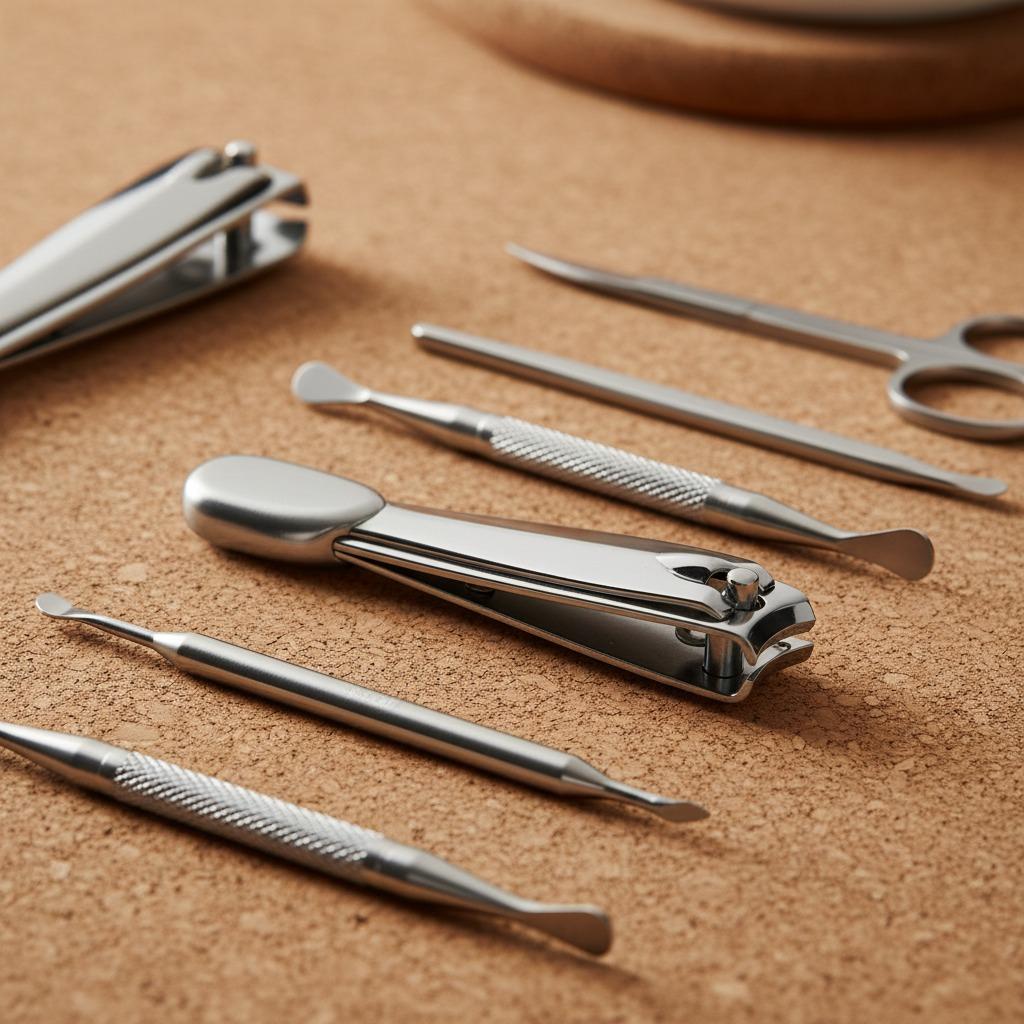
If you are building a complete beauty-tool assortment, compare nail clippers with related beauty tool products such as tweezers, scissors, cuticle tools and manicure sets. Consistent quality across categories helps buyers reduce complaints and present a more professional product range.
Material and Cutting Performance: The Core Buying Criteria
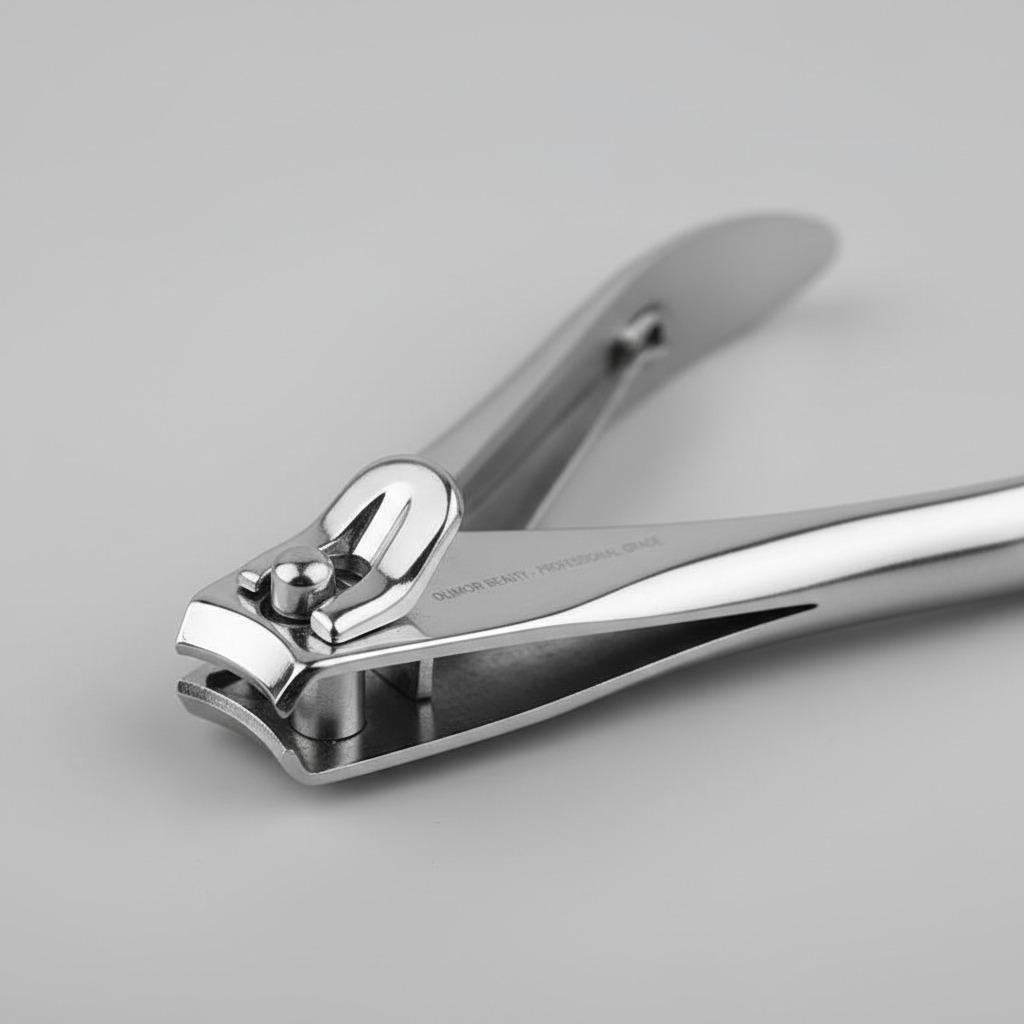
The original purpose of a nail clipper is precise cutting, so material and blade performance should be reviewed before packaging design or promotional claims. Stainless steel is widely used for nail clippers because it offers a practical balance of strength, corrosion resistance and clean appearance. However, buyers should avoid assuming that every stainless steel clipper performs the same. The real test is how the jaws align, how the cutting edges meet and how the lever transfers pressure.
When reviewing a sample, inspect the clipper from multiple angles. The upper and lower cutting edges should meet evenly without obvious gaps. The lever should press smoothly without excessive looseness. A clipper that feels unstable during the first test is unlikely to improve after shipping, storage and daily handling by customers.
- Jaw alignment: The cutting edges should meet cleanly from one side to the other.
- Cutting feel: The clipper should cut a nail sample without tearing, crushing or requiring repeated pressure.
- Lever stability: The handle should move smoothly and return securely.
- Surface finish: Check for rough edges, visible burrs, staining or uneven polishing.
- Comfort: The shape should allow the user to control pressure without slipping.
For salon-focused orders, repeated use is an important concern. For retail orders, the first impression in the customer’s hand is equally important. In both cases, the buyer should treat cutting performance as the primary quality factor.
Choosing the Right Nail Clipper Style for Your Sales Channel
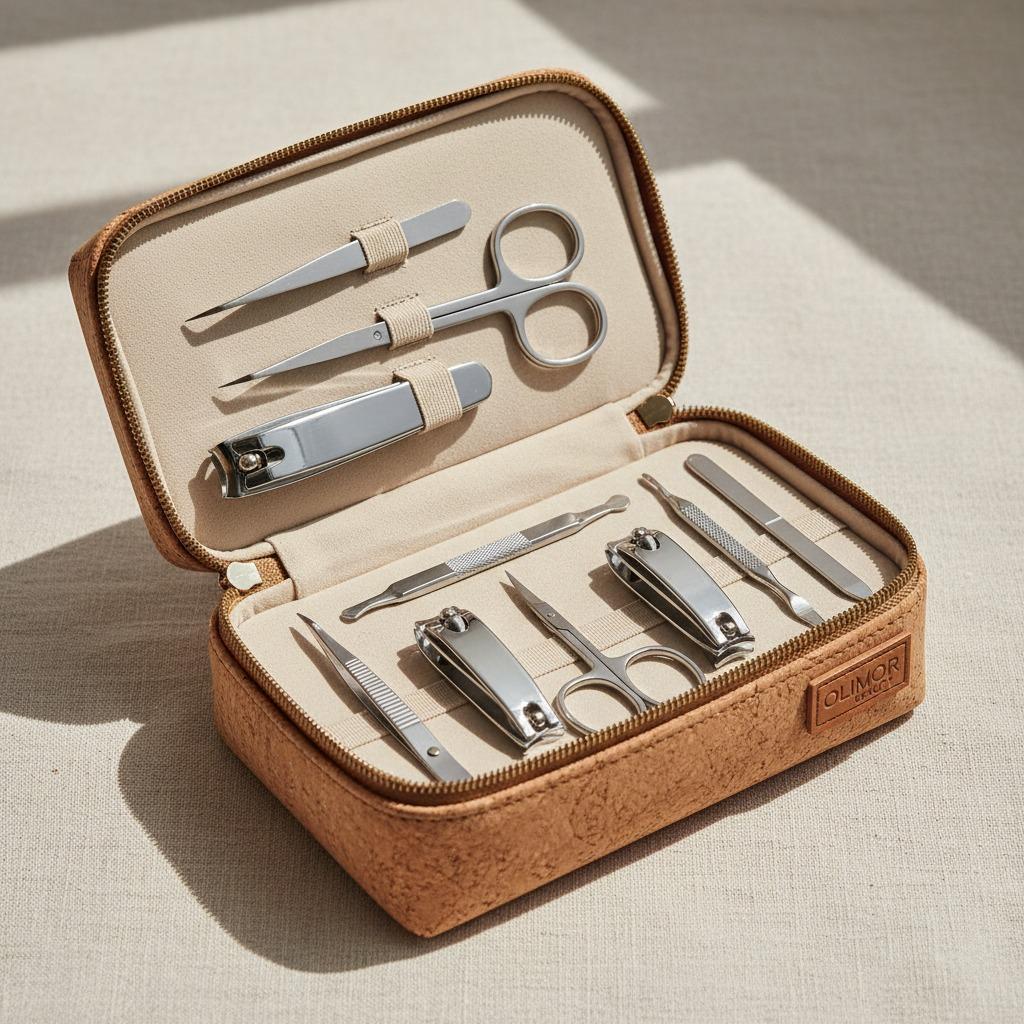
Different sales channels may require different product decisions. A pharmacy or supermarket buyer may prefer a clean, familiar design with practical packaging and clear product visibility. A salon supplier may care more about professional handling, easy cleaning and long-term durability. A gift-set or travel-kit buyer may focus on compact sizing and coordinated appearance with other grooming tools.
Before confirming a wholesale nail clipper order, define how the product will be sold and used. This helps avoid overbuying a design that looks attractive but does not match the customer’s real need. A basic retail nail clipper, for example, may not be the right choice for a professional pedicure environment where stronger leverage may be expected. Likewise, a heavy professional-style tool may be unnecessary for a low-cost travel kit.
Buyers can use the following selection map as a starting point:
| Sales channel | What to prioritize | Common risk to avoid |
|---|---|---|
| Retail beauty stores | Clean finish, attractive packaging, dependable cutting feel | Choosing appearance over blade alignment |
| Salon supply | Durability, comfort, easy handling and consistent performance | Selecting a light-duty clipper for frequent professional use |
| Travel or grooming kits | Compact size, simple operation and coordinated appearance | Using a clipper too small to cut comfortably |
| Promotional or value channels | Stable basic quality and clear cost control | Reducing cost until the tool feels unreliable |
This kind of channel-based evaluation is especially useful when comparing several product collections or building a mixed order for different customer groups.
How Steel Price Changes Affect Wholesale Nail Clipper Decisions
Steel market fluctuations can influence the cost of stainless steel beauty tools, including nail clippers. For wholesale buyers, this does not mean purchasing should be based only on the lowest current quote. A temporary price advantage can disappear quickly if the product creates returns, weak reviews or inconsistent repeat orders.
A better approach is to evaluate total buying value. This includes the cost of the product, the reliability of the supplier’s quality control, packaging suitability, expected defect rate, shipping protection and whether the same item can be reordered consistently. If a buyer switches suppliers too often only to chase small cost differences, the final assortment may become inconsistent in finish, feel and customer satisfaction.
When steel costs are unstable, communication and specification discipline become more important. Confirm which features are essential and which are flexible. For example, buyers may be able to adjust packaging structure, case assortment or finish preferences while keeping the cutting performance standard unchanged. The cutting edge and tool stability should not be the first areas reduced when managing cost.
Packaging, Labeling and Retail Presentation
Packaging is not only decoration. It protects the product in transit, explains the item to the customer and supports the buyer’s sales channel. A clipper sold through a retail display may need packaging that allows the customer to see the tool clearly. A salon supply order may require simpler bulk presentation if the customer prioritizes utility and cost efficiency. Gift and kit orders may need packaging dimensions that fit a broader set.
For wholesale purchasing, review packaging alongside the physical sample. Check whether the clipper is held securely, whether the finish is protected from scratches, and whether any printed information is accurate and appropriate for the destination market. Avoid exaggerated claims that cannot be supported. Clear, practical product communication is better than overpromising.
Useful packaging questions include:
- Will the packaging protect the clipper during long-distance shipping and warehouse handling?
- Can the customer understand the product type, intended use and basic care instructions quickly?
- Does the packaging match the price level of the retail channel?
- Is there enough space for barcode, importer information or market-required labeling if needed?
- Will the packaging create unnecessary bulk or shipping cost?
Quality Control Points Before Approving a Bulk Order
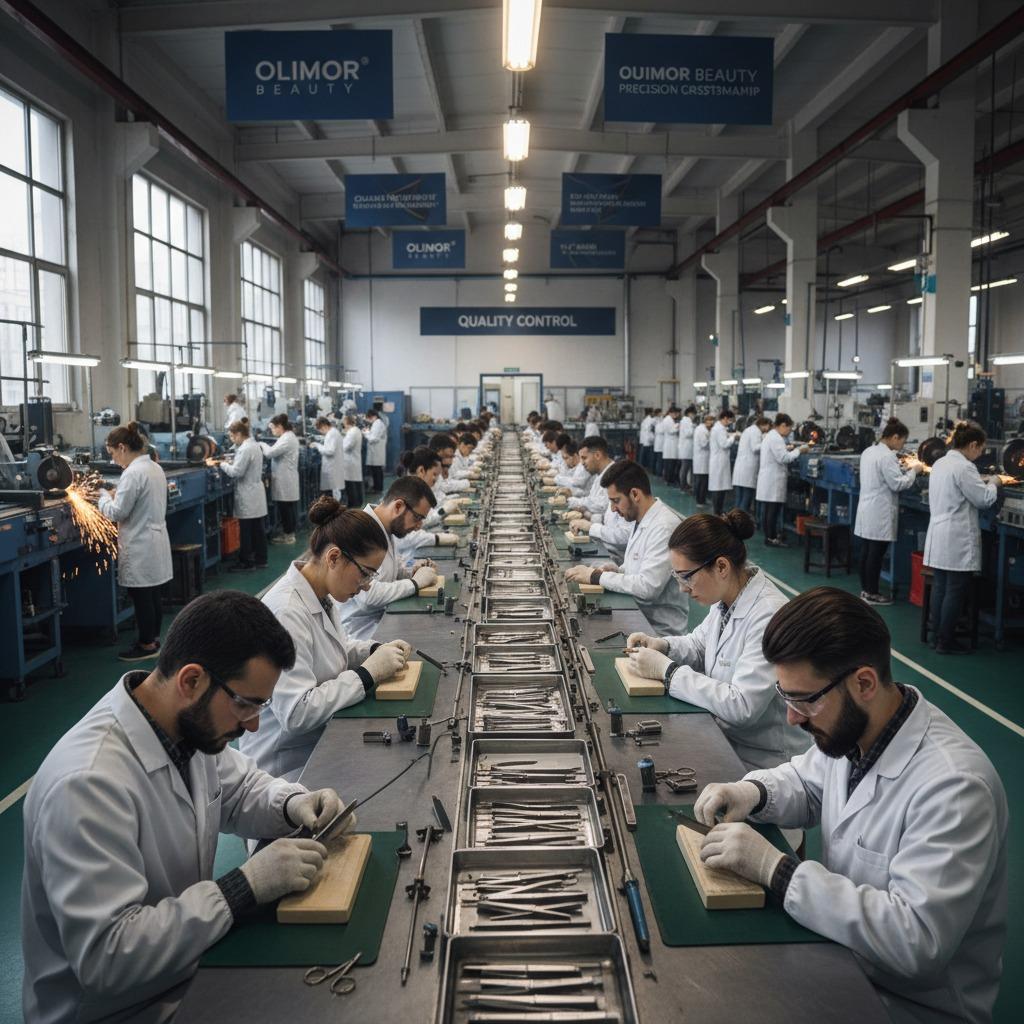
A sample approval process should be more than a visual check. Nail clippers are mechanical tools, so buyers should test several pieces when possible and document what an acceptable unit looks and feels like. Even small issues, such as sharp unfinished corners or loose levers, can lead to customer complaints.
Start with surface inspection. Look for scratches, stains, burrs, inconsistent polishing and visible assembly problems. Then test cutting function on appropriate nail samples or comparable material used for evaluation. Finally, check packaging after handling to see whether the clipper remains secure and protected.
For larger or repeat orders, create a written checklist that includes appearance, function, packaging, labeling and carton condition. This helps purchasing teams, warehouse teams and suppliers work from the same expectations. If you need to discuss a specific order plan, you can contact Olimor with your channel requirements and target product type.
Care Guidance That Helps Reduce Customer Complaints
Even a well-made nail clipper can perform poorly if it is stored wet, dropped repeatedly or used for unsuitable materials. Including simple care guidance in packaging or product pages can improve the customer experience and reduce avoidable complaints.
Recommended care points are straightforward: keep the clipper clean and dry after use, avoid using it on hard non-nail materials, store it away from moisture when possible and wipe the cutting area regularly. For professional environments, cleaning and hygiene procedures should follow the salon’s own local requirements and operating standards.
Retailers can also reduce returns by matching the product description to the real use case. If the clipper is designed for general fingernail care, do not present it as a heavy-duty professional pedicure tool unless the product has been selected and tested for that purpose. Accurate positioning builds trust and supports repeat orders.
Building a Better Wholesale Nail Clipper Order
The best wholesale nail clipper order is built around a clear customer profile, not a generic product list. Decide whether your priority is retail turnover, professional salon supply, grooming kits, promotional programs or a balanced assortment. Then review samples for cutting performance, steel finish, comfort, packaging and reorder consistency.
Olimor Beauty focuses on practical beauty tools for buyers who need dependable supply and thoughtful product selection. When you compare options, consider how each clipper will be used, how it will be displayed and how customers will judge it after repeated use. A reliable nail clipper may be a small item, but it can strongly influence how customers view the quality of your entire grooming range.
To review suitable wholesale options or discuss a sourcing plan for your market, browse Olimor’s beauty tool products or send an inquiry with your intended sales channel, packaging needs and expected order priorities.