










Nail clipper blade grinding is one of the most important steps behind a clean trim. A clipper may look simple from the outside, but its performance depends on a precise relationship between two cutting edges, the lever action, the jaw opening and the final finish of the blade faces. When the grinding is inconsistent, users often notice crushing, tearing, uneven edges or a clipper that requires too much pressure. When the grinding is controlled well, the blades meet cleanly and cut through the nail with less snagging.
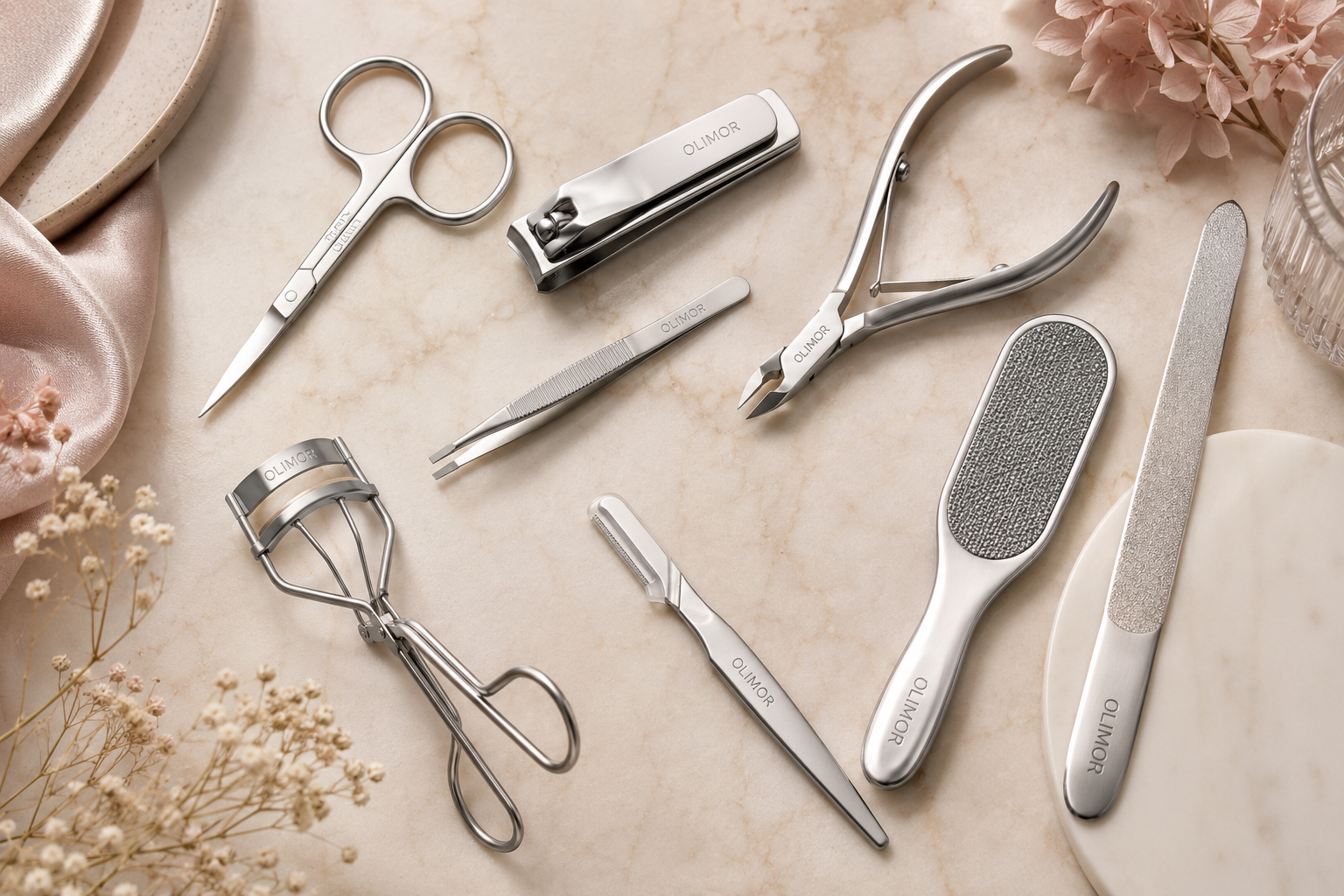
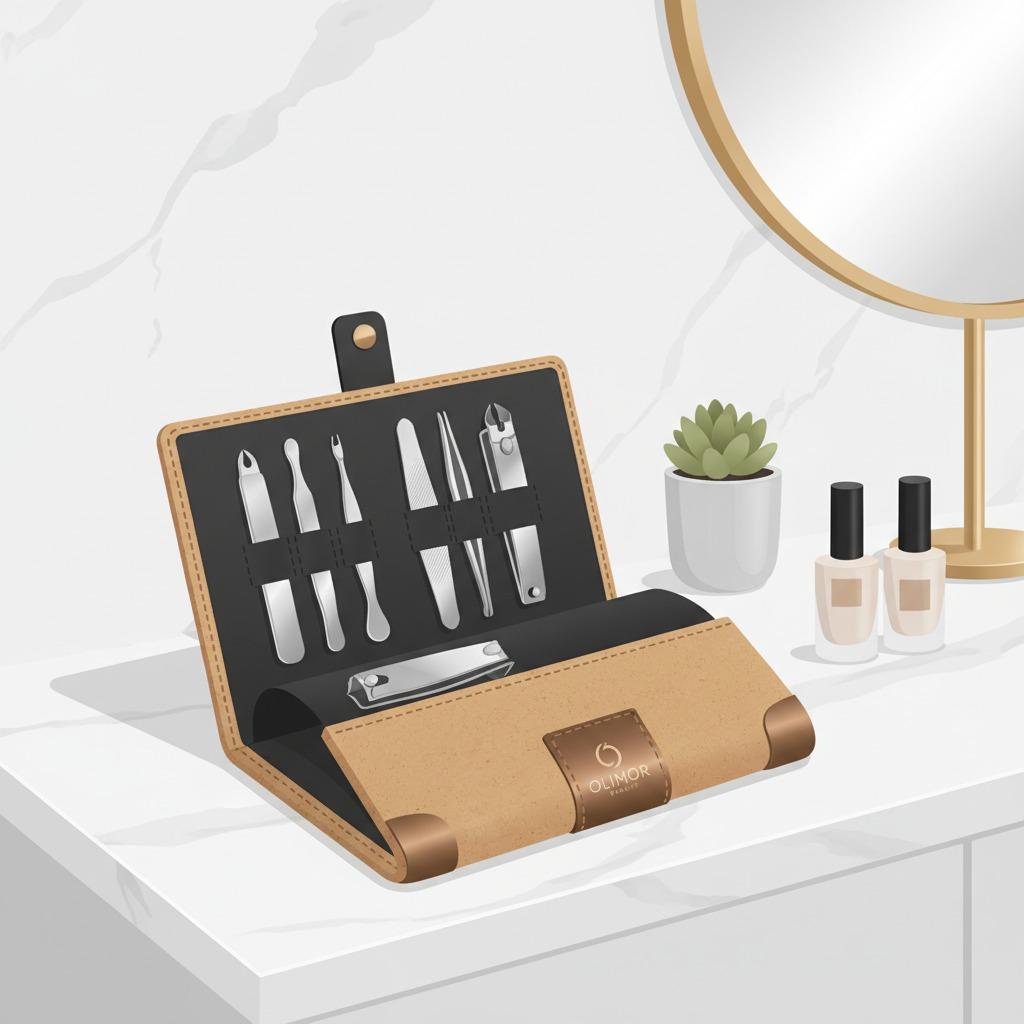
For retailers, distributors, salon suppliers and personal care brands, understanding blade grinding helps separate an ordinary nail clipper from a dependable grooming tool. Olimor Beauty focuses on nail clipper products where sharpness, comfort and repeatable quality matter for everyday use. If you are comparing options, you can also explore Olimor beauty tool products or review related product collections to understand how different grooming tools fit your buying plan.
Why Blade Grinding Matters More Than It First Appears
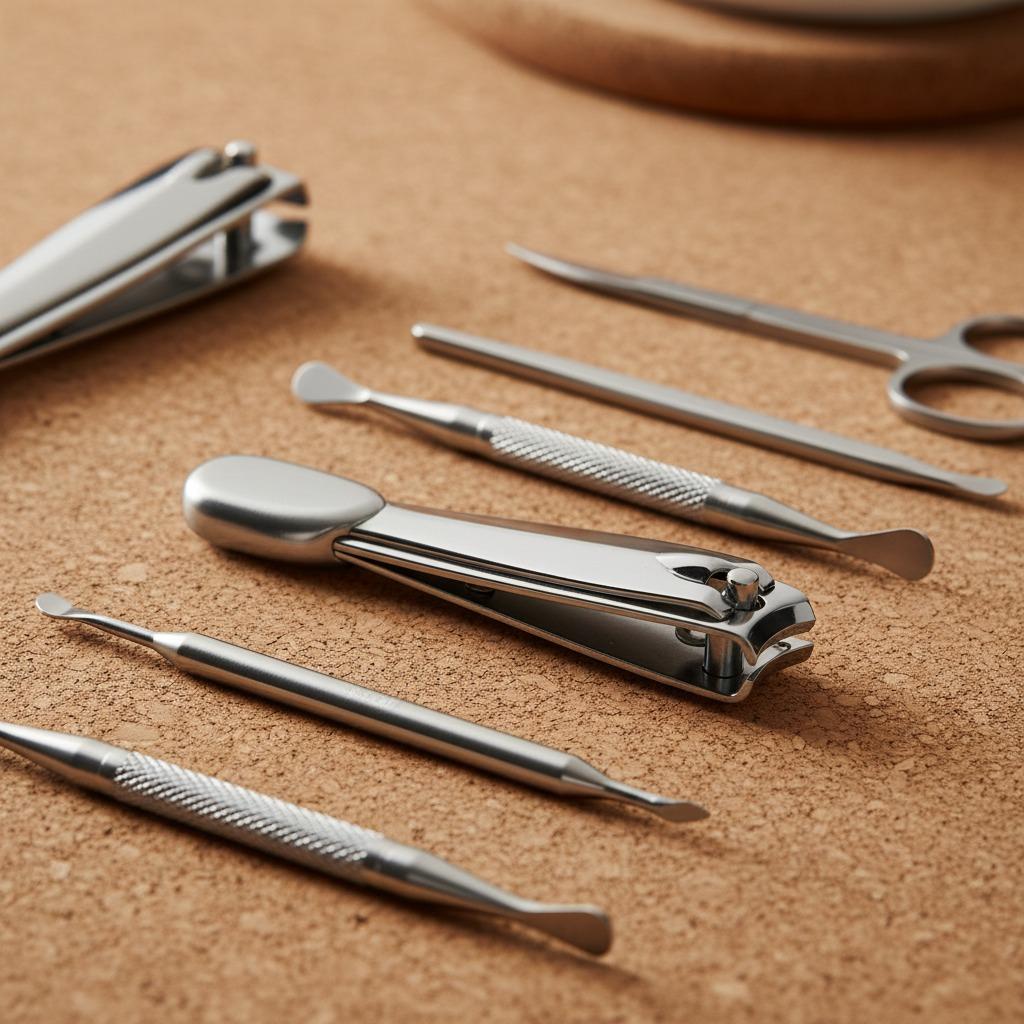
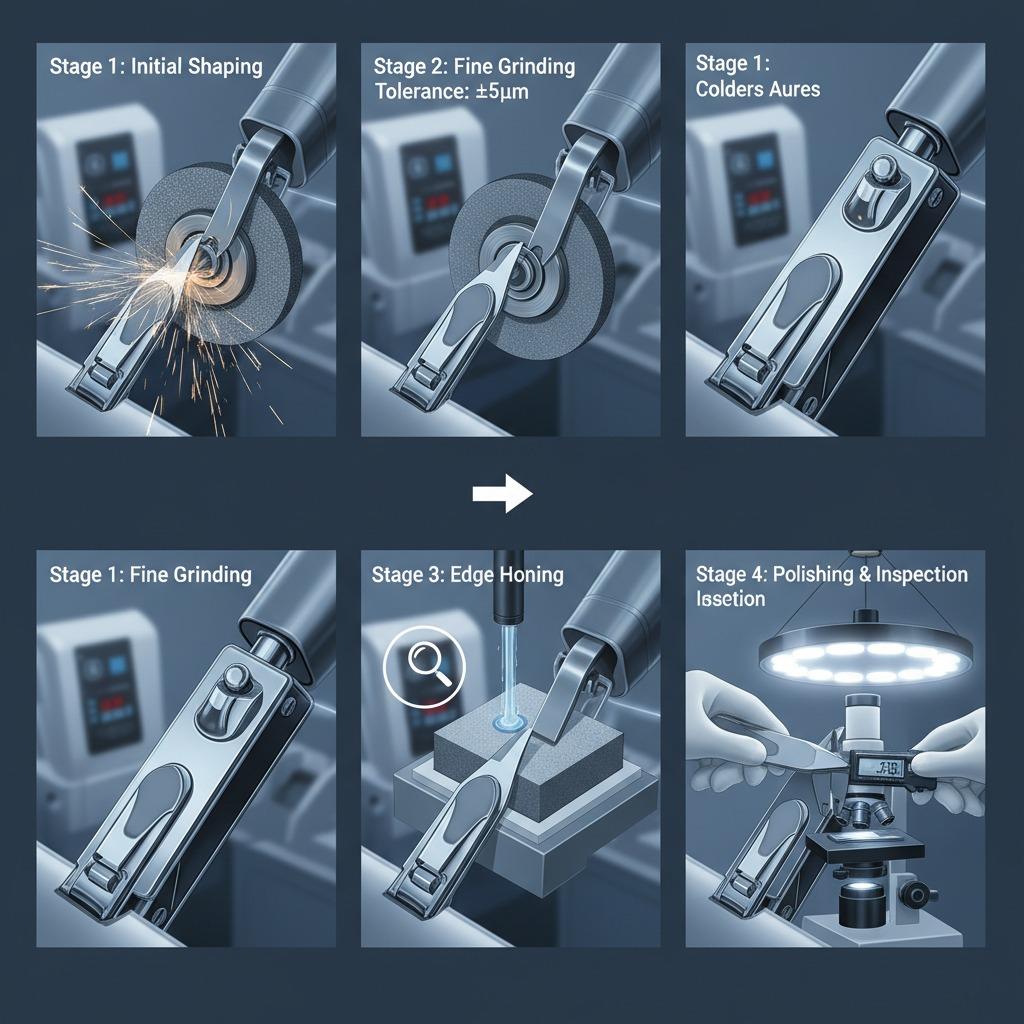
A nail clipper works by concentrating force along a small cutting line. That line must be sharp enough to cut, but also stable enough to resist deformation during repeated use. Grinding shapes the blade edge and refines the contact area where the upper and lower jaws meet. The goal is not simply to make the edge thin; it is to create a cutting surface that closes accurately and remains comfortable in practical use.
Poor blade grinding can create several common problems. If the edge is too blunt, the clipper may press and bend the nail before cutting it. If the blade faces are not aligned, one side may cut while the other side leaves an attached corner. If the grinding angle is inconsistent, the clipper may feel sharp in one area but weak in another. These issues are especially noticeable on thicker nails, dry nails or curved nail shapes where the tool needs both control and strength.
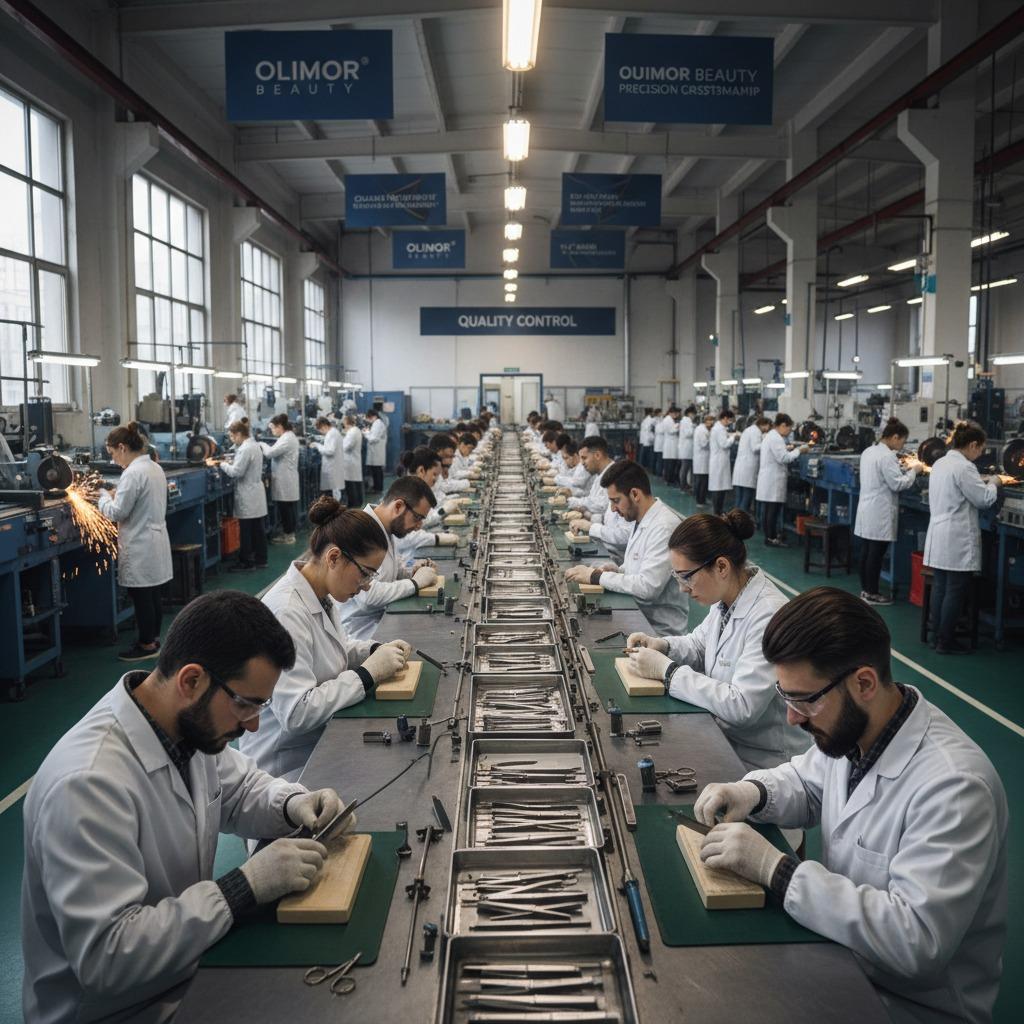
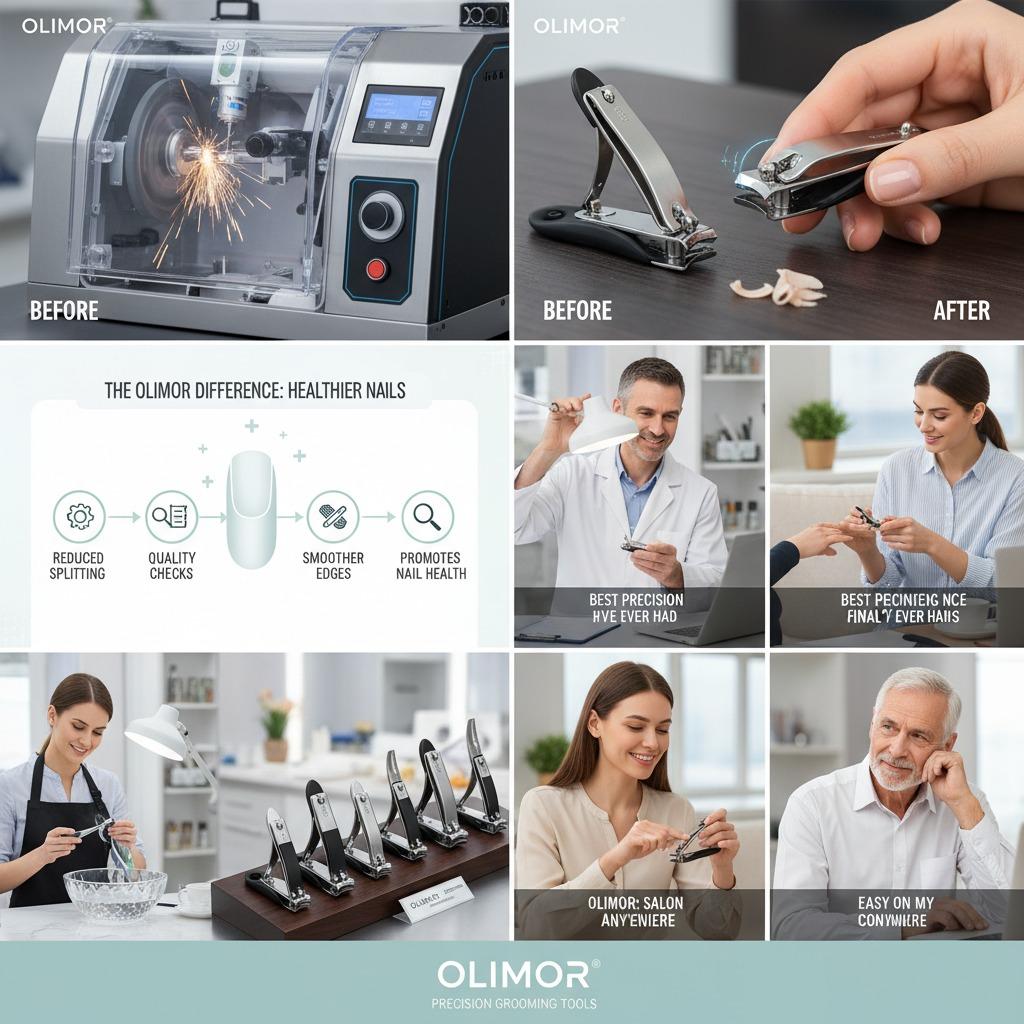
High precision grinding, as described in Olimor Beauty’s approach to nail clipper production, is intended to support cleaner cutting and more consistent user experience. The benefit is practical: less effort, fewer rough edges and a tool that feels predictable when used for regular grooming.
Key Grinding Factors That Influence Cut Quality
When evaluating nail clippers, buyers should look beyond the surface polish and consider the details that affect cutting performance. The following factors are useful when comparing samples or discussing product requirements.
- Cutting edge angle: The blade angle affects how easily the clipper enters the nail and how durable the edge will be during repeated trimming.
- Upper and lower blade contact: The two edges need to meet accurately across the cutting span. Gaps or uneven contact can lead to incomplete cuts.
- Edge consistency: A consistent grind from one end of the blade to the other helps avoid pulling, crushing or leaving rough corners.
- Jaw curvature: The curve should suit the intended nail type and user preference. A curved jaw is common for fingernails, while flatter or wider shapes may be preferred for other trimming needs.
- Surface finishing: Smooth blade faces and polished contact areas can reduce friction and make the clipper easier to clean.
- Lever pressure: Grinding and alignment affect how much force the user needs. A good clipper should not require excessive pressure for normal nails.
These details are important for both consumer products and professional grooming tools. A visually attractive clipper can still disappoint if the blades do not close cleanly. For sourcing decisions, the best evaluation starts with actual cutting performance, not only appearance.
How to Assess a Nail Clipper Sample Before Ordering
Sample testing does not need to be complicated, but it should be systematic. A buyer comparing nail clippers can use a simple checklist to judge whether the blade grinding and assembly are suitable for the intended market.
- Inspect the blade line under good light. Look for visible gaps, chips, burrs or uneven grinding marks along the cutting edge.
- Open and close the clipper slowly. The jaws should meet evenly without side movement or scraping that feels irregular.
- Test light and firm pressure. The lever should move smoothly and return properly after use.
- Cut different nail thicknesses where appropriate. A dependable clipper should cut cleanly without requiring repeated attempts on the same point.
- Check the trimmed edge. A clean cut usually leaves less splitting and fewer jagged sections.
- Review finishing and handling. Edges around the body, lever and file area, if present, should not feel sharp or uncomfortable.
This type of evaluation helps identify whether a clipper is suitable for daily home grooming, travel kits, salon retail, promotional sets or broader personal care assortments. If you are planning a sourcing project or need to compare options, you can send an inquiry with your target use case, packaging needs and expected product positioning.
Grinding, Material Choice and Finishing Work Together
The original blade form is only one part of the final result. Grinding quality interacts with the base material, heat treatment decisions, polishing, assembly and final inspection. Stainless steel is often used for nail clippers because it supports corrosion resistance and a clean appearance, but the buyer should still review the whole product rather than relying on material wording alone.
A strong edge needs a suitable balance between hardness and toughness. If the cutting edge is not stable enough, it may dull quickly or deform. If the material and process make the edge too brittle, chipping can become a concern. Because exact specifications vary by product and target market, it is better to compare the actual sample performance, finishing quality and consistency across multiple pieces.
Finishing is also important. After grinding, the blade should not have loose burrs that scratch the nail or affect closure. Polishing can improve the feel of the tool and make residue easier to wipe away. However, excessive polishing should not round off the cutting edge to the point that performance is reduced. A well-made nail clipper balances sharpness, safety and durability without relying on a single production step.
Choosing Nail Clippers for Different Use Cases
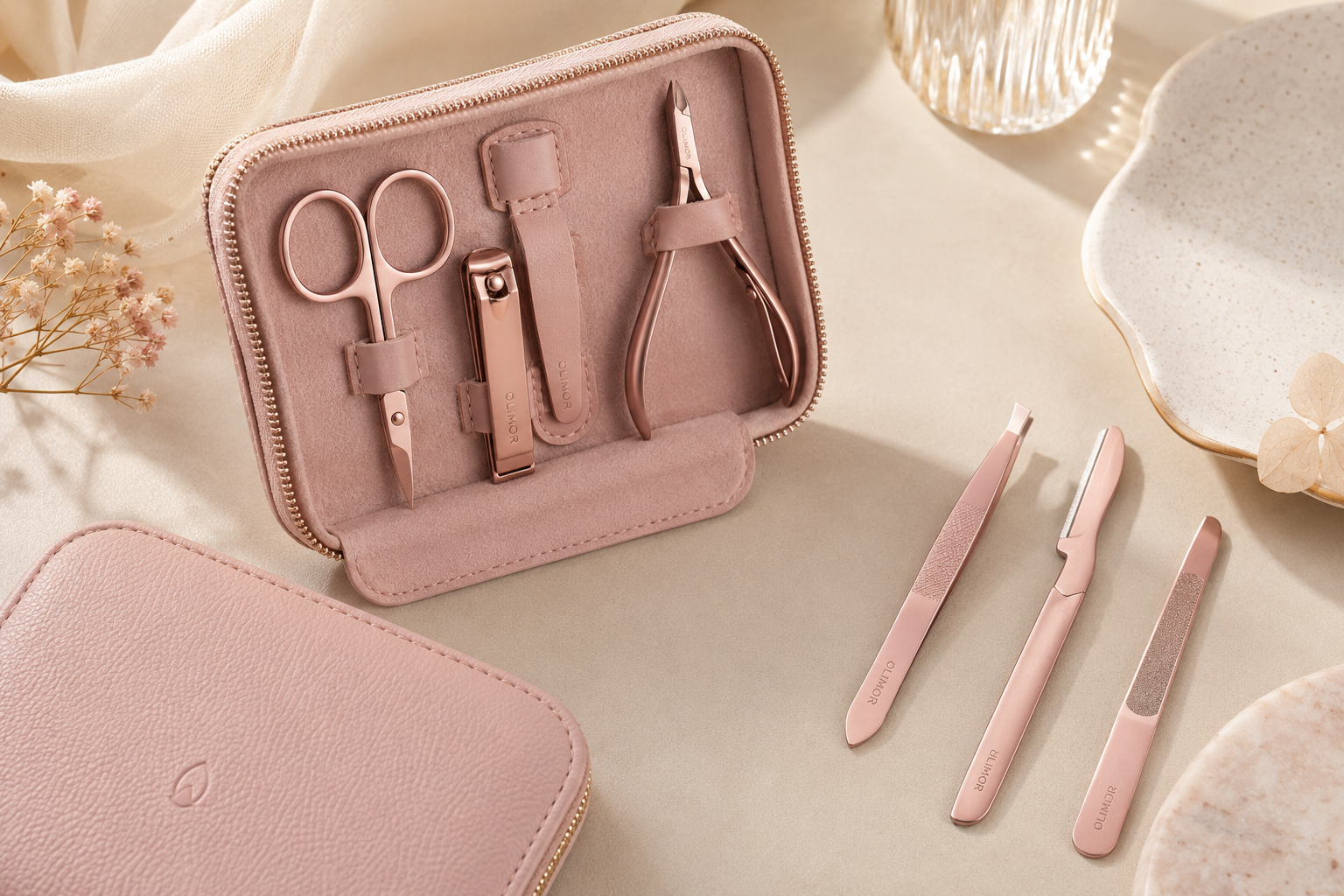
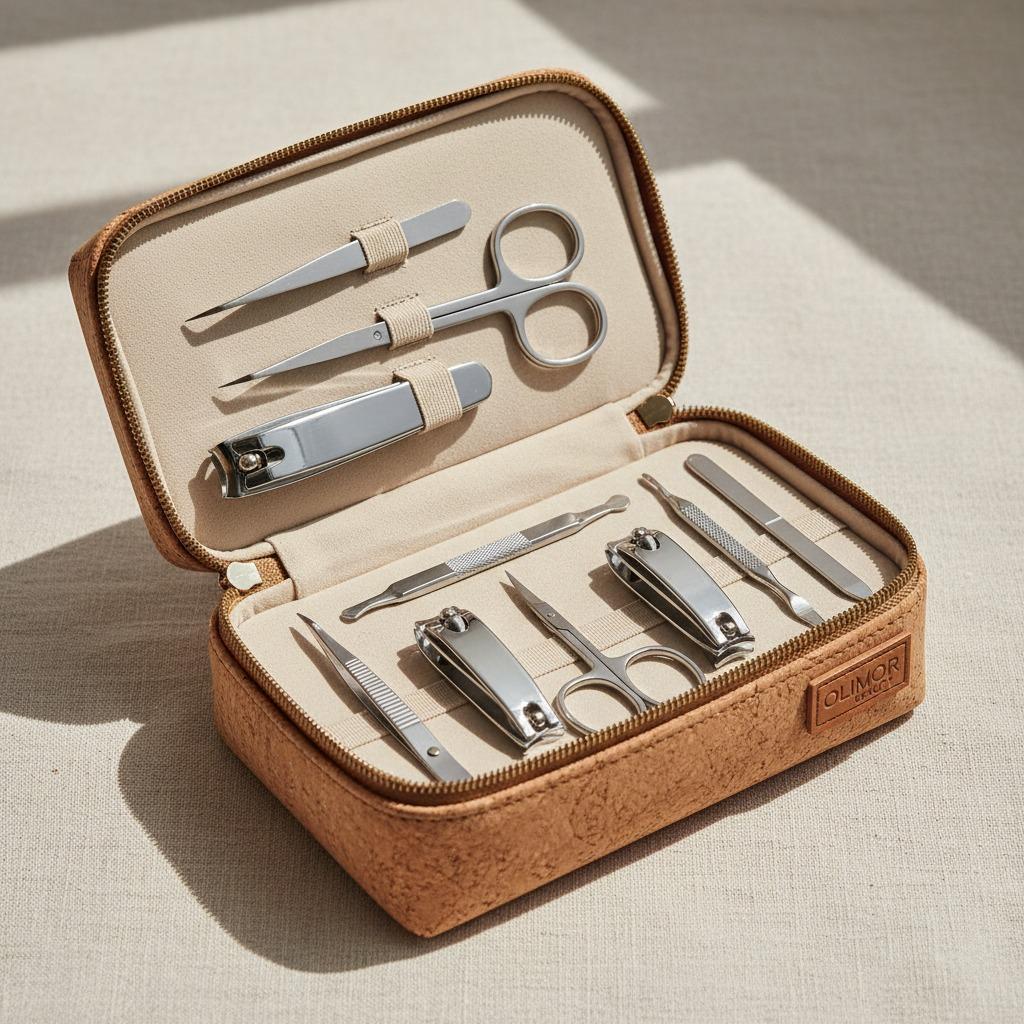
Not every nail clipper needs the same blade profile or body size. The right choice depends on the audience and how the product will be used. Retail buyers may want a compact clipper for daily carry, a larger clipper for thicker nails, or a matching grooming set that includes multiple tools. Professional suppliers may value consistent performance across batches because customers quickly notice dull or misaligned clippers.
| Use case | Grinding and design priorities | What to check in samples |
|---|---|---|
| Everyday home grooming | Clean cut, comfortable lever pressure, easy cleaning | Cut consistency across normal fingernails and smooth body finishing |
| Travel or compact kits | Reliable edge in a smaller format, secure closure | Jaw alignment, portability and whether the clipper feels stable in hand |
| Salon or retail display | Consistent sharpness, attractive finish, repeatable quality | Multiple sample pieces to compare uniformity and user feel |
| Thicker nail trimming | Stronger cutting action and suitable jaw opening | Lever strength, edge contact and whether the cut is clean without crushing |
This comparison helps buyers define requirements before selecting a product. Clear priorities reduce the risk of choosing a clipper that looks acceptable but does not match the end user’s expectations.
Care Tips That Help Preserve Cutting Performance
Even a well-ground nail clipper needs basic care. Nail residue, moisture and rough storage can reduce performance over time. Users should wipe the blades after trimming and keep the tool dry. If the clipper is used in a salon or shared environment, cleaning practices should follow the hygiene requirements of that setting.
It is also wise to avoid using nail clippers on materials they were not designed to cut. Wire, plastic tags or hard packaging can damage the cutting edge or affect blade alignment. For personal care products sold to consumers, simple use and care instructions can reduce complaints and help the product perform as intended.
What to Discuss When Sourcing Nail Clippers
When preparing a nail clipper sourcing project, buyers should define the target user, expected retail level and packaging direction before focusing on price. Blade grinding quality, body finish and assembly consistency can affect customer satisfaction more than small visual differences. It is useful to compare several samples, inspect the cutting edge, test real trimming performance and review how the tool feels in hand.
Olimor Beauty works with beauty and grooming tools where practical performance is central to the product experience. For nail clippers, blade grinding is a key part of that performance because it determines how cleanly the tool cuts and how comfortable it feels during use. To discuss nail clipper options or related grooming tools, contact Olimor with your project details, intended market and product requirements.