










A tongue scraper is a simple oral care tool used to remove soft coating from the surface of the tongue. For everyday users, the main appeal is a cleaner-feeling mouth and fresher breath. For retailers, wellness brands, dental care buyers, spas and private-label programs, the appeal is also commercial: a compact, reusable personal care item that is easy to explain, easy to merchandise and relevant to daily routines.
This guide focuses on stainless steel tongue scrapers because they are durable, smooth, reusable and practical for beauty and wellness assortments. It covers what the tool does, how to use it safely, how to compare materials and designs, what cost factors matter, and how to evaluate a supplier without relying on exaggerated claims. Buyers planning a broader oral care or grooming range can review related beauty tool products or compare wider product collections when building an assortment.
What a Tongue Scraper Does
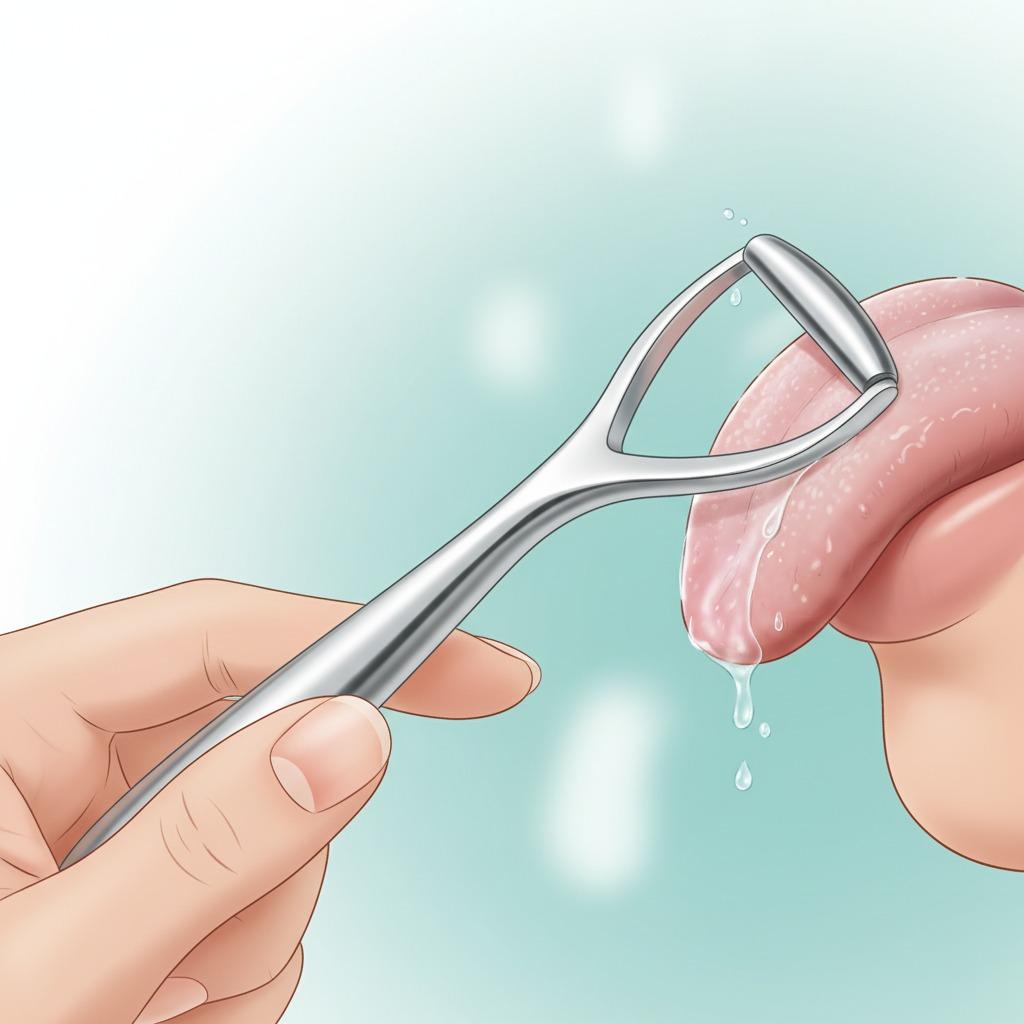
A tongue scraper works by mechanical cleaning. The user places the scraper on the tongue and draws it gently forward, lifting away visible coating, residue and buildup that can collect between the tiny papillae on the tongue surface. This coating may include food residue, dead cells and odor-causing bacteria, especially after sleep.
The scraper does not replace brushing, flossing, mouthwash or professional dental care. Instead, it addresses a part of the mouth that toothbrushes may not clean efficiently. Brushing the tongue can help, but the textured surface of a brush may spread residue around or trigger gagging for some users. A smooth scraper gives a more direct way to remove coating in a few controlled strokes.
The most immediate result many users notice is a fresher, smoother mouthfeel. Some also find that food and drinks taste clearer when the tongue surface is less coated. These benefits depend on consistent, gentle use and proper cleaning of the tool.
Key Benefits for Daily Oral Care
Tongue scraping is popular because it is quick, low-maintenance and easy to add to an existing routine. The benefits are practical rather than complicated.
- Fresher breath support: Odor-causing bacteria can collect on the tongue. Removing tongue coating can reduce one common source of unpleasant breath.
- Cleaner tongue feel: A scraper can lift soft buildup from the middle and rear of the tongue, areas that are often missed during normal brushing.
- More complete oral hygiene: Scraping complements brushing and flossing by cleaning a surface that is often ignored.
- Clearer taste perception: When the tongue is less coated, some users notice improved taste clarity because the surface is less obstructed.
- Simple wellness habit: The process takes less than a minute and fits morning, evening, travel and grooming routines.
A tongue scraper is not a treatment for chronic bad breath, gum disease, infection, digestive conditions or unusual tongue discoloration. Persistent odor, pain, bleeding or changes in tongue appearance should be discussed with a dental or medical professional. Responsible product information should make this distinction clear.
Why Stainless Steel Is a Practical Material
Tongue scrapers are commonly made from plastic, copper or stainless steel. Stainless steel is often selected for reusable personal care tools because it is strong, smooth, easy to rinse and suitable for a clean, polished appearance. It can also feel more stable in the hand than a very light disposable option, which helps users control pressure.
Material name alone is not enough. A stainless steel tongue scraper should be judged by finish, comfort and usability. The scraping edge should feel smooth rather than sharp. The handles should allow even pressure on both sides. The curve should reach the tongue surface without forcing the user into an uncomfortable position. A tool that looks attractive but feels harsh will not support repeat use.
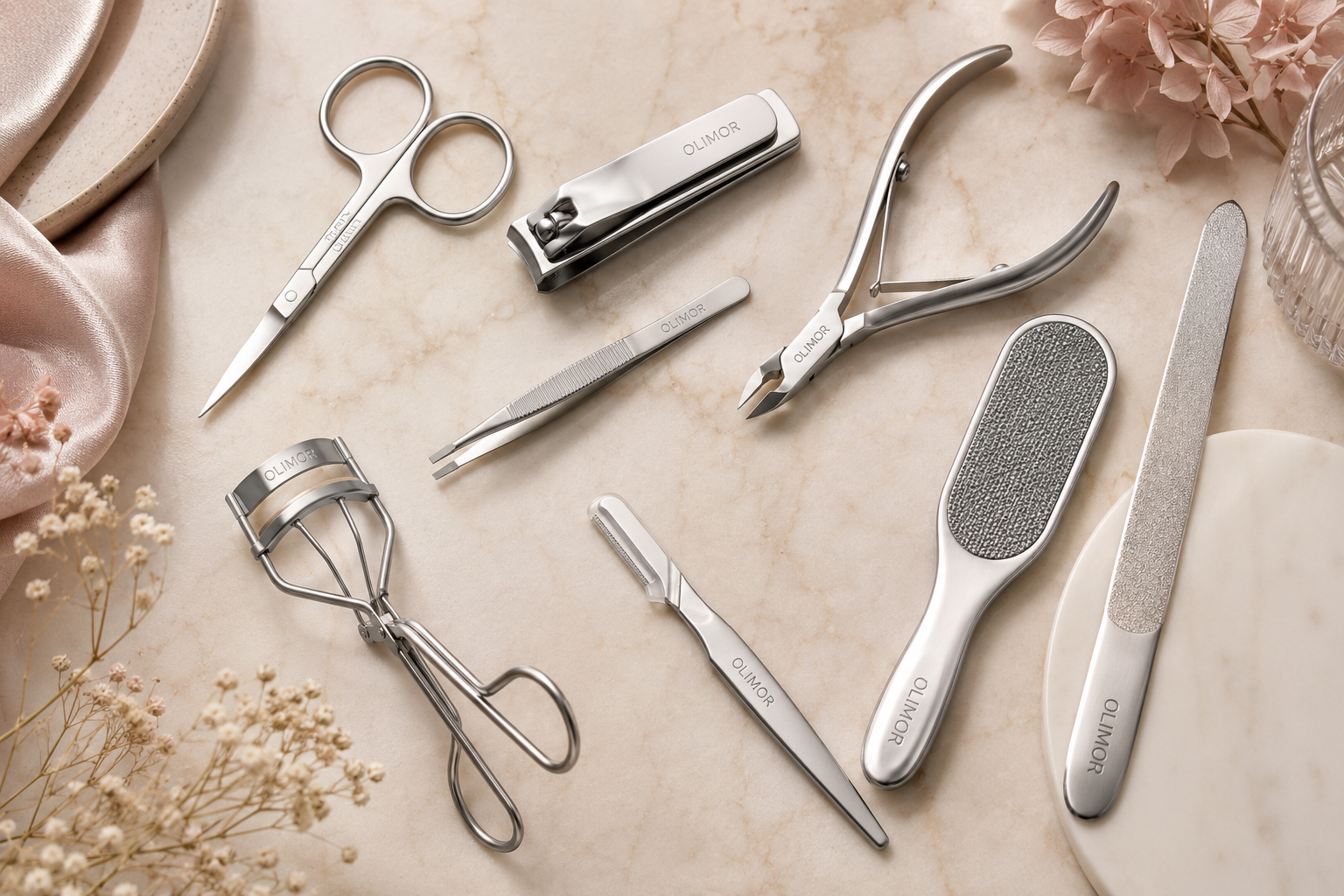
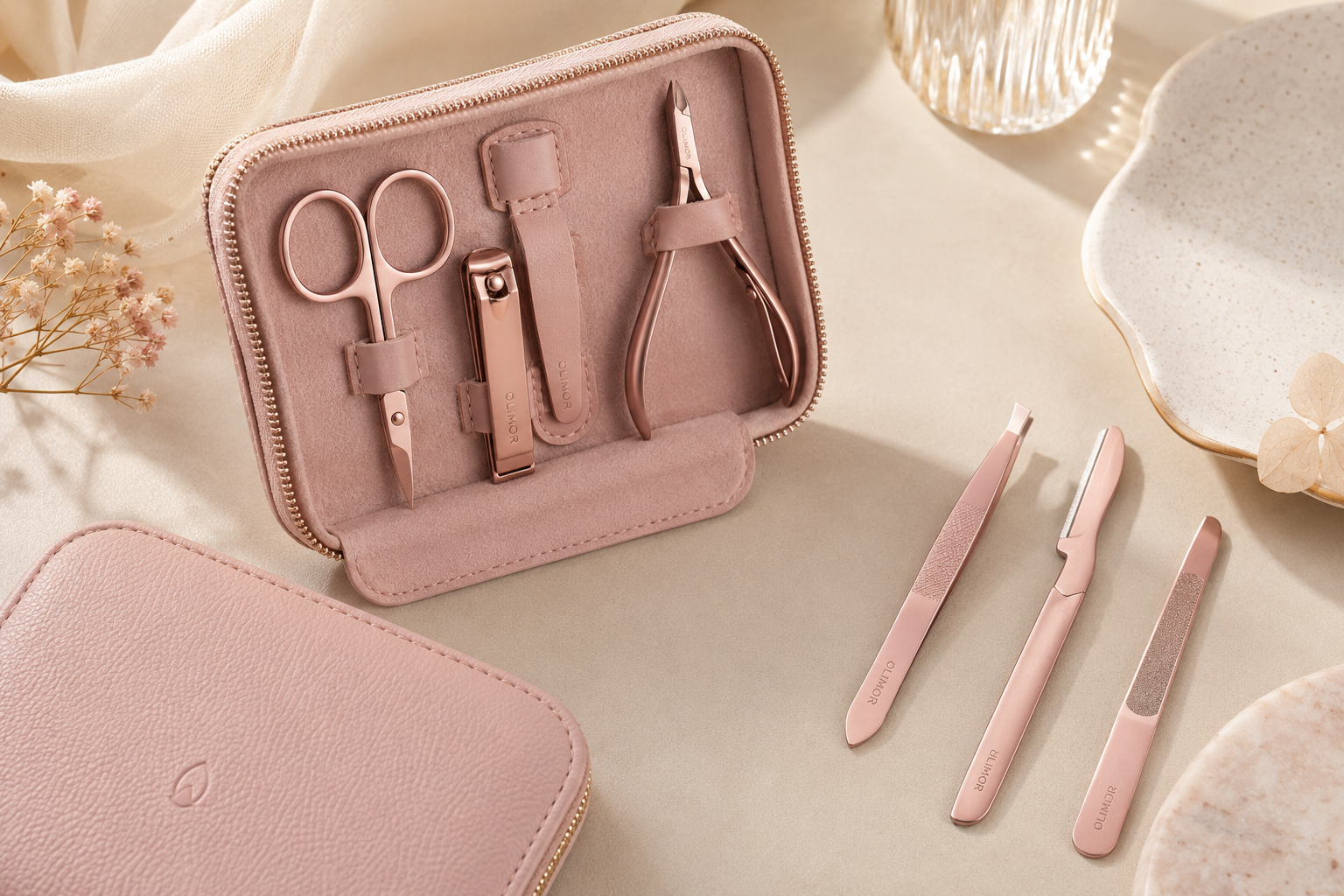
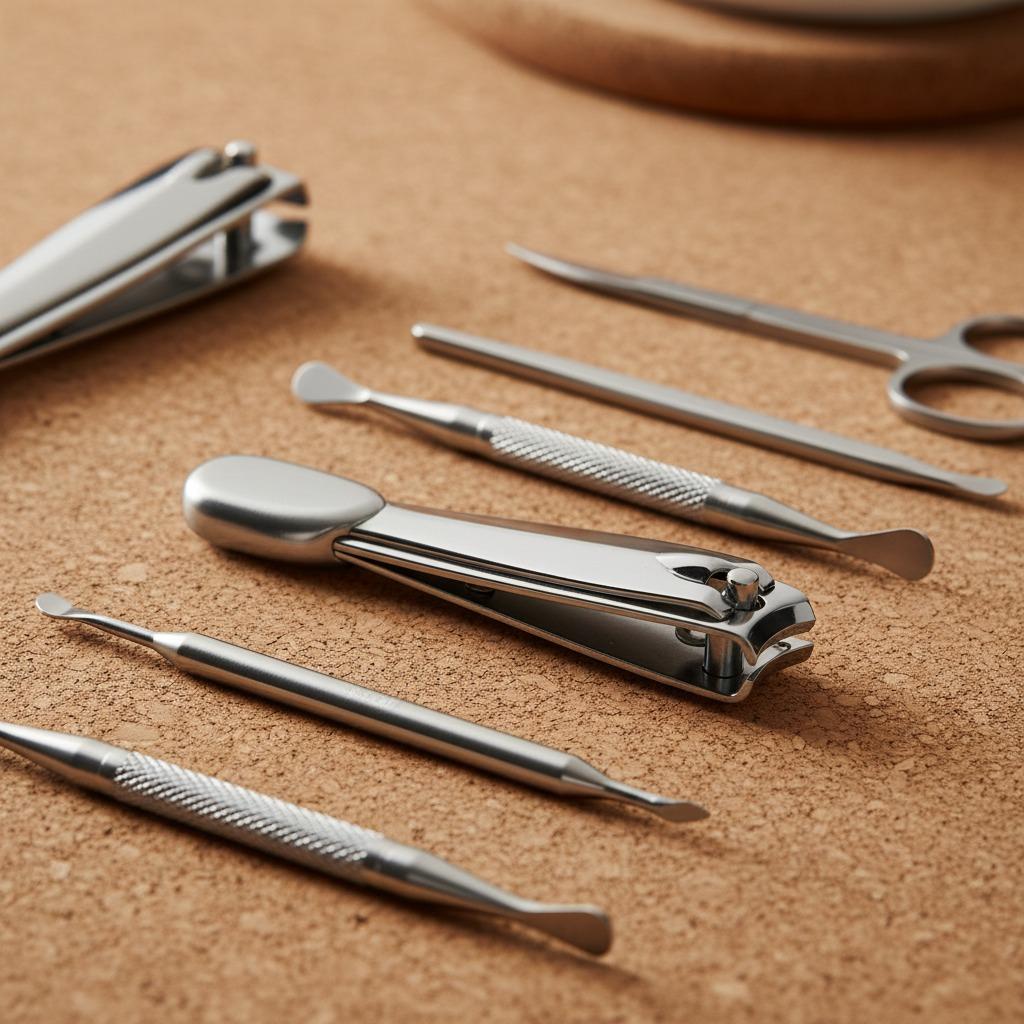
For B2B buyers, stainless steel also supports a long-lasting product story. The scraper can sit naturally beside tweezers, nail tools, facial tools, travel hygiene products and wellness accessories. It is compact for shipping and display, but still offers enough surface area for branding, packaging and instruction design. Buyers looking for stainless steel beauty tools beyond oral care can start from the Olimor product range.
Stainless Steel, Plastic and Copper Tongue Scrapers Compared
Each material has a different position in the market. The best choice depends on the target customer, packaging concept, destination market and expected product life.
| Material | Typical Strengths | Common Buyer Considerations |
|---|---|---|
| Stainless steel | Reusable, durable, smooth, easy to rinse, suitable for premium beauty and wellness positioning | Check edge finishing, handle comfort, surface consistency, packaging protection and documentation for destination market requirements |
| Plastic | Lightweight, often low-cost, suitable for disposable or entry-level concepts | May feel less durable, can be viewed as less premium, and may not support a reusable product story as strongly |
| Copper | Traditional appeal in some wellness routines and visually distinctive | Requires careful explanation, may discolor over time, and buyers should review care instructions and market expectations |
For most beauty-tool assortments, stainless steel is a balanced option because it combines everyday usability with a clean retail appearance. The final choice should still be based on the user experience, not only the material category.
How to Use a Tongue Scraper Correctly
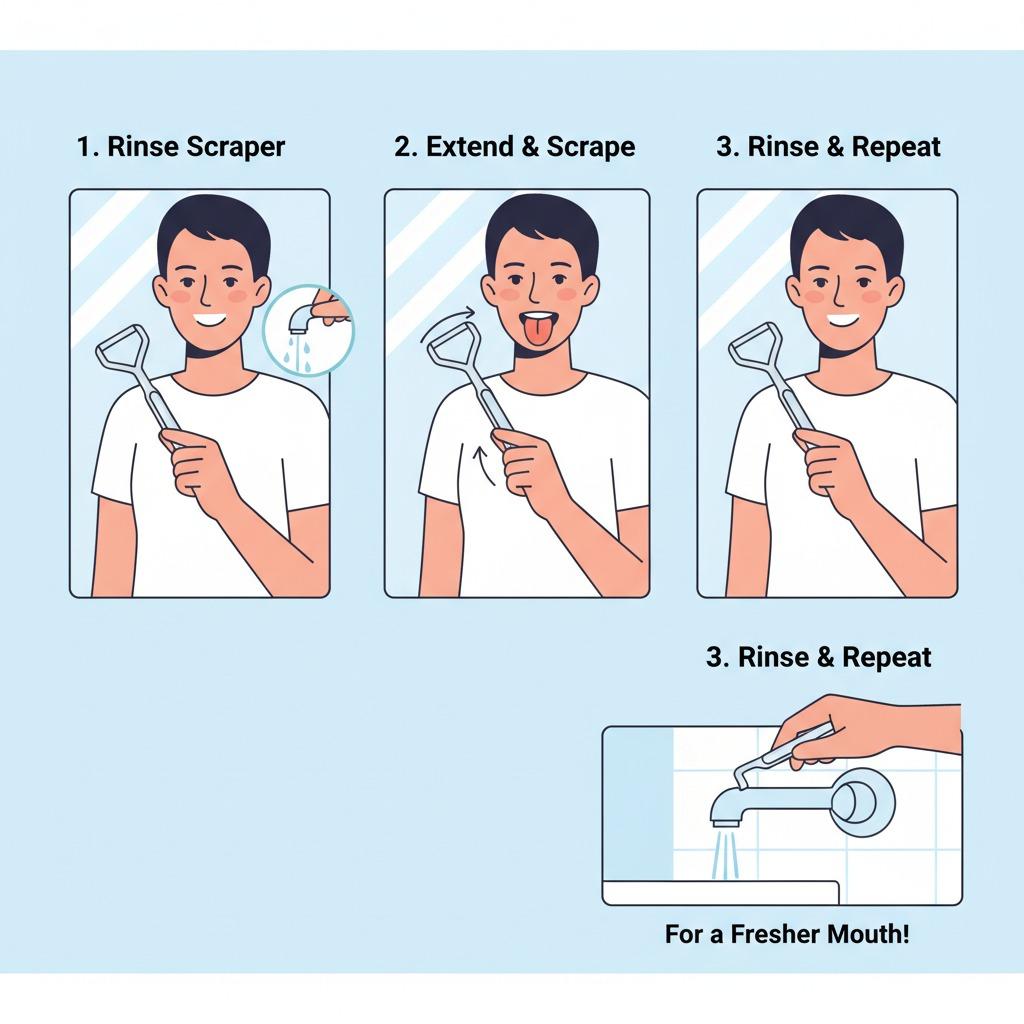
Correct use is important because the tongue is sensitive. The goal is to remove coating, not to scrub or press aggressively. First-time users should start gently and avoid placing the scraper farther back than feels comfortable.
- Rinse the scraper with clean water before use.
- Stand in front of a mirror and relax the tongue outward.
- Place the scraper toward the back of the tongue only as far as comfortable.
- Pull the scraper forward toward the tip of the tongue in one smooth motion.
- Rinse the scraper after each pass to remove collected residue.
- Repeat a few gentle passes, reducing pressure if the tongue feels sensitive.
- Rinse the mouth, wash the tool and dry it before storage.
Many users prefer scraping in the morning, when the tongue may feel coated after sleep. Evening use can also be helpful after meals, coffee, tea or strongly flavored foods. If gagging occurs, start nearer the middle of the tongue, breathe through the nose and use lighter pressure. Users should stop if the tool causes pain, bleeding or irritation.
Cleaning, Storage and Replacement Guidance
A tongue scraper should be cleaned every time it is used. During use, rinse it under running water after each pass. After use, wash it with mild soap and water, rinse again and dry it before storage. Drying helps prevent moisture from sitting on the surface and keeps the tool more pleasant to handle the next time.
The scraper should not be shared. Oral care tools are personal items, even when they are made from durable material. For bathroom storage, a clean pouch, box or case can help separate the scraper from cosmetics, razors and other grooming tools. For travel, protective packaging keeps the tool easy to identify and helps protect the scraping edge.
Replacement depends on condition rather than a universal timetable. Replace the scraper if it becomes bent, rough, pitted, damaged, difficult to clean or uncomfortable at the edge. Retail packaging and instruction inserts should explain these points in plain language so customers understand both how to use the tool and when to retire it.
Design and Inspection Points for B2B Buyers
Tongue scrapers look simple, but small design details affect user comfort and perceived quality. Buyers sourcing for retail, private label, hotel amenities, dental care kits or wellness gift sets should inspect both the tool and the packaging before committing to a program.
Product design checks
- Scraping edge: The edge should be smooth enough for daily contact with the tongue and should not feel sharp.
- Curve and width: The tool should cover the tongue efficiently while remaining comfortable for different mouth sizes.
- Handle control: Handles should be easy to grip, including when hands are wet.
- Flex and stability: The scraper should allow comfortable positioning without feeling flimsy.
- Surface finish: A clean finish supports hygiene perception and suits beauty, wellness and oral care displays.
Packaging and instruction checks
- Hygiene protection: Packaging should protect the tool during shipping, storage and retail display.
- Clear directions: Usage and cleaning instructions should be short, accurate and easy for first-time users.
- Claims control: Avoid medical or exaggerated performance claims unless they are supported by appropriate documentation for the destination market.
- Retail format: Decide whether the product needs a pouch, box, hang card, travel case or kit packaging.
- Brand fit: Match surface finish, packaging color, instruction tone and price position to the rest of the assortment.
Inspection should include visual checks for burrs, rough edges, deformation, staining, inconsistent finish and packaging damage. Functional review should include hand feel, edge comfort and ease of rinsing. These checks are especially important because the product contacts the mouth directly.
Cost Factors Without Guesswork
The cost of a tongue scraper program is influenced by more than the tool itself. Buyers should compare total project requirements rather than only unit price. A very low-cost option may create problems if the edge finish is uncomfortable, packaging is weak or instructions are unclear.
Common cost factors include material choice, finishing level, tool shape, packaging structure, private-label artwork, order quantity, inspection requirements, shipping method and whether the scraper is sold alone or as part of a larger kit. More complex packaging, added travel cases or customized presentation can change the commercial calculation even when the scraper design is simple.
When requesting quotations, provide the intended sales channel, target positioning, packaging preference, labeling needs and destination market. This helps the supplier respond with relevant options instead of a generic item that may not fit the final use. If you are comparing a tongue scraper as a standalone SKU or part of a wellness set, you can send a sourcing inquiry with your target application.
Supplier Evaluation and Compliance Questions
Because a tongue scraper is used in the mouth, supplier evaluation should include documentation and market requirements. Buyers should verify current regulations for the destination country or region and request supplier documents that match the actual product and packaging being purchased.
Depending on the market and claims, relevant public bodies or standards may include the U.S. Food and Drug Administration for oral care product considerations and ISO 10993 for biological evaluation concepts where material contact assessment is applicable. Requirements can change, and applicability depends on product classification, claims, material contact and destination market. Buyers should verify current versions, legal obligations and supplier documents before purchase. Olimor should not be assumed to hold a certification unless it is specifically provided in project documentation.
Practical supplier questions include: What material and finish options are available? Can samples be reviewed before bulk purchase? What packaging formats are supported? What inspection steps are used for edge comfort and surface finish? What documents can be supplied for the target market? Clear answers reduce risk and help buyers compare suppliers fairly.
Where Tongue Scrapers Fit in Retail and Wellness Assortments
A stainless steel tongue scraper fits naturally into several product categories: oral care, grooming, travel hygiene, spa retail, wellness gifts and private-label beauty tools. It is easy to explain at shelf level because the use case is direct: gently remove tongue coating to support a cleaner mouth and fresher breath.
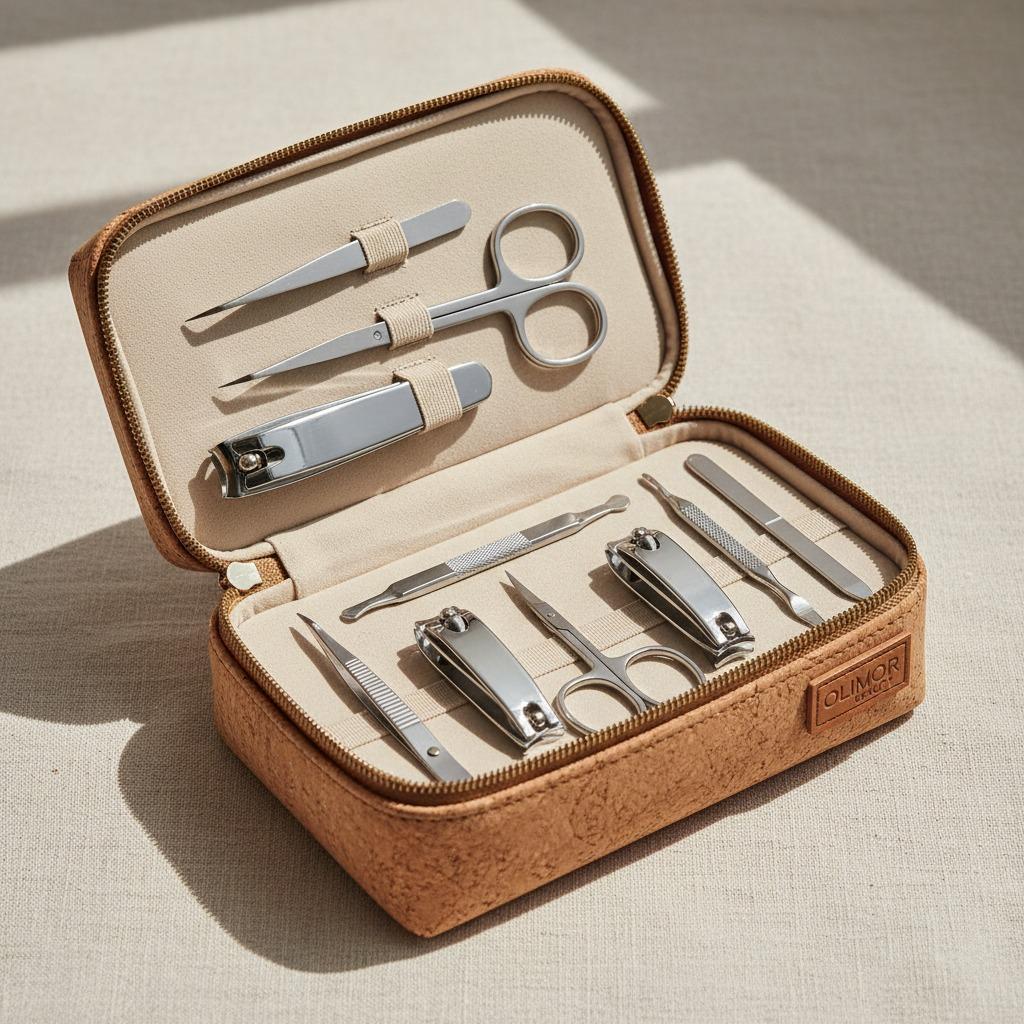
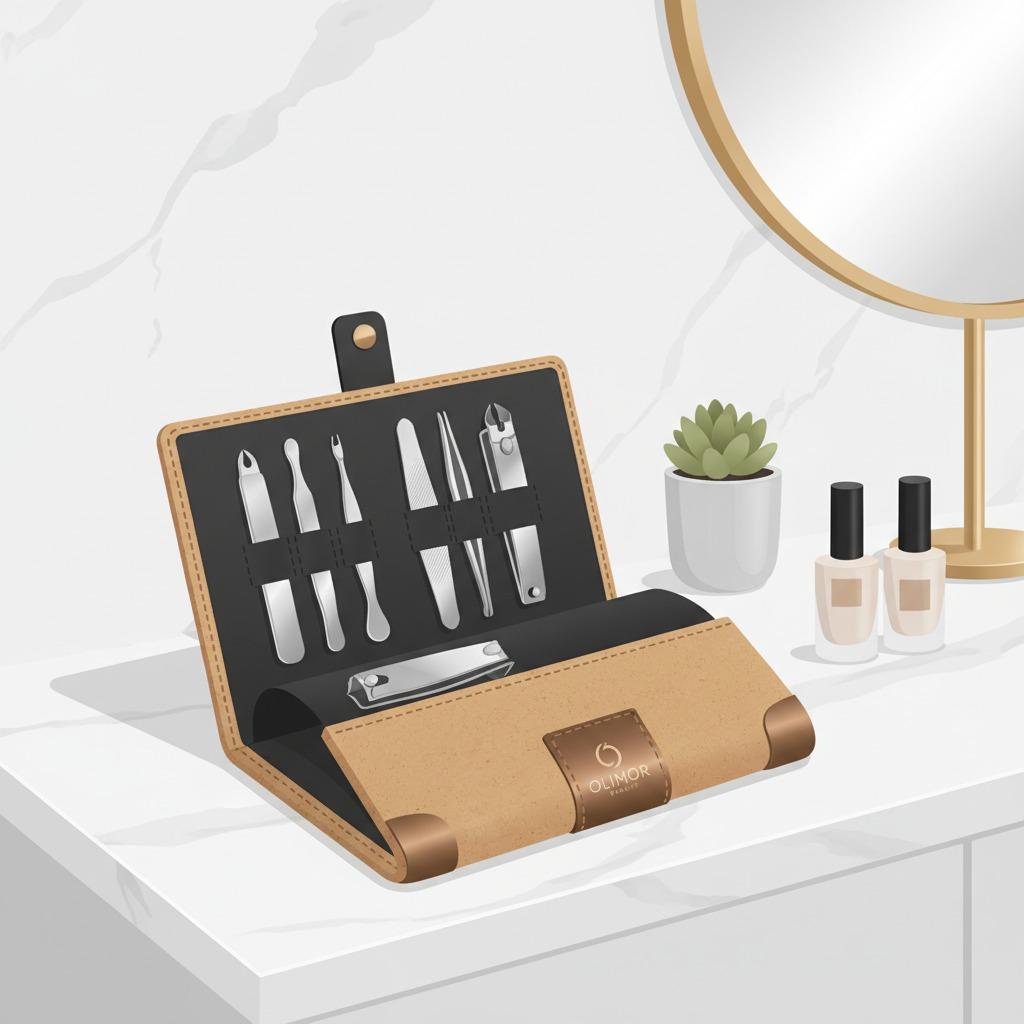
Merchandising works best when the product is paired with concise education. Packaging can show the basic scraping motion, cleaning steps and personal-use warning. Online listings should answer common questions about material, use, cleaning, storage and suitability for daily routines. For kits, the scraper can be paired with other personal care tools where the theme is hygiene, grooming or daily refreshment.
For buyers, the strongest product position is practical and restrained. The scraper does not need dramatic claims. Its value comes from being reusable, simple to maintain and easy to incorporate into a complete oral care routine. For support choosing a stainless steel tongue scraper direction for your assortment, contact Olimor to discuss product and packaging needs.
Buyer Checklist Before Placing an Order
| Checkpoint | What to Confirm |
|---|---|
| User comfort | Smooth edge, balanced grip, comfortable curve and controlled pressure |
| Cleaning practicality | Easy rinsing, no difficult-to-clean crevices, clear care instructions |
| Retail presentation | Packaging protects the tool and explains use without overclaiming |
| Private-label fit | Artwork, instruction language, packaging format and assortment position are aligned |
| Quality review | Samples checked for burrs, deformation, surface consistency and edge feel |
| Documentation | Supplier documents and destination-market requirements verified before purchase |
FAQ for Retail and Private-Label Buyers
Can buyers request samples before ordering?
Sample availability should be confirmed with the supplier based on the selected design, packaging needs and current stock or production status. Samples are useful for checking edge comfort, finish, grip and retail presentation before larger commitments.
Is there a fixed MOQ for tongue scrapers?
MOQ depends on the product option, customization level, packaging format and production arrangement. Buyers should share the intended sales channel and branding requirements so the supplier can provide the applicable order conditions.
Can a stainless steel tongue scraper be customized?
Customization may include packaging, presentation format, instruction content or branding, depending on the project. Any claim language should be reviewed carefully for the destination market and supported by appropriate documentation where required.
How should quality be checked before shipment?
Quality checks should include visual finish, edge smoothness, handle comfort, deformation, packaging condition and instruction accuracy. For oral-contact products, buyers should also verify that supplier documents match the actual product being shipped.
What affects lead time?
Lead time can be affected by sample approval, order quantity, packaging development, customization, inspection requirements and shipping method. Confirm timing with the supplier after the final product and packaging details are agreed.