










Eyelash tools sit close to one of the most sensitive areas on the face, so cleanliness is not a minor detail. A curler, comb, or grooming tool can hold oil, makeup residue, adhesive traces, dead skin cells, and moisture even when it looks clean. Those residues can transfer back to the lash line on the next use and make the tool feel rough, sticky, or unpredictable.
For personal users, the result is usually discomfort and poor performance. For salons, retailers, makeup artists, and private-label buyers, the issue is broader: a difficult-to-clean tool can create hygiene concerns, customer complaints, and faster wear. This guide explains why eyelash tools get dirty, how to clean them correctly, what to inspect before each use, and how to compare products that are easier to maintain over time.
Why Eyelash Tools Get Dirty So Fast
Lash-area tools pick up residue quickly because they are used where skincare, sunscreen, eye cream, eyeliner, mascara, and natural skin oils often meet. Even a curler used before mascara may contact oil or skincare film already on the lashes. A tool used after mascara can collect waxes and pigment on the pad, hinge, or teeth.
That buildup is more than a cosmetic issue. Sticky residue can reduce grip, make pressure less predictable, and leave the tool feeling uneven across the lash line. On an eyelash curler, old mascara can harden on the cushion and create a firmer contact point than intended. On a lash comb or reusable applicator, residue can collect between teeth, around slots, or in small seams where it is harder to remove.
Shared tools need extra attention. In professional settings, one tool may be used on multiple clients unless sanitation is handled carefully. In retail demos, testers may pass through many hands. For that reason, easy cleaning and clear handling instructions matter as much as appearance when you compare eyelash tool options.
What Dirty Tools Can Do to the Eye Area
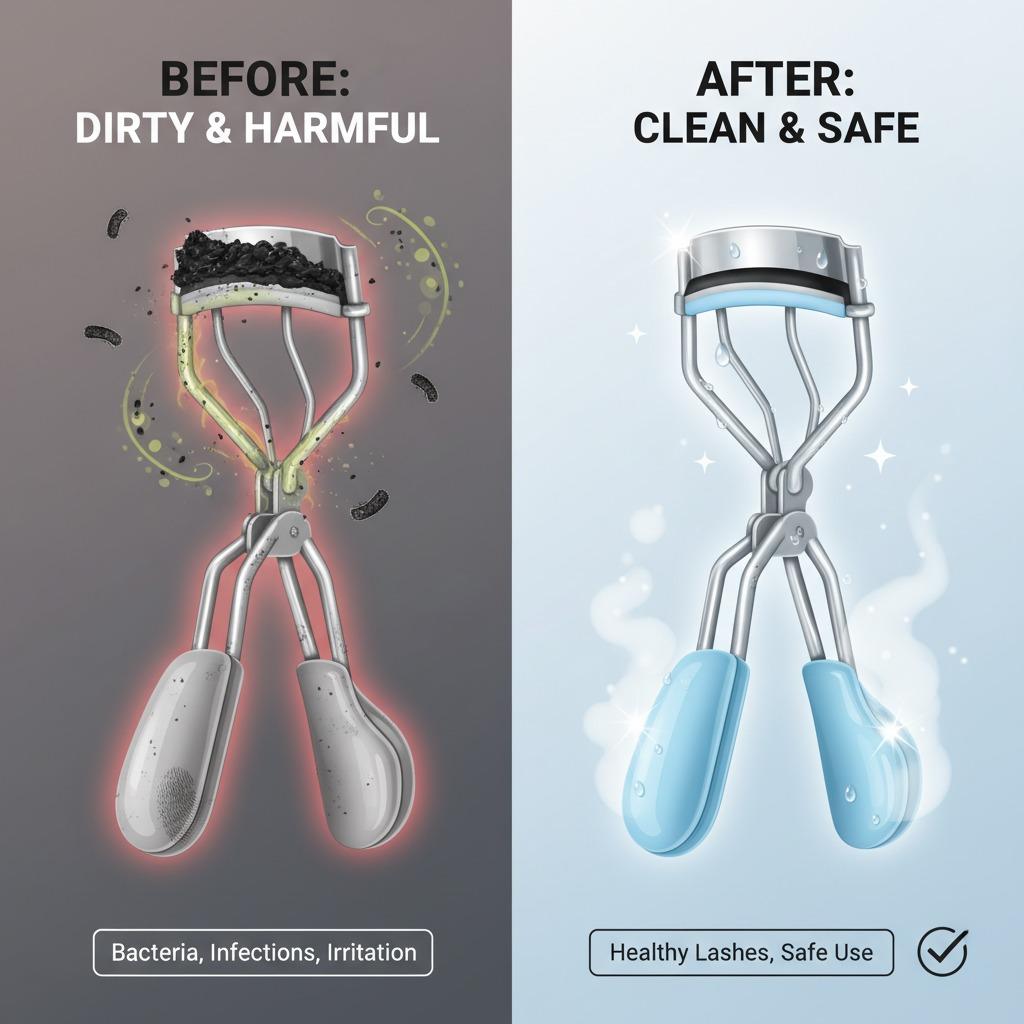
Dirty eyelash tools do not automatically cause infection, but they increase the chance of transferring unwanted material to the lid margin and lashes. The eye area is delicate, and irritation can come from bacteria, allergens, old cosmetic ingredients, friction, or a damaged tool surface.
Common problems linked to poor hygiene include redness, itching, watery eyes, swelling along the lash line, and discomfort when blinking. Some users may also experience styes or conjunctivitis. A dirty curler can contribute to lash breakage if residue creates a rough contact point or if the cushion pad is worn, cracked, or misaligned.
Users with sensitive eyes, contact lenses, or long-wear eye makeup routines should be especially careful. These routines place more product on the lash area, which means more residue can transfer onto the tool and back to the eye if cleaning is skipped. If you sell to these users, clear care instructions should be part of the product experience rather than an afterthought.
Which Eyelash Tools Are Easier to Keep Clean
Not every lash tool presents the same cleaning challenge. The best choice depends on where residue collects and how easily the tool can be wiped, washed, or inspected. When buyers compare products, it helps to think about cleanability before styling features.
| Tool type | Where residue collects | Cleaner design signs | Buyer focus |
|---|---|---|---|
| Eyelash curler | Pad, hinge, clamp edge, frame corners | Smooth frame, secure pad fit, accessible contact points | Check for stable movement and replaceable cushion parts |
| Lash comb | Teeth, base of the comb, handle seams | Simple shape, easy-to-wipe surface, no deep crevices | Look for teeth that are easy to inspect after use |
| Reusable applicator | Tip, slots, small grooves, joint areas | Washable materials, minimal texture, clear drying path | Confirm how the head or tip should be cleaned |
| Shared demo tool | Every contact point during handling | Packaging and handling guidance that support sanitation | Plan for single-user or controlled cleaning workflows |
In general, the simpler the geometry, the easier the cleaning. Decorative parts, deep seams, and textured surfaces may look attractive, but they can trap product and slow down maintenance. That does not make them unusable; it means the buyer should balance appearance with sanitation and daily practicality.
How to Clean an Eyelash Curler and Similar Lash Tools
A practical cleaning routine does not need to be complicated. The goal is to remove visible residue, reduce buildup, and let the tool dry fully before storage. Always follow the care instructions supplied with the specific product, especially if the tool includes a replaceable pad, coating, or mixed materials.
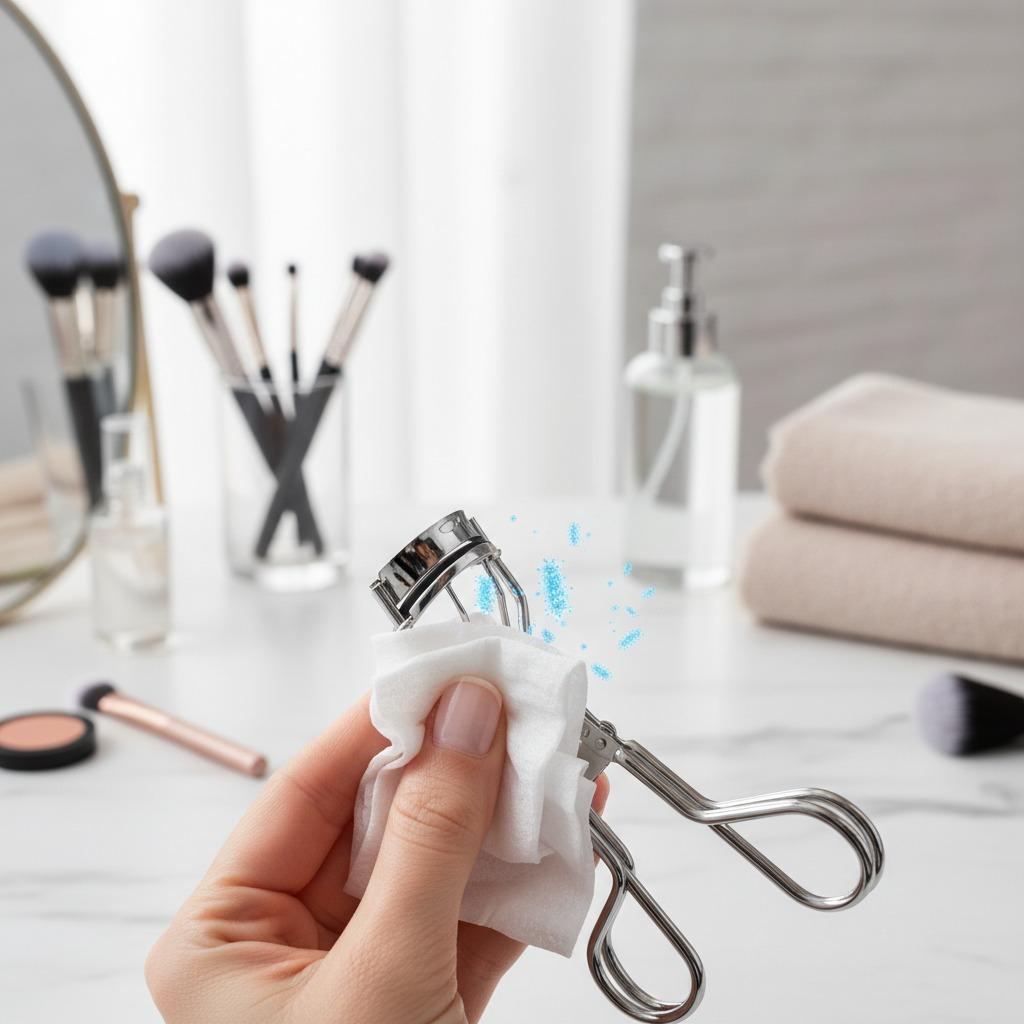
- Wipe immediately after use. Fresh mascara, oil, or powder is easier to remove than dried buildup. A clean tissue or soft cloth is usually enough for the first pass.
- Focus on contact points. Clean the curler pad, clamp edge, teeth, comb base, or any part that touches lashes or skin. These are the areas most likely to hold residue.
- Use a suitable cleanser. Mild soap and water may work for many washable parts. Some users prefer a cosmetic tool cleaner on a cloth. Avoid soaking parts that are not intended for immersion.
- Dry completely. Moisture left in seams, hinges, or pads can make buildup worse. Use a lint-free cloth and let the tool air-dry in a clean place before storing it.
- Inspect before the next use. Look for cracked pads, rough edges, loose hinges, rust, or residue that does not come off with normal cleaning.
- Replace worn parts or the full tool. If the pad no longer springs back, has deep grooves, or starts to split, it should not stay in service near the eye.
For professional users, cleaning should be part of a simple sanitation routine. That may include clean and used storage areas, labeled tool sets, and a habit of cleaning between clients. If you source tools for a salon or retail program, ask how the product should be cleaned and whether replacement parts are available through the same beauty tool collection.
What to Inspect Before Every Use
Many eye-area problems can be avoided by checking the tool for wear before it touches the lashes. A quick inspection takes little time and helps catch issues that cleaning alone cannot solve.
- Pad condition: Check for grooves, cracks, flattening, or movement inside the frame.
- Hinge stability: Open and close the tool to see whether movement is smooth and even.
- Contact surfaces: Feel for burrs, sharp points, rough plating, or uneven edges.
- Rust or discoloration: Any sign of corrosion should be treated as a warning.
- Residual buildup: If product remains in seams, the tool may need deeper cleaning or replacement.
- Fit and alignment: Misalignment can cause pinching, uneven curling, or lash crimping.
If a tool pinches, pulls, or feels inconsistent, do not try to compensate by pressing harder. Uneven pressure can increase discomfort and may break lashes. A better-designed tool will feel controlled and predictable without extra effort.
How to Choose Safer Tools When Buying for Retail or Professional Use
Safer buying is not only about how a tool looks in a package. Buyers should consider how easy the product will be to clean, how long it is likely to stay usable, and how clearly the supplier supports the end user with care information.
- Smooth finishing: Surfaces that touch the face should feel even and free from sharp edges.
- Simple construction: Fewer hidden cavities usually means easier cleaning and inspection.
- Stable movement: Hinges and moving parts should open and close consistently.
- Replaceable wear parts: If the design uses a cushion or pad, check how replacement works.
- Comfortable handling: A secure grip helps users control pressure more evenly.
- Clear care guidance: User instructions should explain cleaning, drying, and storage in plain language.
- Packaging compatibility: If you plan to add inserts or retail copy, confirm that care instructions can be included cleanly.
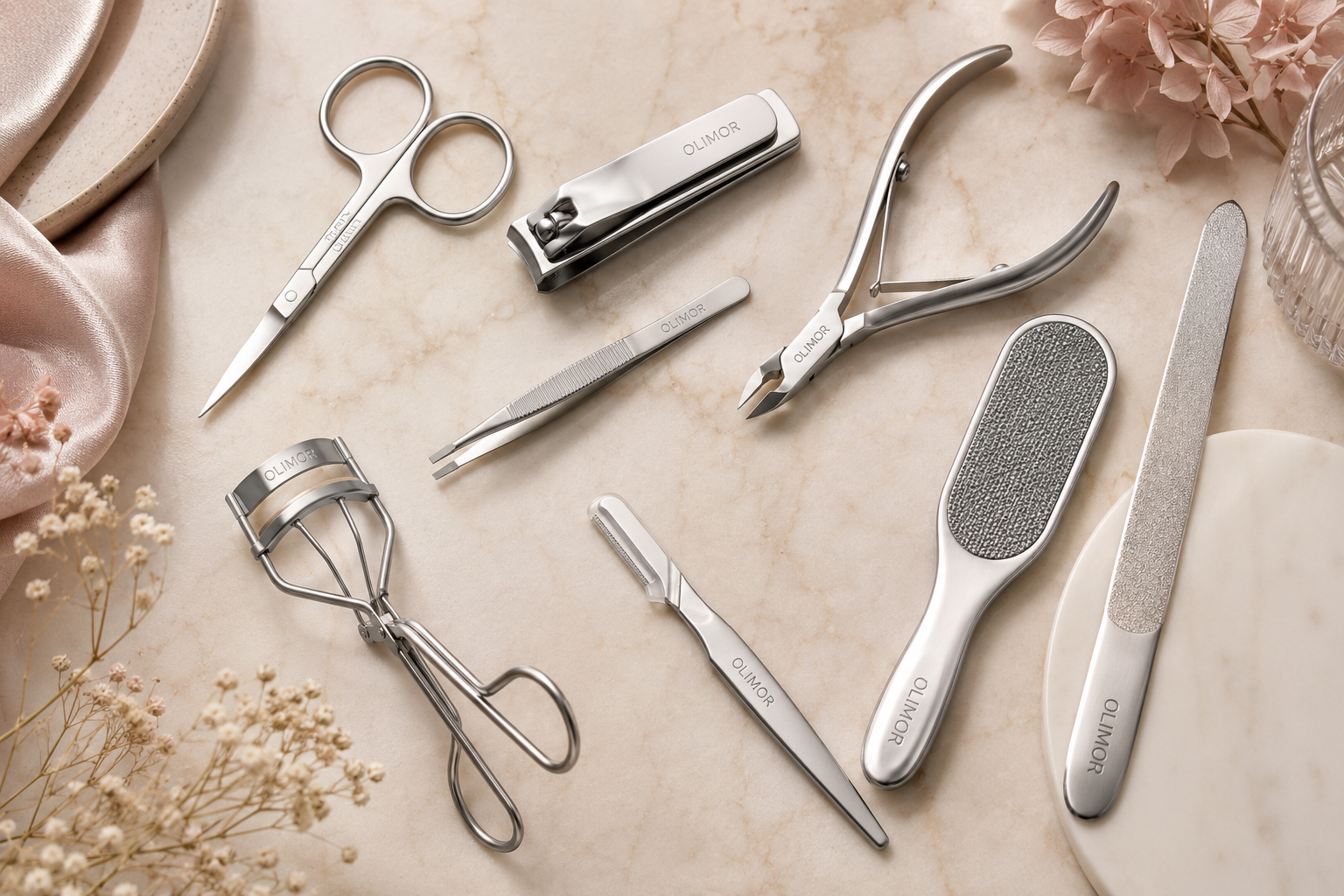
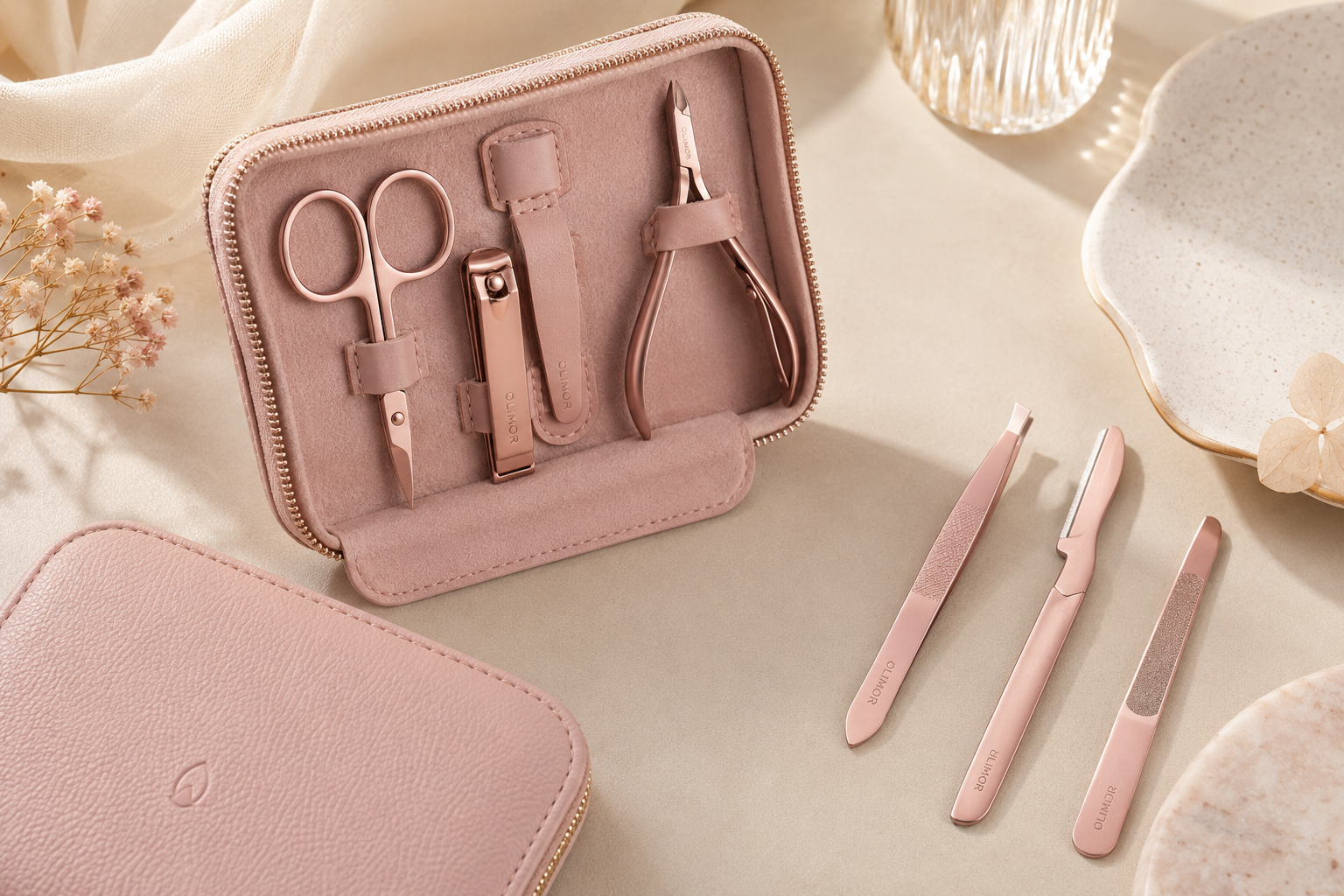
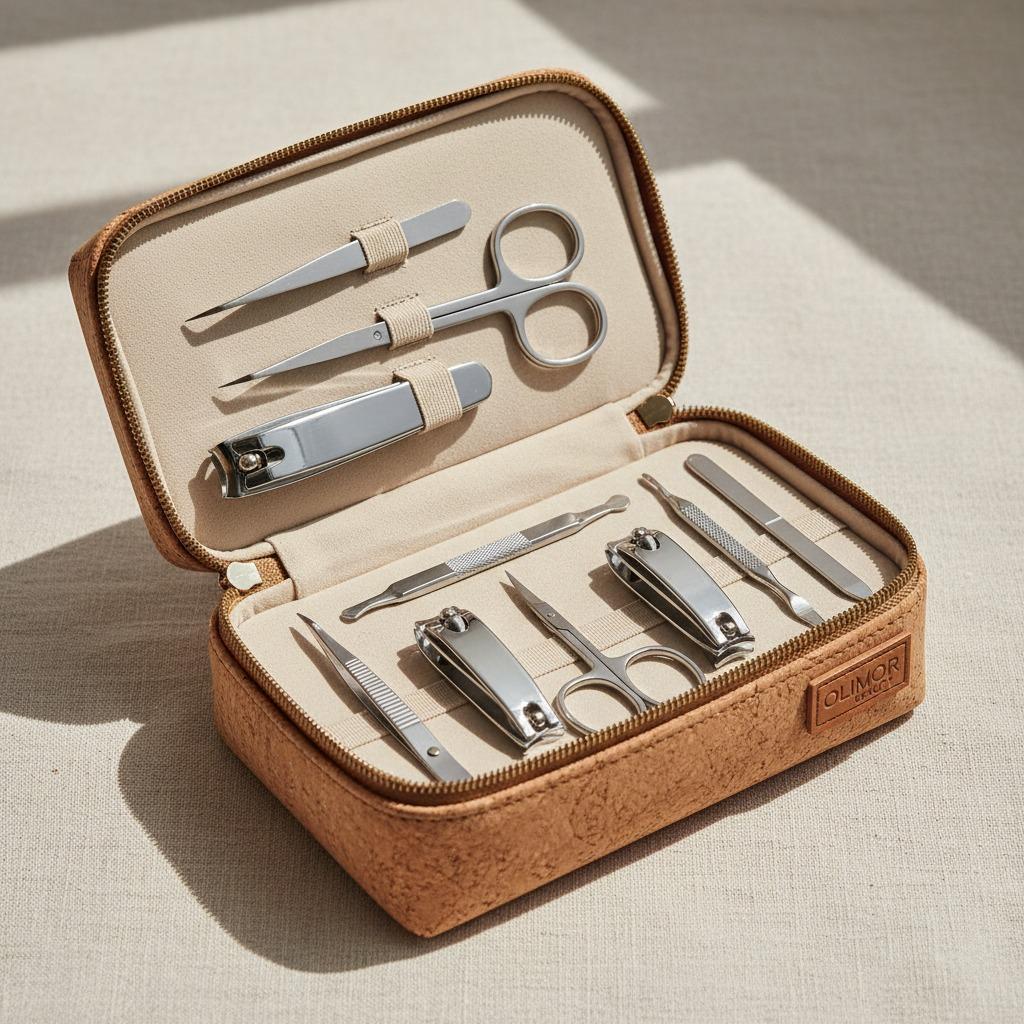
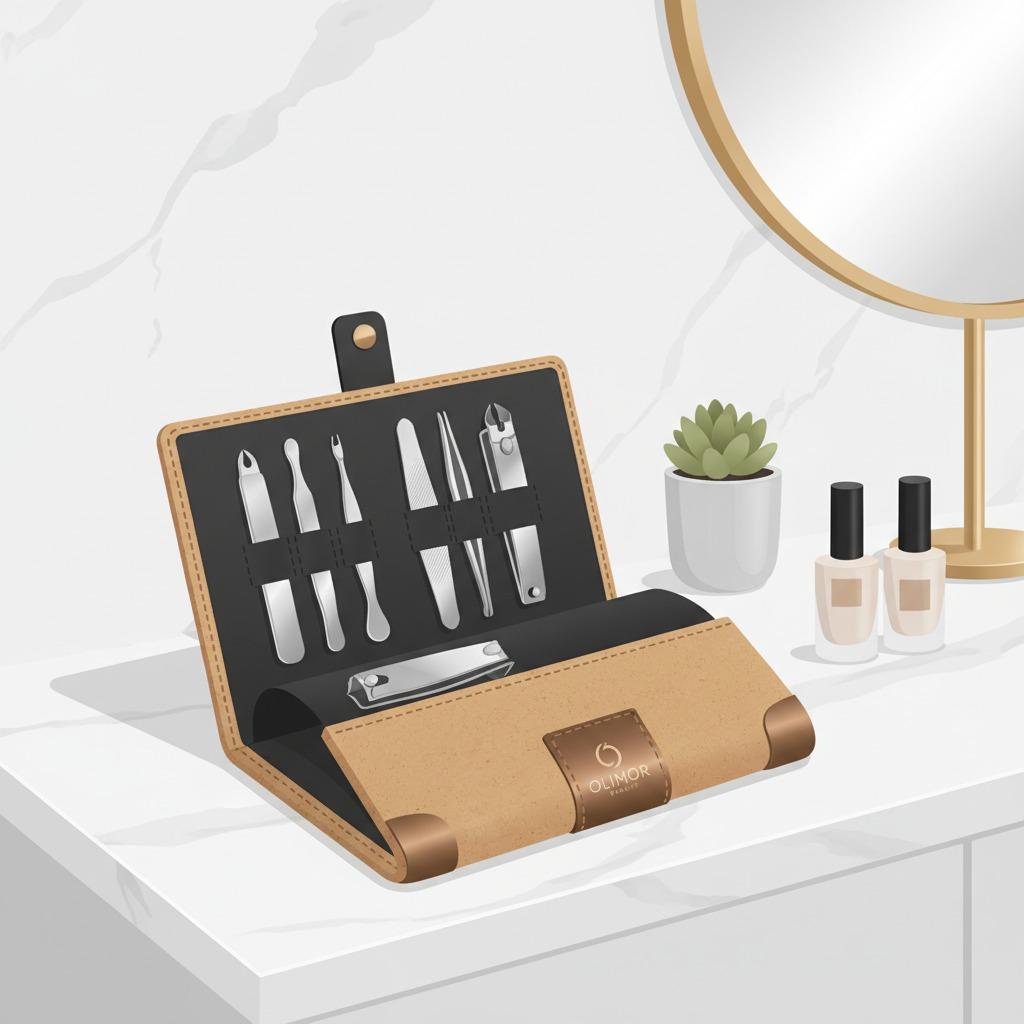
Olimor Beauty focuses on practical beauty tools, including eyelash curlers and related grooming items designed with daily use in mind. Buyers comparing styles can review the broader product range to match a tool with retail, salon, or promotional goals.
B2B Sourcing Questions That Matter More Than Price
When sourcing eyelash tools for a store, salon, or private-label line, the lowest upfront cost is not always the best value. A design that is hard to clean, wears out quickly, or confuses the end user can create higher replacement and support costs later. It is better to compare total usability than to focus only on unit cost.
Useful sourcing questions include: Is the tool easy to wipe down? Does the finish stay smooth after repeated handling? Are replacement pads or accessories available? Can care instructions be customized for the target market? Is the packaging suitable for retail display and hygienic storage? These questions help buyers evaluate the full experience, not just the product silhouette.
Custom projects also benefit from early communication. Share the intended channel, whether the tools will be sold individually or in kits, and whether they must support retail display, salon backbar use, or gifting. You can send an inquiry with project details, or contact the team to discuss product options and packaging needs.
If your market has product compliance expectations, verify the current rules that apply to your channel. For example, if a lash tool is sold alongside cosmetics or with care claims, review current guidance from the U.S. Food and Drug Administration and any local public health authority relevant to your market. Always confirm the latest supplier documents and do not rely on outdated paperwork.
Storage and Maintenance Habits That Reduce Buildup
Cleaning matters, but storage habits matter too. A wiped tool can still pick up dust, powder, or residue if it is tossed into a cluttered makeup bag or stored while damp. The goal is to keep clean tools separate from used items and away from wet cosmetics.
For personal use, a clean pouch or dedicated compartment is often enough. For professional use, separate clean and used storage areas help reduce accidental cross-use. Tools should not be stored while damp, especially inside closed bags, because trapped moisture can make residue harder to manage and may leave the tool feeling less fresh at the next use.
Shared tools should be used with extra caution. Even when a tool appears clean, eye-area products can transfer between users. In settings where a tool is demonstrated or tested by different people, cleaning between users is the safer practice.
When It Is Time to Replace an Eyelash Tool
Some tools should be replaced rather than cleaned again. Stop using an eyelash curler or lash tool if you notice rust, cracked pads, loose parts, rough contact edges, or residue that remains after proper cleaning. A tool that continues to pinch, pull, or curl unevenly should also be inspected carefully.
Replacement is not only about safety. It also protects the customer experience. A well-maintained tool should feel clean, controlled, and comfortable. If a product can no longer offer that experience, it is no longer a good candidate for the eye area.
For brands and buyers, it helps to treat maintenance as part of the product story. A tool that is easy to clean, easy to inspect, and easy to explain will generally create fewer support issues and better repeat satisfaction than one that relies on attractive styling alone.
FAQ
Can I request samples before placing a larger order?
Yes. If you are buying for retail, salon, or private-label use, ask whether samples can be reviewed first so you can check finish, cleaning access, and feel before making a broader commitment.
Is there a minimum order quantity?
Minimum order expectations vary by product and customization level. The best approach is to ask the supplier early so you can match the project to your channel, budget, and packaging plan.
What kinds of customization are usually useful?
Common customization discussions include packaging, branding, color direction, and care instructions. For eyelash tools, it is also useful to ask whether the design can support your preferred cleaning and retail presentation.
How should I evaluate quality before purchase?
Check surface finish, hinge stability, pad fit, residue-prone seams, and whether the tool can be cleaned and dried without difficulty. If possible, review samples in the same handling conditions your customers will use.
What affects lead time for a sourced beauty tool?
Lead time often depends on customization, packaging requirements, order complexity, and the supplier's production schedule. Confirm timing directly and ask for written project details before you finalize the order.
Dirty eyelash tools are a hygiene concern, but they are also a design and sourcing issue. Tools that are smooth, stable, easy to wipe, and simple to store are easier for end users to keep in good condition. That helps reduce discomfort, supports better retail presentation, and makes professional sanitation routines more practical.