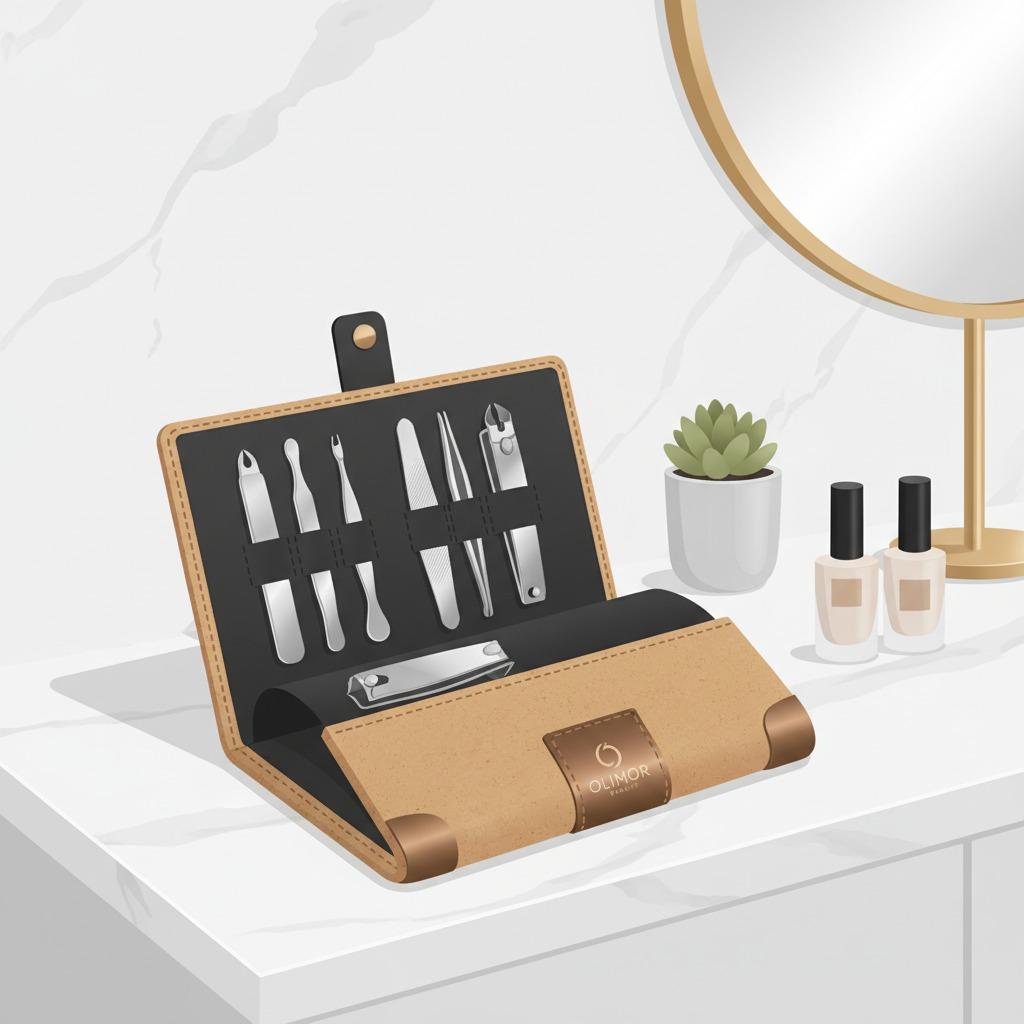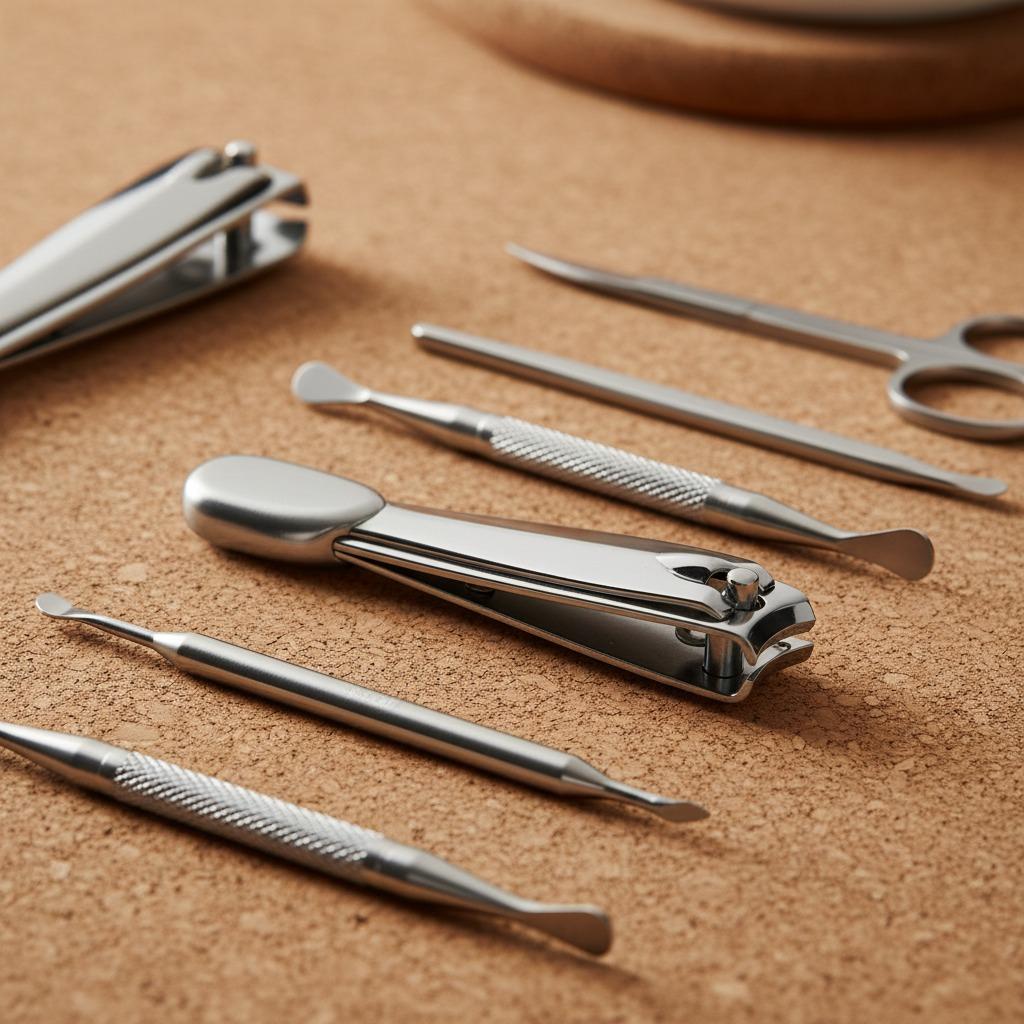











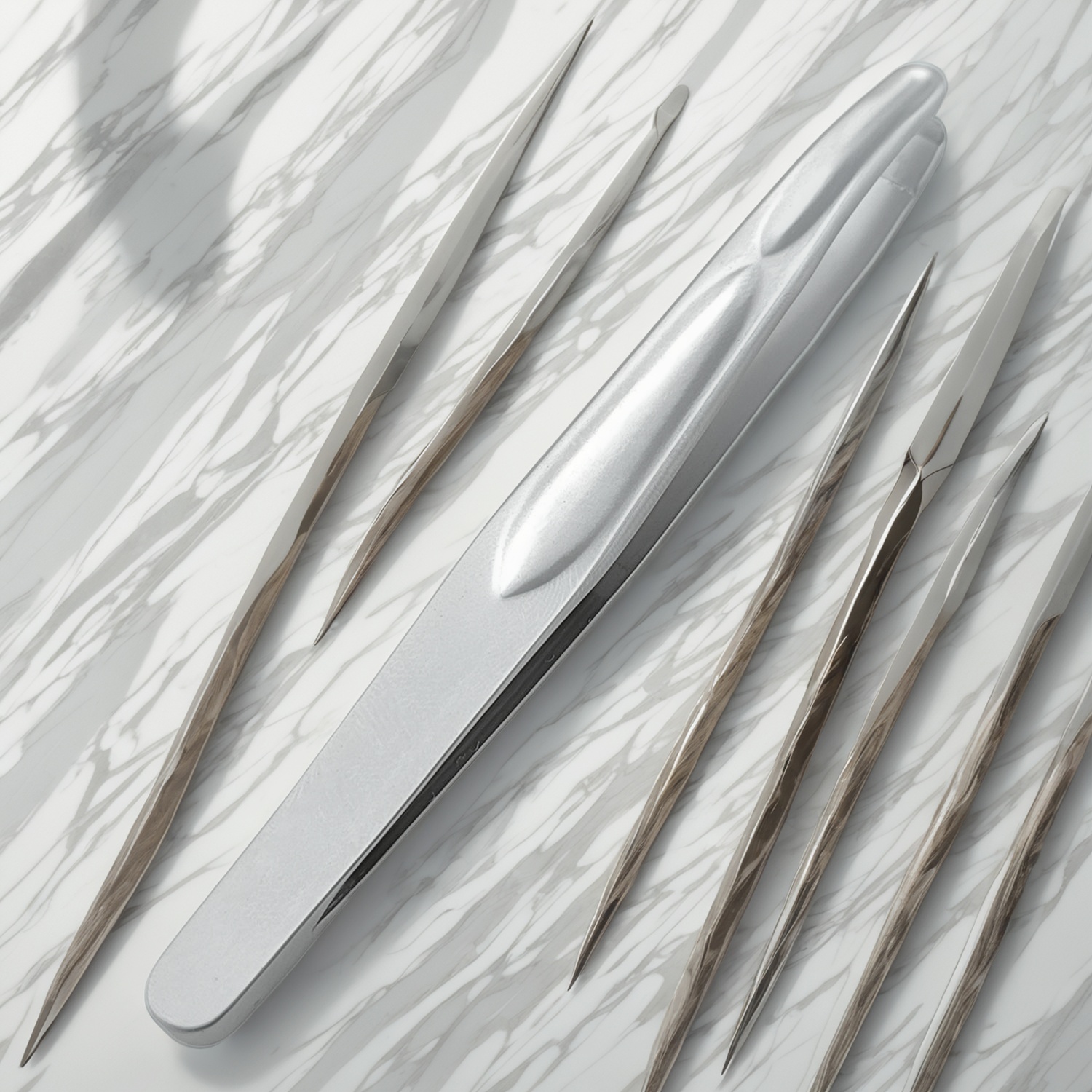
Tweezers look simple, but they are one of the beauty tools where small details decide whether the user has a smooth, precise experience or a frustrating one. For salons, brow studios, beauty retailers, spas, and private label brands, buying tweezers wholesale is not only about unit cost. It is about consistency: every pair should grip cleanly, feel controlled in the hand, sanitize easily, and support the quality standards your customers associate with your business.
This guide explains how to evaluate wholesale tweezers with a buyer’s mindset. It covers material, tip quality, ergonomics, customization, packaging, sustainability considerations, and supplier communication. Whether you are adding tweezers to a professional treatment room, retail display, gift kit, or private label grooming line, the goal is the same: source tools that work reliably and make sense for your market.
Start with the Use Case: Salon Tool, Retail Item, or Private Label Product
Before comparing samples, define how the tweezers will be used. A salon technician using a tweezer many times per day may prioritize control, comfort, and sanitation. A retail buyer may care more about packaging, clear product positioning, and a style that matches the rest of the display. A private label brand may need consistent finishing and logo placement so the product feels cohesive with the wider range.
Common wholesale tweezer applications include brow shaping, facial hair removal, lash work support, personal grooming kits, manicure and pedicure accessories, travel kits, and promotional beauty sets. One product can serve several of these purposes, but the buying criteria may change. For example, a tweezer intended for professional brow services should be judged more strictly on tip alignment and grip performance than a general grooming item placed in a low-cost kit.
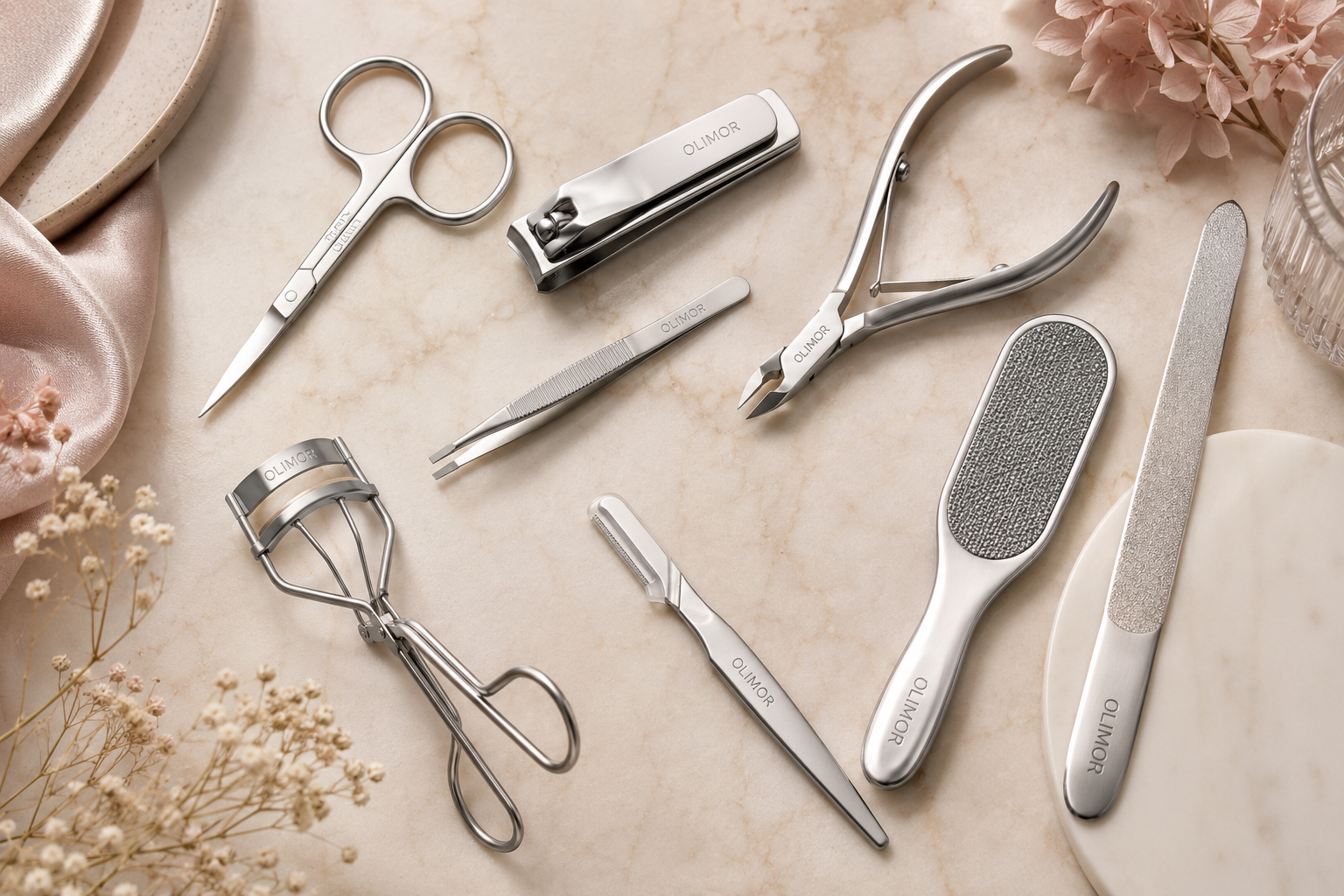
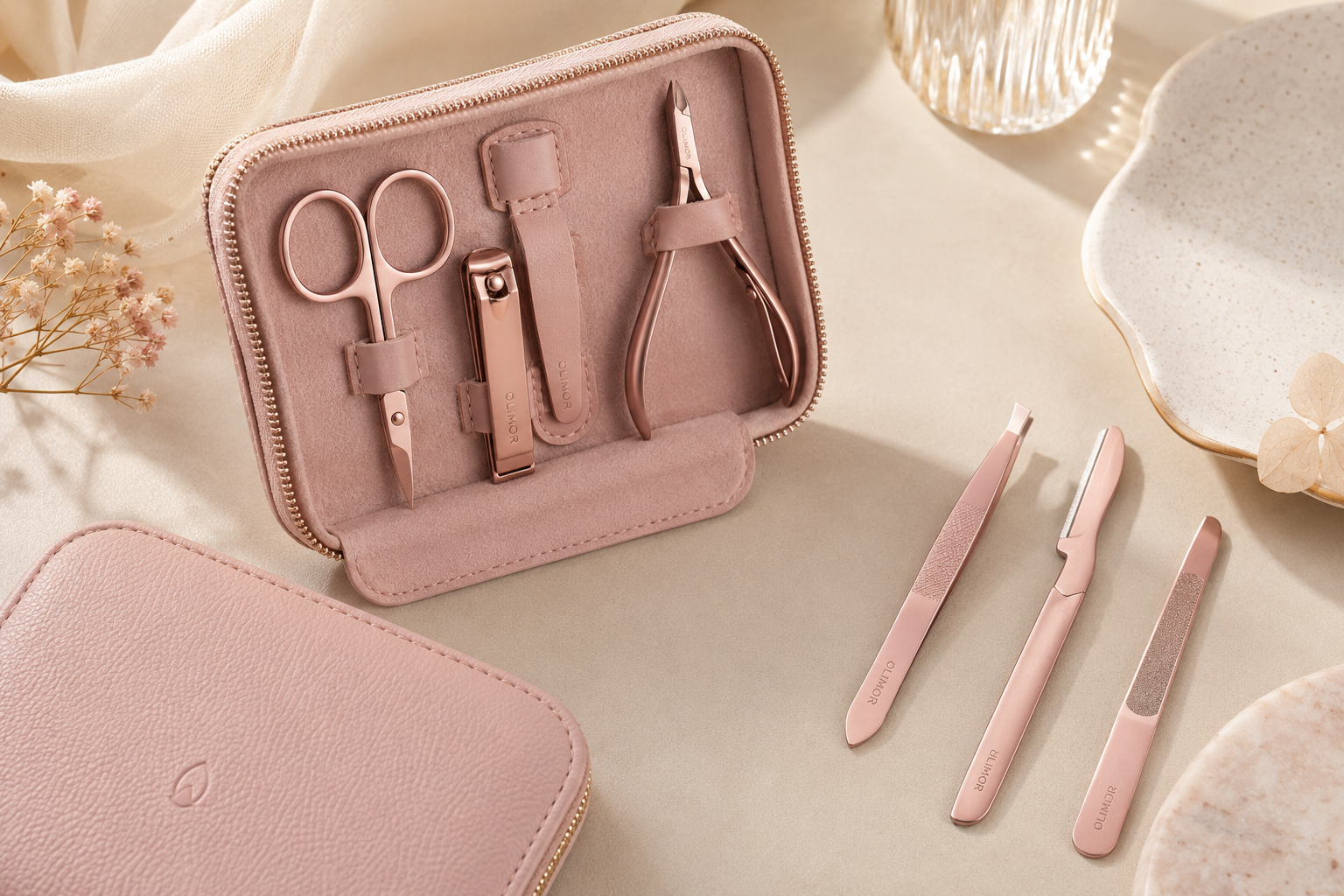
If you are developing a broader assortment, compare tweezers alongside other beauty tool products so the shape, finish, and packaging language feel consistent. A well-planned range is easier to present to salons, distributors, and retail customers than a group of unrelated tools.
Material and Finish: Why Stainless Steel Matters
The original quality standard to look for in professional grooming tweezers is stainless steel. Stainless steel is valued because it is durable, resistant to rust, and easy to sanitize when used according to appropriate hygiene procedures. For beauty businesses, this matters because tools are handled frequently and may be exposed to moisture, skin oils, disinfecting steps, and regular cleaning.
When reviewing a wholesale sample, do not judge the material only by appearance. A shiny surface can look attractive but still hide weak finishing, uneven edges, or poor tension. Run a careful visual and handling check. The tweezer arms should be smooth, the edges should not feel sharp where the fingers rest, and the finish should look even across the body and tips.
Matte, polished, colored, or coated finishes can all be suitable depending on the product concept, but the functional areas of the tool still need special attention. Coatings should not interfere with the tips closing accurately. Decorative choices should support the product, not compensate for weak performance.
Tip Alignment Is the Core Quality Test
The most important performance feature in tweezers is precision-aligned tips. If the tips do not meet evenly, the tool may slide off fine hairs, pinch skin, or require repeated attempts. This creates a poor user experience and can damage confidence in your brand. For wholesale orders, the concern is not only whether one sample works well, but whether the supplier can maintain that performance across production.
Test samples with practical movements. Open and close the tweezer several times to feel the tension. The arms should offer enough resistance for control, but not so much that the hand tires quickly. Then check whether the tips meet cleanly from edge to edge. A tiny gap or uneven contact may become a major issue in daily use.
Use this checklist when assessing samples:
- Tip contact: The tips should close evenly without crossing or leaving a visible gap.
- Grip performance: The tweezer should catch fine hairs or small fibers with minimal slipping.
- Arm tension: Pressure should feel controlled and consistent, not loose or overly stiff.
- Edge comfort: Finger contact areas should be smooth enough for repeated use.
- Symmetry: Both arms should appear balanced, with no obvious twisting or warping.
- Finish quality: The surface should be clean, even, and free from rough spots or burrs.
Olimor Beauty’s SleekPro Precision Tweezers are referenced for a reason: professional buyers often need a tweezer concept centered on salon-quality precision, ergonomic handling, and consistent finishing. When comparing any named or unnamed tweezer option, keep the functional tests above at the center of your decision.
Ergonomics and Grip: Small Design Choices Affect Daily Work
Ergonomic design is especially important for salons, brow bars, and professionals who use tweezers repeatedly. Contoured grips can improve control and reduce the chance of slipping during detailed grooming work. The tool should sit naturally between the fingers, allowing the user to apply pressure with accuracy rather than force.
For retail products, ergonomics also influence customer perception. A tweezer that feels solid and controlled in the hand communicates quality before the first use. However, heavier is not always better. Excess weight may feel premium for a moment, but a balanced tool is more practical for detailed grooming. Buyers should compare several samples side by side and ask actual users, such as brow technicians or salon staff, to provide feedback.
Pay attention to the width of the arms, the point where pressure is applied, and whether the grip surface supports control. If the tool has a smooth polished finish, it should still be easy to hold. If it has a textured or contoured grip, the texture should be comfortable rather than abrasive.
Choosing Tweezer Types for a Wholesale Range
Different tweezer tip styles serve different grooming needs. If your product page or supplier catalog does not list detailed specifications, you can still build a practical sourcing brief by describing the intended use. The table below can help buyers organize a range without overcomplicating it.
| Tweezer focus | Typical use | Buyer priority |
|---|---|---|
| Precision grooming | Brow shaping and fine hair removal | Tip alignment, grip, and controlled tension |
| General personal care | Home grooming kits and retail displays | Comfort, durability, and clear packaging |
| Salon backbar tools | Frequent professional use | Sanitation, repeat performance, and ergonomic handling |
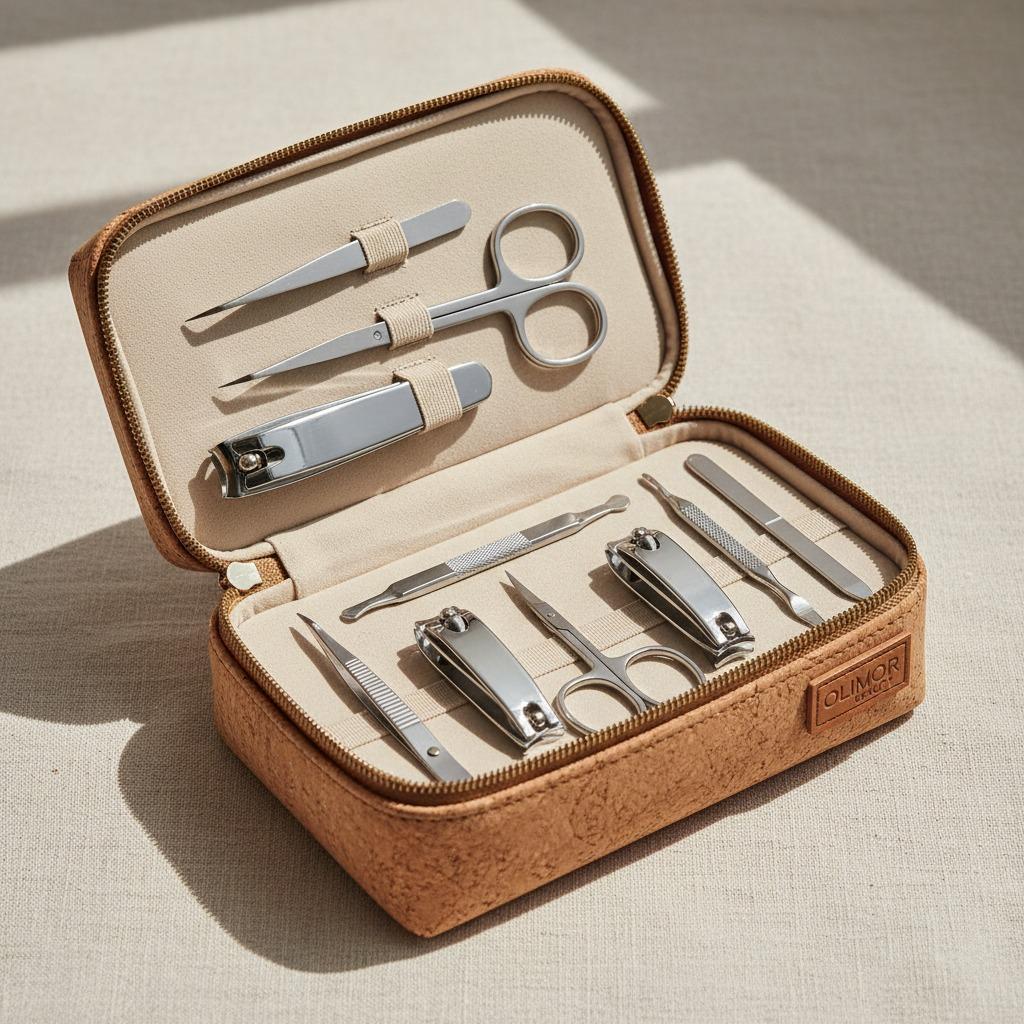
| Gift or travel sets | Compact beauty kits | Size compatibility, presentation, and protective packing |
| Private label range | Brand-owned product line | Consistent finish, logo position, and packaging match |
This type of planning helps prevent mismatched buying. A budget grooming kit may not need the same finish as a professional salon tool, while a premium brow product cannot rely on attractive packaging if the tips fail to grip accurately.
Private Label and Packaging Decisions
Private label manicure tools and grooming tools can help a beauty business build recognition, but customization should be approached carefully. A logo is only one part of a private label product. The tool’s finish, packaging structure, color direction, product naming, and instructions all shape how customers perceive quality.
When planning private label tweezers, prepare a simple specification sheet. Include intended user, finish preference, logo placement, packaging type, hygiene or care wording, and any retail requirements. If sustainability is part of your brand position, define what that means in practical terms: reduced packaging, recyclable packaging components where feasible, reusable cases, or simpler material combinations. Avoid vague claims that are hard to support.
For brands building a coordinated assortment, review Olimor’s product collections to think about how tweezers may sit next to other grooming, manicure, or beauty accessories. The strongest private label ranges usually feel intentional, not assembled at random.
Quality Assurance Questions to Clarify Before Ordering
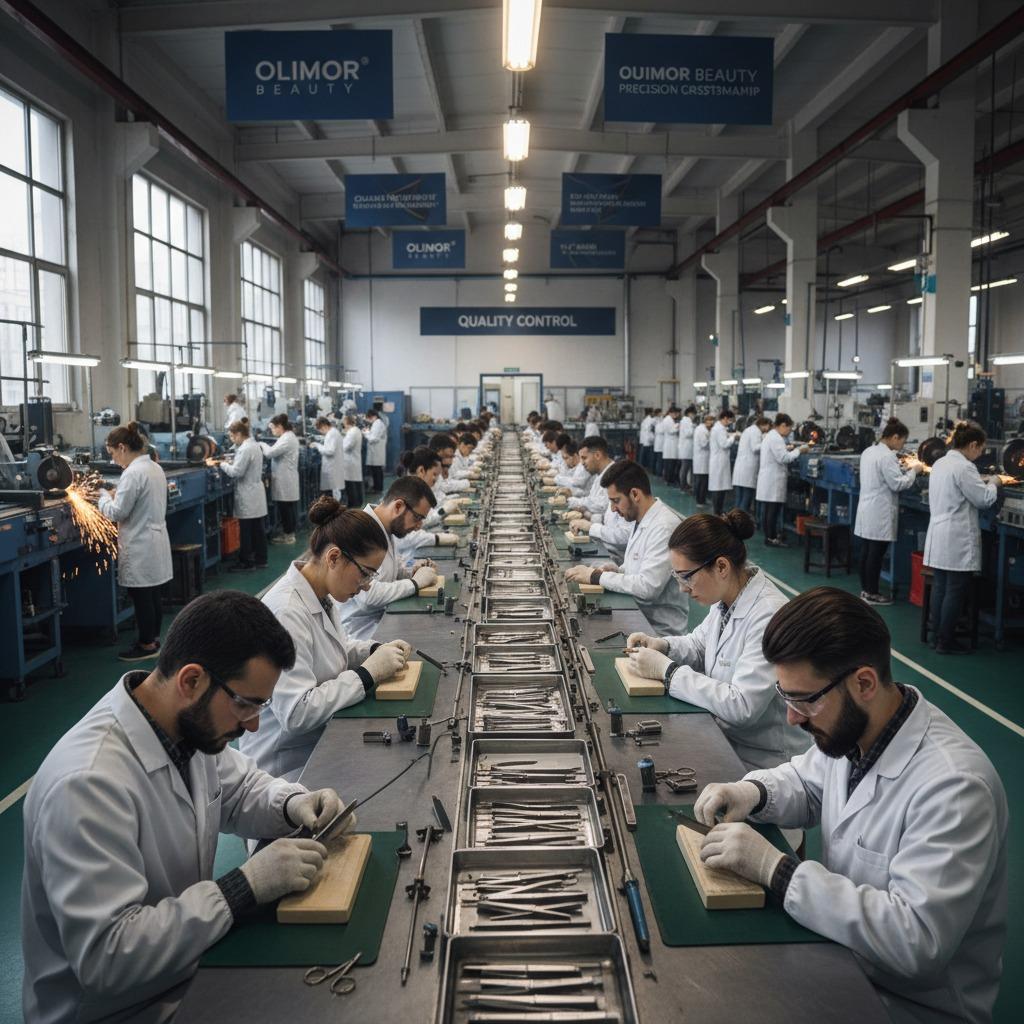
A reliable wholesale supplier should be able to discuss how product quality is managed from raw material selection through finishing and packaging. You do not need to request unnecessary technical claims, but you should clarify practical points that affect the final product.
- How are tweezer tips checked for alignment during production?
- What visual defects would cause a product to be rejected?
- How is tension consistency evaluated across a batch?
- What packaging options protect the tips during shipping and storage?
- Can logo placement be sampled before production approval?
- How should the tweezers be cleaned, stored, and handled by end users?
- What information is needed to prepare a quotation for your target product?
These questions help you compare suppliers on process and communication, not only on appearance. A good sourcing conversation should reduce uncertainty and make the production path clearer.
Care, Storage, and Retail Education
Even a well-made tweezer performs best when it is handled properly. For salons, tools should be cleaned and sanitized according to local hygiene practices and stored in a way that protects the tips. For retail customers, simple care instructions can reduce complaints and extend product life.
Useful care guidance may include wiping the tool after use, keeping the tips protected, avoiding drops onto hard surfaces, and storing the tweezer in a dry place. If the product is sold in packaging, consider including concise care language. Clear instructions are especially helpful for customers who may not understand that a precision tool can be damaged by rough storage or impact.
How to Select the Right Wholesale Tweezer Partner
The best wholesale choice balances product performance, consistent supply communication, customization capability, and realistic packaging options. Price matters, but it should be considered together with return risk, brand perception, and user satisfaction. A lower-cost tweezer that fails to grip consistently can become expensive if it causes complaints or weak repeat sales.
Olimor Beauty supports businesses looking for professional grooming and beauty tools with attention to quality, customization, and practical sourcing needs. If you are comparing tweezer options for a salon, retail program, or private label range, prepare your target use case, quantity planning, finish direction, and packaging requirements before starting the discussion. To review options or discuss a project, you can contact Olimor or send an inquiry.
Wholesale tweezers may be small, but they carry a visible part of your brand promise. When you evaluate stainless steel quality, ergonomic comfort, precision-aligned tips, packaging protection, and supplier process together, you are more likely to choose grooming tools that customers will trust and continue using.