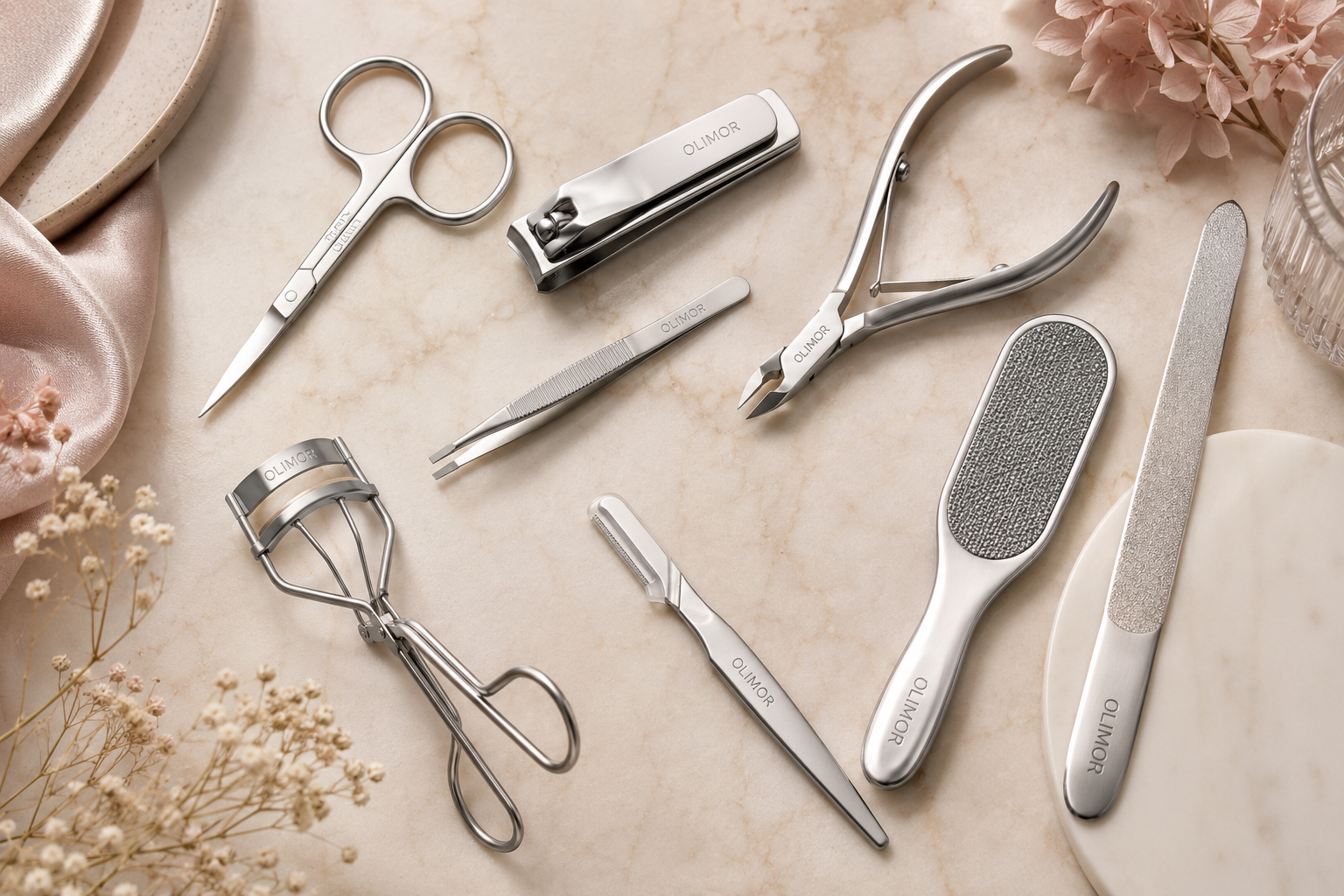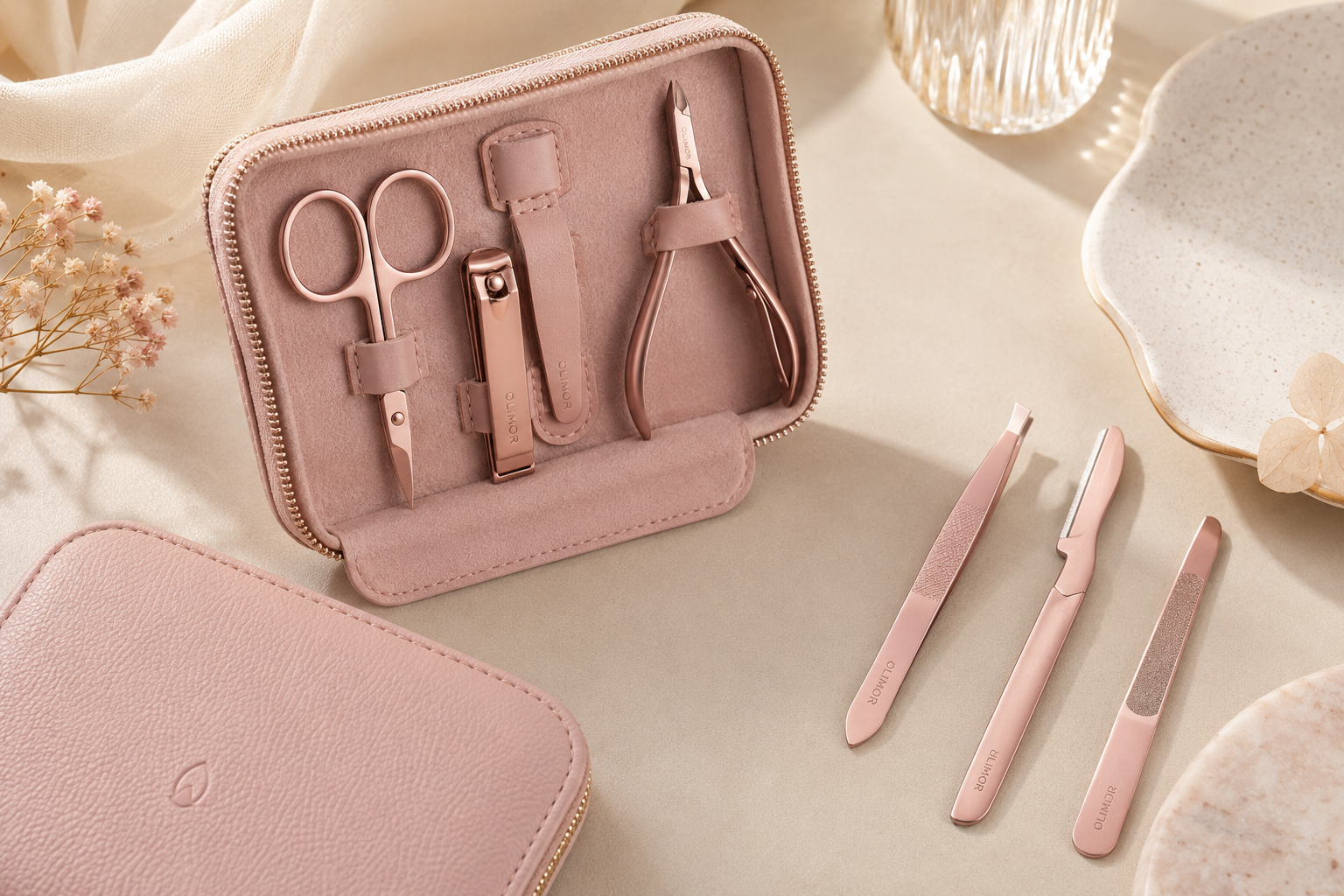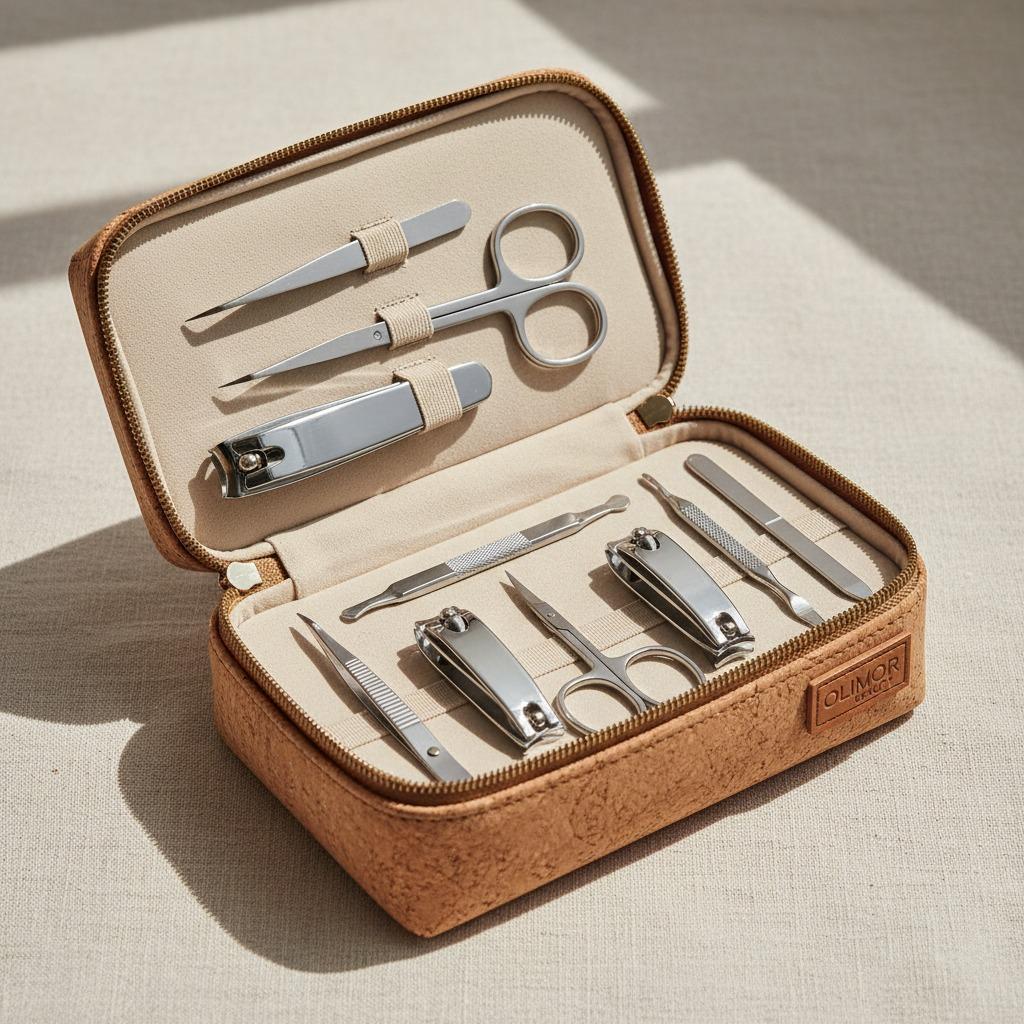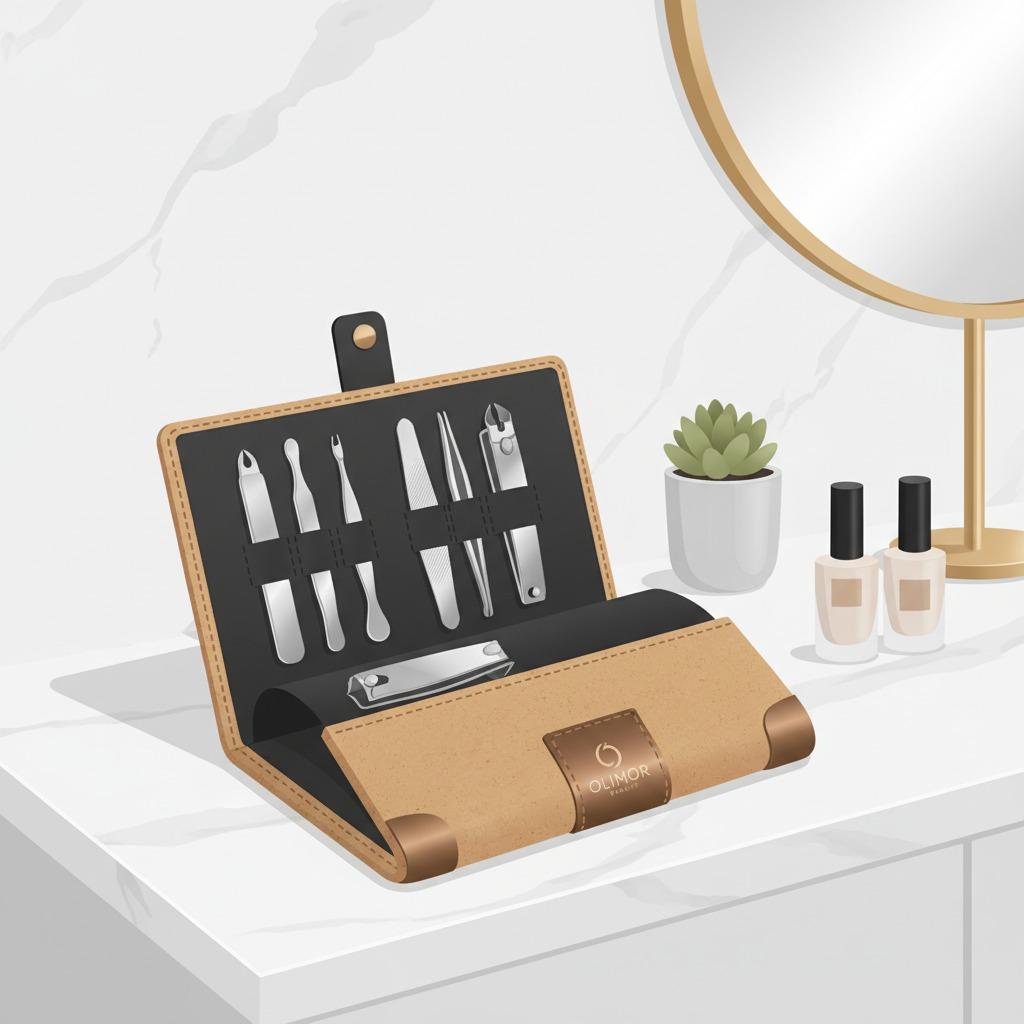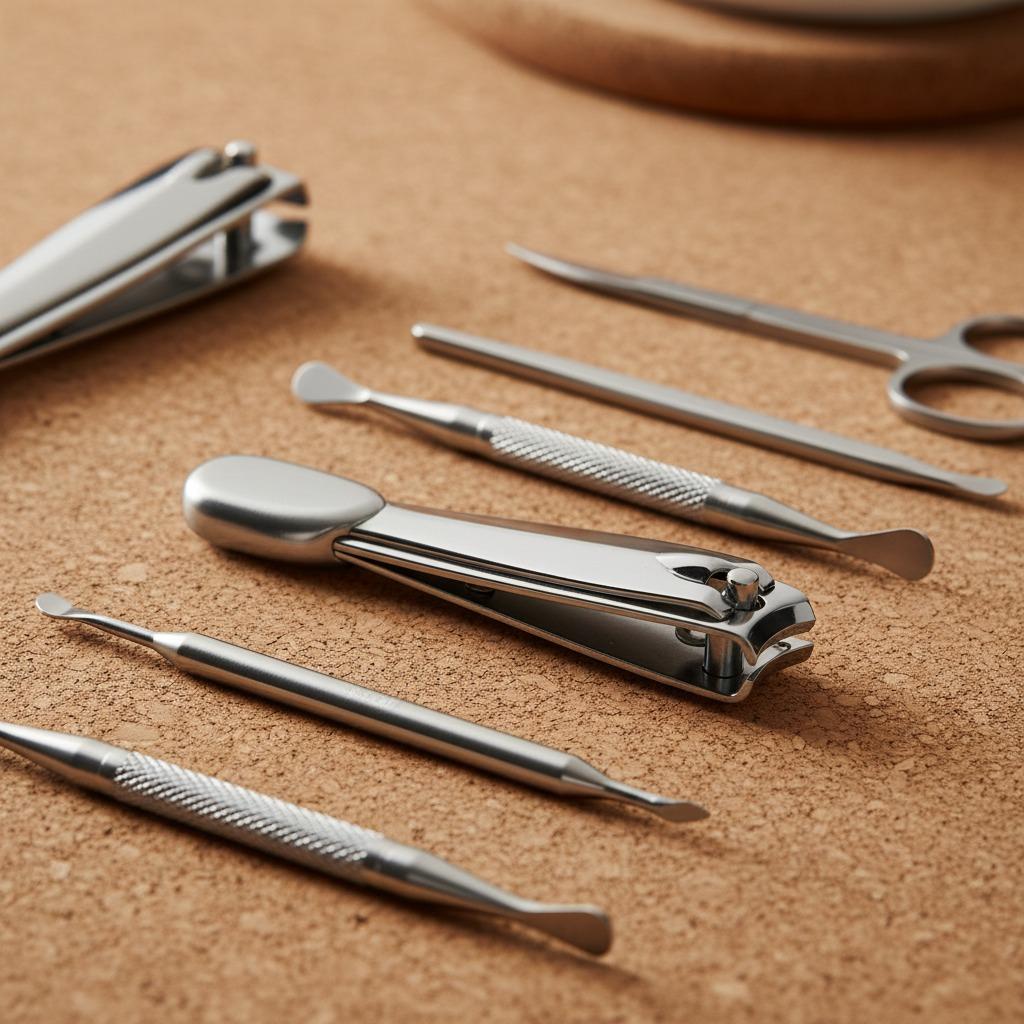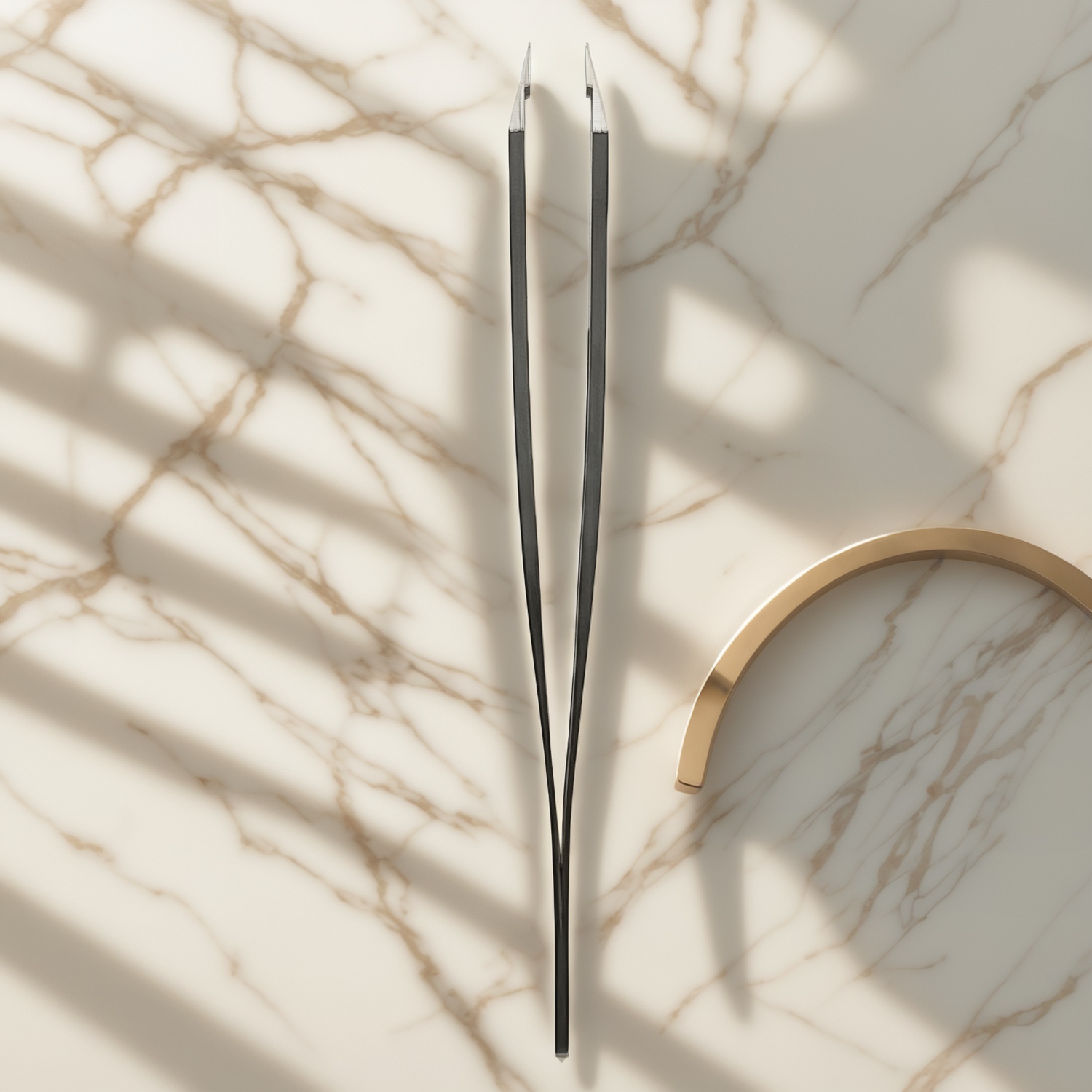
Sourcing tweezers wholesale is a practical business decision, but it is also a quality decision. For salons, beauty retailers, manicure tool distributors and private label brands, a tweezer is not a minor accessory. It is one of the tools customers handle closely, judge quickly and remember when it performs well or poorly. A tweezer that grips cleanly, closes evenly and feels comfortable in the hand can support a professional service experience. A tweezer with uneven tips, weak tension or poor finishing can create frustration and reflect badly on the brand printed on the package.
Olimor Beauty focuses on professional beauty tools, including the Ultra-Fine Polished Tweezer described for precision grooming and manicure-related assortments. When evaluating any manicure tools supplier, buyers should look beyond a catalog image and consider materials, tip alignment, inspection procedures, packaging needs and long-term brand fit. This guide explains how to assess wholesale tweezers with a buyer’s mindset so you can make better sourcing decisions for your product line.
Why Tweezers Matter in a Manicure and Beauty Tool Range
Tweezers are often grouped with manicure tools because they support detailed grooming, nail art preparation, brow maintenance and general personal care. They may be sold as a single item, included in a grooming kit or added to a broader beauty accessories range. In each case, the product has to satisfy both the end user and the business selling it.
For a salon, the priority is predictable daily performance. Tools need to feel consistent from one unit to the next, because staff members rely on repeatable control. For a retailer, the priority includes presentation, perceived value and low complaint risk. For a private label brand, the tweezer becomes part of a larger promise: the customer expects the same standard across files, scissors, clippers and other tools.
This is why wholesale buying should not be based only on unit appearance. A polished tweezer can look attractive in a product photo, but the working quality comes from tip matching, closure, tension, finishing and inspection. These details are what separate a disposable-feeling item from a professional beauty tool.
Core Quality Criteria for Wholesale Tweezers
The original product information for Olimor Beauty’s Ultra-Fine Polished Tweezer highlights durable stainless steel, meticulously aligned tips and perfect closure. Those points are useful because they describe the areas buyers should pay attention to when comparing suppliers. The following checklist can help you evaluate samples before placing a larger wholesale order.
- Material suitability: Stainless steel is widely used for beauty tools because it supports durability and clean finishing. Buyers should review whether the material choice matches the intended market and care instructions.
- Tip alignment: The two tips should meet evenly. Misalignment is one of the most common causes of poor grip and customer dissatisfaction.
- Closure quality: When the tweezer is pressed, the tips should close together cleanly without crossing, leaving gaps or requiring excessive force.
- Edge and surface finishing: Polished surfaces should feel smooth, with no sharp burrs on areas touched by the user.
- Hand feel and tension: A tweezer should be firm enough to grip but not so stiff that it causes hand fatigue during repeated use.
- Consistency across samples: Do not evaluate only one perfect sample. Compare multiple pieces to see whether the supplier can maintain stable production quality.
- Packaging compatibility: Confirm that the tool shape and finish work with the intended retail box, pouch, blister card or kit layout.
For buyers comparing beauty tool products, these criteria help keep the discussion focused on measurable quality rather than vague claims. The most useful supplier conversations are specific: how tips are checked, how finishing defects are controlled and how the final product is inspected before packing.
What a Professional Manicure Tools Supplier Should Provide
A good manicure tools supplier does more than accept an order. The supplier should understand that beauty tools are brand-facing products. This means they must support quality assurance, practical communication and production choices that fit the buyer’s sales channel.
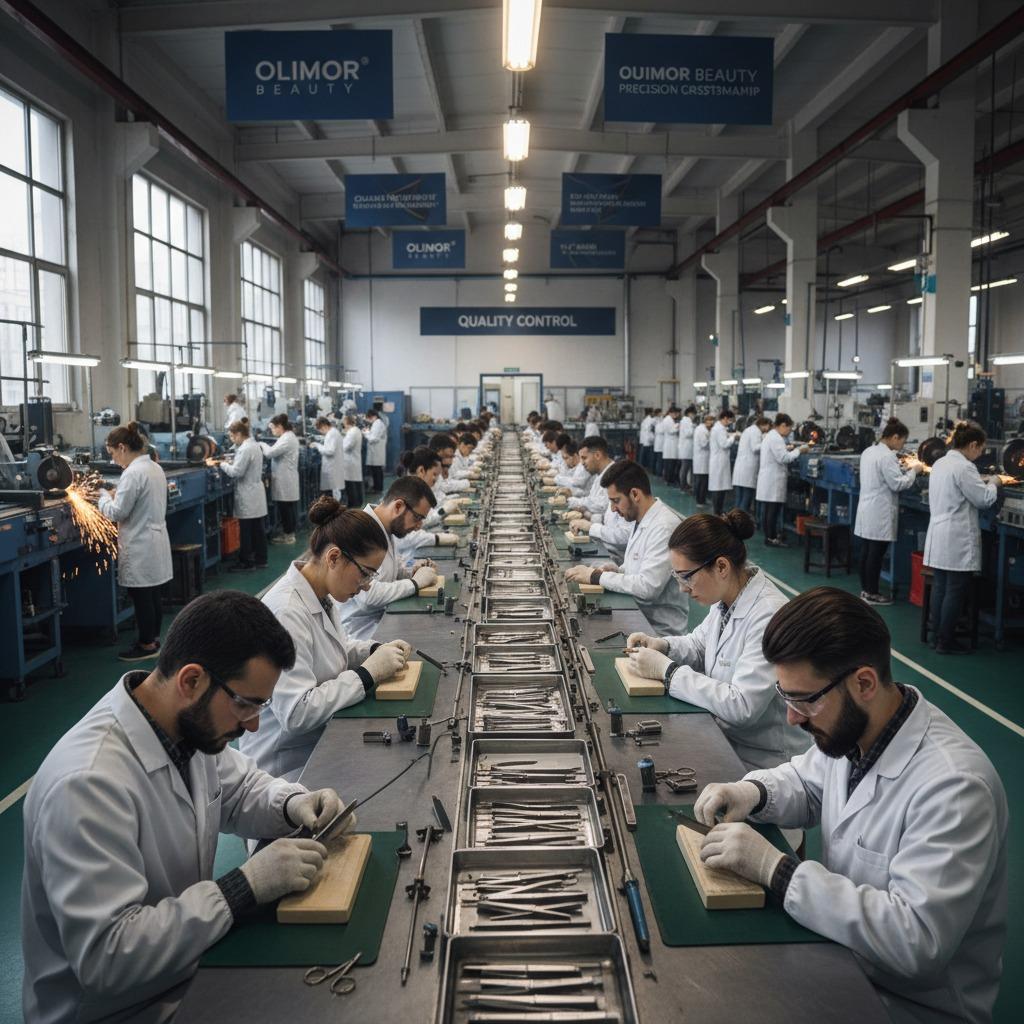
Olimor Beauty emphasizes technical commitment and inspections from raw materials to final packaging. For a wholesale buyer, that kind of process orientation matters because tweezer quality depends on small details. If raw materials are inconsistent, finishing may vary. If tips are not checked carefully, the final product may not grip properly. If packaging inspection is weak, even a good tool can arrive with scratches, dust or presentation issues.
When reviewing a supplier, consider how clearly they can address the following points:
- Sample approval process: You should be able to review physical samples before confirming bulk production.
- Inspection standards: The supplier should have a method for checking closure, alignment, surface condition and packing quality.
- Communication accuracy: Product descriptions, packaging details and order requirements should be confirmed clearly before production.
- Private label readiness: If you plan to sell under your own brand, the supplier should understand labeling, packaging consistency and brand presentation.
- Category experience: A supplier working in professional beauty tools is more likely to understand the practical expectations of salons, retailers and grooming brands.
These points are especially important when tweezers are part of a coordinated tool range. Buyers may start with one product, then expand into related manicure or grooming tools. A supplier that can support this development makes future sourcing more efficient.
Private Label Tweezers: Building a Consistent Brand Line
Private label manicure tools allow a business to sell professional tools under its own brand name. This can be valuable for beauty retailers, salon chains, online stores and distributors that want stronger customer recognition. Instead of reselling unbranded tools, private label packaging gives the buyer control over how the product is presented and positioned.
However, private label success depends on more than adding a logo. The tool, packaging and product message must match the customer’s expectations. For example, a salon-focused tweezer should communicate precision and reliability. A retail grooming kit may need clear usage guidance, clean packaging and a finish that photographs well online. A more sustainability-conscious line may explore recyclable grooming tools in bulk, where packaging and material decisions support the brand’s values without making unsupported claims.
Before starting a private label tweezer project, prepare a simple specification file. It should include the product type, finish preference, packaging format, label placement, target sales channel and any care instructions you want to include. This helps the supplier evaluate what is practical and reduces the risk of misunderstandings. If your assortment is still being planned, review Olimor’s product collections to think about how tweezers may fit beside other beauty tools.
Use Cases: Matching Tweezer Features to Your Customers
Different buyers need wholesale tweezers for different reasons. Matching the product to the use case helps avoid overbuying, under-specifying or choosing a tool that does not fit the market.
| Buyer Type | Typical Priority | What to Check |
|---|---|---|
| Salon or spa | Reliable handling during repeated services | Grip, tension, smooth edges and easy cleaning guidance |
| Beauty retailer | Customer appeal and low return risk | Packaging, finish consistency and clear product description |
| Private label brand | Brand consistency across a tool line | Logo placement, packaging compatibility and sample approval |
| Distributor | Stable supply and broad market suitability | Inspection process, carton packing details and reorder consistency |
| Grooming kit assembler | Fit with other tools in a set | Size compatibility, protective packing and visual consistency |
This kind of matching is useful because there is no single “best” tweezer for every channel. A professional service environment may care most about control and durability, while an e-commerce brand may also need strong product photography and packaging that protects the polished surface during shipping.
Maintenance and Care Information Buyers Should Share
Even well-made tweezers perform better when customers understand basic care. Wholesale buyers should consider adding simple care guidance to packaging inserts, product pages or staff training materials. This reduces misuse and helps protect the perceived quality of the product.
Useful care points include wiping the tool after use, storing it in a clean dry place and protecting the tips from impact. Tweezers should not be tossed loosely into a crowded drawer where the aligned tips can be damaged. If the product is used in a professional environment, cleaning practices should follow the salon’s hygiene procedures and local requirements. Avoid promising sterilization performance unless it is supported by the product’s verified specification and instructions.
For retail buyers, care instructions can also reduce negative reviews. Many complaints about tweezers come from damaged tips, residue buildup or improper storage rather than the original manufacturing quality. A short instruction card can make the customer experience more reliable.
How to Start a Wholesale Tweezer Sourcing Project
A structured sourcing process saves time and helps you compare suppliers fairly. Start by defining your target customer and sales channel. Then decide whether you need a simple wholesale item, a private label manicure tool or a coordinated range of beauty tools. Next, request samples and evaluate them using the quality criteria above. Only after sample approval should packaging, labeling and order details be finalized.
When contacting Olimor Beauty, share practical information such as intended market, packaging needs, whether private label is required and how tweezers fit into your wider assortment. This gives the team enough context to discuss suitable options without guessing. You can send an inquiry for sourcing questions or contact Olimor if you need help planning a beauty tool range.
Wholesale tweezers may look simple, but the best sourcing decisions come from careful attention to small details. Material, alignment, closure, finishing, packaging and supplier communication all influence the final customer experience. By working with a professional beauty tools supplier and evaluating samples with clear standards, your business can build a tweezer offering that supports both daily performance and long-term brand trust.