Wholesale tweezers may look like a small beauty category, but they have a large effect on how customers judge a tool range. A tweezer that grips cleanly, feels balanced in the hand and holds proper tip contact after repeated use can support repeat sales for salons, beauty retailers, brow studios, nail supply distributors and private label brands. A tweezer that slips, pinches unevenly or loses alignment quickly can lead to returns and weaken trust in the wider product line.
For buyers comparing tweezers wholesale options, the best decision is not simply the lowest unit cost. The stronger approach is to define the use case, choose the correct tip style, review stainless steel quality and finishing, check functional consistency, and plan packaging that protects the tips while fitting the sales channel. Olimor Beauty works with beauty tools including tweezers and manicure tools, supporting buyers who need stainless steel products, private label presentation and clear supplier communication.
Why Tweezers Remain a Core Beauty Tool SKU
Tweezers are compact, easy to merchandise and useful across many beauty routines. Consumers use them for eyebrow shaping, stray facial hair removal, lash placement support, manicure cleanup and general grooming. Professional users often keep multiple tweezers available because different tip styles and tension levels suit different tasks.
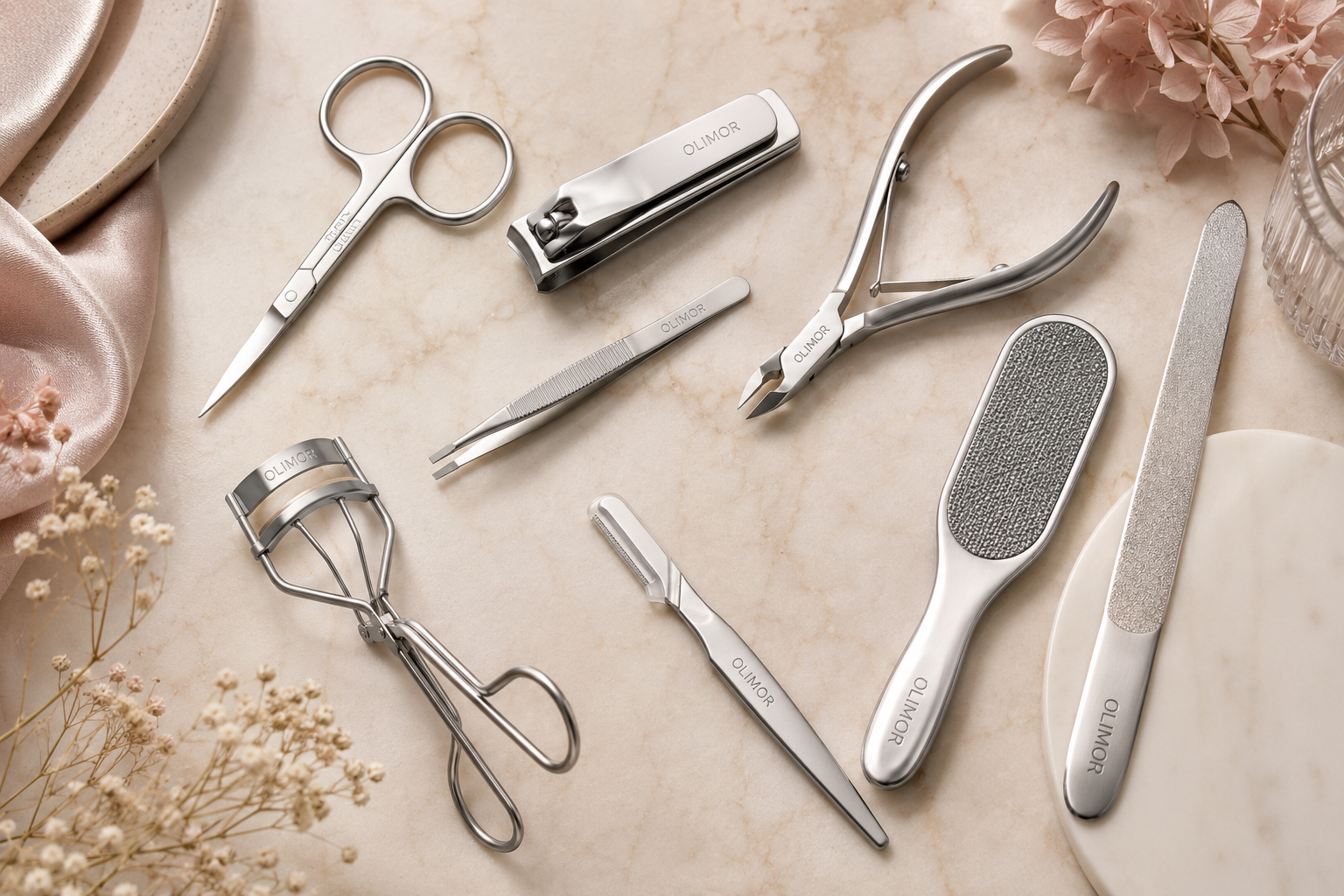
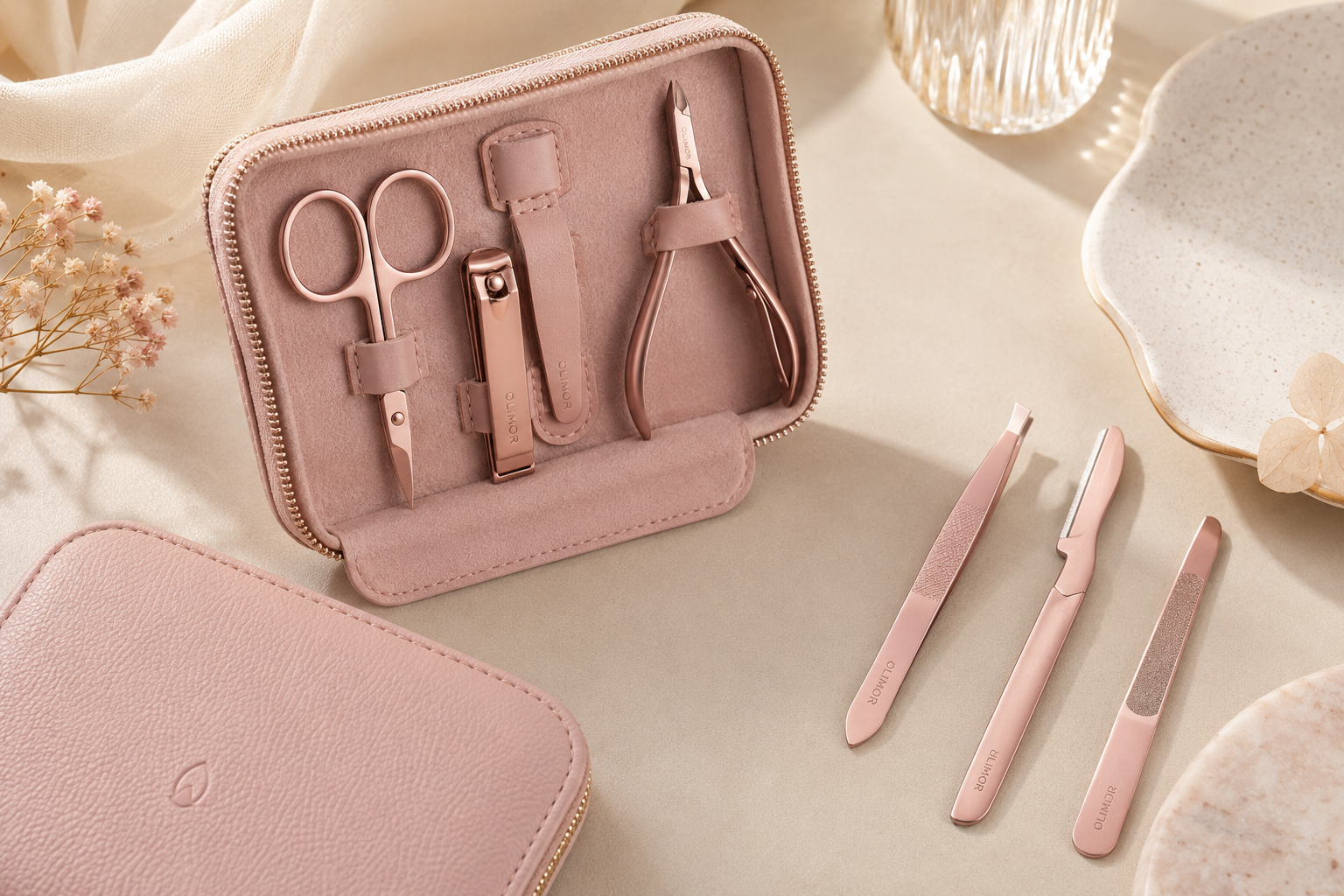
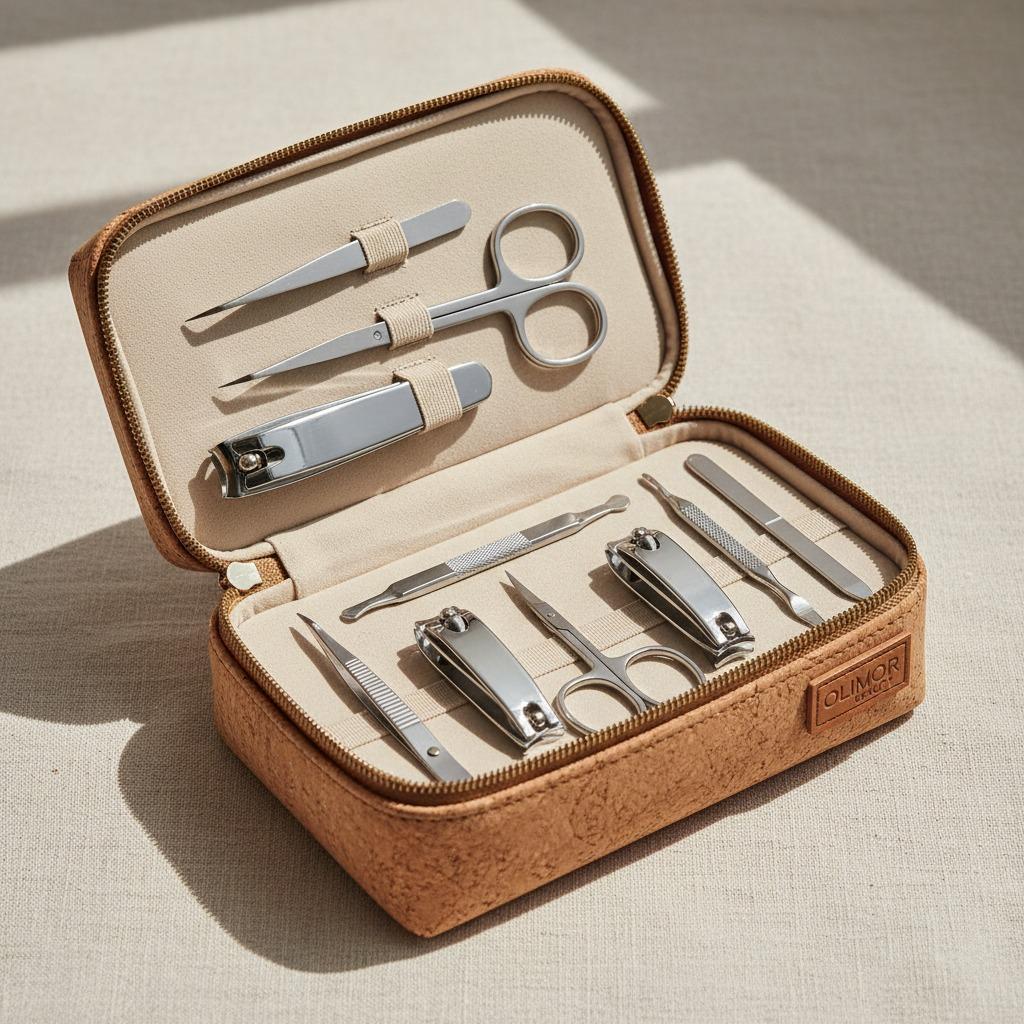
This makes tweezers a practical product for beauty supply stores, e-commerce shops, brow bars, nail salons, subscription boxes, promotional beauty kits and private label collections. They can be sold as single retail units, included in manicure sets, added to travel kits or positioned as part of a coordinated grooming range.
The category also has clear customer expectations. Most end users may not know technical manufacturing language, but they immediately notice whether the tweezer grips a fine hair, slips during use, pinches skin or feels unstable. For wholesale buyers, that means quality control cannot be cosmetic only. The functional details are the product.
What Makes a Wholesale Tweezer Retail-Ready?
A retail-ready tweezer should be assessed as a precision beauty tool, not as a generic accessory. The most important performance factor is tip contact. When the two tips meet evenly, the tool can grip fine hairs or small beauty items without excessive pressure. If the tips are misaligned, too thick or unevenly finished, the user may need to pull repeatedly, which can be uncomfortable and frustrating.
Material choice also matters. Stainless steel is widely used for professional beauty tweezers because it supports durability, a clean surface and stable shaping when properly manufactured. However, stainless steel alone does not guarantee performance. Buyers should still compare surface finish, edge smoothness, spring tension, coating appearance and resistance to visible defects under normal care and handling.
Category fit is another important buying point. A brow-focused retailer may prefer precise slant-tip tweezers with a refined finish. A nail and lash supply buyer may need tools that look coordinated with manicure accessories. A gift set or seasonal retail display may prioritize color finish and packaging consistency. Before placing a wholesale order, define whether the tweezers will be sold as individual items, salon resale tools, subscription box products, private label accessories or components of a broader beauty tool set.
Material, Finish and Hygiene Considerations
Stainless steel tweezers are common in beauty retail because they look professional, feel substantial and are easy to wipe clean. When comparing samples, buyers should look beyond the material description and inspect the actual surface. A good tweezer should feel smooth where the fingers rest, with no rough burrs, uncomfortable seams or sharp unfinished handle edges.
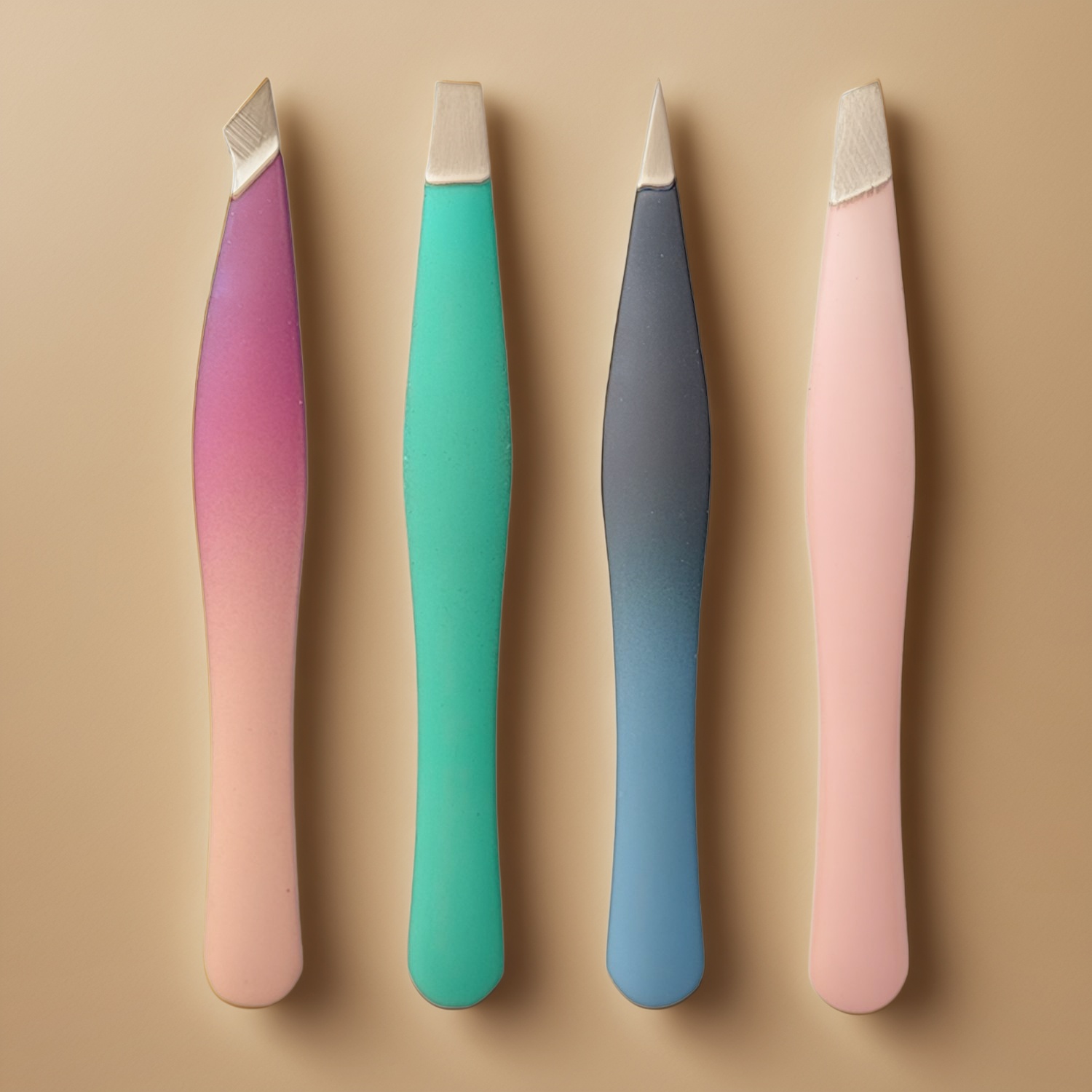
The finish should support the intended brand position. A polished finish can look clean and classic. A matte, colored or coated finish may create a softer visual effect or a more distinctive shelf presentation. Gradient-colored tweezers can be attractive for retail displays and online listings, but appearance should not replace function. Any color or coating should be reviewed for evenness, clean edges and whether it affects the way the tips close.
Hygiene is also a selling point for both professional and home users. Retail instructions should encourage customers to clean tweezers before and after use, avoid sharing personal grooming tools where possible, and store the tool with the tips protected. Salons and studios should follow local hygiene rules and their own professional protocols. Buyers should also verify any applicable regulatory or quality documentation with the supplier and confirm the current version of any referenced standard. ISO 9001 is often used as a general framework for quality management systems, but buyers should never assume a supplier holds certification unless documentation is provided and verified.
Choosing the Right Tweezer Tip Style
The most important selection decision is often tip style. A tweezer that works well for everyday brow grooming may not be the best tool for lash placement or very fine hair removal. Before ordering wholesale tweezers, match the design to the customer’s real routine and the retail promise on the package.
| Tip style | Best suited for | Buyer evaluation points |
|---|---|---|
| Slant tip | Everyday eyebrow grooming and general facial hair removal | Check that the slanted edges meet evenly and grip fine hairs without cutting them. |
| Pointed tip | Precision work and very fine or short hairs | Review tip sharpness, protective cap quality and whether packaging includes safe handling guidance. |
| Flat tip | Gripping larger areas or specific beauty and grooming tasks | Confirm the flat edges close across the width, not only at one corner. |
| Angled or specialty tip | Lash placement support or targeted grooming routines | Test the tool with the intended application instead of judging by appearance alone. |
Grip performance depends on more than visible shape. The two arms should align cleanly, meet with consistent pressure and reopen smoothly. If tension is too soft, the user may struggle to hold a hair. If it is too stiff, repeated use may cause hand fatigue, especially for professionals. For mainstream retail, a well-made slant tip is often a strong starting point because it balances precision and ease of use.
Wholesale Quality Checks Before You Commit
For businesses purchasing tweezers wholesale, a structured inspection process is more reliable than relying on product photos. Small differences in the tip can change the entire user experience, so samples and production goods should be reviewed consistently.
- Tip alignment: Hold the tweezer up to the light and check whether the tips meet evenly without gaps, crossing or twisting.
- Grip precision: Test with fine hair-like fibers or similar thin material to confirm the tool grips without sliding under moderate pressure.
- Edge comfort: Carefully check handle surfaces for rough spots, burrs or unfinished edges that could irritate the fingers.
- Tension consistency: Open and close multiple samples to see whether resistance feels uniform across the batch.
- Surface finish: Look for scratches, stains, uneven coating, discoloration or polishing marks that may affect retail appearance.
- Packaging protection: Confirm that the tips are protected and that the tweezer does not move excessively inside the box, sleeve, pouch or card.
- Branding surface: If private label is planned, confirm where a logo or mark can be placed without affecting comfort or product appearance.
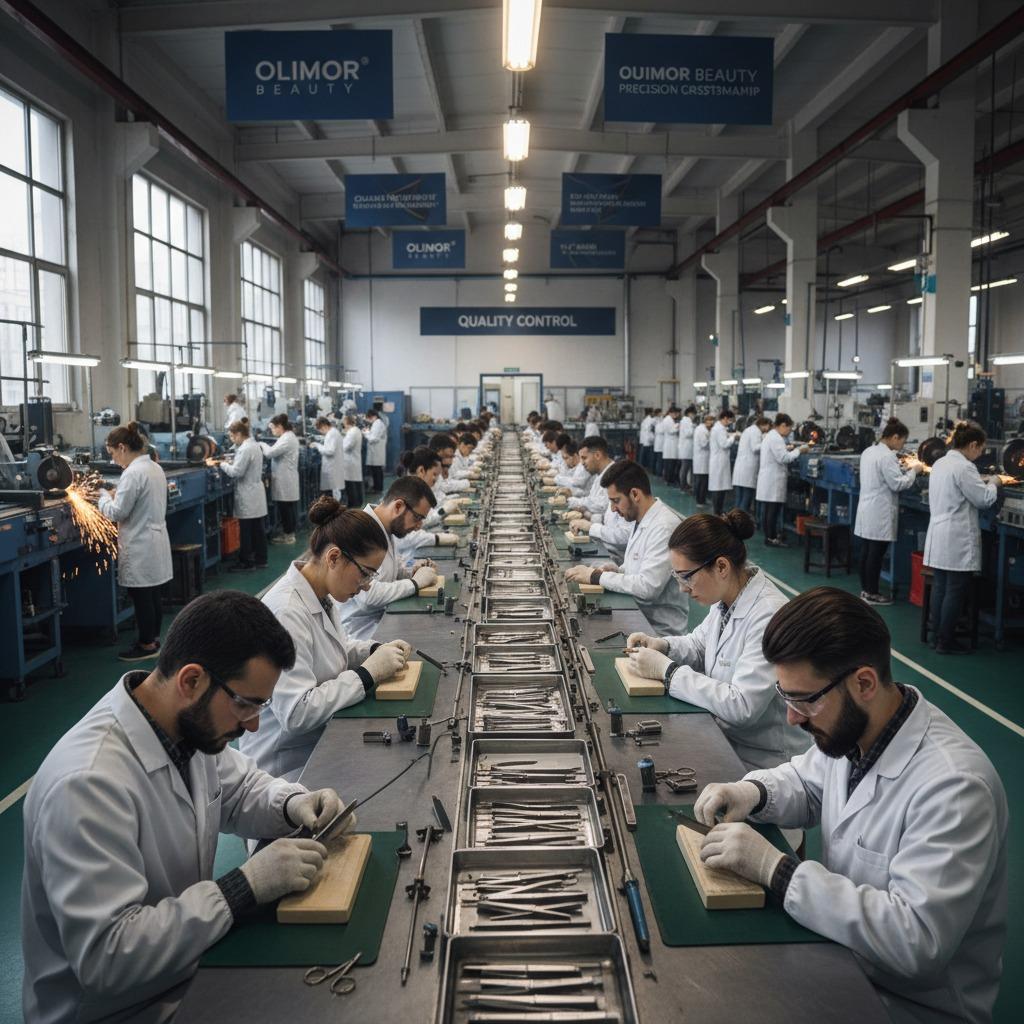
The original inspection mindset for beauty tools should cover raw material confirmation, shaping, polishing, finishing and final packaging. This is especially important for tweezers because inspection limited to the outer package can miss the most important functional issues.
Private Label Tweezers and Product Line Planning
Private label tweezers allow retailers and beauty brands to create a more controlled customer experience without developing a tool from the beginning. A consistent tool shape, finish, logo position and packaging system can help the product feel connected to other beauty accessories in the range.
Private label planning should begin with the sales channel. A salon resale product may need a clean professional presentation and straightforward reorder logic. An e-commerce item may need packaging that photographs well and protects the tips during parcel shipping. A retailer may need hang-card compatibility, barcode placement and a finish that remains visually consistent across repeat purchase orders.
Before confirming a private label tweezer project, prepare the following information for supplier discussion:
- Target customer and main use case, such as brow grooming, general beauty care, travel kits or manicure accessory sets.
- Preferred tweezer style, including tip shape, handle width, finish direction and color requirements.
- Branding needs, including logo placement, packaging artwork, product name and retail information.
- Quality expectations, including surface appearance, tip alignment, tension feel and packaging protection.
- Sales format, such as single units, kits, display sets or additions to existing beauty tool collections.
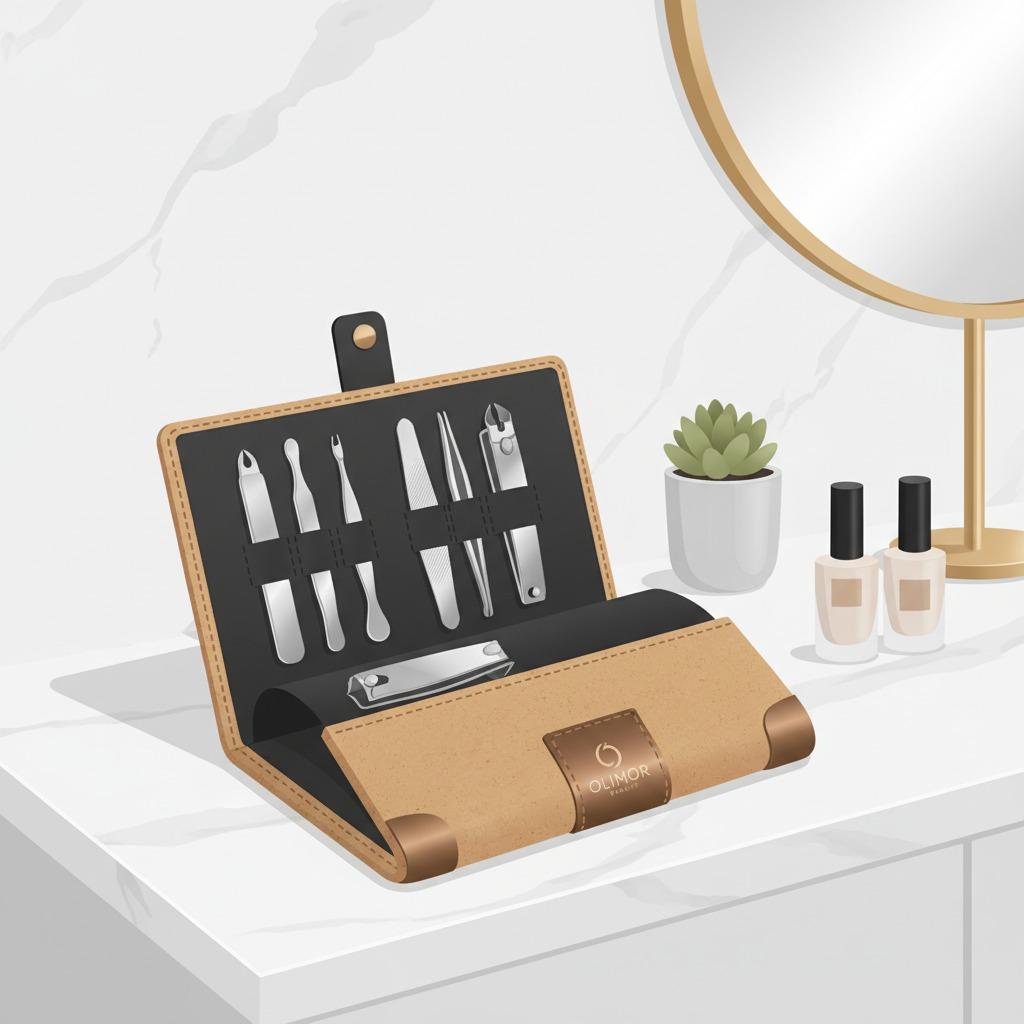
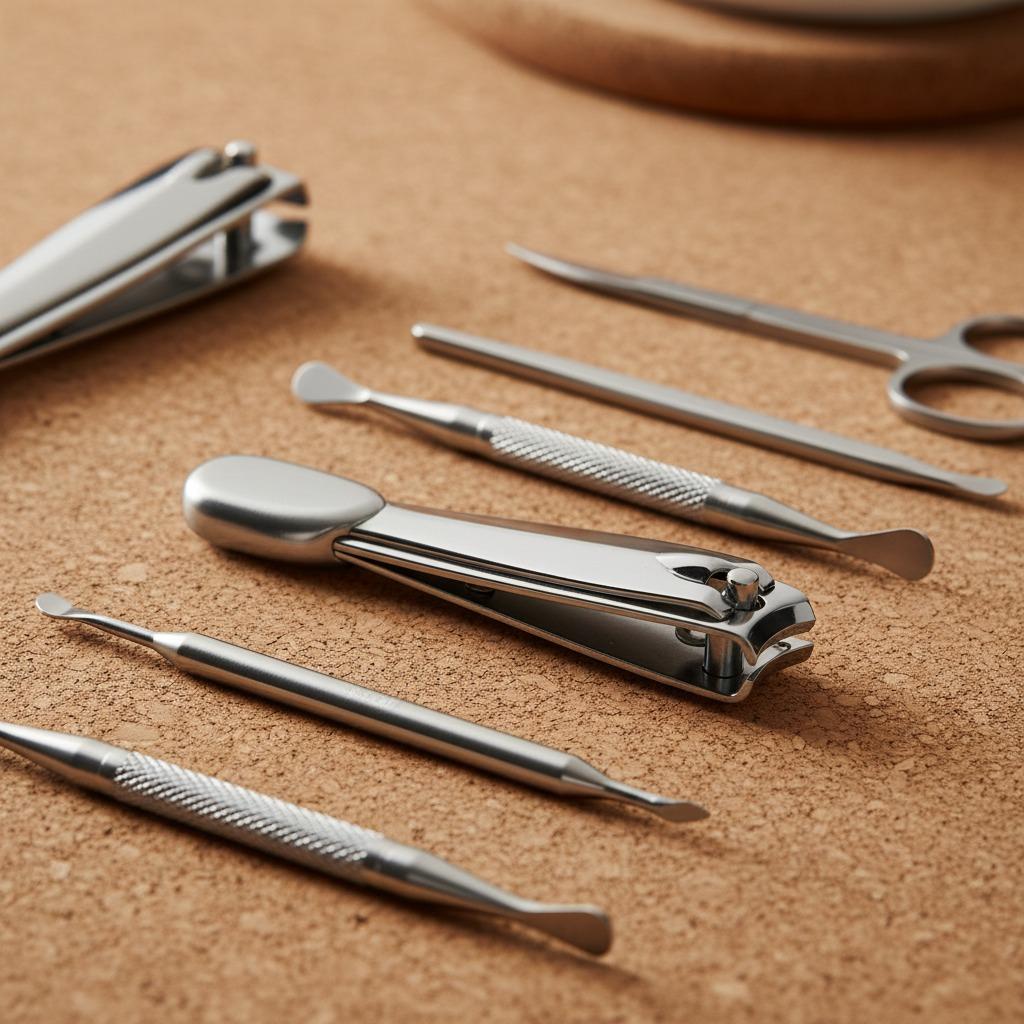
Buyers building a complete grooming or manicure line should also compare how tweezers sit beside nail clippers, manicure scissors, cuticle pushers and other accessories. Consistent finish direction, coordinated packaging language and compatible visual quality make a tool range easier to merchandise.
Why Manufacturing Location and Process Control Matter
Olimor Beauty is positioned as a manicure tools exporter in Guangdong, a region widely associated with beauty tool and consumer product manufacturing. For buyers, the value of working with a supplier in a manufacturing hub is not only access to production. It is also the ability to coordinate forming, surface finishing, packaging, inspection and export preparation through a clearer process.
When sourcing tweezers wholesale, buyers should ask practical manufacturing questions. What stainless steel construction is being proposed? How are the tips shaped and finished? What polishing expectations apply? If color or coating is used, how is appearance checked? What inspections are performed before packing? These questions help separate a supplier that understands precision beauty tools from one that only provides a catalog item.
Buyers should also request and verify supplier documentation where relevant. For example, if a buyer requires a quality management system, documentation should be checked directly rather than assumed. If products will be sold into markets with specific labeling, safety or consumer product requirements, buyers should confirm the applicable public authority guidance and current standard versions for their destination market.
Cost Factors in Wholesale Tweezer Sourcing
Wholesale tweezer cost is influenced by more than the base tool. Buyers comparing quotations should understand what is included, what is optional and what may affect repeat-order consistency. A low initial quote may not be the best value if the tool requires stronger packaging, additional inspection or a finish that is difficult to reproduce.
- Tip style and precision: More demanding tip shapes and tighter functional expectations may require more careful finishing and inspection.
- Material and finish: Stainless steel selection, polishing direction, matte effects, color coating or gradient appearance can influence production complexity.
- Packaging type: Boxes, sleeves, pouches, hang cards, protective caps and retail sets carry different costs and protection levels.
- Brand customization: Logo placement, packaging artwork and coordinated product line presentation add planning and production steps.
- Inspection expectations: More detailed checks can add value by reducing complaints, but they should be discussed before order confirmation.
- Order structure: Single-SKU orders, mixed styles and private label collections can have different sourcing and packing requirements.
The right sourcing question is not only “What is the unit price?” A better question is “What product, packaging and inspection scope does this price represent?” This helps purchasing teams compare suppliers on a like-for-like basis.
How to Evaluate a Wholesale Tweezer Supplier
A reliable supplier should communicate clearly about product use, finish options, packaging, inspection and repeat-order expectations. Buyers should be cautious if a supplier focuses only on photos and price while avoiding detailed questions about tip alignment, tension, packaging protection or private label requirements.
Use a supplier evaluation checklist before committing to a production order:
- Can the supplier explain which tweezer style is best for the target use case?
- Are samples available for functional review before larger purchasing decisions?
- Does the supplier discuss inspection from material and finishing through final packaging?
- Can the supplier support branding, packaging artwork and coordinated beauty tool presentation?
- Are communication channels clear for sample feedback, order details and packaging confirmation?
- Can documentation be provided for any claimed standard, system or requirement that matters to your market?
Olimor supports beauty tool buyers who want to compare stainless steel tweezers with related manicure and grooming tools. You can review current product directions through Olimor beauty tool products or send project details through the wholesale inquiry page for a sourcing discussion.
Practical Buying Workflow for Beauty Brands
A simple workflow can reduce sourcing mistakes and make supplier communication more efficient. First, define the customer and sales channel. A brow studio, a nail supply distributor and an online beauty brand may all need tweezers, but their packaging, finish and usage priorities may differ.
Second, choose the tip style and finish direction. Do not approve a colored or decorative finish before confirming that the tips close correctly and the tension feels suitable. Third, request samples and inspect them with the same checklist your team will use later for production review. Fourth, confirm packaging structure, logo placement and any retail information. Finally, align expectations for production communication, final inspection and export packing before confirming the order.
This practical process helps buyers avoid the common problem of selecting a tweezer that looks attractive in a listing but performs poorly in the customer’s hand. It also makes repeat orders easier because the approved sample, packaging details and quality expectations are defined from the start.
Work With Olimor on Wholesale Tweezers
If your brand is planning stainless steel tweezers, private label manicure tools or a coordinated grooming accessory range, Olimor can help review style direction, packaging needs and supplier communication points. Share your target customer, intended sales channel, finish preference and quality expectations so the project can be discussed in practical terms. For direct support, contact the team through Olimor contact support.
FAQ
Can I request samples before placing a wholesale tweezer order?
Sample availability should be discussed with Olimor based on the style, finish and customization needs. Buyers should use samples to check tip alignment, grip, tension, edge comfort and packaging protection before making larger purchasing decisions.
Does Olimor offer private label or customized tweezers?
Olimor supports private label beauty tool discussions, including branding and packaging needs. Customization options depend on the tweezer style, finish, logo position and packaging format, so buyers should share artwork and retail requirements early.
What MOQ applies to wholesale tweezers?
MOQ can vary by product style, finish, packaging and customization scope. Buyers should confirm the applicable quantity directly during inquiry rather than assuming one standard number for all tweezer projects.
What quality checks should buyers request?
Useful checks include tip alignment, grip performance, edge smoothness, tension consistency, surface finish and packaging protection. If your market requires specific documentation or standards, verify the current applicable version and supplier documents before ordering.
How long does production or delivery take?
Lead time depends on product selection, customization, packaging confirmation and order structure. Buyers should confirm timing after samples, artwork and order details are reviewed.