











Buying tweezers wholesale looks simple until you compare the needs of a brow artist, nail technician, lash specialist, grooming retailer, and beauty kit brand. A tweezer is a small tool, but its performance depends on details that are easy to overlook: tip alignment, spring tension, grip texture, finish, packaging protection, and consistency from piece to piece. For professional buyers, the goal is not only to find a sharp-looking tool. The goal is to build an assortment that helps end users work accurately, comfortably, and repeatedly.
This guide explains how to evaluate wholesale tweezers for different beauty applications, what quality points matter before purchasing in volume, and how to plan a practical product range for salons, distributors, and private label beauty tool programs. If you are comparing tweezers with other beauty tool products, use the criteria below to make your selection more precise and less dependent on appearance alone.
Match the Tweezer Tip to the Real Task
The most important buying decision is tip design. Different tips serve different levels of access, control, and grip. A tweezer intended for brow shaping does not need to perform like a tweezer used for placing tiny nail art decorations. Likewise, a general grooming tweezer may not offer the same fine control required for intricate salon work.
For brow shaping and facial hair removal, the tip should meet evenly along the grasping edge so it can hold fine hairs without cutting them or slipping. For micro-detail work, ultra-fine tips can help technicians pick up small decorative elements or isolate tiny items with precision. For nail care, a slender tapered end may be useful when placing decals, stones, foil, or other delicate nail art details. For general grooming kits, buyers often prioritize a balanced design that is easy for a wide range of users to handle.
When reviewing samples, do not judge only by how sharp the tip appears. A tip that looks fine may still have poor contact when closed. Open and close the tool several times, check whether both sides meet cleanly, and test the grasp on a thin hair, small paper strip, or comparable fine material. Consistency across samples is especially important for wholesale programs because one good piece does not guarantee a reliable shipment.
Common Tweezer Types and Where They Fit
A practical wholesale range usually includes more than one tweezer style. The right mix depends on your customers, sales channel, and whether the tools are sold individually, included in grooming kits, or used by professionals in service environments.
| Tweezer style | Best use case | What buyers should check |
|---|---|---|
| Slant tip | Brow shaping, facial grooming, general beauty kits | Even edge contact, comfortable closing tension, clean hair grip |
| Point tip | Fine detail work and precision grooming | Tip symmetry, protective packaging, controlled sharpness |
| Fine tapered tip | Nail art placement and micro beauty tasks | Accurate pickup, straight alignment, stable handling |
| Flat or broad tip | General picking, handling, and non-hair tasks | Secure hold, smooth edges, finish durability |
| Textured grip tweezer | Salon work or longer service sessions | Grip comfort, slip resistance, ease of cleaning |
This table is a starting point rather than a fixed rule. Many buyers choose one main tweezer for retail volume and one or two more specialized styles for professional clients. If your customers include brow bars, spas, nail studios, and beauty retailers, a broader range may help you serve different needs without forcing one tool into every task.
Ergonomics: Why Grip and Tension Affect Professional Results
Tip precision matters, but the handle determines how easily the user can control that precision. A tweezer with an ergonomically grooved grip can improve stability during meticulous work, especially when the user needs steady placement or repeated plucking. A streamlined handle with a non-slip surface can also be effective when the goal is a balance of force and finesse.
For wholesale buyers, ergonomics should be evaluated by hand, not only from photos. A tool may look elegant but feel too stiff, too slippery, or too narrow during actual use. Excessive tension can cause hand fatigue, especially in salons where technicians use tools throughout the day. Too little tension can reduce control and make the tool feel weak. The ideal feel depends on the application, but the closing action should be smooth, predictable, and stable.
Consider who will use the tool most often. Professional brow technicians may value control and repeatability. Nail artists may prefer a grip that supports fine placement. Retail consumers may want a familiar shape that feels easy immediately. If you are building a private label manicure or grooming range, request samples that represent the intended user group rather than choosing only the lowest-cost style.
Quality Checks Before Ordering Tweezers Wholesale
Wholesale sourcing should include a structured inspection process. Tweezers are compact, but small defects can make them difficult to use. Misaligned tips, rough edges, inconsistent finish, or poor spring response can result in returns, complaints, or weak repeat orders. Before approving a wholesale order, check a sample set across several pieces and document what is acceptable.
- Tip alignment: Both sides should meet evenly at the working edge without visible twisting or gaps.
- Grip performance: The tweezer should hold fine material securely without requiring excessive pressure.
- Edge finish: Tips should be functional but not carelessly rough, jagged, or unsafe for normal beauty use.
- Handle feel: The body should open and close smoothly, with consistent tension across samples.
- Surface finish: Check for scratches, discoloration, uneven coating, or residue that may affect presentation.
- Packaging protection: Fine tips need protection during shipping and retail handling to avoid bending or dulling.
- Batch consistency: Compare multiple pieces, not just one sample, to confirm stable workmanship.
If the tweezers are intended for professional kits or retail shelves, packaging is part of the quality experience. A precise tool can still disappoint if the tip is damaged in transit or if the packaging does not clearly protect the product. For pointed or ultra-fine tips, protective sleeves or secure internal positioning may be especially important.
Building a Wholesale Assortment for Salons, Retailers, and Kits
A strong tweezer assortment is built around customer use cases. For a salon supply distributor, the range may include professional brow tweezers, nail art tweezers, and general grooming tools. For a beauty retailer, the range may focus on easy-to-understand consumer options such as slant tip, point tip, and compact travel tweezers. For a private label kit, the tweezer should match the rest of the set in finish, function, and perceived quality.
Start by dividing your target market into practical categories. Brow-focused customers need dependable hair grip. Nail technicians need accurate placement and stable control. Grooming buyers may prefer a versatile tool that works for common at-home needs. Gift sets and travel kits may place more emphasis on compactness and finish, but the tool still needs to function well.
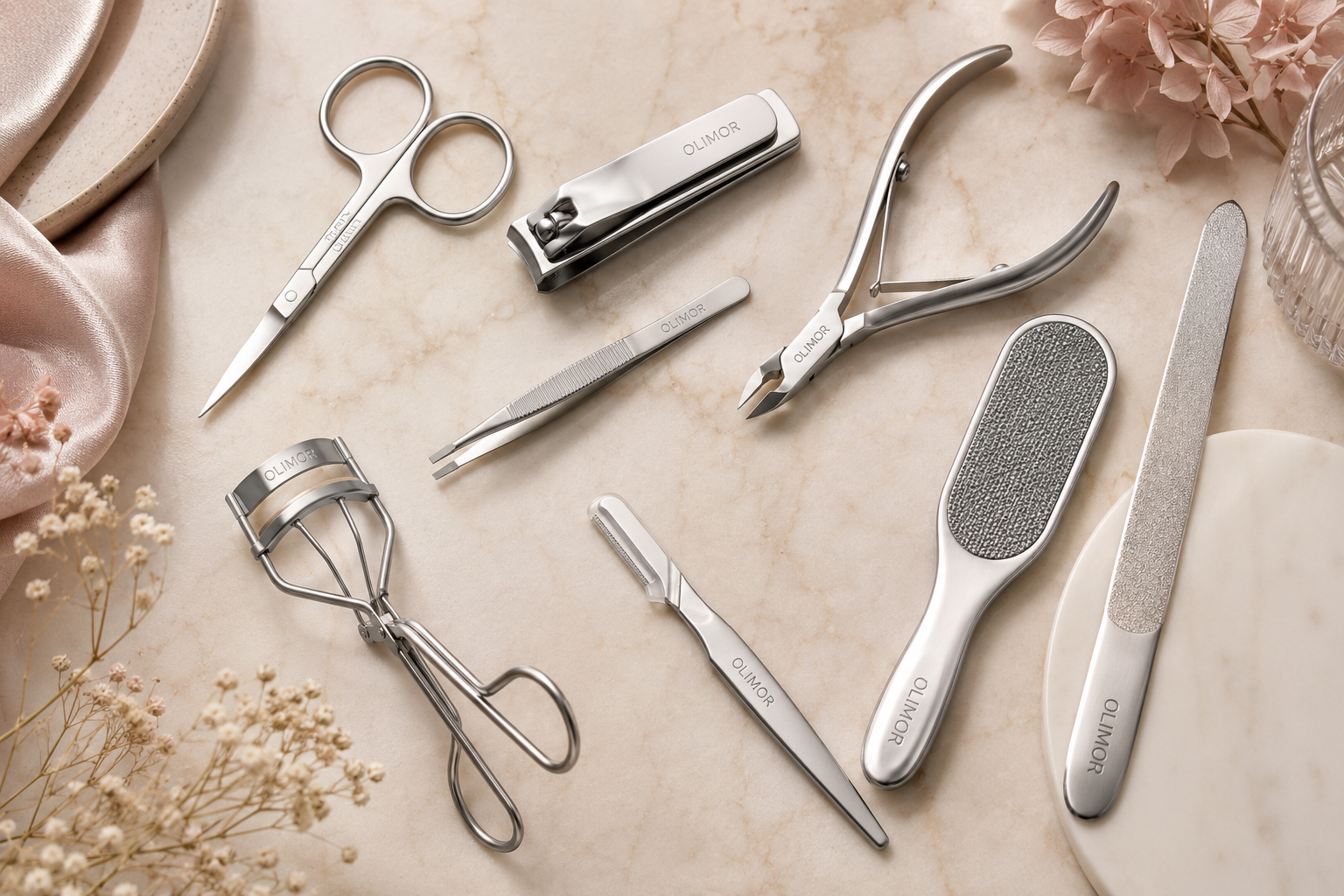
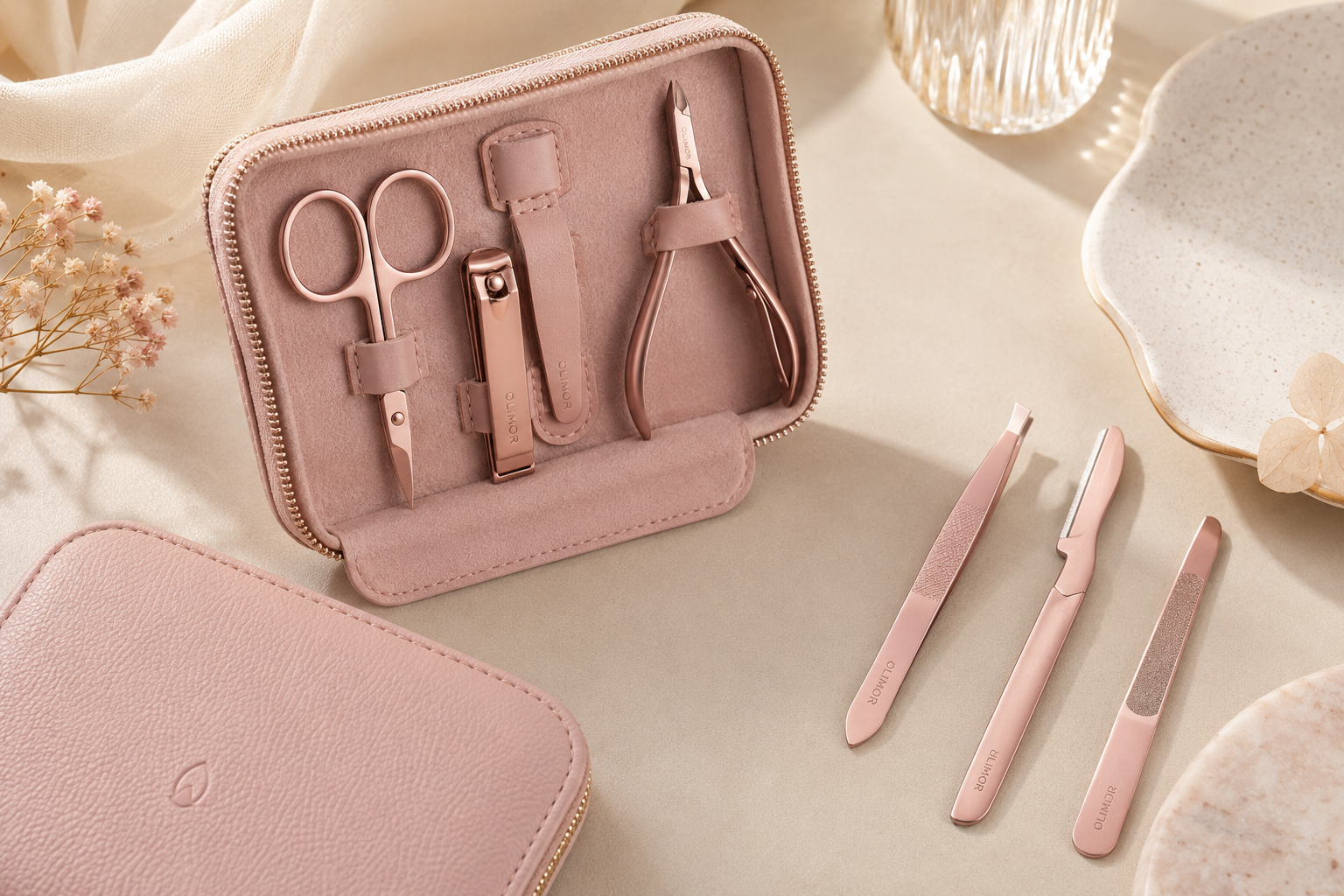
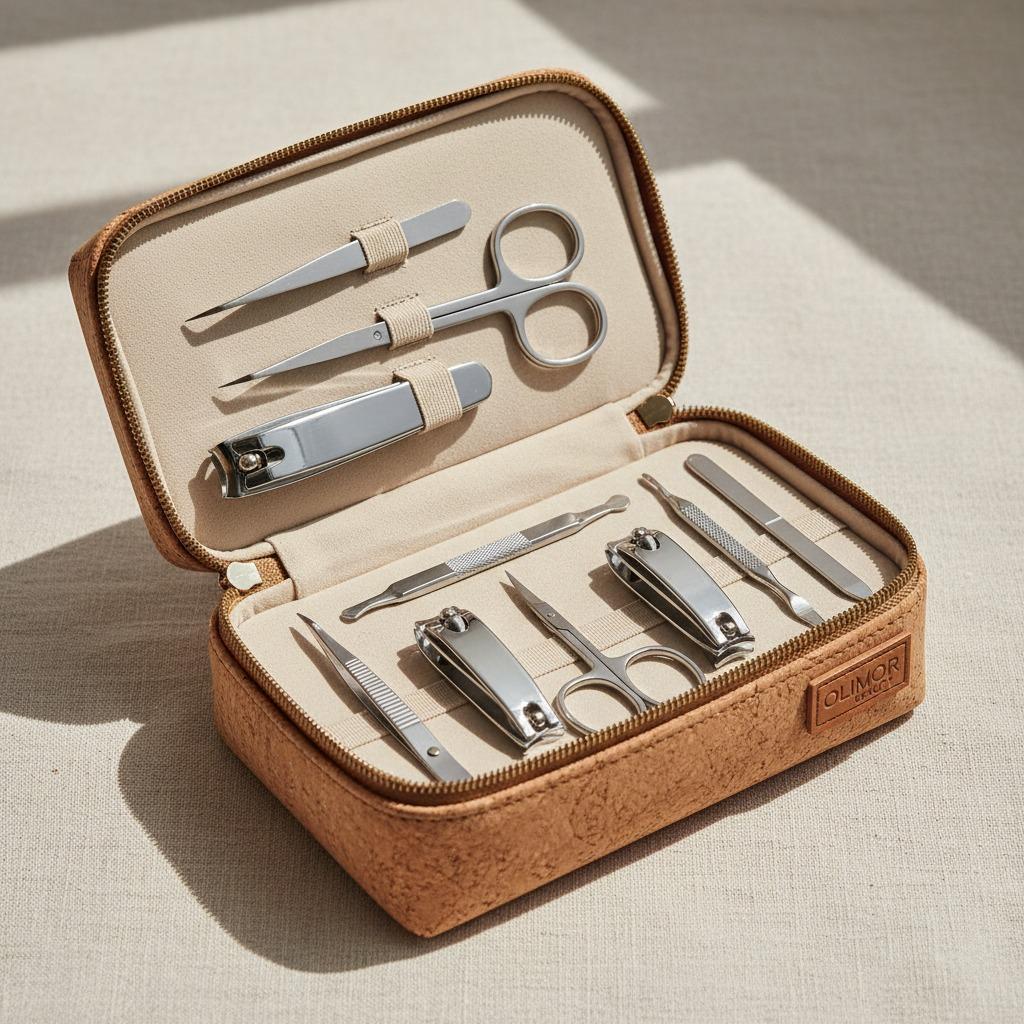
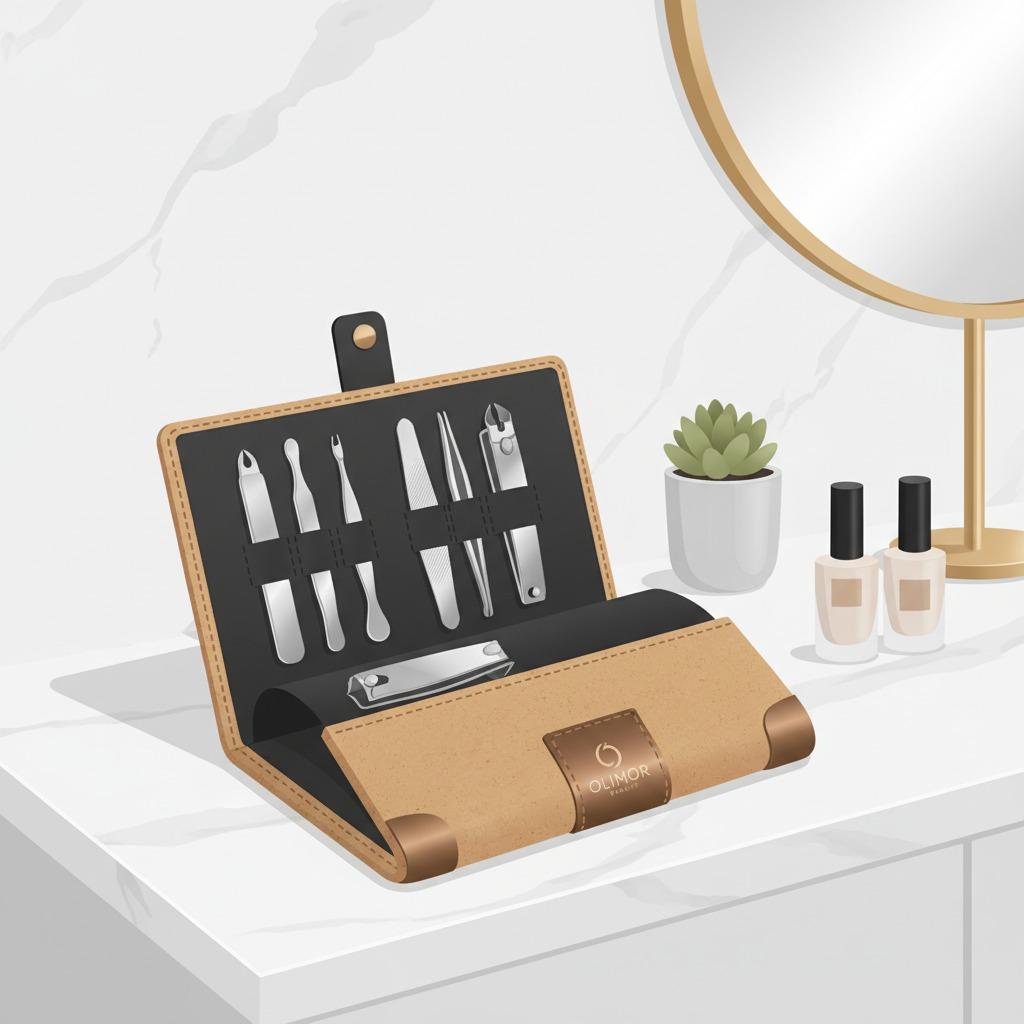
It is also useful to compare tweezers with related items in Olimor Beauty product collections. Buyers often source tweezers together with nail tools, manicure accessories, grooming tools, or beauty kits. A coordinated approach can improve assortment planning, packaging direction, and retail presentation without inventing unnecessary product variations.
Private Label and Sourcing Questions That Matter
Private label tweezers can support brand differentiation, but appearance should not come before usability. Before focusing on logos, colors, or packaging artwork, confirm the tool’s functional standard. A private label product is judged by the end user as much as by the buyer, and a tweezer that fails to grip properly can damage trust in the entire beauty range.
When planning a private label tweezer program, prepare clear requirements. Define the intended application, preferred tip type, finish direction, packaging format, and inspection expectations. If the product will be sold for professional use, include handling and performance criteria in the approval process. If it will be part of a consumer kit, make sure the instructions and packaging make the tool’s purpose clear.
Useful sourcing questions include: What tip shapes are available for the intended use? How are tip alignment and finish checked? What packaging options protect the tool during shipping? Can the finish and grip texture be kept consistent across production? How will samples be compared against bulk goods? These questions help keep the conversation focused on measurable quality rather than broad promises.
For project discussion, buyers can contact Olimor or send an inquiry with details about the target market, desired tweezer type, packaging needs, and expected use case. Clear information at the start helps narrow the selection and reduces the risk of choosing a tool that looks suitable but performs poorly in the intended setting.
Care, Storage, and End-User Guidance
Even a well-made tweezer needs basic care. Retailers and professional buyers can reduce complaints by giving customers simple handling guidance. Tweezers should be kept dry, cleaned after use when appropriate, and stored with the tips protected. Fine and pointed tips should not be dropped into a drawer with heavier metal tools, because even a small bend can affect alignment.
For salons, each technician should understand which tweezer is intended for which task. A nail art placement tweezer should not be treated like a general-purpose grooming tool, and a precision brow tweezer should not be used for rough handling tasks. Clear tool assignment helps preserve performance and extends useful service life.
Final Buying Advice for Wholesale Tweezers
The best wholesale tweezers are selected by function first and appearance second. Tip shape, alignment, grip comfort, tension, finish, and packaging all influence whether the tool will satisfy professional users and retail customers. A diverse inventory allows different users to choose the right tweezer for brow shaping, grooming, nail art, or fine detail work instead of relying on one generic option.
For buyers, the most reliable approach is to define the user, test samples carefully, compare several pieces for consistency, and align packaging with the delicacy of the tool. When those steps are handled well, tweezers can become a dependable part of a professional beauty tool range and a strong addition to wholesale, salon, and private label product programs.