











Tweezers look simple, but buyers know they can create very different customer experiences. A well-made tweezer grips fine hair cleanly, feels steady in the hand, and lasts through repeated use. A poorly made one slips, pulls unevenly, bends at the tip, or arrives with inconsistent finishing. For beauty brands, salon suppliers, retail chains, and grooming kit developers, choosing the right wholesale tweezers is not only a price decision. It affects product reviews, repeat orders, brand trust, and the perceived quality of the full grooming range.
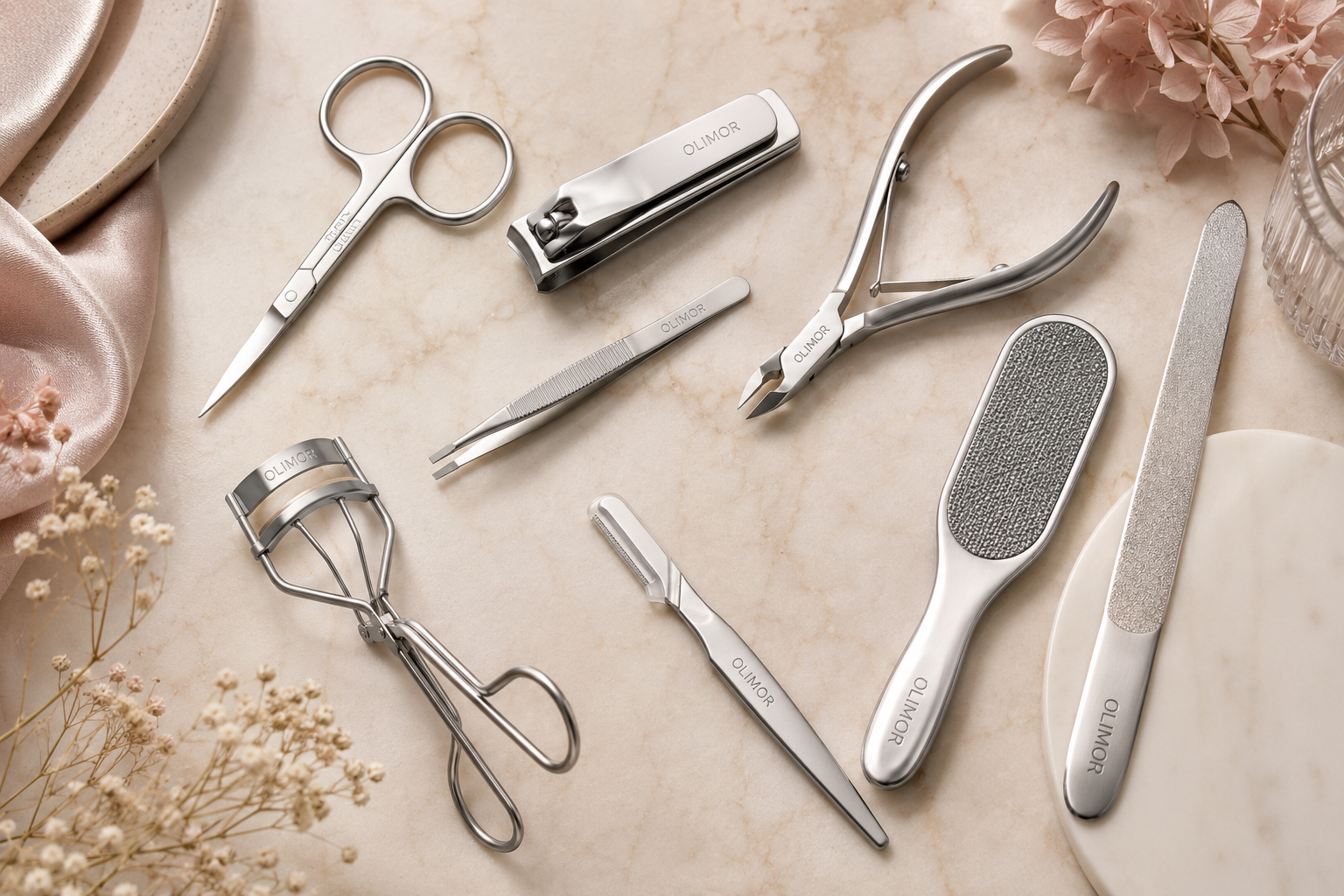
This guide explains how to evaluate wholesale tweezers for precision grooming, what details matter in production, and how to compare supplier options for retail, salon, and private label use. If you are building a broader assortment, you can also review Olimor beauty tool products to compare related grooming and manicure tools in one place.
Start With the Intended Use Before Choosing a Tweezer Type
Not every tweezer is designed for the same job. Before comparing samples, define how the tool will be used and who will use it. A salon buyer may prioritize control, sterilization, and long-term durability. A retail brand may focus on consumer comfort, packaging presentation, and consistent performance across large batches. A promotional kit may require a simpler option that still meets basic grooming expectations.
The tip shape is usually the first decision. Slant tips are widely used for brow shaping because they offer a balance of visibility, surface contact, and control. Pointed tips can help with very fine or short hairs, but they require careful handling and are less forgiving for general users. Flat tips may be suitable for broader gripping tasks, though they are not always ideal for precision brow work. Some grooming kits include more than one tip style so customers can choose the tool that fits the task.
Buyers should also consider where the tweezer will sit in the product line. Is it a single retail item, part of an eyebrow grooming set, included in a manicure kit, or offered as a salon supply? The answer will influence material selection, finishing, packaging, and quality inspection standards.
Quality Details That Separate Professional Tweezers From Basic Tools
The most important performance area is the tip. Tips must meet evenly and grip hair without requiring excessive pressure. When the two sides do not align, users often squeeze harder, which can break hair instead of removing it from the root. Misaligned tips also create frustration because they may grab skin or fail to hold fine hair.
Stainless steel is commonly preferred for professional grooming tools because it supports durability, rust resistance, and easier cleaning. However, buyers should still evaluate finishing quality rather than relying on material wording alone. Edges should feel smooth, the arms should spring back consistently, and the body should not feel flimsy or overly stiff. A good tweezer should provide controlled tension: firm enough to grip, but not so tight that repeated use causes hand fatigue.
Use this checklist when reviewing wholesale tweezer samples:
- Tip alignment: the tips should close evenly with no visible gap at the gripping point.
- Grip test: the tweezer should hold fine hair or a thin fiber without slipping.
- Surface finish: edges should be smooth, with no rough burrs near the tips or handle.
- Spring tension: pressure should feel controlled and consistent from piece to piece.
- Hand comfort: the shape should be easy to hold for detailed grooming work.
- Cleaning suitability: the material and finish should support normal hygiene practices for the intended market.
- Batch consistency: samples from different cartons or production runs should perform similarly.
How to Compare Wholesale Tweezer Samples
Sample testing should be practical and repeatable. Instead of judging by appearance alone, create a small evaluation routine that your purchasing, product, or quality team can follow. Test each sample in the same way and record results. This helps avoid subjective decisions based only on shine, color, or packaging.
| Evaluation Area | What to Check | Why It Matters |
|---|---|---|
| Tip precision | Close the tips against a light background and inspect the contact point. | Even contact improves grip and reduces slipping during brow grooming. |
| Hair gripping | Test on fine hair, a thread, or a very thin fiber. | Shows whether the tweezer can handle detailed precision work. |
| Handle tension | Open and close repeatedly for several minutes. | Reveals whether pressure is comfortable for longer salon or home use. |
| Finish quality | Run a fingertip carefully along the arms and non-cutting edges. | Rough finishing can make a tool feel cheap and uncomfortable. |
| Packaging fit | Check whether the tool is protected from tip damage in transit. | Even good tweezers can arrive unusable if the tips are not protected. |
For larger programs, request pre-production samples before approving packaging or artwork. If your brand will sell tweezers under a private label, the approved sample should become the reference for future quality checks. Keep one signed or documented sample for your internal records so that later shipments can be compared against the same standard.
Retail, Salon, and Private Label Considerations
Wholesale tweezers can serve different business models, and each model has different priorities. Retail buyers often need clear visual appeal, protective packaging, and consumer-friendly instructions. Salon distributors may value durability, simple cleaning, and repeatable performance more than decorative finishes. Private label brands need consistency across product, packaging, and branding so the item feels aligned with the rest of the range.
If customization is part of your plan, define the branding area, finish expectations, and packaging format early. Avoid choosing artwork before confirming the tweezer shape and surface treatment, because the available marking area may vary. For private label manicure tools and grooming accessories, product consistency is especially important: customers often judge the full kit by the smallest tool inside it.
Eco-conscious positioning is also becoming more relevant in personal care. Buyers interested in recyclable grooming tools in bulk should evaluate the full package, not only the tweezer body. Consider whether packaging materials, inserts, and protective sleeves support your sustainability goals while still protecting the tips during shipping and storage. A damaged tip creates waste even if the outer packaging looks environmentally friendly.
Packaging and Transit Protection Matter More Than Many Buyers Expect
Precision tweezers can be damaged by poor handling, even when the base tool is well made. The tips are the most sensitive area. If they are knocked out of alignment during transportation, the end customer sees only a defective product. This is why packaging should be evaluated as part of the tool, not as an afterthought.
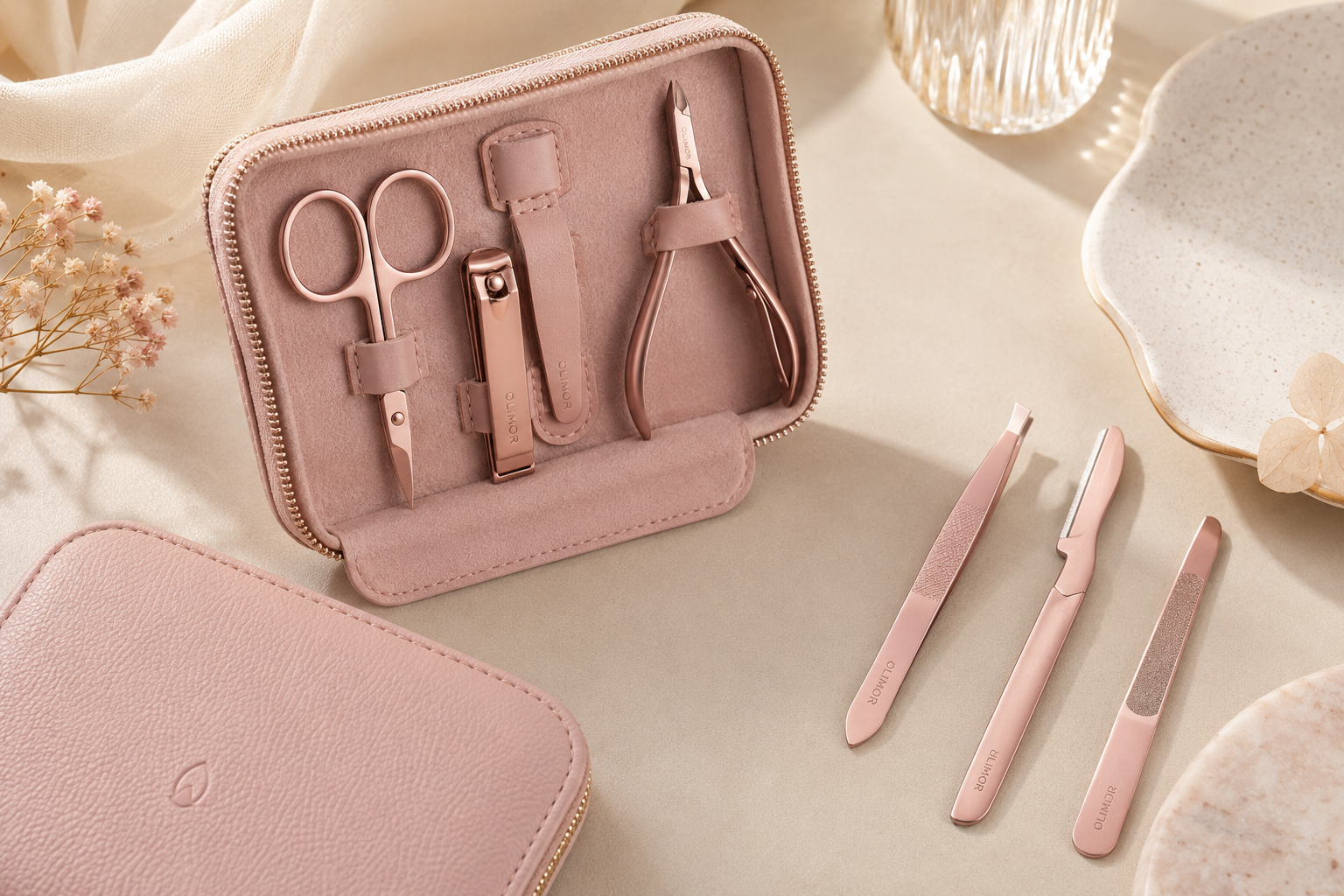
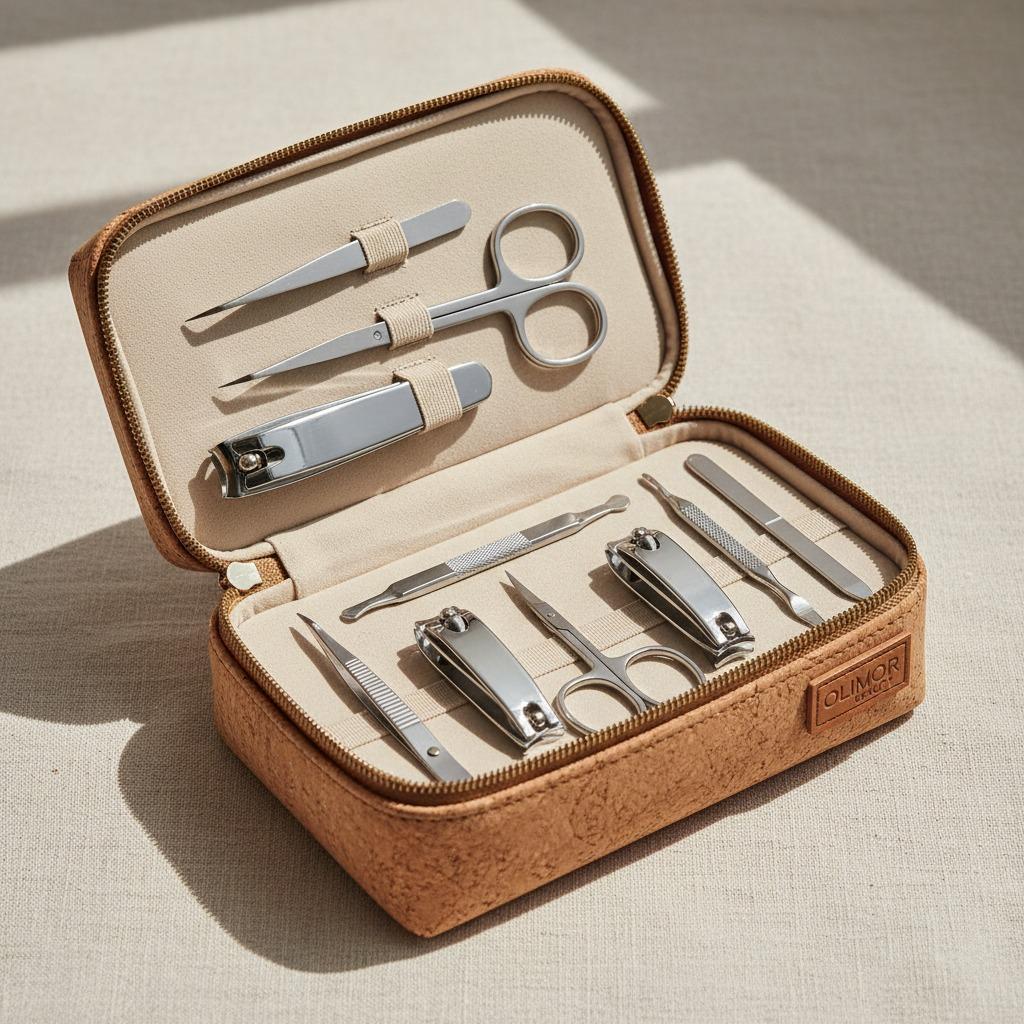
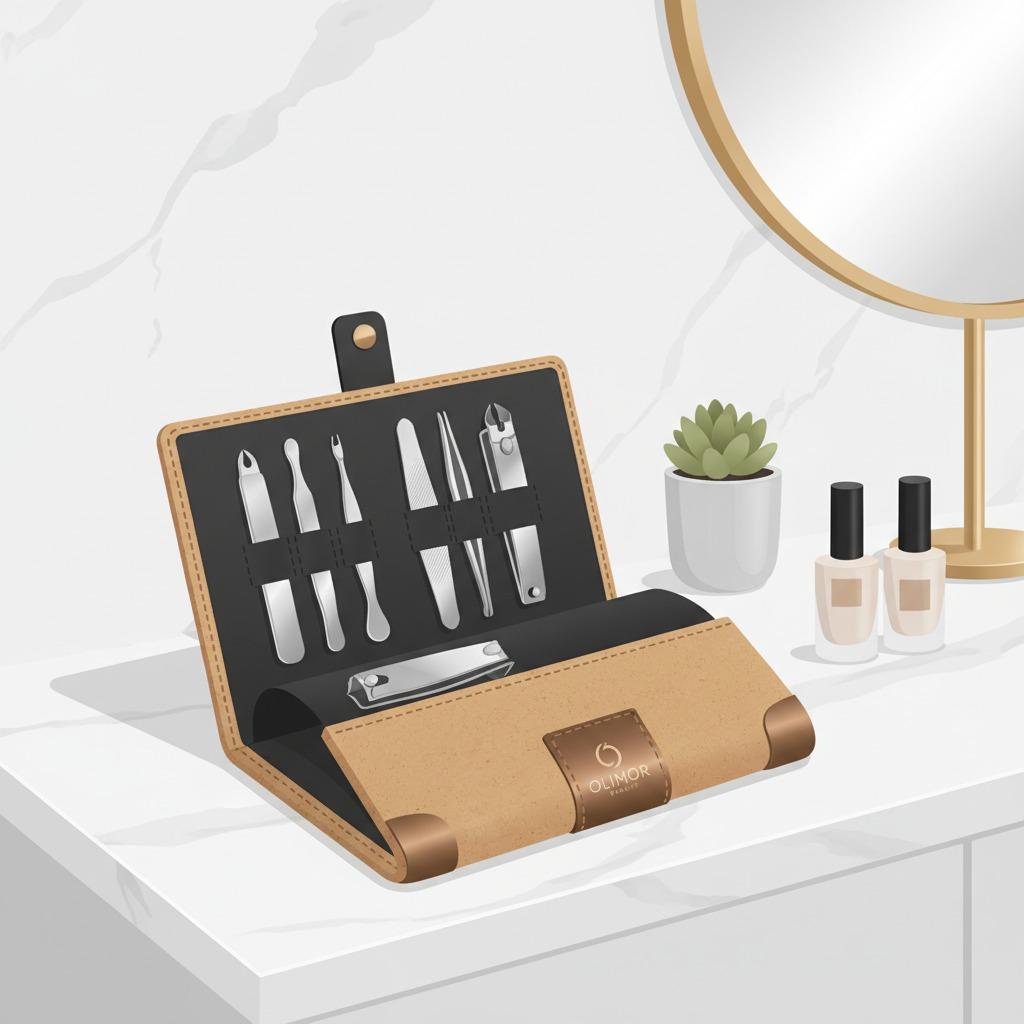
For retail display, packaging should keep the tweezer visible while preventing the tips from rubbing against hard surfaces. For salon supply, packaging may be simpler, but it still needs to protect the gripping edge. If tweezers are included in a set with scissors, files, clippers, or other metal tools, internal layout becomes especially important. Tools should not move freely against one another in a way that can scratch finishes or damage precision points.
Barcode placement, warning text, country-specific labeling needs, and instruction language should also be planned before production. These details may seem administrative, but they influence retail acceptance and reduce repacking delays.
Working With a Beauty Tools Supplier
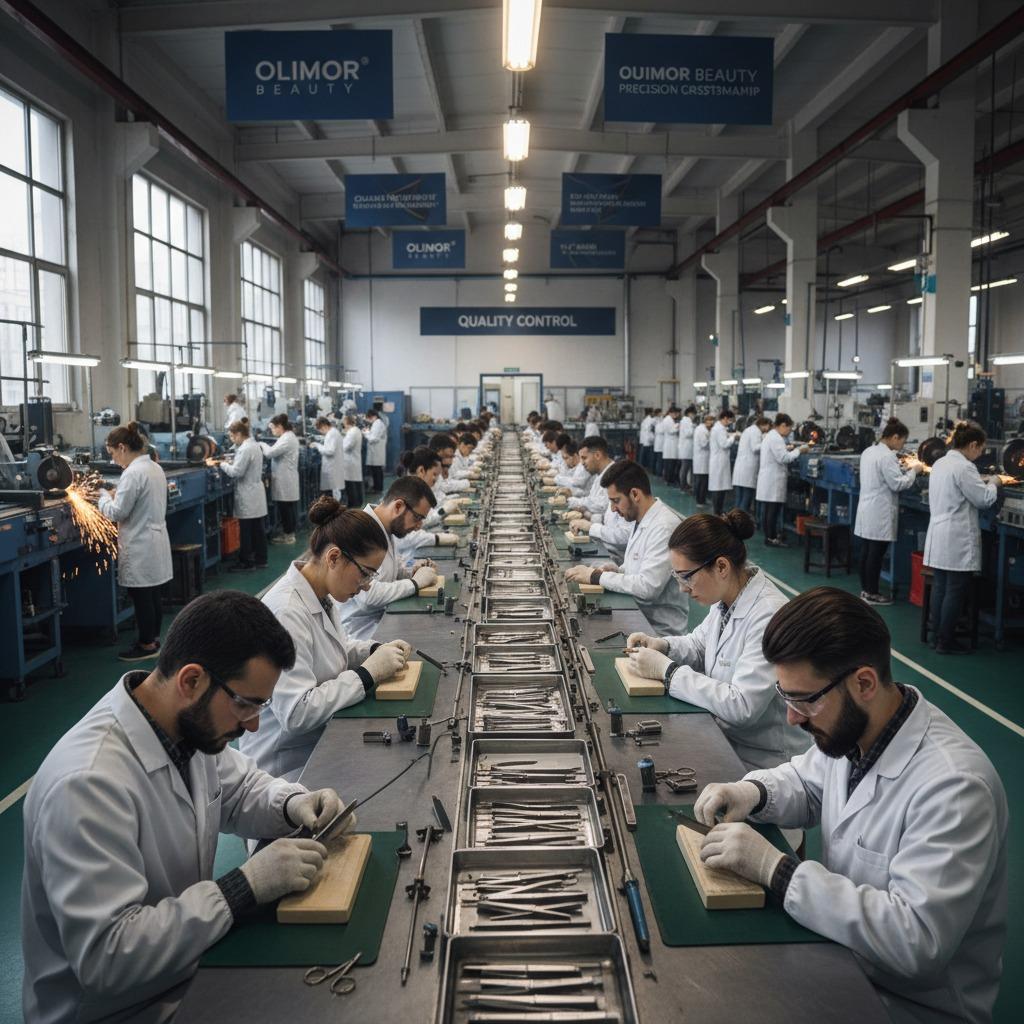
A dependable beauty tools supplier should help buyers think beyond the unit cost. Useful supplier discussions include product use case, sample review, packaging protection, surface finish, inspection expectations, and shipment consistency. For brands that manage multiple grooming items, consolidating sourcing through a supplier familiar with manicure and beauty tools can make assortment planning easier.
When reviewing Olimor options, browse related product collections to see how tweezers may fit with other grooming tools, manicure accessories, and beauty items. If you need support for a wholesale or private label project, you can send an inquiry with your target use case, packaging needs, and expected positioning. Clear project information helps narrow the options more efficiently.
For new buyers, it is wise to prepare a simple specification sheet before requesting samples. Include the intended customer, preferred tip style, finish preference, packaging format, branding needs, and any market labeling requirements. This does not need to be complicated, but it prevents confusion and keeps all parties aligned.
Final Buying Tips for Wholesale Tweezers
The best wholesale tweezer for your business is the one that matches your customer’s grooming habits, your brand positioning, and your quality expectations. A premium brow product should not be sourced the same way as a basic kit accessory. Likewise, a salon-focused tweezer should be tested for control and repeated use, not only retail appearance.
Focus on the parts users actually feel: aligned tips, dependable grip, comfortable tension, smooth finishing, and protective packaging. Then connect those performance details to your business needs, such as private label branding, retail display, sustainability goals, or set assembly. By evaluating tweezers with a structured checklist, beauty businesses can reduce avoidable defects and build a grooming range that customers are more likely to trust and repurchase.