










Buying tweezers wholesale is not only a price decision. For beauty retailers, salons, grooming brands, and private label buyers, tweezers are small products that carry a large amount of customer trust. A pair that grips cleanly, aligns correctly, and feels comfortable in the hand can become a repeat-purchase item or a reliable part of a professional kit. A poorly finished tool, however, can damage the user experience even if the packaging looks attractive.
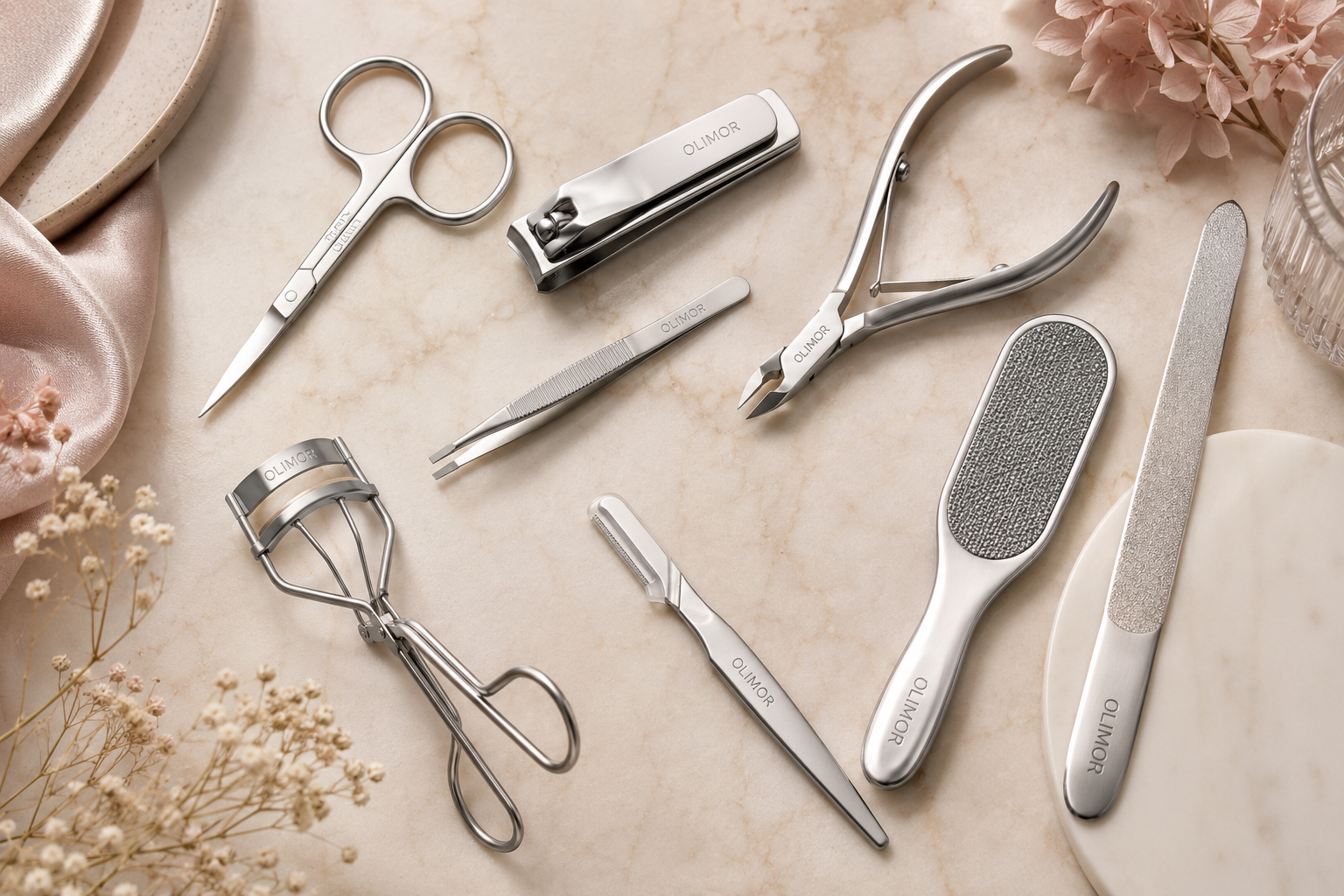
This guide explains how to evaluate wholesale tweezers for practical use, retail presentation, and long-term brand value. It is written for buyers comparing suppliers, building a beauty tool range, or planning private label manicure and grooming tools. If you are reviewing options across multiple categories, you can also browse Olimor Beauty beauty tool products to compare related items for a more complete assortment.
What Makes a Wholesale Tweezer Worth Buying?
The main job of a tweezer is simple: grip hair or small materials accurately and release cleanly. In wholesale purchasing, the challenge is consistency. A sample may perform well, but the production batch must match the same level of alignment, tension, finish, and packaging quality. That is why buyers should look beyond a single product photo or unit price.
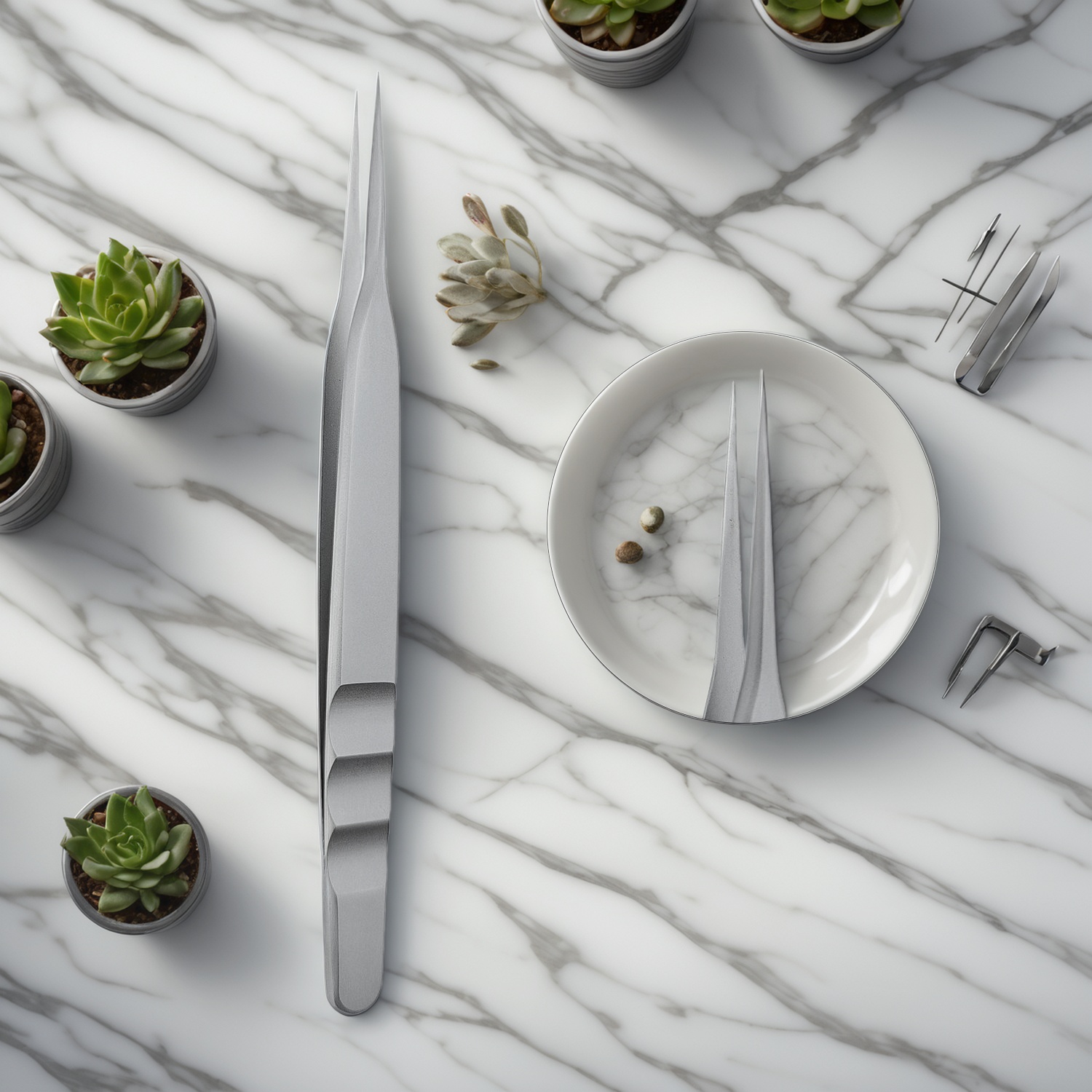
Start with the tip. Slant tips are common for brow shaping because they provide visibility and control. Pointed tips are useful for more detailed work, but they require careful handling and protective packaging. Flat tips can serve general grooming or beauty kit applications. The best choice depends on your sales channel: salon professionals may prioritize precision and hand feel, while retail buyers may need a balanced product that is easy for consumers to understand.
Next, examine grip tension. If the arms are too stiff, the tool causes fatigue during repeated use. If the tension is too loose, it may fail to hold fine hair securely. Buyers should also check whether the two tips meet evenly across the contact area. Misalignment is one of the most common reasons customers reject tweezers, even when the material looks durable.
Key Quality Checks Before Placing a Bulk Order
A structured inspection checklist helps reduce avoidable returns and protects your brand reputation. Whether you are buying for e-commerce, physical retail, salon supply, or a promotional beauty kit, review samples under normal lighting and use conditions rather than judging only by appearance.
- Tip alignment: The two ends should meet evenly without visible gaps or twisting.
- Grip performance: The tips should hold fine hair or small test fibers without slipping.
- Edge comfort: Edges should feel smooth enough for safe consumer handling.
- Surface finish: Check for scratches, discoloration, uneven coating, or rough polishing.
- Spring tension: The tweezer should open and close smoothly without excessive force.
- Packaging fit: The product should sit securely in its tray, sleeve, pouch, or card.
- Label accuracy: Barcodes, care instructions, item names, and country-specific text should be reviewed before production.
Stainless steel is often chosen for durable beauty tools because it can offer corrosion resistance and long service life when properly manufactured and maintained. However, buyers should still verify finishing quality, tip sharpness, and packaging protection. Material alone does not guarantee a good tweezer.
Choosing Tweezers for Different Sales Channels
The best wholesale tweezer for one buyer may not be the best choice for another. A salon distributor, a beauty subscription box, an online grooming brand, and a supermarket beauty aisle all have different customer expectations. Before confirming a bulk order, define where and how the tool will be sold.
| Sales channel | Buyer priority | Useful selection focus |
|---|---|---|
| Salon and professional supply | Repeat use and control | Comfortable tension, precise tip alignment, durable finish |
| Beauty retail stores | Clear shelf appeal | Readable packaging, popular tip style, easy care instructions |
| E-commerce | Low return risk | Consistent product photos, protective packaging, reliable batch quality |
| Private label grooming brands | Brand differentiation | Custom finish options, packaging concept, coordinated tool sets |
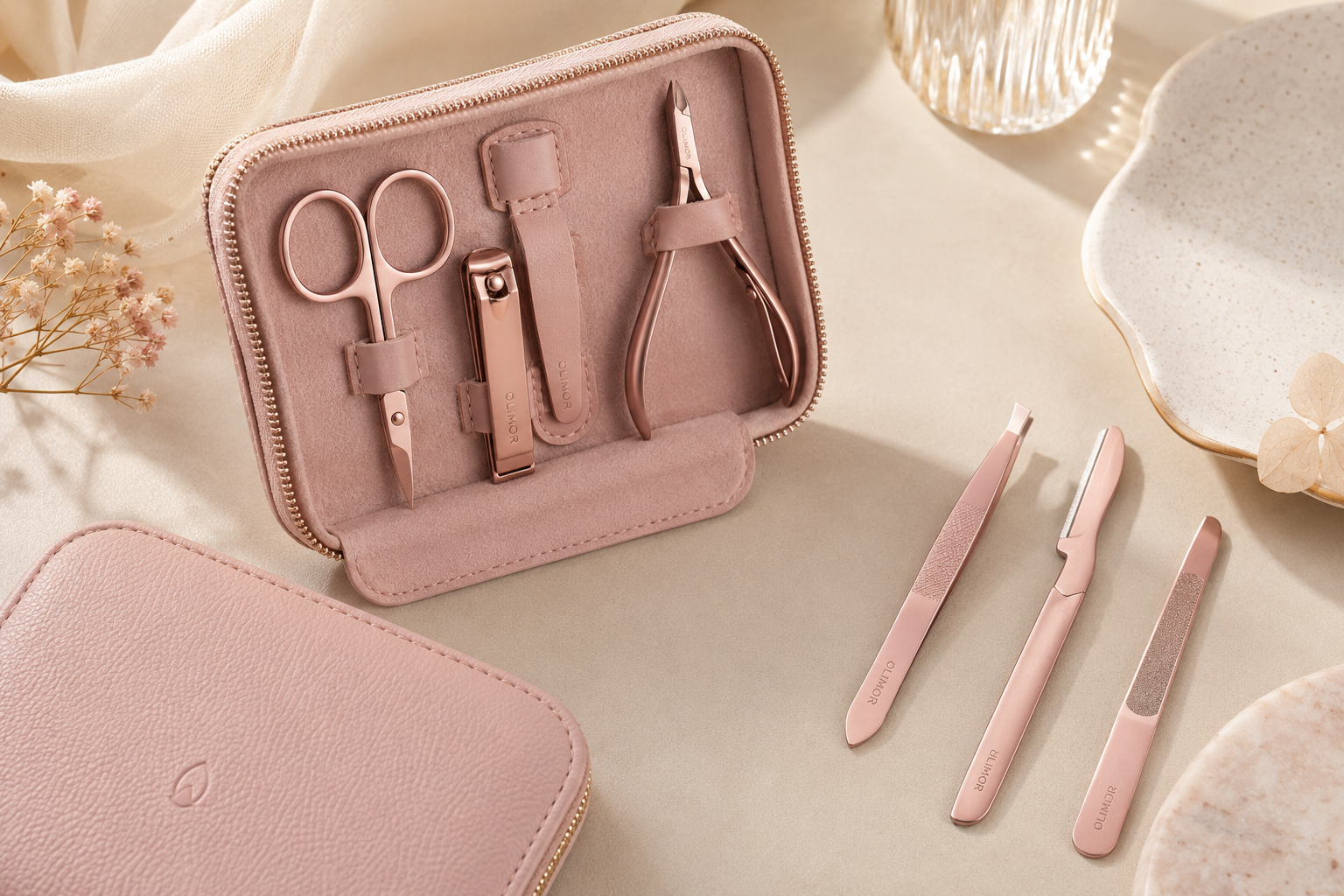
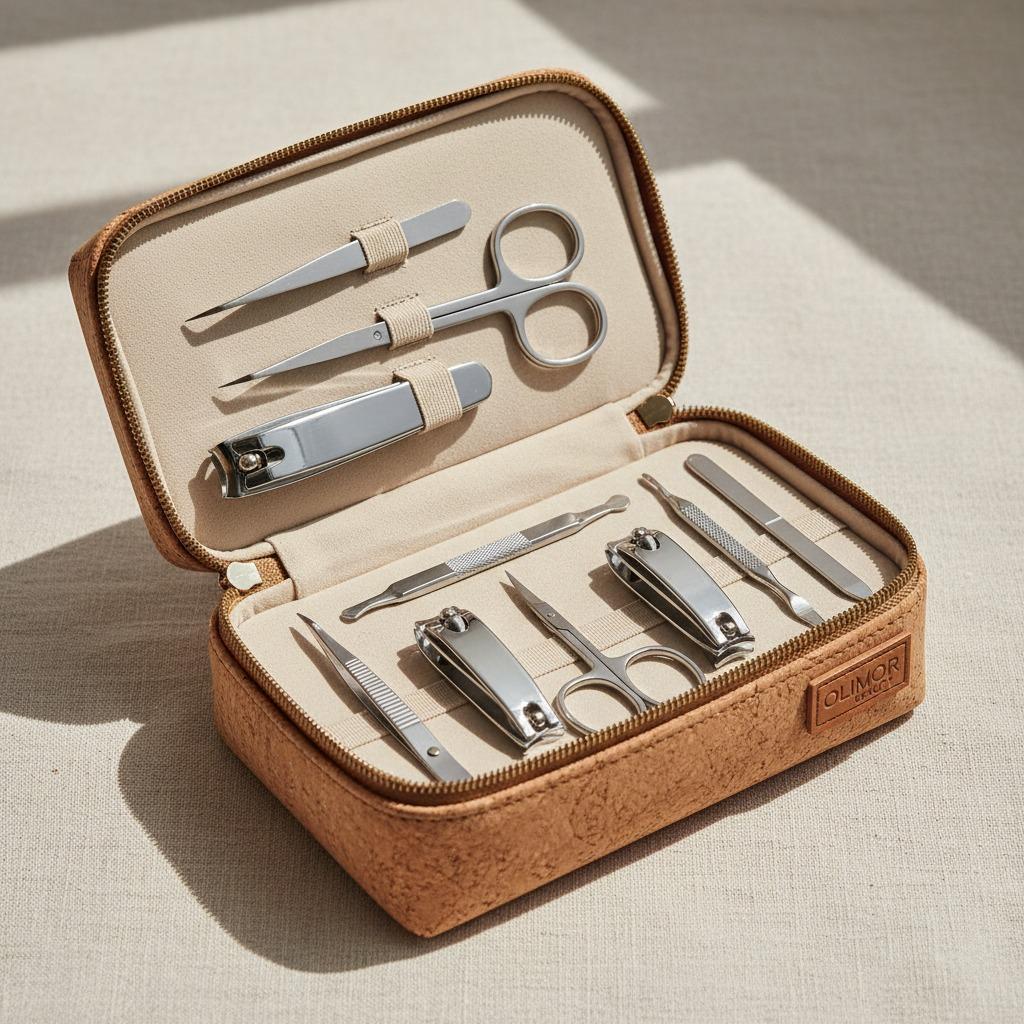
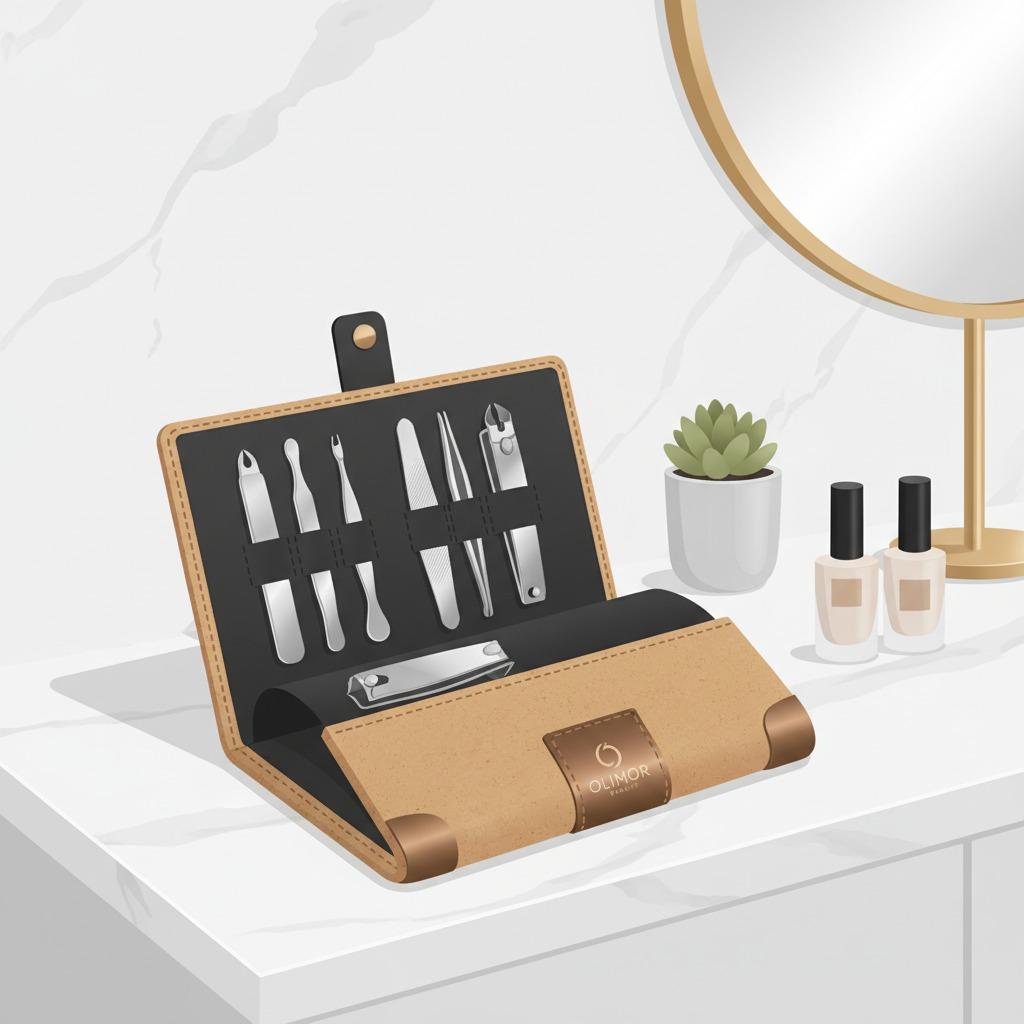
| Gift sets or kits | Presentation and fit | Compact size, matching accessories, secure insert or pouch |
This channel-based thinking helps avoid overpaying for features your customer does not value or under-specifying a product that will be used professionally. It also supports better product copy, because you can describe the tweezer by its real use case rather than using vague claims.
Private Label Tweezers: Decisions to Make Early
Private label manicure and grooming tools can help a brand stand out, but the planning stage is where many problems are prevented. Before discussing artwork or packaging, decide what role the tweezer will play in your range. Is it a hero item, part of a brow care set, an add-on to nail tools, or a travel-friendly grooming accessory?
Once the role is clear, review the design choices that affect both performance and brand perception. Tip shape, finish, color treatment, handle texture, logo placement, and packaging format all influence how customers judge the product. A minimal retail card may work for price-sensitive channels, while a protective pouch or rigid packaging may be more suitable for a premium kit. These are sourcing decisions, not just design preferences.
Buyers should also prepare packaging text early. Include practical care guidance, safe handling notes where appropriate, and simple product descriptions that match the tool. Avoid overpromising results. A strong private label product is one where the physical item, packaging, and sales copy all describe the same real benefit.
Eco-Conscious Sourcing Without Empty Claims
Demand for eco-friendly personal care tools continues to influence beauty purchasing, but responsible sourcing requires careful language. Durable grooming tools can support waste reduction because they are designed for long-term use rather than disposable replacement. Stainless steel tweezers may also fit into sustainability-focused assortments when they are made to last and packaged thoughtfully.
For wholesale buyers, the most practical eco-conscious improvements often come from durability, reduced unnecessary packaging, and better product education. A tweezer that lasts longer can be more responsible than a low-cost item that quickly loses alignment. Packaging that protects the tip without excessive plastic can also improve the customer experience while reducing waste in the supply chain.
When building an eco-oriented range, focus on verifiable decisions: long-use product positioning, protective storage, recyclable or reduced packaging where feasible, and clear care instructions. If you want to compare tweezers with other grooming and manicure items, review Olimor Beauty product collections to plan a coordinated assortment.
How to Compare Wholesale Suppliers
A dependable beauty tools supplier should make the buying process more predictable. Price matters, but it should be evaluated together with sample quality, communication, packaging capability, production consistency, and willingness to clarify specifications. If a supplier cannot explain how the product will be checked before shipment, the apparent savings may disappear through returns, delays, or customer complaints.
Use a practical comparison process. First, request or review samples that represent the intended order as closely as possible. Second, test the samples the way your customer would use them. Third, compare packaging options and confirm whether your channel requires hang holes, barcodes, warning text, protective sleeves, or retail-ready cartons. Fourth, document the accepted sample details so production has a reference point.
For buyers building a broader beauty range, it can be useful to group tweezers with nail tools, grooming accessories, and other personal care tools. This approach can simplify merchandising and help customers understand how each item fits into a daily routine or professional service.
Care and Maintenance Guidance to Reduce Complaints
Wholesale buyers often focus on procurement, but after-sale guidance is just as important. Simple care instructions can reduce misuse and extend product life. Retail packaging, product pages, and inserts should tell customers how to store and clean the tweezer without making unsupported claims.
- Keep the tip protected when the tweezer is not in use, especially for pointed or finely aligned tips.
- Wipe the tool clean after use and dry it before storage.
- Avoid dropping the tweezer, as impact can affect alignment.
- Do not use precision tweezers for tasks outside their intended purpose, such as prying or cutting.
- Store the tool away from damp environments when possible.
These basic instructions help customers understand that precision tools need appropriate handling. They are also useful for e-commerce listings, where clear product education can lower return rates and improve reviews.
Building a Better Wholesale Tweezer Order
A strong wholesale tweezer order starts with a clear product brief. Define the target customer, use case, tip style, finish direction, packaging format, and quality expectations before committing to production. Review samples carefully, document approvals, and align your product copy with the actual tool. This process supports better margins because it reduces uncertainty at every stage.
Olimor Beauty works with buyers seeking professional beauty tools, manicure tools, grooming accessories, and private label-ready products. If you are planning a wholesale tweezer order or comparing options for a larger beauty tool assortment, you can send an inquiry with your project details or contact Olimor for sourcing support.
The right tweezer may be a small item, but it can strengthen a beauty line when it is selected with care. Prioritize alignment, grip, finish, packaging, and honest sustainability choices, and your wholesale purchase will be better positioned for both retail success and long-term customer satisfaction.