Choosing wholesale tweezers is a practical product-quality decision, not just a bulk purchasing task. For beauty retailers, salons, distributors, hotel amenity buyers and private label brands, a tweezer affects how customers judge control, comfort, cleanliness and value in everyday use.
A good tweezer closes evenly, grips fine hair or small beauty accessories without slipping, feels stable in the hand and arrives protected enough to preserve its tip alignment. A poor tweezer may look acceptable in a catalog photo but cause hair breakage, weak grip, hand fatigue, damaged tips or avoidable returns.
Olimor Beauty works with professional and consumer beauty tools, including tweezers for grooming, manicure support and lash application. This guide explains how B2B buyers can compare wholesale tweezers, plan private label requirements, evaluate sustainability claims responsibly and discuss quality checks with a supplier before placing a bulk order.
What Makes a Wholesale Tweezer Suitable for Professional and Retail Use?
The primary job of a tweezer is precision. Whether the end user is shaping brows, applying false lashes, handling nail decorations or using a grooming tool from a travel kit, the two tips must meet cleanly and apply controlled pressure. Small differences in tip shape, closing tension and finish can strongly affect the user experience.
Professional users often notice these differences quickly. If the arms are too loose, the tool may fail to grip fine hair or delicate lash pieces. If the tension is too stiff, the user may lose control or experience hand fatigue during repeated service work. If the tips are misaligned, the tweezer may slip, pinch unevenly or damage the item being handled.
Retail customers also judge quality through touch and appearance. Smooth edges, clean polishing, consistent color or finish, and secure packaging all help the product feel trustworthy. For private label buyers, this matters because the end customer connects the tool’s performance directly with the brand name on the pack.
Core Selection Criteria for Wholesale Tweezers
Before comparing quotations, define the application and sales channel. A tweezer for a lash artist may require a different shape and grip design from a tweezer used in a hotel amenity kit. A retail brow tweezer may need more consumer-friendly packaging than a tool sold inside a professional manicure set.
- Tip style: Slanted, pointed, straight and curved tips support different tasks. Brow grooming, lash placement and manicure decoration handling may each require different handling characteristics.
- Tip alignment: The two sides should meet evenly. Misalignment is one of the most common reasons for slipping, missed hairs and uneven pressure.
- Grip performance: Buyers should test whether the tweezer can hold fine hair, lash pieces or small accessories without excessive pressure.
- Closing tension: The tool should not feel too loose or too stiff. Smooth spring tension supports control and comfort during repeated use.
- Grip design: Contours, ridges or textured areas can support steadier handling, especially for lash work and professional beauty services.
- Surface finish: Smooth edges, clean polishing and a consistent appearance improve shelf appeal and hygiene perception.
- Material durability: Stainless steel is widely used in beauty tools because it offers strength, corrosion resistance when properly maintained and a clean presentation.
- Packaging protection: Tips should be protected during packing, shipping, retail handling and kit assembly so alignment is not damaged before use.
- Batch consistency: A sample is useful, but buyers should also discuss how the supplier checks alignment, finish, cleanliness and packing quality across repeat orders.
These criteria help buyers compare options beyond unit price. A low-cost tweezer can become expensive if it causes customer complaints, weak repeat sales or repacking work. A premium-looking finish is also not enough if the tips cannot grip reliably.
Comparing Common Tweezer Applications
The best wholesale tweezer depends on where it will be sold and how it will be used. The following table gives buyers a practical way to match product details with customer expectations.
| Use case | What matters most | Buyer evaluation focus |
|---|---|---|
| False lash application | Accurate placement, stable grip and controlled handling near the eye area | Curved or precision shapes, comfortable grip, non-slip handling and tip protection |
| Brow grooming | Clean hair grip, even tip contact and comfortable tension | Tip alignment, edge finish, closing feel and retail-ready presentation |
| Manicure support | Handling small nail decorations, accessories or service items | Tip shape, smooth surface, compatibility with nail tool kits and easy cleaning |
| Hotel amenity or travel kits | Compact presentation, hygiene perception and reliable basic performance | Protective packaging, consistent appearance, assortment fit and practical durability |
| Retail personal care sets | Attractive presentation, daily usability and repeat purchase value | Finish consistency, clear positioning, packaging design and brand compatibility |
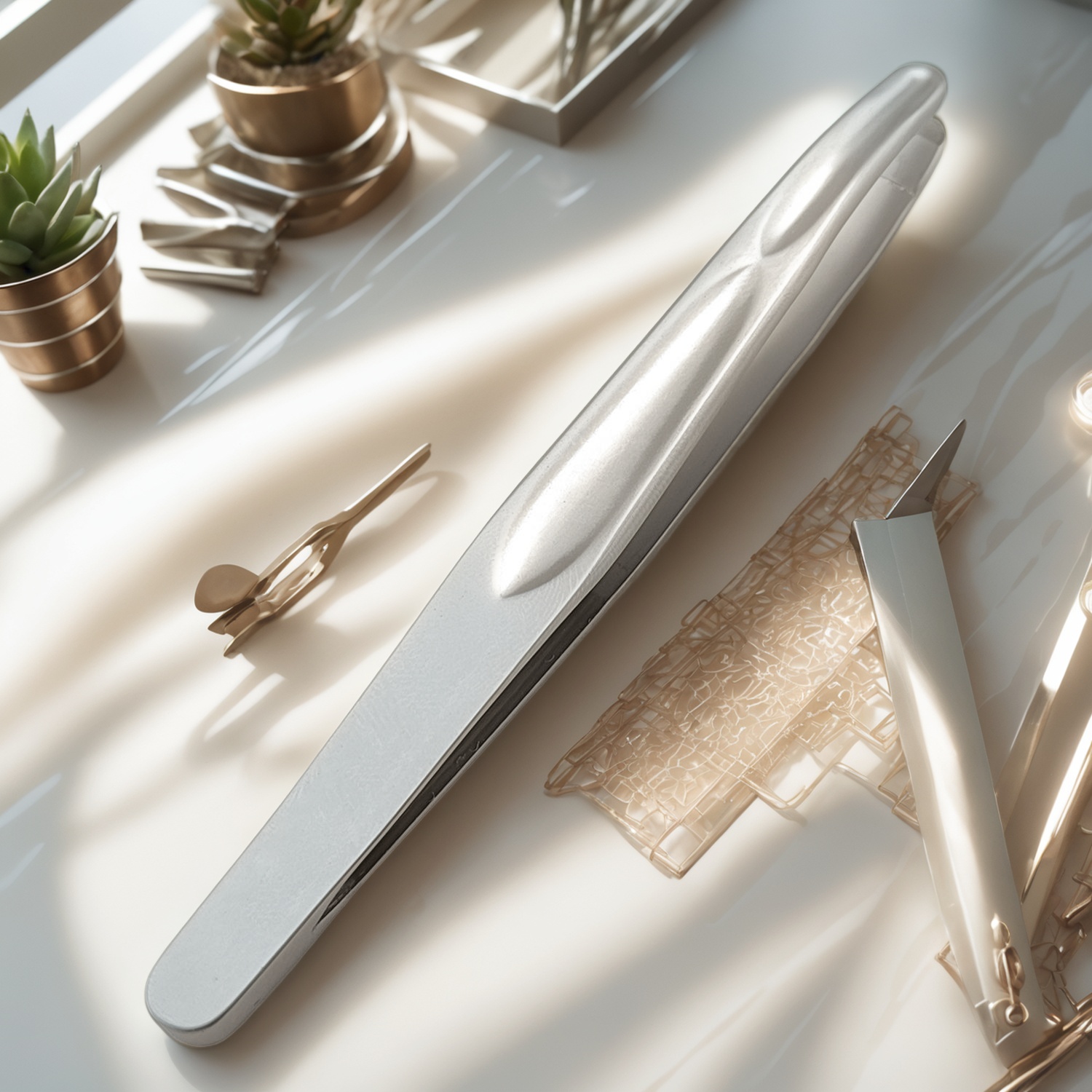
For lash-focused assortments, ergonomic details are especially important. The Precision False Lash Tweezer by Olimor Beauty is an example of a tweezer where a contoured grip and non-slip ridges support steadier handling. Those features are practical rather than decorative because lash placement depends on stability, accuracy and comfort.
Why Stainless Steel Is Common in Long-Lasting Beauty Tools
Stainless steel is frequently selected for tweezers and other personal care tools because it offers a useful balance of strength, clean appearance and resistance to corrosion when the tool is cleaned, dried and stored correctly. For tweezers, the material supports a firm body and precise tip formation.
For B2B buyers, material choice also affects product positioning. A durable reusable tweezer can support a more responsible product assortment because it is designed for repeated use rather than quick replacement. Stainless steel is also recyclable where local recycling systems accept it, which can be relevant for brands reviewing end-of-life considerations.
However, sustainability language should stay specific and verifiable. Instead of making broad environmental promises, buyers can communicate practical benefits such as reusable construction, durable material, reduced replacement frequency and recyclable material potential where applicable. Packaging choices should be reviewed with the same care.
Sustainable Sourcing and Packaging Considerations
Demand for more responsible beauty tools has increased as retailers, hospitality buyers and beauty brands review packaging waste and product lifecycle. For wholesale tweezers, sustainability does not mean accepting weak performance. A tool that fails quickly may create more waste than a better-made product used over a longer period.
Buyers can evaluate sustainability in three practical areas. First, assess the tweezer itself: material, durability, repair or replacement expectations, and whether it is designed for repeated use. Second, review packaging: compact sleeves, recyclable boxes or reduced-plastic formats may be suitable depending on the channel. Third, consider transport and handling: efficient packing that protects the tips can reduce damage and unnecessary waste.
If environmental claims will appear on packaging or product pages, buyers should verify the applicable version of any relevant guidance and request supplier documentation. ISO 14021, which addresses self-declared environmental claims, and public guidance such as the U.S. Federal Trade Commission Green Guides can be useful references for claim wording. Their applicability depends on market, claim type and current version, so buyers should confirm requirements with qualified advisors and supplier documents. Olimor should not be represented as holding a certification unless that documentation is specifically supplied and verified.
Private Label Tweezers and Customization Planning
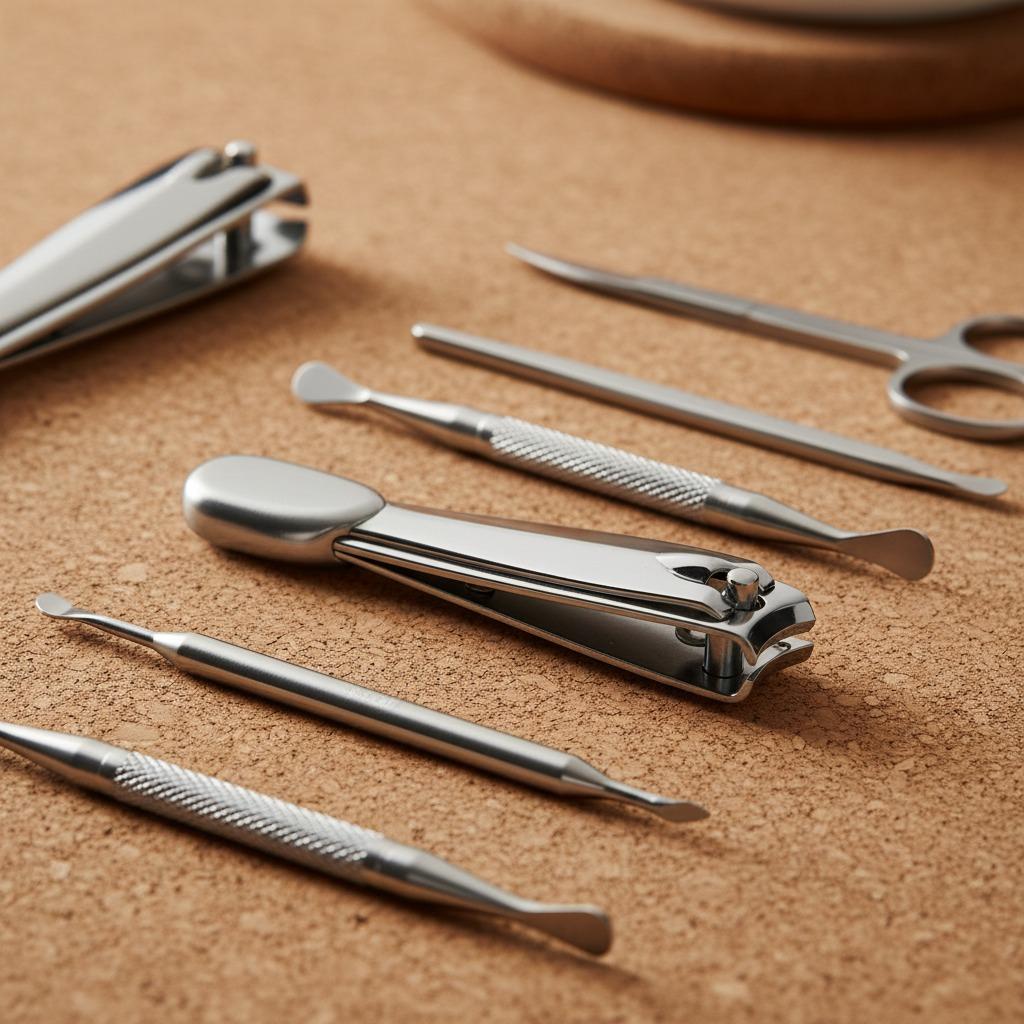
Private label tweezers are a practical way to expand a beauty tool line because they fit many categories: brow care, lash tools, grooming kits, manicure accessories, travel sets and salon retail. They can also sit beside nail clippers, scissors, files and other personal care tools to create a more complete branded range.
Before requesting samples, prepare a clear specification. This reduces sampling rounds and helps the supplier understand what success looks like. Useful information includes the target customer, intended use, preferred tip style, finish direction, packaging format, logo placement and whether the tweezer will be sold alone or bundled with other tools.
- Define the customer: Decide whether the tweezer is for professional salons, retail consumers, hotel amenities, travel kits or gift sets.
- Select the tool type: Match tip shape and grip design to the task, such as brow grooming, false lash work or manicure decoration handling.
- Review samples by performance: Test alignment, tension, grip, edge comfort, finish and packaging protection, not only appearance.
- Plan branding details: Confirm where the logo or brand identity will appear, such as on the tool, packaging or kit insert.
- Check assortment fit: Make sure the tweezer looks compatible with your wider beauty tool products rather than feeling like an unrelated add-on.
Buyers developing a wider range can review Olimor beauty tool products to consider how tweezers may fit alongside manicure tools, lash tools and personal care accessories.
How to Evaluate a Professional Tweezer Supplier
A reliable supplier should help buyers make decisions based on practical use, repeatable quality and clear communication. For wholesale tweezers, the supplier evaluation process should include product samples, quality expectations, packaging discussion and commercial terms.
Start by asking how the supplier checks the issues that affect performance most: tip matching, closing tension, surface finish, edge smoothness, cleanliness and packing protection. Buyers should also ask how bulk orders are kept consistent with approved samples. No supplier should be judged only by one attractive sample if repeat production is the real commercial need.
For quality management discussions, ISO 9001 can be a useful reference because it relates to quality management systems, but buyers should verify the applicable version and any supplier documentation directly. Do not assume certification or audit status unless official documents are provided and current.
Commercial evaluation should include more than price. A complete supplier review may cover sample availability, customization capability, packaging options, communication quality, production planning, inspection process and after-sales response. For buyers comparing multiple options, this approach creates a clearer view of total value.
Supplier Evaluation Checklist
| Question to ask | Why it matters | What to review |
|---|---|---|
| Can samples be reviewed before a bulk order? | Samples help buyers test handling, alignment and finish before committing. | Tip contact, tension, grip, surface finish, packaging and assortment fit |
| How are bulk orders checked? | Batch consistency protects the buyer’s brand reputation. | Inspection for alignment, finish, cleanliness, tip protection and packing condition |
| What customization options are available? | Private label projects require clear branding and packaging planning. | Logo placement, finish direction, packaging format and kit compatibility |
| How are the tweezer tips protected? | Tip damage during storage or transit can reduce performance. | Sleeves, inserts, cartons or other protective packing methods |
| How are sustainability claims supported? | Environmental language should be specific, accurate and documented. | Material information, packaging details and claim documentation where relevant |
Cost Factors in Wholesale Tweezer Orders
Wholesale tweezer cost is influenced by specification, material, finish, grip design, packaging, customization, inspection needs and order complexity. A simple amenity-kit tweezer may not require the same finish or presentation as a retail private label tool, while a lash tweezer with a contoured grip and non-slip ridges may involve different production and packaging considerations.
Buyers should avoid comparing prices without matching specifications. A quotation for an unpacked tool, a branded retail pack and a protected kit component may represent very different deliverables. The more accurate approach is to compare the full requirement: product type, finish, packaging, logo needs, inspection expectations and shipment preparation.
When discussing cost with Olimor, buyers can share target channel, product positioning and packaging expectations through the product inquiry page. This allows the conversation to focus on suitable options rather than a generic quote that may not reflect the final product.
Problem-Solving Guide for Common Tweezer Quality Issues
Many tweezer complaints can be traced to a small group of issues. Identifying these early during sampling helps buyers prevent larger problems in bulk orders.
- Slipping or missed grip: Check whether the tips meet evenly and whether the tip style matches the intended task.
- Hair breakage: Review edge condition, pressure distribution and whether the tweezer cuts instead of gripping.
- Hand fatigue: Test closing tension and body shape during repeated use, not just one squeeze.
- Uneven appearance: Inspect polishing, surface marks, edge smoothness and consistency between samples.
- Damaged tips on arrival: Review tip protection, inner packing and how the product is handled in kit assembly or retail cartons.
- Weak retail presentation: Reconsider packaging format, product description, care instructions and how the tweezer fits the broader assortment.
These checks are especially important for brands planning repeat orders. Consistent quality across shipments is often more valuable than a single impressive first sample.
Building a Complete Beauty Tool Assortment
Tweezers often perform best commercially when they are positioned within a coherent range. A brow tweezer can pair with scissors, grooming accessories or mirrors. A lash tweezer can support lash application tools. A manicure support tweezer can sit with nail files, clippers and decoration tools. A hotel amenity version can be part of a compact personal care kit.
Assortment planning helps buyers improve perceived value and simplify sourcing. Instead of purchasing unrelated items from multiple vendors, buyers can evaluate whether product finish, packaging style and brand presentation remain consistent across categories. Olimor beauty tool collections can be used as a starting point for reviewing related categories and building a more unified product line.
Working With Olimor on Wholesale Tweezers
Olimor Beauty supports B2B buyers looking for practical beauty tool options for professional, retail, private label and amenity channels. The most efficient conversations begin with clear requirements: intended use, target customer, preferred tweezer type, finish direction, packaging needs, customization expectations and quality concerns.
If you are comparing wholesale tweezers for a new product line or improving an existing assortment, Olimor can help discuss suitable tool options and sourcing considerations without relying on unsupported claims. To begin a project conversation, contact the team through Olimor contact support with your application, branding needs and sampling questions.
FAQ
Can I request samples before placing a wholesale tweezer order?
Sample discussions are a normal part of B2B sourcing. Buyers should use samples to test tip alignment, closing tension, grip comfort, surface finish, packaging protection and fit with the intended sales channel.
Does Olimor offer private label or customized tweezer options?
Customization may involve tool selection, finish direction, packaging style and logo placement depending on project requirements. Buyers should share artwork, target market and assortment plans so the options can be reviewed properly.
What MOQ or lead time should I expect?
MOQ and lead time depend on the product specification, packaging, customization requirements and production planning. Buyers should request current project-specific details instead of relying on general estimates.
What quality checks should buyers ask about?
Key checks include tip alignment, grip performance, closing tension, surface finish, cleanliness, edge comfort and packing protection. For repeat orders, buyers should also discuss how bulk production is kept consistent with approved samples.
How should sustainability claims be handled for wholesale tweezers?
Use specific, supportable language such as durable reusable construction, stainless steel material and recyclable packaging where documentation and local systems support the claim. Buyers should verify applicable standards, guidance and supplier documentation before publishing environmental claims.