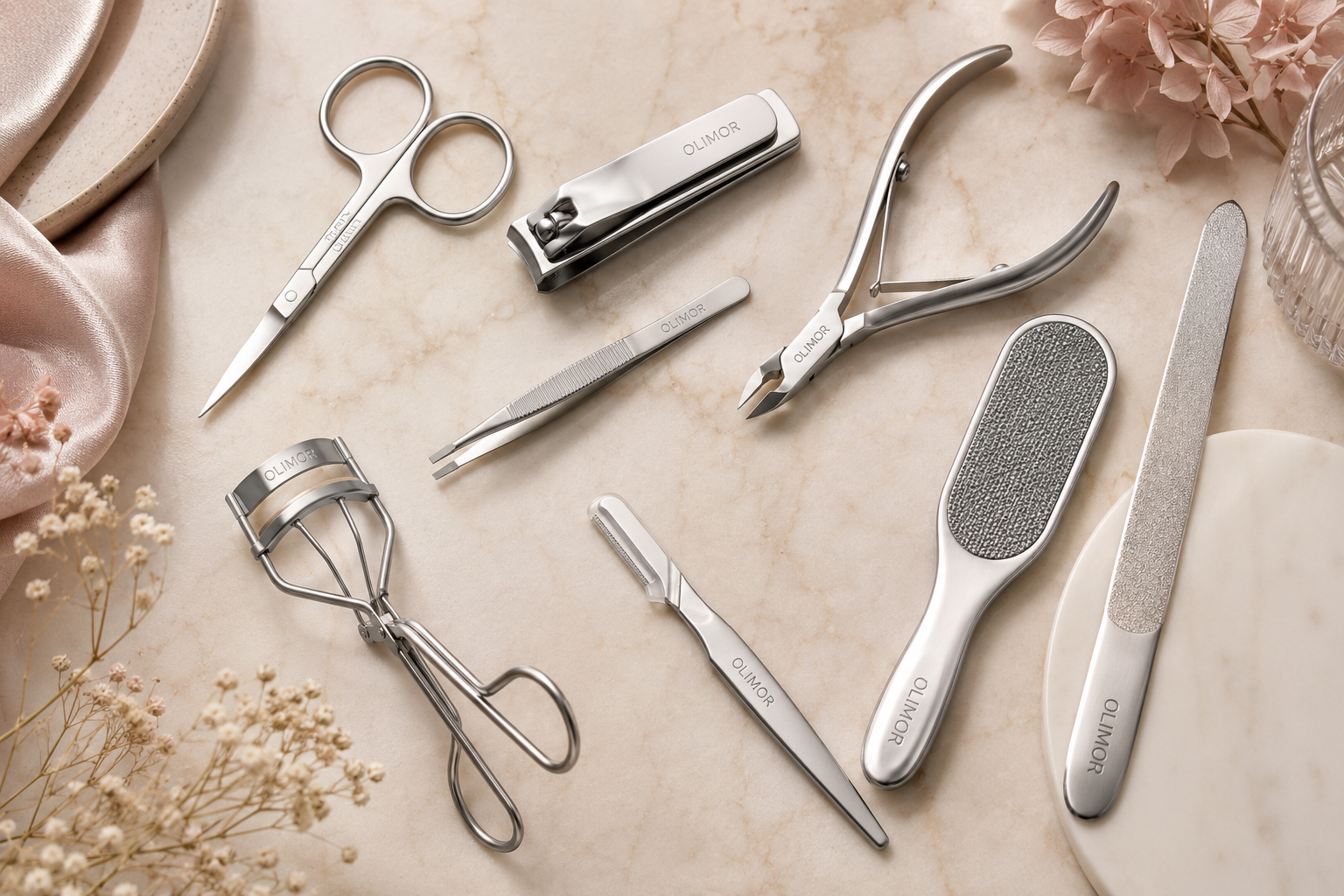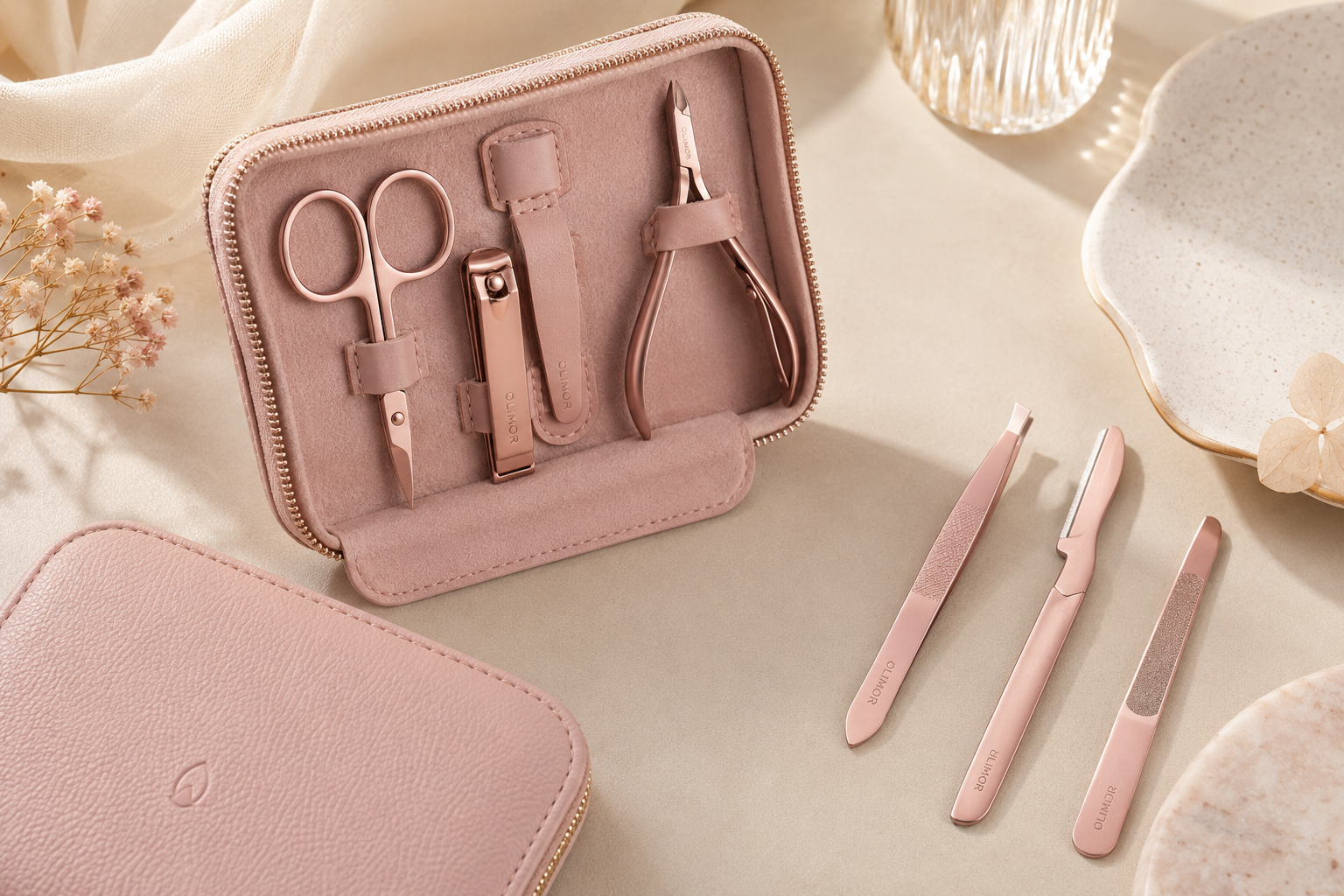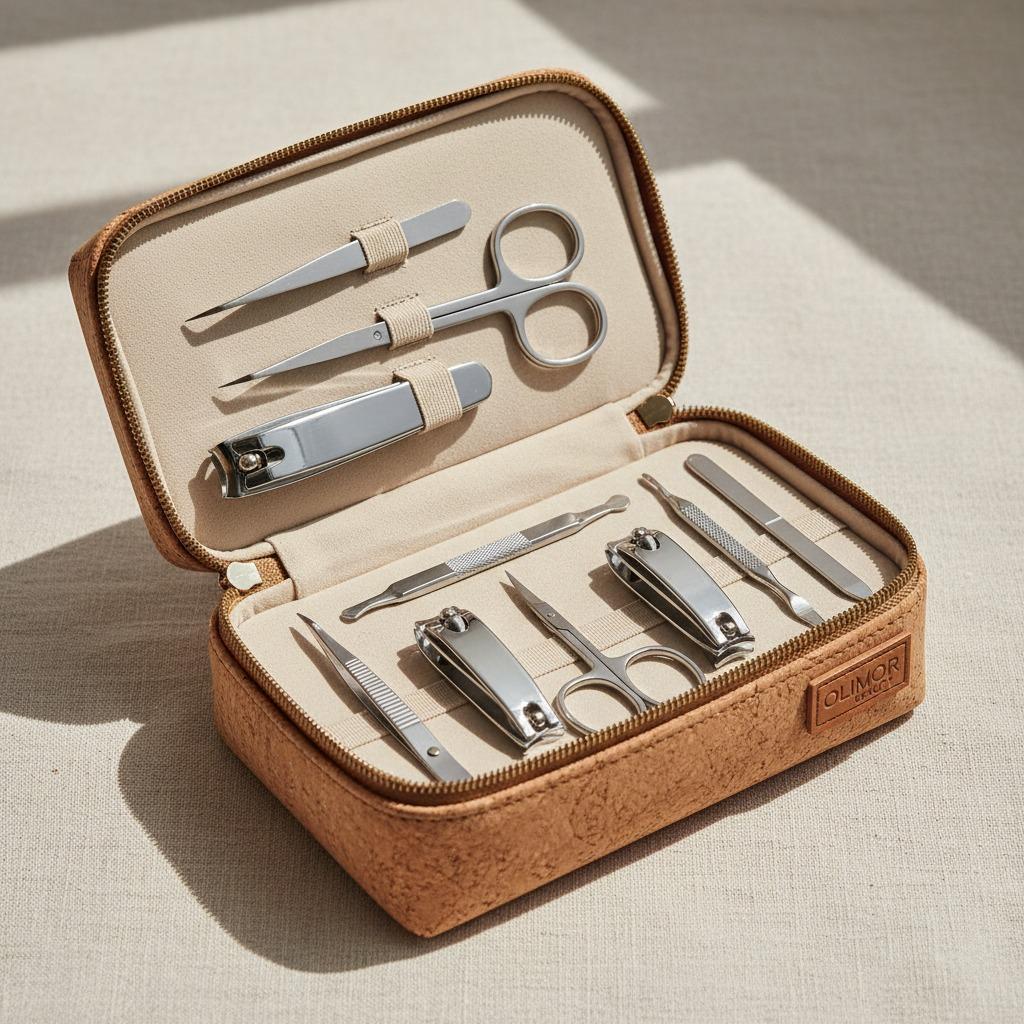
Buying tweezers wholesale is not simply a matter of choosing the lowest unit price. For salons, lash studios, brow professionals, nail artists, beauty retailers and distributors, tweezers are small tools with a direct effect on service quality. A poorly aligned tip can slow down a technician, damage delicate materials or make precision work feel unpredictable. A well-made tweezer, by contrast, supports clean pickup, controlled placement and repeated use throughout a busy workday.
Olimor Beauty supplies professional beauty tools for buyers who need consistent quality and practical product selection. When evaluating tweezers in bulk, the most important questions are functional: What type of tip is suitable for the job? Does the tool close evenly? Is the grip comfortable for repeated use? Can the finish withstand normal salon handling and cleaning? This guide explains how to assess wholesale tweezers before adding them to a service kit, retail range or procurement list.
Match the Tweezer Tip to the Work
The first sourcing decision is tip style. Different tweezer shapes are designed for different hand positions, materials and degrees of precision. A set that works well for brow grooming may not be ideal for volume lash work, and a tweezer suitable for nail embellishments may not offer enough control for extremely fine isolation tasks.
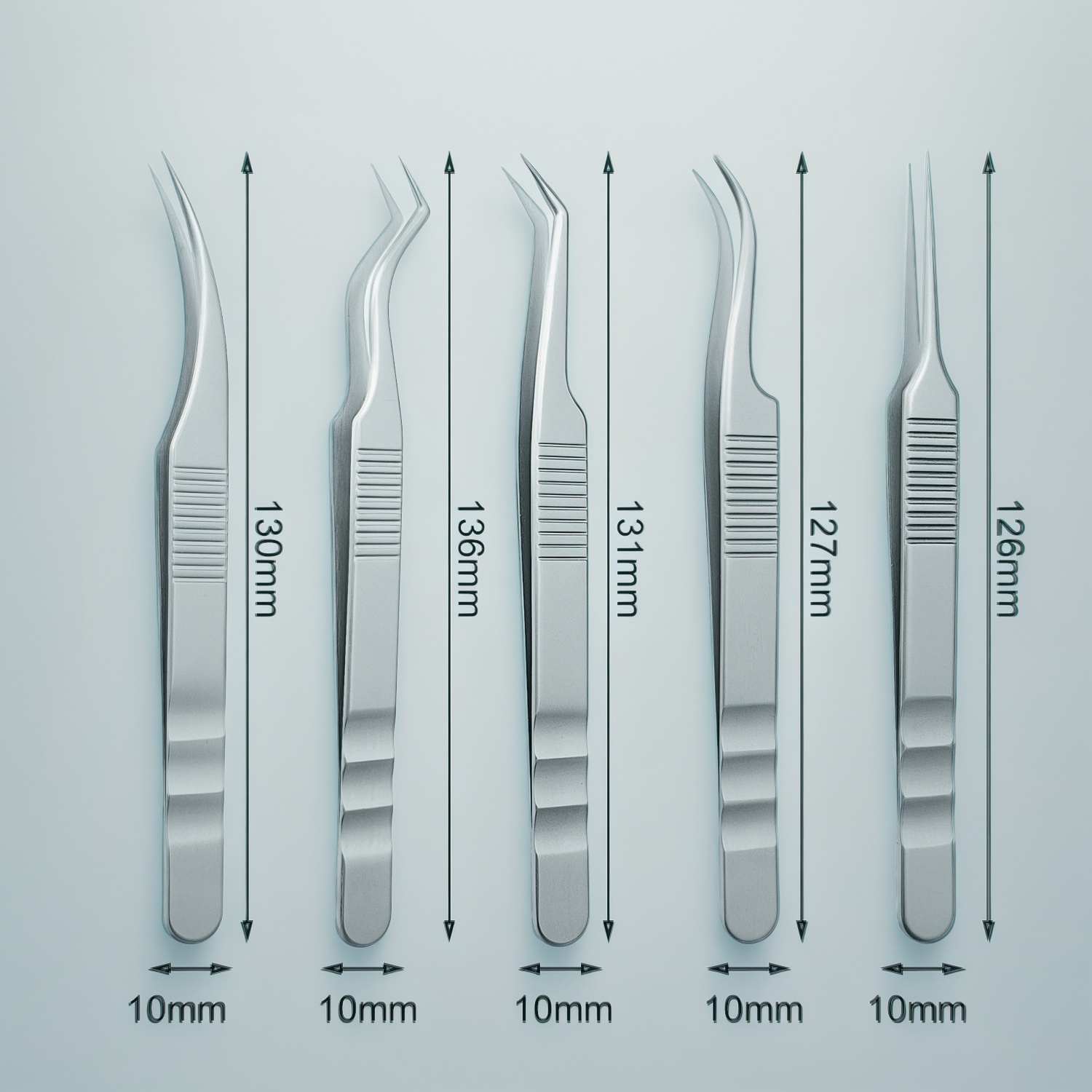
Straight-tipped tweezers are often chosen for tasks that require a direct grip and a clear line of sight. They can be useful for classic lash applications, selecting small items from trays, general salon use and detailed craft work. Because the closing direction is easy to see, many professionals find straight tips intuitive for everyday precision tasks.
Curved-tipped tweezers are helpful when the technician needs to approach the work from an angle. In lash services, the curve can provide access around the natural lash line without forcing the wrist into an uncomfortable position. Curved tweezers are also useful for intricate nail art, picking up small decorative elements or handling components where a straight approach is awkward.
Fine-pointed tweezers are selected when delicate handling is the priority. The narrower contact point can support accurate pickup and placement, but it also requires careful inspection. Fine tips must meet cleanly and should not feel scratchy, bent or uneven. For wholesale orders, this is one of the key areas to check because small defects at the tip can make the tool difficult to use.
What Professional Buyers Should Inspect Before Ordering
When purchasing tweezers in quantity, a visual check is not enough. Buyers should consider how the tool performs in the hand and how consistently it is finished across a batch. The following checklist is useful for salons, distributors and private-label buyers comparing options from a professional beauty tools supplier.
- Tip alignment: The two sides should meet evenly at the intended contact point. Misalignment reduces grip and can make precision work unreliable.
- Closing tension: The tweezer should close smoothly without requiring excessive force. Too much tension can cause hand fatigue; too little can reduce control.
- Grip surface: The body should provide secure handling, especially when hands are gloved or working under salon lighting.
- Edge comfort: The sides and handle area should not have rough edges that irritate the fingers during repeated use.
- Finish consistency: The surface should appear uniform, with no obvious staining, burrs, chips or uneven polishing.
- Packaging suitability: If the tools will be sold at retail, packaging should protect the tips and present the product clearly.
- Application fit: The tweezer should be tested with the actual materials it will handle, such as lashes, brow hair, nail decorations or small cosmetic components.
These checks do not require complicated laboratory equipment. They reflect real use conditions and help buyers avoid stock that looks acceptable in photos but performs poorly in service.
Straight, Curved and Fine-Point Tweezers Compared
A simple comparison can help purchasing teams build a balanced tweezer range. The best assortment depends on the customer base, but most professional beauty buyers benefit from offering more than one tip shape.
| Tip type | Common use cases | Buying considerations |
|---|---|---|
| Straight tip | Classic lash handling, brow work, general salon precision, picking up small parts | Check that the tips close evenly along the intended gripping area and that the line of sight is clear. |
| Curved tip | Volume lashing, angled placement, nail art, work in tight spaces | Assess wrist comfort, angle control and whether the curve supports the technician’s preferred technique. |
| Fine point | Delicate placement, very small components, detailed precision tasks | Inspect carefully for tip sharpness, smoothness and symmetrical contact to avoid snagging or slipping. |
For a distributor or retailer, the goal is not to label one style as the best. The goal is to match tool geometry to the buyer’s task. A professional lash artist may need several shapes at the workstation, while a beauty retailer may want a compact selection that covers common consumer and salon needs.
Ergonomics Matter in Repeated Salon Use
Because tweezers are light and small, ergonomics are sometimes overlooked. In practice, technicians may hold tweezers for long periods during lash, brow or nail services. A tool that is too stiff, too slippery or poorly balanced can lead to slower work and hand discomfort.
Ergonomic design in a tweezer does not have to mean a complicated shape. It means the tool supports controlled pressure, stable grip and accurate movement. The handle width, spring tension, surface texture and weight all influence the user experience. When evaluating wholesale tweezers, buyers should test the tool for several minutes rather than closing it once or twice. Repeated opening and closing reveals whether the tension is comfortable and whether the grip remains stable.
For salons, technician feedback is especially valuable. A purchasing manager may inspect appearance and packaging, but working professionals can judge pickup, isolation, placement and fatigue more accurately. If the order is intended for retail resale, consider whether the tweezer feels intuitive for a broad range of users, not only advanced technicians.
Material, Finish and Cleaning Considerations
The original product focus highlights stainless steel tweezers, a common choice for professional beauty tools because it offers durability for repeated handling. However, the exact performance of any tool depends on manufacturing quality, finish and care. Buyers should avoid assuming that all stainless steel tweezers behave the same way. Tip precision, polishing, edge finishing and packaging protection can vary significantly among suppliers.
Cleaning and storage practices also affect service life. Tweezers should be kept dry after cleaning, stored with tips protected and separated from heavier tools that may bend or damage the ends. Fine-pointed tweezers are particularly vulnerable to tip damage if they are thrown loosely into drawers or kits. For retail products, clear care guidance helps end users protect the tool after purchase.
Professional environments should follow their local hygiene rules and salon procedures for tool cleaning and disinfection. Buyers should select tweezers that can support the intended workflow, but they should also train staff to avoid dropping tools, twisting the tips or using precision tweezers for tasks outside their purpose, such as prying open containers or scraping hardened product.
How to Evaluate a Wholesale Tweezer Supplier
A suitable supplier should do more than provide a catalog photo. For professional buyers, supplier evaluation should include communication quality, product consistency and the ability to support the intended sales channel. Olimor Beauty focuses on professional beauty tools, and buyers can review related beauty tool products to compare tool categories and plan a more complete sourcing list.
When discussing wholesale tweezers, prepare a clear requirement sheet. Include the tip styles you need, expected use cases, packaging preferences, target market and any inspection concerns. This reduces confusion and helps the supplier respond with relevant options. If you are building a product line, browsing product collections can also help you organize tweezers alongside manicure tools, lash tools or other beauty accessories.
A practical supplier review should include these questions:
- Which tweezer tip shapes are available for the intended application?
- How are tip alignment, closing tension and finish checked before packing?
- What packaging options protect the tips during shipping and storage?
- Can the product be evaluated with the actual materials used by your technicians or customers?
- How should the tweezer be stored and maintained to reduce avoidable damage?
These questions keep the discussion focused on quality and usability rather than vague claims. If you are ready to compare options for a wholesale order, you can send an inquiry with your intended application and sourcing needs.
Building a Practical Wholesale Assortment
A good wholesale tweezer assortment should be easy for customers or technicians to understand. Too many similar items can create confusion, while too narrow a range may fail to cover important professional uses. Start by identifying the main buyer group. Lash studios may prioritize curved and fine-point tweezers. Brow professionals may need straight and slanted-style precision options if available in the range. Nail artists may value angled control and a reliable grip for small decorations. Beauty retailers may prefer a simple selection that clearly explains each use case.
Product pages and packaging should describe function in practical language. Instead of relying only on general words like “professional” or “precision,” explain what the tool is designed to do: grip small components, support angled placement, assist with lash isolation or provide direct pickup. This helps buyers choose correctly and reduces returns caused by mismatched expectations.
For distributors, consistency across repeat orders is also important. Customers who reorder a tweezer expect the same hand feel and tip performance. Keeping careful notes on preferred tip shapes, finish, packaging and inspection standards makes future purchasing more reliable.
Choose Tweezers Based on Real Performance
Wholesale tweezers may be small products, but they carry a large responsibility in professional beauty work. The right tool can support accuracy, comfort and efficiency; the wrong tool can create frustration at the service table. By focusing on tip design, alignment, tension, finish, packaging and maintenance, buyers can make sourcing decisions that serve both technicians and end users.
Olimor Beauty provides professional beauty tools for buyers who value practical performance and careful selection. Whether you are purchasing for a salon, building a retail range or sourcing for distribution, start with the real application and choose tweezers that meet the way your customers work. For product questions or sourcing support, contact Olimor with details about your intended use and preferred tweezer styles.