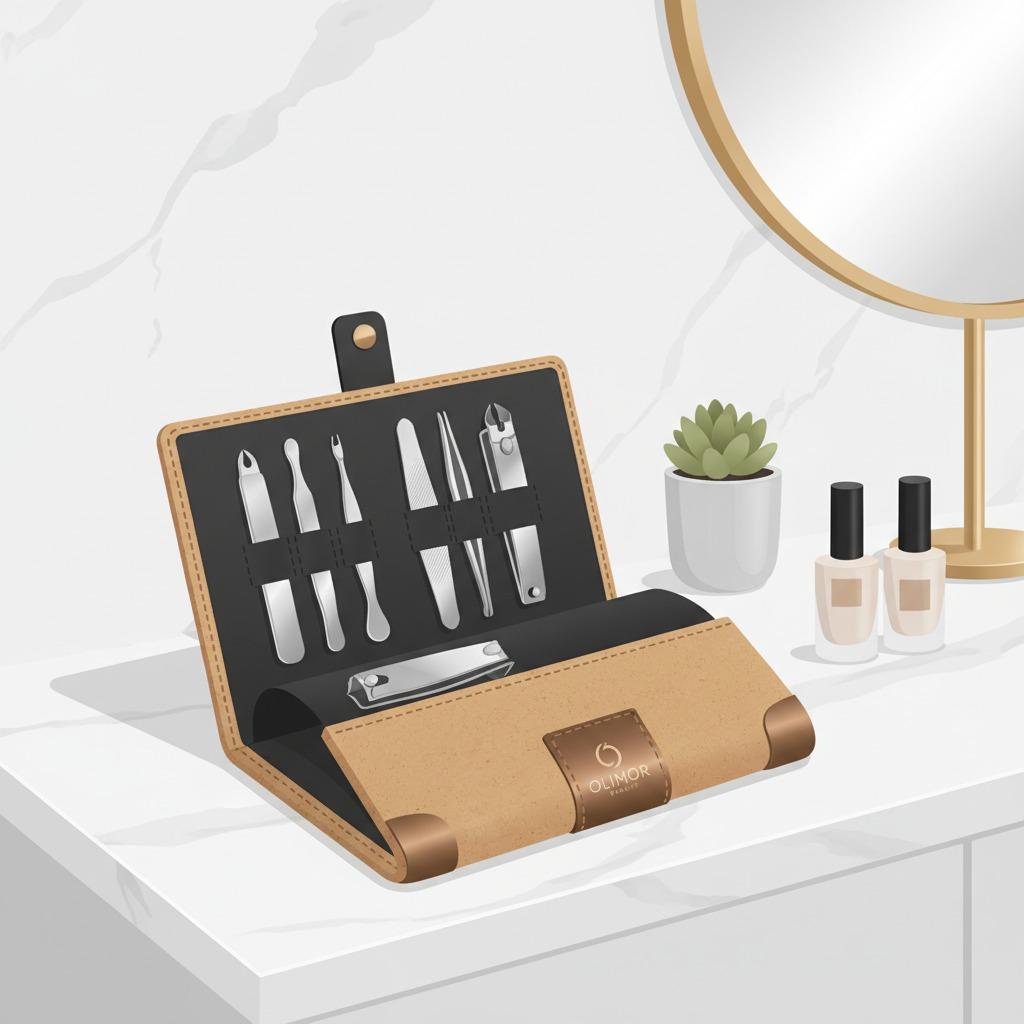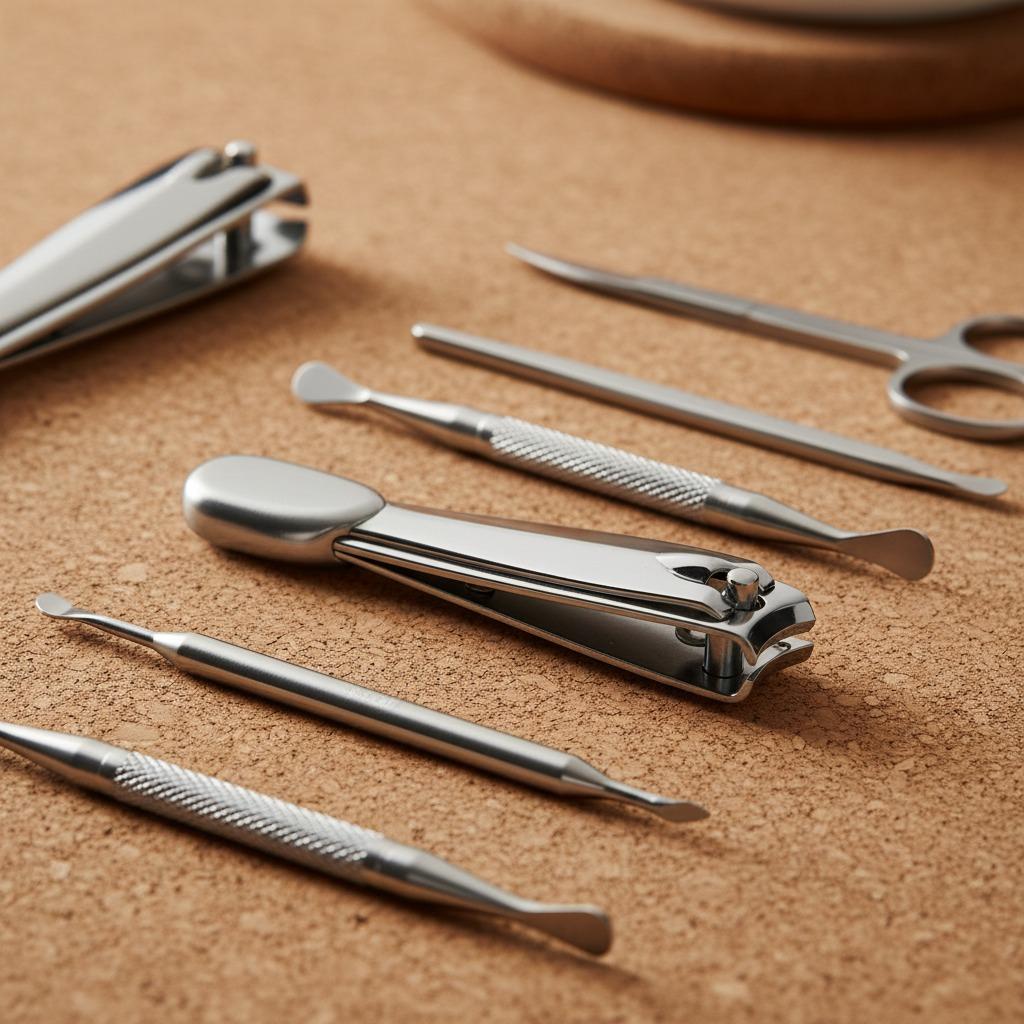











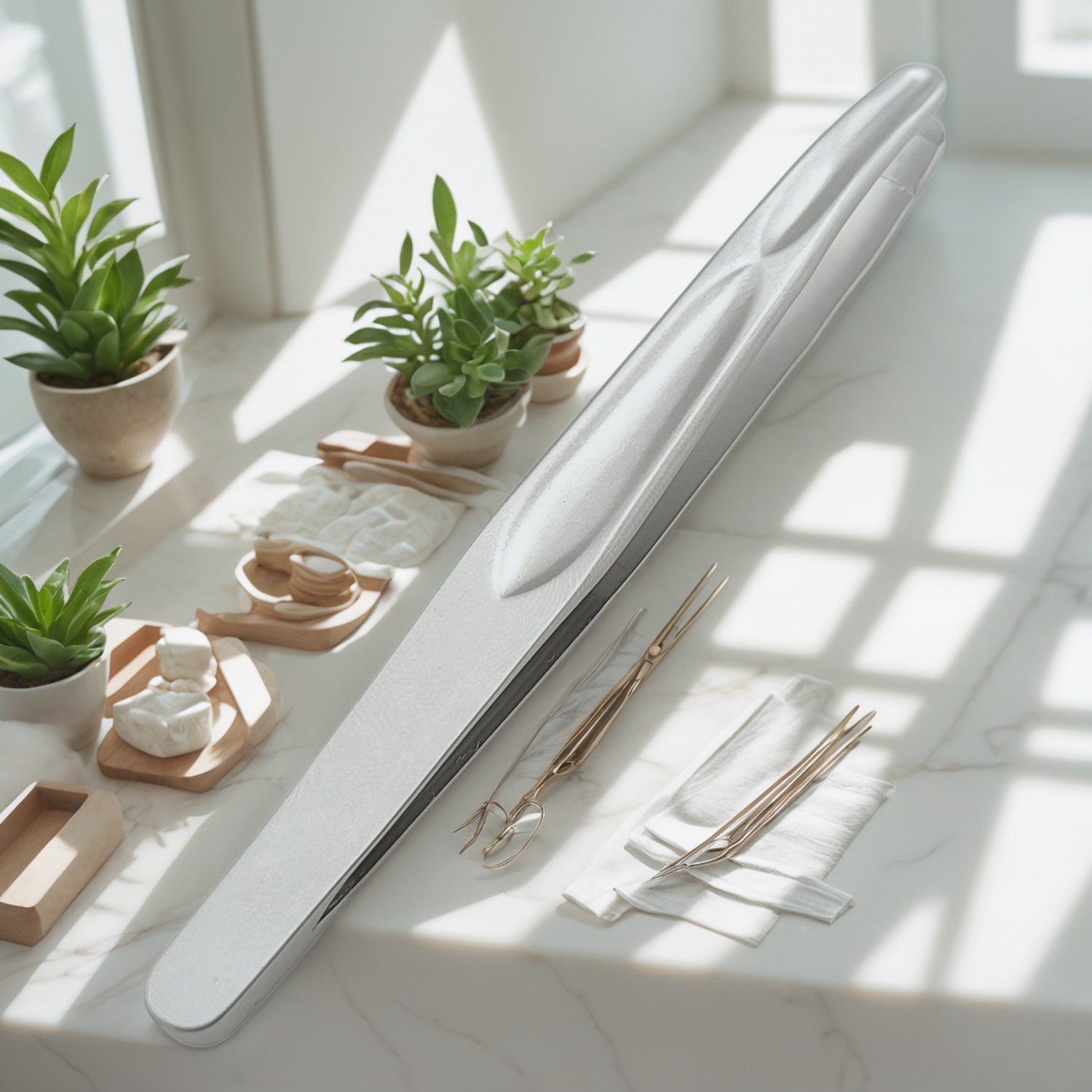
Buying tweezers wholesale is not only a unit-cost decision. For beauty retailers, salons, spas, brow studios, hospitality buyers, distributors and private label brands, tweezers are small tools with a direct effect on customer trust. They touch the skin, need to grip consistently, must be easy to clean and should feel controlled in the hand. If a tweezer bends, slips, pinches the skin, rusts or feels disposable, the complaint is usually aimed at the brand that supplied it.
Eco-conscious sourcing adds another layer to the decision. The most practical approach is not to choose a tweezer because a product description sounds green. Buyers should evaluate whether the tool is reusable, durable, cleanable, efficiently packaged and suitable for the channel where it will be sold or used. A well-specified stainless steel tweezer can support a more responsible grooming program because it is designed for repeated use rather than short-life convenience.
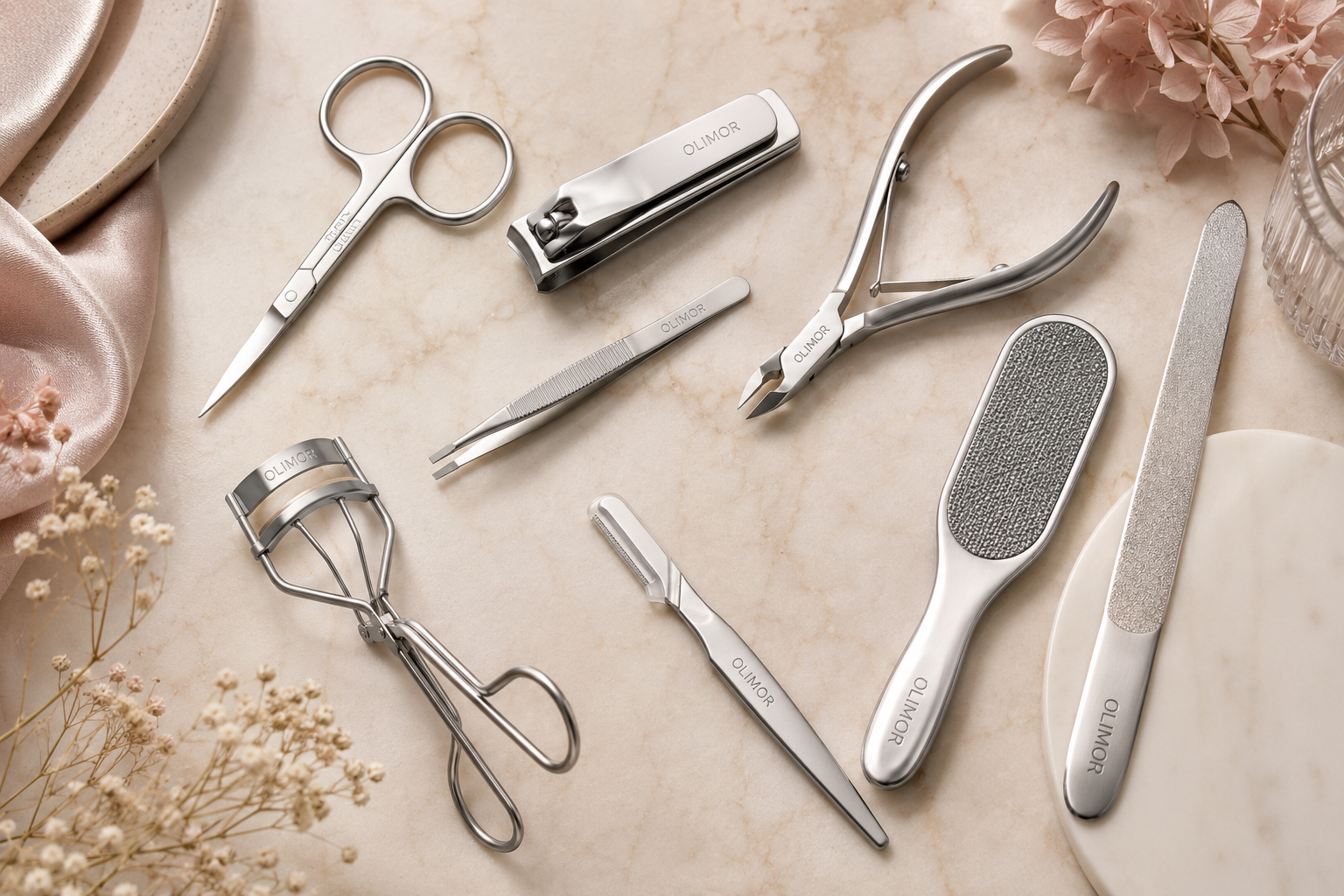
Olimor Beauty supplies manicure and grooming tools for wholesale buyers, including tweezers, manicure tools and extractors. As a manicure tools exporter in Guangdong, Olimor supports businesses that need practical stainless steel instruments, ergonomic design consideration and bulk supply communication for retail assortments, private label programs and amenity kits. This guide explains how to evaluate wholesale tweezers with performance, sourcing and eco-conscious expectations in mind.
Start With One Clear Use Case Before Comparing Tweezers
The best wholesale tweezer is the one that fits the intended user and sales channel. A brow studio may need a slanted tweezer with consistent tip alignment for professional shaping. A nail salon may use tweezers for manicure support, nail art placement or small grooming tasks. A beauty retailer may need a consumer-friendly tool that looks clear and credible in packaging. A hotel or resort may need a compact tool that fits neatly into an amenity kit without feeling flimsy.
Before requesting samples, define the grooming application, end user skill level, packaging format and expected handling environment. This prevents a common B2B sourcing problem: selecting a tool that looks attractive in photos but does not suit the actual program. A private label retail item, a professional back-bar tool and a guest amenity insert may all be tweezers, but they require different presentation and quality priorities.
- Retail beauty programs: prioritize reliable grip, attractive finish, clear usage guidance and shelf-ready packaging.
- Salon and spa programs: prioritize hand comfort, repeated cleaning suitability, stable tension and consistent performance across batches.
- Nail and manicure kits: prioritize controlled grip, smooth edges and compatibility with other tools in the set.
- Hospitality amenity programs: prioritize compact format, hygienic presentation and a tool that does not feel disposable.
- Private label distributors: prioritize repeatable quality, packaging flexibility, carton labeling clarity and supplier communication.
Buyers planning a broader assortment can review Olimor beauty tool products to see how tweezers may sit alongside manicure tools, nail implements and facial grooming accessories.
Material and Construction Checks That Matter in Bulk Orders
Stainless steel is commonly preferred for professional and retail tweezers because it is durable, cleanable and suitable for repeated handling. It is also relevant for eco-conscious grooming programs because metal tools can be kept in use longer than disposable alternatives and may be compatible with recycling pathways depending on local systems. However, a stainless steel label alone does not guarantee a good tweezer. Construction, finishing and inspection are just as important.
When reviewing wholesale samples, inspect multiple pieces rather than one perfect-looking sample. Wholesale programs amplify small defects. If one tweezer in a retail display does not close evenly, a customer may question the full range. If several tools in a professional setting have different tension, staff will notice immediately. A useful sample review should test how the tool closes, grips, feels and cleans, not only how it appears in packaging.
Core Tweezer Quality Points
- Tip alignment: both ends should meet evenly from edge to edge. Gaps reduce grip and make fine hair removal or detail handling frustrating.
- Grip tension: the arms should close smoothly without excessive force. Too much tension tires the hand; too little tension can feel unstable.
- Edge finish: the gripping area should be precise but not rough or sharp in a way that scratches skin during normal use.
- Surface finish: the tool should be clean, even and free from visible burrs, rough patches or inconsistent polishing.
- Body balance: the tweezer should feel controlled, not flimsy and not overly rigid.
- Cleanability: smooth surfaces and simple shapes are easier to wipe and maintain than decorative grooves that trap residue.
- Packaging protection: the tip should be protected during storage, shipping and display so alignment is not compromised before use.
Some Olimor product references include precision grooming tools such as stainless steel tweezers and facial extractor tweezer styles. Whether a buyer is reviewing a simple slant tweezer or a more specialized grooming tool, the same evaluation question applies: does the sample hold alignment, feel controlled and perform consistently across several pieces?
How Eco-Conscious Sourcing Applies to Tweezers
Eco-conscious sourcing for tweezers should be practical and verifiable. Reusable metal tools, efficient packaging and clear care instructions usually matter more than vague environmental language. A durable tweezer that customers keep and maintain can be a better fit for responsible beauty programs than a low-cost tool that is quickly discarded.
For buyers interested in recyclable grooming tools in bulk, material clarity is important. Stainless steel is relevant because it is a durable metal and may be recyclable through appropriate local systems. Buyers should still verify actual recycling options in the markets where products will be sold. Mixed decorative parts, unnecessary coatings or complicated packaging may reduce the practical environmental benefit, even if the tool itself is long-lasting.
Eco-Conscious Buying Checklist
- Choose reusable design: specify tools intended for repeated grooming rather than single-use convenience.
- Confirm material clarity: ask what the main tool material is and avoid unnecessary parts that complicate recycling or cleaning.
- Check functional longevity: review alignment, grip and finish to understand whether the tool can remain useful over time.
- Reduce packaging excess: use cartons, sleeves, pouches or inserts that protect the tool without unnecessary bulk.
- Include care guidance: explain cleaning, drying and storage so customers treat the tweezer as a durable instrument.
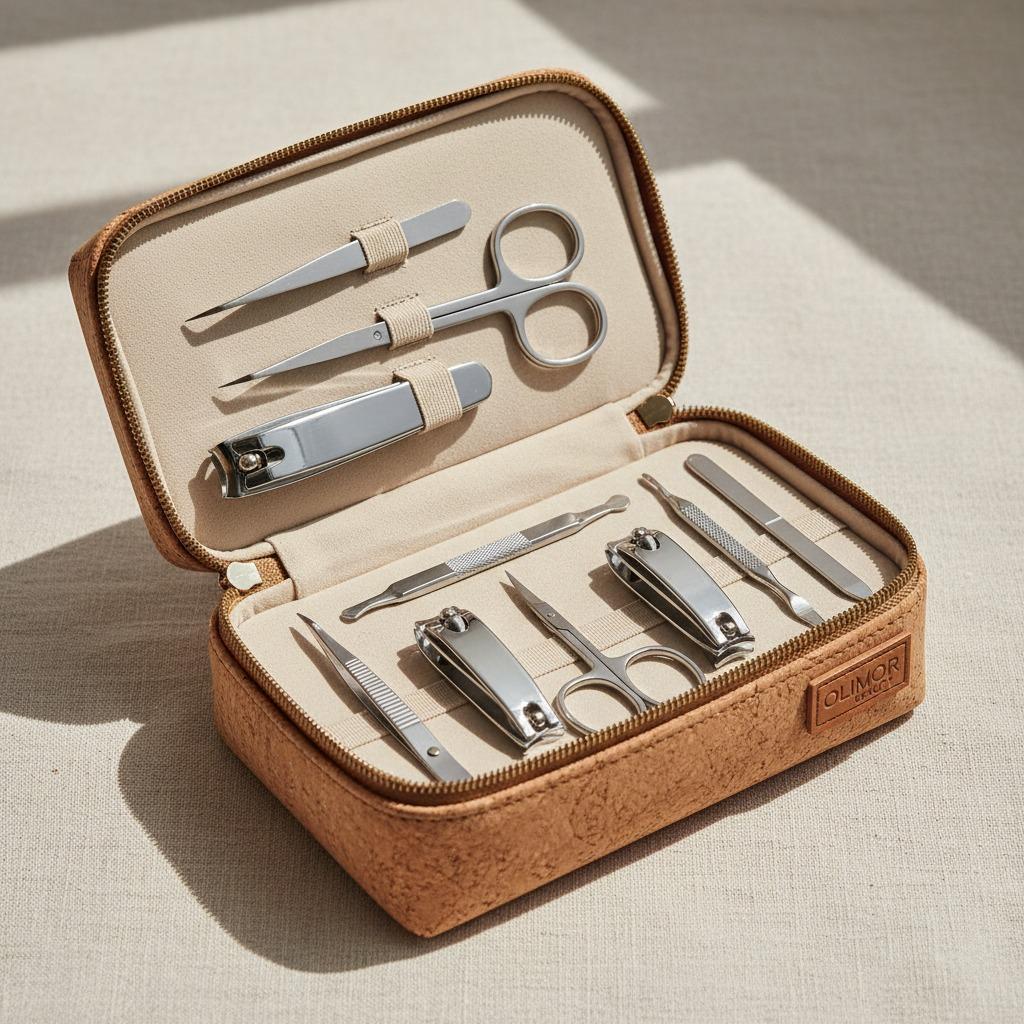
- Build useful kits: avoid adding low-value tools only to make a set appear larger; include items customers will actually use.
Eco-friendly does not have to mean complicated. A well-made stainless steel tweezer, packed responsibly and presented as a reusable grooming instrument, can support brands that want to reduce reliance on throwaway personal care accessories.
Wholesale Tweezer Selection by Buyer Type
Different buyers prioritize different features. The table below gives a practical comparison for wholesale sourcing discussions, sample review and supplier evaluation.
| Buyer type | Typical use case | Most important selection criteria | Common risk to avoid |
|---|---|---|---|
| Beauty retail brand | Standalone tweezer, grooming set or e-commerce bundle | Tip alignment, attractive finish, clear packaging, simple care instructions and stable reorder appearance | Choosing visual finish over grip performance |
| Salon, spa or brow studio | Professional grooming and treatment support | Controlled tension, easy cleaning, smooth edges, comfortable hand feel and repeatable performance | Ordering tools that feel inconsistent across batches |
| Nail salon or manicure kit brand | Nail art handling, manicure support and small grooming tasks | Practical length, controlled grip, smooth surface and compatibility with other manicure tools | Adding tweezers to kits without defining the task |
| Hotel, resort or amenity buyer | Guest kit, travel pouch or request item | Compact format, hygienic presentation, protected tips and brand-appropriate appearance | Supplying a tool that looks disposable or fragile |
| Private label distributor | Customized tool assortment for multiple channels | Packaging flexibility, logo or artwork planning, carton labeling clarity and inspection expectations | Starting with branding before the tool specification is clear |
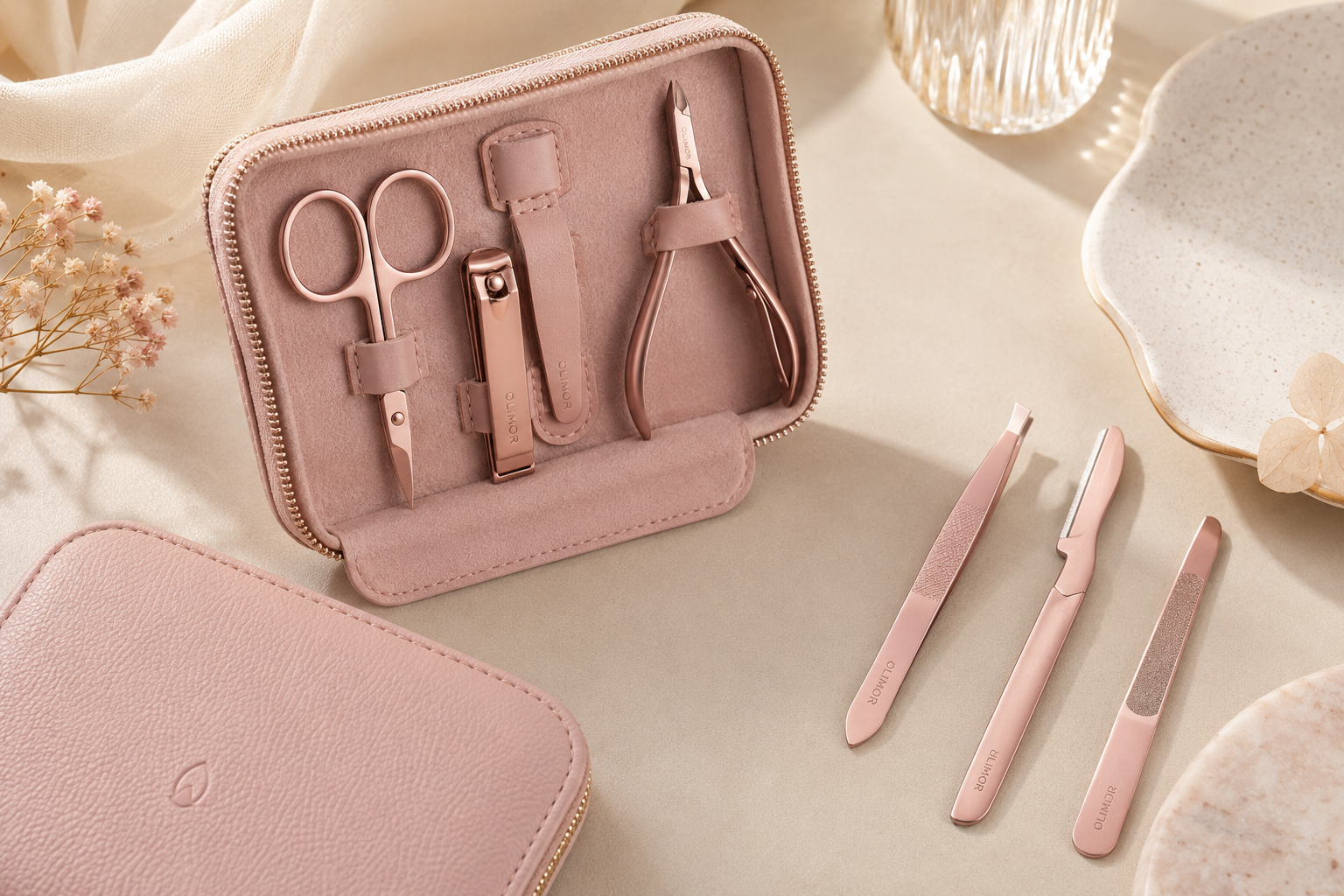
For buyers building coordinated sets, Olimor product collections can help identify how tweezers may be grouped with manicure and grooming tools for retail, spa or hospitality programs.
Private Label Planning for Tweezers and Manicure Tools
Private label manicure tools need to perform well and represent the brand consistently. Many programs begin with logo placement, color or packaging artwork, but the tool specification should come first. If the tweezer does not grip cleanly, attractive branding will not prevent returns or negative feedback.
A practical private label brief should describe the channel, the intended grooming task, the packaging format and the quality expectations. For example, a retail brand may need space for usage and care instructions. A spa supplier may need a simple professional presentation. A hotel buyer may need compact packaging that matches an amenity kit. A distributor may need carton labels and assortment planning across several tool types.
Private Label Brief Checklist
- Define the channel: state whether the product is for retail shelves, e-commerce, professional use, travel kits or hospitality amenities.
- Specify the tweezer task: identify whether the tool is for brow grooming, general personal care, manicure support or kit completion.
- Review samples before artwork: confirm alignment, finish, tension and hand feel before finalizing packaging design.
- Clarify branding needs: discuss logo, packaging copy, labeling and artwork requirements without assuming every surface is suitable for every decoration method.
- Set inspection expectations: agree what should be checked before shipment, including finish, closing action, packaging protection and labeling accuracy.
- Plan related tools: decide whether tweezers should coordinate with nail clippers, cuticle tools, nail files or facial grooming accessories.
Olimor supports wholesale buyers developing practical private label manicure tools. Buyers can use Olimor inquiry support to share the intended channel, packaging idea and sample requirements before moving into detailed customization discussions.
Quality Inspection and Supplier Evaluation
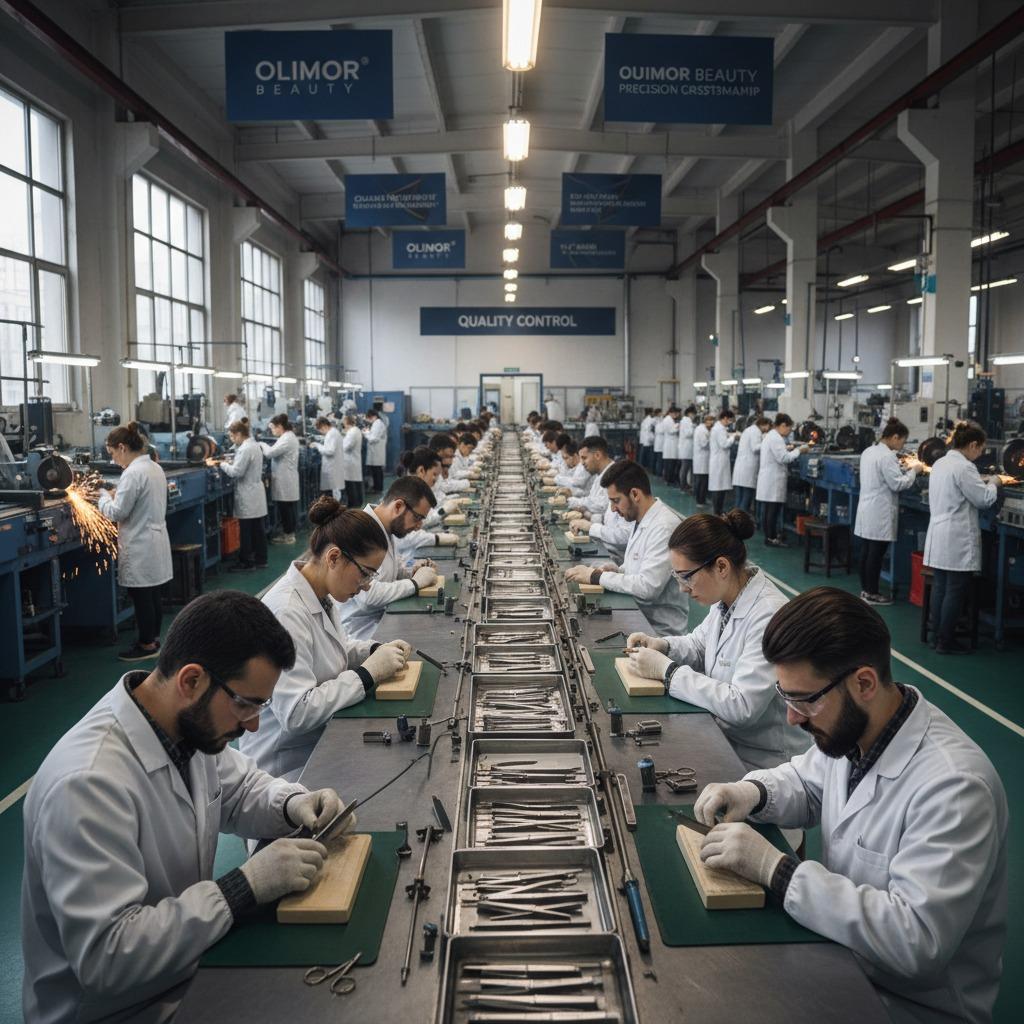
A dependable wholesale program needs more than an attractive product photo. Buyers should evaluate the supplier process, communication and ability to support consistent production. This is especially important when ordering tools for multiple locations, retail displays or branded kits where mismatched finish or packaging can create operational problems.
A structured inspection plan can include visual review, closing action checks, packaging confirmation and labeling verification. Buyers may reference inspection frameworks such as ISO 2859-1 for sampling concepts where appropriate, but they should verify the applicable version, acceptance criteria and supplier documentation for their own market and risk level. Referencing a public standard is not the same as claiming a supplier certification, and buyers should request documentation directly when it matters to their procurement process.
Supplier Questions to Ask Before Ordering
- Can the supplier provide samples for review before bulk confirmation?
- How should the buyer communicate the required tip style, finish and packaging format?
- What quality checks are normally performed for alignment, finish and packaging protection?
- Can private label packaging, labeling or assortment planning be discussed before production?
- How will carton labeling and packing details match the destination sales channel?
- What documentation can the supplier provide for material, production or inspection needs?
For international sourcing, location and manufacturing experience can be useful, but they do not replace buyer due diligence. Working with a manicure tools exporter in Guangdong may give access to an established personal care tool manufacturing base, yet buyers should still request samples, define written specifications and confirm inspection expectations before purchase.
Cost Factors in Wholesale Tweezers
Wholesale tweezer cost depends on more than the tool itself. Buyers should consider material choice, finishing complexity, packaging structure, customization, inspection requirements, packing method and order planning. A cheaper tool may create higher hidden costs if it causes returns, replacement orders or brand complaints. A more durable and better-aligned tool may support stronger long-term value even if the initial unit cost is not the lowest option.
Packaging is a major cost and sustainability factor. A retail card, rigid box, pouch, simple sleeve and amenity insert all communicate different value levels and require different production planning. Buyers should select packaging that protects the tweezer tip, explains the purpose of the tool and fits the channel without unnecessary waste. Overbuilt packaging can conflict with eco-conscious positioning; underbuilt packaging can allow damage before the customer uses the product.
Customization can also affect cost and timing. Logo application, packaging artwork, coordinated kits and channel-specific labels should be discussed early. Buyers should avoid assuming that every customization is available for every tool or every order size. The most efficient conversation starts with the tool function, then moves to finish, packaging, labeling and order planning.
Cleaning, Care and End-User Guidance
Clear care instructions help customers treat tweezers as reusable beauty instruments. While requirements vary by market and use case, a simple consumer-facing message can explain that the tool should be cleaned after use, dried before storage and kept with the tip protected. Professional users should follow their own hygiene protocols and any applicable local regulations for tools that contact skin.
Public bodies such as local health departments may set rules for salon sanitation, and requirements can differ by location. Buyers should verify the current applicable version of any local regulation or guidance before writing packaging copy or professional-use instructions. Olimor should not be presented as holding a certification or meeting a specific regulatory claim unless the buyer has received and verified the relevant documentation.
How to Build a Better Wholesale Tweezer Program
A strong wholesale tweezer program connects product performance, packaging, sourcing and reorder planning. Start by defining the user and channel. Then review samples for alignment, tension, edge finish, surface quality and packaging protection. Confirm whether the product fits your eco-conscious goals through durability, material clarity, efficient packaging and care guidance. Finally, evaluate whether the supplier can support private label needs, carton labeling, inspection expectations and future assortment development.
Olimor Beauty is a practical sourcing partner for businesses looking for stainless steel grooming tools, manicure tools and private label beauty instruments. Buyers planning a retail, spa, hospitality or distributor program can contact Olimor with their intended use case, packaging direction and sample review needs for a focused discussion.
FAQ
Can I request samples before placing a wholesale tweezer order?
Sample review is strongly recommended. Buyers should check multiple pieces for tip alignment, grip tension, edge finish, surface quality and packaging protection before confirming a bulk order or private label program.
Does Olimor provide private label customization for tweezers?
Olimor supports private label manicure and grooming tool programs. Buyers should share the intended sales channel, tool style, branding needs, packaging concept and labeling requirements so feasibility can be discussed without assuming unsupported details.
What MOQ or lead time should I expect?
MOQ and lead time depend on the tool style, packaging, customization and order plan. Buyers should request current information directly from Olimor rather than relying on generic figures.
How should wholesale buyers check quality before shipment?
Agree on inspection expectations in writing. Common checks include tip alignment, closing action, surface finish, visible burrs, packaging protection, labeling accuracy and carton packing. Buyers may reference recognized sampling methods where appropriate and verify the applicable version and documentation.
Are stainless steel tweezers an eco-friendly choice?
They can support an eco-conscious program when they are durable, reusable, easy to clean and packaged efficiently. Recyclability depends on local systems and material clarity, so buyers should verify market-specific recycling claims before using them in consumer messaging.