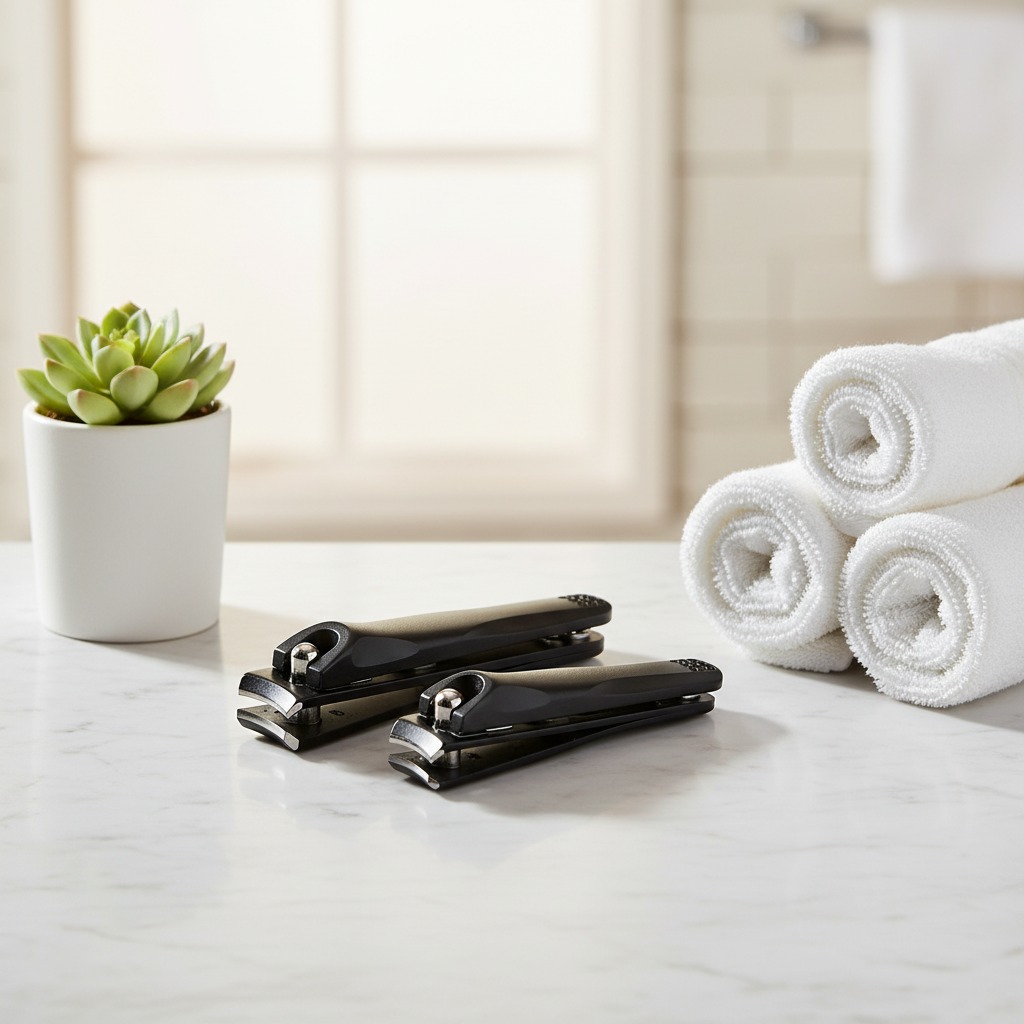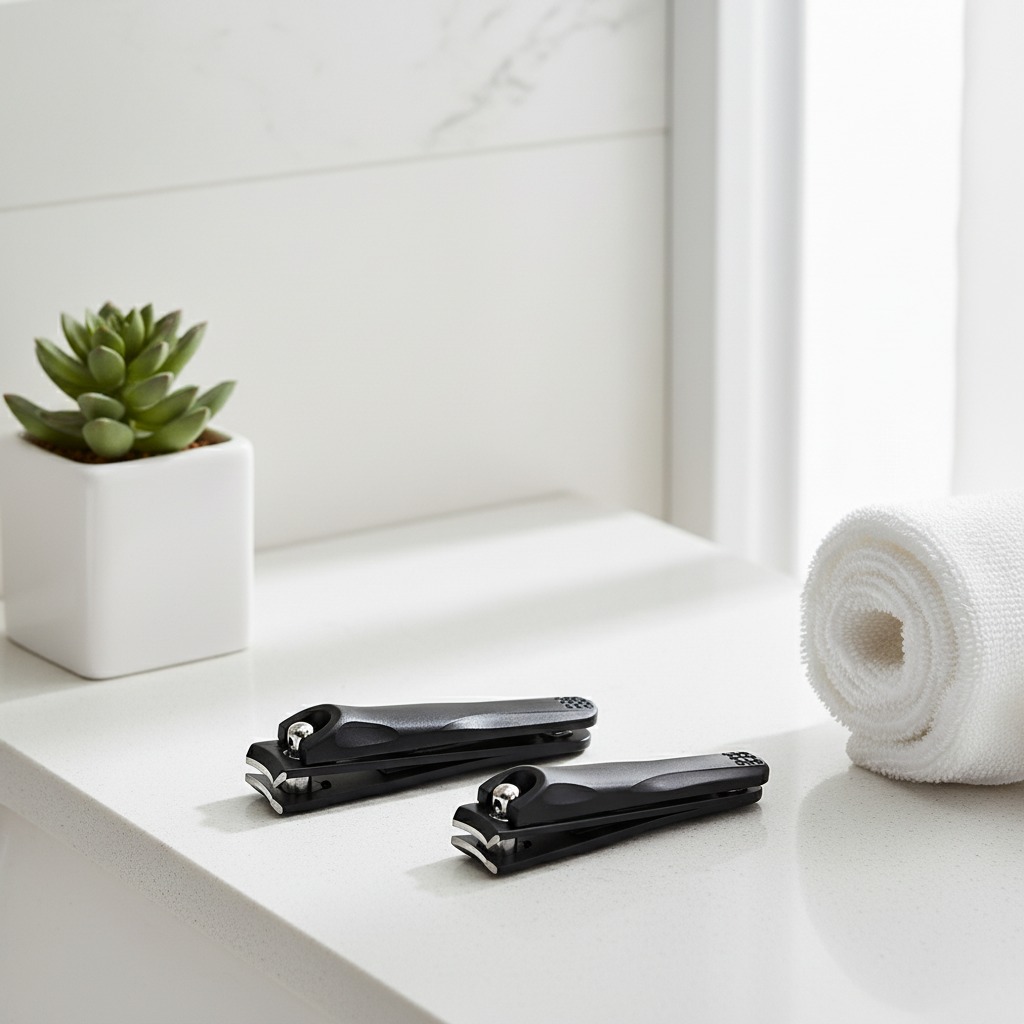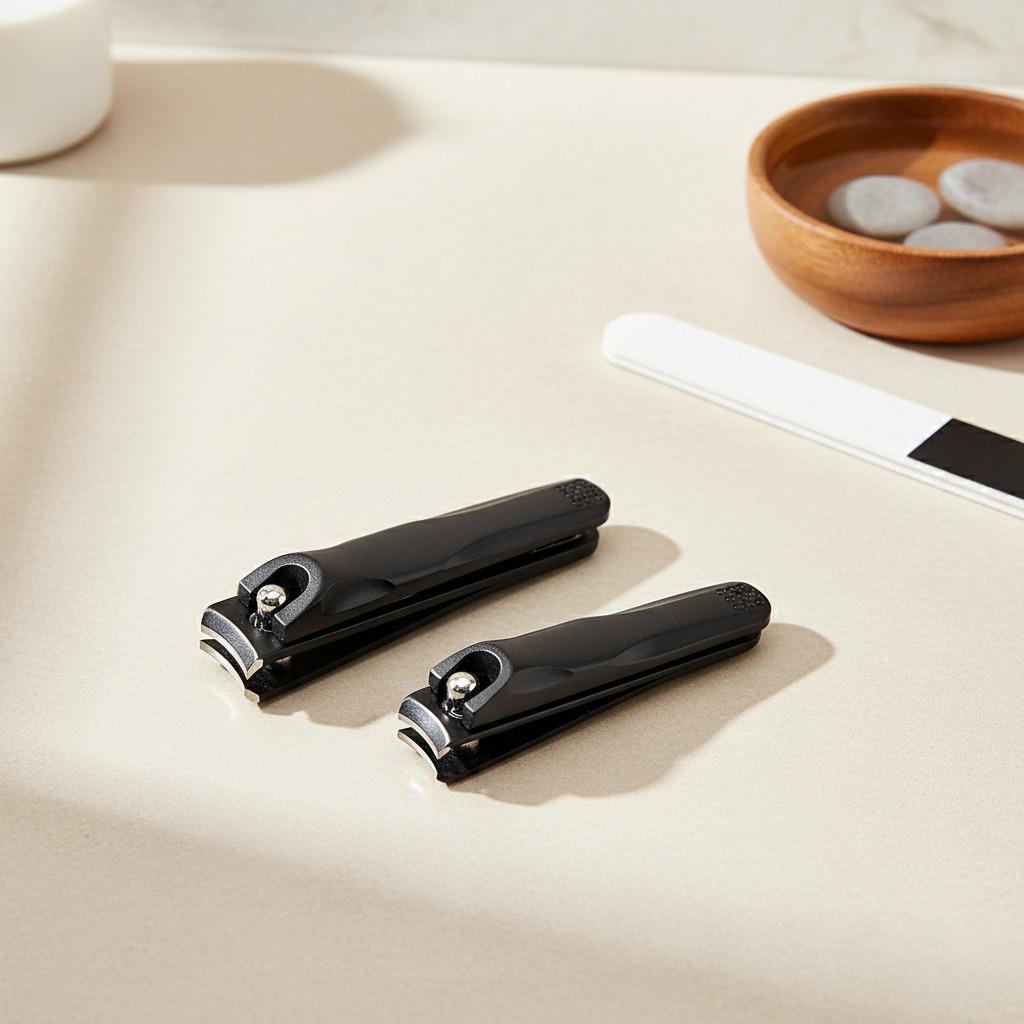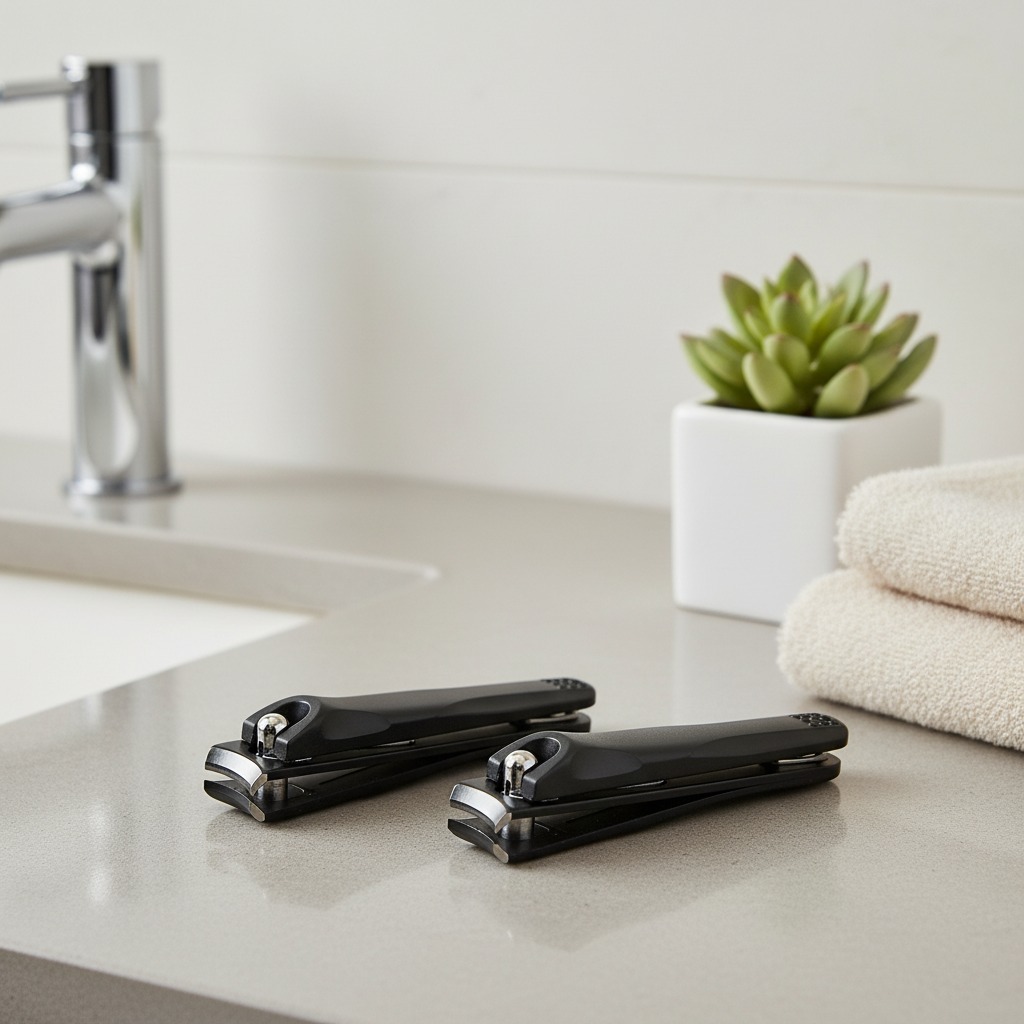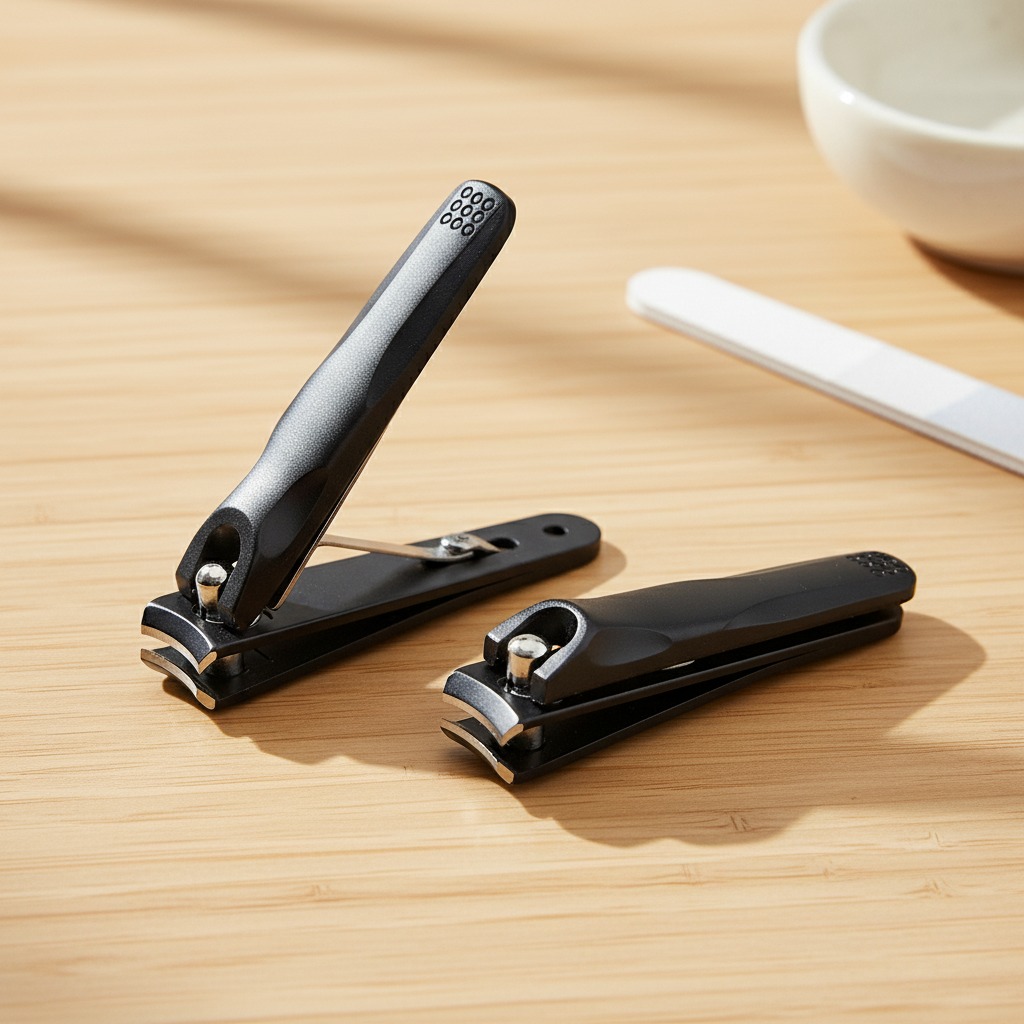











For beauty brands, brow studios, salon suppliers and personal care distributors, tweezers are a small product with a big effect on customer satisfaction. A pair that meets cleanly at the tip, grips fine hair without slipping, feels comfortable in the hand and arrives with protected tips can support repeat sales. A pair with weak alignment, rough finishing or inconsistent tension can create complaints even when the packaging looks attractive.
Choosing a tweezers China manufacturer is therefore not only about low unit cost. It is about controlling precision, finish, consistency and the buying experience from sampling through repeat orders. Olimor Beauty supplies beauty tools for professional and retail channels, including precision tweezers for eyebrow shaping, false eyelash application and fine hair removal. The right sourcing decision starts with understanding how the tool will be used, what quality details matter most and which questions should be settled before you buy tweezers in bulk.
What buyers should expect from wholesale tweezers
Tweezers appear simple, but their performance depends on several small manufacturing details working together. The arms need balanced tension so the user can grip firmly without hand fatigue. The tips need to align properly so they can hold a fine hair instead of cutting, sliding or forcing repeated attempts. The surface finish should feel smooth against the skin and be easy to wipe clean after use.
For a wholesale buyer, consistency is as important as the quality of a single sample. A sample pair may perform well, but the production order must repeat the same tip shape, alignment, closing pressure and finish across the batch. This is why a reliable tweezers bulk supplier should be able to explain its internal quality checks, from raw material inspection to final packaging.
Olimor Beauty focuses on salon-quality beauty tools and internal quality control steps so buyers can build assortments with fewer avoidable product complaints. If you are comparing suppliers, review the full range of beauty tool products and consider how tweezers fit with other grooming items you already sell. Consistent finish, packaging direction and tool quality across a line can help a brand look more organized at retail and online.
Key construction features to evaluate before buying in bulk
The supplied product information identifies the tweezers as stainless steel instruments with fine aligned tips and an ergonomically enhanced ribbed handle. Stainless steel is widely used for beauty tools because it can provide a clean appearance, practical strength and easier everyday care than lower-grade alternatives. But material alone does not guarantee performance. Buyers should evaluate the complete construction.
Tip precision and alignment
The most important part of a tweezer is the meeting point of the two tips. A fine, pointed tip is useful for detailed work because it can target individual hairs and help with delicate tasks such as false eyelash application. A slant tip is often chosen for eyebrow shaping because it gives users a broader gripping edge while still offering a precise angle for shorter hairs.
When checking a sample, close the tips under bright light and confirm that they meet evenly without a visible gap, twist or offset. A precise tip should grip cleanly without forcing the user to squeeze harder. The finishing stage matters here because laser polishing or careful tip grinding can affect how accurately the tips meet.
Material, finish and durability
Stainless steel helps support durability, a clean look and resistance to everyday moisture when handled properly. Still, durability depends on more than the base metal. Forming, polishing, tip finishing, surface treatment, packaging protection and storage conditions all affect the final result. A tool that looks polished in a photo may still show rough edges, scratches or uneven closure in hand.
When reviewing samples, inspect several units under bright light. Check whether the arms are symmetrical, whether the tips meet at the intended point and whether any edge feels rough. Open and close the tool repeatedly to judge tension. A tweezer should not feel so loose that it lacks control, but it should also not require excessive pressure, especially if the buyer is targeting brow professionals who use the tool many times per day.
Grip and ergonomics
For repeated beauty work, the grip area matters as much as the tip. The original product description highlights an ergonomically enhanced ribbed handle designed for secure control. That kind of texture can improve handling during detailed grooming, but it should not feel abrasive or interfere with comfort. A smooth silhouette may look refined, yet the design should still allow stable finger placement.
For private label or wholesale programs, the product presentation should clearly match the intended use. A brow professional may want precision and control for repeated plucking. A retail consumer may prefer a design that is easy to understand and easy to handle at home. A lash technician may care most about how securely the tool holds fine lashes without crushing them.
How to evaluate a tweezers China manufacturer
A capable manufacturer should be able to discuss the details that affect tweezer performance, not only provide a catalog image. For buyers sourcing from China, the goal is to understand how the supplier controls production steps such as material preparation, shaping, tip grinding, polishing, cleaning, inspection and packaging. You do not need to know every technical detail, but you should expect clear communication about how consistency is maintained.
Before placing a large order, request production samples or pre-production samples where appropriate. Test them with the same expectations your customers will have. If the tool will be part of a professional kit, have an experienced user evaluate it. If it will be sold online, consider how the product will photograph and whether the packaging protects the tips during shipping.
Useful questions for supplier comparison include:
- What tip shapes and finishes are available for the intended price range?
- How are tips aligned and checked during production?
- What cosmetic defects are considered acceptable or unacceptable?
- Can packaging be configured for retail, e-commerce or professional distribution?
- How are samples approved before bulk production begins?
- What information is included in inspection records or shipment checks?
- How should the product be stored to protect finish and tip alignment?
These questions keep the discussion focused on verifiable product quality rather than broad claims. If your buying process requires formal documentation, ask for the quality-management records you rely on and confirm whether they align with applicable standards such as ISO 9001. Buyers should verify the current version and the supplier paperwork themselves, because the right documentation depends on the market and channel.
Sample and bulk order inspection checklist
When you buy tweezers in bulk, the biggest challenge is not choosing a good sample; it is making sure the final order remains consistent. A sample may be carefully selected, while production can still vary if tolerances, finish standards and packaging requirements are not clearly defined. A written specification sheet helps reduce that risk.
| Inspection point | Why it matters | What to check in samples |
|---|---|---|
| Tip alignment | Determines whether the tweezer grips fine hair accurately | Close the tips under light and confirm the contact point is even |
| Closing tension | Affects comfort, control and repeat use | Open and close several units to compare pressure consistency |
| Surface finish | Influences appearance, skin feel and perceived value | Look for scratches, rough edges, stains or uneven polishing |
| Grip texture | Supports control during detailed grooming work | Check that the ribbed handle feels secure without discomfort |
| Packaging protection | Prevents tip damage during transport and handling | Confirm the tips are protected and the package resists crushing in normal handling |
| Batch consistency | Reduces returns and keeps retail presentation uniform | Inspect multiple pieces, not only the best sample |
This type of review helps separate genuine manufacturing capability from simple trading. The goal is to make sure the final order matches the approved sample in function, appearance and packaging presentation.
Matching tweezer style to the end use
Different buyers need different levels of precision. A brow salon may focus on hair removal control and comfort during long service sessions. A lash professional may need fine tips that help isolate individual lashes. A retail buyer may care most about a simple, dependable tool that is easy to understand. The more clearly the use case is defined, the easier it becomes to judge whether a sample is suitable.
Common sourcing priorities by channel
- Eyebrow shaping: look for clean tip alignment, moderate tension and a comfortable grip area for repeated plucking.
- False eyelash application: prioritize a fine tip that can hold lashes without crushing or slipping.
- Fine hair removal: confirm that the tips close evenly across the contact point and do not leave a visible gap.
- General grooming kits: balance precision with easy handling so the tool works for a wider consumer audience.
- Professional salon resale: inspect finish consistency, edge smoothness and packaging durability because the buyer may compare tools side by side.
If you are building a broader assortment, compare tweezers alongside other items in the matching beauty tool collection so the finish, packaging style and retail positioning feel consistent across your line. A tweezer sold with brow scissors, lash accessories or other grooming tools should not look like an unrelated item from a different supplier.
Packaging, branding and assortment planning
Tweezers are often impulse-friendly items, but they still need clear presentation. Good packaging should protect the precision tip, communicate the main use and match the channel. A salon supplier may prefer efficient packaging that is easy to store and distribute. A retail brand may want packaging that highlights the tool’s function and keeps the product looking polished on shelf or online.
Packaging is also part of the quality promise. If the tips are not protected during transport, alignment can be affected before the buyer ever opens the carton. For that reason, it is useful to confirm the packaging method before bulk production begins. A practical sourcing discussion should cover how the tool will be stored, how it will be boxed and how the final presentation will support your own brand story.
When a supplier can align product design, packaging and inspection, the buyer has a better chance of receiving a batch that looks professional and performs reliably. If you want to discuss packaging, product assortment or custom sourcing details, you can contact the Olimor team or send a project note through the sourcing inquiry form.
What to ask before confirming a wholesale order
A professional sourcing process should translate user expectations into practical inspection points. Before confirming a bulk order, define what an acceptable tweezer looks and feels like. This helps prevent subjective disputes later and gives both sides a reference for production and final inspection.
- Confirm the intended use case: eyebrow shaping, lash work, fine hair removal or general grooming.
- Review the exact tip style, alignment expectations and surface finish.
- Ask how samples are approved before production starts.
- Clarify how packaging protects the tip and supports your sales channel.
- Request the supplier’s inspection approach for raw material, forming, finishing and final packing.
- Check whether the supplier can keep batch appearance and function consistent across repeat orders.
For buyers who want a simple starting point, Olimor Beauty’s focus on precision tweezers and internal quality control makes it easier to discuss these practical details without drifting into unrelated product claims. The most useful supplier is the one that can explain how the tool is made, checked and packed for your channel.
Why buyers choose Olimor for wholesale beauty tools
Olimor Beauty supplies precision tweezers for professional and retail use, with an emphasis on fine tip alignment, stainless steel construction and organized final packaging. For sourcing teams, that means the conversation can stay focused on the details that affect resale quality: how the tool feels in hand, how cleanly the tips meet and how well the packaging protects the product during shipment.
If your business needs a dependable wholesale partner for beauty tools, start with the product specifications, request samples and compare the tool against your own inspection checklist. The right purchase is not the cheapest sample; it is the one that your customers can use repeatedly with confidence.
Ready to evaluate a precision tweezer program? Review the current assortment, compare packaging options and begin with a clear request so the supplier can match your use case and channel expectations.
FAQ
Can I request tweezers samples before a bulk order?
Yes. Sampling is the best way to check tip alignment, closing tension, finish and packaging before you commit to a larger order. It is also useful to test several units, not just one.
What should I check first when I receive a sample?
Start with tip alignment under light, then test the closing tension and inspect the surface for scratches, rough edges or discoloration. If the packaging is important for your channel, check that the tips stay protected.
Can tweezers be customized for my brand?
Many buyers ask about custom packaging, branding or specific tip styles. The available options depend on the supplier and the program, so confirm the exact scope early in the discussion.
What affects MOQ for tweezers orders?
MOQ is often influenced by the product style, packaging choice, customization level and production setup. Ask the supplier to explain the factors tied to your specific project rather than assuming a standard answer.
How long does a wholesale tweezers order take?
Lead time depends on sample approval, order size, customization and production capacity. The most reliable approach is to confirm the timeline only after the specification, packaging and inspection points are agreed.