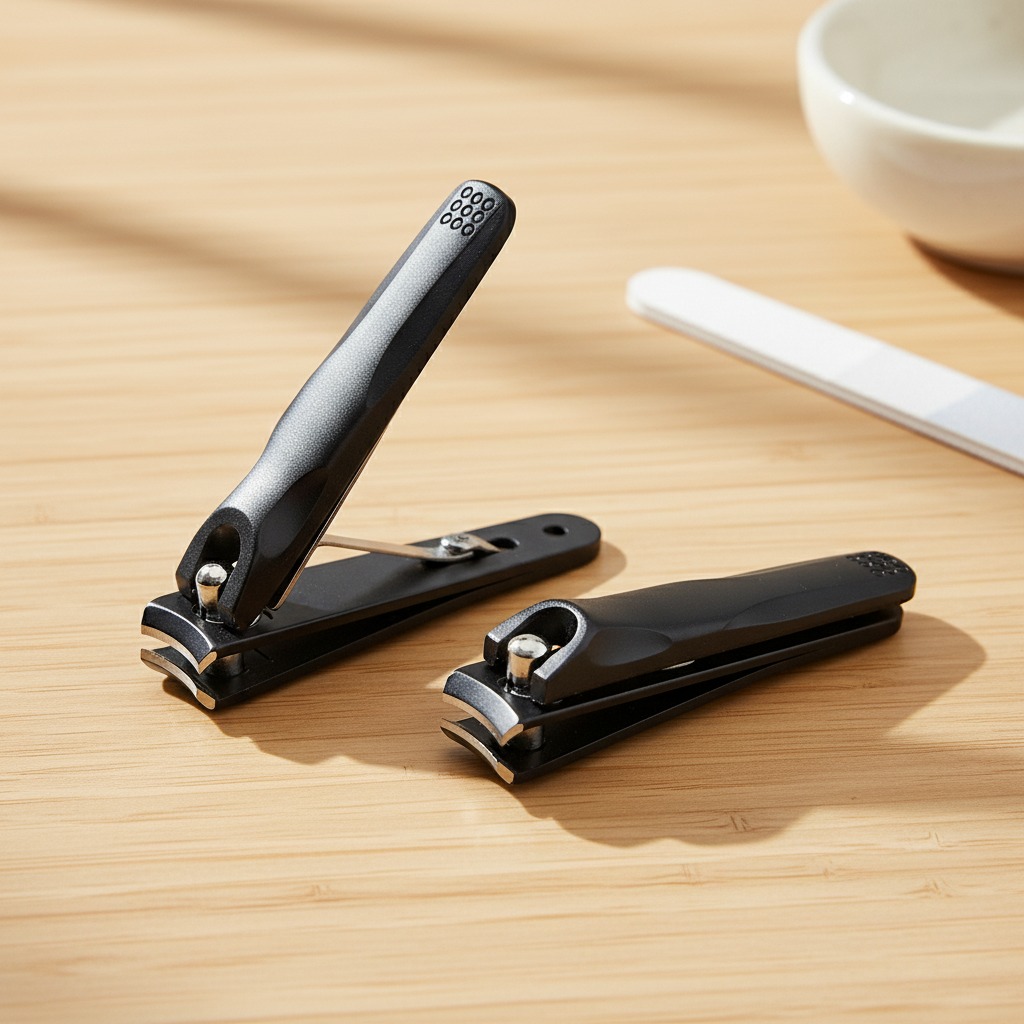











For beauty retailers, distributors, salons and private-label buyers, tweezers look simple until performance is tested in the hand. A useful tweezer must close evenly, grip fine hairs without cutting them, resist corrosion, remain comfortable through repeated use and arrive consistently across every shipment. That combination depends on manufacturing discipline as much as product design.
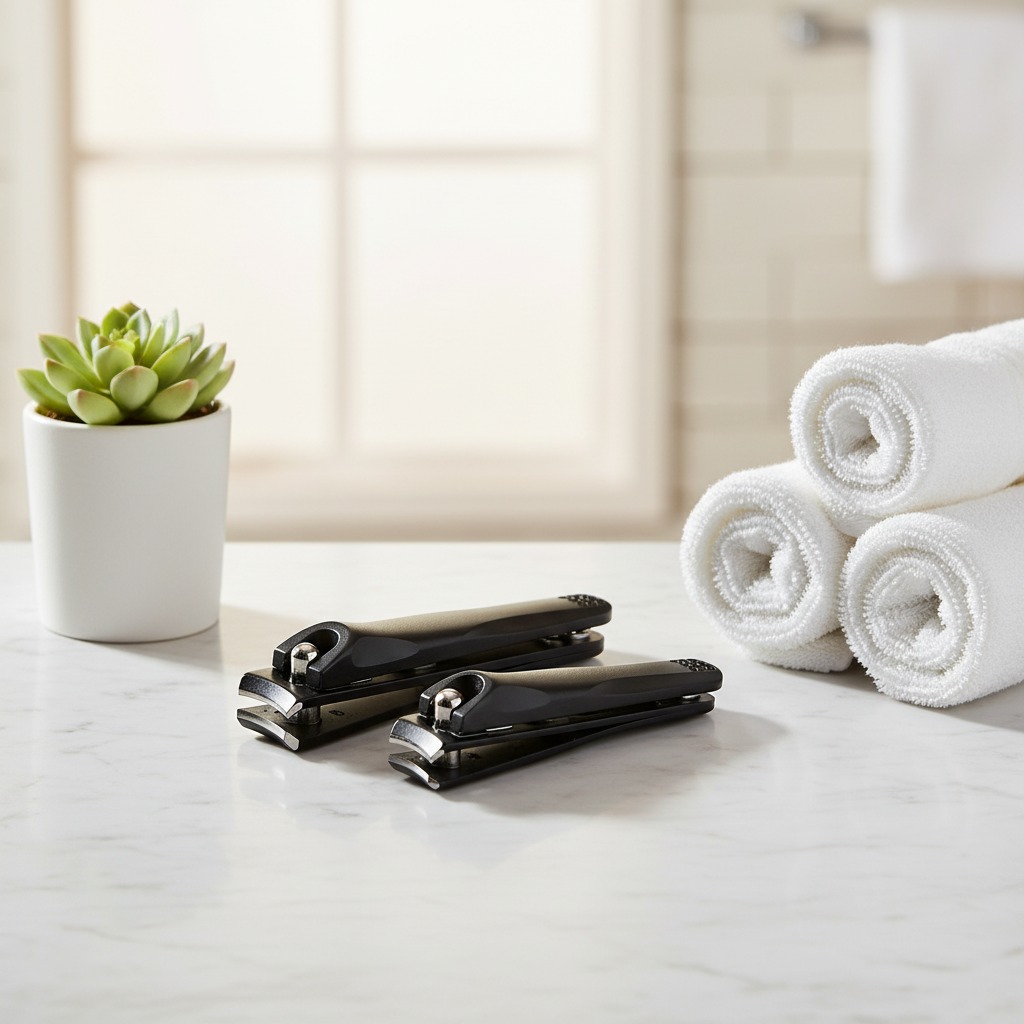
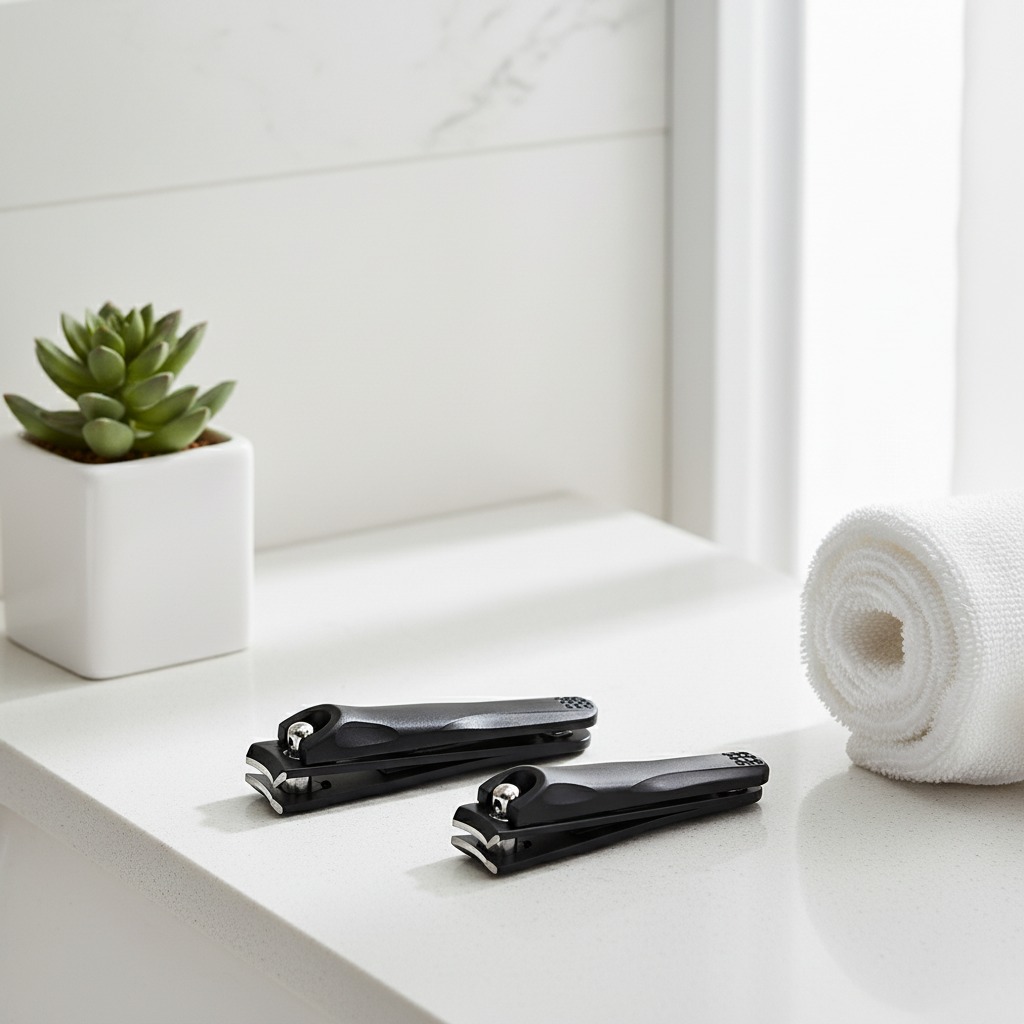
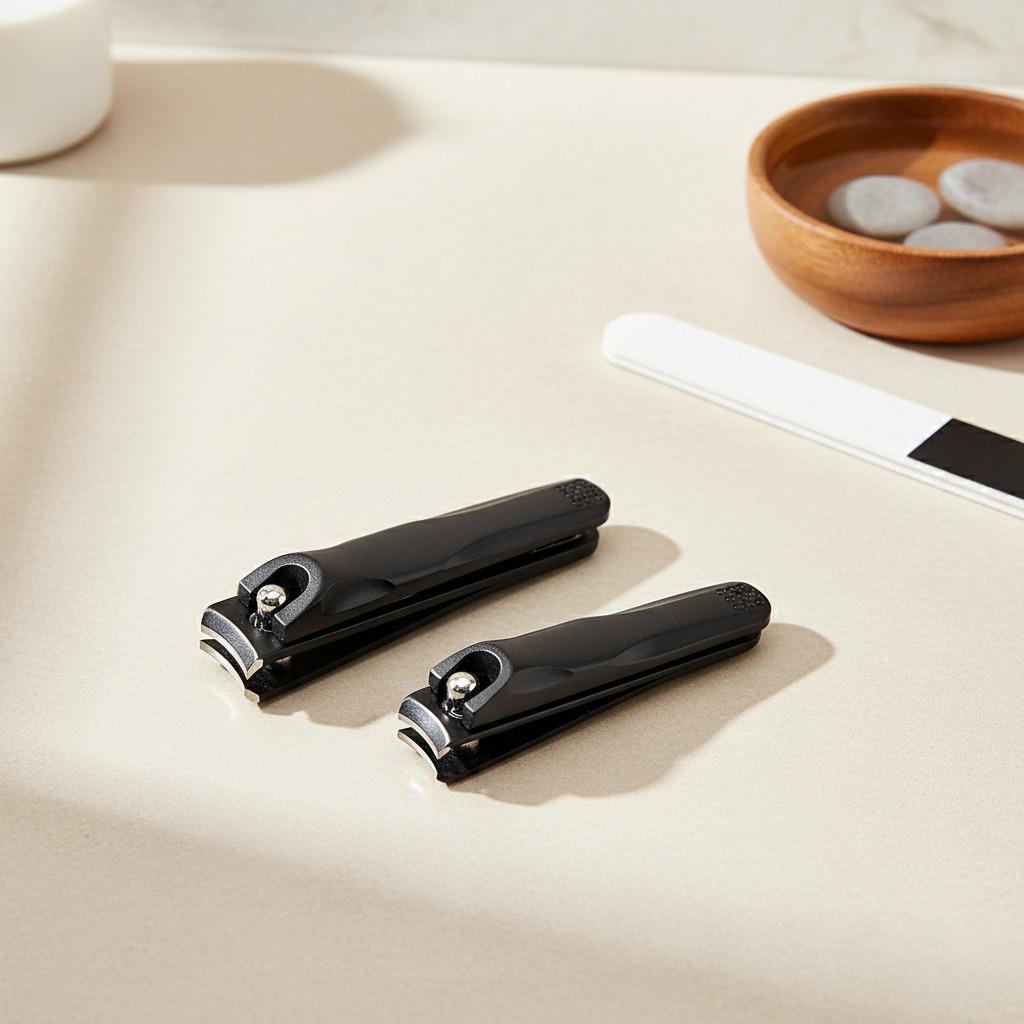
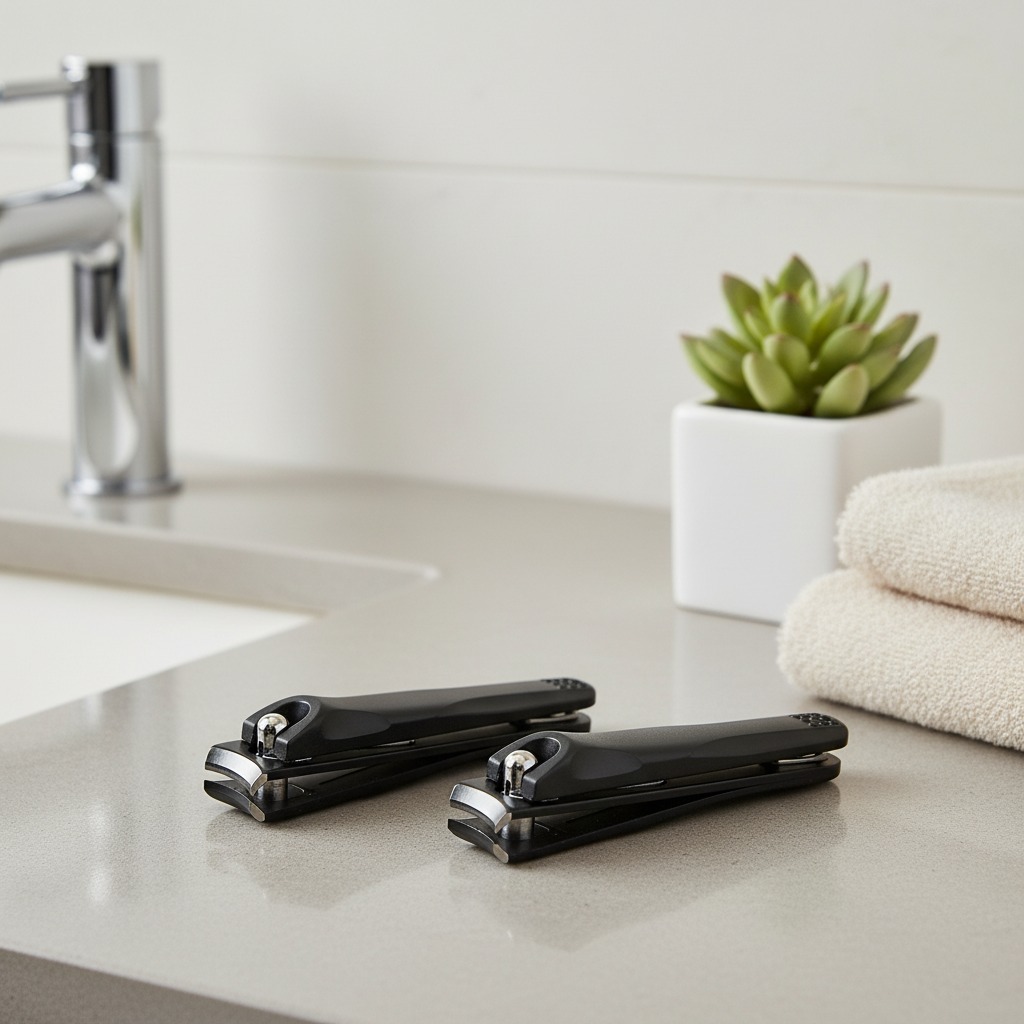
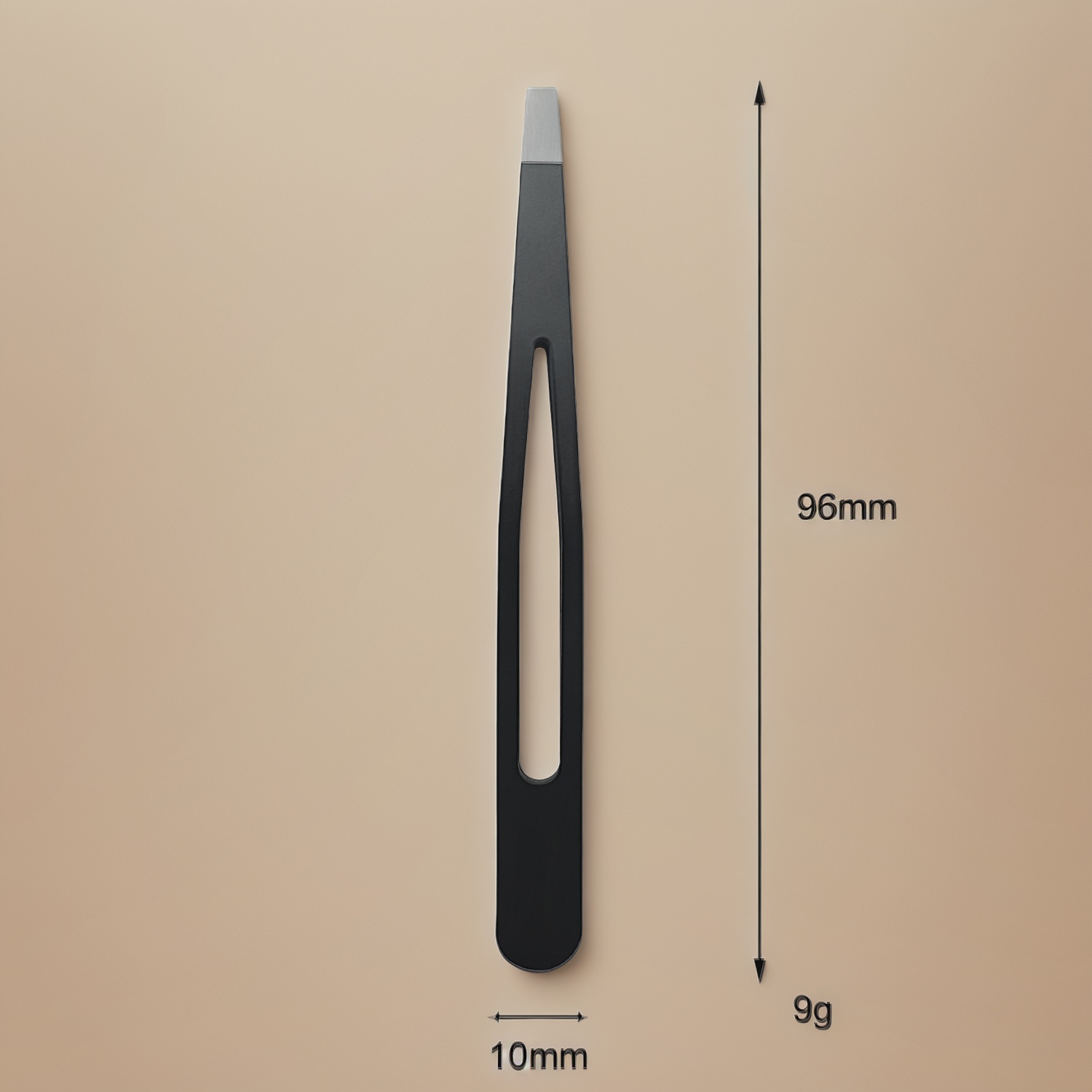
Olimor Beauty manufactures high-precision tweezers for delicate tasks such as eyebrow shaping and intricate crafting. The existing product details describe a slim tool measuring 96mm in height, 10mm in width and only 9 grams in weight, with a jet-black finish and ergonomic handling. Those details matter because professional and retail users often judge tweezers within seconds: the tool either grabs cleanly at the tip, or it does not.
This guide explains what to evaluate when sourcing tweezers from a manufacturer, supplier, factory or OEM partner, with practical criteria you can use before placing a wholesale or custom order.
What Precision Means in Tweezer Manufacturing
Precision in tweezer manufacturing is not limited to making two arms that meet. The working edge must be shaped, aligned and finished so that pressure is distributed evenly across the gripping surface. If one side closes before the other, the tweezer can slip, pinch skin or fail to catch short hairs. If the tip is too sharp for the intended use, it may cut rather than grip. If it is too blunt, it may not reach fine details.
For eyebrow shaping, lash preparation, skincare grooming and craft work, users often need a controlled grip rather than excessive force. A lightweight 9-gram tweezer can help reduce effort, while the 96mm height gives the user enough length to hold the tool securely. A slim 10mm width can also support better visibility around the working area, especially when shaping brows or handling small materials.
When evaluating a tweezer manufacturer, look closely at the production steps that affect precision:
- Tip forming: The geometry of the tip should match the use case, whether the design is intended for general grooming, fine detail work or professional beauty applications.
- Alignment control: Both gripping edges should meet evenly without visible offset when gentle pressure is applied.
- Surface finishing: Edges should feel smooth and controlled, not rough, burred or uneven.
- Tension consistency: The tweezer should spring open reliably and close without requiring uncomfortable force.
- Final inspection: Finished tools should be checked before packaging so that defective alignment or surface flaws are not passed to customers.
Material, Finish and Durability Considerations
The supplied product information references stainless steel sourcing for longevity. Stainless steel is widely used in beauty tools because it can support durability, cleanability and resistance to everyday cosmetic environments. However, material alone does not guarantee performance. The manufacturing process, polishing, coating and handling all influence how the tweezer feels and performs after repeated use.
A jet-black finish can give the product a distinctive retail appearance, especially for beauty assortments that need a clean and modern shelf presentation. Buyers should still evaluate the finish in practical terms. A good finish should be even, comfortable to touch and compatible with the cleaning routine expected by the end user. It should not distract from the tweezer’s primary function: controlled gripping at the tip.
For wholesale sourcing, durability should be assessed through ordinary use scenarios. Open and close the sample repeatedly, check whether the arms return evenly, inspect the tip under strong light and test the grip on fine fibers or hair-like materials. The goal is not only to confirm that the sample performs well once, but to understand whether the manufacturer can repeat that performance across a production run.
Ergonomics: Why Size and Weight Matter
Ergonomics are important for both professionals and everyday users. A tool that looks accurate but causes hand fatigue will not be favored by brow artists, salon staff or customers who groom regularly. The described Olimor Beauty tweezer dimensions are practical for controlled hand use: 96mm in height, 10mm in width and 9 grams in weight. These proportions create a slim, lightweight tool that is easy to position around brows or small details.
When reviewing samples, do not evaluate ergonomics from appearance alone. Hold the tweezer as an end user would. Test it with dry hands, then consider whether the surface is easy to control under normal beauty-use conditions. Check whether the pressure required to close the tips feels natural. If the arms are too stiff, the user may squeeze too hard; if they are too loose, control may suffer.
Useful ergonomic questions include:
- Can the user see the tip clearly while holding the tweezer at a natural angle?
- Does the tool feel stable without forcing the fingers into an awkward position?
- Is the closing tension suitable for repeated grooming tasks?
- Does the finish feel smooth without becoming difficult to grip?
- Is the tool light enough for long use but substantial enough to feel controlled?
For a broader view of available beauty tool options, buyers can compare categories through Olimor’s beauty tool products page or review related product collections when planning assortments.
Quality Control Points for Buyers and Wholesalers
Quality control is where a tweezer factory separates a basic tool from a reliable beauty product. The original product information notes that Olimor Beauty applies quality checks from raw materials to final packaging. For buyers, the most useful approach is to translate that idea into measurable review points before approving samples or orders.
The following checklist can help retailers, importers and wholesalers evaluate tweezers consistently:
| Inspection Area | What to Check | Why It Matters |
|---|---|---|
| Tip alignment | Tips meet evenly with no side-to-side shift | Improves grip and reduces slipping |
| Grip test | Tool catches fine hair-like fibers without cutting | Confirms performance for eyebrow shaping |
| Arm tension | Closing force feels consistent across samples | Supports comfort during repeated use |
| Surface finish | No burrs, rough edges or uneven coating | Improves user comfort and product appearance |
| Packaging review | Product is protected against tip damage in transit | Reduces defects before retail sale |
Tip protection is especially important. Even a well-made tweezer can lose performance if the tips are knocked out of alignment during packing or shipping. Wholesale buyers should examine how samples are packaged and whether the working ends remain protected until the customer opens the product.
OEM and Customization Questions to Settle Early
OEM tweezer programs can help a business match a product to its retail identity or user requirements. The original information notes that tweezer OEM services may include tailoring products to specific needs, such as adjusted tip alignments for specialized grips. That flexibility is valuable, but only when the performance standard is clear before production begins.
Before starting a custom tweezer project, define the intended customer and use case. A brow-focused product may prioritize fine gripping and a comfortable hand feel. A general grooming item may need broader appeal and simple maintenance. A professional salon tool may require stronger consistency across repeated use. Packaging, finish color, surface feel and product instructions should all support that use case.
Because small geometry changes can affect performance, custom requests should be reviewed through samples. Buyers should compare the proposed design against a control sample and record what changed: tip contact, closing pressure, appearance, comfort and packaging protection. This creates a clearer approval process and avoids judging production only by photographs.
If you are planning a private-label or wholesale program, you can send an inquiry with your target use case, finish preference and packaging needs. For general sourcing questions or product selection support, you can also contact Olimor.
Choosing a Reliable Tweezer Supplier or Export Partner
A tweezer supplier is more than a product source. For wholesale networks and export orders, the supplier must help maintain consistency, protect finished tools during handling and communicate clearly about product options. A reliable partner should be able to discuss materials, finishing, ergonomic expectations, inspection points and packaging in practical terms.
When comparing suppliers, avoid focusing only on the lowest unit cost. Poor alignment, weak finishing or inadequate packaging can create returns, customer complaints and inconsistent reviews. Instead, weigh cost against repeatability. Ask for representative samples, compare multiple pieces from the same batch and note whether the feel and tip performance remain consistent.
It is also useful to consider how the tweezer will fit into a wider beauty tool assortment. A jet-black precision tweezer may pair well with other grooming tools, but the assortment should be built around user needs rather than appearance alone. Retailers may separate products by use case, such as brow grooming, general facial hair removal, lash preparation or travel-friendly beauty kits.
Care and Handling for Longer Tweezer Performance
Even precision tweezers require proper handling. End users should avoid dropping the tool, because the tip can become misaligned. After use, the gripping area should be wiped clean and kept dry according to normal beauty tool hygiene practices. The tweezer should be stored with the tips protected, especially in makeup bags or salon drawers where it may contact harder tools.
For brands and wholesalers, clear care instructions can reduce avoidable complaints. Simple packaging guidance such as keeping the tips protected, cleaning after use and avoiding use on hard materials helps customers understand that precision tips need careful treatment. This is especially relevant for slim tweezers designed for fine control rather than heavy-duty prying or cutting tasks.
Final Buying Criteria
A good tweezer manufacturing decision balances precision, comfort, durability, appearance and supply consistency. The Olimor Beauty tweezer details point to a lightweight, slim, stainless steel beauty tool with a jet-black finish, designed for delicate tasks such as eyebrow shaping and intricate crafting. For buyers, the next step is to evaluate how those characteristics match the target market and how consistently they can be reproduced.
Before approving a tweezer order, confirm the essentials: clean tip alignment, comfortable closing tension, smooth finishing, protected packaging and a clear understanding of any OEM changes. A tweezer is small, but the user’s judgment is immediate. When the tool grips accurately and feels comfortable in the hand, it supports repeat purchase, stronger retail presentation and fewer quality issues across wholesale channels.