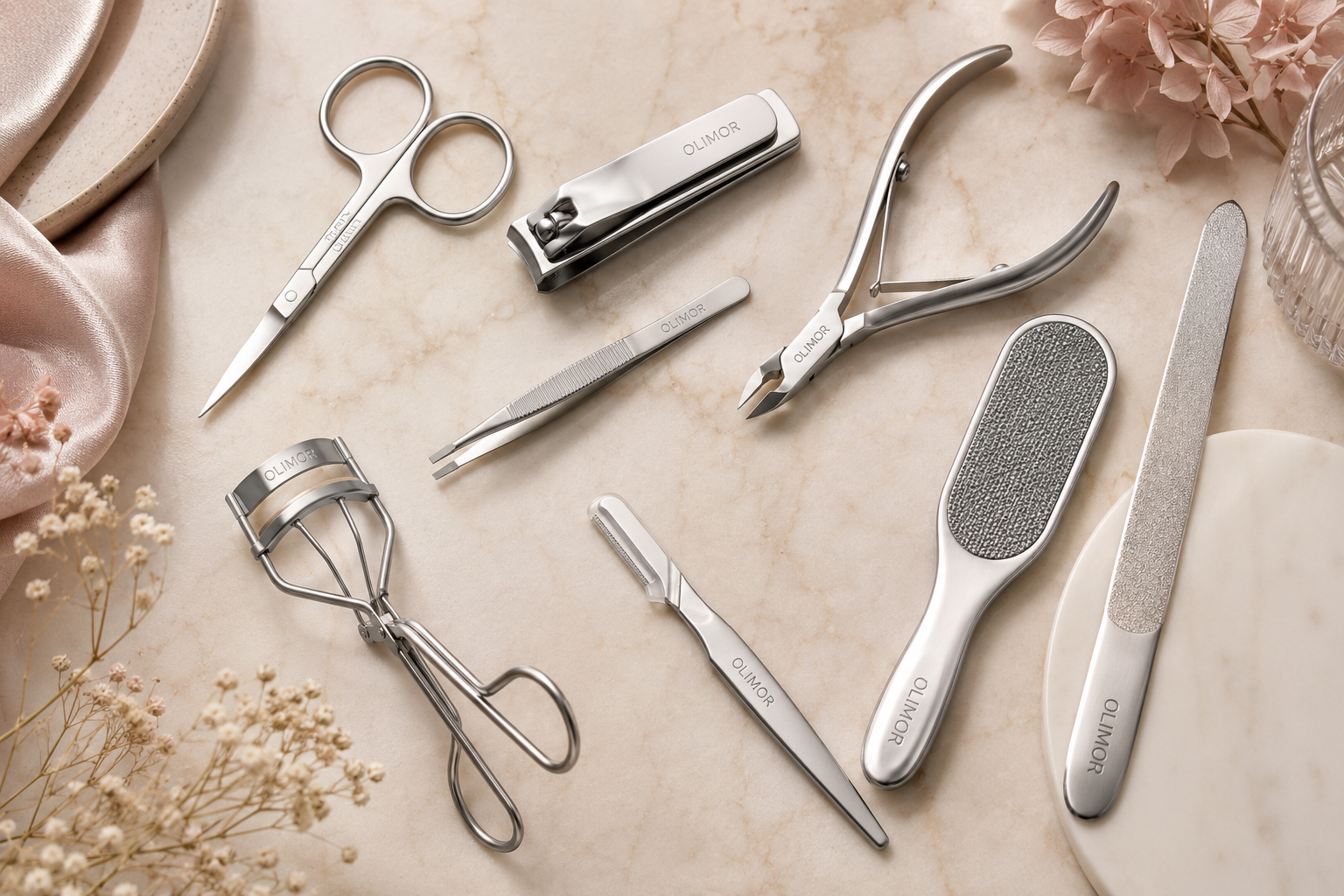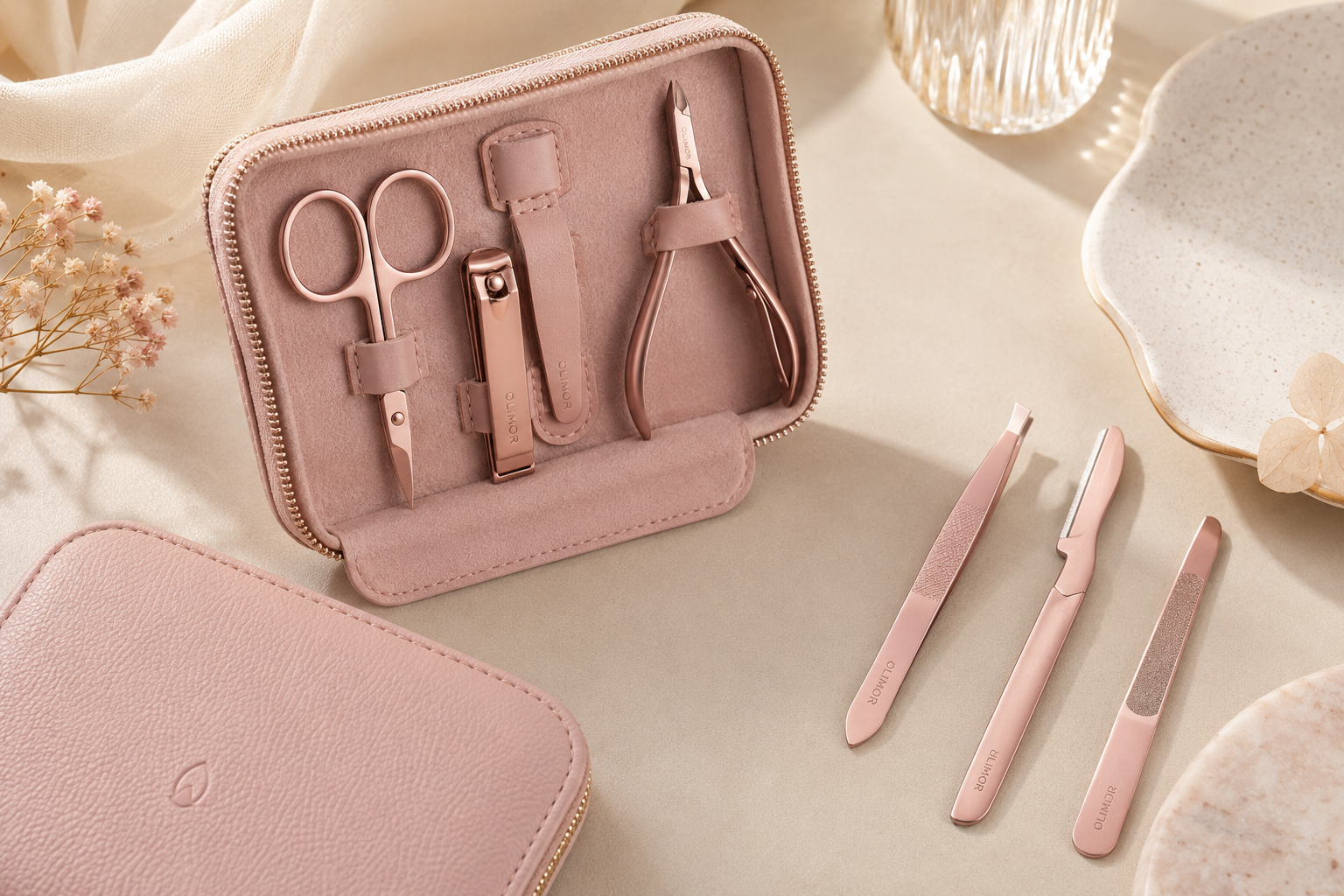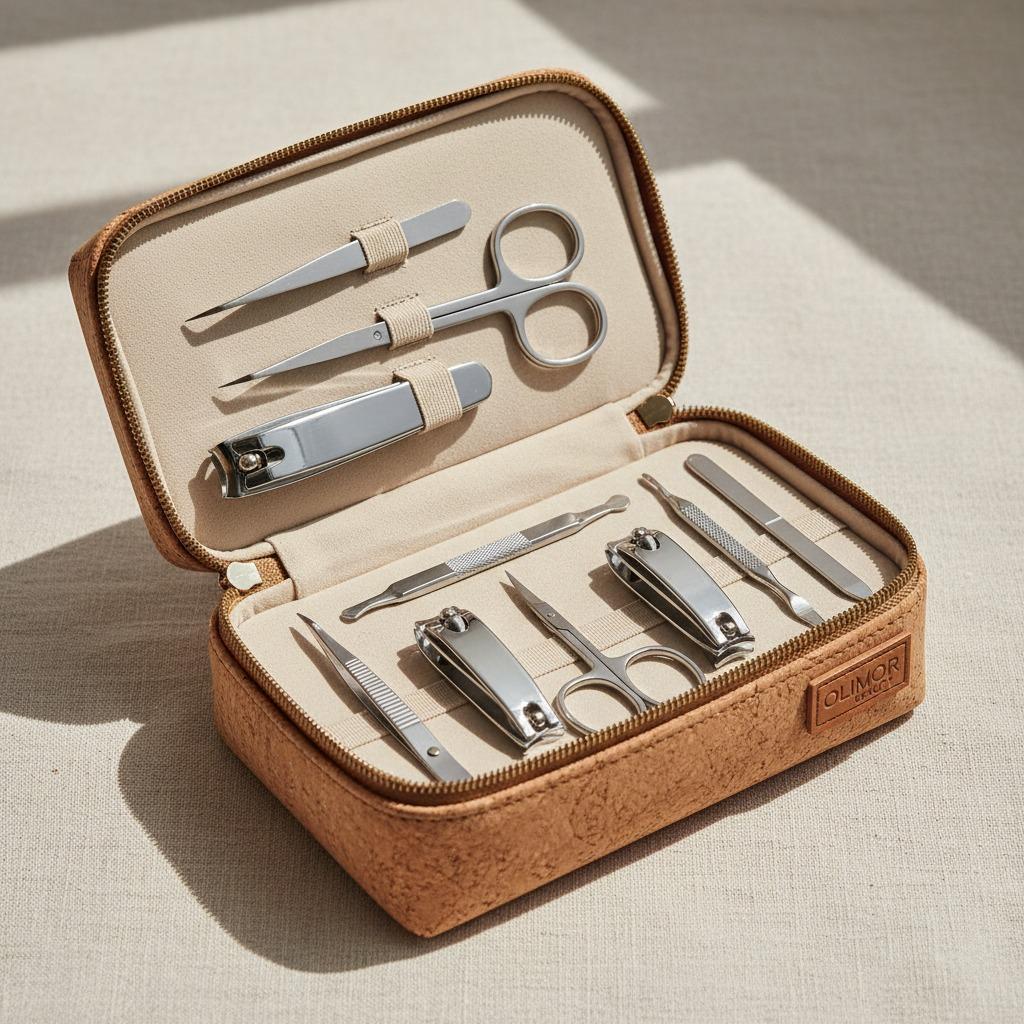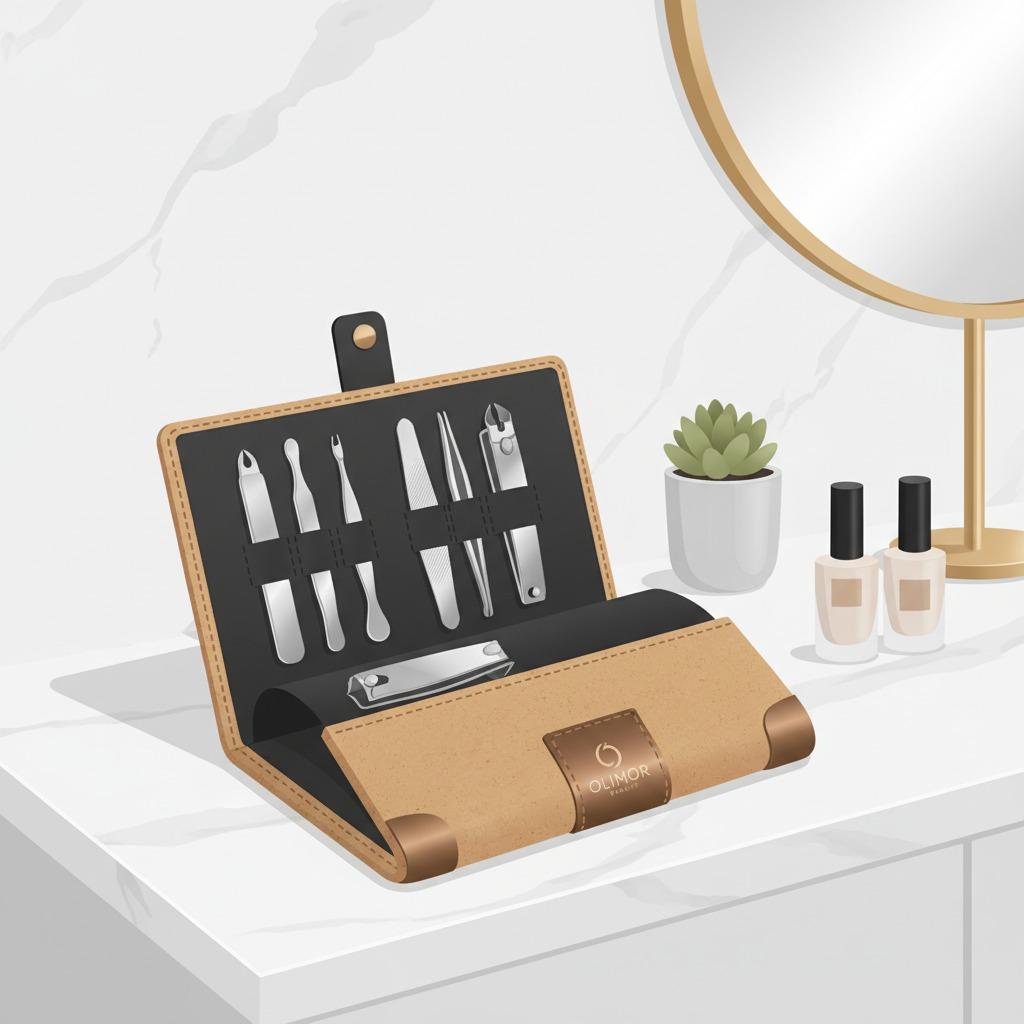











Trimming nails is a small grooming task, but the quality of the tool and the way it is used can affect comfort, hygiene, and the final nail edge. Nails that are left too long can trap dirt, snag on fabric, split during daily work, or put pressure on the surrounding skin. Nails cut too aggressively can become sore, uneven, or vulnerable to ingrown edges. For buyers selecting beauty tools, and for households choosing reliable grooming items, the goal is not simply to cut the nail shorter. The goal is controlled trimming with the right edge, grip, and cutting angle.
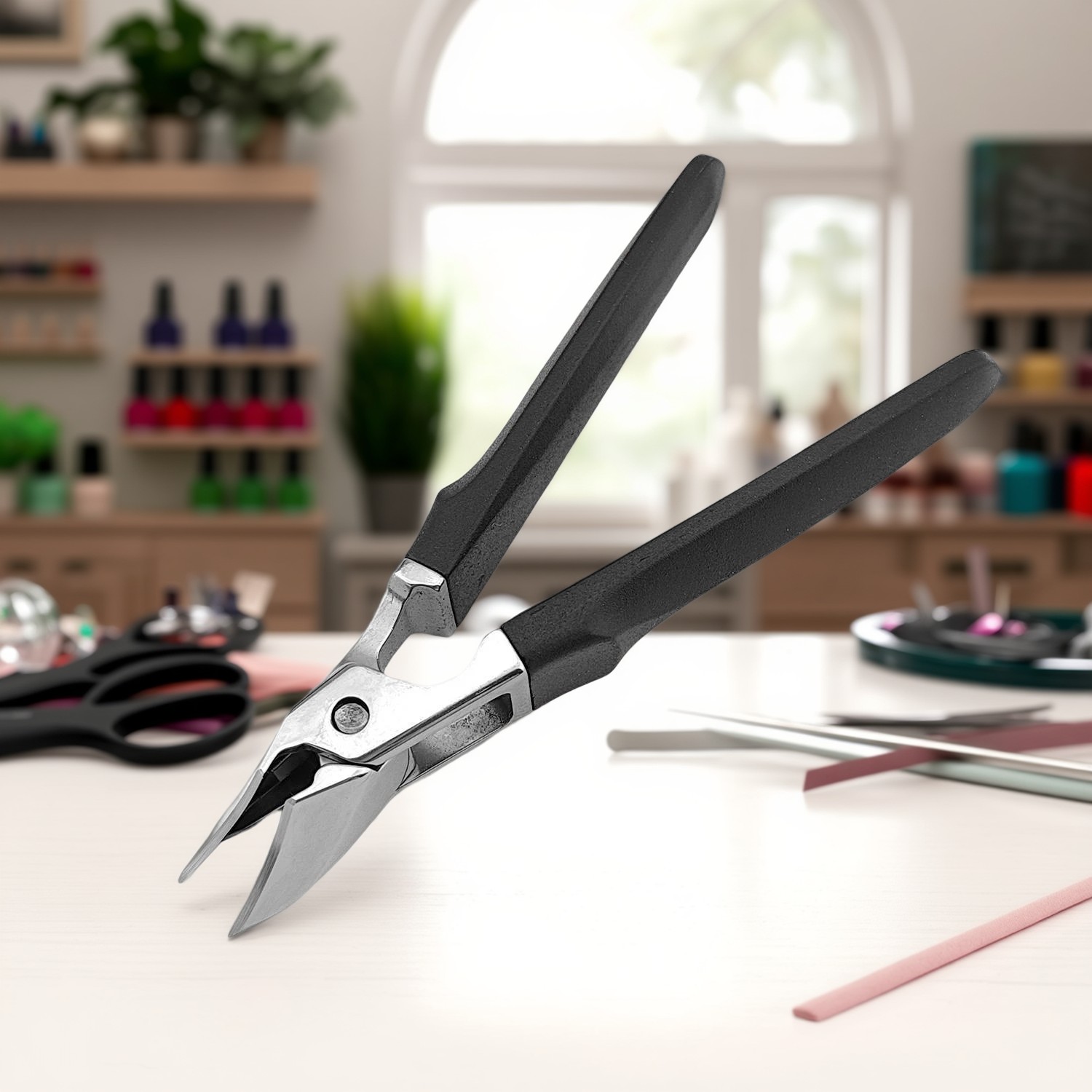
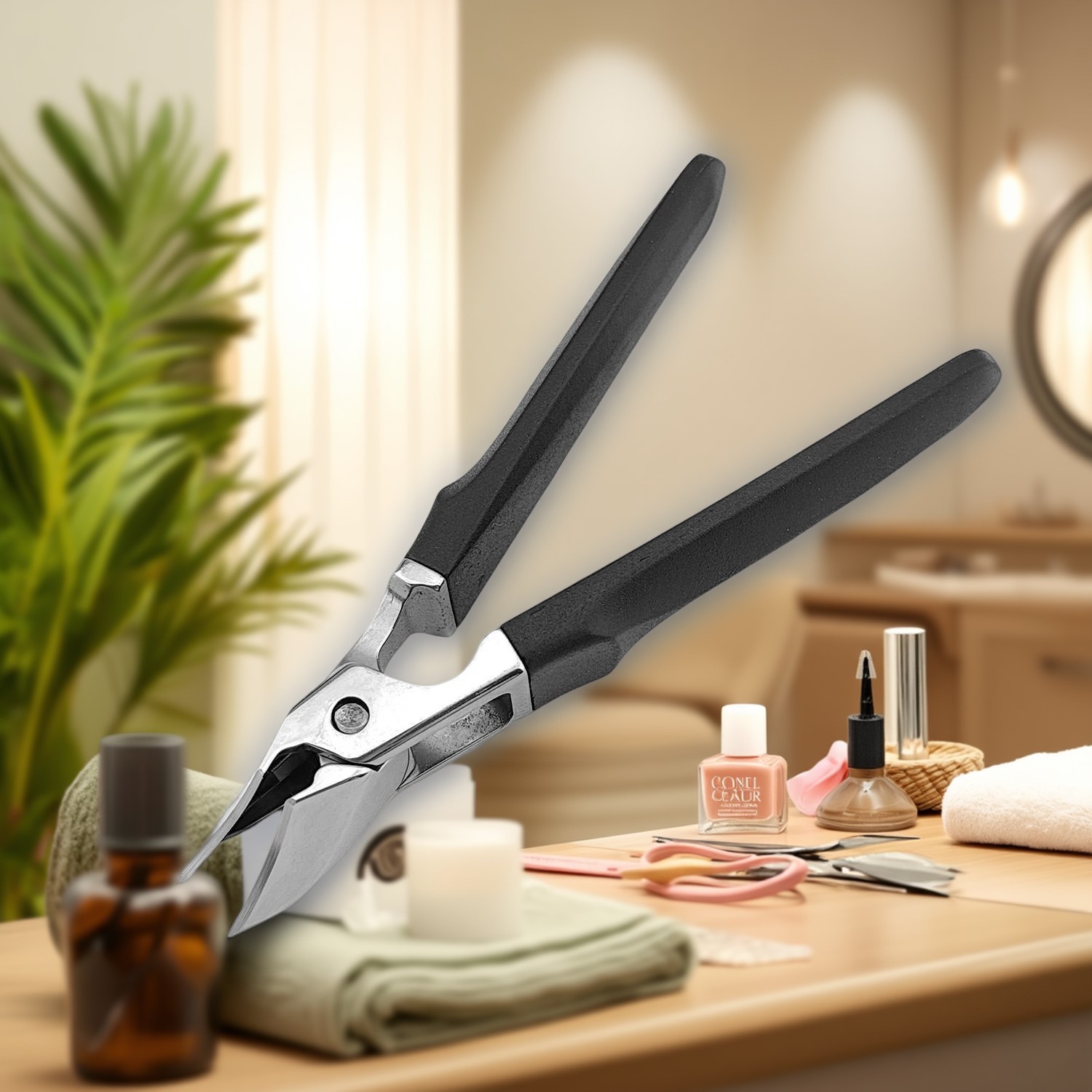
Olimor Beauty’s Angled Precision Nippers are designed for tasks where accuracy matters. The supplied product description highlights angled cutting edges made from premium-grade steel and a matte black handle intended to improve comfort and reduce hand fatigue during longer use. While standard nail clippers remain useful for routine shortening, angled nippers can help when the user needs a more direct view of the cutting point or must work around a small edge with extra care.
Why Careful Nail Trimming Matters
Healthy nail care starts with cleanliness and controlled length. Fingernails and toenails can collect residue from work, skincare products, food preparation, gardening, and shoes. Keeping nails at a practical length makes cleaning easier and lowers the chance of breakage. It also helps prevent sharp corners from catching on clothing or scratching the skin.
For toenails, careful trimming is especially important because poor technique may encourage discomfort at the nail edge. Cutting deeply into the corners can make the surrounding skin irritated, while leaving jagged edges may cause the nail to catch inside socks or footwear. For children, the same principles apply, but the nails are smaller and softer, so the tool should be easy to control and sized appropriately for delicate nails.
Good trimming is not about removing as much as possible. It is about creating an even, comfortable edge while preserving the natural shape and avoiding unnecessary pressure on the nail plate.
Choosing Between Clippers, Kids’ Clippers, and Angled Precision Nippers
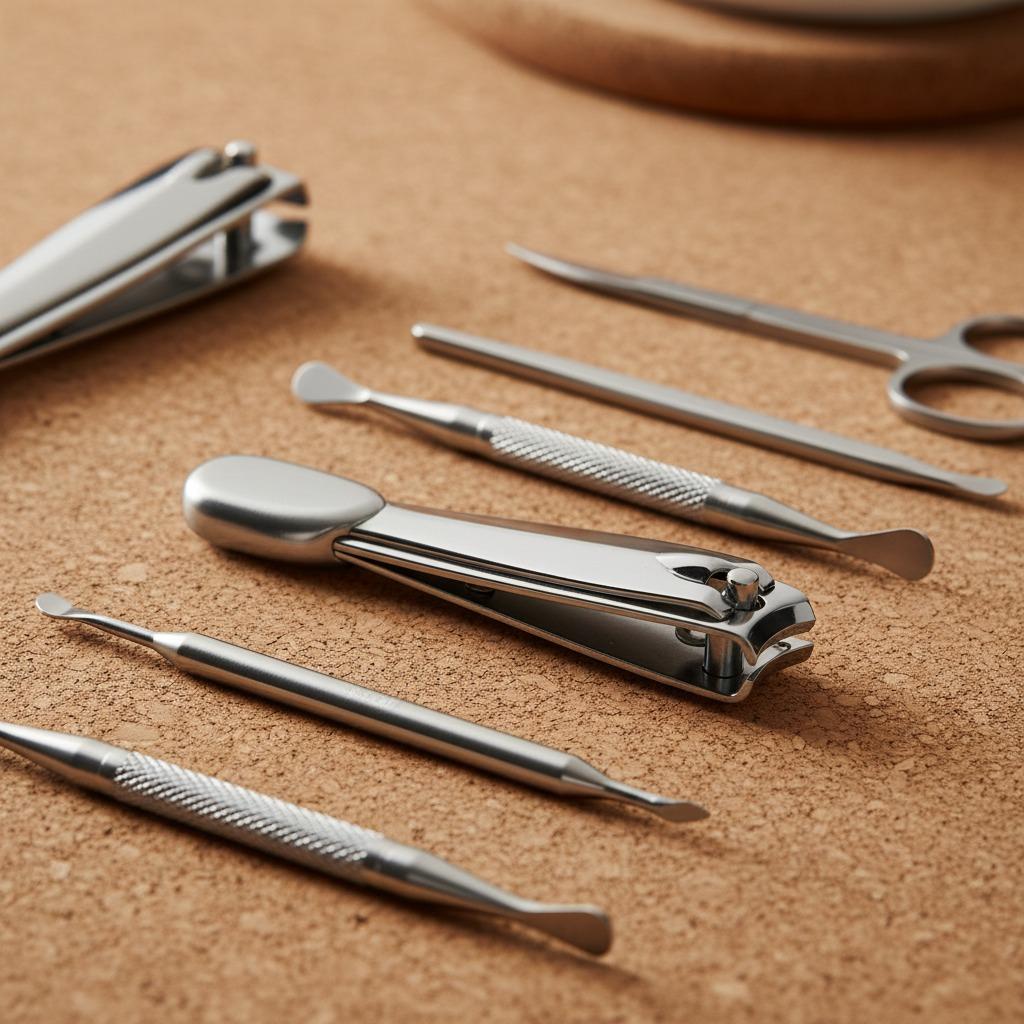
Different tools suit different trimming situations. A standard nail clipper is often the quickest option for adult fingernails. A larger clipper may be useful for toenails, provided it can cut cleanly without crushing or bending the nail. Nail clippers for kids are helpful when working on smaller nails because the cutting area is easier to position and control.
Angled Precision Nippers are better suited to precision work. Their angled cutting edges can help the user see and approach a small section of nail more clearly than with a straight-on clipper. This can be useful for tidying an uneven edge, trimming a small corner carefully, or handling fine grooming tasks where visibility and hand position matter. The matte black handle described for these nippers is also relevant for professional or repeated use because comfort and grip can reduce strain during longer sessions.
| Tool type | Best use | Selection priority |
|---|---|---|
| Standard nail clipper | Routine fingernail shortening | Clean cutting action and comfortable size |
| Kids’ nail clipper | Small, delicate children’s nails | Control, visibility, and gentle handling |
| Toenail clipper | Thicker toenails and straight cuts | Stable grip and enough cutting width |
| Angled Precision Nippers | Detailed trimming and fine edge control | Sharp angled edges, secure grip, and careful use |
If you are comparing professional grooming items for retail, salon, or personal-care sourcing, review Olimor’s broader beauty tool products and product collections to understand how different nail care tools fit specific use cases.
How to Trim Nails for a Clean, Comfortable Edge
A consistent process helps avoid mistakes. Trimming after washing hands or bathing can make nails slightly softer and easier to cut, but they should not be slippery or wet to the point that the tool becomes hard to control. Work under good lighting and trim slowly, especially near corners.
- Clean first. Wash hands or feet and remove visible dirt from under the nail. Dry thoroughly so the tool does not slip.
- Inspect the nail shape. Look for uneven edges, splits, or corners that may snag. Decide how much length should be removed before cutting.
- Use the correct tool. Choose a standard clipper for simple shortening, a kids’ clipper for children, or Angled Precision Nippers when a more detailed approach is needed.
- Trim in small sections. Avoid forcing one large cut across a thick or curved nail. Smaller cuts provide better control and reduce stress on the nail.
- Keep toenails straighter. A straighter edge can help avoid pressure at the corners. Do not dig deeply into the side of the nail.
- Smooth the edge. Use a nail file after trimming to remove sharp points and create a comfortable finish.
- Clean the tool. Wipe away nail debris and store the tool dry to support hygiene and long-term usability.
When using angled nippers, position the cutting edge where you can clearly see the point of contact. Do not pull or twist after cutting; the tool should make a controlled snip. If the nail feels too thick or resistant, stop and reassess rather than increasing pressure.
Using Angled Precision Nippers with Better Control
Angled nippers are valuable because they allow a different approach angle compared with many flat clippers. This can be helpful when the nail edge is uneven or when a small section needs trimming without disturbing the surrounding area. However, the same precision that makes the tool useful also requires a steady hand.
Hold the nippers so the handle rests securely in the hand and the cutting edge is visible. Work from the outer edge toward the center when tidying a corner, and make very small cuts. The goal is to refine the nail edge, not carve into it. For fingernails, follow the natural curve without cutting too close to the skin. For toenails, keep the shape more conservative and avoid deep rounding at the corners.
Because the product description notes angled cutting edges made from premium-grade steel, users should treat the edges as a precision surface. Avoid dropping the nippers, cutting hard non-grooming materials, or using them as a general household tool. Although the original use mentions crafts and handling delicate objects, beauty tool buyers should consider whether each task is appropriate for a sharp grooming implement and maintain separation between personal-care and non-personal-care use whenever hygiene matters.
Buyer Checklist for Nail Trimming Tools
Whether you are purchasing for personal grooming, a salon kit, a retail assortment, or a private label beauty-tool range, selection should focus on practical performance. Visual style matters, but the tool must first cut cleanly, feel stable, and support hygienic handling.
- Cutting edge alignment: The two cutting surfaces should meet evenly without visible gaps or wobble.
- Sharpness and control: A suitable tool should cut without crushing the nail or requiring excessive force.
- Handle comfort: The grip should suit the hand size and intended use duration. A comfortable matte handle can be helpful for repeated trimming tasks.
- Tool size: Adult nails, children’s nails, and toenails may require different dimensions and jaw openings.
- Cleaning access: The design should allow nail dust and debris to be removed easily after use.
- Storage protection: A dry, protected storage method helps keep cutting edges in better condition.
- Use-case clarity: Decide whether the tool is for simple clipping, detailed shaping, salon use, travel kits, or retail sets.
If you are evaluating a nail care tool assortment and need guidance on product matching, packaging direction, or sourcing decisions, you can contact Olimor or send an inquiry with your intended use case.
Cleaning, Storage, and Maintenance
Nail tools come into direct contact with keratin, skin oils, and sometimes moisture, so routine cleaning matters. After each use, remove visible nail fragments and wipe the tool dry. If the tool is shared in a household or professional environment, use an appropriate cleaning routine between users according to local hygiene practices and the care instructions provided with the product.
Store clippers and nippers in a dry place. Moisture can affect many metal tools over time, and loose storage in a drawer can damage sharp edges if the tool knocks against hard objects. Keeping a dedicated pouch, case, or organized grooming compartment can help preserve alignment and reduce accidental cuts when reaching for the tool.
Inspect tools periodically. If a clipper begins folding the nail instead of cutting it, or if nippers feel misaligned, the result may become uncomfortable. A dull or damaged tool encourages users to apply more pressure, which increases the risk of uneven cuts. Replacing worn tools is often safer than trying to compensate with force.
Common Nail Trimming Mistakes to Avoid
Several trimming problems come from rushing. Cutting nails too short can expose sensitive areas and cause tenderness. Rounding toenail corners too deeply can create pressure where the nail meets the skin. Using adult clippers on very small children’s nails may make it harder to see the cutting point. Using one tool for every task can also lead to poor results, because thick toenails, small fingernails, and detailed edge work do not all require the same cutting geometry.
Another common mistake is skipping the finishing step. Even a clean cut can leave a small sharp point that catches on fabric. A few passes with a nail file can make the nail edge smoother and more comfortable. For professional presentation, the difference between a clipped edge and a refined edge is often noticeable.
A Practical Approach to Better Nail Care
Trimming nails well depends on three things: the right tool, a careful technique, and proper tool maintenance. Standard clippers are practical for quick routine cuts, kids’ clippers offer better control for small nails, and Angled Precision Nippers provide accuracy for detailed trimming where visibility and cutting angle are important. By choosing tools according to the nail type and task, users can maintain cleaner, smoother, and more comfortable nails with less effort and fewer mistakes.