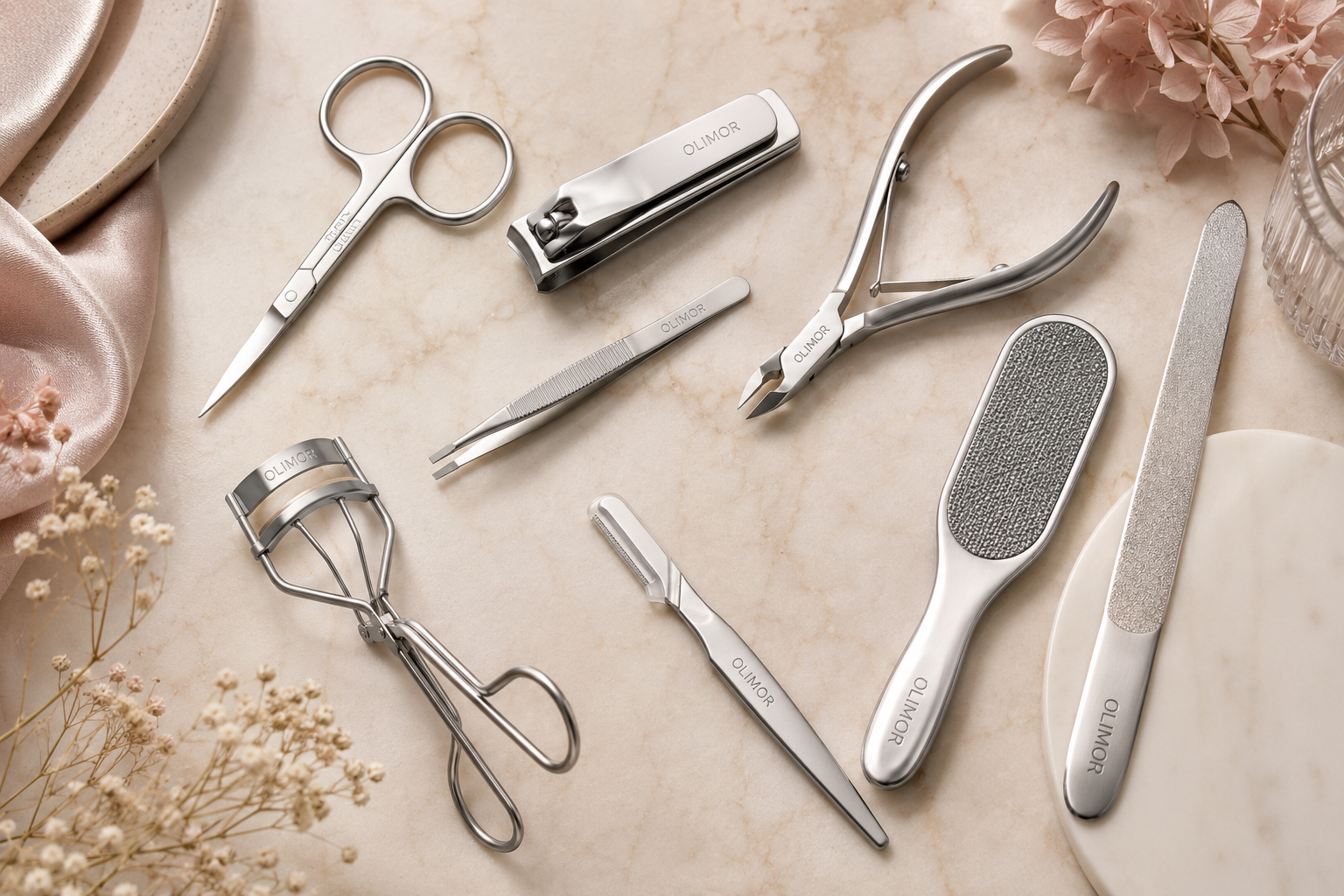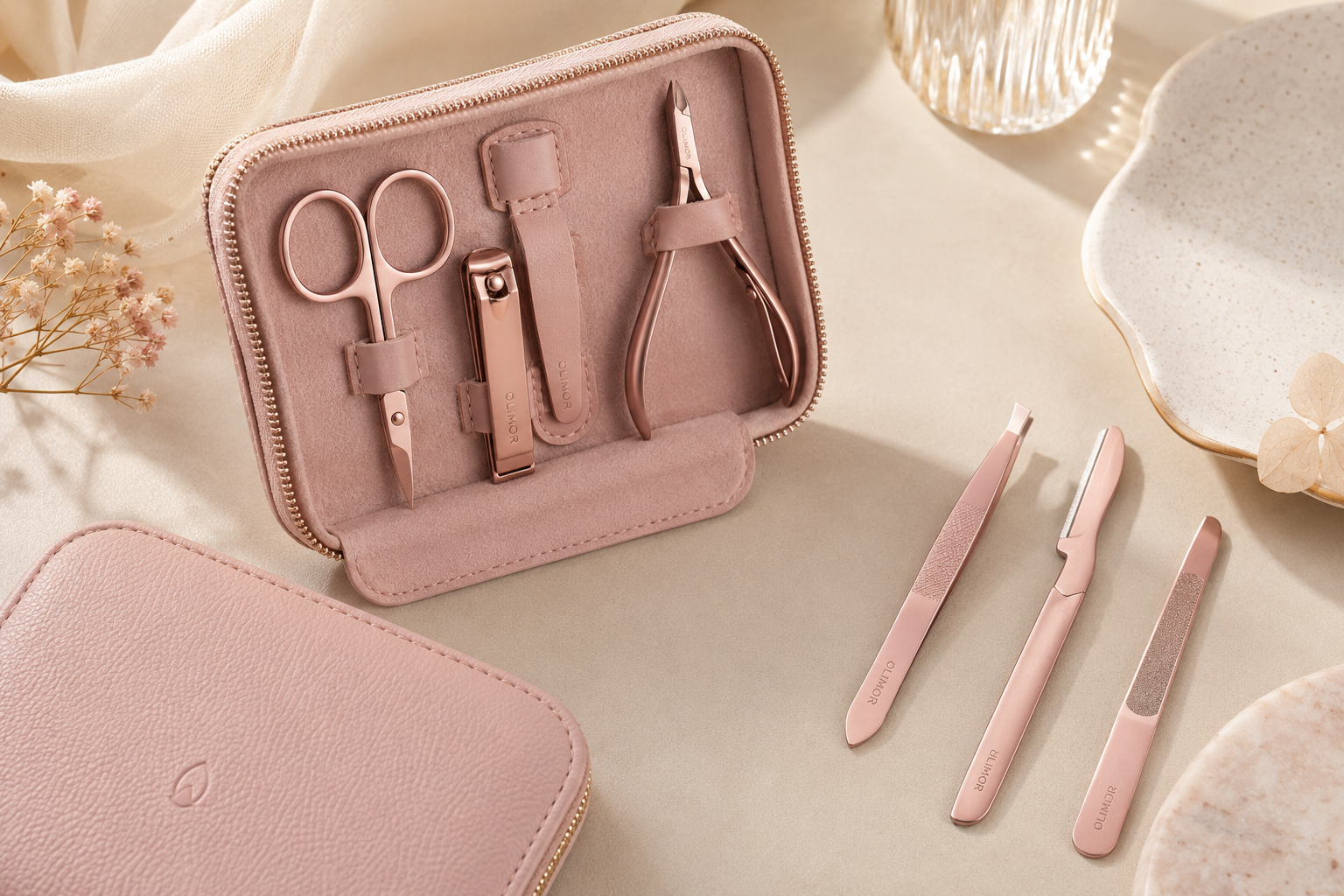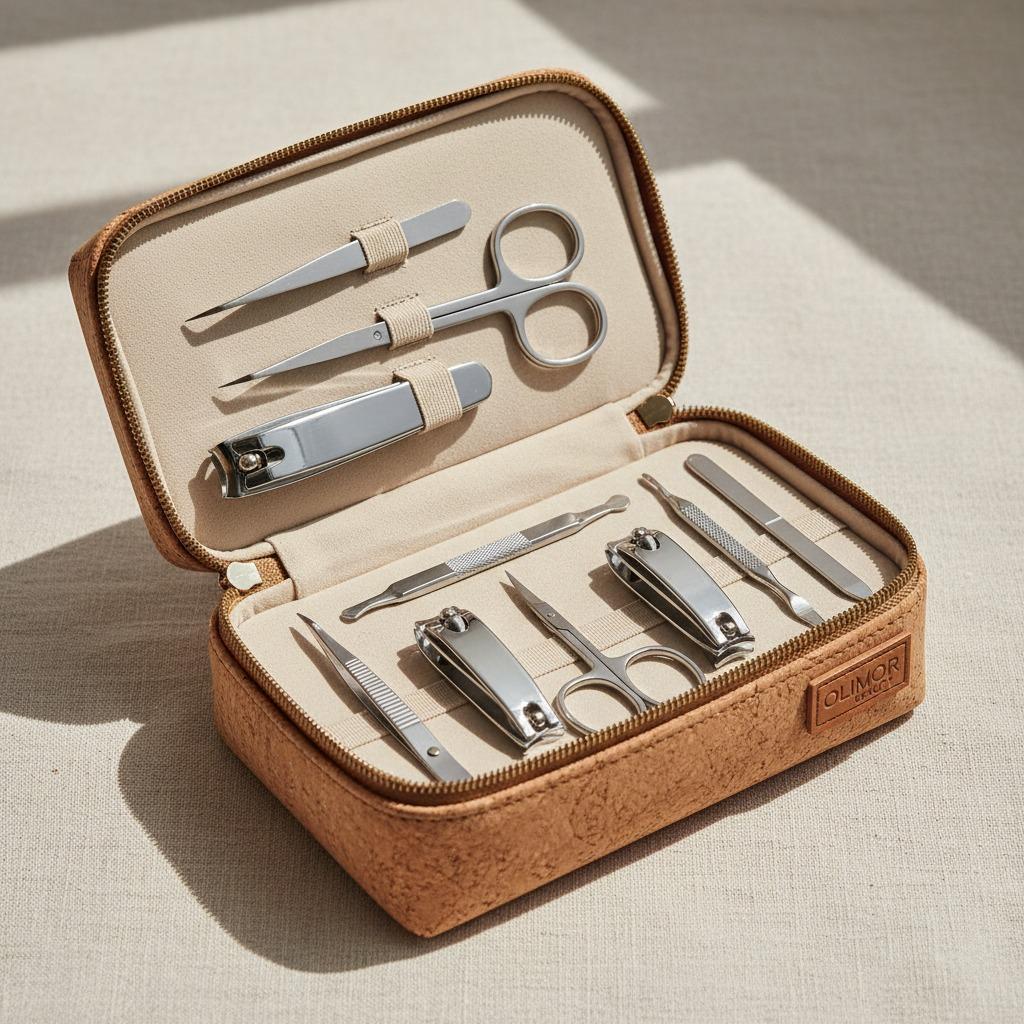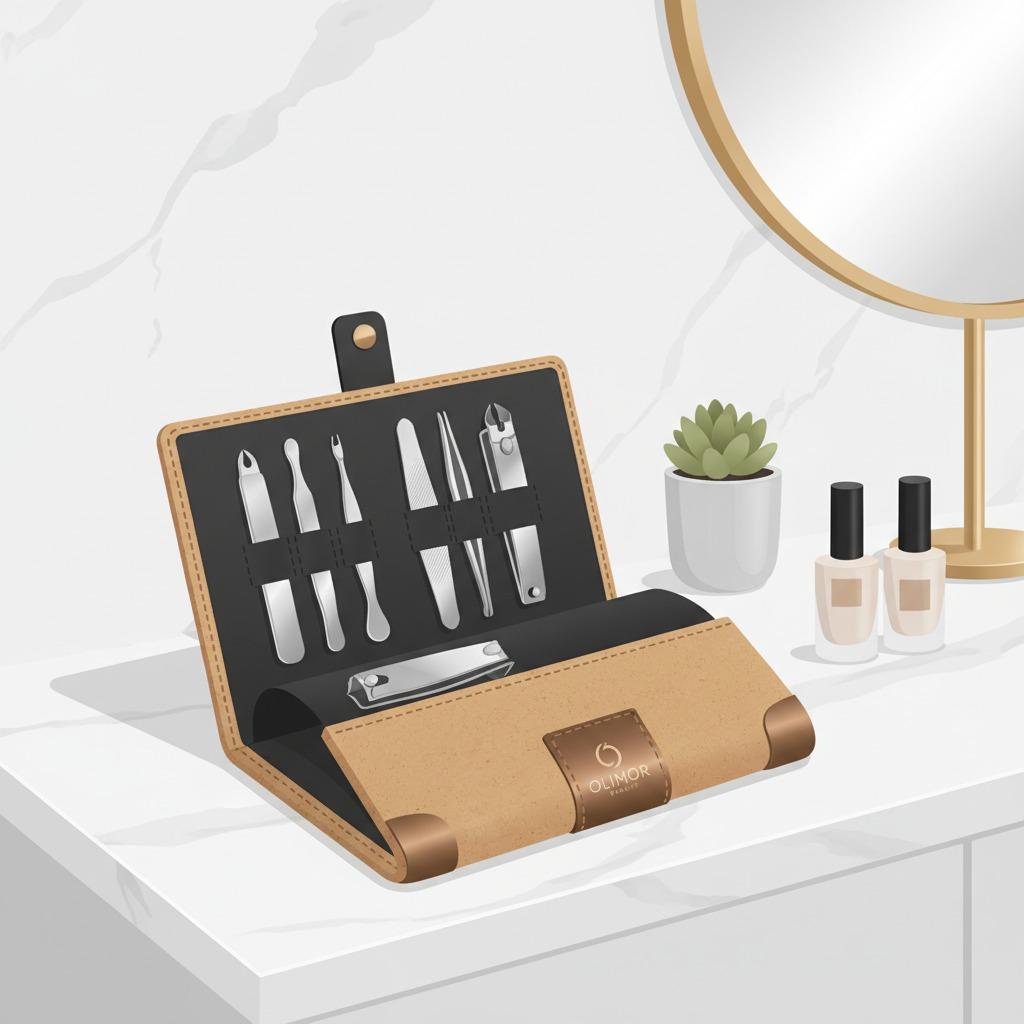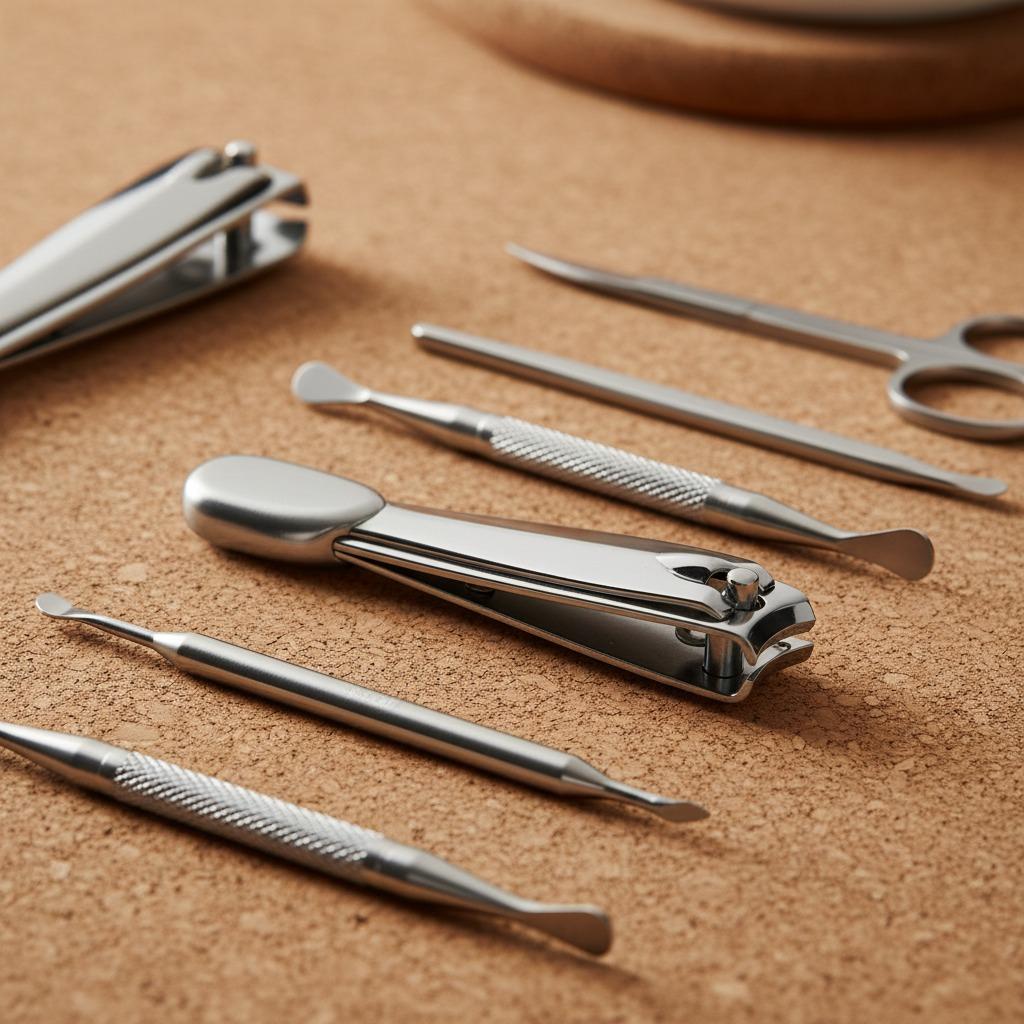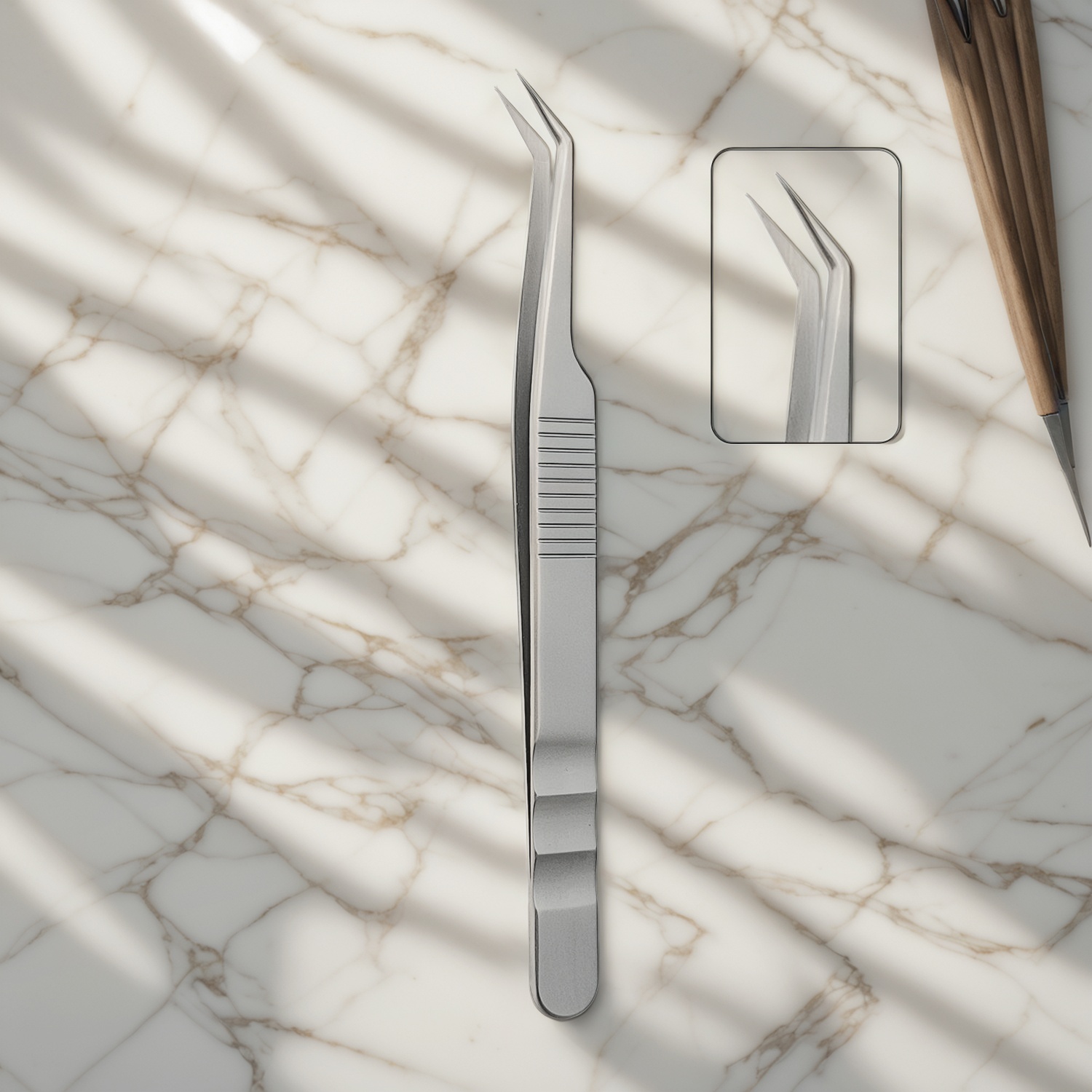
For beauty retailers, lash studios, salons, and private-label brands, tweezers look simple until a customer notices weak grip, uneven tips, or rough finishing. In precision beauty work, small tool details affect speed, comfort, and trust. Choosing a supplier is therefore a product-quality decision, not just a purchasing step.
Olimor Beauty supplies precision beauty tools for wholesale and branded projects, including slanted edge tweezers, curved-tip lash applicators, false-lash tweezers, and other grooming-focused designs. If you are comparing options, start by deciding whether you need a tool for lash work, brow shaping, general grooming, or retail resale. You can also review Olimor’s beauty tool range while you define the right format for your market.
What makes a tweezers supplier reliable?
A reliable supplier helps reduce uncertainty before the order is placed and after it arrives. In tweezers sourcing, reliability is mainly about repeatability: the next batch should match the approved sample in tip alignment, tension, finish, and packaging presentation.
Good suppliers understand that tweezers are judged at close range. A tool may look polished in a photo, but if the tips do not meet cleanly or the grip feels unstable, the end user will notice immediately. That is why buyers should look for practical production control from raw material selection through final packaging inspection.
- Product performance: clean gripping, controlled tension, and stable closure.
- Visual consistency: finish, logo placement, and surface cleanliness.
- Order handling: clear communication, sample preparation, and packing coordination.
- After-sales support: responsiveness if a batch needs review or a future order needs adjustment.
For buyers building a broader assortment, it also helps to compare tweezers with other beauty tool collections so the design language and presentation stay consistent across the range.
Precision details that matter most
Whether you are sourcing slanted edge tweezers, lash applicators, or pointed grooming tools, the same core quality checks apply. The ideal choice depends on use case, user skill, and packaging channel.
1. Tip alignment
This is the most important functional point. The two tips should meet evenly without visible gaps or twisting. Poor alignment reduces accuracy and can make the tool slip when gripping fine hair or delicate lash materials.
2. Tip finishing
Supplied product descriptions reference hand-filed tips and finely pointed ends on some models. That finishing can support precision when it is executed well, but buyers should inspect whether the edges are smooth enough for safe use and effective enough for gripping.
3. Tension and hand feel
The tweezer should open and close with controlled resistance. Too much stiffness can cause hand fatigue in salon use; too little tension can make the tool feel weak or imprecise.
4. Grip design
Several Olimor product examples mention non-slip grip areas, etched texture, ribbed surfaces, cut-out slots, or ergonomic handles. These features matter because detailed work often happens with small movements, sometimes during long sessions. A secure grip helps the user stay steady without squeezing too hard.
5. Finish and surface quality
Olimor’s supplied examples include stainless steel, matte black, and gradient finishes such as gold-to-pink or gold-to-pink transitions. Buyers should treat finish as both an appearance and usability issue. Check for scratches, uneven coating, stains, fingerprints, or rough edges that may affect retail presentation.
6. Packaging protection
Tweezer tips are easy to bend or dull in transit. Bulk cartons, inner packing, sleeves, hard shell cases, and retail-ready boxes should protect the functional end of the tool and fit the sales channel.
Compare supplier options by buyer type
Different buyers need different balances of function, presentation, and order flexibility. The table below is a practical way to compare supplier fit before placing a wholesale or OEM order.
| Buyer type | What to prioritize | Why it matters |
|---|---|---|
| Beauty retailers | Consistent finish, shelf-ready packaging, tip protection | Supports display appeal and reduces customer complaints |
| Salons and lash studios | Tip alignment, comfortable tension, ergonomic handling | Improves control during repeated professional use |
| Private-label brands | Custom logo options, coordinated presentation, repeatable quality | Helps build a coherent product identity |
| Import distributors | Clear specifications, sampling, and inspection communication | Helps manage batch consistency and reorder risk |
| Promotional or gift buyers | Visual appeal, compact packaging, reliable basic function | Supports gifting, kits, and branded giveaways |
Choose the right style for the intended use
Olimor’s supplied product information covers several relevant formats: slanted edge tweezers, curved-tip lash applicators, false-lash tweezers, and finely pointed precision tweezers. The right style depends on what the end user is doing.
- Slanted edge tweezers: useful for everyday grooming, brow shaping, and controlled hair removal.
- Curved-tip lash applicators: helpful when visibility and access around the lash line matter.
- False-lash tweezers: suited to delicate lash placement and handling small beauty accessories.
- Finely pointed precision tweezers: better for detailed isolation tasks and close-up beauty work.
When buyers choose based on intended use first, they reduce the risk of ordering a tool that looks good but does not fit the workflow. A salon may prefer a curved or angled form for access, while a retail brand may want a clean slanted edge format with strong shelf appeal. The right answer is the one that matches the use case.
What to inspect in samples before ordering
Sampling is the most practical way to evaluate a tweezers supplier, but the sample should be checked systematically. Do not rely only on the photo or the feel of the finish. Look at the parts of the tool that affect daily use.
- Close and open the tips several times. Check whether the motion feels controlled and consistent.
- Inspect tip contact from multiple angles. Look for even meeting points and avoid visible gaps.
- Test grip comfort. Hold the tool as it would be used during real lash or brow work.
- Review the surface under good light. Look for scratches, coating issues, burrs, or uneven polish.
- Check packaging fit. Make sure the tip area is protected and the presentation suits the channel.
- Compare samples from more than one option if possible. Small differences often show up in hand feel and finishing quality.
For precision work, what matters is not just whether the tweezer can grasp something once, but whether it performs predictably across repeated use.
Wholesale and OEM planning: avoid vague specifications
Wholesale tweezers and custom logo projects work best when the buyer gives a clear brief. A supplier can support better results when they know the target user, the intended use, the preferred finish, and the packaging format.
Before you request a quotation or sample, define the following:
- Target user: professional lash artist, brow technician, retailer customer, or beauty student.
- Primary task: lash placement, brow grooming, facial hair removal, or kit inclusion.
- Preferred style: slanted edge, curved tip, pointed tip, or applicator form.
- Grip preference: smooth, ribbed, etched, textured, or cut-out design.
- Finish direction: matte black, stainless steel look, gradient, or other cosmetic finish.
- Packaging goal: bulk packing, retail box, hard shell case, or private-label presentation.
- Inspection priorities: tip alignment, surface finish, logo placement, and carton accuracy.
Olimor Beauty positions itself as a factory-oriented supplier that handles production control from material sourcing through final packaging inspection. That matters because tweezers are sensitive to small manufacturing differences. If the forming, polishing, or final packing step is inconsistent, the end user feels it immediately.
Material and manufacturing details worth asking about
Supplied materials reference stainless steel, durability, rust resistance, and clean finishing. Stainless steel is common in beauty tools because it supports routine handling and cleaning when properly made and maintained. Still, buyers should not treat the material name as the whole story.
Ask about the practical steps behind the product:
- How the tips are formed and finished.
- How alignment is checked before packaging.
- Whether the grip area is textured, etched, or cut for control.
- How finish consistency is checked across a batch.
- How the packaging protects the working end of the tool.
For buyers comparing import tweezers from China, the supplier’s ability to explain these steps clearly is often more useful than broad marketing language. A focused beauty-tool partner should be able to discuss the product in practical terms rather than only in catalog terms.
Quality checks and documentation buyers should request
A strong supplier relationship depends on documentation. Buyers should keep one approved sample, written specifications, logo artwork if relevant, packaging layout, and any inspection notes. This helps prevent changes on repeat orders.
Depending on your market and procurement process, you may also want to ask whether the supplier can work with the relevant quality-management documentation, such as an ISO 9001-based system if that is part of your internal sourcing standard. Verify the applicable version and ask for supplier documents rather than assuming coverage. For destination-market compliance, also confirm the requirements of the relevant public body or import authority for labeling, product safety, and any local beauty-tool rules.
That approach keeps the conversation practical and avoids relying on assumptions. It also makes reorder discussions easier because both sides can refer back to the same approved reference set.
When to contact Olimor
If you are building a brow, lash, or grooming assortment and need supplier support around sample review, custom logo planning, or packaging choices, use the early stage to confirm fit before scaling. You can send a product inquiry with your target use and preferred finish, or talk directly with the team about wholesale and private-label options.
A good supplier conversation should cover function first, then finish, then packaging. That order keeps the project grounded in real use and helps you avoid choosing a product that looks attractive but does not perform as expected.
FAQ
Can I request samples before placing a larger order?
Yes, sample review is a practical part of supplier evaluation. Use it to check alignment, tension, finish, and packaging before confirming a wholesale or OEM run.
What is the MOQ for custom tweezers?
MOQ can vary by product type, finish, and customization level. Ask the supplier directly for the current requirement on the exact model you want.
Can tweezers be customized with a logo or branded packaging?
Yes, private-label and custom logo options are commonly part of beauty-tool sourcing. Confirm logo placement, finish compatibility, and packaging details early.
How do I know if the quality is suitable for salon use?
Check tip alignment, grip comfort, tension, and repeatable performance across samples. Salon buyers should test the tool in realistic working conditions.
What should I ask about lead time?
Ask for the expected production schedule, packaging steps, and any order-specific factors that could affect timing. Do not assume standard timing without written confirmation.
For buyers who want a reliable sourcing path, the key is simple: compare suppliers on product consistency, practical handling, and documentation, not on price alone. That is the most dependable way to choose tweezers for precision beauty use.