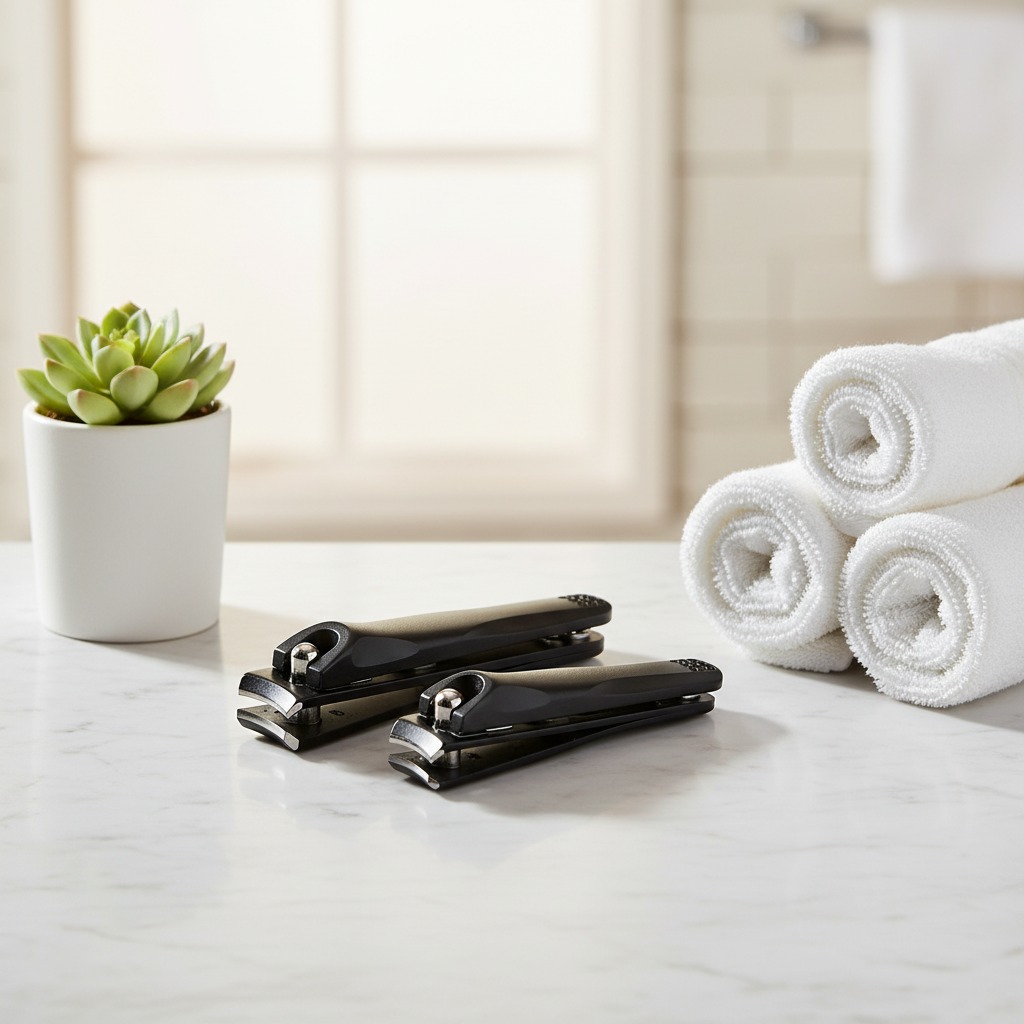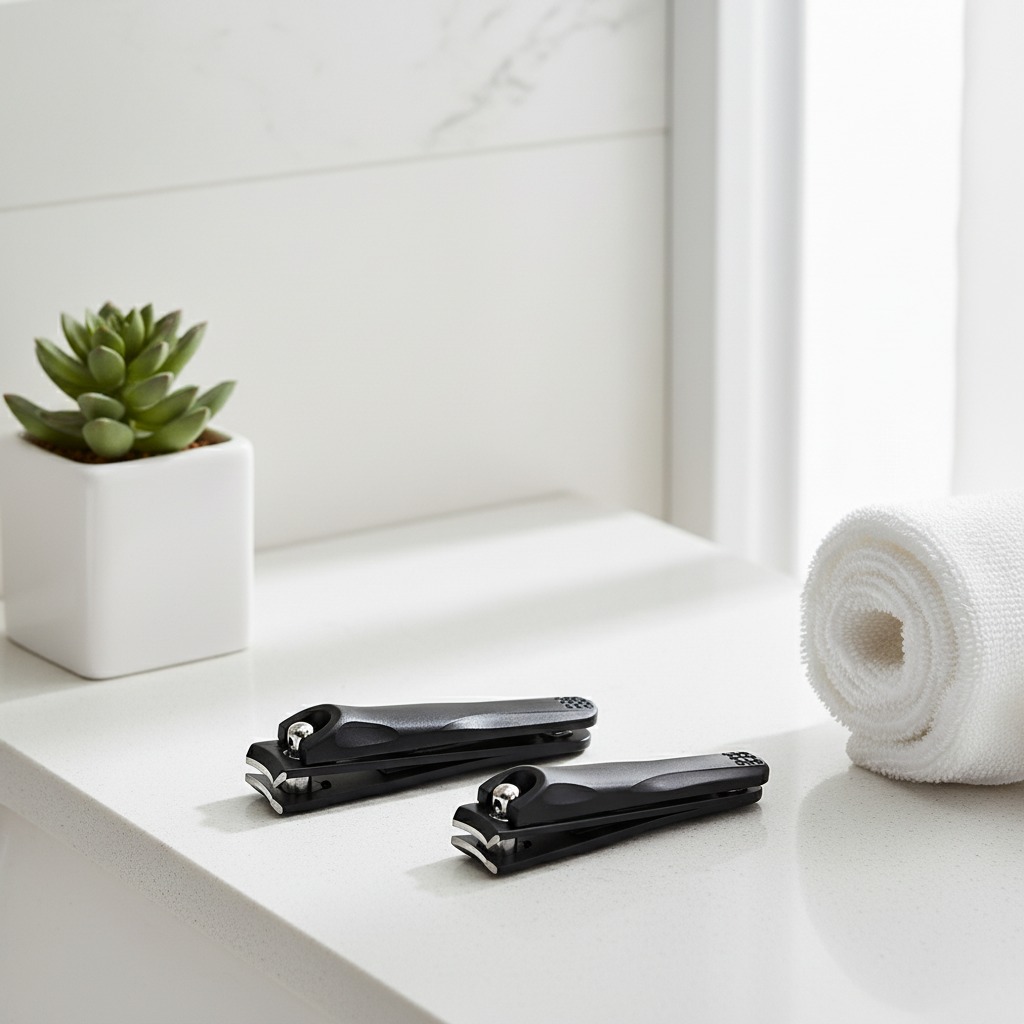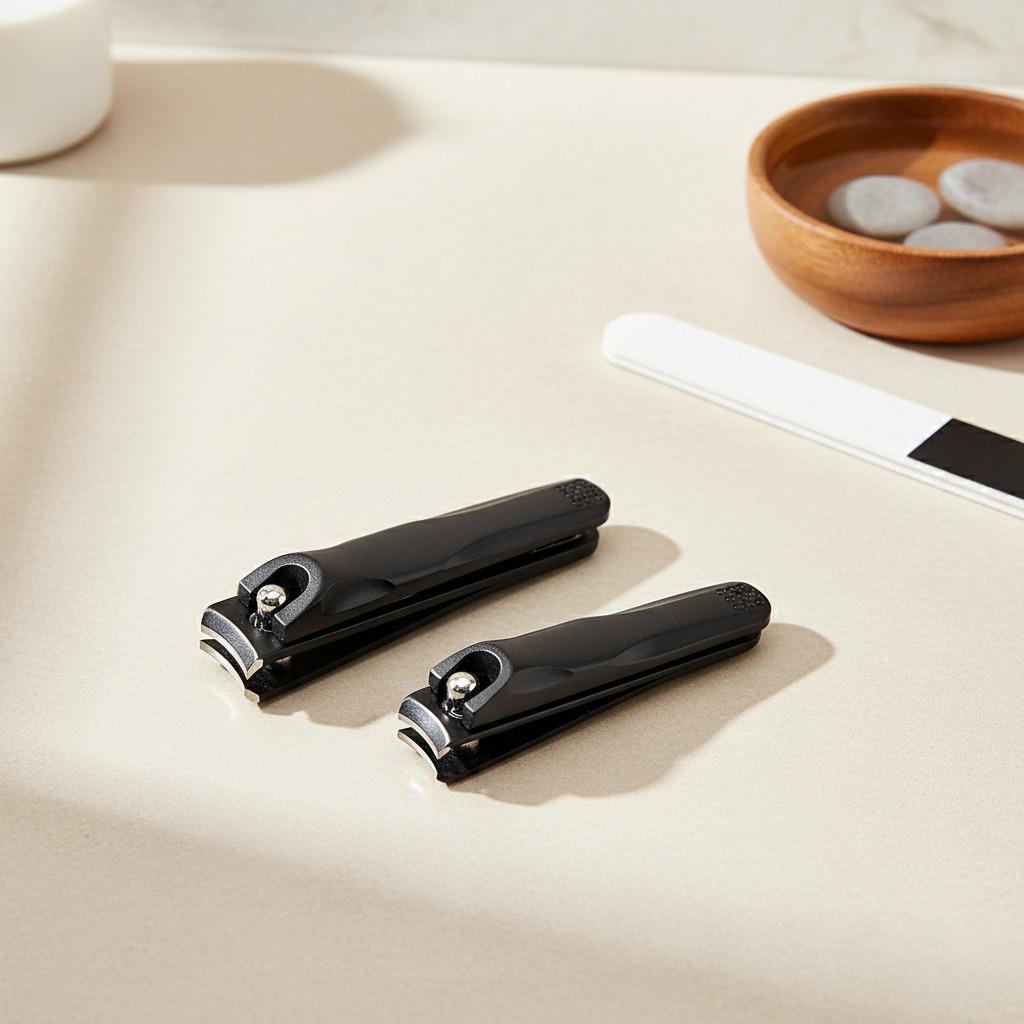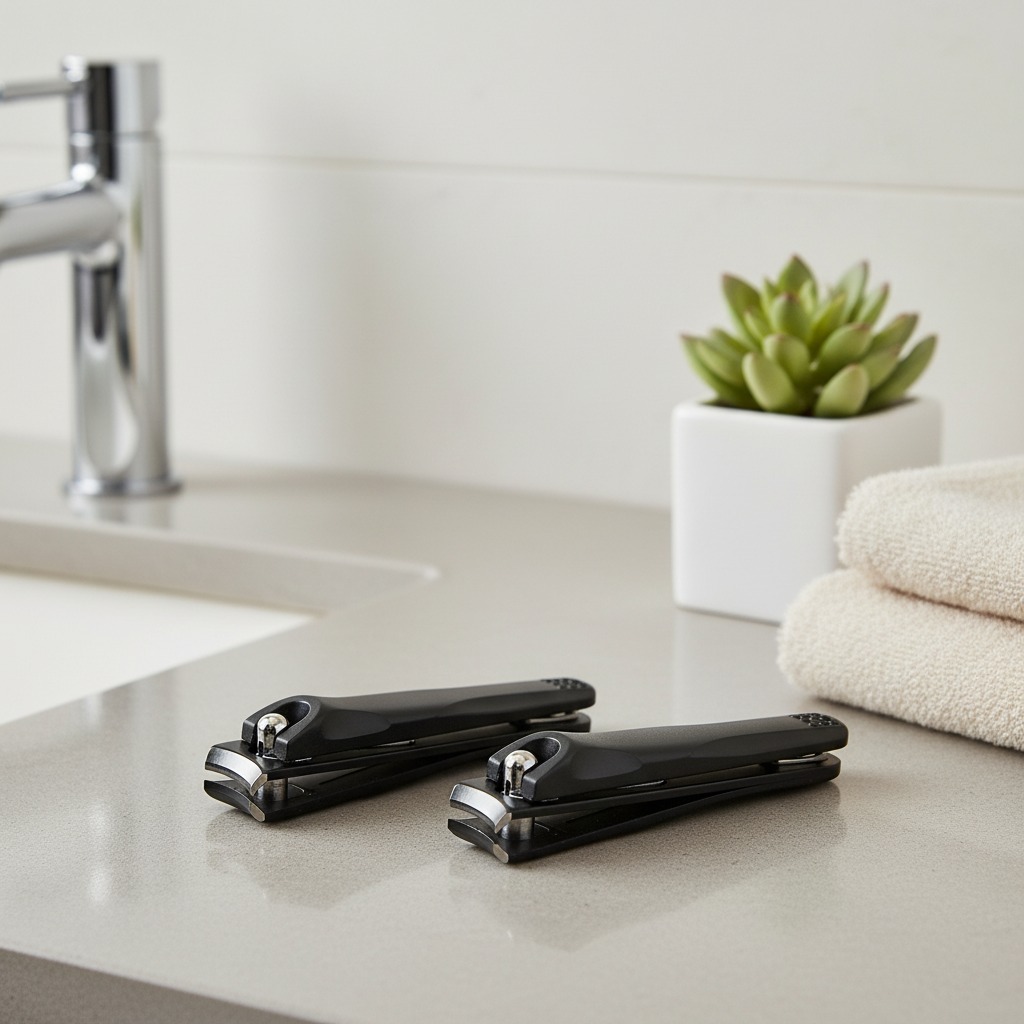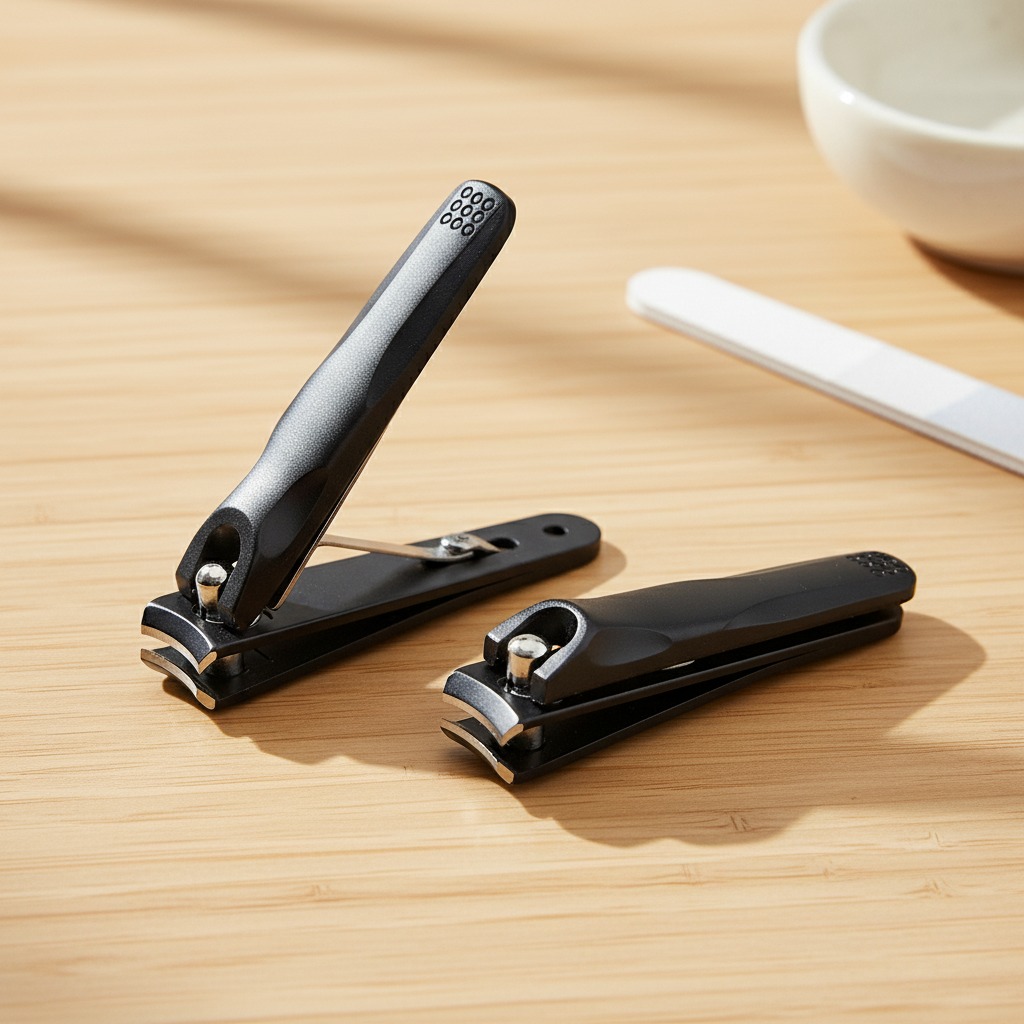
For beauty retailers, grooming brands, private-label sellers, and distributors, nail clippers are small products with a large impact on customer trust. A clipper that feels weak, pulls instead of cutting, rusts quickly, or arrives in inconsistent packaging can damage repeat sales. A reliable nail clipper OEM partner helps you control the details that matter: cutting performance, hand feel, appearance, packaging, order consistency, and communication throughout production.
Olimor Beauty works with beauty tool buyers who need customizable nail clipper solutions for retail, salon, travel, promotional, or kit-based product lines. If you are comparing suppliers, the goal is not simply to find the lowest unit price. The better question is whether the factory can repeatedly produce a nail clipper that matches your market position and quality expectations. Use the following guide to evaluate materials, design options, production checks, and sourcing decisions before placing a bulk order.
Start with the Intended Customer and Sales Channel
Before discussing finishes or packaging, define where the nail clipper will be sold and who will use it. A mass retail grooming clipper, a salon tool, a travel kit accessory, and a private-label gift set may all need different specifications. The best OEM discussion starts with the end user’s expectation.
For everyday retail, buyers often prioritize durability, clean cutting, and packaging that explains the product clearly. For salon or professional use, the feel of the lever, blade alignment, and repeat cutting comfort become more important. For beauty kits, size, appearance, and compatibility with other tools in the set may matter as much as the clipper itself.
- Retail shelf product: Focus on consistent finish, clear packaging, and dependable cutting performance.
- Salon or professional use: Review grip comfort, lever resistance, blade sharpness, and long-term wear.
- Travel or compact kits: Confirm dimensions, portability, and whether the clipper pairs neatly with other tools.
- Promotional or gift items: Consider branding area, surface finish, and packaging presentation.
If you are building a broader grooming category, compare nail clipper options alongside other beauty tool products so the materials, colors, and packaging language feel consistent across the line.
Evaluate Stainless Steel Quality and Cutting Performance
The supplied product information highlights durable stainless steel, corrosion resistance, ergonomic designs, precise clipping, and quality checks. These are important starting points because nail clippers experience repeated pressure, skin contact, and bathroom storage conditions. A clipper should not only look clean when new; it should continue to cut smoothly after regular use.
When reviewing samples, test more than appearance. Open and close the lever several times. Check whether the cutting edges meet evenly. Try the clipper on different nail thicknesses if appropriate for your market. A good clipper should cut cleanly without twisting, crushing, or requiring excessive hand force. The lever should feel stable, not loose or rough.
Useful inspection points include:
- Blade alignment from left to right, with no obvious gaps when closed.
- Smooth lever movement without sharp edges on the handle area.
- Even surface finish, with no discoloration, burrs, or residue.
- Comfortable grip and shape for the target user’s hand size.
- Consistent cutting feel across multiple samples, not only one selected piece.
For a beauty business, consistency is often more valuable than a single impressive sample. Ask how the OEM partner controls incoming materials, in-process production, and final inspection so that bulk orders match the approved sample as closely as possible.
Use Customization to Strengthen the Brand, Not Complicate the Product
OEM customization can include shape, size, finish, logo placement, packaging, and set configuration. However, more customization is not always better. Each change should support a specific sales goal: clearer shelf appeal, stronger brand recognition, a better user experience, or better fit within a kit.
For nail clippers, customization decisions usually fall into three groups. First is functional customization, such as size, grip form, or design details that affect clipping comfort. Second is visual customization, including finish, color accents, and logo treatment. Third is commercial customization, such as packaging format, barcode space, warning text, and display requirements.
A practical buyer checklist can prevent unnecessary changes:
- Confirm the target retail price range and expected quality level.
- Choose the clipper size and form based on the main user group.
- Approve the surface finish and any branding area only after viewing samples.
- Check that packaging protects the product and fits the sales channel.
- Keep a reference sample and written specification for future repeat orders.
If you need support comparing customization routes, you can send an inquiry with your target market, estimated order plan, and packaging expectations. Clear input at the beginning helps reduce revisions later.
Think Carefully About Bulk Purchasing and MOQ Flexibility
The original product positioning mentions bulk purchasing and low MOQ flexibility. For buyers, this matters because beauty tool lines often begin with market testing before scaling. A flexible order structure can help a startup avoid overstock while allowing an established distributor to prepare larger shipments for seasonal demand.
Even when an OEM partner can support smaller starting orders, it is important to understand how quantity affects cost, packaging, and production planning. Custom packaging, special finishes, and unique components may require different minimums than standard items. A simple nail clipper with standard packaging may be easier to launch than a highly customized design with multiple packaging components.
When comparing bulk options, avoid looking only at the quoted unit price. Review the complete sourcing picture: sample cost, packaging cost, carton details, lead time, payment terms, inspection process, freight planning, and reorder stability. The cheapest option can become expensive if the product arrives with inconsistent cutting quality or packaging that does not meet retailer expectations.
| Decision Area | What to Check | Why It Matters |
|---|---|---|
| Order quantity | Starting quantity, reorder plan, and packaging requirements | Helps balance inventory risk with production efficiency |
| Sample approval | Cutting feel, finish, logo, and packaging mockup | Creates a clear standard for bulk production |
| Inspection | Blade alignment, surface condition, and functional checks | Reduces complaints after delivery |
| Logistics | Carton packing, shipment timing, and documentation needs | Supports smoother receiving and retail planning |
Review Packaging as Part of the Product Experience
Packaging is not only a container. For a nail clipper, it communicates hygiene, function, brand position, and retail value. The right packaging format depends on where the product is sold. A hanging card may work for retail displays, while a box or pouch may be more appropriate for a gift set or beauty kit.
Good packaging should protect the clipper from scratches during shipping and prevent the product from moving excessively inside the pack. It should also give the customer enough information to understand the product quickly. If your market requires specific labeling, warnings, language, or barcode placement, include those requirements early in the development process.
Packaging also affects sustainability discussions. Rather than relying on broad claims, buyers can make practical decisions: reduce unnecessary plastic, choose right-sized packaging, avoid overbuilt inserts, and select materials that match the sales channel. If sustainability is part of your brand message, define the measurable packaging choices you want before production begins.
Confirm Supply Chain Reliability Before Scaling
A dependable nail clipper OEM partner should be able to explain how an order moves from sample approval to production, inspection, packaging, and shipment. The article information notes inspections from raw materials to packaging and an emphasis on reliable supply. For buyers, the key is to turn that promise into a clear process.
Before placing a larger order, confirm who approves the final sample, how changes are recorded, and what happens if production output does not match the agreed standard. Clear documentation can include product drawings, material notes, finish references, logo artwork, packaging dielines, and inspection criteria. This is especially important when the same item will be reordered over time.
Communication is also part of reliability. A supplier should respond clearly to questions about design feasibility, packaging limitations, timing, and order status. If your brand sells through retailers or online marketplaces, late or unclear communication can create missed launch windows. For broader sourcing planning, reviewing related product collections may help you build a more organized product roadmap instead of ordering one item at a time.
Plan for Long-Term Reorders and Category Growth
A nail clipper can be a single SKU, but it can also become part of a larger grooming category. Once a design performs well, buyers may add related tools, alternate packaging, travel versions, or set combinations. The advantage of a capable OEM relationship is that future development can build on approved quality standards instead of starting from zero each time.
Keep records of every approved version. Store sample references, artwork files, packaging specifications, carton information, and inspection notes. If you later adjust the finish, logo, or packaging, record the update and the effective order. This simple discipline helps avoid confusion when reordering or expanding into new channels.
It is also wise to collect customer feedback after launch. Reviews and returns can reveal details that are difficult to predict from samples alone. If users mention hand comfort, blade sharpness, packaging clarity, or rust concerns, share structured feedback with your OEM partner for the next production cycle.
Why Work with Olimor Beauty for Nail Clipper OEM Sourcing
Olimor Beauty provides nail clipper OEM support for beauty businesses that need customizable, bulk-ready grooming tools. The focus is on stainless steel nail clippers, practical customization, quality checks, and support through the sourcing process. Whether you are testing a new private-label grooming item or expanding an existing beauty tool line, the right development process can help you avoid avoidable problems before production begins.
Bring a clear brief: target customer, sales channel, preferred size, finish direction, logo needs, packaging format, estimated order plan, and any retailer requirements. With those details, an OEM discussion becomes more efficient and more useful. If you are ready to compare options for your next nail clipper order, contact Olimor to discuss your sourcing goals and the type of product experience your customers expect.