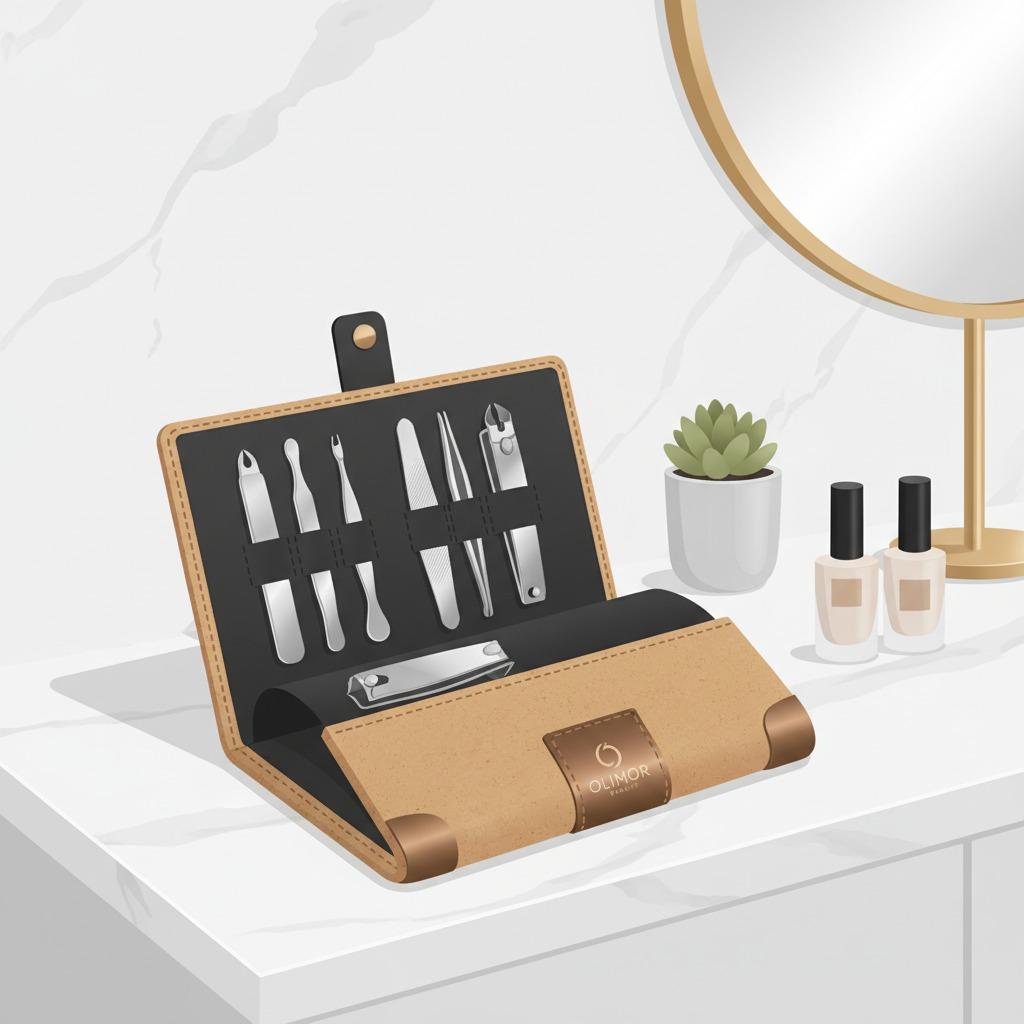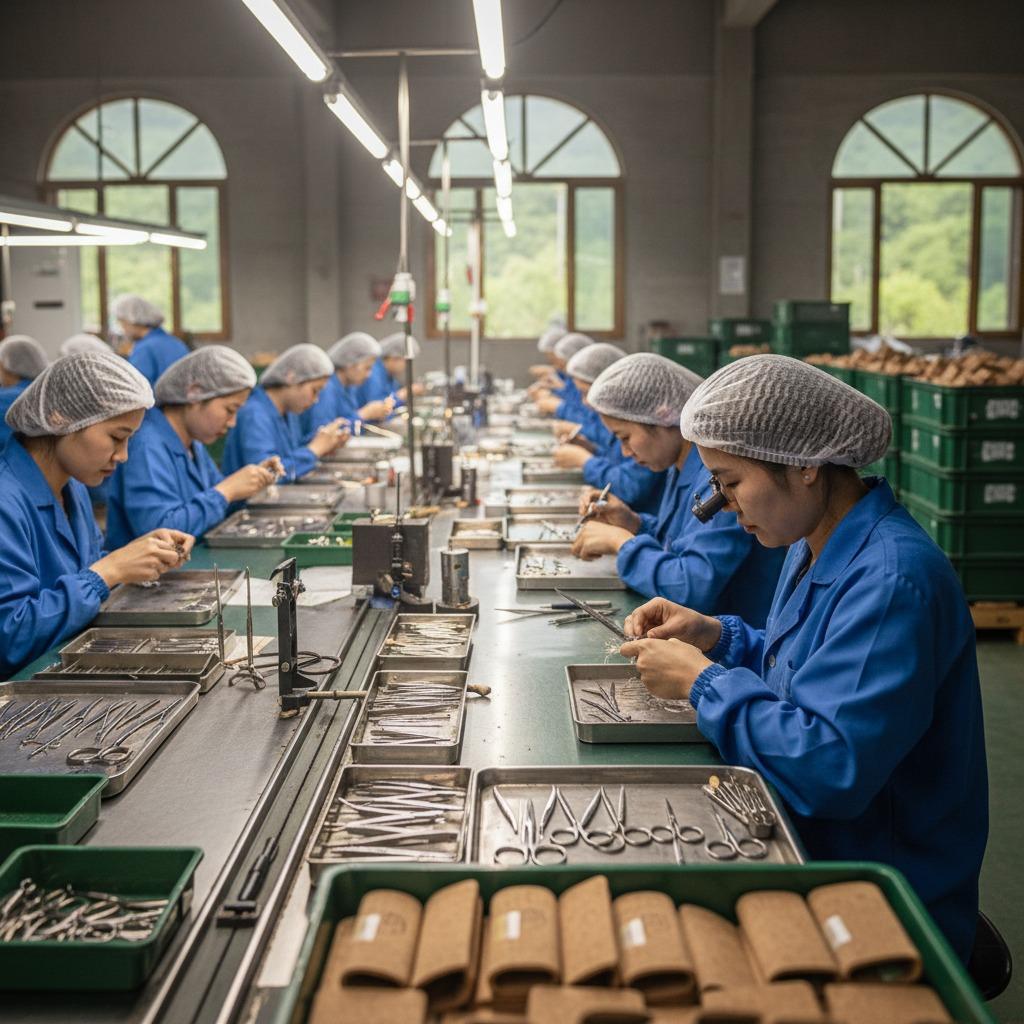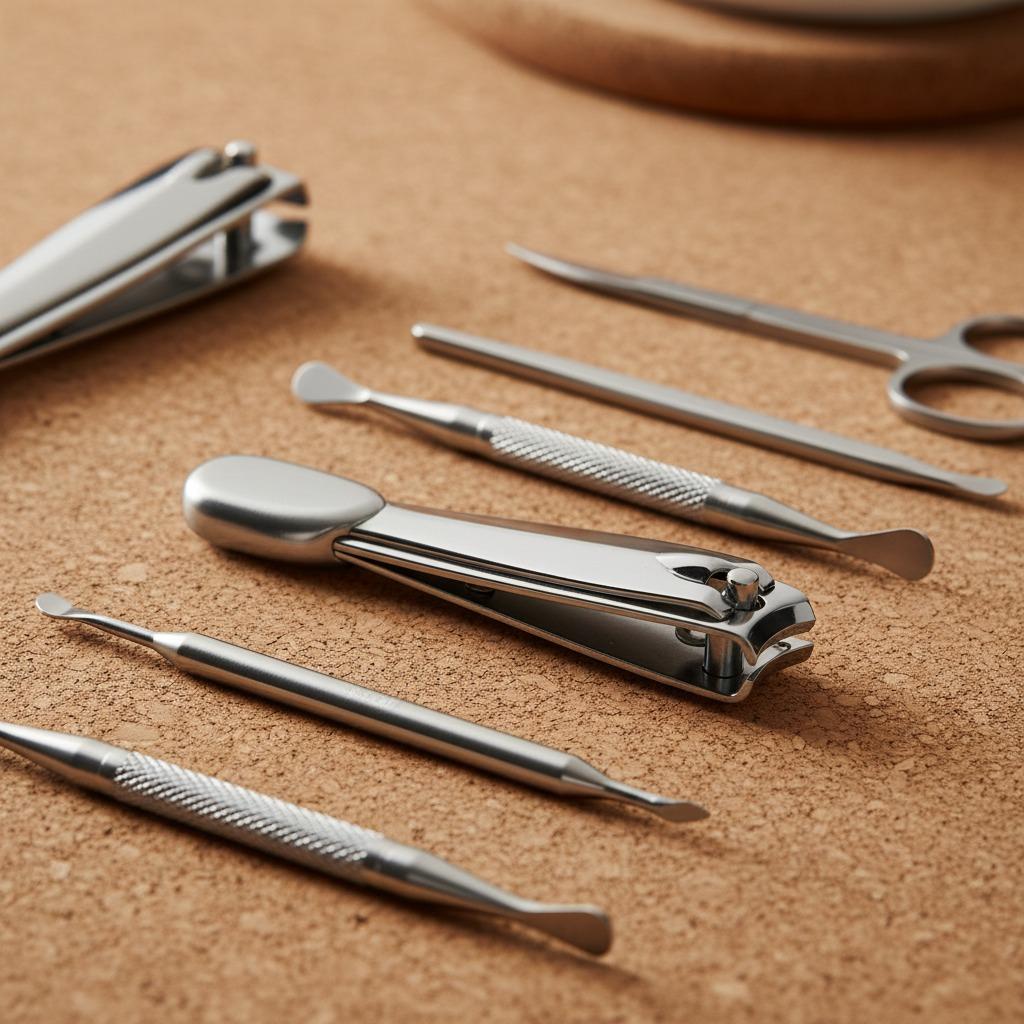











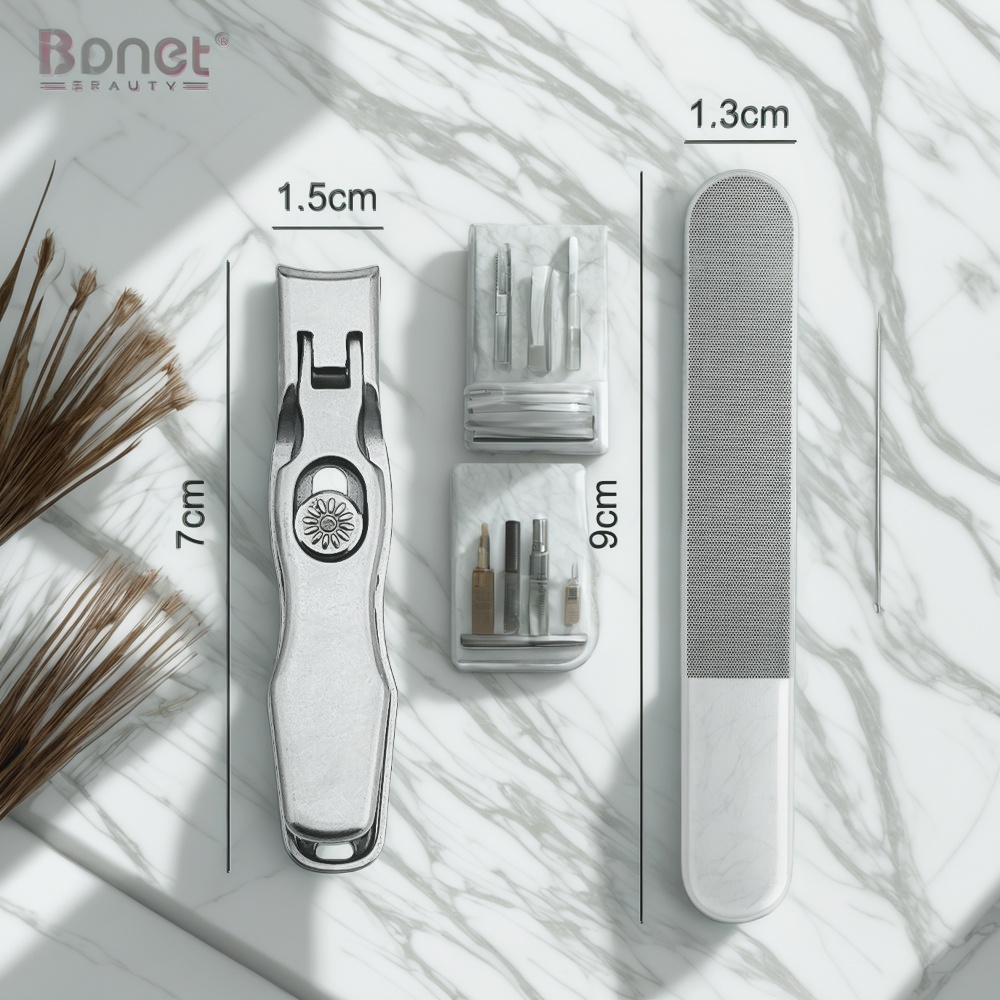
A nail clipper looks simple, but buyers who source beauty tools know that small differences in edge alignment, spring tension, hand feel and packaging can affect repeat sales. For retailers, salon suppliers, private-label brands and distributors, choosing the right nail clipper manufacturer is not only about finding a low-cost item. It is about selecting a factory partner that can produce a consistent grooming tool, support packaging needs, and communicate clearly throughout sampling, production and export.
Olimor Beauty works in the beauty-tools category, where nail clippers are part of a broader nail care and personal grooming assortment. If you are building a new product line or improving an existing one, this guide explains how to evaluate a nail clipper factory, what to review in OEM and custom projects, and how to reduce common sourcing risks before placing an order.
What a Capable Nail Clipper Manufacturer Should Control
The core responsibility of a nail clipper manufacturer is to turn a compact metal tool into a product that feels stable, cuts cleanly and remains comfortable in regular use. Because nail clippers are often purchased in volume, consistency matters as much as the first sample. A polished sample is not enough if bulk production varies in edge sharpness, lever movement or surface finish.
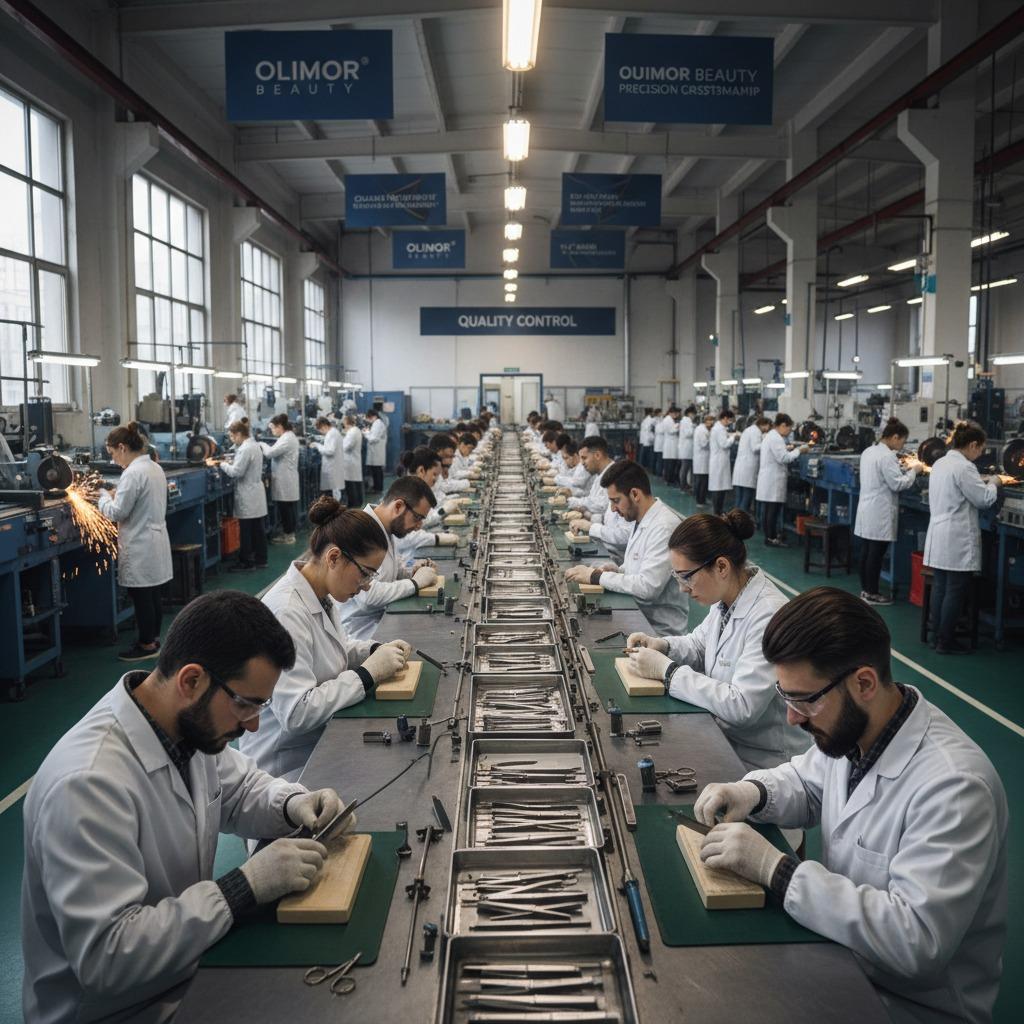
When comparing nail clipper suppliers, look at how much of the process they can manage directly and how they document quality requirements. Important checkpoints include material selection, cutting edge formation, assembly, surface finishing, inspection and packaging. The original product concept may be basic, but execution affects customer satisfaction. A clipper that tears the nail, feels loose in the hand or arrives with visible scratches can damage a brand’s reputation.
Stainless steel construction is commonly valued in nail care tools because it supports durability and a clean appearance. Ergonomic design is also important, especially for adult grooming sets, travel kits and salon retail packs. Buyers should judge these features through actual samples, not only through catalog descriptions. Hold the clipper, check whether the lever is easy to press, examine the jaw alignment, and test the cutting feel on appropriate sample materials.
Key Buying Criteria for Nail Clipper OEM Projects
OEM nail clipper sourcing usually involves adapting an existing product structure with a buyer’s logo, packaging, color treatment or set configuration. This can be efficient for brands that need a dependable beauty tool without investing in a completely new mechanism. However, even an OEM project requires precise decisions before production begins.
Use the following checklist when reviewing a nail clipper OEM proposal:
- Clipper type: Decide whether the line needs fingernail clippers, toenail clippers, mini travel clippers or a mixed nail care set.
- Cutting performance: Review jaw alignment, edge smoothness and lever pressure during sample approval.
- Handle comfort: Consider whether the grip suits the intended user, such as everyday consumers, salon retail customers or travel kit buyers.
- Surface finish: Check for scratches, uneven coating, rough edges or inconsistent polishing.
- Logo placement: Confirm whether branding will appear on the lever, body, packaging or insert card, and review how durable the marking should be.
- Packaging format: Choose packaging that matches the sales channel, such as retail display, e-commerce shipping, gift set or bulk distribution.
- Inspection standard: Define acceptable appearance and functional criteria before mass production starts.
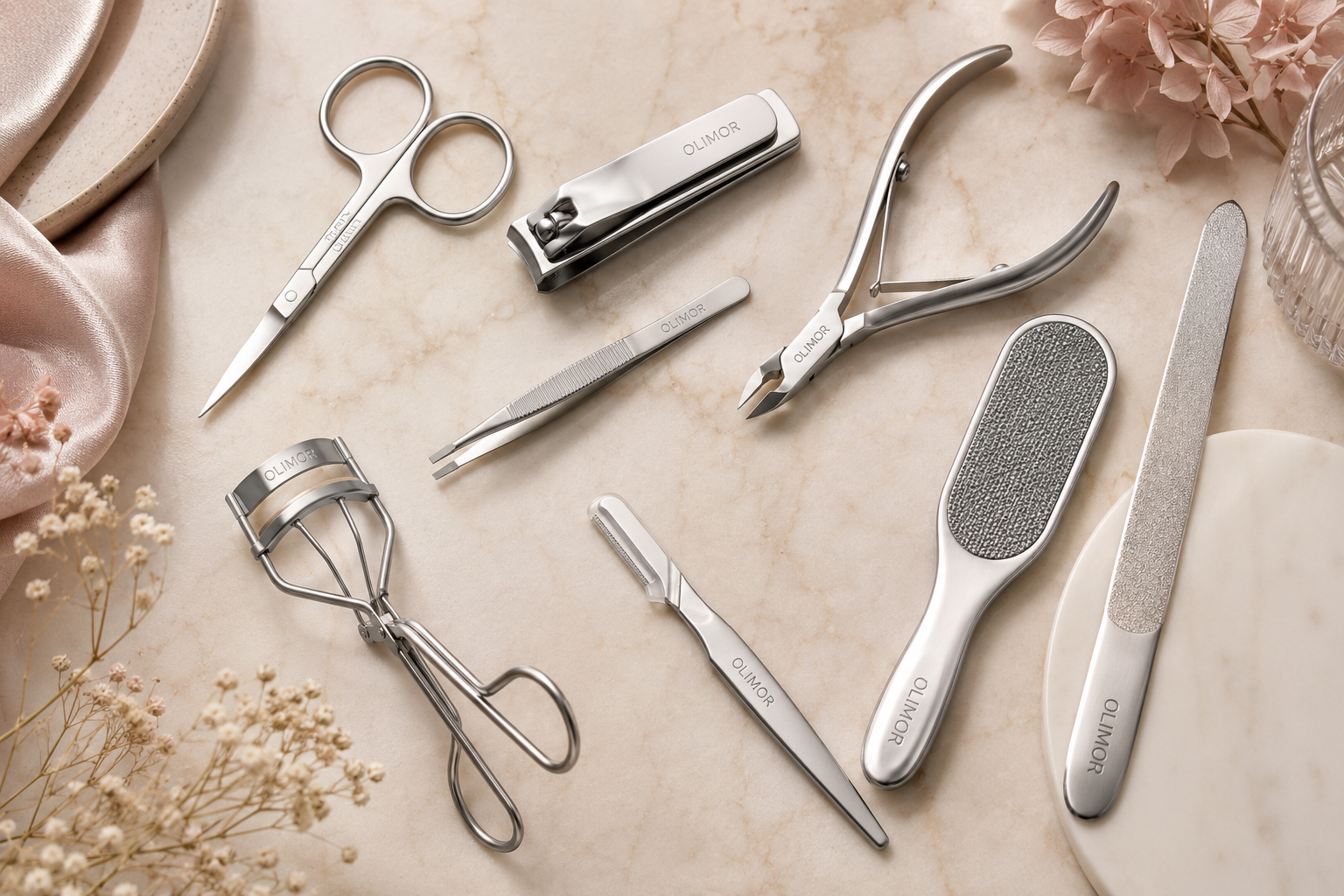
For a broader view of available grooming categories, buyers can browse Olimor’s beauty tool products and compare nail care items with other personal care tools. This helps keep product positioning consistent across a line rather than treating the nail clipper as an isolated accessory.
Custom Nail Clippers: Design Decisions That Matter
Custom nail clipper projects go further than logo application. A buyer may want a particular lever shape, grip feel, finish, color direction, retail set combination or packaging concept. Customization can create a stronger product identity, but it also adds decisions that should be reviewed early.
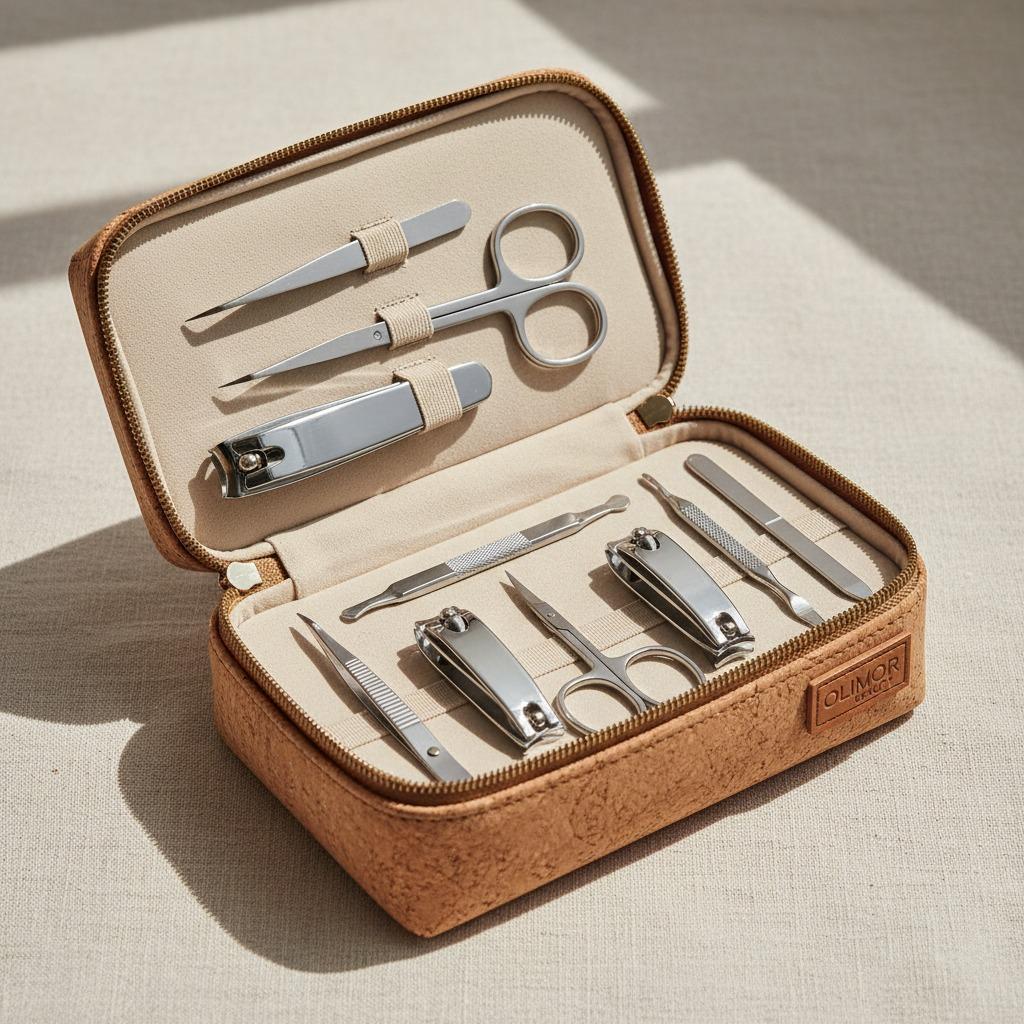
The first question is whether the customization improves the user experience or only changes appearance. A decorative finish may make the product more retail-friendly, while a better lever shape can also improve comfort. A coordinated gift set may increase perceived value, but only if every included tool meets the same functional standard. The best custom programs balance appearance, practicality and manufacturability.
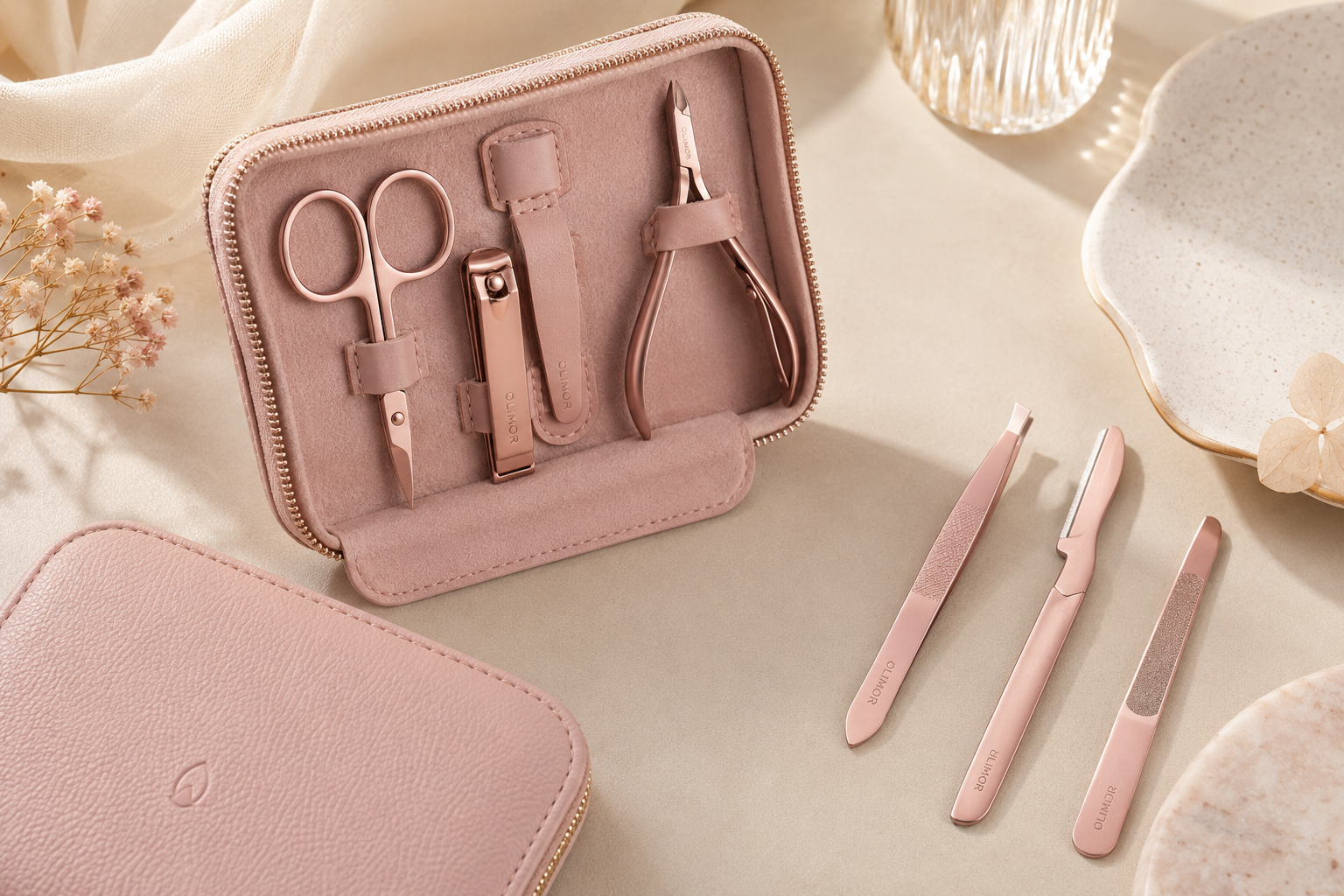
Before confirming a custom nail clipper, buyers should consider how the product will be sold. A clipper for an e-commerce listing needs clear photography, protective packaging and consistent finishing. A clipper for a salon retail shelf may need a professional appearance and packaging that communicates use at a glance. A travel-size clipper may prioritize compactness and secure packaging. A distributor serving multiple markets may prefer adaptable packaging artwork and neutral product styling.
For inspiration on how tools can be grouped or positioned, review Olimor’s product collections. Seeing related beauty tools together can help buyers decide whether the nail clipper should be sold as a single item, part of a manicure set or included in a broader grooming assortment.
How to Evaluate Factory Quality Without Relying on Claims Alone
Many factories use similar language: high quality, durable, precise and professional. These words only become meaningful when linked to observable inspection points. Buyers should build a clear review process that covers both samples and production goods.
| Evaluation Area | What to Check | Why It Matters |
|---|---|---|
| Cutting edge | Clean alignment, no visible chips, smooth cutting action | Affects nail trimming comfort and product reviews |
| Lever movement | Stable pivot, suitable pressure, no excessive looseness | Influences ease of use and perceived quality |
| Surface finish | Consistent polishing or coating, no sharp burrs | Improves safety, appearance and retail acceptance |
| Assembly | Firm connection between parts, no rattling | Reduces complaints and returns |
| Packaging | Correct artwork, secure placement, clean presentation | Protects goods and supports brand positioning |
During sample approval, document what is acceptable and what is not. Photos, written notes and approved reference samples help avoid confusion later. If a buyer wants a specific finish or packaging detail, it should be confirmed before production rather than corrected after shipment. For larger or repeat programs, it is also helpful to agree on how appearance defects will be classified so that the factory and buyer share the same expectations.
The Role of Nail Clipper Exporters and Supplier Communication
A nail clipper exporter must do more than manufacture a grooming tool. Export projects involve product details, packing information, labeling, shipment preparation and communication across time zones. The best supplier relationship is practical and organized: questions are answered clearly, changes are recorded, and product requirements are confirmed in writing.
When reviewing a potential nail clipper supplier, pay attention to how they handle early communication. Do they ask about your target market, packaging needs and branding plan? Do they clarify whether you need OEM production, custom development or standard product sourcing? Do they provide realistic sample feedback instead of promising every possible option immediately? These behaviors indicate how the project may proceed once timelines and production details become more complex.
Buyers should also prepare their own information before requesting a quote. Useful details include target product type, estimated order direction, packaging style, logo needs, sales channel and any market-specific labeling requirements. Clear input allows the supplier to respond with more relevant options and reduces the risk of mismatched samples.
Why Work with Olimor Beauty for Nail Care Tool Sourcing
Olimor Beauty focuses on beauty tools and supports buyers looking for nail clipper supplier, factory, exporter, OEM and custom options. For nail care sourcing, the value lies in combining practical product development with attention to quality control from raw material review through final packaging. Nail clippers require precision at a small scale, and consistent inspection helps protect the buyer’s brand when products reach retail shelves or online customers.
Olimor Beauty can be considered by brands and distributors that want to develop nail care tools as part of a wider personal grooming range. Instead of choosing a clipper only by appearance, buyers can work through the details that affect real use: stainless steel construction, ergonomic handling, edge performance, finish consistency, logo execution and packaging presentation. These decisions help create a product that feels dependable rather than disposable.
If you are comparing manufacturers or planning an OEM nail clipper program, prepare your target specifications and sample expectations first. Then discuss feasibility, packaging and inspection details before committing to bulk production. To start a project conversation, you can send an inquiry with your product requirements, or contact Olimor for guidance on beauty tool sourcing.
Practical Next Steps for Buyers
A strong nail clipper sourcing project begins with a clear brief. Define who will use the clipper, where it will be sold, how it should be packaged and what level of customization is necessary. Compare samples carefully, record approvals, and make sure the supplier understands both functional and visual expectations.
The right nail clipper manufacturer should help you move from a general product idea to a practical, sale-ready grooming tool. By focusing on cutting performance, comfort, finish, packaging and communication, buyers can reduce sourcing uncertainty and build a nail care product that supports long-term customer trust.