Choosing a nail clipper exporter is not only a unit-price decision. For beauty brands, wholesalers, retailers, distributors and private label buyers, the supplier you choose affects cutting performance, product consistency, customer reviews, repeat orders and the reputation of the full grooming range.
A nail clipper may look simple, but users notice small defects immediately. Blades that crush instead of cut, a lever that feels weak, rough non-cutting edges, poor polishing or packaging that allows scratches can all lead to complaints. The right sourcing process should therefore connect factory capability with the real user experience.
Olimor works in practical beauty tools, including stainless steel nail clippers designed for clean cutting and comfortable handling. This guide explains how to compare nail clipper exporters, what to inspect in samples, which packaging and quality-control questions to ask, and how to evaluate a supplier for long-term B2B sourcing without relying on vague claims.
What Buyers Should Expect from a Nail Clipper Exporter
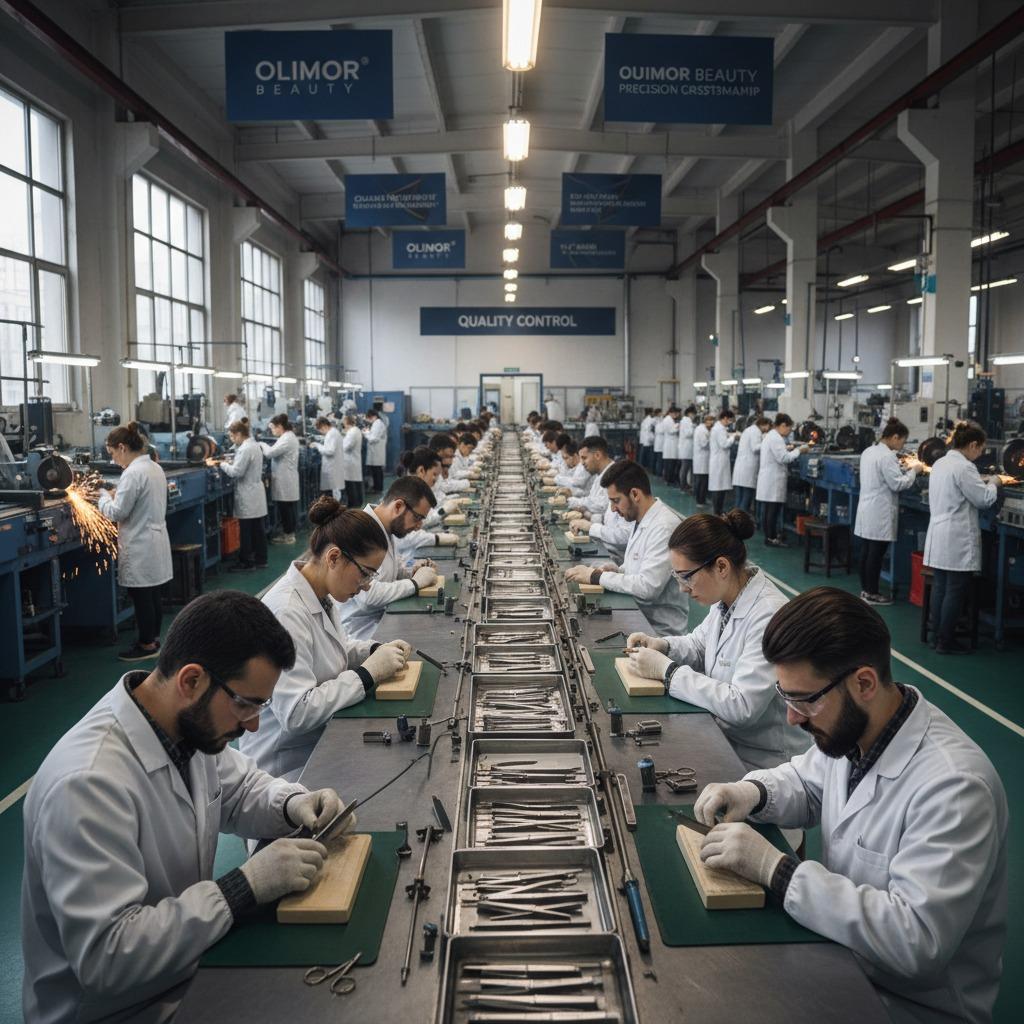
A capable nail clipper exporter should do more than ship cartons. Buyers need a partner that understands material selection, forming, sharpening, polishing, assembly, inspection, packing and export communication. Each stage influences whether the finished clipper feels reliable in the hand and performs consistently across batches.
When shortlisting exporters, look beyond product photos. A polished sample can still fail if the blade edges do not meet evenly, the lever pressure is uncomfortable, or the hinge area feels loose. A reliable supplier should be able to explain how product specifications are confirmed, how approved samples are retained, and how final goods are checked before shipment.
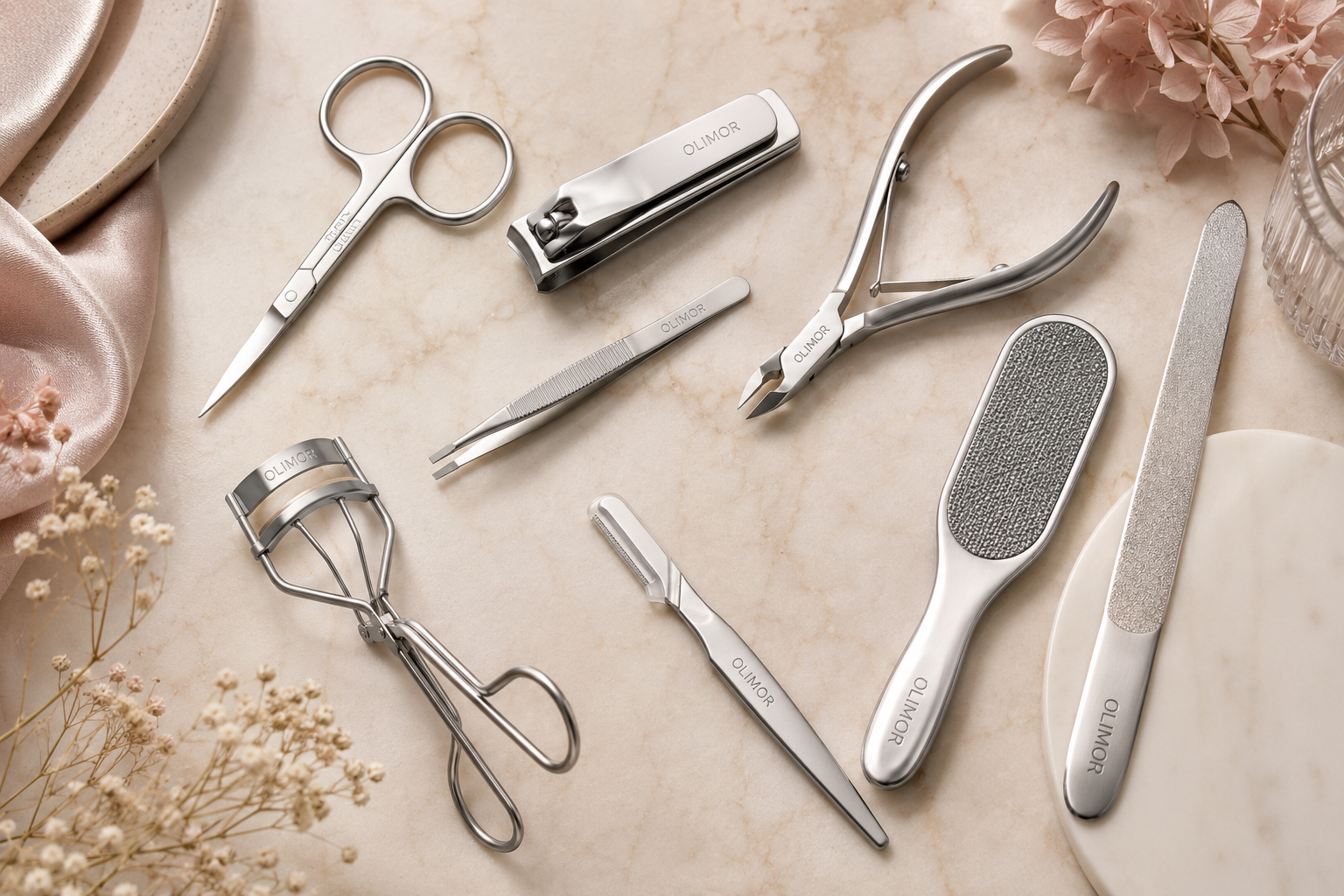
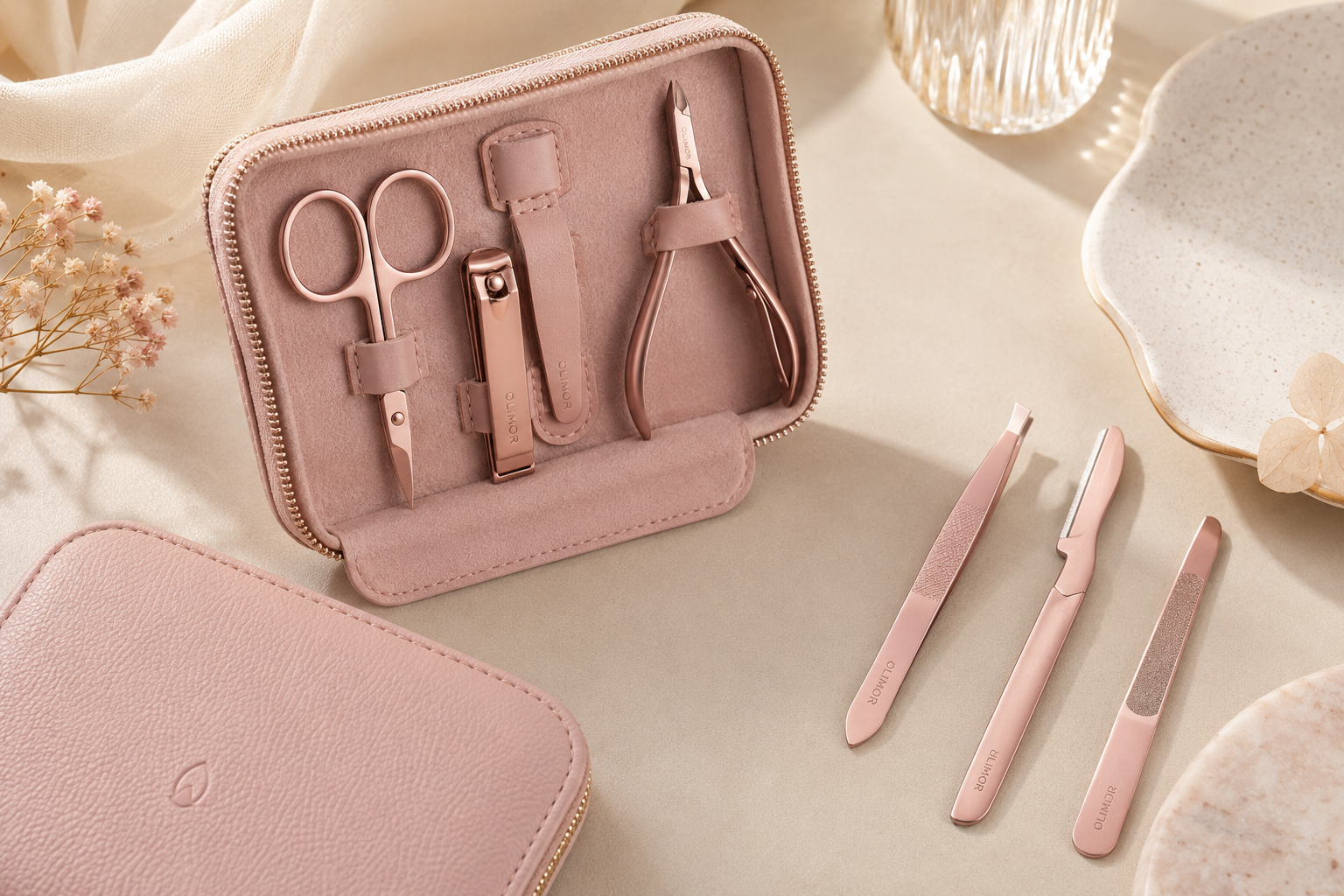
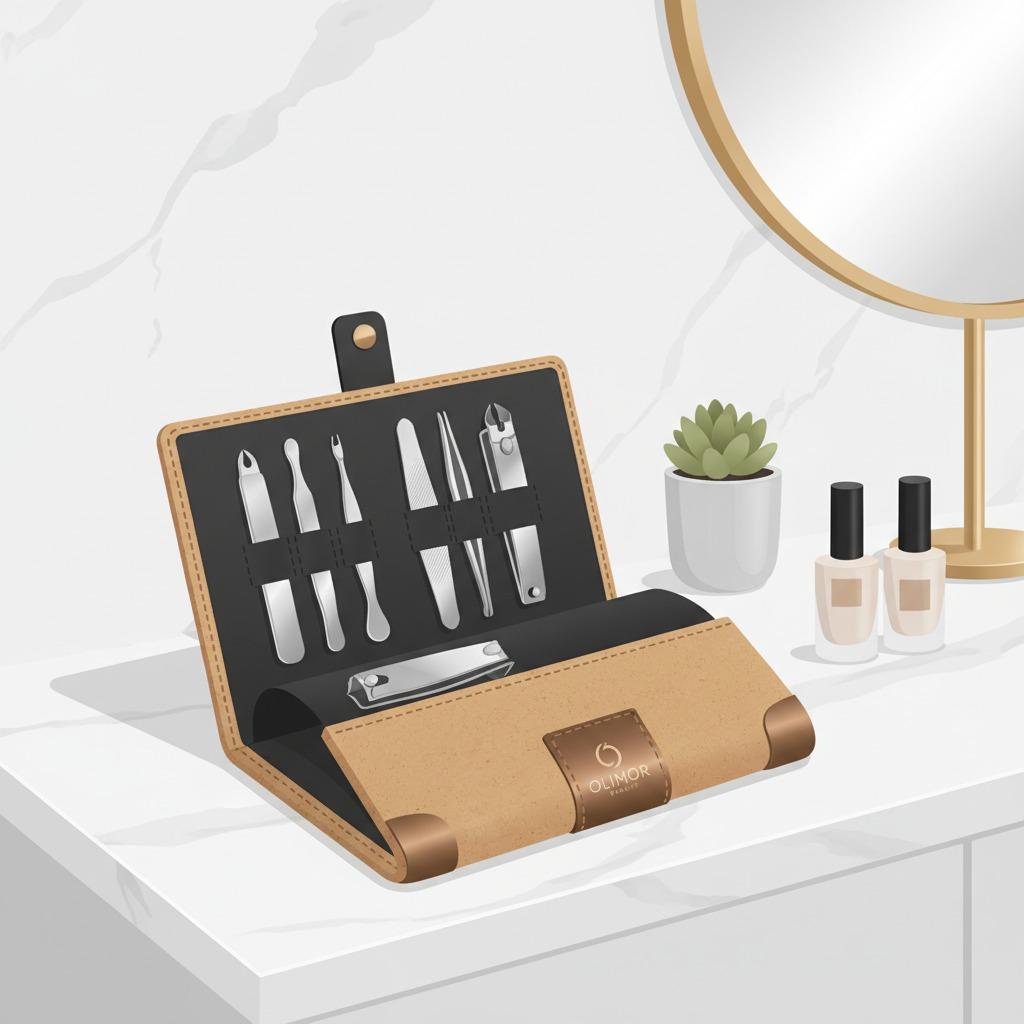
For buyers developing a wider grooming assortment, it is useful to compare nail clippers with related beauty tools rather than treating each item separately. Reviewing Olimor beauty tool products can help purchasing teams consider how nail care tools, facial tools and accessories may fit into one sourcing plan.
Material and Cutting Performance Come First
Stainless steel is widely used for nail clippers because it supports durability, a clean appearance and practical everyday maintenance. However, the phrase stainless steel is not enough to define quality. Buyers should evaluate how the material is formed, finished, sharpened and assembled into the final tool.
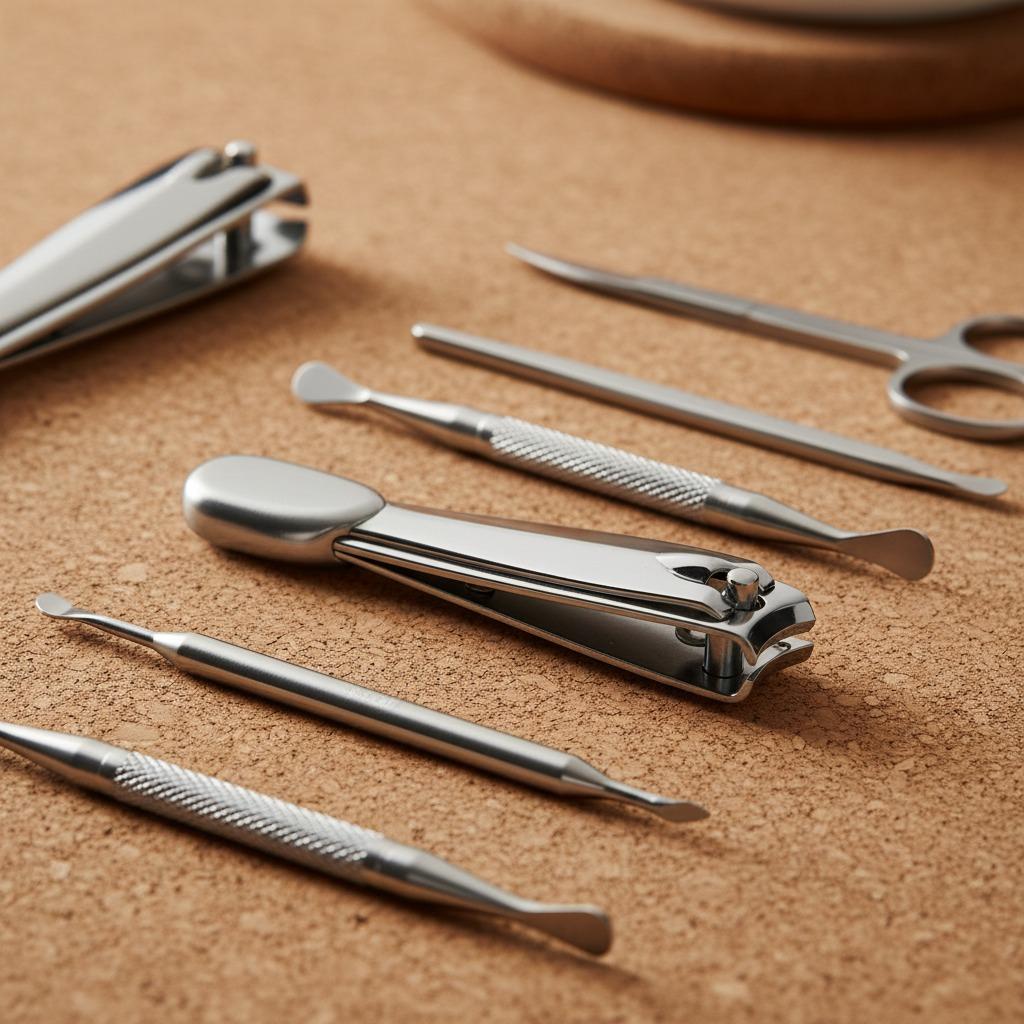
The cutting edge is the most important performance point. A good clipper should trim natural nails cleanly without requiring excessive force. The two cutting edges should meet evenly across the cutting surface, with no visible gap, twisting or uneven pressure. If the blades are misaligned, the clipper may split, bend or crush the nail instead of producing a smooth cut.
Buyers should also review the curve of the cutting jaw. The curve should suit the intended nail type and use case. A general retail clipper, toenail clipper, travel kit clipper or salon-use clipper may require different decisions about size, leverage and handling comfort. The key is not only sharpness, but controlled cutting.
Sample checks for cutting quality
- Blade contact: confirm that both edges meet evenly from side to side.
- Cutting feel: test whether the clipper cuts cleanly without crushing or tearing.
- Lever pressure: check whether the press feels stable, smooth and not excessively stiff.
- Return action: observe whether the lever returns predictably without looseness.
- Repeatability: compare several samples, not only one selected piece.
Ergonomics Matter for Retail and Professional Use
Many nail clipper listings focus on sharp blades, but ergonomics is equally important. A sharp clipper that slips, pinches or feels awkward can still disappoint users. Ergonomic evaluation includes the lever shape, body stability, grip surface, cutting angle and how the tool rests between the fingers.
For retail customers, a comfortable clipper creates confidence. The tool should feel controlled when trimming fingernails or toenails, including when used with the non-dominant hand. For salons or grooming professionals, repeated use makes comfort even more important because excessive pressure can cause fatigue and slow work.
Olimor’s SleekPro Nail Clipper is presented as a stainless steel clipper with sharp blades and an ergonomic design. Those are useful product characteristics to review through samples, approved references and batch checks before volume purchasing. In a sourcing comparison, ask several team members to test the same sample because hand size, grip strength and cutting habits vary.
Practical ergonomic review points
- Lever comfort: the pressing area should feel stable and not too narrow.
- Grip security: shaped or textured surfaces can help reduce slipping during use.
- Cutting angle: the user should be able to see and control the nail edge without awkward wrist movement.
- Safe handling: non-cutting edges should not scratch the fingers.
- Consistency: samples from the same order should feel similar in pressure and finish.
Finish, Assembly and Packaging Should Not Be Treated as Details
Finish quality affects both safety and retail perception. Buyers should inspect surfaces for burrs, rough corners, uneven polishing, discoloration and visible marks around the pin or cutting jaw. Sharpness should be limited to the cutting edge; the body and lever should feel smooth enough for normal handling.
Assembly is another practical quality factor. The pin, lever and jaw should feel secure during repeated cuts. A clipper that rattles, shifts or loses alignment quickly can damage customer trust even if the first impression looks acceptable.
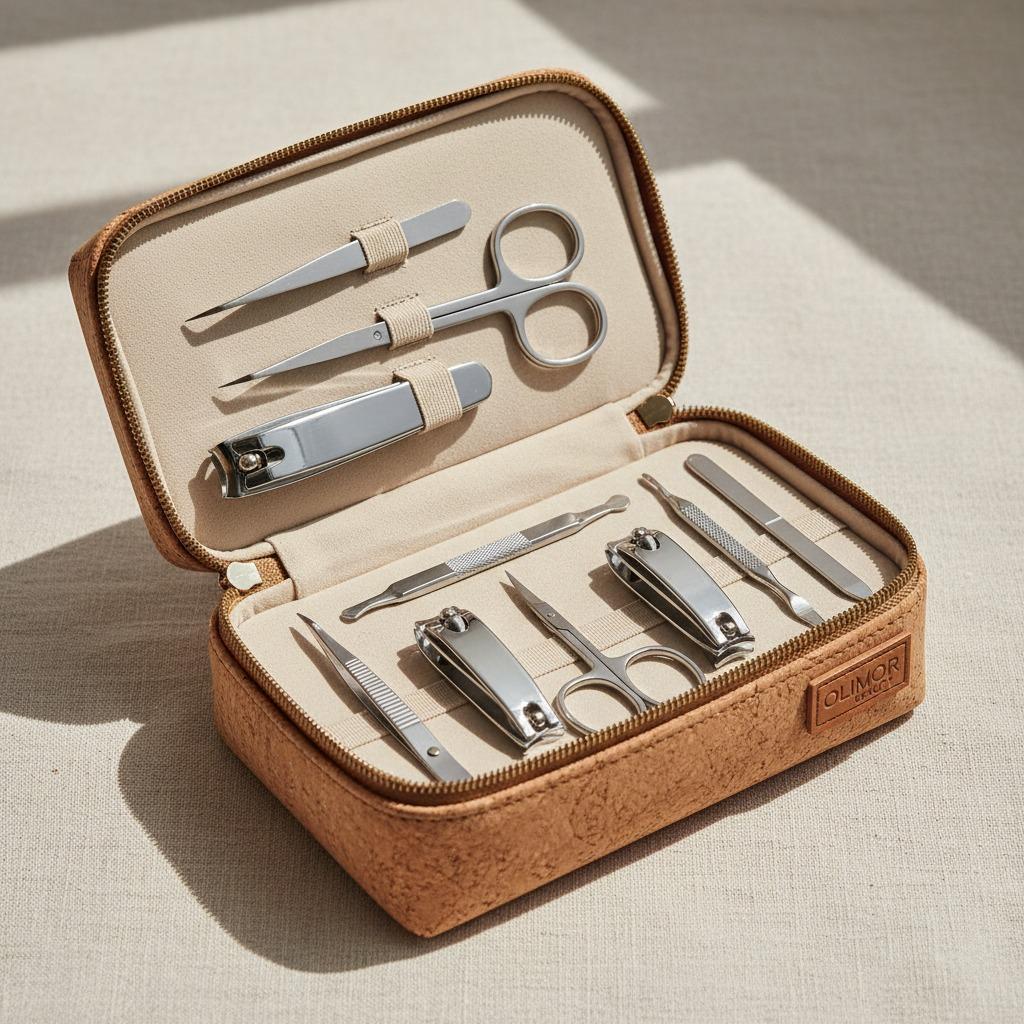
Packaging should be decided early because it affects cost, shipping protection, shelf presentation and customer perception. Nail clippers are small metal tools, so they may scratch each other if packed loosely. Depending on the sales channel, buyers may consider individual pouches, blister cards, paper cards, boxes or bulk packing for grooming set assembly.
Online sellers may prioritize parcel protection. Retailers may need hanging display options, branding space and barcode placement. Gift set or travel kit buyers may require compact packing that fits a broader kit. For assortment planning, Olimor product collections can provide context for how a nail clipper may sit alongside other personal care tools.
Comparison Checklist for Nail Clipper Supplier Evaluation
A consistent checklist helps purchasing teams compare exporters objectively. Use the same criteria for every sample and keep an approved reference sample when moving toward production. This reduces confusion later if appearance, pressure or cutting performance changes.
| Evaluation area | What to check | Why it matters |
|---|---|---|
| Material and construction | Confirm the stated material, forming quality and visible workmanship after finishing. | Base material and processing influence durability, appearance and daily-use reliability. |
| Cutting edge | Review blade alignment, clean trimming action and absence of deformation. | The clipper must cut rather than crush, split or bend the nail. |
| Lever action | Check smooth press, stable return and comfortable resistance. | Lever feel affects usability and perceived product quality. |
| Surface finish | Inspect polishing consistency, burrs, rough corners and handling edges. | Good finishing supports safe handling and a professional retail appearance. |
| Grip and ergonomics | Evaluate body shape, texture, pressure angle and control during use. | Comfort and stability influence repeat purchase and customer satisfaction. |
| Assembly strength | Check pin, hinge and jaw stability after repeated operation. | Secure assembly helps maintain performance during regular use. |
| Packaging protection | Review individual protection, movement inside packaging and carton suitability. | Packaging prevents scratches and supports the intended sales channel. |
| Export communication | Confirm specifications, artwork, packing details, inspection points and order references in writing. | Clear communication reduces sourcing risk before bulk production. |
Quality Control Questions to Ask Before Bulk Orders
Serious buyers should ask practical manufacturing and inspection questions early. The goal is not to collect marketing language, but to understand how the supplier controls the finished product. Vague answers such as high quality or premium finish are not enough unless supported by sample review, written specifications and inspection criteria.
Useful questions include:
- Which material and finish options are available for this nail clipper design?
- How are blade alignment and cutting performance checked during production?
- Can the supplier provide pre-production or approved reference samples?
- How are burrs, polishing marks and non-cutting sharp edges inspected?
- What packaging formats are suitable for retail, e-commerce, kits or bulk assembly?
- How are artwork files, labeling requirements and carton information confirmed?
- What quality checks are performed before shipment, and how are results documented?
- How does the supplier handle corrective action if the bulk goods do not match the approved sample?
For formal inspection planning, buyers may refer to internationally used sampling concepts such as ISO 2859-1 for acceptance sampling by attributes, where applicable to their purchasing process. If safety, labeling or market-entry rules apply in the destination market, buyers should also check the relevant public authority requirements, such as consumer product safety guidance in the target region. Always verify the applicable version of any standard or regulation and request supplier documentation that matches your own market requirements. Do not assume a supplier holds a certification unless it is documented and verified.
Private Label, Customization and Cost Factors
Private label nail clipper sourcing usually involves more than adding a logo. Buyers may need to decide on clipper size, surface finish, grip texture, packaging format, instruction wording, barcode space, carton marks and how the item will sit within a manicure set or grooming range. Each decision can affect cost, lead time, inspection needs and order planning.
Cost comparison should therefore include more than the quoted product price. Important cost factors include material selection, finishing complexity, packaging type, artwork handling, inspection requirements, shipping protection and whether the order includes multiple related tools. A lower price may not be the best value if packaging damage, inconsistent cutting performance or poor finish increases returns.
When requesting quotations, provide clear specifications and intended sales channels. A nail clipper for online fulfillment may need different protection than one sold in a hanging retail display. A product for a grooming kit may need compact packing and consistent finish with other tools. Clear context helps the supplier recommend practical options without unnecessary changes.
How to Shortlist a Reliable Nail Clipper Exporter
A strong shortlist should be based on evidence. Start with product fit, then move into sample review, packaging discussion and communication quality. The best exporter for a B2B buyer is not always the one with the lowest starting quote; it is the one that can provide stable products, clear documentation and practical support for the intended market.
- Define the use case: retail, salon, travel kit, e-commerce, gift set or distribution assortment.
- Request comparable samples: evaluate several pieces from the same sample group when possible.
- Use a written checklist: score cutting, alignment, lever feel, finish, assembly and packaging.
- Confirm customization scope: discuss branding, packaging, finish and artwork before price comparison.
- Keep an approved reference: retain a signed or clearly approved sample for production comparison.
- Review communication: choose suppliers that confirm details in writing and respond clearly.
- Plan inspection: agree on quality checkpoints before shipment rather than after problems appear.
If you are comparing stainless steel nail clippers for a new grooming line or updating an existing assortment, Olimor can help review suitable product options and customization direction. Explore available tools through Olimor’s product range or send project details through the sourcing inquiry page for a practical discussion.
FAQ: Nail Clipper Exporter Sourcing Questions
Can I request samples before placing a bulk nail clipper order?
Yes, buyers should request samples before committing to volume purchasing. Samples allow you to evaluate blade alignment, cutting feel, lever comfort, surface finish, packaging fit and whether the product matches your target market.
What MOQ should I expect for private label nail clippers?
MOQ depends on the product design, customization scope, packaging type and production arrangement. Buyers should confirm the current MOQ directly with the supplier instead of assuming a fixed number.
Can nail clippers be customized with branding or packaging?
Customization may include logo placement, packaging format, artwork, labeling and assortment planning, depending on the product and order requirements. Provide clear brand files, sales-channel details and packaging expectations early so feasibility can be confirmed.
How should quality be checked before shipment?
Use an approved sample and written checklist covering cutting edge, lever action, surface finish, assembly strength, packaging protection and labeling. Buyers may also define sampling and inspection requirements according to their own quality process and market needs.
How is lead time determined?
Lead time depends on order quantity, customization, packaging development, sample approval and production schedule. Confirm timing in writing after specifications, artwork and inspection requirements are agreed.