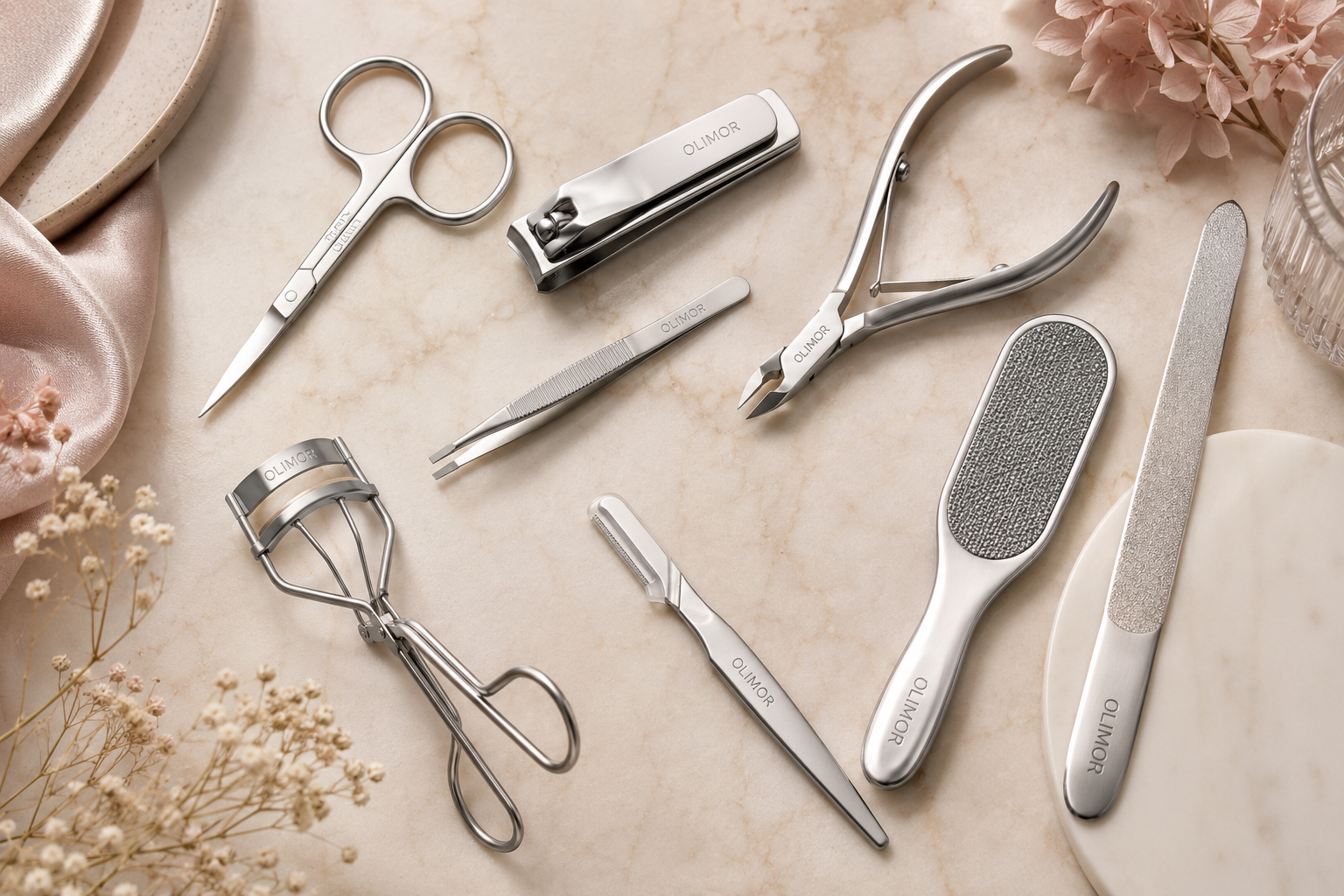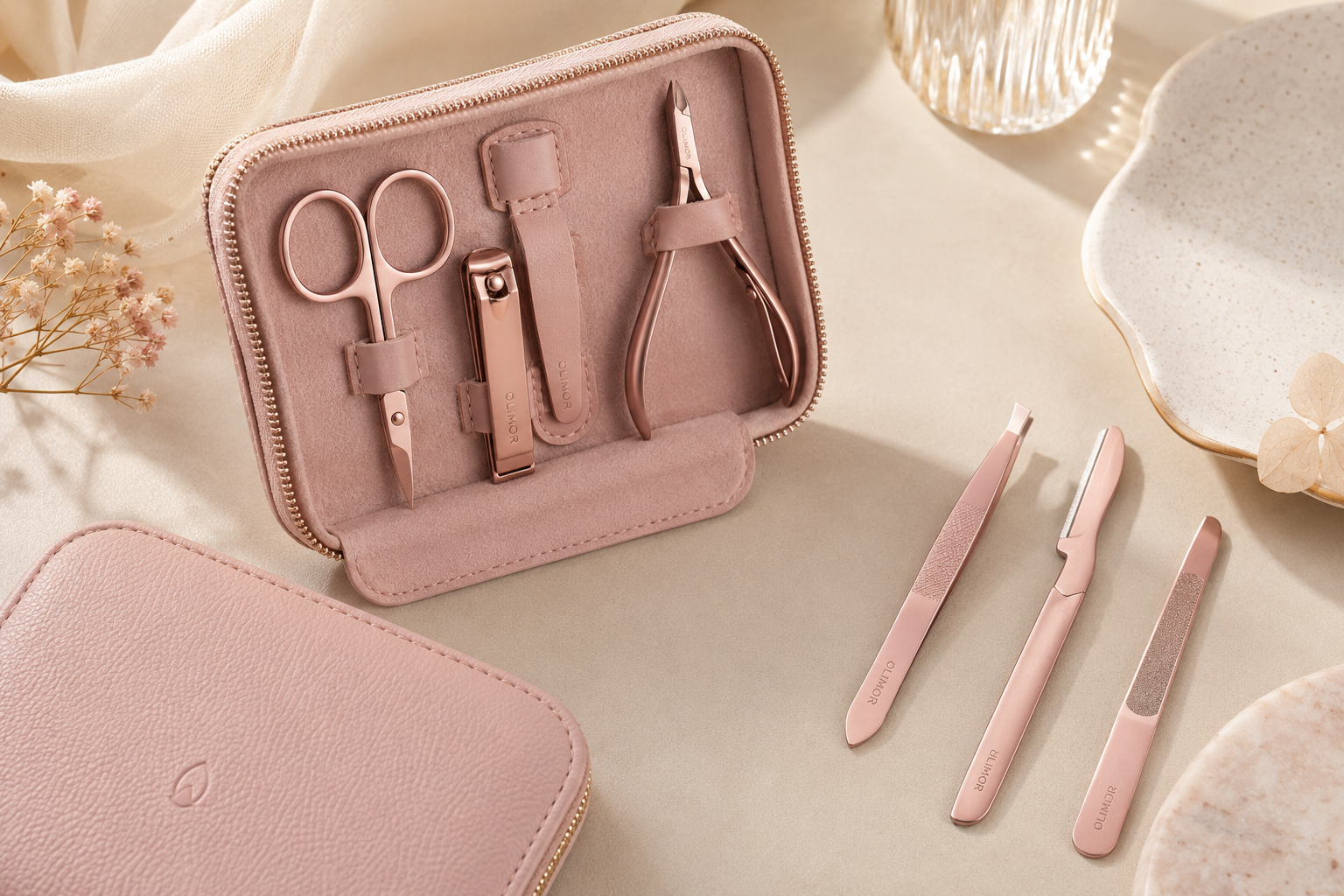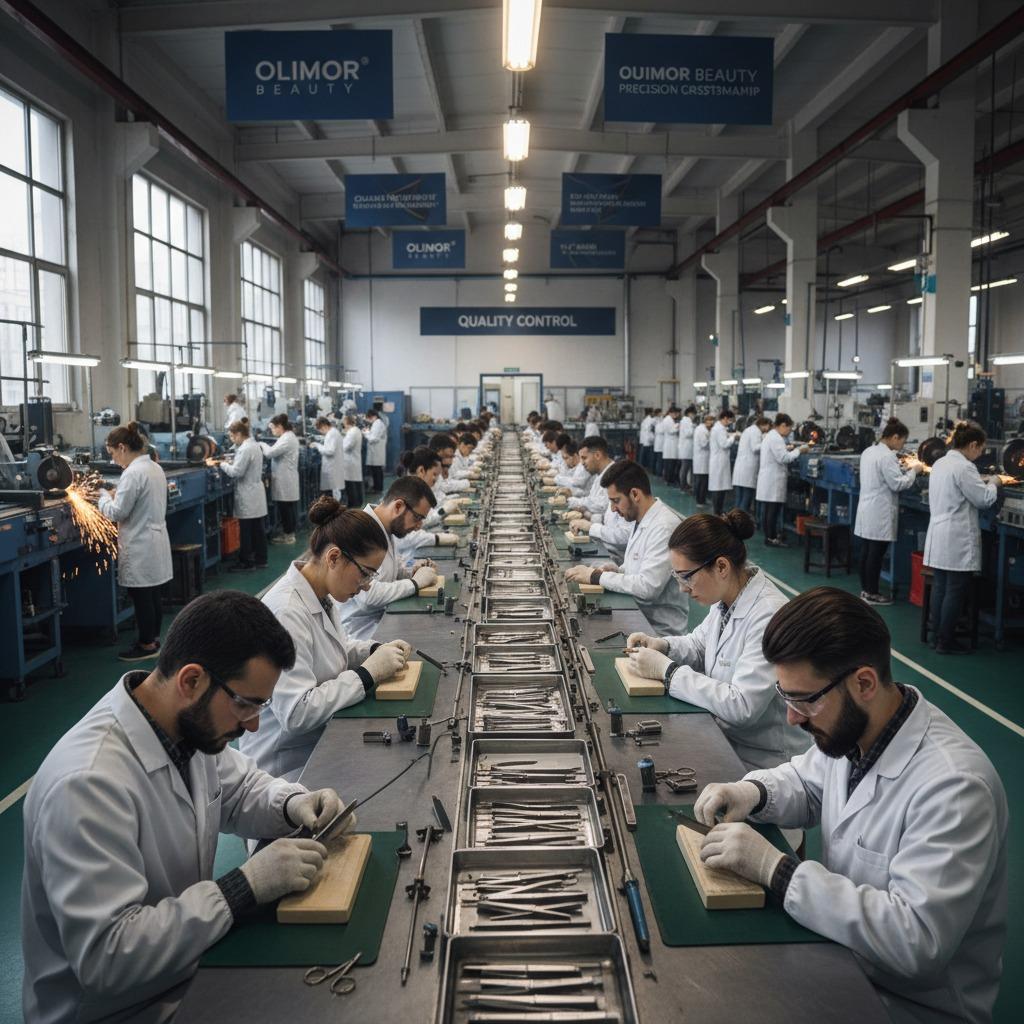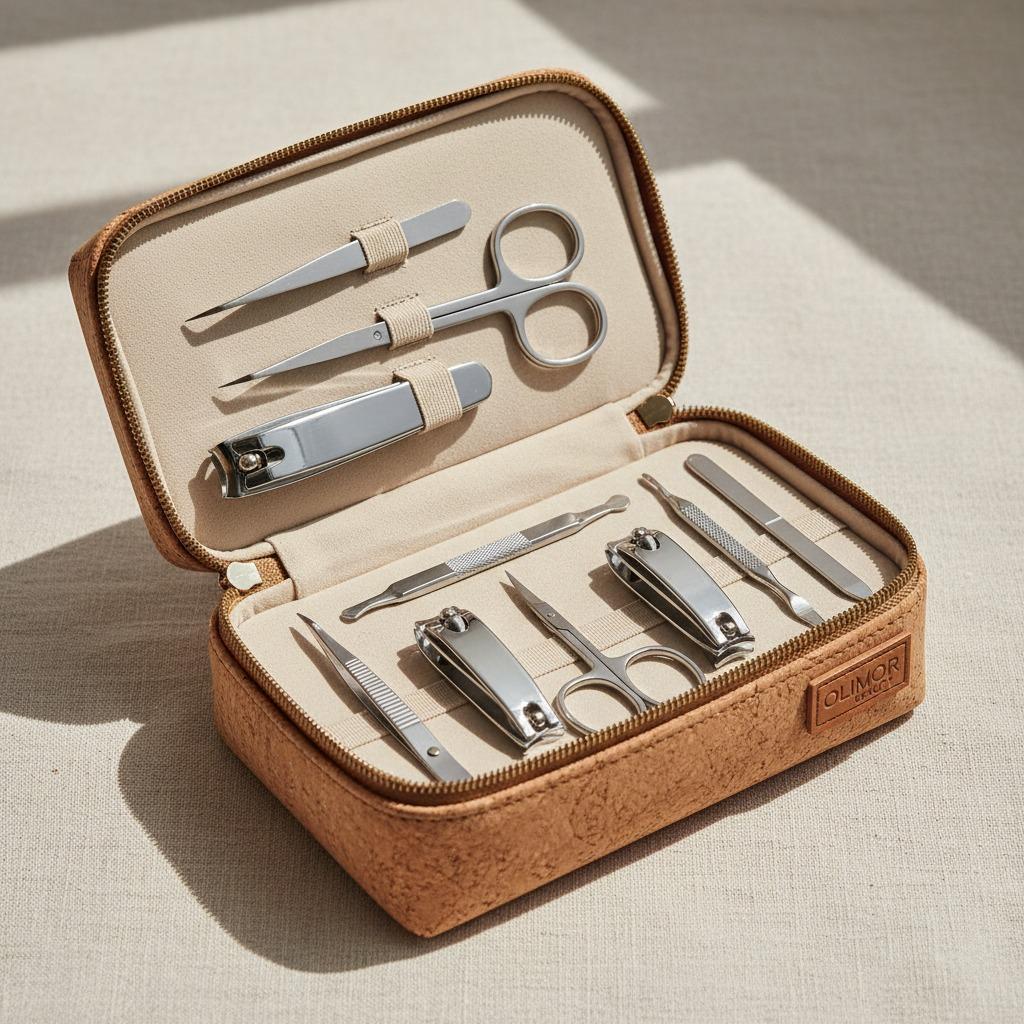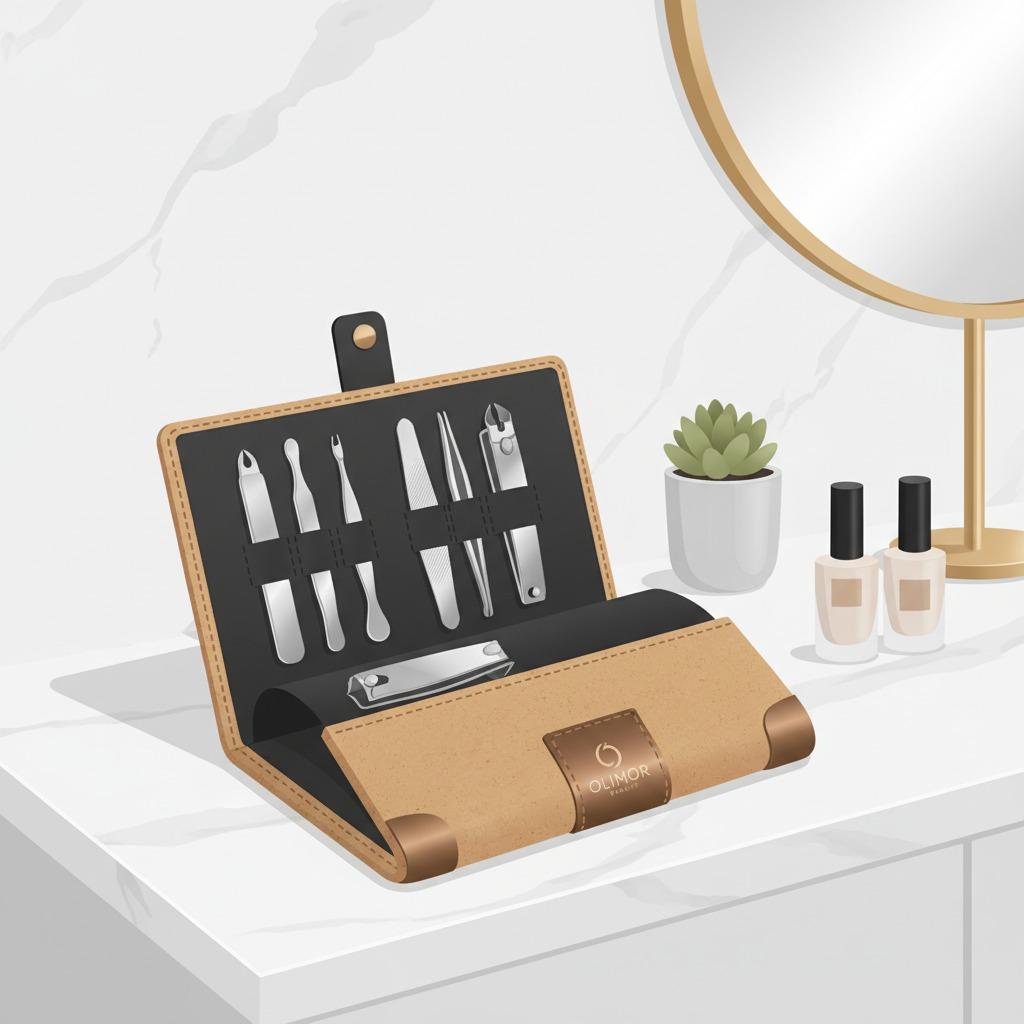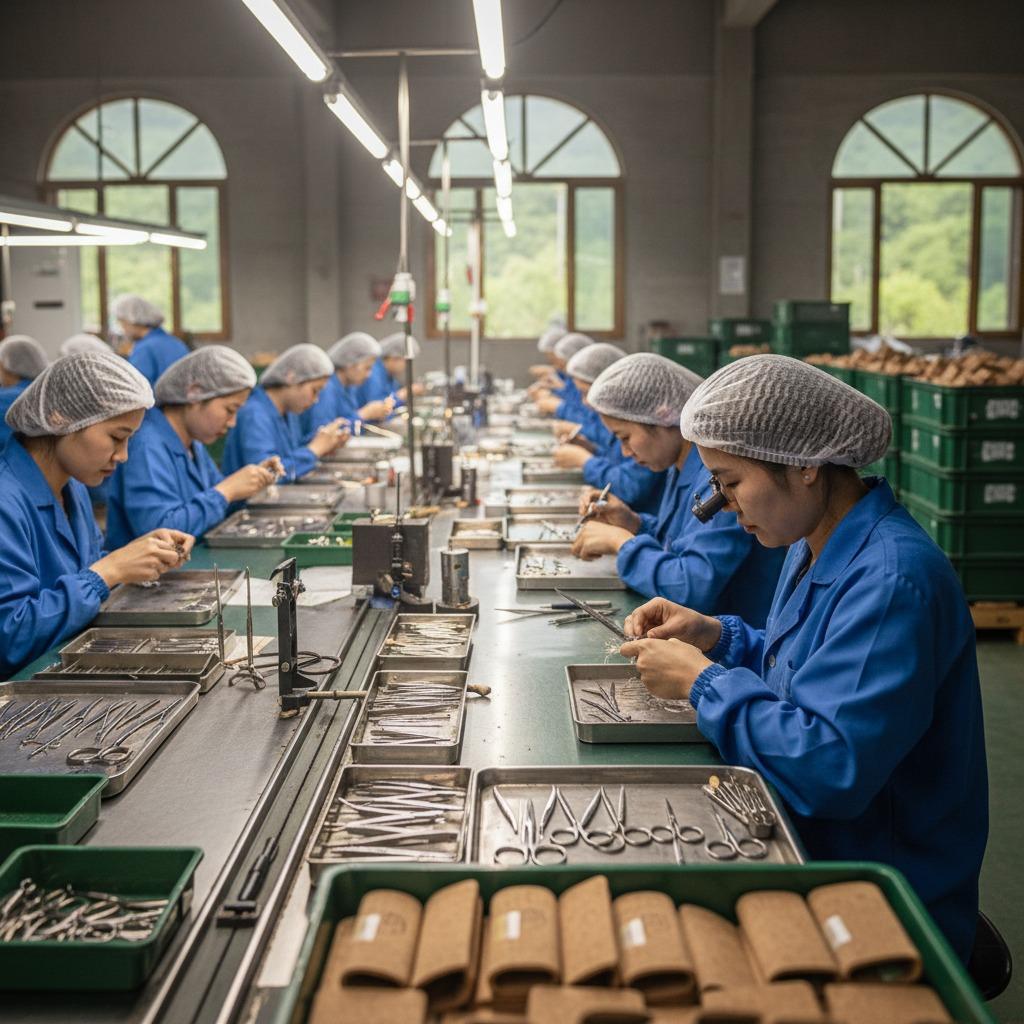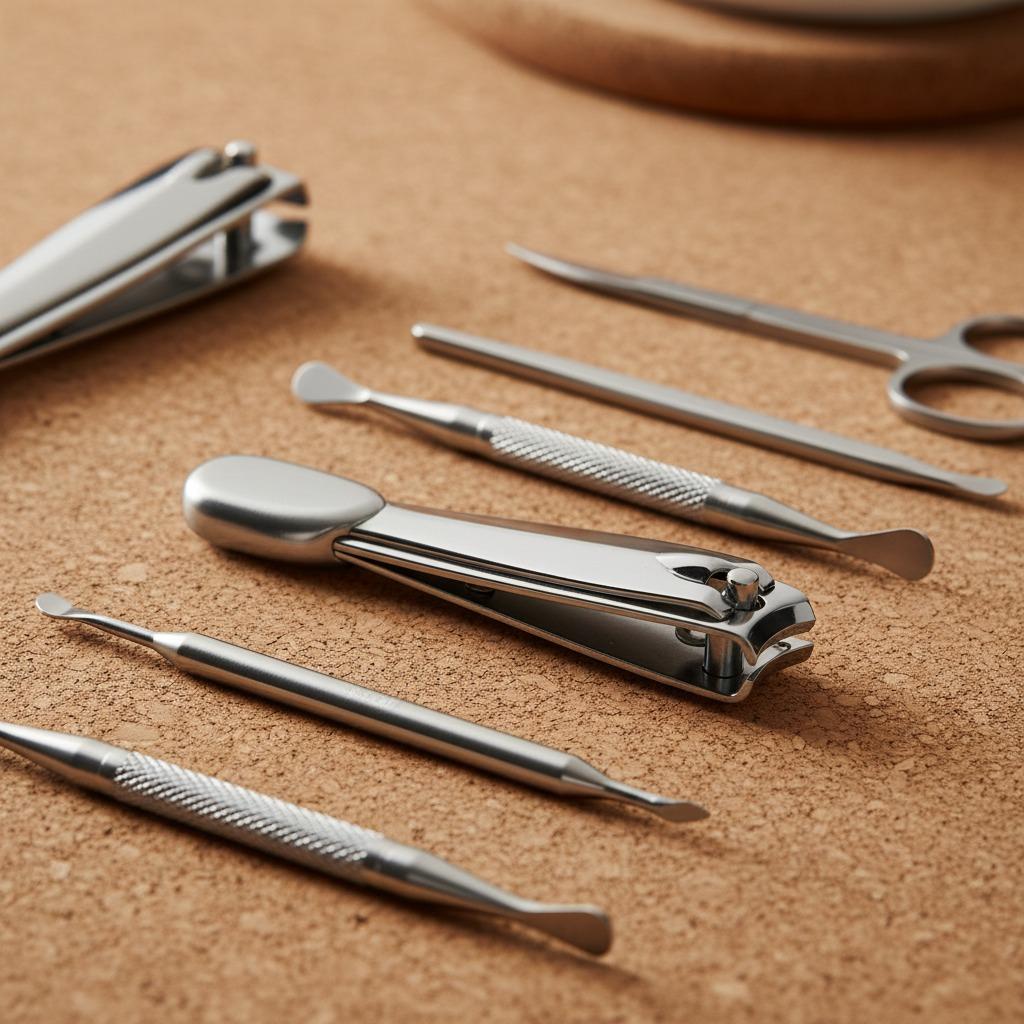












Nail clippers look simple, but buying them for retail, salon resale, travel kits, hotel amenities, pharmacies, or private-label grooming programs requires more than comparing catalog photos. A clipper that feels stiff, tears the nail, rusts too quickly, or arrives in inconsistent packaging can create complaints across an entire assortment. The right exporter should help you secure consistent cutting performance, practical design, reliable packaging, and repeatable production control.
For buyers comparing global suppliers, the most useful approach is to focus on functional details: blade alignment, surface finish, ergonomic comfort, packaging readiness, and communication during sampling and production. Olimor Beauty works in the beauty tools sector, and buyers can review the wider product range to see how nail clippers may fit into a broader grooming program.
What a premium nail clipper exporter should deliver
A strong exporter does more than ship goods. It should understand how the product will be used, how it will be packaged, and what kind of quality control matters for your channel. A retail buyer may need shelf-ready appearance and labeling space. A salon distributor may prioritize dependable cutting action and easy cleaning. A travel-kit supplier may need a compact tool that still feels stable in the hand.
The best exporters treat nail clippers as functional tools, not generic accessories. That means they can discuss material choice, forming, sharpening, assembly, inspection, and packaging in practical terms. It also means they can explain where defects usually appear and how those risks are controlled before shipment.
How to judge a sample before approving bulk production
Sample approval is the most important stage in the buying process. A polished clipper can still perform poorly, and a simple-looking tool can still be well made. Review the sample by hand, under normal lighting, and in the same way your customers are likely to use it.
1. Check blade alignment and cutting feel
The cutting edges should meet evenly without obvious gaps, twisting, or scraping. The clipper should cut smoothly instead of crushing, bending, or tearing the nail. If possible, test on different nail thicknesses so you can see whether the action stays consistent.
2. Inspect the surface finish
Look for scratches, discoloration, rough corners, burrs, or uneven plating. A nail clipper is handled close to the fingers and nails, so the touch points should feel smooth. Even small rough areas can make the product feel unfinished or lower quality than it really is.
3. Evaluate lever and hinge action
The lever should feel stable and should not wobble excessively. Opening and closing should be consistent, with no odd stiffness or looseness. A poor hinge or unstable lever can quickly undermine user confidence, even if the cutting head looks acceptable.
4. Confirm packaging fit and protection
The selected package should hold the clipper securely, protect it from scratching during transit, and support your sales channel. Travel kits often need compact, protective packaging. Retail programs may need clearer display presentation and barcode placement. Packaging should fit the market, not just the tool.
Material and finish: what buyers should ask about
Stainless steel is commonly used for nail clippers because it suits grooming tools and supports a clean appearance. But the material name alone is not enough. Buyers should also ask how the tool is formed, how the cutting area is finished, and whether the supplier can keep appearance consistent across production runs.
A polished stainless steel finish is often preferred for grooming tools because it looks neat and is easy to present in retail or personal care sets. If a clipper includes a colored handle or a non-slip grip, check that the finish remains uniform and that the handle material does not detract from the overall quality impression. For buyers building coordinated sets, the clipper should match the rest of the assortment in tone, texture, and perceived value.
If your product includes coatings, printed decorations, or packaged inserts, verify any destination-market requirements that may apply, including relevant chemical or labeling rules. Buyers sometimes also ask suppliers for quality-system documentation aligned with widely used frameworks such as ISO 9001, but the applicable version and supplier records should always be checked directly. Do not rely on a generic statement; ask for the documents that support your own market and audit process.
Ergonomics matter more than many buyers expect
A clipper that looks compact and attractive can still be frustrating if it is awkward to hold. Comfort is especially important for travel products, salon resale items, and tools intended for repeated use. A stable grip helps the user control pressure and reduces the chance of uneven cutting.
When evaluating ergonomics, ask a few people to hold the sample and use it in different positions. Check whether the lever sits naturally under the thumb, whether the handle feels secure, and whether the tool remains easy to control if hands are slightly damp. Compact products should still feel dependable rather than flimsy.
Some supplier descriptions mention a black non-slip handle or an ergonomic shape designed for control. Those features can be useful, but buyers should still test the actual sample. Comfort is a practical issue, not a catalog claim.
Match the clipper style to the right sales channel
One of the most common sourcing mistakes is selecting a tool that looks acceptable but does not suit the intended buyer. Before asking for quotes, define how the product will be sold and used.
| Buyer type | Typical priority | What to look for in the exporter’s offer |
|---|---|---|
| Retail brand | Shelf appeal and consistent presentation | Clean finish, packaging structure, labeling space, repeatable appearance |
| Salon distributor | Reliable function and comfortable handling | Cutting consistency, stable lever action, easy cleaning, durable feel |
| Travel kit supplier | Compact size and safe storage | Portable format, protective packaging, smooth edges, light but solid feel |
| Private-label buyer | Consistency across orders | Controlled specifications, sample matching, packing discipline, artwork coordination |
This simple comparison helps prevent channel mismatch. A product for a hotel amenity kit may need different packaging and size expectations than a product for a pharmacy display or salon retail wall. A good exporter should help you match the tool to the market, not simply quote a standard item.
Supplier comparison checklist for nail clipper exporters
Use direct questions that reveal how the exporter handles quality, packaging, and communication. Vague answers usually lead to vague results.
| Evaluation area | Buyer question | What a useful answer should cover |
|---|---|---|
| Materials | What material and finish options are available for this clipper style? | Clear explanation of material structure, surface treatment, and appearance options |
| Cutting performance | How do you check blade alignment and cutting quality during production? | Inspection steps, sample reference use, and how defects are handled |
| Packaging | What packaging formats are suitable for retail, travel, or set programs? | Protection in transit, display needs, and artwork or barcode requirements |
| Consistency | Can approved samples be used as the benchmark for future orders? | Confirmation that production follows an agreed reference standard |
| Export coordination | What information do you need before quotation and production? | Design, quantity, packaging, labeling, destination, and timeline details |
These questions are useful because they focus on process, not promises. A supplier that can answer them clearly is usually easier to work with on repeat orders and special packaging programs.
Common cost factors in nail clipper sourcing
Buyers often ask what drives price differences between exporters. The main factors are usually straightforward, and understanding them helps you compare quotes more fairly.
- Material choice: stainless steel construction, handle structure, and any added grip material.
- Finish quality: polishing, surface smoothing, coating consistency, and cosmetic appearance.
- Tool design: compact travel format, ergonomic shape, or specialized grip features.
- Packaging level: simple bulk packing versus retail-ready or set-ready packaging.
- Inspection effort: more detailed quality checks and sample matching can affect the production process.
- Customization: printing, labeling, inserts, and brand-specific packaging changes.
Lower cost is not always better if the product is going into a channel where user experience matters. In grooming tools, a small quality problem can be visible immediately to the end user. The most practical quote is the one that matches your channel requirements without adding unnecessary extras.
Problems buyers should prevent before production starts
Most issues with nail clippers can be prevented early if the exporter is asked the right questions and the approved sample is documented clearly.
- Misaligned blades: create uneven cutting and poor user feedback.
- Loose lever action: makes the product feel unstable or cheaply made.
- Rough burrs or edges: reduce comfort and damage the premium impression.
- Poor packaging fit: leads to scratches, scuffs, or damaged display presentation.
- Inconsistent bulk appearance: creates problems for retail sets and private-label programs.
To reduce risk, document the approved sample with photos and comments. If possible, mark the exact areas that are acceptable or not acceptable. That way, later inspection is based on a shared reference, not subjective memory.
A practical workflow for evaluating exporters
- Define the end use: retail, salon, travel, hotel amenity, pharmacy, or private label.
- Confirm the desired product style, including size, finish, grip, and packaging direction.
- Request samples and review them for cutting feel, alignment, surface finish, and comfort.
- Ask the supplier how quality is checked from raw material selection through final packaging.
- Compare at least a few supplier responses for clarity, speed, and consistency.
- Approve a written sample reference before bulk production.
- Confirm final artwork, packing method, and shipment protection before release.
If you are building a wider grooming line, you can also review related beauty tool collections to keep the clipper consistent with the rest of the assortment. For project-specific questions, contact the Olimor team or send your requirements through the inquiry form.
FAQ
Can I request samples before placing a larger order?
Yes. Samples are the best way to check blade alignment, surface finish, lever feel, and packaging fit before moving ahead.
What should I confirm about MOQ?
Ask the exporter directly, because MOQ can depend on the product style, packaging, and customization level. Do not assume one number fits every program.
Can nail clippers be customized for private label programs?
Often yes, especially for packaging, labeling, and presentation details. Ask what design and artwork information is needed before quotation.
How should I check quality before shipment?
Use the approved sample as the reference and inspect cutting performance, finish, packaging condition, and overall consistency in bulk units.
What should I ask about lead time?
Ask for the expected production and packing sequence, then confirm timing for samples, approvals, and shipment based on your order scope.
Choose a supplier that supports your full grooming program
The best nail clipper exporter is not simply the one with the lowest quote. It is the one that can match your channel, keep the cutting performance consistent, protect the product in packaging, and communicate clearly from sampling to shipment. For premium grooming programs, those practical details matter more than polished marketing language.
If you want a supplier conversation that starts with your actual use case, Olimor Beauty can help you review product options and packaging directions for a more reliable sourcing decision. Start with the product catalog or send your project details through an inquiry.