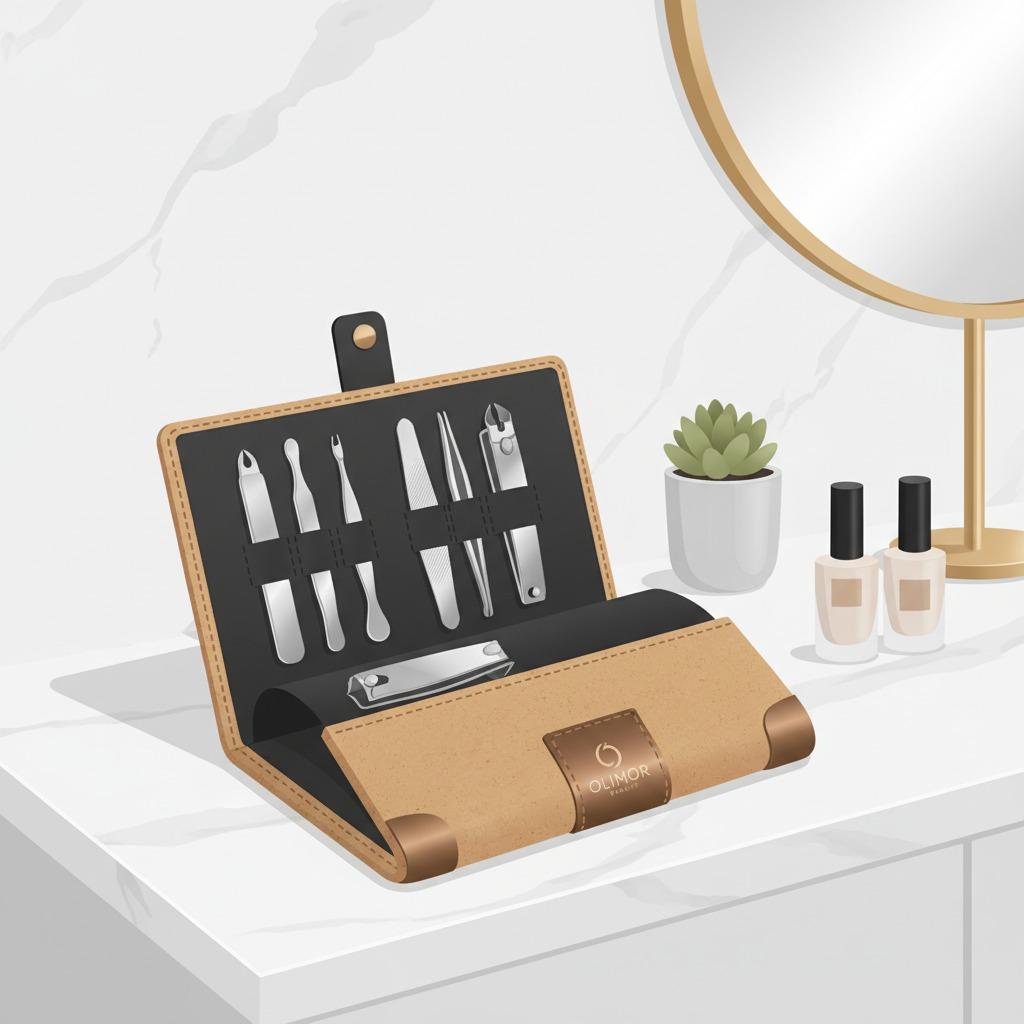












Choosing nail clipper exporters is not only a price comparison. For importers, distributors, private-label buyers, salon supply companies and retail brands, the practical goal is to source a small grooming tool that cuts cleanly, feels stable in the hand, looks consistent across batches and arrives in packaging suitable for the target sales channel.
A nail clipper may look simple, but quality problems are easy for end users to notice. Uneven blade alignment, weak leverage, rough edges, loose pins, poor polishing or packaging damage can lead to returns and complaints. A reliable exporter should therefore be evaluated by product function, material finish, assembly consistency, inspection discipline, communication and export handling.
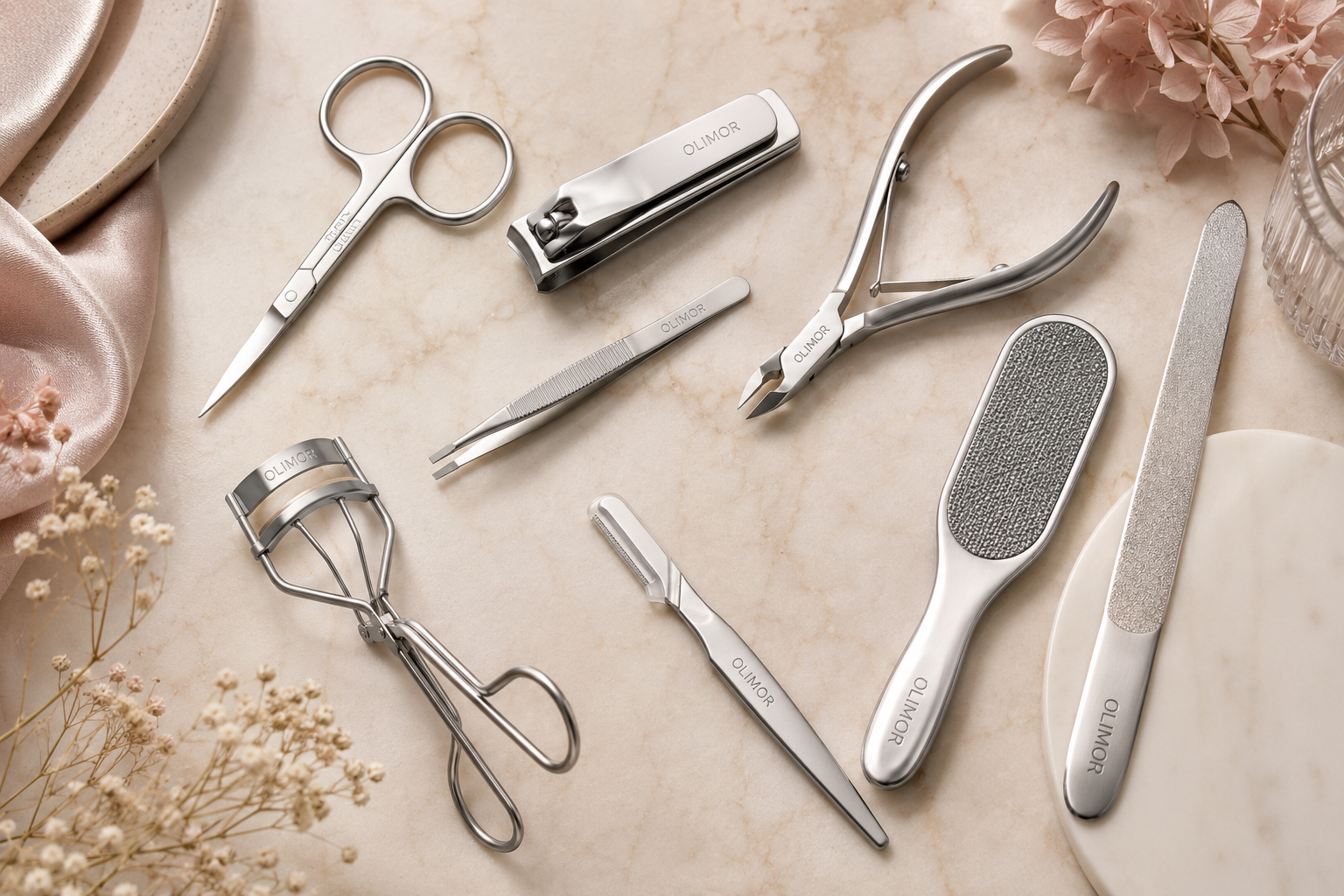
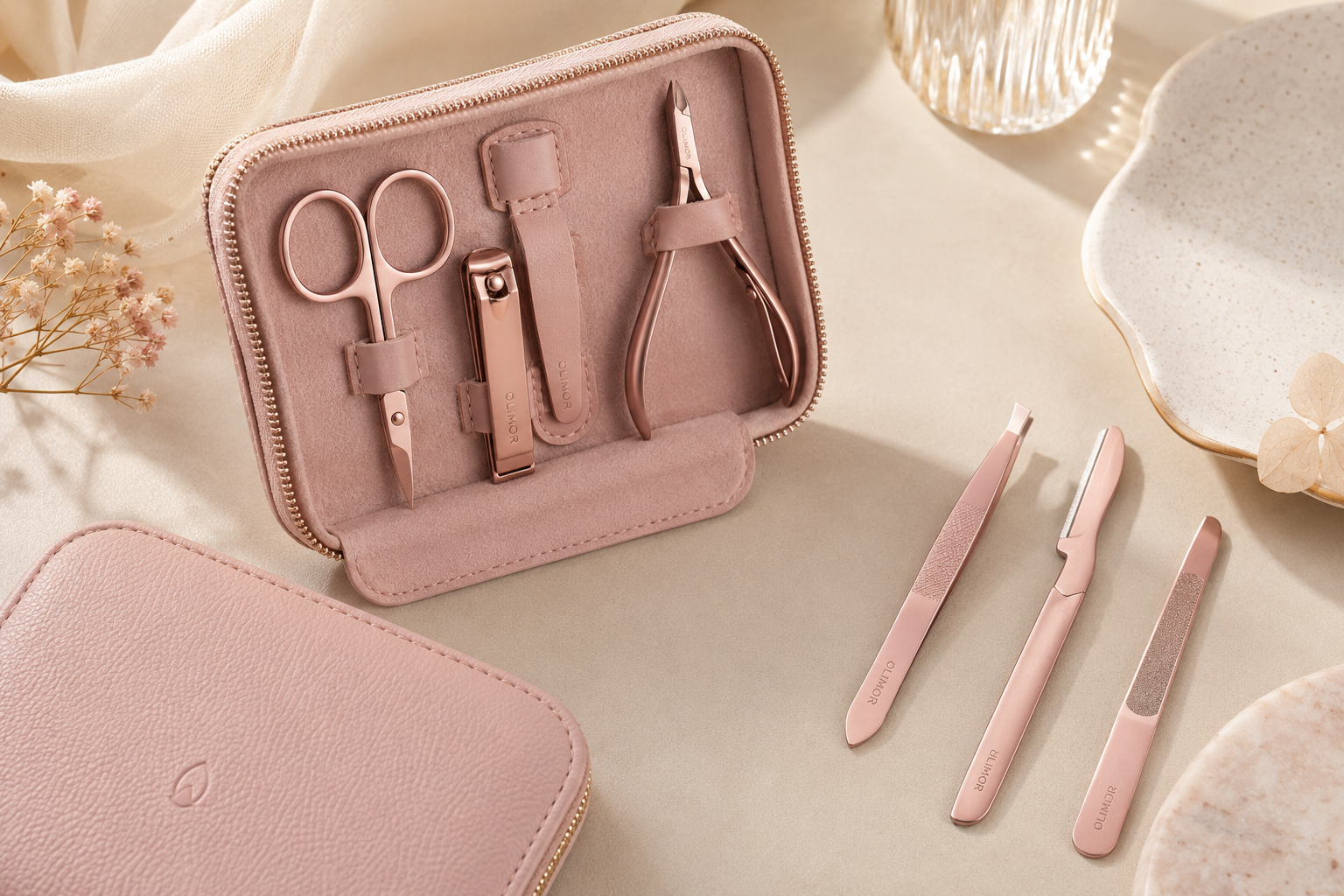
Olimor Beauty focuses on beauty and grooming tools for international buyers, including nail clippers positioned around stainless steel construction, polished appearance, ergonomic handling, curved cutting edges, compact designs and quality checks from material selection through final packaging. Buyers can review related grooming options through the Olimor product range when comparing nail clippers with other beauty tool categories.
What Makes a Nail Clipper Exporter Worth Shortlisting?
A strong nail clipper exporter should support more than a single transaction. The supplier needs to understand how the product is manufactured, how it is used, how it will be packed and how buyers define acceptable quality. Photos and catalog pages are useful at the first stage, but they cannot show whether the lever moves smoothly, whether the cutting edges meet evenly or whether the surface has burrs that feel uncomfortable in the hand.
When shortlisting suppliers, ask whether they can explain their production controls in practical terms. A credible exporter should be able to discuss material selection, component preparation, cutting edge alignment, lever assembly, surface polishing, packaging protection and final inspection. The more specific the discussion becomes, the easier it is to separate a serious grooming tool supplier from a general trader with limited product control.
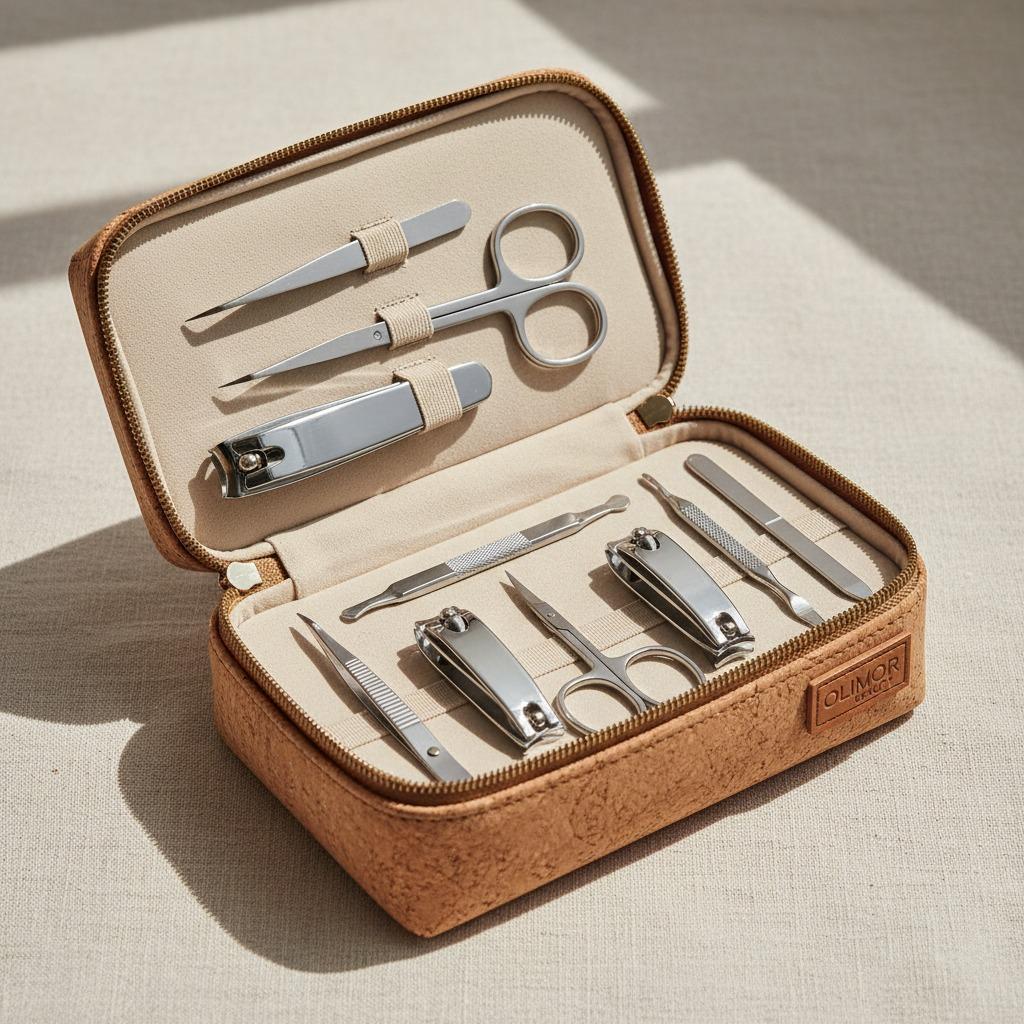
Different markets also require different positioning. A compact travel clipper, a salon-ready grooming tool, a pharmacy retail item and a value assortment may share the same basic function, but their priorities are not identical. Travel buyers may focus on compact size and dependable closure. Beauty retailers may prefer a polished look and attractive display packaging. Salon supply buyers may pay closer attention to hand feel and repeat-use comfort.
Core Product Details Buyers Should Inspect
The first test for any nail clipper is simple: it must cut cleanly and comfortably. Stainless steel construction, polished surfaces and attractive packaging are valuable only when the functional parts work together. During sample review, inspect several pieces rather than relying on one selected sample, because consistency across pieces is often more important than one perfect item.
Cutting Alignment and Edge Shape
The upper and lower cutting jaws should meet evenly from side to side. Visible gaps, offset edges or inconsistent closure can cause the nail to bend, tear or split instead of being cut cleanly. Curved cutting edges are widely used because they follow the natural shape of fingernails and toenails more comfortably, but buyers should still test whether the curve suits the intended customer group and product size.
Sharpness should be evaluated by hands-on use, not only visual inspection. The clipper should cut without excessive pressure. It should not crush the nail edge or leave ragged results. At the same time, the surrounding surfaces should feel smooth and safe, with no rough burrs near the cutting area or handle.
Lever Action, Pin Stability and Body Tension
A nail clipper works through leverage. If the lever wobbles, sticks or feels unstable, the user loses control. The pin connection should feel secure, and the body should open and close with controlled resistance. Too little tension may make the clipper feel loose; too much tension may make it tiring to use, especially for repeated salon or grooming-kit applications.
Buyers should test the lever with different hand positions. A compact clipper may be convenient for travel, but it still needs enough leverage for practical use. A larger clipper may feel stronger, but it should not be bulky or uncomfortable for the target customer.
Stainless Steel Finish and Hand Feel
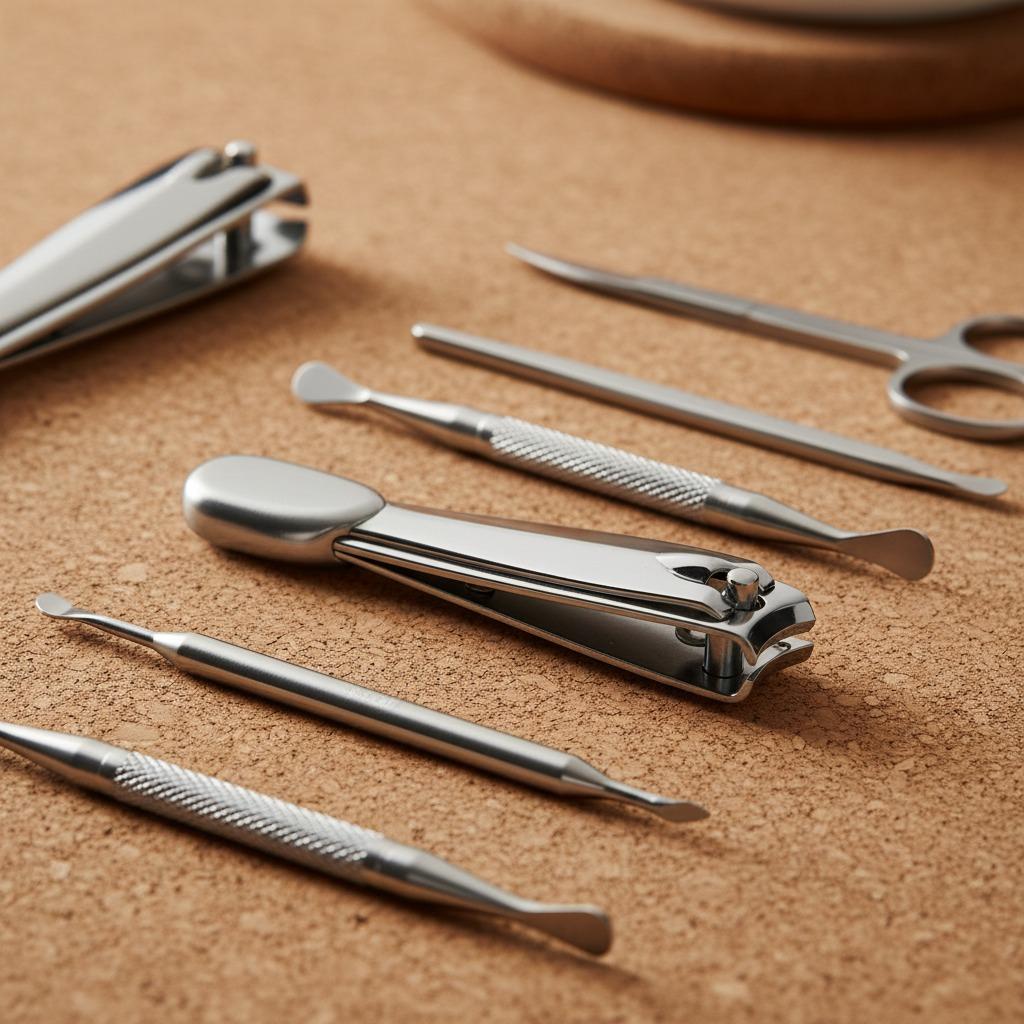
Stainless steel is commonly preferred for nail clippers because it supports durability, corrosion resistance and a clean polished appearance. However, material description alone does not guarantee quality. Buyers should inspect the actual finish, edge smoothness, visible scratches, staining, polishing consistency and overall assembly.
Hand feel is often underestimated in sourcing decisions. A clipper is held firmly between fingers, so rough corners, sharp burrs or an unbalanced grip become noticeable immediately. Ergonomic handling matters for retail customers and is even more important for professional or frequent grooming use. Olimor nail clippers are positioned with practical design features such as integral levers, polished stainless steel appearance and ergonomic handling, but buyers should still confirm the exact product configuration against their own market requirements.
Comparison Checklist for Nail Clipper Exporters
A structured checklist helps purchasing teams compare quotations and samples more fairly. It also gives suppliers a clearer basis for answering inquiries. The table below is designed for practical supplier evaluation rather than certification claims.
| Evaluation Area | What to Check | Why It Matters | Buyer Question to Ask |
|---|---|---|---|
| Cutting performance | Blade alignment, sharpness, curved edge shape and clean cut | Directly affects user satisfaction and repeat purchase | How is cutting performance checked before packing? |
| Material and finish | Stainless steel construction, polished surface, smooth edges and visible marks | Influences durability, appearance and perceived value | Can the approved finish be used as the reference for bulk production? |
| Assembly quality | Stable pin, firm lever, balanced opening and closing | Reduces complaints about loose or uncomfortable tools | What assembly points are inspected during production? |
| Ergonomic handling | Grip comfort, lever pressure and stability during use | Supports comfort for personal grooming, travel kits and salon use | Is the design suitable for the intended sales channel? |
| Packaging readiness | Retail pack, box, pouch, blister card, bulk pack or carton protection | Helps prevent scratches and supports shelf presentation | What packaging options are available for export orders? |
| Customization support | Branding placement, packaging style and assortment planning where available | Helps private-label buyers match market positioning | Which details can be customized without affecting function? |
| Inspection process | Material review, in-process checks, final cosmetic and functional inspection | Improves batch consistency and reduces preventable disputes | What inspection records or references can be provided for the order? |
| Communication | Clear quotations, confirmed specifications and export documentation | Protects the approved sample from drifting during mass production | How will product requirements be confirmed before production? |
How Export Quality Control Should Be Evaluated
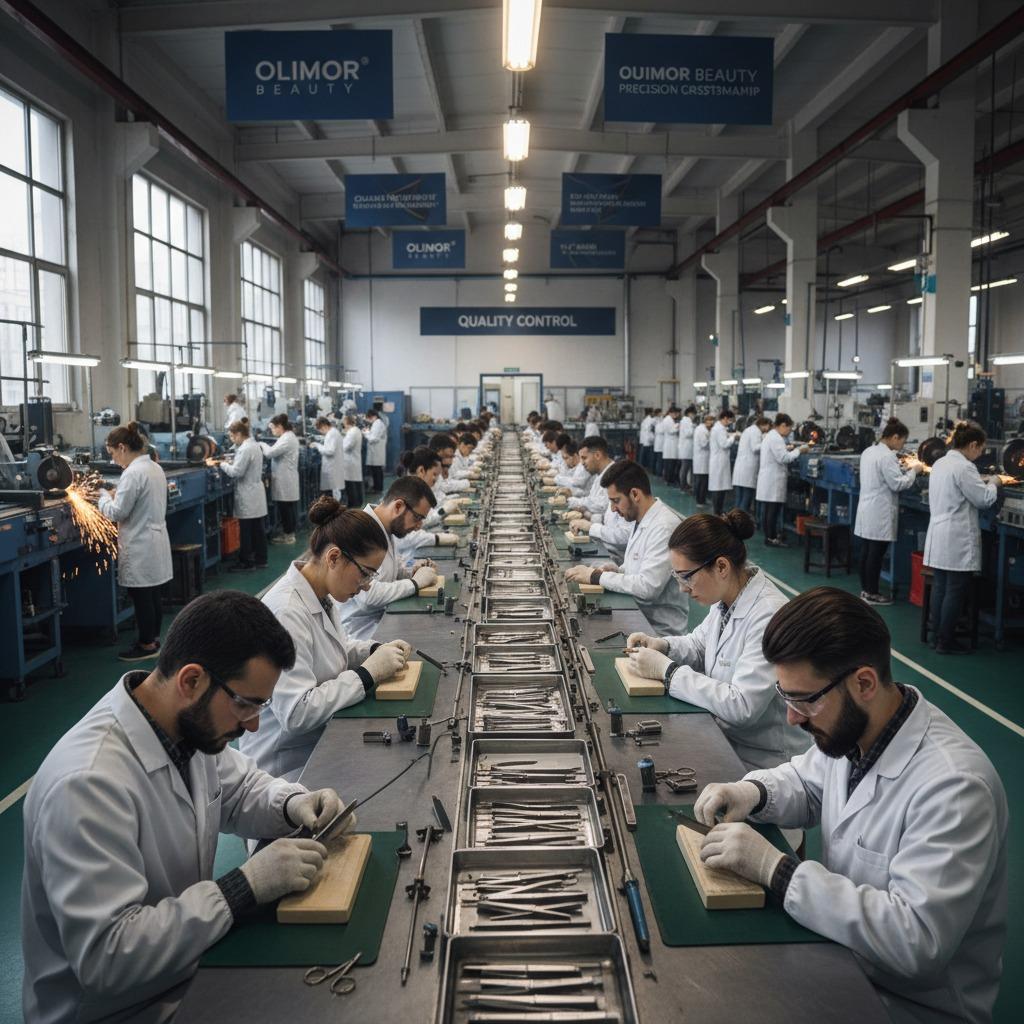
Quality control for nail clippers should begin before final packing. A practical inspection process starts with material selection and component preparation, continues through assembly and polishing, and finishes with functional and cosmetic checks before shipment. If inspection happens only after goods are packed, important problems such as blade misalignment or unstable lever action may be discovered too late.
Functional checks may include cutting test samples, blade closure, lever movement, body tension and edge smoothness. Cosmetic checks may include polishing consistency, visible scratches, staining, burrs, surface marks and packaging presentation. Export packaging should also be reviewed because nail clippers can scratch each other or move inside poorly fitted packs during international transportation.
It is useful to define acceptable and unacceptable conditions before bulk production. A minor surface mark may be treated differently for an entry-level retail item than for a more refined grooming tool. Buyers should create a written reference covering finish, size or assortment, packaging type, logo or labeling requirements if applicable, carton marking, inspection approach and shipping documents.
For sampling inspection, some buyers use public standards such as ISO 2859-1 as a framework for lot-by-lot inspection by attributes. This can be helpful when defining sampling levels and acceptance criteria, but buyers should verify the applicable version, local requirements and supplier documentation. Mentioning a standard in a purchase process does not mean a supplier holds any certification unless that documentation is provided and verified.
Customization for Retail, Travel and Professional Channels
Custom nail clippers can help a buyer fit a specific market, but customization should not distract from product function. Logos and packaging are important for private-label programs, yet the foundation must remain clean cutting, comfortable handling and consistent finishing.
For retail programs, buyers may focus on polished appearance, display-friendly packaging and clear labeling space. For travel kits, compact size and secure closure may be more important. For salon or grooming assortments, hand feel, lever stability and a durable impression often matter more than decorative details. Buyers comparing possible additions to a beauty tool line can browse Olimor’s beauty tool collections to consider how nail clippers fit with related manicure, pedicure and grooming items.
When discussing customization, avoid vague requests such as “premium quality” or “best packaging.” Instead, specify the intended channel, target customer, packaging format, surface appearance, branding location and inspection priorities. Ask the exporter what can realistically be customized and whether the changes affect cost, production complexity or approval steps. Do not assume every size, finish, logo method or package structure is available for every model.
Cost Factors Beyond the Unit Price
Unit price matters, but the lowest quotation is not always the best landed-value choice. Nail clipper cost can be affected by material selection, product size, finish quality, assembly complexity, packaging format, customization requirements, inspection needs and order handling. A cheaper clipper that causes returns, repacking work or inconsistent retail presentation can become more expensive in practice.
Buyers should compare quotations with the same specification. If one supplier quotes a polished stainless steel clipper in retail packaging and another quotes a simpler bulk-packed item, the prices are not directly comparable. The same applies to customization, carton requirements, labeling and inspection expectations. A clear specification protects both the buyer and the exporter.
For B2B sourcing, it is also wise to consider repeatability. Can the exporter maintain the approved finish in later orders? Can they communicate changes before production? Can they pack the product consistently for the target market? Stable quality over time is often more valuable than a short-term low price.
Supplier Reliability Beyond the Product Sample
A strong sample is important, but it is not the only sign of a dependable nail clipper supplier. Many sourcing problems occur because the approved sample is not clearly connected to bulk production. A reliable exporter should be willing to confirm specifications in writing and use the approved sample or agreed reference as a production benchmark.
Evaluate communication before placing an order. Does the supplier answer practical questions about cutting performance, materials, packaging and inspection? Do they clarify uncertain points instead of making broad promises? Do they understand export documentation and carton marking requirements? A supplier that communicates clearly during the inquiry stage is often easier to work with when resolving production details later.
Olimor Beauty emphasizes internal quality checks from material selection through final assembly and packaging for its beauty tool categories. Buyers interested in a specific nail clipper configuration, packaging plan or private-label discussion can send requirements through Olimor’s inquiry page for a focused sourcing conversation.
Practical Steps Before Placing a Nail Clipper Order
- Define the sales channel. Decide whether the clipper is for retail display, travel kits, salon supply, pharmacy distribution or a broader grooming assortment.
- Request representative samples. Check several pieces for cutting alignment, lever action, surface finish, hand feel and packaging fit.
- Compare suppliers using the same checklist. Avoid judging one supplier by photos and another by physical samples.
- Confirm written specifications. Include finish, size, packaging, branding if applicable, carton marking, inspection criteria and document expectations.
- Discuss customization limits. Ask what can be changed and whether changes affect tooling, packaging approval, cost or lead time.
- Clarify inspection before shipment. Agree on the functional and cosmetic points that will be checked before goods leave the factory.
When Olimor May Be a Suitable Nail Clipper Export Partner
Olimor may be suitable for buyers looking for beauty and grooming tools with practical product positioning rather than one-off commodity sourcing. Nail clippers in this category should be assessed by stainless steel construction, polished appearance, ergonomic design, curved cutting edges, compact product options and inspection steps that support export readiness.
The best fit is usually a buyer who can provide a clear target market, packaging expectation and quality checklist. This allows the supplier to respond with relevant options instead of generic catalog suggestions. If you are preparing a new grooming tool assortment or reviewing current nail clipper suppliers, you can contact Olimor to discuss product selection, packaging direction and order requirements without relying on unsupported claims or assumptions.
FAQ
Can I request nail clipper samples before confirming an order?
Yes, B2B buyers commonly review samples before confirming bulk orders. Samples should be checked for cutting performance, lever smoothness, edge alignment, surface finish, grip comfort and packaging suitability. Any approved sample should be clearly linked to the final order specification.
What is the MOQ for custom nail clippers?
MOQ depends on the selected product, packaging format, customization requirements and production plan. Buyers should ask the supplier directly and provide details such as target model, logo needs, packaging type and destination market so the response is accurate.
What customization options should buyers discuss?
Common discussion points include packaging style, branding placement, surface appearance and product assortment. Availability depends on the specific model and order requirements. Buyers should confirm what can be customized before assuming that every design detail is possible.
How should nail clipper quality be checked before shipment?
Inspection should include functional checks such as cutting alignment, sharpness, lever movement and body tension, plus cosmetic checks such as polishing consistency, burrs, scratches and packaging condition. Buyers may also define sampling plans and acceptance criteria in writing.
Can lead time be confirmed before ordering?
Lead time should be confirmed with the supplier based on product selection, customization, packaging approval, order quantity and current production schedule. Buyers should avoid relying on generic timelines and should request written confirmation for each order.