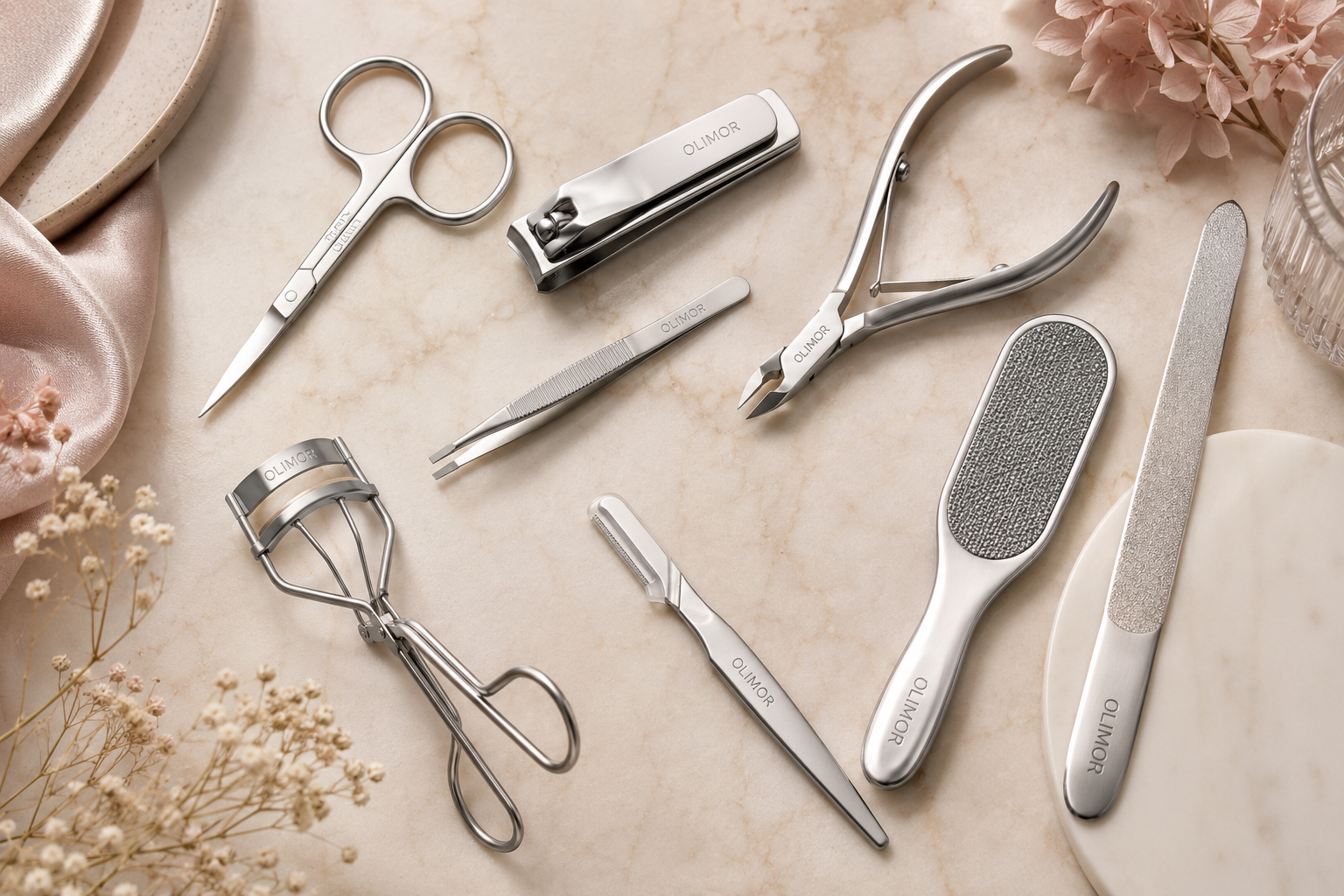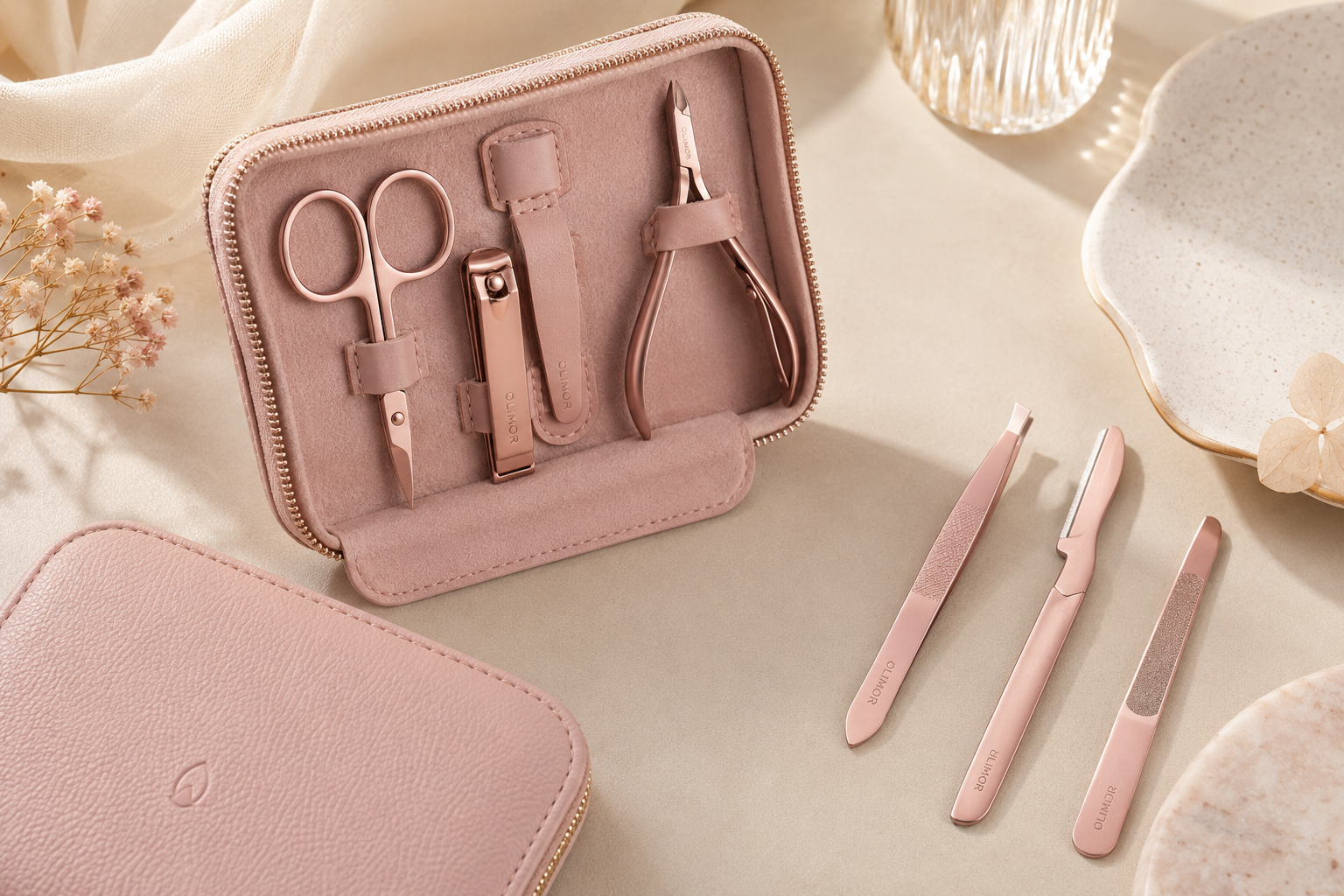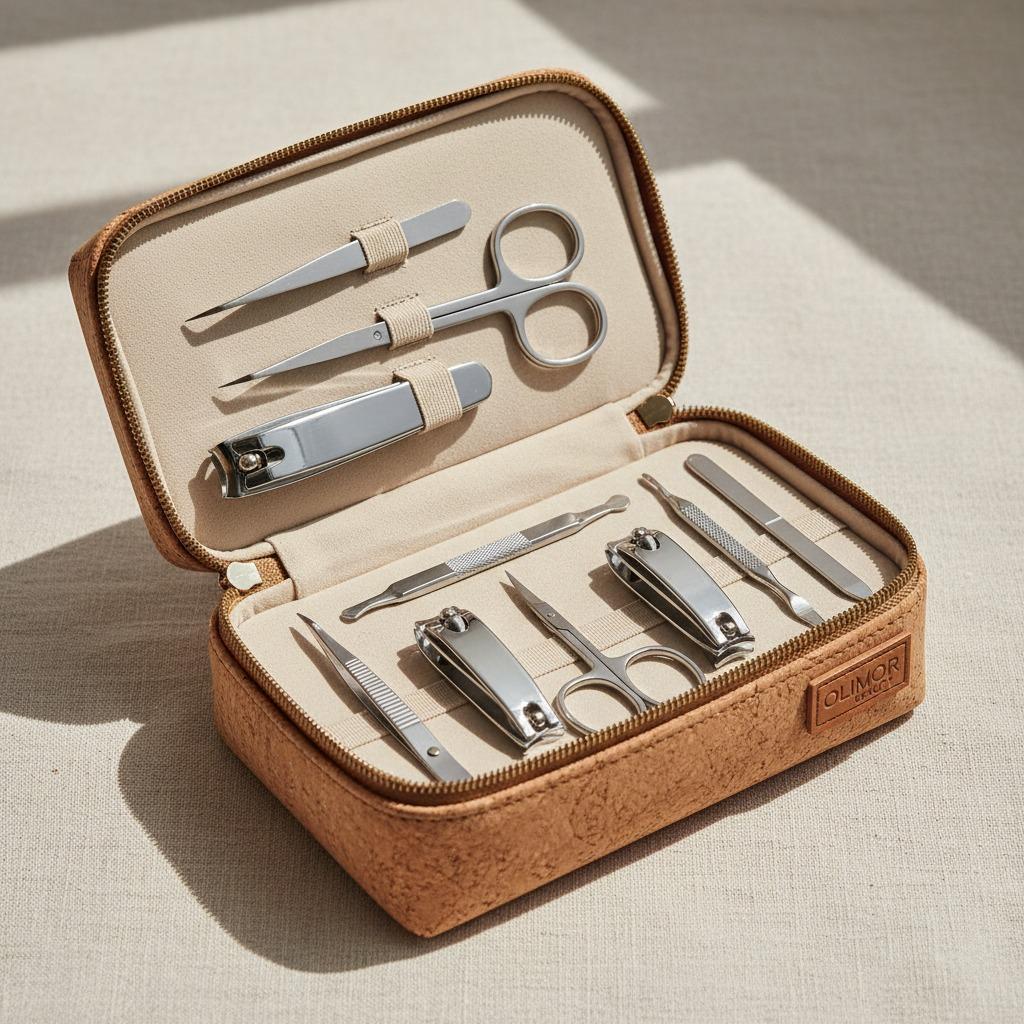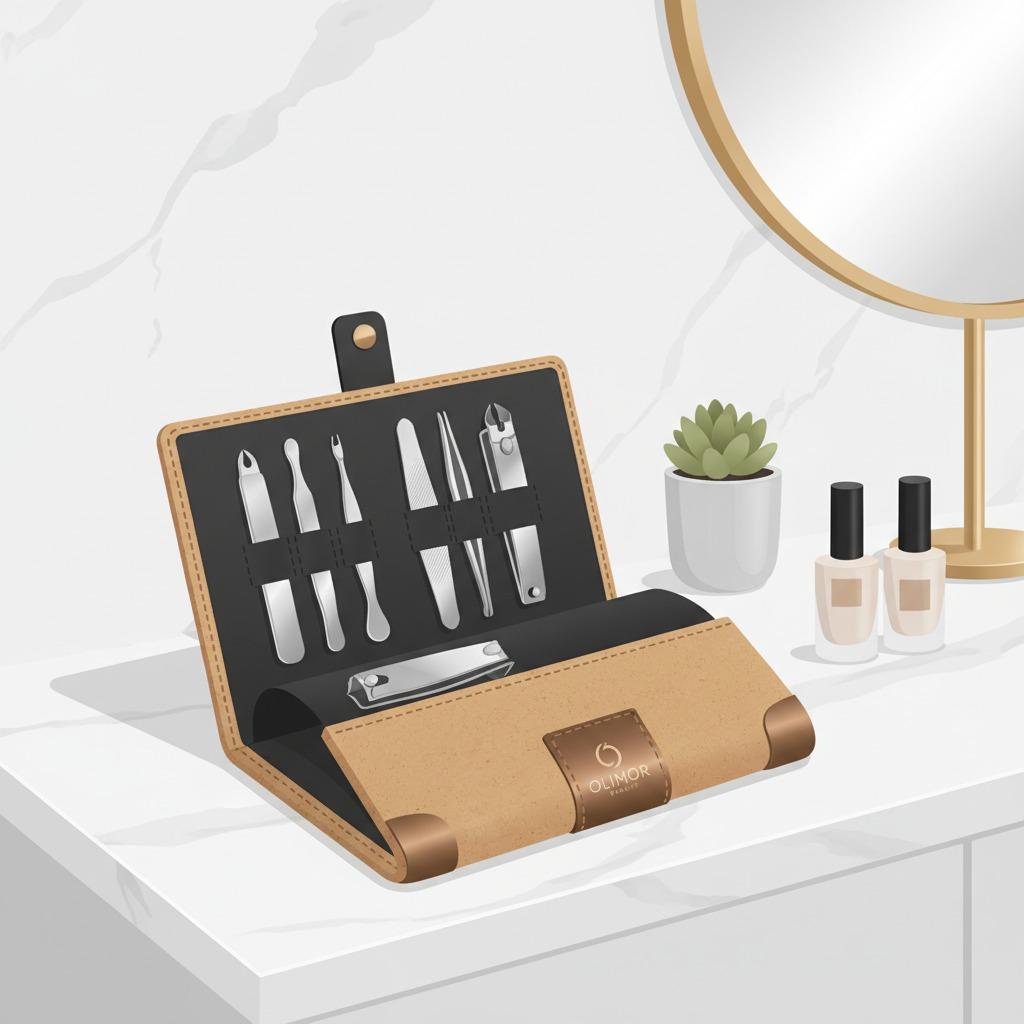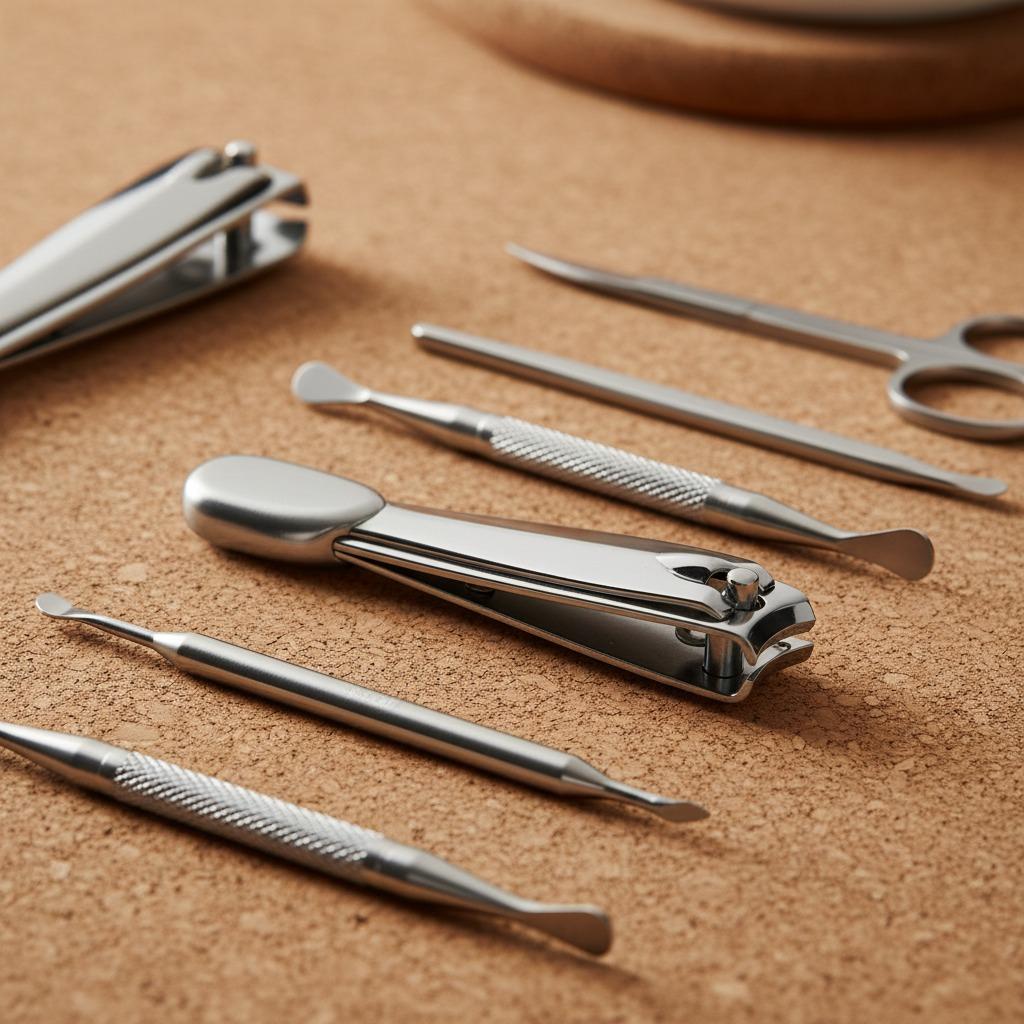












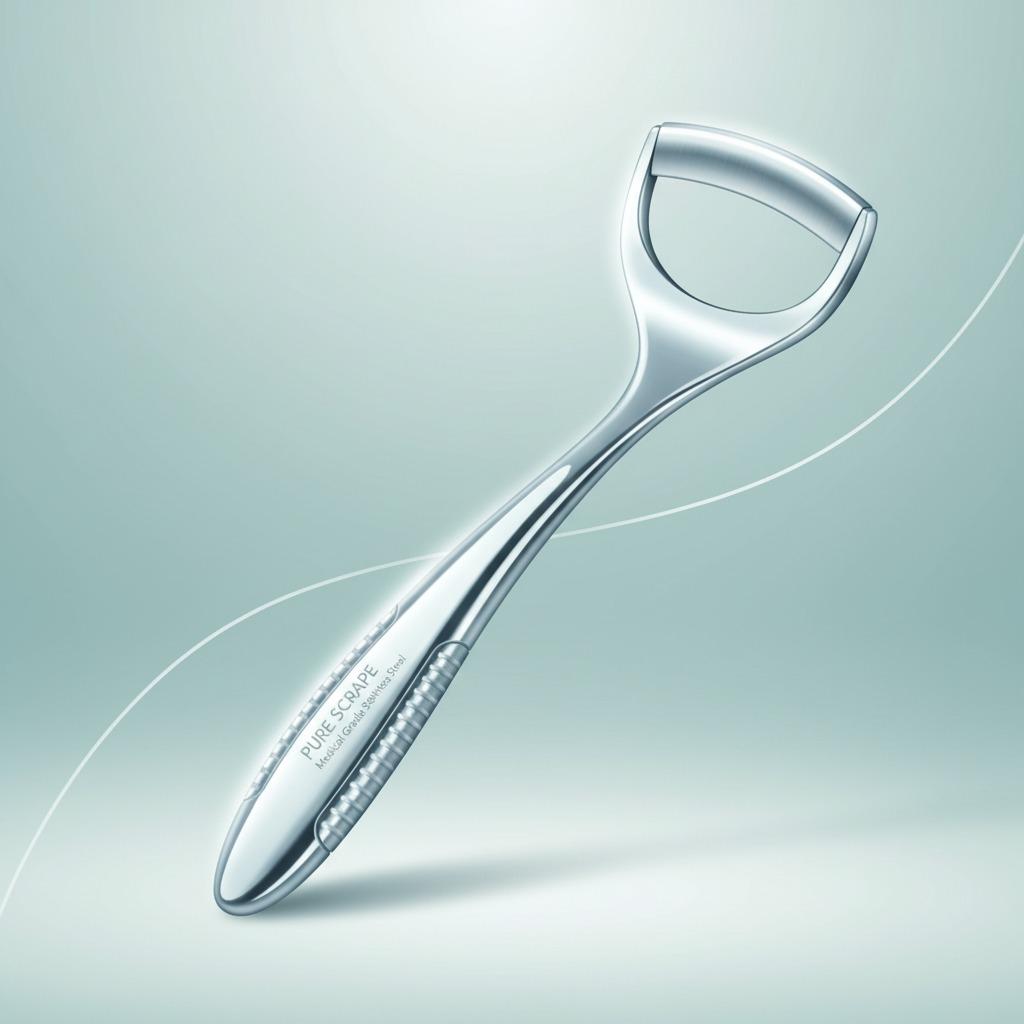
A tongue scraper is a small oral care tool with a practical purpose: it helps remove the coating that can collect on the surface of the tongue. For people searching for fresher breath, especially in the morning or after meals, tongue cleaning can be a useful addition to brushing and flossing. Olimor Beauty offers stainless steel beauty and personal care tools, including the tongue scraper, for buyers who want a simple, reusable product that fits into daily hygiene routines.
Bad breath is not always caused by food alone. The tongue has a textured surface where bacteria, dead cells, and food residue can gather. As bacteria break down proteins, they may produce odor-causing compounds. Mouthwash can temporarily reduce odor, but it does not always remove the buildup that sits on the tongue. A scraper is designed to physically clear that layer with controlled pressure, helping the mouth feel cleaner without adding a complicated step.
Why the Tongue Matters in Breath Care
Most daily oral care advice focuses on teeth and gums, but the tongue is also important. Its surface is not flat; it contains tiny grooves and papillae that can trap residue. When the mouth becomes dry overnight, that residue may become more noticeable, which is one reason morning breath is common. Scraping the tongue helps reduce the coating before it contributes to an unpleasant taste or odor.
A tongue scraper is not a medical treatment and should not replace dental care. Persistent bad breath can be linked to gum problems, cavities, dry mouth, digestive issues, smoking, or certain medications. However, for many people, cleaning the tongue is a sensible daily habit that supports overall oral freshness. It is especially useful for people who drink coffee or tea, eat strongly flavored foods, wear oral appliances, or wake up with a coated tongue.
How a Stainless Steel Tongue Scraper Works
The basic function is mechanical removal. The scraper is drawn gently from the back portion of the tongue toward the tip, collecting a thin layer of coating. Stainless steel is a common material choice because it is smooth, easy to rinse, and suitable for repeated use when maintained properly. Unlike disposable plastic tools, a stainless steel scraper is intended for long-term use, which can appeal to consumers looking for a more durable oral care accessory.
Good scraping does not require force. In fact, pressing too hard can irritate the tongue and make the routine uncomfortable. The tool should glide over the surface with light, even contact. If a user has sores, irritation, recent oral surgery, or a sensitive gag reflex, they should be cautious and stop if discomfort occurs. The goal is to clean the tongue surface, not to scrape aggressively.
Step-by-Step Routine for Better Results
Using a tongue scraper is straightforward, but technique affects comfort and consistency. The routine below is suitable for most daily users:
- Rinse the scraper first. Start with a clean tool and warm water.
- Extend the tongue comfortably. Do not strain; keep the jaw relaxed.
- Place the scraper toward the back of the tongue. Begin only as far back as feels comfortable.
- Pull forward with light pressure. Move from back to front in one smooth stroke.
- Rinse the scraper after each pass. This removes collected residue before the next stroke.
- Repeat two to five times. More is not always better; stop when the surface feels clean.
- Rinse the mouth and clean the tool. Dry the scraper before storage.
Many users prefer scraping before brushing so that loosened residue can be cleared during the rest of the oral care routine. Others scrape after brushing because the mouth already feels fresh. Either order can work; the more important factor is consistency and gentle use.
When to Use a Tongue Scraper
The most common time to use a tongue scraper is in the morning. Saliva flow decreases during sleep, which allows bacteria and residue to accumulate more easily. A quick scraping routine after waking can reduce the coated feeling that many people notice before breakfast.
Evening use can also help. Scraping before bed removes residue from meals and drinks before the mouth becomes drier overnight. People who are particularly concerned about morning breath may find that using the scraper at night and again in the morning gives the most consistent freshness. After eating strong-smelling foods, a scraper can also be used as part of a quick refresh, followed by rinsing or brushing when appropriate.
What Buyers Should Check When Selecting a Tongue Scraper
For individual consumers, comfort and hygiene are the main concerns. For retailers, salons, spas, private-label buyers, and oral care distributors, sourcing decisions also involve packaging, finishing, and repeatable product quality. When comparing options in beauty tool products, consider the following checklist:
- Material: Stainless steel is valued for durability and easy cleaning. Buyers should confirm the material description and care instructions for the intended market.
- Edge finish: The scraping edge should feel smooth, not sharp. A polished edge helps reduce irritation during use.
- Shape and grip: The tool should be easy to hold with wet hands and flexible enough in shape to fit different mouth sizes comfortably.
- Surface quality: Look for a clean finish without rough spots, visible burrs, or hard-to-clean seams.
- Packaging suitability: Retail buyers may need packaging that protects the product, communicates usage clearly, and suits online or shelf display.
- Instruction clarity: A simple use-and-care guide can reduce misuse and improve customer satisfaction.
Because oral care tools are used inside the mouth, small details matter. A low-quality edge or awkward shape can discourage regular use. A well-finished scraper, by contrast, feels intuitive and can become a lasting part of a customer’s hygiene routine.
Care, Cleaning, and Storage
Maintenance is one of the reasons many people choose stainless steel. After each use, rinse the scraper thoroughly under running water to remove residue. Mild soap can be used as needed, followed by a complete rinse. Drying is important because it helps keep the tool clean between uses and prevents water spots or buildup in storage areas.
Store the scraper in a dry, ventilated place rather than leaving it wet on a sink. If it is kept in a pouch or travel case, make sure the tool is dry before closing the case. Do not share a tongue scraper between users. Like a toothbrush, it should be treated as a personal hygiene item. If the tool becomes bent, rough, damaged, or difficult to clean, it should be replaced.
How Tongue Scraping Fits with Complete Oral Hygiene
A tongue scraper works best as part of a broader routine. Brushing cleans tooth surfaces, flossing helps remove debris between teeth, and tongue scraping addresses the tongue coating that brushing may not fully clear. Hydration also matters because saliva helps wash the mouth naturally. People who experience frequent dry mouth should pay attention to fluid intake and discuss ongoing symptoms with a dental professional.
For brands and professional buyers, tongue scrapers can be a practical addition to oral care assortments because the product is easy to explain and simple to demonstrate. It can pair naturally with mirrors, grooming tools, travel accessories, and other personal care items found in Olimor Beauty product collections. The key is to present it honestly: it is a useful cleaning tool, not a cure-all.
Sourcing Questions for Retail and Private-Label Buyers
Before placing a bulk order or developing a product line around tongue scrapers, buyers should define the target customer and sales channel. A travel-focused product may need compact packaging. A premium personal care set may require a more refined finish and clearer presentation. A dental care retailer may prioritize educational instructions and hygienic packaging.
Useful sourcing questions include: Is the edge comfortable after repeated use? Does the handle provide reliable control? Is the packaging appropriate for the intended market? Are care instructions included in clear English or the required local language? Can the product be inspected consistently for surface finish and cleanliness? Buyers who need product details, customization discussion, or order planning can send an inquiry or contact Olimor for direct communication.
A tongue scraper is a simple tool, but its value depends on thoughtful design, careful finishing, and correct daily use. For consumers, it can make breath care feel more complete. For beauty and personal care buyers, it offers a focused product with clear user benefits and straightforward education. Used gently and cleaned properly, a stainless steel tongue scraper can support fresher breath and a cleaner mouth feel every day.