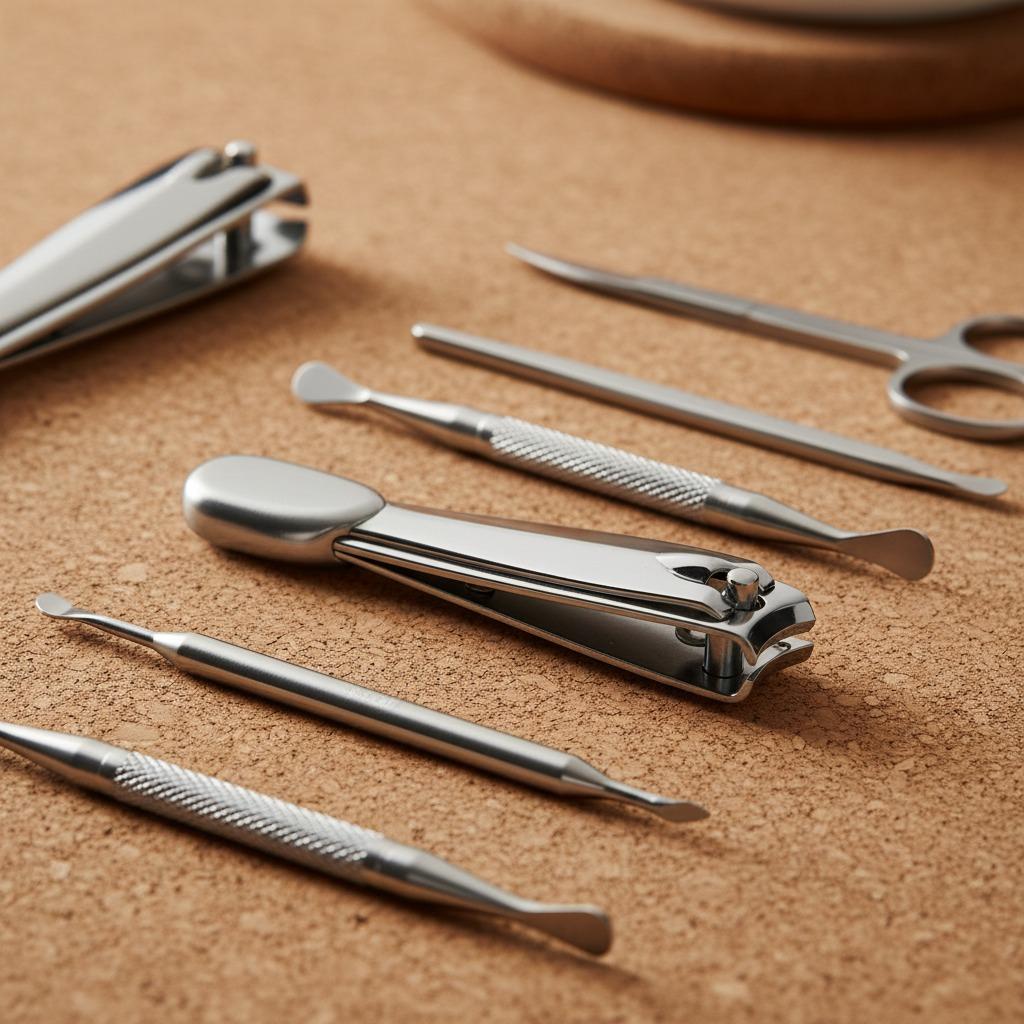











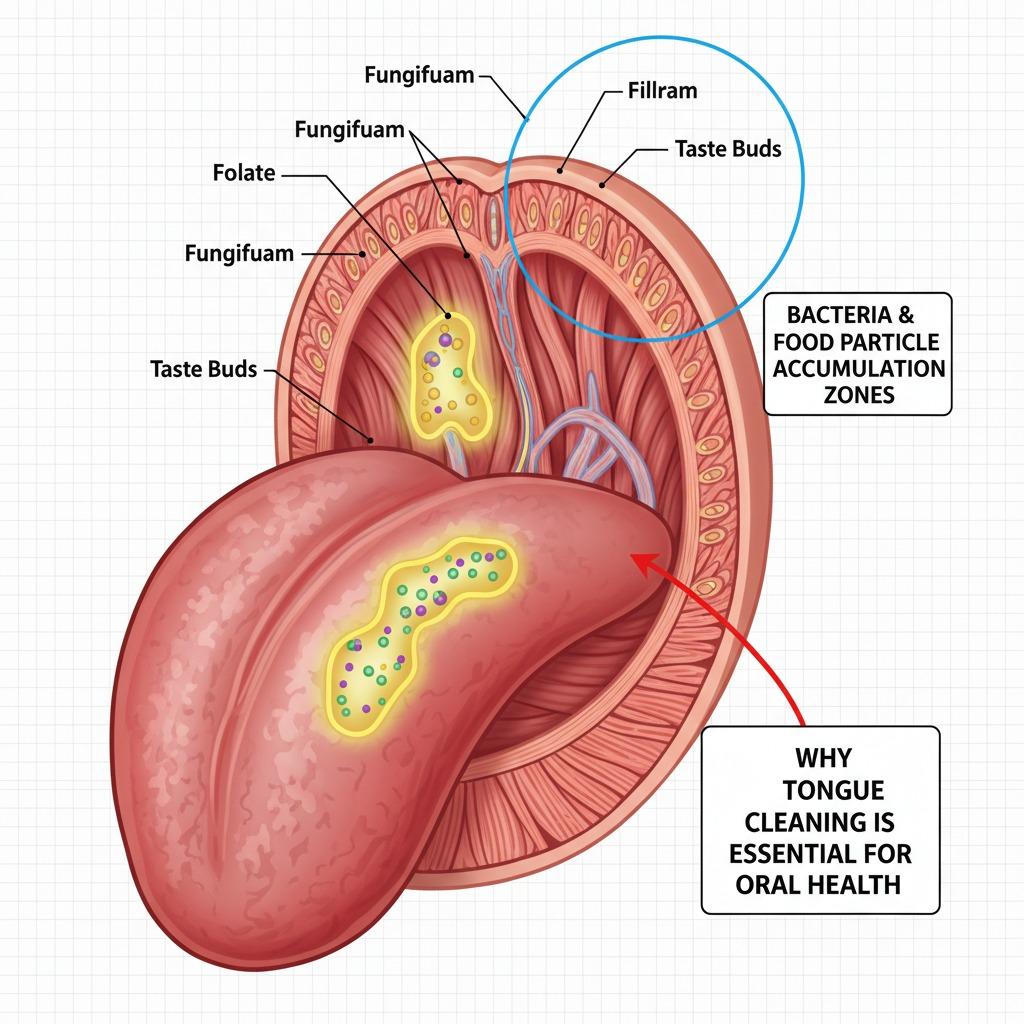
A tongue scraper is a small oral care tool with a specific job: helping remove the coating that can collect on the tongue’s textured surface. For many people, brushing and flossing are already part of the day, but the tongue is often cleaned quickly or missed entirely. Because the tongue is covered with tiny projections called papillae, it can hold food particles, dead cells, and bacteria that contribute to unpleasant breath and a less clean mouthfeel.
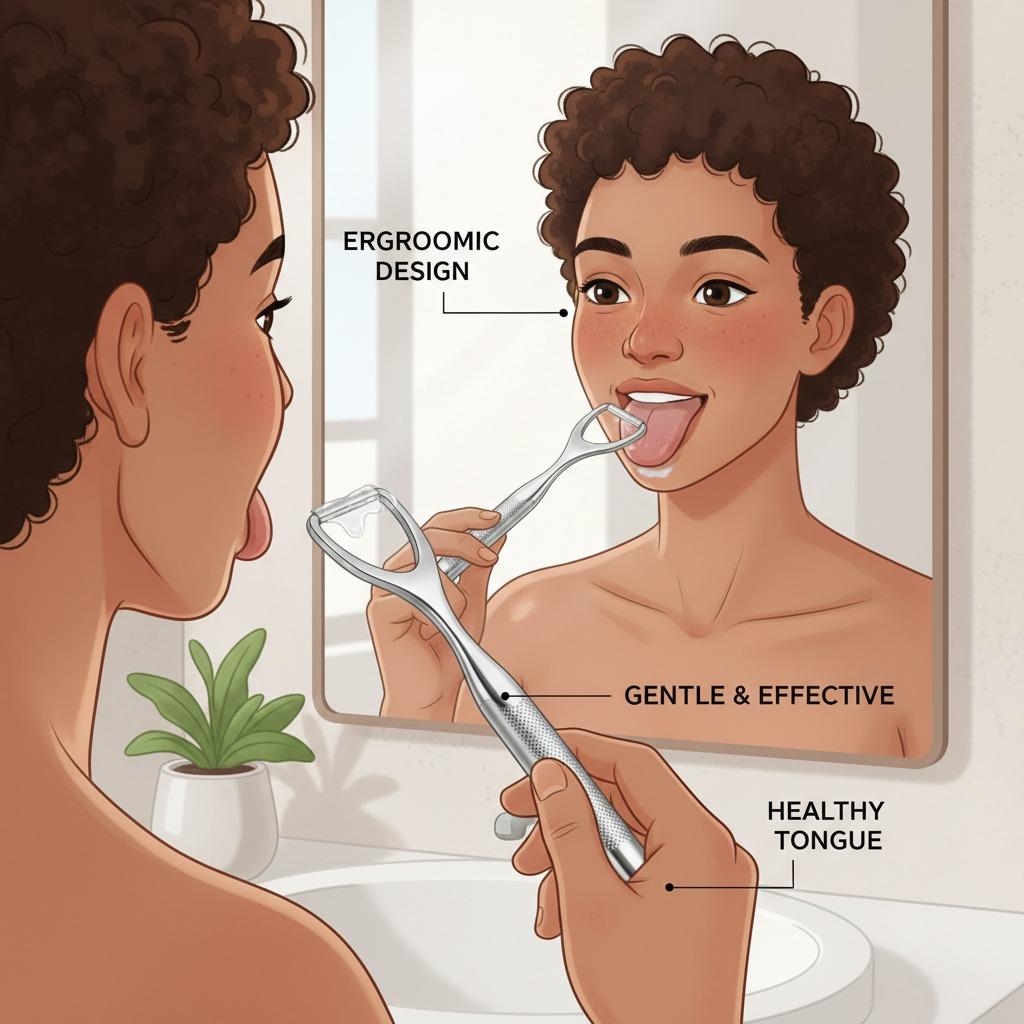
Olimor Beauty offers a stainless steel tongue scraper designed for practical daily use, with ergonomic handles that help the user control pressure and angle. For consumers, the main question is how to use the tool safely and consistently. For retailers, salons, wellness brands, and oral care buyers comparing beauty tool products, the key is to evaluate comfort, hygiene, finish quality, packaging suitability, and repeat-use durability without relying on vague claims.
Why Tongue Cleaning Matters
The tongue is not a flat surface. Its papillae create texture, which is useful for taste and oral function, but that texture also allows residue to remain after meals, drinks, and normal overnight dryness. A toothbrush can clean part of the tongue, yet many users find that a scraper gives a more direct cleaning motion because it is shaped to glide over the surface and pull loosened coating forward.
The most common reason people add a tongue scraper is fresher breath. While bad breath can have many causes and persistent symptoms should be discussed with a dental professional, tongue coating is a frequent contributor to morning breath and an unpleasant taste. Removing debris from the tongue can also make the mouth feel cleaner after brushing. It is not a replacement for brushing, flossing, dental visits, or professional treatment; it is a simple add-on that supports a more complete routine.
What Makes Stainless Steel a Practical Choice
Stainless steel is a popular material for tongue scrapers because it suits a reusable hygiene tool. Compared with disposable or soft plastic options, a metal scraper can feel more stable in the hand, rinse clean quickly, and maintain its shape during normal use. The surface should feel smooth against the tongue, with no sharp edges, burrs, or rough seams that could irritate soft tissue.
For product selection, the shape is as important as the material. A scraper should be wide enough to cover a useful portion of the tongue, but not so rigid or oversized that it feels difficult to control. Ergonomic handles are especially helpful because users need a steady grip while applying very light pressure. A good design allows the user to start near the back of the tongue, avoid gagging, and draw the scraper forward in a controlled motion.
How to Use a Tongue Scraper Safely
Using a tongue scraper should feel gentle, not abrasive. The aim is to remove surface coating, not to scrub the tongue aggressively. Many problems with tongue scraping come from using too much force, scraping too many times, or starting too far back before the user is comfortable.
- Rinse the scraper with clean water before use.
- Extend the tongue comfortably. Do not strain the jaw or push the tool too far back.
- Place the scraper on the tongue as far back as is comfortable, keeping the pressure light.
- Pull the scraper forward in one slow motion toward the tip of the tongue.
- Rinse the scraper after each pass to remove collected residue.
- Repeat a few times as needed, usually fewer strokes are better than excessive scraping.
- Rinse the mouth, then wash and dry the scraper before storage.
If the tongue feels sore, looks irritated, or bleeds, stop using the tool and allow the area to recover. People with mouth ulcers, recent dental procedures, tongue piercings, or ongoing oral health concerns should use extra caution and follow professional guidance. A tongue scraper is intended for routine surface cleaning, not for diagnosing or treating oral disease.
Comfort and Design Details to Compare
Whether purchasing one item for personal care or reviewing a product line for resale, the best tongue scraper is the one people will actually use consistently. Small design differences can affect user comfort and repeat purchase satisfaction.
- Edge smoothness: The scraping edge should feel rounded and even, not sharp. Run a finger carefully along the edge during inspection to check for roughness.
- Handle control: Ergonomic handles should support a secure grip when wet. A slippery or awkward handle can cause uneven pressure.
- Flex and stability: The scraper should have enough stability for a smooth stroke while still feeling comfortable on the tongue’s curved surface.
- Cleaning ease: Simple shapes with fewer crevices are easier to rinse and dry, which matters for a reusable oral tool.
- Storage practicality: Buyers may consider whether the tool can be packaged, displayed, or stored hygienically without trapping moisture.
- User instructions: Clear use and care guidance reduces misuse and helps consumers understand that gentle pressure is sufficient.
Care, Cleaning, and Storage
Because a tongue scraper is used inside the mouth, cleaning habits matter. After each use, rinse away visible residue, wash the tool with mild soap if needed, and dry it before putting it away. Leaving any oral care tool wet in a closed container can encourage odor or residue buildup. A dry, ventilated location is preferable for daily storage.
Do not share a tongue scraper between users. Even when a tool is easy to clean, personal oral care tools should remain personal. If the scraper becomes bent, rough, damaged, or difficult to clean, it should be replaced. For travel, a clean pouch or case can protect the tool from contact with other items, but the scraper should still be dried before being enclosed.
Buyer Checklist for Retailers and Wellness Brands
For businesses adding oral care accessories to a beauty, grooming, spa, or wellness assortment, tongue scrapers can be a compact product with broad everyday relevance. The sourcing decision should focus on usability and presentation rather than exaggerated medical promises. When comparing options or preparing a purchase inquiry, consider the following points.
| Evaluation Area | What to Review | Why It Matters |
|---|---|---|
| Material and finish | Confirm stainless steel construction and inspect for smooth edges and consistent polishing. | The tool contacts sensitive oral tissue, so comfort and hygiene are central. |
| Handle design | Check grip shape, width, and ease of control when wet. | Better control helps users apply light, even pressure. |
| Packaging | Review whether packaging protects the scraper and communicates use instructions clearly. | Oral care tools need a clean presentation and consumer confidence at first purchase. |
| Instructions | Include safe-use steps, cleaning guidance, and replacement cues. | Proper education reduces over-scraping and improves satisfaction. |
| Brand fit | Assess whether the product suits oral care, beauty care, travel, wellness, or gift assortments. | The same basic tool may be positioned differently depending on the customer group. |
Businesses can also compare tongue scrapers alongside related product collections to decide whether the item belongs in a daily grooming kit, oral care set, travel set, or wellness accessory range. If you need product details for a planned order, you can send an inquiry with your target market, packaging expectations, and any inspection criteria you want to prioritize.
Common Mistakes to Avoid
The most common mistake is pressing too hard. A tongue scraper should glide; it should not feel like sanding or deep scrubbing. Another mistake is expecting it to solve every breath issue. Tongue cleaning can help when coating is part of the problem, but hydration, diet, gum health, cavities, sinus conditions, and other factors may also affect breath. Consistent oral care and dental advice remain important.
For product buyers, a frequent mistake is choosing only by appearance. A shiny product photo does not prove that the edge is comfortable, the handles are easy to hold, or the packaging explains safe use. Samples should be reviewed for touch, balance, rinseability, and instruction clarity. If a product is intended for online sales, images should show scale and use orientation so customers understand how the scraper fits in the hand.
When a Tongue Scraper Fits the Routine
A tongue scraper works best as a quick step after brushing or before rinsing the mouth. Many users prefer it in the morning because tongue coating is often more noticeable after sleep. Others use it after strongly flavored foods or before social situations. The routine does not need to be complicated: a few gentle passes, a rinse, and proper cleaning of the tool are enough for most users.
For retailers and personal care brands, the appeal is similar: the product is easy to understand, compact to display, and connected to a daily habit. Olimor Beauty’s stainless steel tongue scraper offers a straightforward oral care accessory for customers who want a cleaner tongue feel and a more complete hygiene routine. To discuss product suitability, packaging direction, or assortment planning, contact Olimor with the details of your market and intended use.