For beauty brands, distributors, salons and hospitality buyers, sourcing tweezers wholesale is not simply a matter of finding the lowest unit cost. Tweezers are small tools, but their performance is easy for end users to judge. If the tips do not meet cleanly, if the arms feel weak, or if the tool slips on fine hairs, the product quickly damages confidence in the entire grooming set.
A well-made tweezer should grip cleanly, feel controlled in the hand and maintain alignment through repeated use. That is why wholesale buyers need to evaluate more than appearance. Tip geometry, stainless steel quality, spring tension, finishing, packaging compatibility and inspection standards all affect whether a tweezer is suitable for retail shelves, salon resale, promotional kits or hotel amenity programs.
Olimor Beauty supplies professional beauty tools for buyers who need consistency across larger orders. This guide explains how to compare wholesale tweezers with practical criteria, so purchasing teams can make better sourcing decisions before committing to production.
Why Tweezer Quality Matters in Wholesale Programs
In a single consumer purchase, one poor tweezer is an inconvenience. In a wholesale program, small defects can multiply across cartons, displays or kits. A misaligned tip may lead to hair breakage instead of clean removal. A tool that bends too easily may feel disposable. Surface defects can make an otherwise functional tool look unsuitable for premium retail or gift packaging.
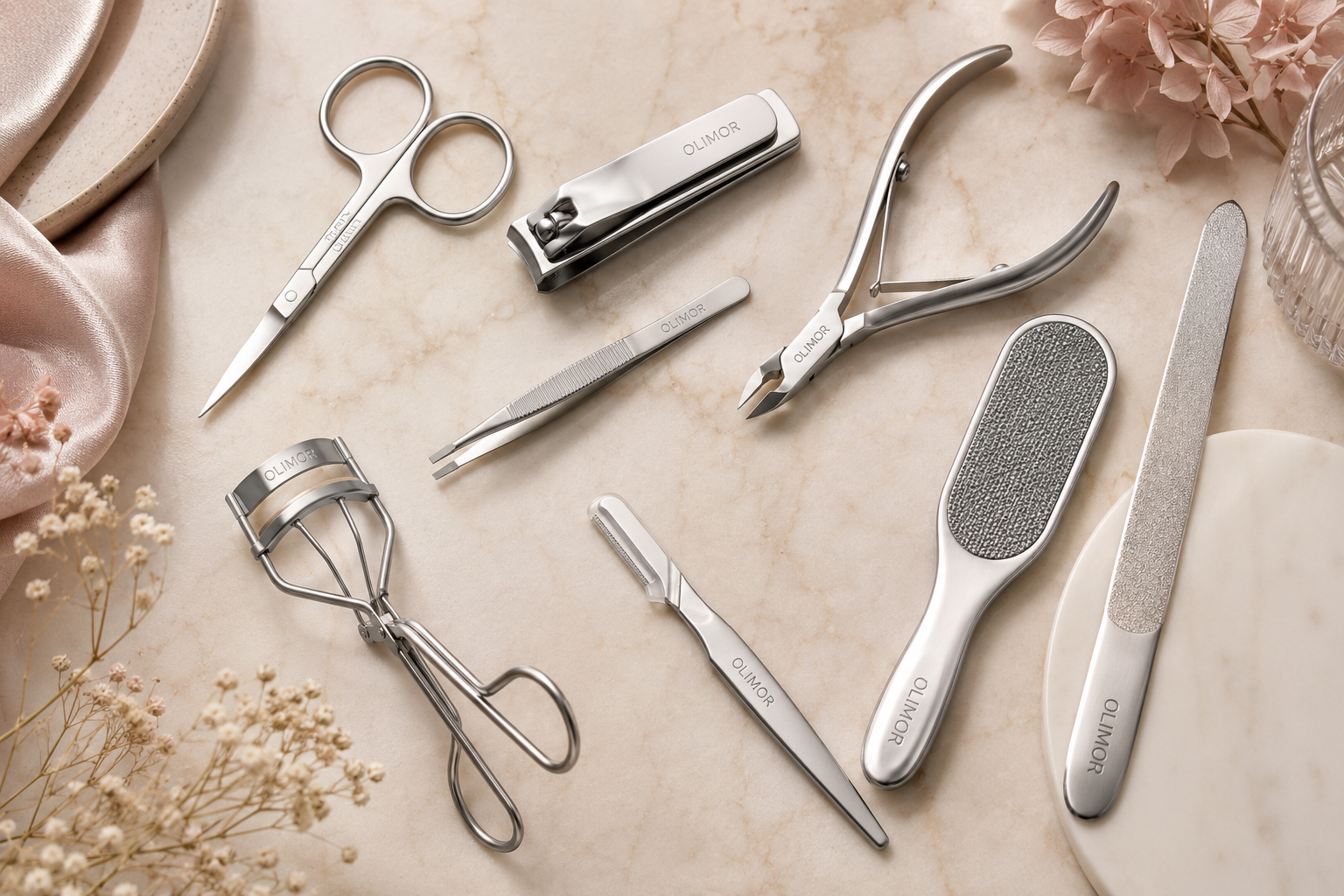
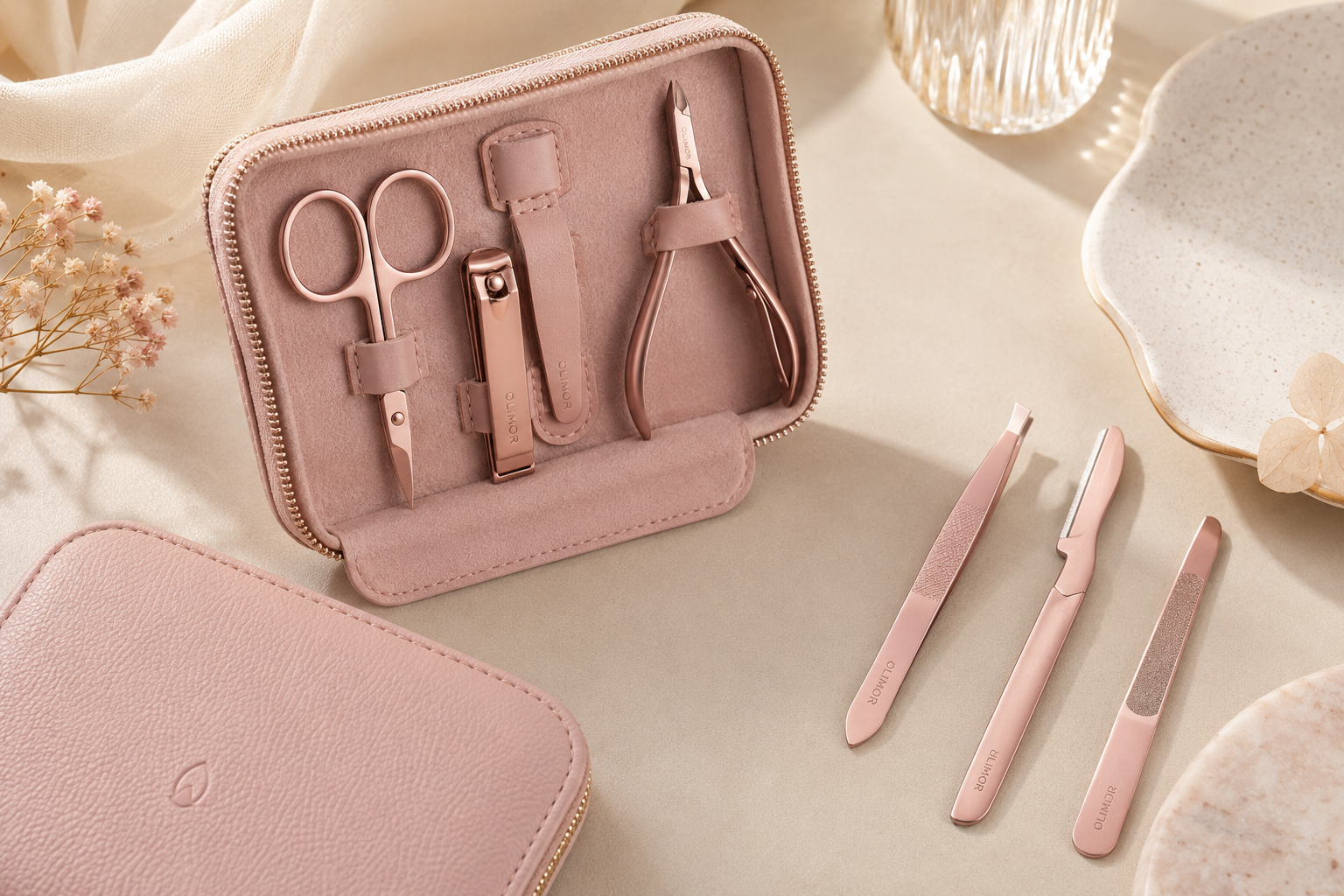
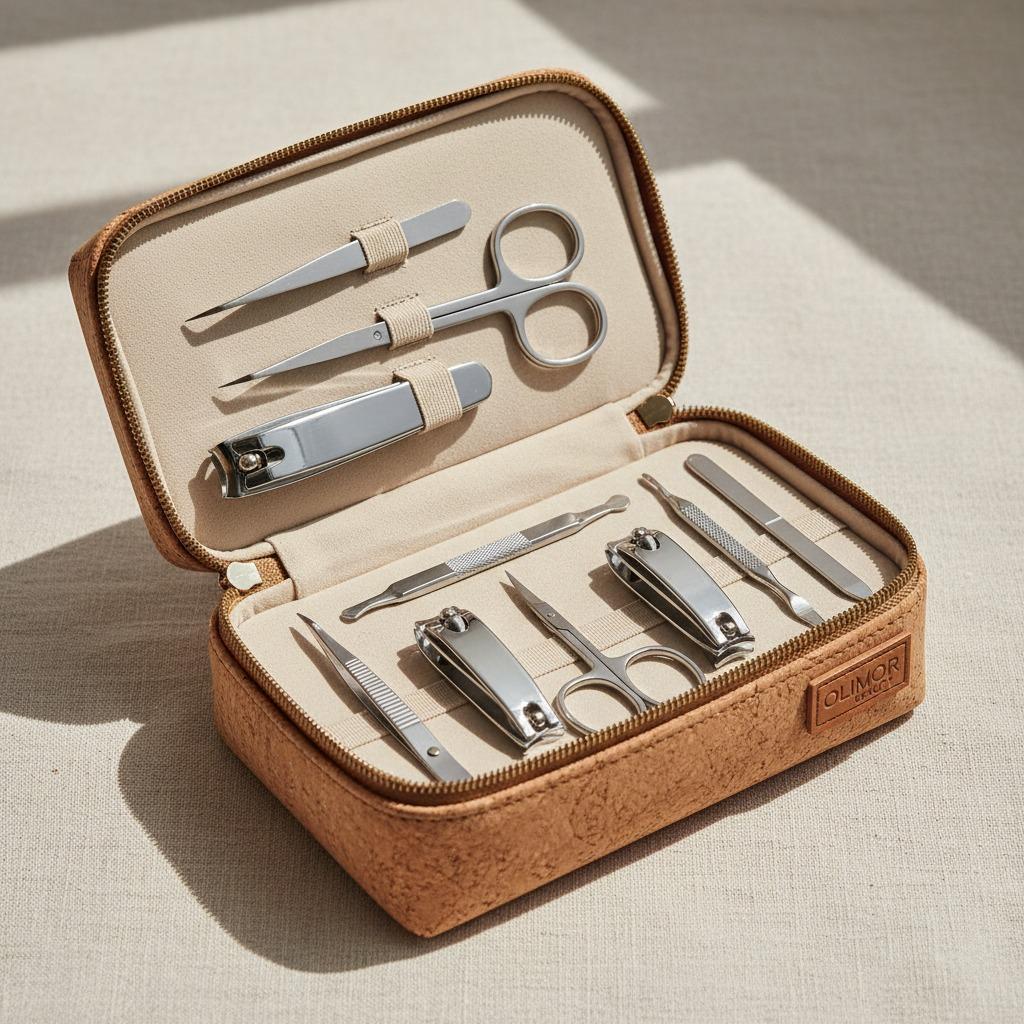
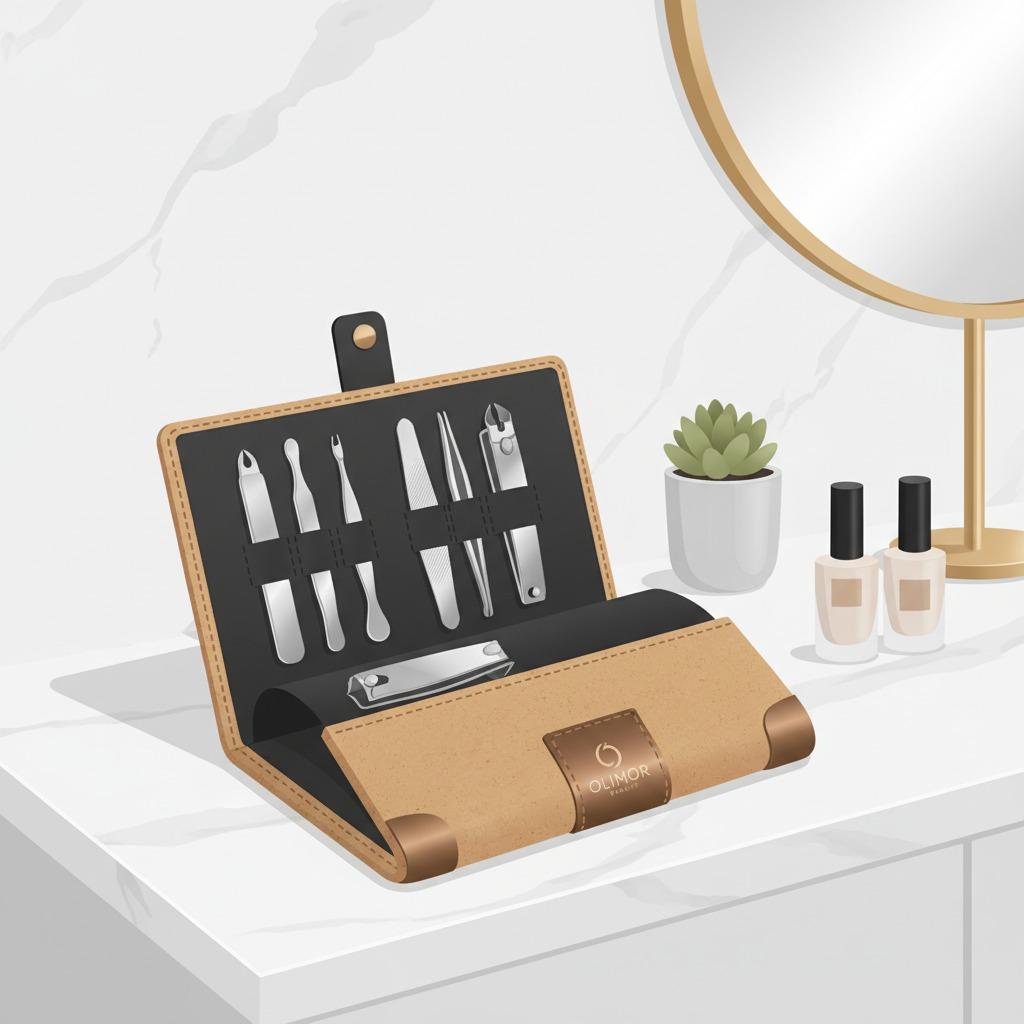
Buyers should also consider how visible tweezers are in multi-piece beauty sets. When a grooming kit includes scissors, nail tools and tweezers, the tweezer is often one of the first tools a customer tests. It is used on brows, facial hair, splinters or delicate grooming details, so precision is expected. A reliable tweezer supports the perceived value of the whole kit.
For business buyers, quality matters for several reasons:
- Brand reputation: A tweezer that grips well reflects positively on the seller, even when it is one item in a wider beauty range.
- Lower complaint risk: Better alignment and finishing reduce common customer frustrations.
- More flexible placement: A professional-looking tool can fit retail, salon, travel and amenity channels.
- Longer perceived service life: Durable stainless steel and stable tension help the product feel less disposable.
Tip Shape, Alignment and Grip: The Core Performance Factors
The tip is the working part of a tweezer, and it determines whether the tool performs with confidence. Many low-cost tweezers have stamped tips that look acceptable at a glance but do not meet evenly under pressure. The result is a tool that grabs skin, cuts hair, or fails to hold fine strands.
Professional tweezers need consistent contact at the tip. Custom-tapered and hand-filed tips, when executed carefully, can improve accuracy because the contact surface is refined after forming. The goal is not an overly sharp edge that feels harsh, but a clean meeting point that can grip short or fine hairs without excessive squeezing.
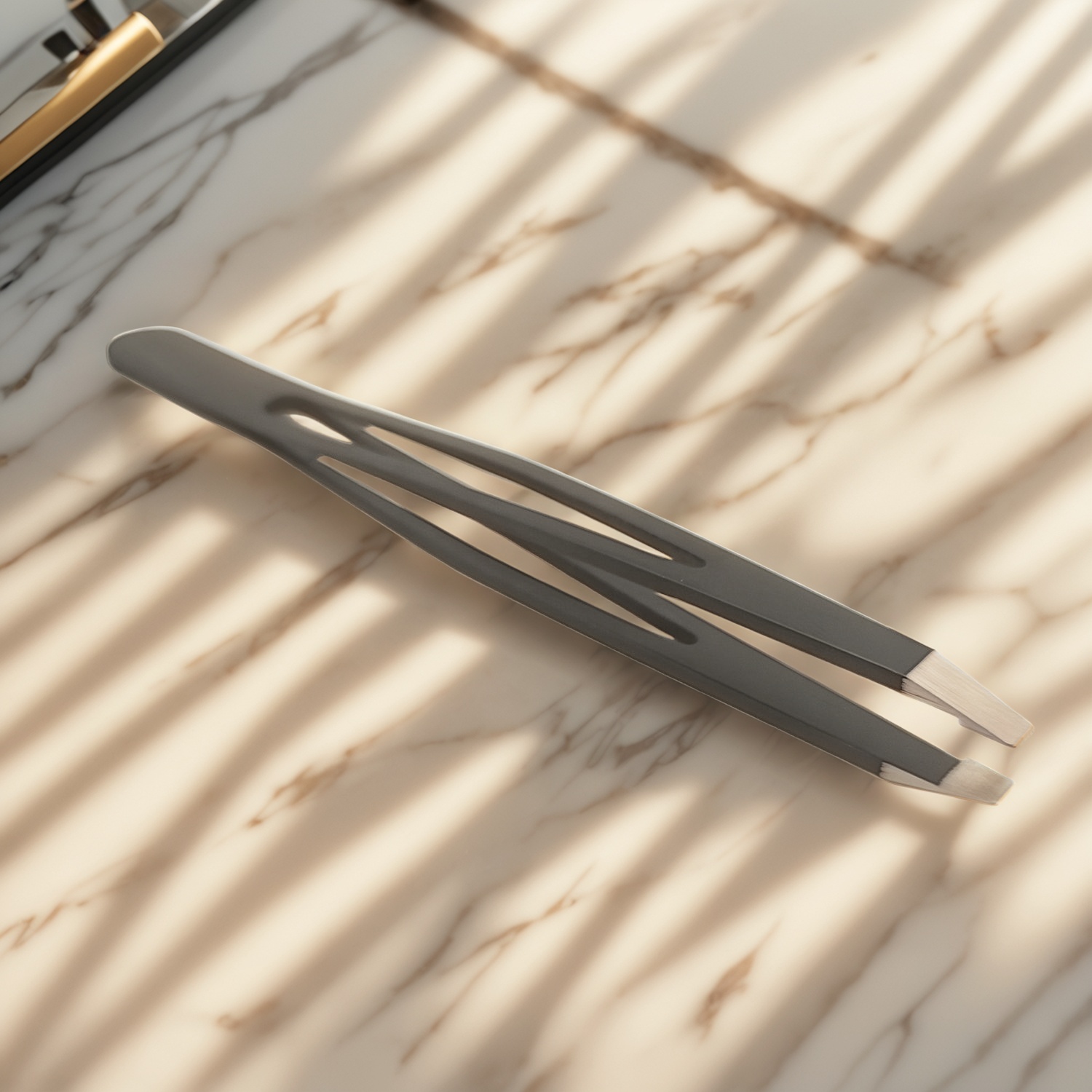
Different tip styles suit different use cases. A slant tip is widely used for brow shaping because it offers a practical balance of visibility and grip. A pointed tip is better for isolated work, such as removing a very fine hair or handling small beauty accessories, but it requires more careful use. A flat tip may be suitable for broader grip tasks, though it may not perform as well on very fine hairs. If the line includes more than one style, define the intended user clearly before choosing the assortment.
One design mentioned in Olimor Beauty product discussions is the Dual Arm Precision Tweezers. A named design like this should be evaluated by the same core criteria as any professional tweezer: controlled pressure, clean tip contact, comfortable handling and consistent finishing across the order.
Material and Finish Considerations for Bulk Tweezer Orders
Stainless steel is commonly preferred for professional grooming tools because it offers durability and a clean appearance. For wholesale buyers, the key is to assess how the material and finish support the product position. A tweezer intended for a premium brow kit may need a finer surface finish and stricter cosmetic inspection than a basic amenity tool. A salon resale item may need packaging that protects the tips during shipping and display.
Surface treatment also affects the buying decision. A polished tweezer can look clean and classic, but fingerprints and small scratches may be more visible. A matte or satin finish can reduce glare and may suit professional styling. Colored finishes can support brand identity, but buyers should evaluate coating consistency and wear resistance based on the intended channel.
The most important point is that material choice should match both performance and presentation. A tool can look attractive in a catalog photo yet fail if the arms flex unevenly or the tip finish is rough. Before scaling an order, purchasing teams should review physical samples under real handling conditions, not only visual images.
Matching Wholesale Tweezers to Different Sales Channels
Wholesale tweezers are used in more settings than salon retail. The right sourcing decision depends on where the product will be sold or distributed. A hotel amenity buyer, for example, may care about compact packaging, clean appearance and reliable basic function. A beauty brand building a brow tool range may place greater emphasis on precision tips, premium finish and private label presentation.
| Channel | Typical Priority | Buyer Checkpoint |
|---|---|---|
| Beauty retail | Appearance, grip, packaging appeal | Check tip alignment, finish consistency and shelf-ready packaging options. |
| Salon resale | Professional feel and repeat use | Test hand comfort, tension and performance on fine hairs. |
| Private label kits | Brand consistency across tools | Confirm logo, color, packaging and inspection requirements are realistic. |
| Hotel amenities | Clean presentation and practical function | Evaluate compact packing, safe tip protection and suitable finish. |
| Promotional gifts | Cost control with acceptable quality | Balance budget with minimum performance standards to protect brand image. |
Buyers comparing options can review wider beauty tool products to understand how tweezers may fit within a broader grooming program. For merchandising teams planning assortments, Olimor also provides product collections that can help frame how individual tools work together in sets.
Private Label and Packaging Questions to Resolve Early
Private label manicure tools and grooming tools can help a brand present a consistent identity, but customization should be planned before final costing. Tweezers may require logo placement, custom backing cards, sleeves, pouches, display boxes or inclusion in a multi-piece kit. Each option affects lead planning, inspection and packaging protection.
For tweezers specifically, packaging has a functional role. The tips must be protected from impact during shipping because even a small bend can affect alignment. Retail packaging should also prevent the tool from shifting inside the pack. If the tweezer is part of a kit, the insert or pouch should keep it separated from heavier items that could scratch the finish.
Useful private label planning questions include:
- Will the tweezer be sold alone, in a brow set, in a manicure kit, or as part of a travel amenity pack?
- Is the target finish polished, matte, colored, or matched to other tools in the range?
- Where should the logo appear, and does the surface shape allow clean marking?
- Does the packaging protect the tips throughout warehouse handling and international transport?
- What level of cosmetic inspection is required for the sales channel?
Clear answers reduce the risk of changing specifications late in the process. If a buyer needs help aligning tool choice, packaging and application, it is practical to contact Olimor before finalizing the order brief.
Inspection Points Before Approving a Wholesale Tweezer Order
Sample review should be hands-on. A tweezer can pass a quick visual check but still feel uncomfortable or fail to grip consistently. Test the arms by applying normal pressure several times. They should spring back evenly without feeling weak or overly stiff. Inspect the tips under good lighting to confirm that the edges meet cleanly and are not chipped, twisted or uneven.
Next, test grip on different materials that approximate real use: a fine hair, a short fiber, or a thin thread. The tweezer should hold without requiring excessive force. Buyers should also check whether the inner gripping surface feels too smooth or too rough. Too smooth may slip; too rough may cut or damage hair rather than hold it.
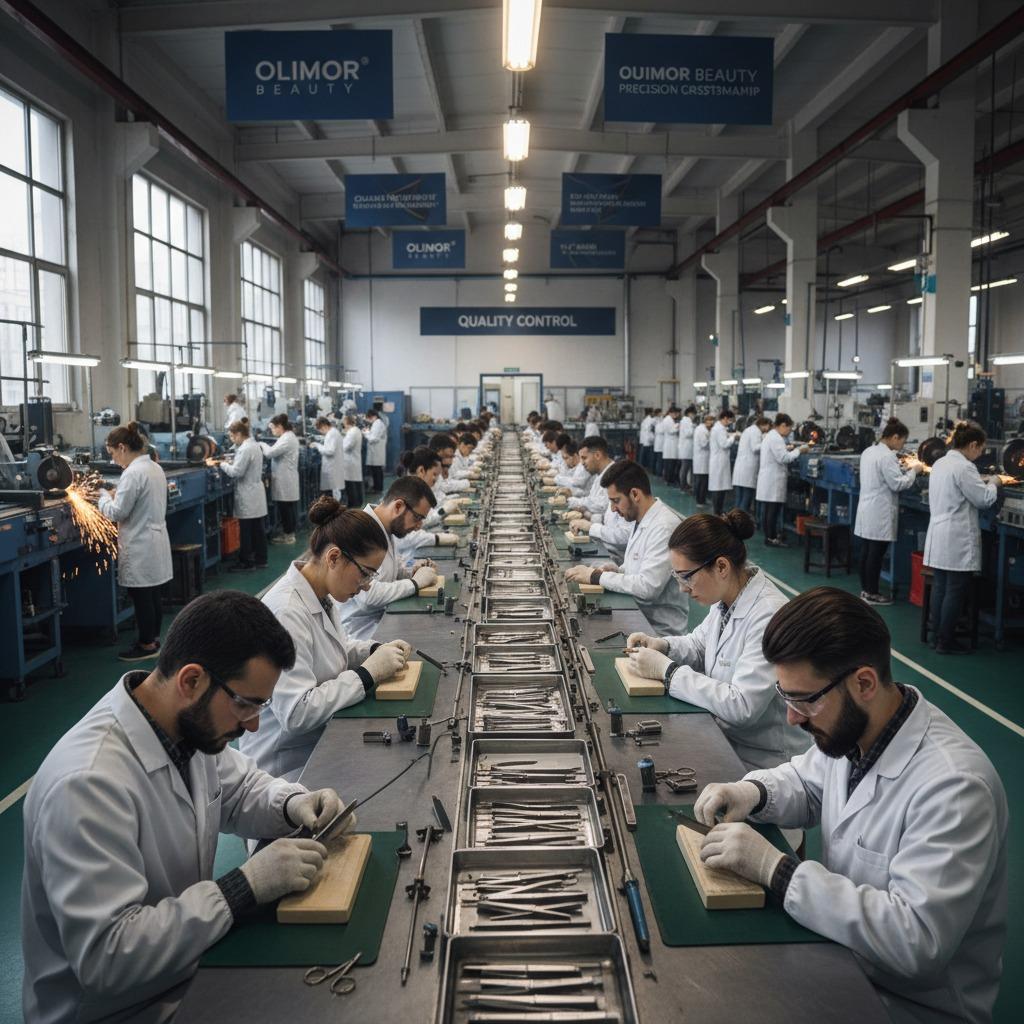
For bulk orders, inspection criteria should cover both function and appearance. Functional checks include alignment, tension and tip contact. Appearance checks include scratches, stains, finish uniformity and logo placement if applicable. Packaging checks include barcode placement, carton labeling, tip protection and whether the product arrives in saleable condition.
Choosing a Supplier for Long-Term Tweezer Sourcing
A professional beauty tools supplier should be able to discuss performance requirements, not only quote a price. For tweezers, that means understanding tip type, intended user, finishing expectations and packaging method. Olimor Beauty focuses on durable stainless steel grooming tools, ergonomic handling and internal quality control so wholesale buyers can build programs around reliable product performance.
The best sourcing decision is usually the one that balances cost, consistency and suitability for the sales channel. A basic promotional tweezer and a premium private label brow tweezer should not be judged by the same specification. Define the use case first, then compare samples, packaging and inspection expectations against that use case.
For distributors, beauty brands, salons and hospitality buyers evaluating tweezers wholesale, a focused brief will lead to a more useful quotation and better product fit. Include the target channel, preferred tip style, finish direction, packaging plan and any branding requirements. To start a project discussion or request guidance on a suitable configuration, you can send an inquiry to Olimor Beauty.