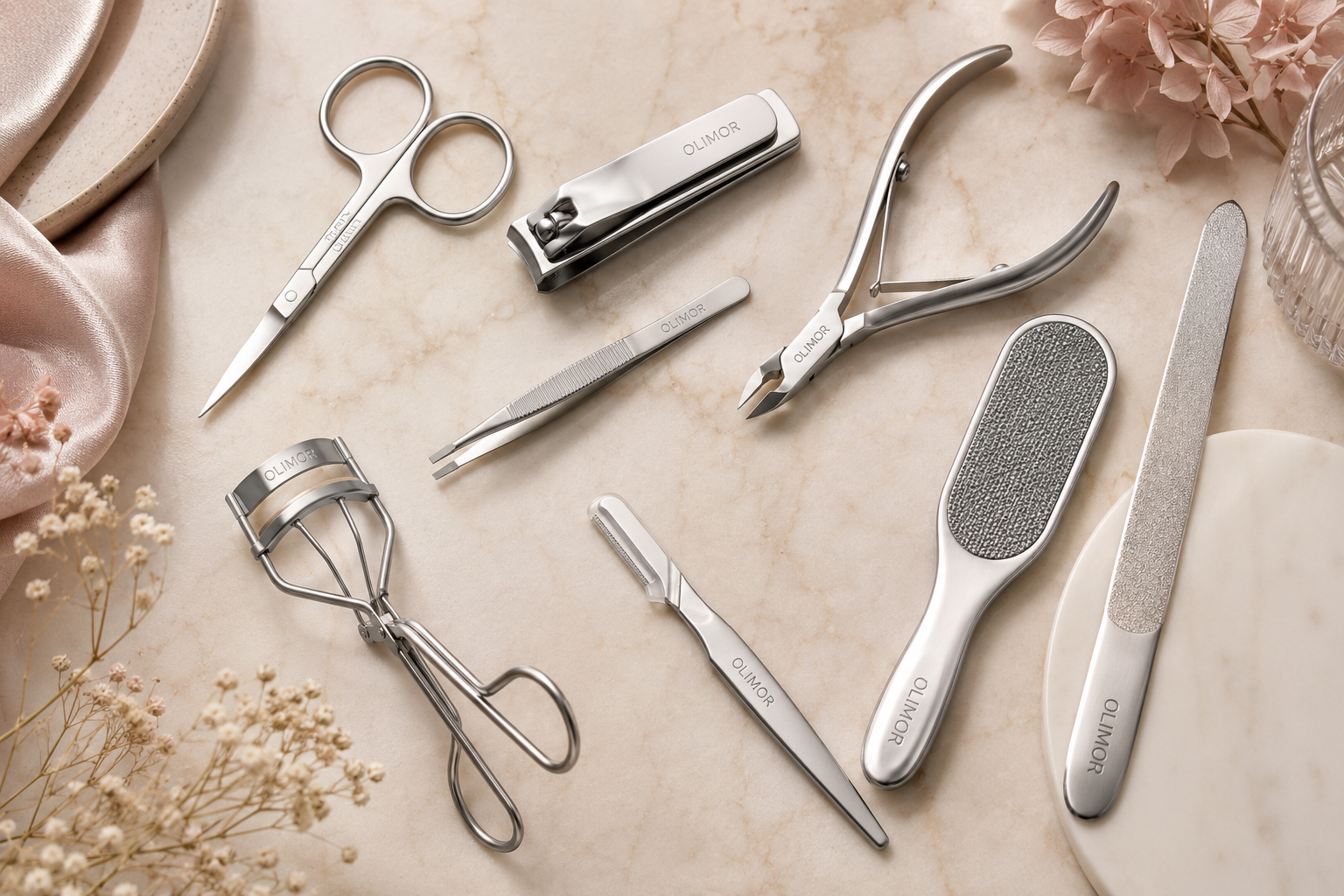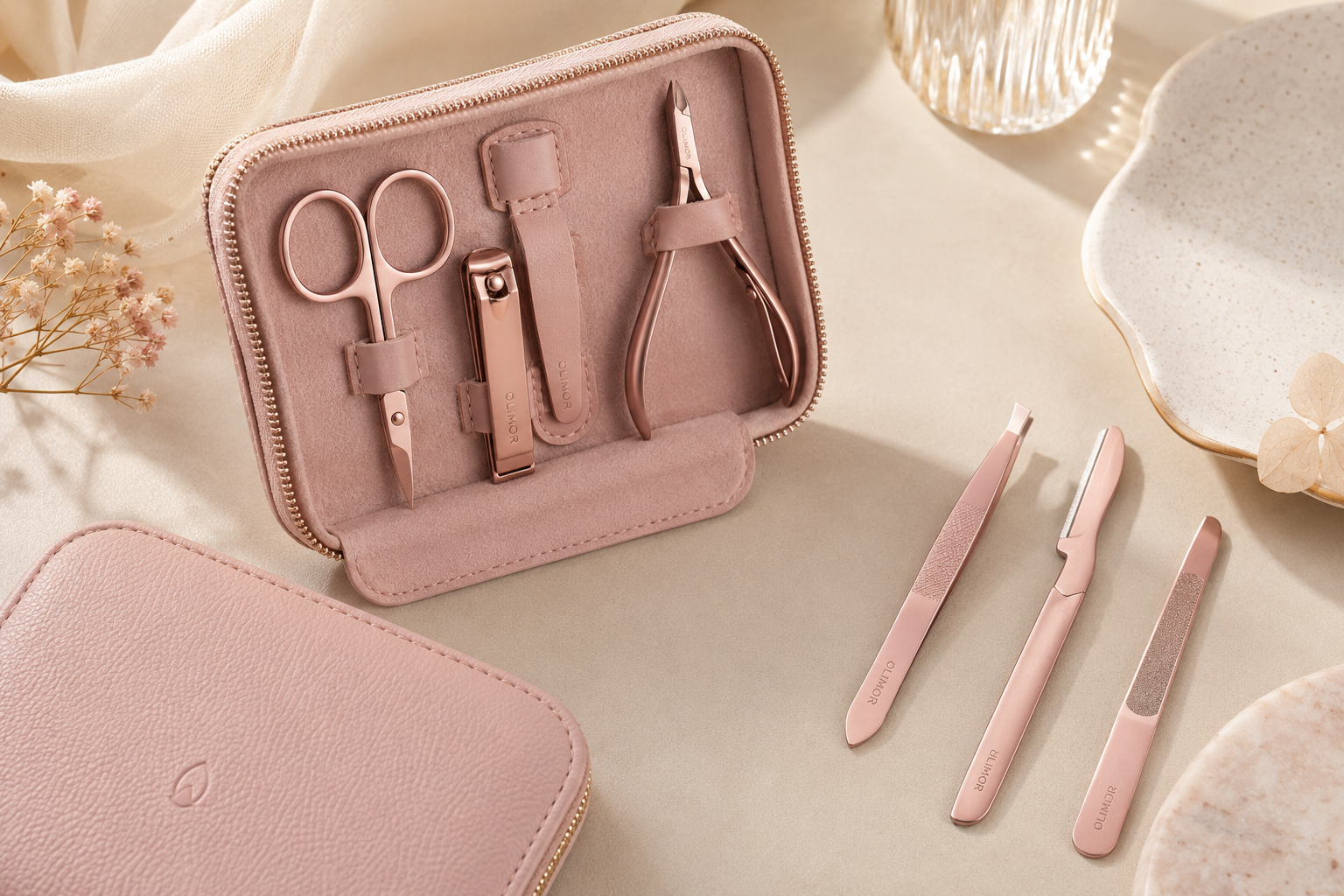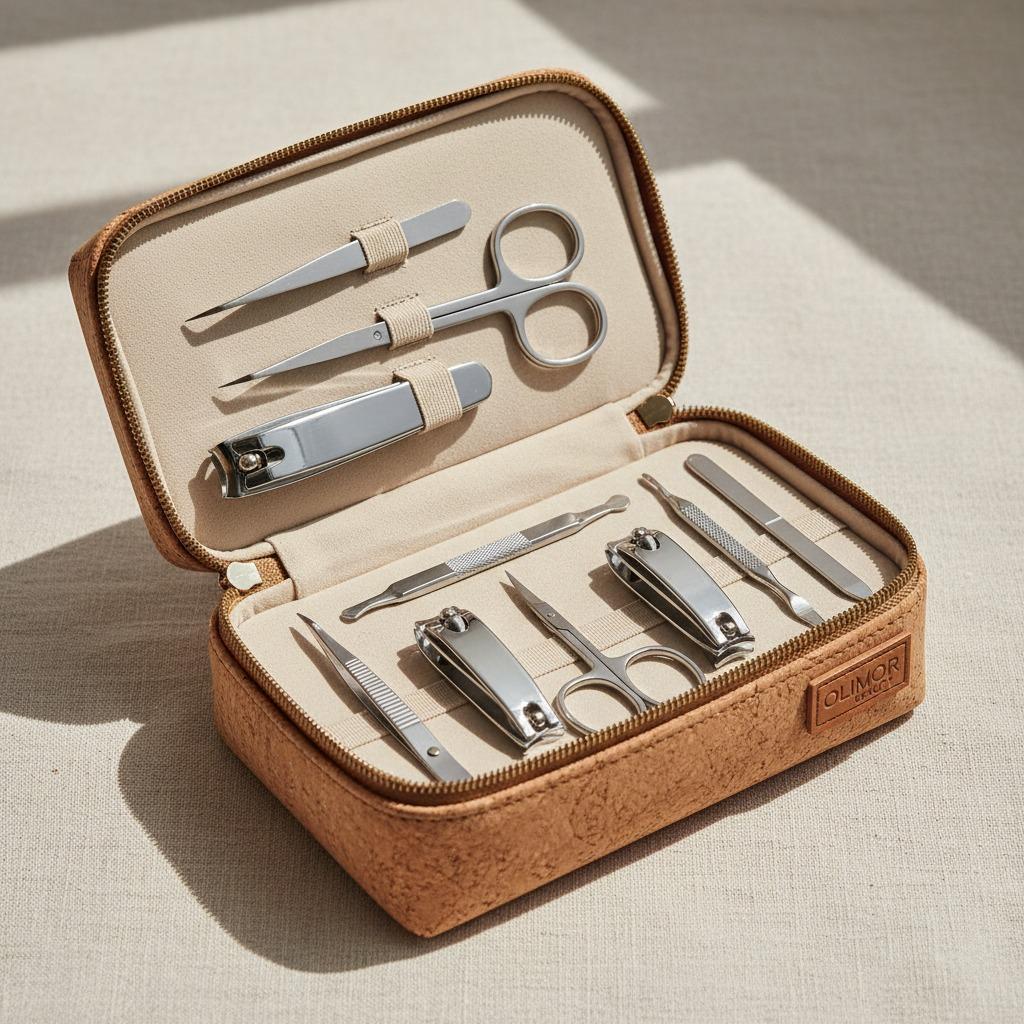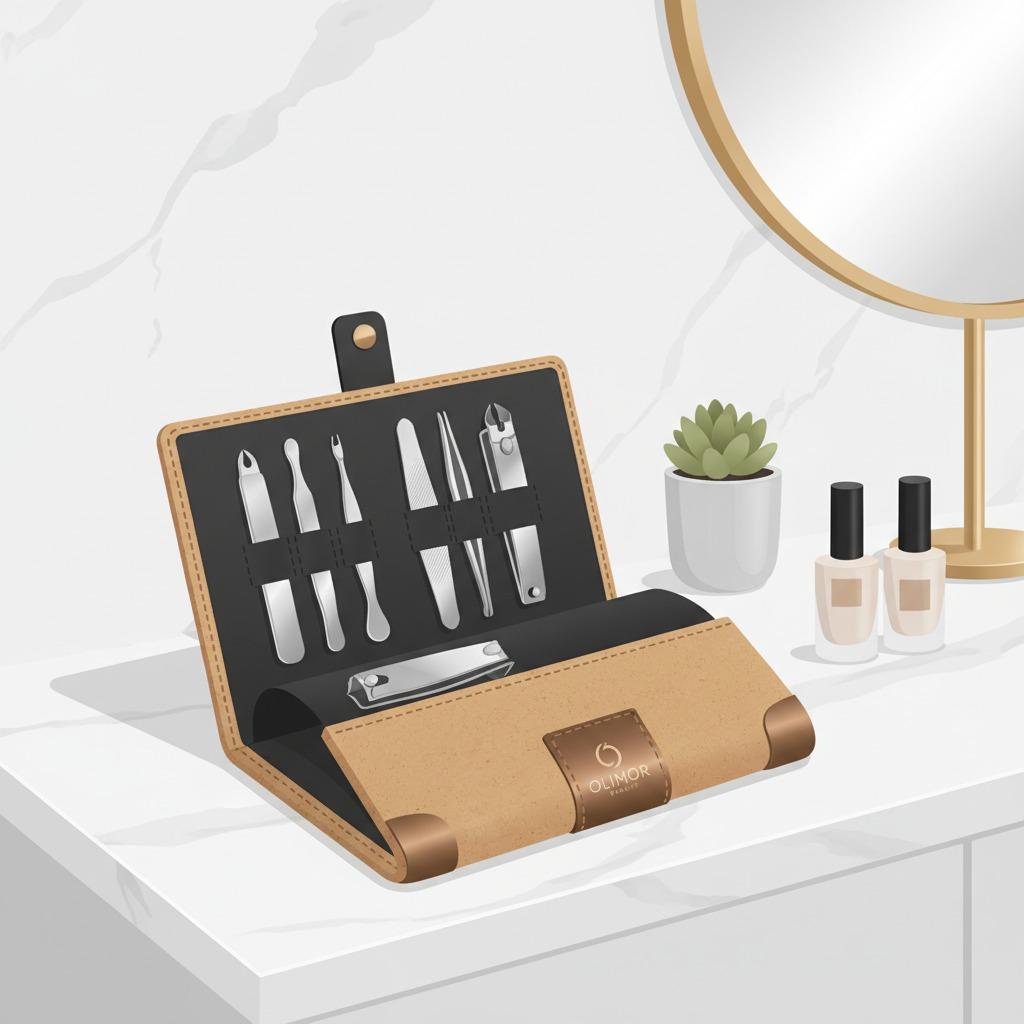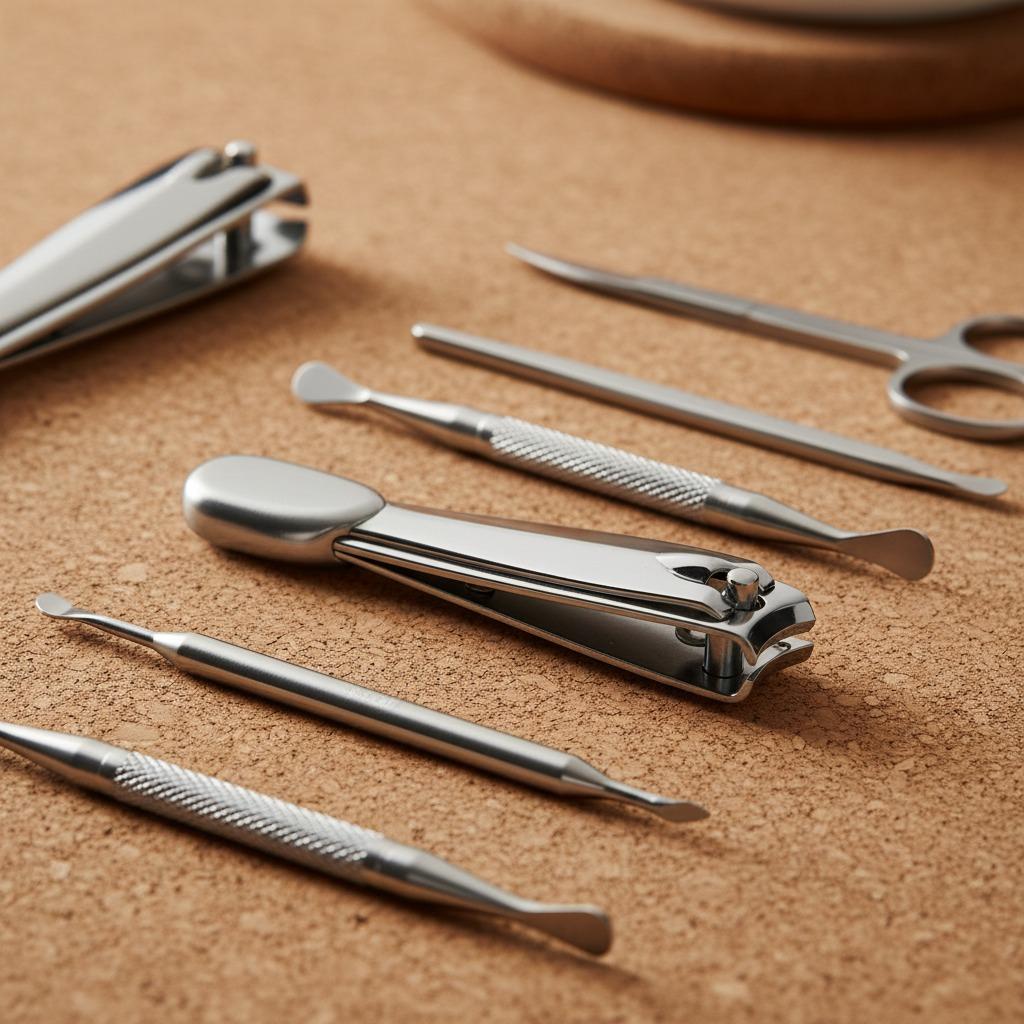











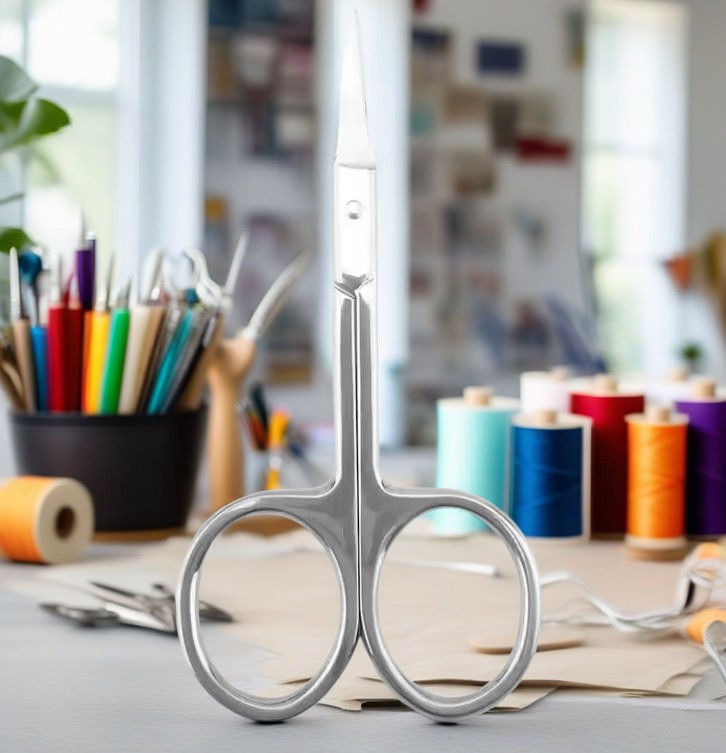
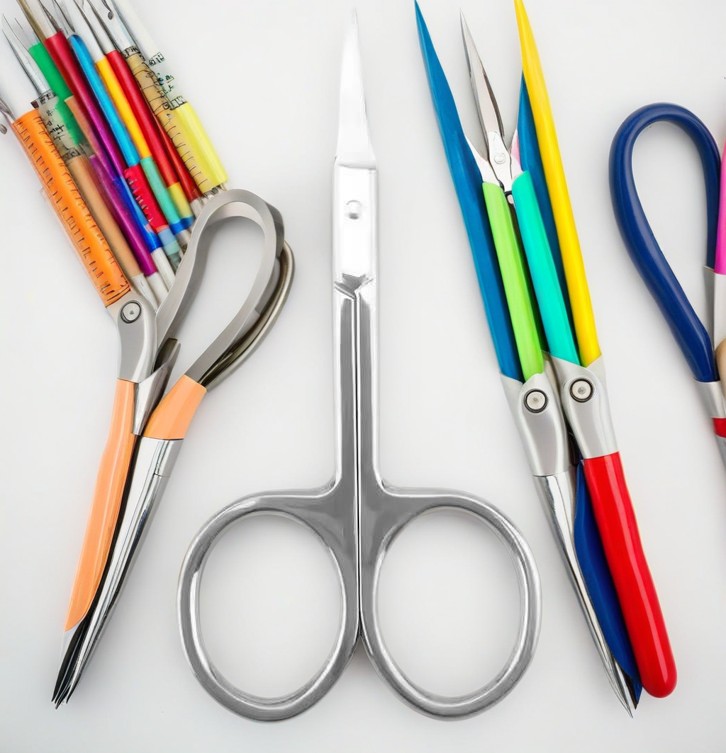
Eyebrow precision scissors are small tools with a highly visible purpose: trimming brow hairs cleanly without changing the natural shape more than intended. For salons, brow bars, beauty retailers and sourcing teams, the right scissor should combine sharp cutting, stable handling, practical hygiene and consistent presentation.
Olimor Beauty Eyebrow Precision Scissors are positioned for controlled brow grooming at home, in professional service settings or as part of a beauty tool retail range. The key product details to preserve when evaluating them are razor-sharp blades, comfortable finger loops, balanced handling and a polished stainless steel finish. This guide explains how those details affect real use, what buyers should inspect before ordering, and how to maintain the tool so it remains suitable for precise grooming near the face.
What eyebrow precision scissors are designed to do
Eyebrow scissors are not general household scissors in a smaller size. They are intended for controlled trimming of short, fine hairs close to the eye area. The main task is to snip excess length after the brows have been brushed into position, not to remove large sections of hair or reshape the brow aggressively.
A professional brow scissor is most useful for long hairs that extend above the brow line, coarse hairs that curl downward, uneven ends after brushing, and subtle maintenance between waxing, threading or tweezing appointments. Because trimming cuts hair rather than removing it from the root, it can refine a heavy brow while preserving density.
For business buyers, the commercial value is straightforward. A good eyebrow scissor supports repeatable service quality in salons, adds a practical everyday item to grooming assortments, and pairs naturally with tweezers, spoolies, lash tools and manicure tools. Buyers comparing professional beauty tools should treat brow scissors as precision instruments rather than low-involvement accessories.
Eyebrow scissors vs tweezers, razors and ordinary scissors
The best brow grooming method depends on the problem being solved. Scissors are ideal for shortening length; tweezers are for removing isolated hairs from the root; brow razors are for surface cleanup; ordinary scissors are usually too broad or awkward for fine facial work. Understanding this difference helps retailers merchandise the product correctly and helps salons avoid overcorrecting a client’s brow shape.
| Tool | Best use | Main caution | Buyer note |
|---|---|---|---|
| Eyebrow precision scissors | Trimming long or uneven brow hairs while keeping density | Over-trimming can create gaps or a blunt line | Check blade sharpness, tip control, finger-loop comfort and finish |
| Tweezers | Removing individual hairs outside the intended brow shape | Too much plucking can thin the brow quickly | Often sold or used alongside scissors for complete brow maintenance |
| Brow razor | Surface cleanup of fine hair around the brow area | Requires careful angle control and hygiene | Useful for some users, but not a substitute for trimming long hairs |
| Ordinary scissors | General cutting tasks away from the face | May be too large, blunt or hard to control near the brow | Not recommended as a professional brow grooming substitute |
This comparison also clarifies search intent for buyers: if the customer wants a neat, natural-looking brow without removing much hair, eyebrow precision scissors are usually the correct tool to present first.
Key features to inspect before selecting eyebrow precision scissors
Small grooming tools can look similar in photos, so practical inspection matters. The following criteria apply to personal shoppers, salon purchasers, distributors and private-label sourcing teams.
Blade sharpness and clean cutting
Razor-sharp blades are important because brow hair is fine and short. A dull scissor may push, bend or tug hair instead of cutting it. Clean cutting reduces the chance of uneven ends and helps the user make small corrections rather than repeated cuts in the same area.
Tip control and visibility
Precise tips help the user see exactly where the blade meets the hair. This matters around the inner brow, arch and tail, where one inaccurate cut can change the visual balance. Buyers should inspect how easily the tool can isolate a small group of hairs without blocking the user’s view.
Comfortable finger loops
Comfortable finger loops improve stability. If the loops pinch, feel slippery or force the hand into an awkward position, the user may make larger cuts than intended. For salons, comfort is especially important because brow trimming may be repeated many times during a working day.
Balanced handling
Balanced handling means the scissor feels controlled rather than top-heavy. A well-balanced tool supports small opening and closing movements, which are essential for eyebrow work. During sample review, buyers should open and close the scissors slowly and check whether the motion feels smooth and predictable.
Polished stainless steel finish
A polished stainless steel finish gives the tool a clean professional appearance and makes the surface easier to wipe after use. The finish should feel smooth to the touch, without rough edges around the loops, pivot area or tips. Do not assume a specific stainless steel grade, coating or certification unless the supplier provides documentation for the exact item.
How to use eyebrow scissors for controlled trimming
The safest trimming method is gradual. The goal is to remove excess length only after the brow has been brushed into position. Users should work in good light, avoid rushing, and check the brow from a normal viewing distance rather than relying only on a magnifying mirror.
- Start clean. Clean the brow area and wipe the scissors before use. Heavy makeup, oil or skincare residue can make hair clump and affect judgment.
- Brush the brow upward. Use a spoolie or brow brush to lift hairs. This reveals the longest hairs without changing the natural base shape.
- Trim only obvious excess length. Snip the tips that extend above the desired brow line. Use several small cuts instead of one long horizontal cut.
- Step back and check. Look at both brows from a normal distance. Brows do not need to be identical, but they should appear balanced.
- Brush in the natural direction. Comb the hairs sideways and slightly downward, then trim only any uneven ends that still stand out.
- Stop early. If the brow begins to look thinner, stop. It is better to leave a little length than to create a visible gap.
The inner brow and tail need extra restraint. The inner section often has longer hairs that create fullness, while the tail is usually finer and easier to over-trim. A sharp, controlled scissor supports accuracy, but technique determines the final result.
Cleaning, hygiene and maintenance for salon and retail use
Any tool used near the eye area should be kept clean and stored carefully. Stainless steel is practical because it can be wiped, but the user still needs a routine. After each use, remove loose hair, wipe the blades, dry the tool and store it away from moisture and impact.
In a professional setting, cleaning procedures should match local salon rules and the disinfectant products approved for the business. Public health bodies such as the CDC provide general hygiene guidance, and workplace or salon regulators may set local requirements. Always verify current versions of applicable rules and follow the instructions on disinfectant labels. Do not assume that a beauty tool has a particular regulatory approval or certification unless the supplier provides current, item-specific documents.
Maintenance also includes protecting the cutting edge. Avoid dropping the scissors, forcing the blades through materials other than brow hair, or storing them loose with heavier tools. If the scissors begin to pull hair, feel misaligned or show tip damage, remove them from facial use until they are inspected. For retail products, packaging should protect the tips during shipping, storage and display.
Cost factors and sourcing considerations for B2B buyers
Eyebrow scissors are often purchased as part of a broader grooming line, so sourcing teams need to evaluate more than unit appearance. Cost can be influenced by the finish, packaging format, order quantity, customization requirements, inspection expectations and shipping method. Specific pricing, minimum order quantity and lead time should always be confirmed for the active inquiry rather than assumed from a general product page.
When evaluating a supplier, request product details that match the sales channel. A salon supplier may prioritize tool feel and cleaning practicality. A retailer may focus on shelf presentation, consumer instructions and packaging protection. A distributor may need consistency across repeated shipments. A private-label buyer may need to confirm what customization is available before planning artwork or promotional claims.
For broader assortment planning, review related beauty tool collections to see how eyebrow scissors fit with tweezers, lash tools, manicure accessories and facial grooming items. A consistent finish and packaging direction can make the assortment easier to merchandise.
Sample inspection checklist before placing an order
A sample should be inspected the way the final user will handle it. Do not judge only by polished appearance. Open, close, wipe, hold and test the tool’s control using appropriate non-client sample material before approving it for professional or retail use.
| Inspection point | What to check | Why it matters |
|---|---|---|
| Blade closure | Blades should meet evenly from base toward tip | Uneven closure can reduce cutting precision |
| Cutting feel | Action should feel clean, not rough or sticky | Smooth movement supports controlled trimming |
| Tips | Tips should be aligned and protected | Tip damage affects detail work and safety |
| Finger loops | Loops should feel comfortable for the target user | Poor comfort can cause unstable handling |
| Finish | Polished stainless steel should feel smooth and easy to wipe | Surface quality affects appearance and maintenance |
| Packaging | Packaging should protect the tool during shipment and storage | Damaged tips can create returns or service problems |
| Documentation | Claims, materials and customization details should be confirmed in writing | Prevents unsupported marketing or compliance claims |
If your business requires a formal quality management document, inspection report, packaging specification or compliance statement, ask the supplier directly. Standards such as ISO 9001 may be relevant to supplier quality systems when claimed, but buyers should verify current certificates and scope rather than assuming coverage for a specific product.
How retailers and salons can present eyebrow scissors clearly
Eyebrow scissors sell best when customers understand that they solve a specific problem: excess brow length. Product descriptions should explain that the scissors refine long hairs after brushing, while tweezers or other tools address different grooming needs. This reduces misuse and helps customers choose the right item.
For salons, staff can present the scissors as a finishing tool used after brow shaping or as a maintenance recommendation for clients with fast-growing or unruly brow hairs. For retailers, the product can be grouped with brow brushes, tweezers and mirrors to create a complete brow-care section. Clear care instructions on packaging or product pages are useful because customers often underestimate the importance of cleaning and storage.
Commercial descriptions should stay accurate. It is reasonable to describe the Olimor Beauty Eyebrow Precision Scissors as featuring sharp blades, comfortable finger loops, balanced handling and a polished stainless steel finish. Avoid adding unsupported claims about medical use, laboratory performance, certifications, specific steel grade or guaranteed service life unless those claims are supported by current supplier documents.
When to contact a supplier
Contact the supplier when product fit, packaging, customization or order planning affects your buying decision. For example, a salon chain may want to confirm handling consistency before adding the tool to service kits. A retailer may need packaging options that suit display requirements. A distributor may need to align the item with an existing brow or manicure assortment.
Olimor can be approached for product selection questions through the contact page, or you can send a sourcing inquiry with your target channel, packaging needs and any documentation requests. Keep the inquiry specific so the response can address the exact product and use case.
FAQ
Can I request samples before placing a wholesale order?
Sample availability should be confirmed directly with Olimor for the current product and destination. When reviewing a sample, check cutting feel, finger-loop comfort, finish quality, tip protection and packaging suitability.
Is there a fixed MOQ for eyebrow precision scissors?
MOQ can depend on the order type, packaging, customization and current production arrangement. Confirm the applicable requirement through a direct inquiry instead of relying on assumptions.
Can the scissors be customized for retail or private-label projects?
Customization may depend on the project scope, packaging needs and supplier confirmation. Buyers should request written details before preparing artwork, claims or launch materials.
How should quality be checked before shipment?
Quality checks should include blade closure, cutting action, tip alignment, surface finish, finger-loop comfort, packaging protection and consistency across the approved sample and order. Ask for any available inspection process details relevant to your order.
What lead time should buyers expect?
Lead time varies by order quantity, customization, packaging and production schedule. Confirm the current timeline when submitting your inquiry and build in time for sample approval if required.
A practical precision tool for brows, salons and retail ranges
Professional eyebrow precision scissors are valuable because they make a delicate grooming task more controlled. The most important buying criteria are not decorative: sharp blades, precise tips, comfortable finger loops, balanced handling, a polished stainless steel finish and sensible packaging all influence the user experience.
For personal grooming, the scissors help maintain neat brows between appointments. For salons, they support careful finishing work. For retailers and distributors, they offer a focused beauty tool that fits naturally into brow, lash and manicure assortments. The best sourcing decision comes from combining product features with sample inspection, accurate claims, practical hygiene routines and direct supplier confirmation.