










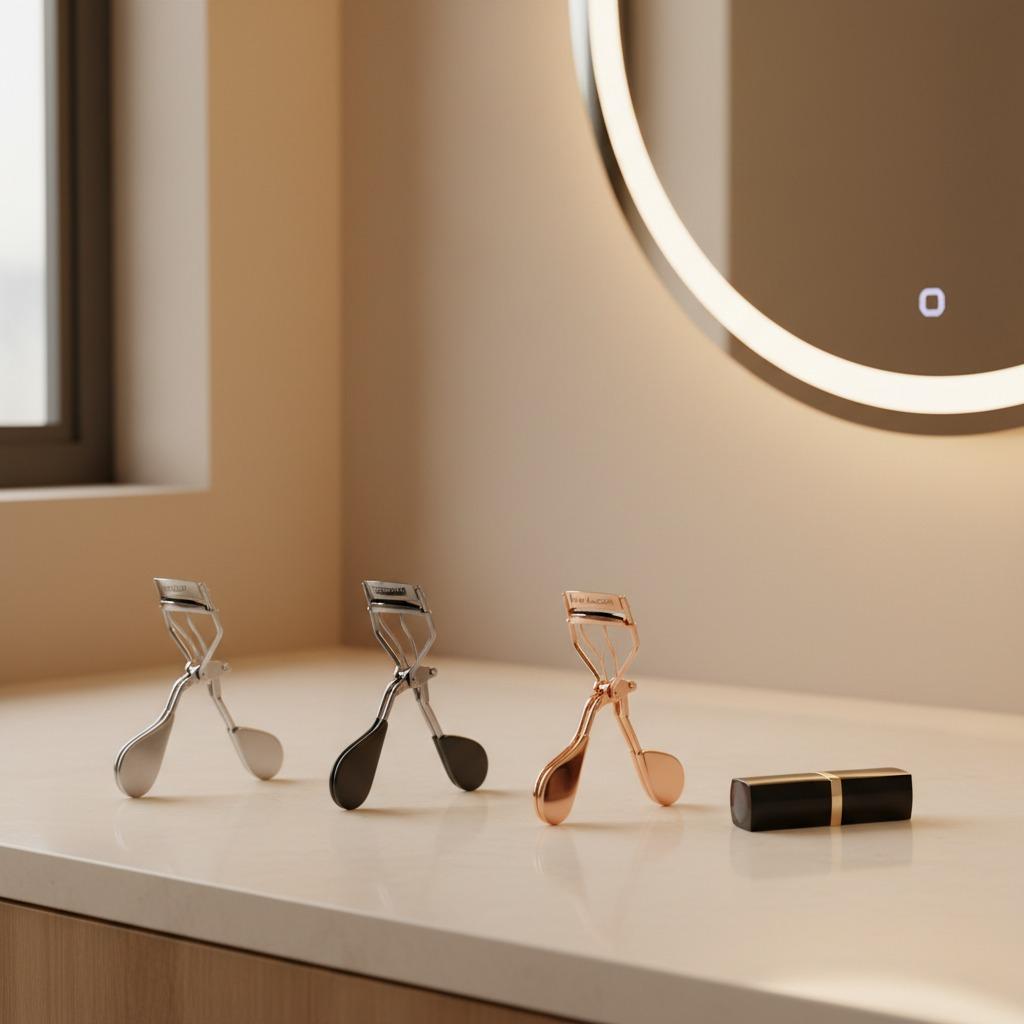
Eyelash curler pad density affects how a curler lifts lashes, how comfortable it feels near the eyelid and how confidently customers continue using the tool. For beauty brands, wholesalers, salon suppliers and retailers, the pad should not be treated as a minor accessory. It is the contact point between the metal frame and the lashes, so its firmness, elasticity, fit and surface condition directly influence user experience.
The best pad is not simply the hardest, softest or thickest option. A useful eyelash curler pad compresses smoothly, rebounds after pressure, fits securely in the frame channel and supports a rounded curl without forcing the user to squeeze aggressively. Buyers should evaluate pad density together with frame alignment, curve, handle control, replacement pad availability and packaging protection.
This guide explains what pad density means in practical sourcing terms, how it affects curl shape and comfort, how to inspect samples, when pads should be replaced and what B2B buyers should ask suppliers before placing an order.
What Eyelash Curler Pad Density Means
Pad density describes how much resistance the pad gives when the eyelash curler is closed. In daily use, it is experienced as firmness, cushioning and rebound. A dense, elastic pad compresses under pressure but does not collapse flat. It spreads force across the pad length and helps bend lashes into a smoother curve.
Density should be considered together with pad material behavior, shape and fit. Many eyelash curler pads are made with silicone-like flexible materials, but the buying decision should be based on the actual sample, not a material name alone. A pad may feel soft at first touch but still fail to rebound well after repeated closing. Another pad may feel firm but still provide comfort if it has the right rounded surface and elastic recovery.
The pad must also match the groove of the curler frame. If it is too loose, it may shift during use. If it is too tight or poorly shaped, it may sit unevenly and affect the pressure line. Buyers comparing beauty tool products should review the pad as part of the complete eyelash curler assembly rather than as a separate component.
How Pad Density Changes Curl Shape
When a user closes an eyelash curler, the upper bar presses lashes against the pad. The pad determines how gradually that pressure is applied. A balanced, elastic pad helps create a rounded lift from the lash base. This is especially important for customers who want an open-eye effect without a visible crimp.
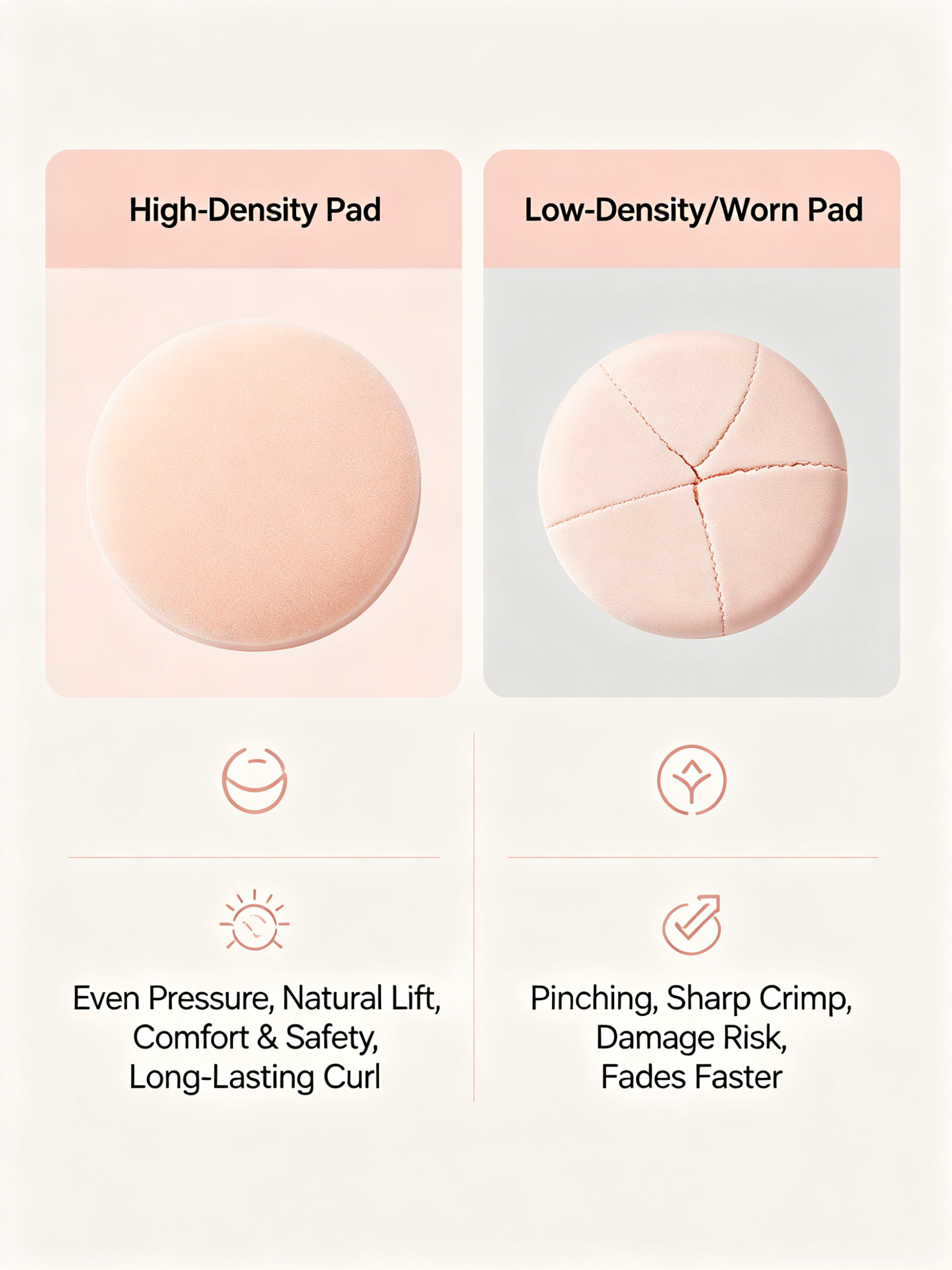
A pad that is too hard, too thin or permanently flattened can concentrate pressure into a narrow line. That may bend lashes sharply in one place instead of shaping them through a soft arc. The result can look harsh, especially after mascara is applied. It may also make the user squeeze more carefully than necessary because the tool feels less forgiving.
A pad that is too soft can create a different problem. It may absorb pressure without lifting the lashes enough, causing users to squeeze harder or repeat the action several times. Repeated pressure can reduce control and may increase the chance of catching skin or stressing lashes. For buyers, the target is not maximum softness or maximum firmness; it is controlled compression and reliable rebound.
Comfort, Pinching and Lash Protection
Comfort is one of the main reasons customers keep using an eyelash curler. Many negative experiences are blamed on the frame, but the pad often plays a role. A hardened, sticky, cracked or compressed pad can make the curler feel sharp near the eyelid. It can also allow the upper bar to sit too close to the pad base, increasing the risk of harsh pressure on lashes.
A comfortable pad should give the user a sense of control. It should cushion the squeeze, release smoothly and reduce the feeling of metal pressing too close to the lash line. This matters for users with fine lashes, sparse lashes, short lashes or sensitive eyelids. It also matters for professional makeup artists and salons because one curler may be used across different eye shapes and lash textures.
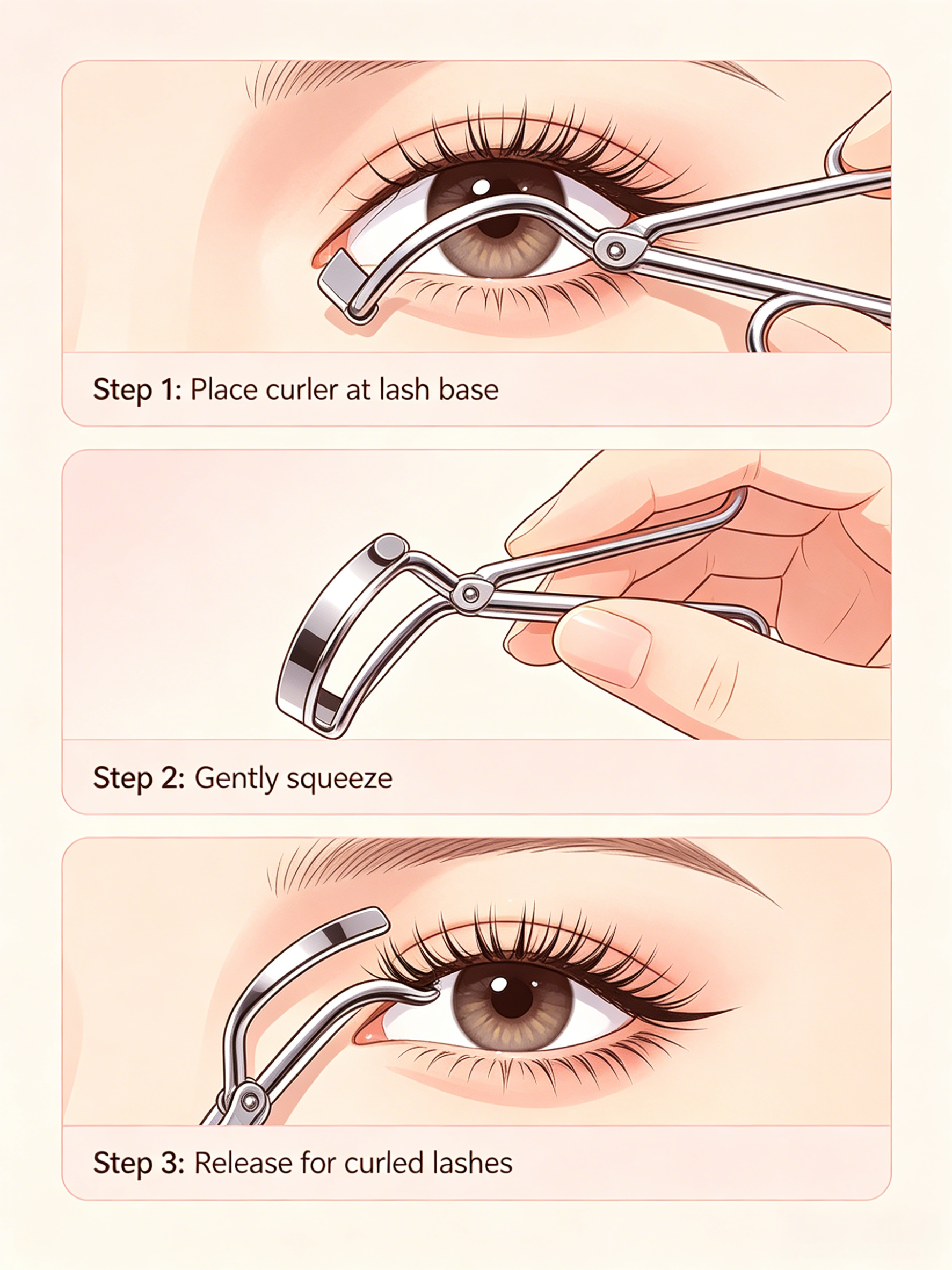
Good pad density does not replace safe technique. Users should curl clean, dry lashes before applying mascara. The curler should be positioned close to the lash base without catching skin, squeezed gently, held briefly and released smoothly. Aggressive pumping is unnecessary and can increase stress on lashes even when the pad is in good condition.
High-Density, Low-Density and Worn Pads Compared
The table below gives buyers and product teams a practical way to compare pad behavior during sample evaluation. The terms are functional rather than absolute because actual performance depends on the full curler design.
| Evaluation Point | Balanced Elastic Pad | Overly Soft Pad | Hard, Low-Rebound or Worn Pad |
|---|---|---|---|
| Curl shape | Supports a smooth, rounded lift | May give weak lift unless squeezed harder | May create a sharp crimp or uneven bend |
| Pressure control | Compresses gradually and predictably | Can collapse too easily | Can concentrate pressure in a narrow line |
| User comfort | Feels cushioned and controlled | May feel unstable or require repeated squeezing | May feel hard, sticky or pinching |
| Rebound | Returns close to original rounded shape after use | May deform during squeezing | May retain dents, grooves or flat areas |
| Replacement signal | Replace when visible wear appears | Replace if it no longer lifts effectively | Replace immediately if cracked, hardened, sticky or grooved |
Sample Inspection Checklist for B2B Buyers
Specifications are helpful, but pad quality is best evaluated through hands-on sampling. Beauty brands, distributors and retailers should use the same checklist across all samples so decisions are consistent. If a product is being considered for a private label range, salon kit or retail display, inspect several units rather than relying on one sample.
- Compression feel: Close the curler slowly and check whether the pad compresses smoothly rather than collapsing suddenly.
- Rebound: Release the curler and confirm that the pad returns to a rounded shape without a visible dent.
- Surface finish: Look for cracks, bubbles, rough edges, sticky residue, discoloration or uneven texture.
- Fit in the channel: The pad should sit securely in the groove and should not slide out during normal opening and closing.
- Frame alignment: The upper bar should meet the pad evenly across the full width, not only in the center or at one side.
- Edge condition: Check that the surrounding metal parts do not present sharp burrs or rough contact points near the pad.
- Replacement compatibility: Confirm whether replacement pads match the same frame shape and can be installed easily by end users.
- Packaging protection: Make sure the pad is not crushed, bent or deformed before the product reaches the customer.
- Cleaning practicality: The surface should be easy to wipe after use and should not trap visible residue in hard-to-clean areas.
These checks help identify problems before bulk purchasing. They also support better after-sale outcomes because many complaints about crimping, pinching or poor curl can be traced to pad wear, poor fit or uneven alignment.
How Pad Density Affects Product Selection and Cost Factors
Pad density is one part of the total eyelash curler value. A buyer should not evaluate it in isolation from the frame, hinge, handle shape, finish, spare pad plan and packaging. A well-balanced pad in a poorly aligned frame may still perform poorly. Likewise, a polished frame with a low-rebound pad may disappoint users after a short period of use.
Cost can be influenced by the choice of pad material, replacement pad inclusion, packaging method, finishing requirements and quality control expectations. However, buyers should avoid making decisions only on unit price. A cheaper pad that deforms quickly can lead to returns, negative reviews or reduced repeat orders. A more suitable pad may improve perceived quality because customers feel the difference immediately when they squeeze the tool.
For retail programs, consider whether the product should include spare pads. For salon supply, ask how replacement pads are packed and identified. For promotional sets, check whether packaging pressure could flatten the pad before sale. For private label projects, review whether the pad color, shape or presentation can be customized without compromising fit and performance. Buyers can browse Olimor product collections to compare beauty tool categories and prepare a clearer sourcing brief.
Cleaning, Maintenance and Replacement Guidance
Even a well-made pad is a consumable part. Makeup residue, skin oils, repeated pressure and storage conditions can change the pad surface over time. A pad should be replaced when it becomes flat, cracked, hard, sticky, visibly grooved or uncomfortable during use. If a curler suddenly begins to pinch or produces an angular curl, the pad is one of the first parts to inspect.
Daily users usually need more frequent replacement than occasional users, but the correct interval depends on use, cleaning habits and storage. It is better to provide condition-based replacement guidance than to promise a fixed service life. Clear care instructions on packaging or product pages can reduce misuse and help customers understand that pad replacement is normal tool maintenance.
Recommended user care steps
- Curl clean, dry lashes before mascara to reduce sticking and residue buildup.
- Open the curler fully before cleaning so the pad and upper bar are visible.
- Wipe the pad with a soft cloth or cotton pad after use.
- Use a gentle cosmetic tool cleaning method suitable for the pad and frame; avoid soaking the hinge.
- Dry the curler completely before storage.
- Store the tool where the pad will not be crushed by heavier items.
- Stop using the pad when cracks, flattening, grooves, hardness or stickiness appear.
Supplier Evaluation Questions for Eyelash Curler Pads
A supplier discussion should cover more than appearance. B2B buyers need to understand how the pad is matched to the frame, how samples are checked and how replacement pads are handled. Ask for current product documents and sample units before confirming a bulk order. Where consumer product safety obligations apply, buyers should also verify current requirements from relevant public bodies, such as the U.S. Consumer Product Safety Commission or the EU General Product Safety Regulation. Requirements can change, so always confirm the current versions and supplier documents for the target market.
Useful supplier questions include:
- What pad material and surface finish are used for this eyelash curler model?
- How is the pad fit checked against the frame channel during production inspection?
- Are replacement pads available for the same frame, and how are they packed?
- Can samples be tested for compression feel, rebound, alignment and packaging protection before order confirmation?
- What customization options are available for color, finish, packaging or product sets without changing the pad fit?
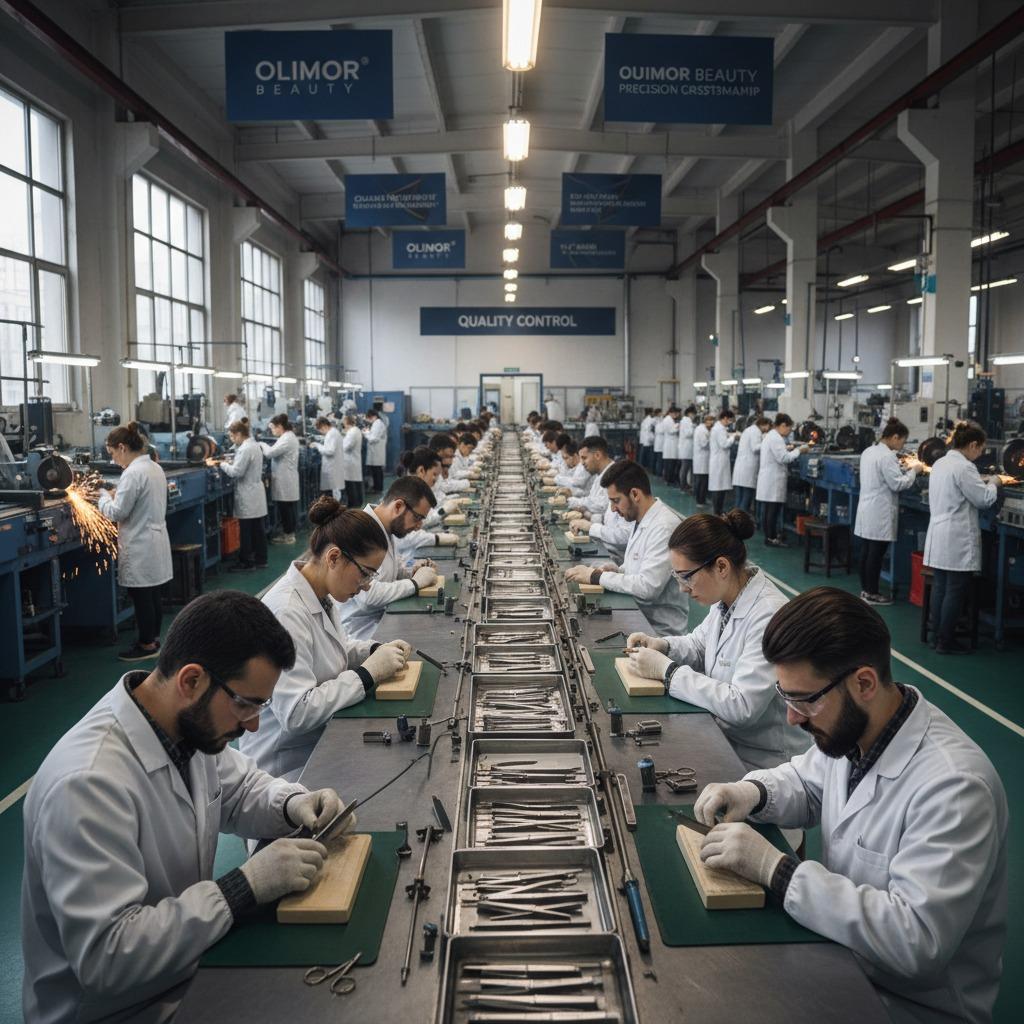
- What inspection steps are used to check surface defects, loose pads, frame alignment and hinge movement?
- Which documents can be provided for the product and target market, and are they current?
For buyers preparing a sourcing project, a clear inquiry should include the target sales channel, expected customer group, packaging preference, replacement pad needs and any customization requirements. Olimor can review product selection questions through the inquiry form.
Choosing the Right Pad Feel for Different Customers
Different customer groups may prefer different pad behavior. Beginners often benefit from a forgiving, cushioned pad because they may be cautious near the eyelid. Makeup artists may prioritize predictable rebound, easy cleaning and consistent performance across eye shapes. Retail customers with straight lashes may look for a stronger lift, while users with delicate lashes may focus on comfort and smooth release.
Frame curve and opening width remain important. A pad with good density cannot fully compensate for a frame that does not suit the user’s eye shape. Handle control also matters because the user must be able to apply pressure gradually. For this reason, product teams should evaluate the eyelash curler as a complete tool: frame curve, pad density, hinge smoothness, grip comfort, finish, replacement plan and packaging.
When comparing samples, ask several evaluators to check the same points. One person may focus on comfort, while another may notice alignment or cleaning issues. Consistent notes make it easier to choose the best option for the intended customer group.
Key Takeaway
Eyelash curler pad density has a direct effect on curl shape, comfort and lash protection. A balanced pad compresses smoothly, rebounds reliably and works with the frame to create a rounded lift. A worn, poorly fitted or low-rebound pad can cause crimping, pinching, uneven coverage and customer dissatisfaction.
For users, the best practice is to curl before mascara, clean the pad regularly and replace it when the surface changes. For B2B buyers, the best practice is to inspect compression, rebound, fit, alignment, replacement compatibility and packaging protection before placing an order. This small component can strongly influence how the entire eyelash curler is perceived.
For product selection or sourcing support, buyers can contact Olimor with their project requirements.
FAQ
Can buyers request eyelash curler samples before ordering?
Sample availability depends on the product and project requirements. Buyers should request samples to evaluate pad compression, rebound, frame alignment, surface finish and packaging condition before confirming a larger order.
Is there a fixed MOQ for eyelash curlers or replacement pads?
MOQ can vary by product, customization level, packaging and order plan. Confirm the current requirement with the supplier instead of assuming one quantity applies to every model.
Can the pad color, packaging or curler finish be customized?
Customization may be possible depending on the product structure and order requirements. Any change to pad color, packaging or finish should be checked against fit, surface quality and user experience.
How should quality be checked before shipment?
Inspection should include pad surface condition, secure fit in the channel, rebound after compression, frame alignment, hinge movement, packaging protection and confirmation that replacement pads match the intended model.
What affects lead time for eyelash curler sourcing?
Lead time can be affected by sample confirmation, customization, packaging, production scheduling, inspection and shipping arrangements. Buyers should confirm current timing directly for their order and target market.