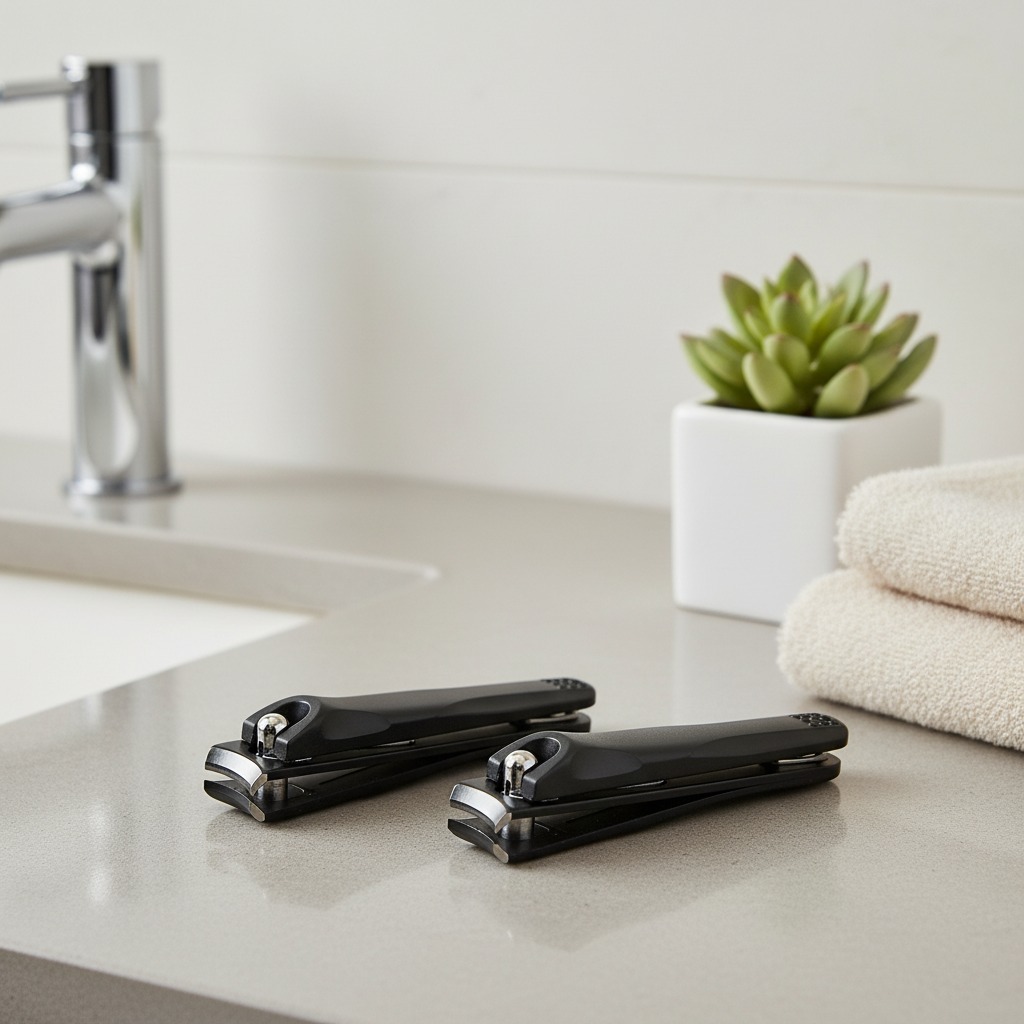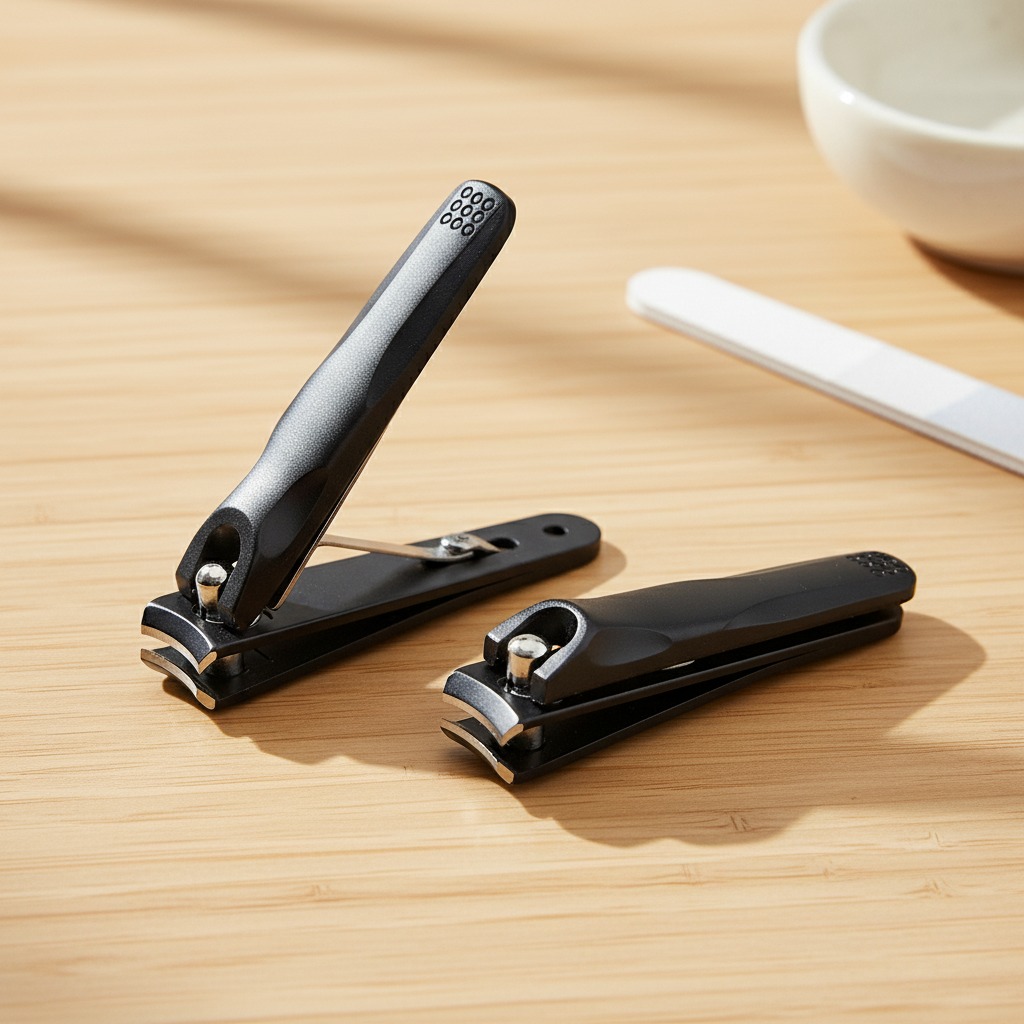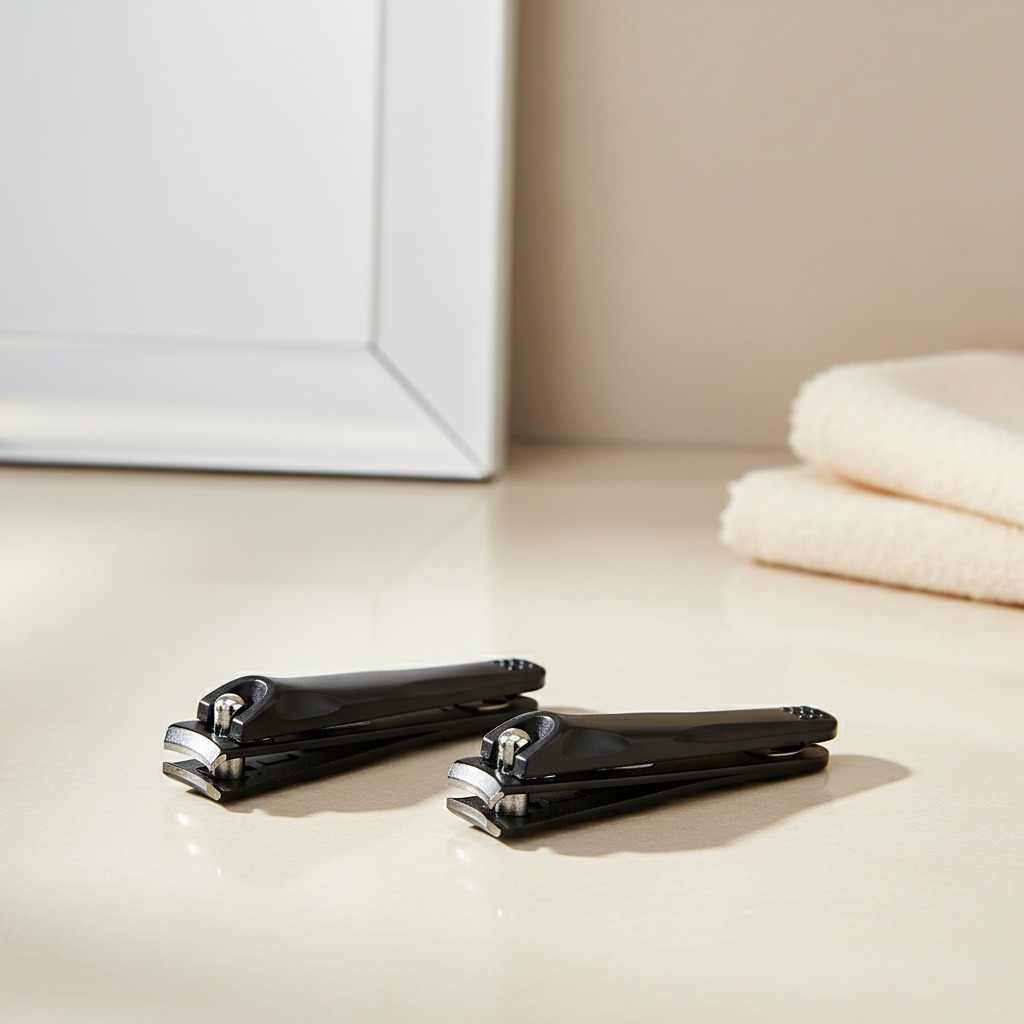












Buying pedicure tools in bulk is more than a purchasing task. For a salon, spa, nail studio, or beauty retailer, the tools you choose affect service consistency, technician comfort, client safety, and long-term operating cost. A low unit price may look attractive at first, but if clippers lose alignment, nippers feel unstable, files wear out quickly, or tools cannot be cleaned efficiently, the real cost becomes higher through replacement, rework, and client dissatisfaction.
The best approach is to evaluate pedicure tools as professional service equipment. That means looking at material suitability, edge quality, ergonomics, sanitation needs, packaging, assortment planning, and supplier reliability before placing a bulk order. This guide explains how to make a more confident buying decision when comparing wholesale pedicure tools for daily commercial use.
Who Needs Pedicure Tools in Bulk?
Bulk pedicure tools are commonly purchased by businesses that need consistent stock for repeated services or resale. A nail salon may need enough instruments to rotate between workstations and sanitation cycles. A spa may require standardized kits for treatment rooms. A beauty retailer may want reliable grooming tools that customers can easily understand and repurchase. Training schools, mobile beauty service providers, and hotel spa operators may also need coordinated tool sets for multiple users.
The main advantage of bulk purchasing is consistency. When every technician uses tools with similar handling, cutting response, and size, services become easier to standardize. Inventory control also improves because managers can track usage, schedule replacements, and avoid last-minute purchasing from mixed sources. For retailers, a consistent tool range supports better merchandising and repeat customer trust.
Before reviewing beauty tool products, define how the tools will be used: professional salon service, retail resale, promotional kit assembly, training, or a combination of these. The correct buying criteria can change depending on the end use.
Quality Factors That Matter in Pedicure Tools
Pedicure tools often handle thick toenails, dry skin, and repeated cleaning, so they need stronger performance than occasional home-use items. While exact specifications should be confirmed for each product, the following quality factors are important for most professional buyers.
- Material suitability: Stainless steel is often preferred for many reusable pedicure instruments because it offers durability, corrosion resistance, and compatibility with common cleaning routines. Buyers should confirm the material and finish for each tool type.
- Edge precision: Clippers, nippers, and cuticle tools should have clean, even cutting edges. Poorly aligned edges can crush, tear, or require excessive pressure, which affects both comfort and accuracy.
- Joint stability: Nippers and hinged tools should open and close smoothly without wobbling. Loose joints reduce control, while overly stiff movement can tire the technician’s hand.
- Surface finish: Rough seams, burrs, or uneven polishing can make tools uncomfortable to hold and harder to clean. A smooth finish is especially important for tools used repeatedly in a professional setting.
- Ergonomic handling: Tools should feel balanced and secure in the hand. For high-volume salons, small comfort differences can matter after many appointments.
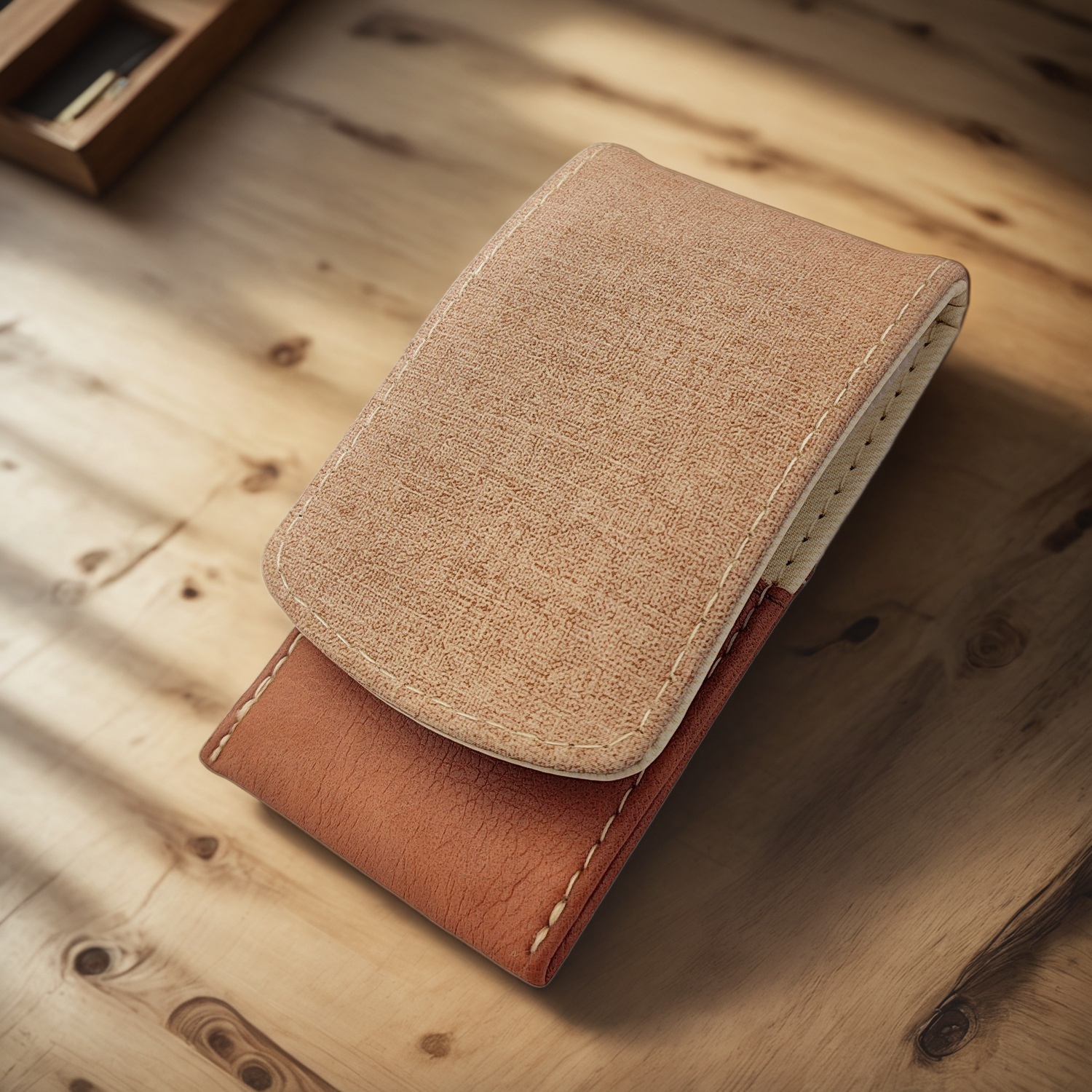
- Packaging protection: Bulk tools should be packed to reduce scratching, edge damage, or contamination during transit and storage.
Quality evaluation should include physical samples whenever possible. A sample can reveal details that are hard to judge from photos alone, such as spring resistance, grip comfort, jaw alignment, weight, and finishing quality.
Build the Right Bulk Assortment for Your Service Menu
A common mistake when buying pedicure tools bulk is ordering many units of one item without considering the full service workflow. A professional pedicure usually involves preparation, trimming, shaping, cuticle care, smoothing, cleaning, and after-service sanitation. The right assortment should match the services your business actually performs.
For a basic salon pedicure program, buyers may consider categories such as toenail clippers, nail nippers, cuticle pushers, cuticle nippers, foot files, callus care tools, nail files, cleaning brushes, and small accessories used during service. Retailers may prefer consumer-friendly combinations, while salons may prioritize durable, reusable instruments that fit their sanitation process.
| Tool category | Buying focus | Why it matters |
|---|---|---|
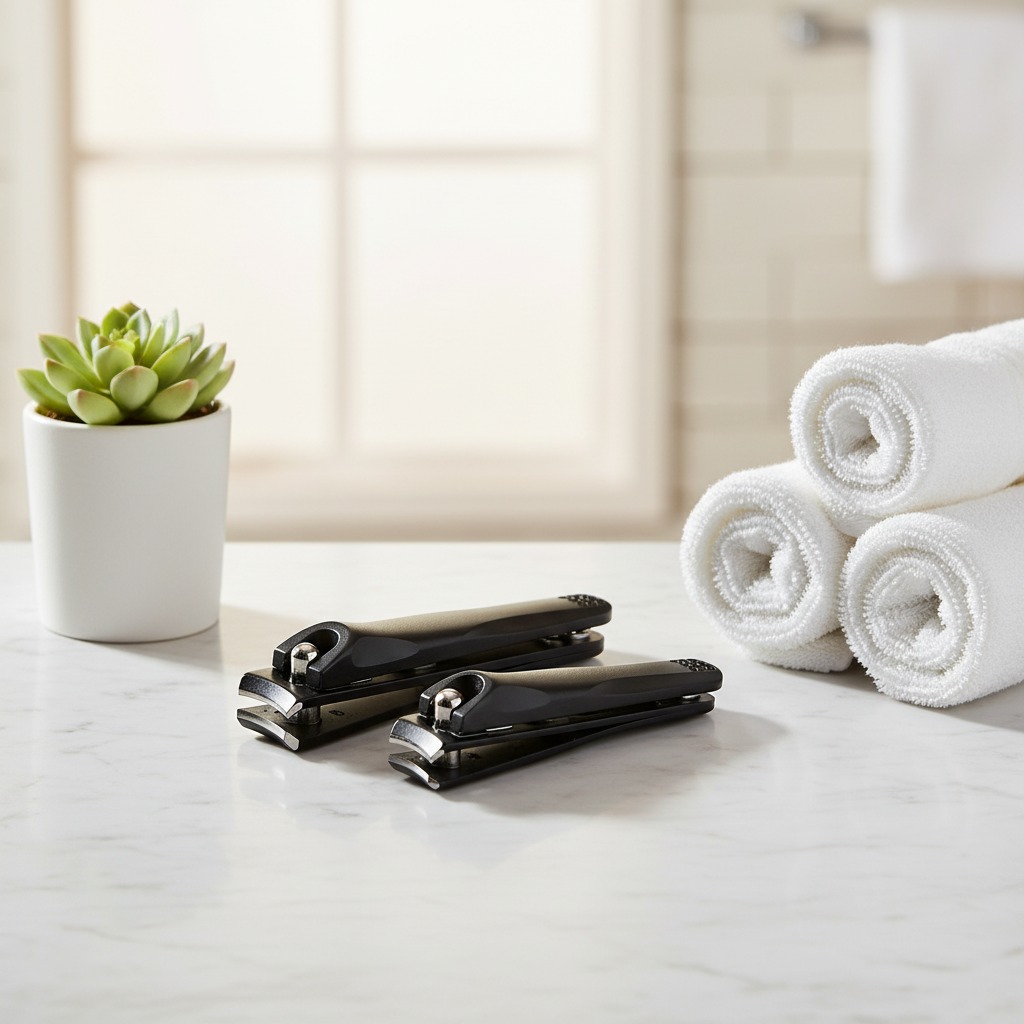
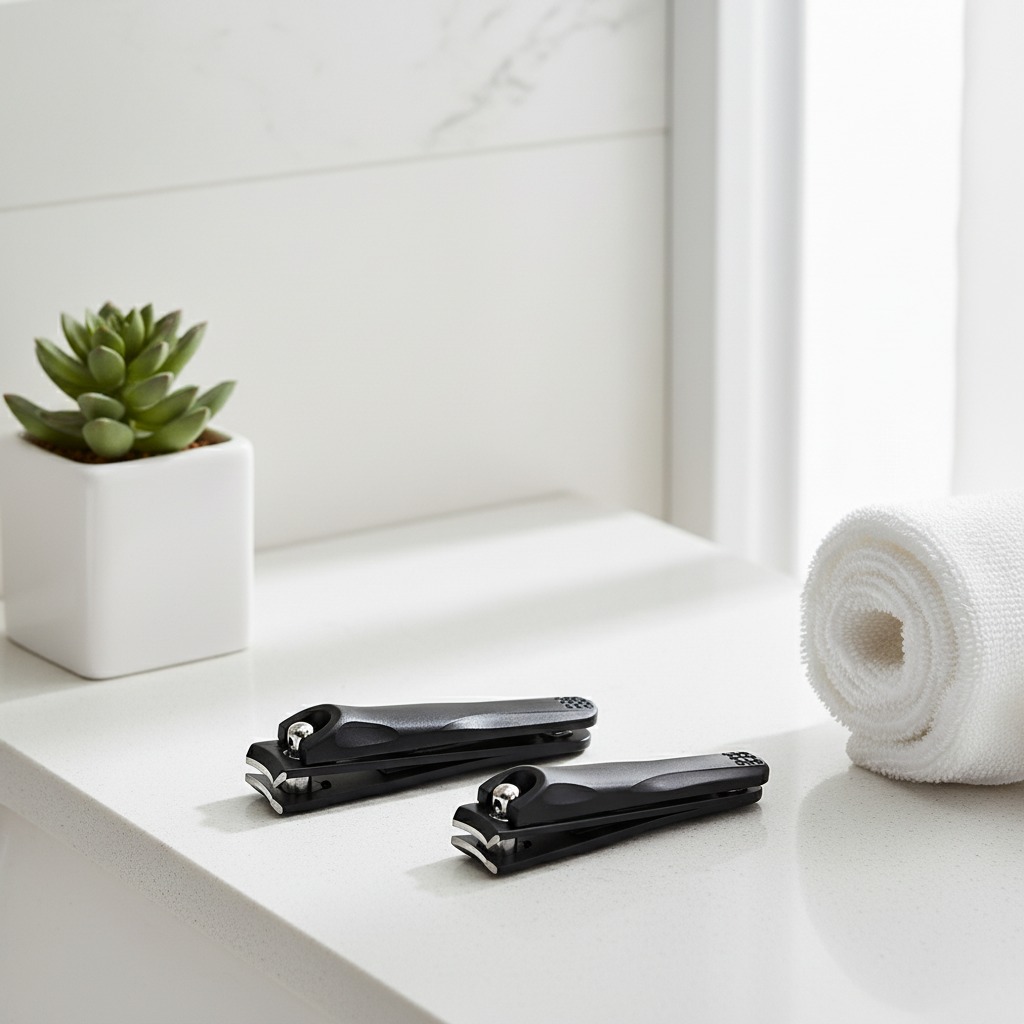
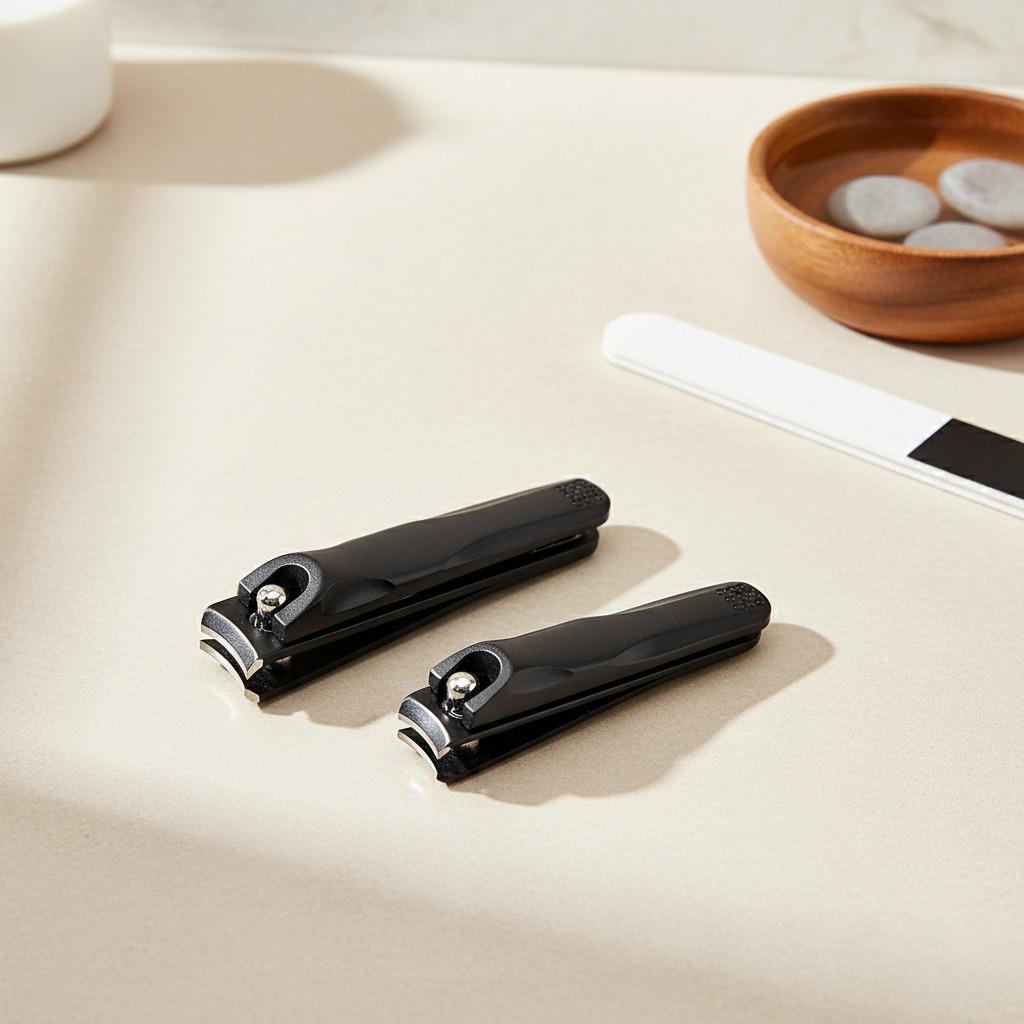
| Toenail clippers | Jaw alignment, leverage, comfortable grip | Thicker toenails need clean cutting power without excessive force. |
| Nail and cuticle nippers | Sharp edges, stable hinge, controlled spring | Precision helps technicians work neatly and safely. |
| Pushers and cleaners | Smooth edges, balanced handle, easy cleaning | Tools contact delicate areas and must be comfortable to control. |
| Foot files | Abrasive surface, handle strength, replacement plan | High-use items wear down and should be stocked according to service volume. |
| Retail kits | Clear assortment, protective packaging, practical tool mix | Customers need an easy-to-understand set with everyday usefulness. |
When planning quantities, consider the number of treatment stations, average appointments per day, cleaning rotation time, backup stock, and expected replacement frequency. A salon with several technicians should avoid operating with only one set per station because sanitation and unexpected tool damage can interrupt service flow.
Hygiene and Maintenance Considerations
Hygiene is one of the most important reasons to choose better pedicure tools. Instruments used on feet and nails must support thorough cleaning according to the salon’s procedures and local requirements. Buyers should select tools with finishes and shapes that do not trap residue unnecessarily. Hinges, grooves, textured handles, and abrasive surfaces all need practical maintenance planning.
For reusable metal tools, the typical workflow includes removing visible debris, washing, drying, and following the salon’s approved disinfection or sterilization protocol. Tools should be fully dry before storage to reduce the risk of corrosion or staining. Cutting tools should be stored in a way that protects the edges from impact. Even well-made tools can be damaged if they are thrown loose into drawers or soaked improperly.
Maintenance planning should also include a retirement standard. If a tool becomes misaligned, dull, rusted, bent, cracked, or difficult to clean, it should be removed from service. Bulk purchasing makes this easier because managers can keep replacements on hand and maintain a consistent service standard without waiting for urgent restocking.
How to Compare Wholesale Pedicure Tool Suppliers
The supplier you choose influences not only product cost but also consistency, communication, lead time expectations, and future reorder convenience. A dependable supplier should be able to provide clear product information and support practical business decisions without vague claims. When reviewing product collections, compare how well each option fits your target user, service level, and packaging needs.
Useful supplier evaluation questions include:
- What materials and finishes are used for each tool type?
- How are cutting edges, hinges, and surface finish checked before shipment?
- Can samples be reviewed before a larger order is placed?
- What packaging options protect tools during shipping and storage?
- Are the tools intended for professional service, retail sale, or general personal care?
- How consistent are reorders in appearance, handling, and packaging?
- What product information is available for staff training or retail display?
These questions help buyers avoid decisions based only on a catalog photo or the lowest quote. They also make it easier to compare products fairly. For example, two nippers may look similar online, but one may have better hinge movement, smoother finishing, or more protective packaging. Those details matter when tools are used every day.
Balancing Price, Durability, and Client Experience
Price is important in bulk purchasing, but it should be weighed against service value. A tool that lasts longer, cuts more cleanly, or feels better in the technician’s hand may reduce replacement frequency and improve the client experience. On the other hand, premium features that do not match your service model may not be necessary. The goal is not always to buy the most expensive option; it is to buy the most suitable option for the work your team performs.
For salons, durability and hygiene compatibility are often more important than decorative appearance. For retailers, packaging clarity, customer usability, and attractive presentation may carry more weight. For training programs, consistency and affordability may be the priority because many students need the same type of tool. Defining the buying scenario helps prevent overbuying, underbuying, or choosing the wrong assortment.
It is also worth considering how tools affect staff confidence. Technicians who trust their instruments can work more steadily and efficiently. Tools that slip, drag, pinch, or require repeated correction can slow down appointments and create inconsistent results.
Pre-Order Checklist for Pedicure Tools Bulk
Before confirming a bulk order, use a structured checklist to reduce risk. This is especially helpful when purchasing for multiple locations, assembling kits, or preparing seasonal inventory.
- Confirm the intended use: salon service, resale, training, or kit assembly.
- Review samples for grip comfort, edge alignment, finish, and packaging.
- Check that the assortment matches the full pedicure workflow.
- Plan enough quantity for workstations, sanitation rotation, and backups.
- Define storage and maintenance procedures before tools arrive.
- Set replacement rules for dull, damaged, or hard-to-clean tools.
- Compare suppliers on consistency, not price alone.
- Prepare staff guidance so tools are used and maintained correctly.
If you are comparing options for a salon, spa, retail program, or private assortment, you can send an inquiry with your intended use and quantity planning needs. For broader sourcing questions, you may also contact Olimor to discuss suitable beauty tool categories.
Choosing Pedicure Tools That Support Better Service
Well-chosen pedicure tools support cleaner work, smoother appointments, and more consistent results. Bulk buying should therefore be treated as a service-quality decision rather than a simple supply order. Focus on tools that are comfortable to handle, practical to clean, appropriately packed, and suitable for your business model.
By reviewing material, craftsmanship, assortment design, maintenance needs, and supplier reliability before purchase, salons and beauty businesses can build a more dependable pedicure tool inventory. The result is a better workflow for technicians, a more professional impression for clients, and a stronger foundation for repeat service or retail sales.