










For salons, beauty retailers, nail studios, brow specialists, and private-label grooming brands, tweezers are small tools with a large impact on customer satisfaction. A pair that grips cleanly, closes evenly, and feels comfortable in the hand can make detailed work faster and more controlled. A pair with poor alignment or rough finishing can damage confidence in an entire product line. That is why sourcing tweezers wholesale should be treated as a technical purchasing decision, not only a price comparison.
Olimor Beauty focuses on professional beauty tools where precision, durability, and consistent inspection matter. Whether you are building a manicure tool set, adding brow tools to a retail assortment, or comparing suppliers for private label grooming accessories, the right evaluation process helps reduce returns, improve repeat purchase potential, and protect your brand reputation.
Why Precision Matters in Wholesale Tweezers
Beauty professionals use tweezers for tasks that require control: removing fine hairs, placing small nail art details, handling delicate grooming work, and refining results after other treatments. In these situations, the tool must translate hand pressure into predictable movement. If the tweezer tips do not meet evenly, the user may need to squeeze harder, repeat the same movement, or pull at an awkward angle. Over time, this affects both efficiency and user comfort.
Wholesale buyers should consider how the end customer will use the tool. A brow artist may prioritize tip accuracy and grip on fine hairs. A nail technician may value a thin tip for detail placement. A retail customer may notice finish, hand feel, and packaging before understanding technical performance. A distributor may need consistent quality across a larger order. These use cases are different, but they all depend on basic manufacturing quality: aligned tips, stable tension, smooth edges, and a finish that feels clean in the hand.
What to Check Before Placing a Bulk Tweezer Order
A strong wholesale sourcing process begins with objective checks. Instead of relying only on product photos or general claims, buyers should review the features that determine day-to-day performance. The following checklist can be used when comparing samples or reviewing a supplier’s standard quality expectations.
- Tip alignment: The tips should meet evenly when closed, without visible gaps, crossing, or twisting.
- Closing tension: The tool should close with controlled pressure, not feel too loose or overly stiff.
- Tip finishing: Edges should be clean enough for precision work while avoiding rough spots that feel uncomfortable or unsafe.
- Grip and hand feel: The body should allow stable handling during detailed work, especially for professionals using tools repeatedly.
- Surface consistency: The finish should look uniform across the batch, with no obvious stains, scratches, or irregular polishing.
- Packaging protection: Tips should be protected during transport and storage to help maintain alignment before sale or professional use.
- Brand presentation: For retail and private label programs, the tool and packaging should support a clear, professional appearance.
These points are especially important when buying tweezers wholesale because small defects can become expensive when repeated across a large shipment. A disciplined sample review helps buyers identify concerns before committing to a wider purchase.
The Role of Stainless Steel and Tool Engineering
The original appeal of professional tweezers often comes from a simple promise: clean control. Stainless steel is commonly used for beauty tools because it supports durability, a refined surface, and repeated handling in professional or personal care settings. However, material alone does not guarantee quality. The way the tweezer is formed, finished, aligned, inspected, and packaged has a direct effect on performance.
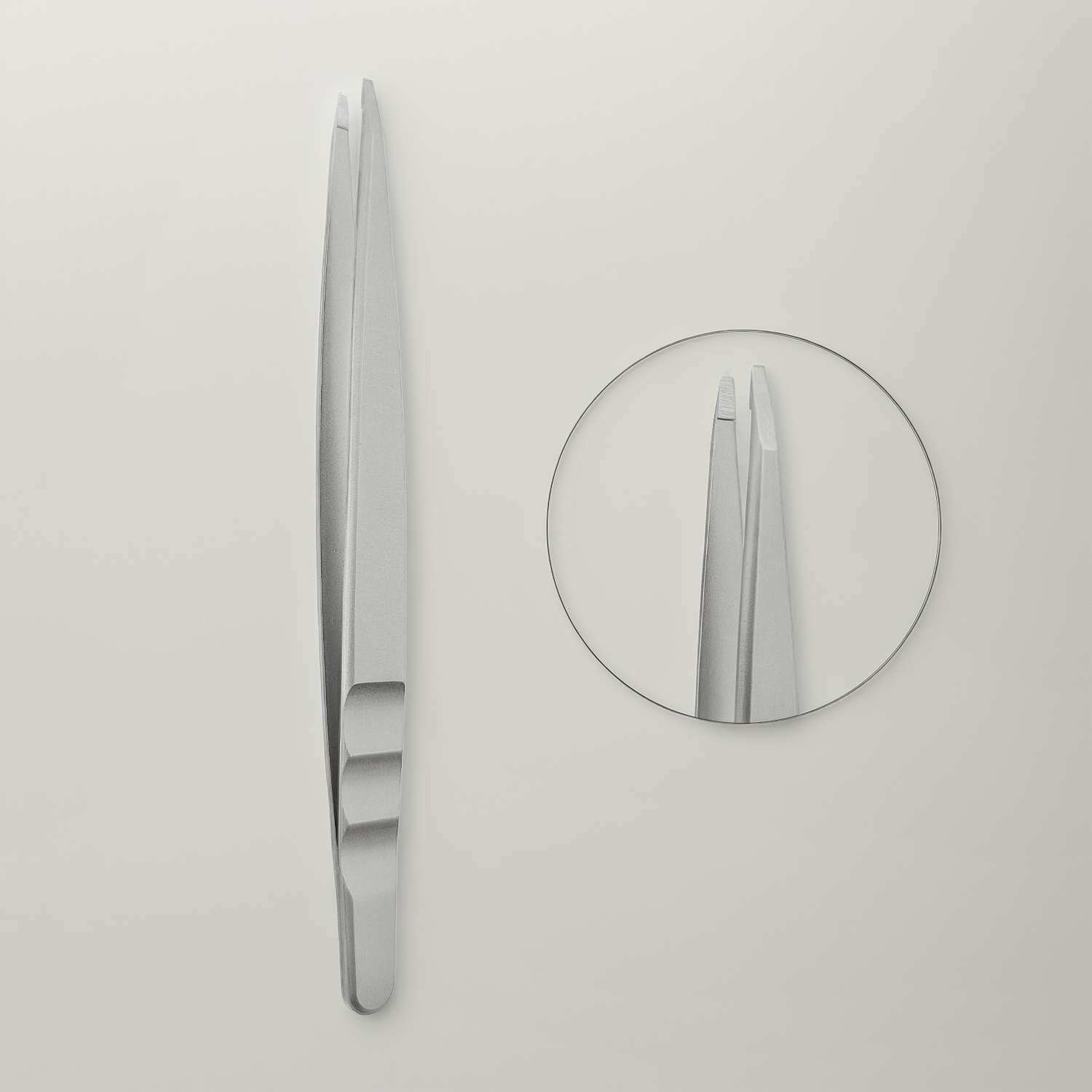
Olimor Beauty’s Ultra-Thin Tip Tweezer highlights the importance of engineering in this category. It is described with a sleek stainless steel body, an ultra-thin tip for accuracy, an ergonomic grip for comfort and control, and tips designed to close evenly for a reliable grip. Those characteristics are particularly relevant for buyers serving professionals who handle fine hairs or small nail art details. The tool is not only a beauty accessory; it is a precision implement that needs to perform consistently in the hand.
When evaluating similar tools, buyers should look beyond a single feature. An ultra-thin tip may support detailed work, but only if the alignment is accurate. A polished stainless steel body may look attractive, but it must also feel stable during use. Ergonomic shaping can improve control, but tension must still be balanced. The best wholesale decision is usually based on how these factors work together.
Choosing Tweezers for Salons, Retail, and Private Label Lines
Different sales channels place different demands on tweezers. A salon buyer may want a practical tool that can withstand frequent daily use. A beauty retailer may need a visually appealing product that communicates precision at first glance. A private-label brand may need a supplier capable of supporting brand presentation while maintaining reliable tool performance.
For professional service environments, buyers should prioritize sample testing by actual users. Give technicians enough time to try the tool on realistic tasks and gather feedback on grip, control, closing force, and tip accuracy. For retail assortments, compare how the tweezer looks in packaging and whether the product information clearly explains its intended use. For private label projects, think about the entire customer experience: tool finish, protective packaging, branding placement, and instructions for care.
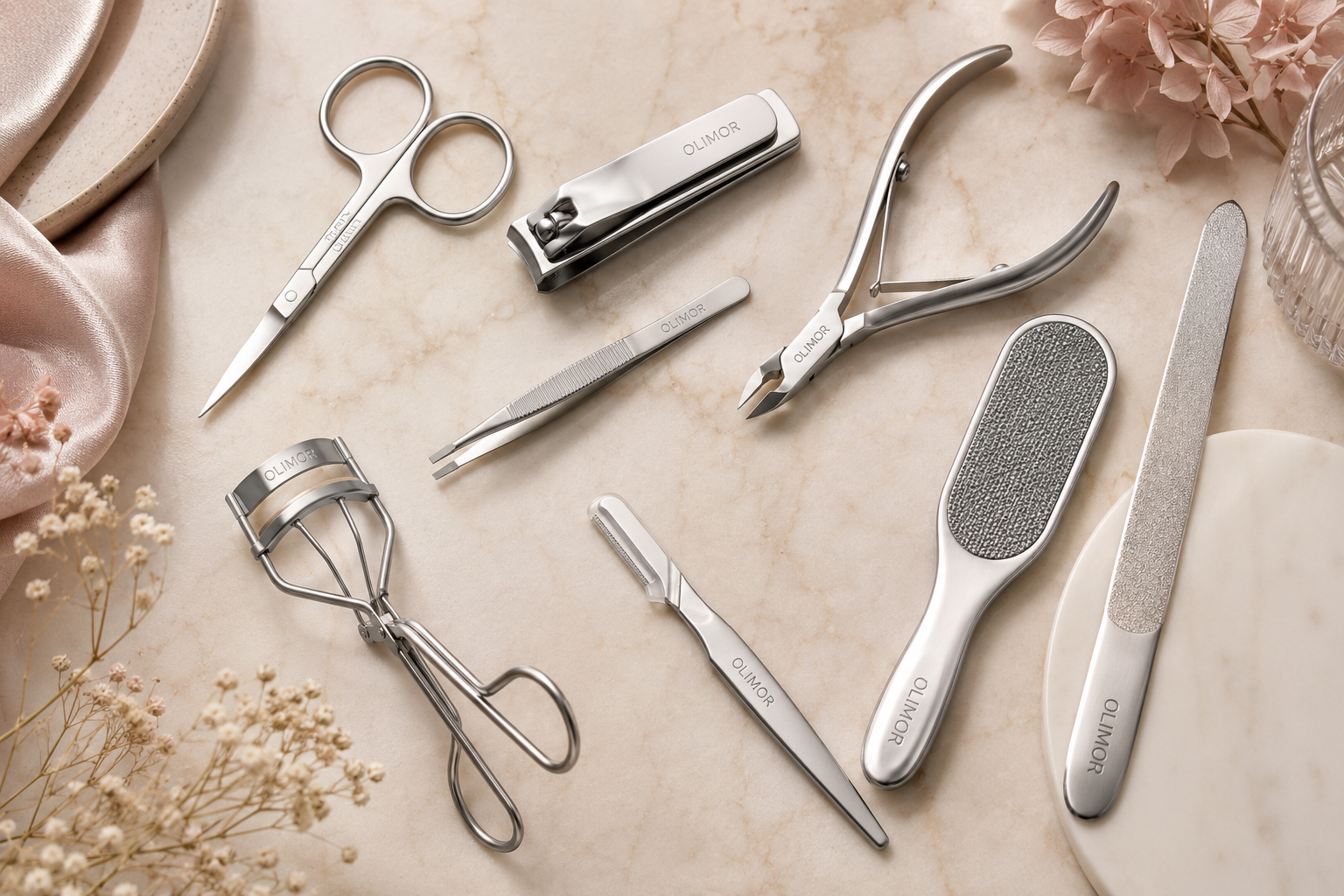
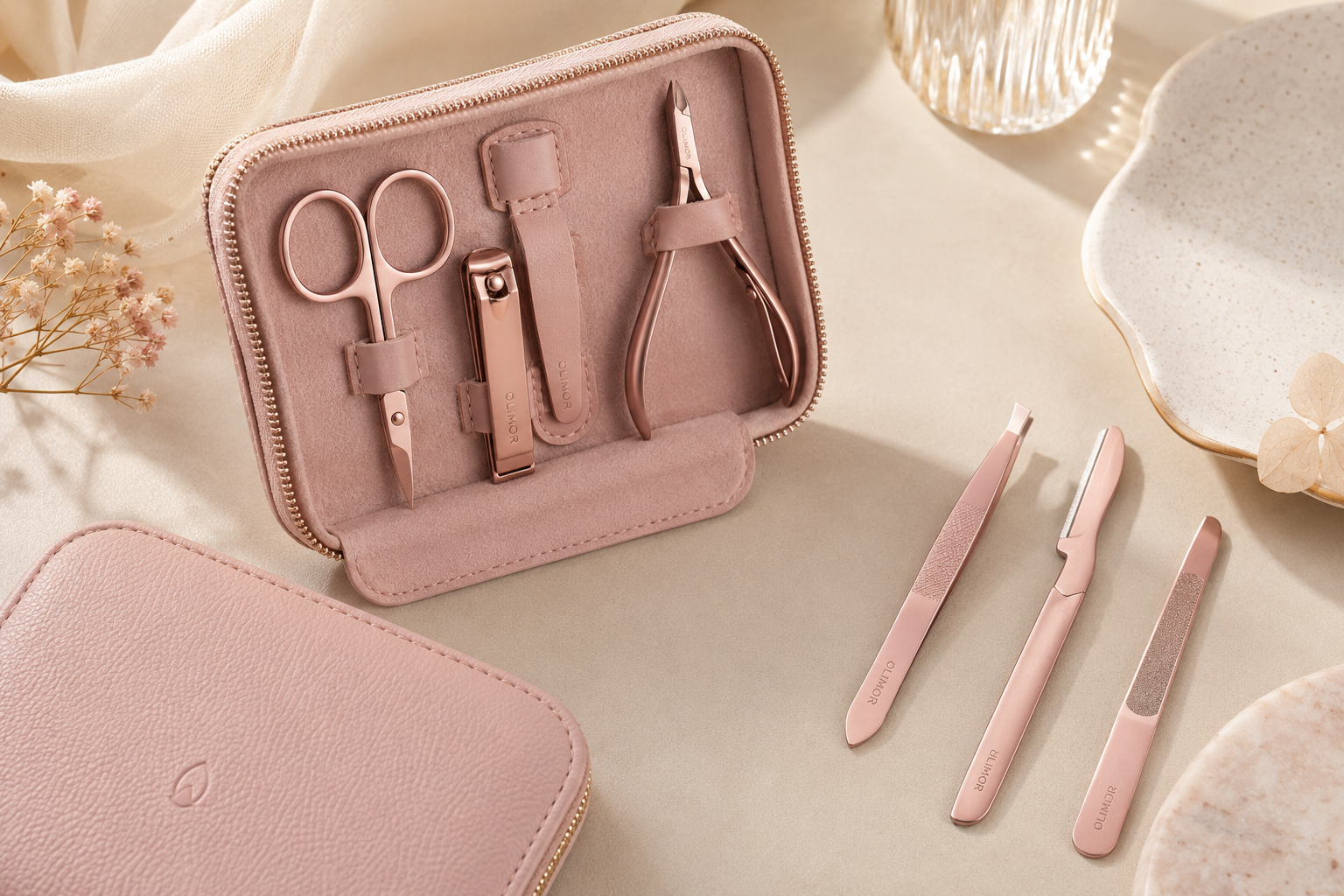
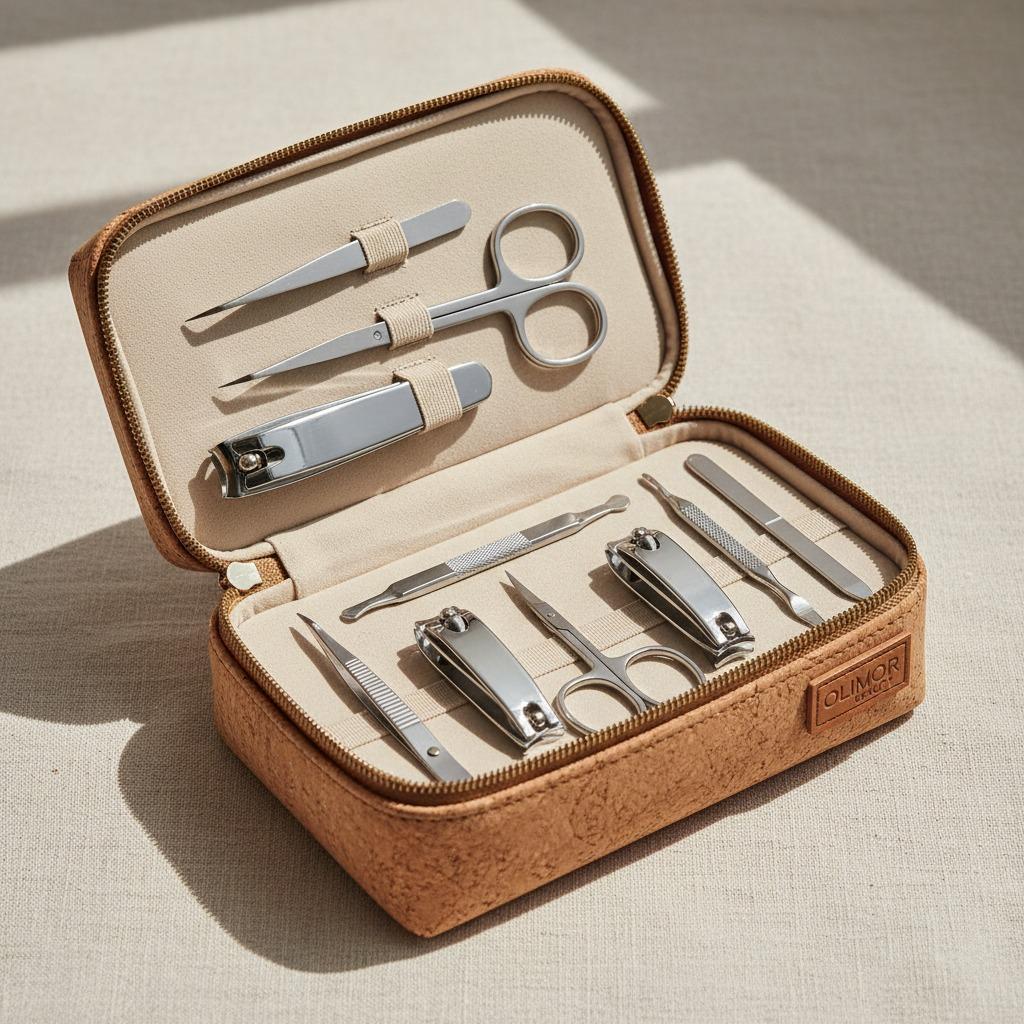
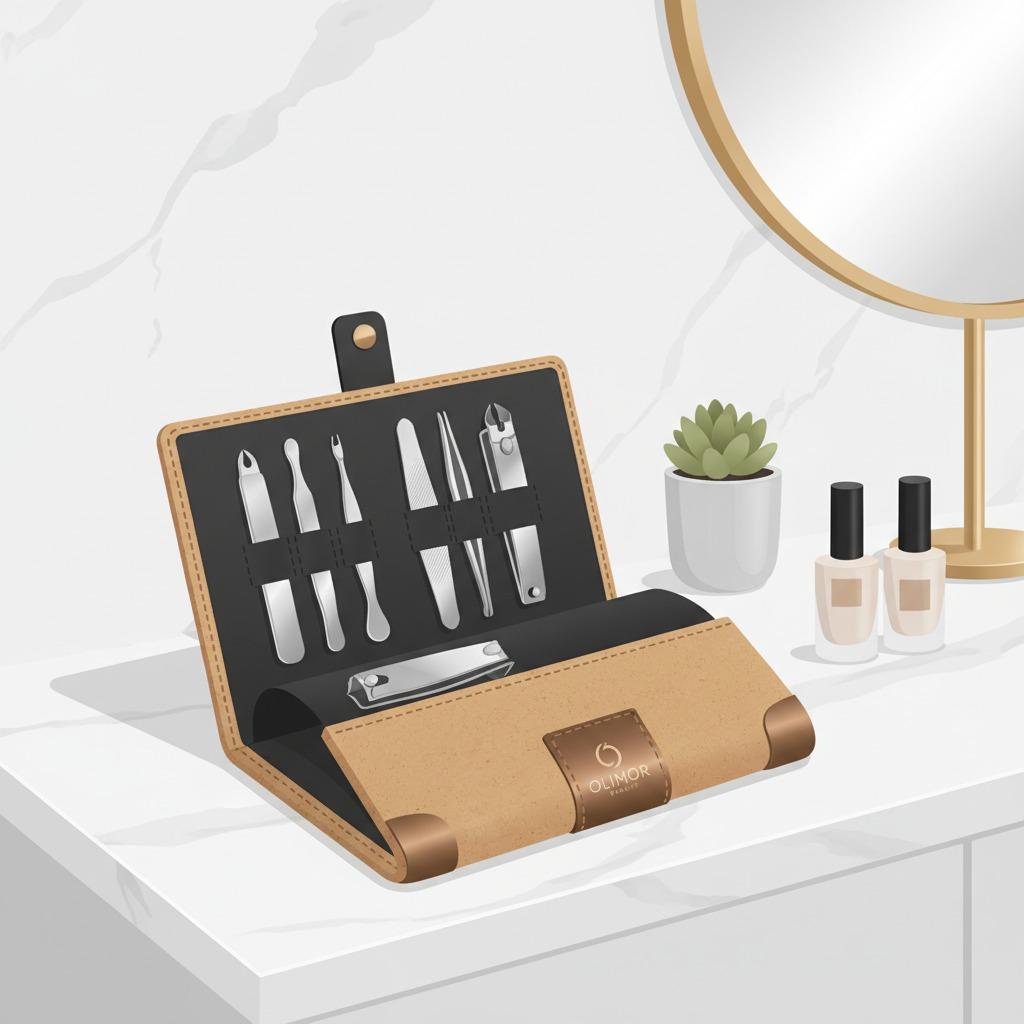
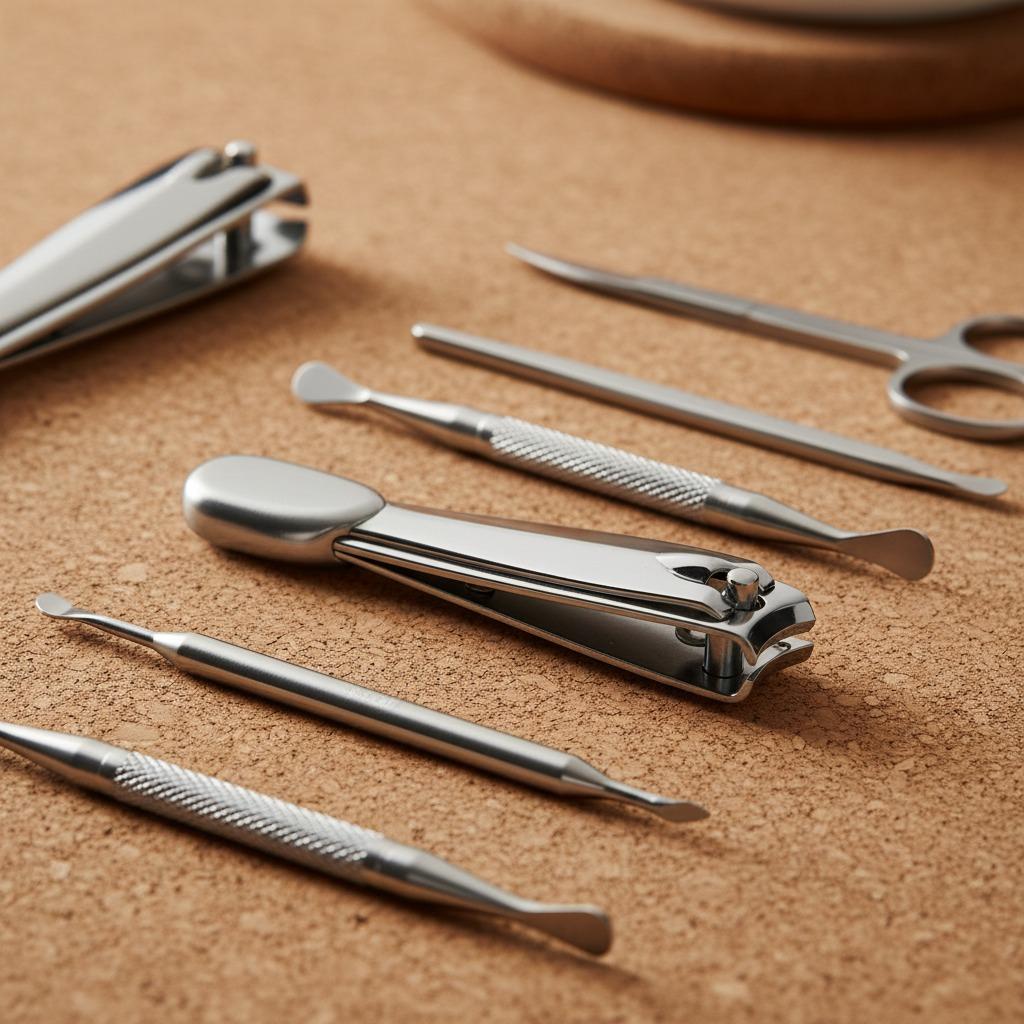
Buyers exploring broader assortments can compare tweezers with other beauty tool products to build a more complete grooming or manicure range. If you are assembling seasonal sets, travel-friendly kits, or category-specific assortments, reviewing Olimor product collections can help you consider how tweezers fit alongside clippers, manicure tools, and related personal care implements.
Private Label and Customization Considerations
Private label manicure tools can help retailers and beauty brands create a recognizable identity, but customization should never distract from tool performance. A beautiful package cannot compensate for tips that fail to grip cleanly. Before discussing logo placement or packaging formats, buyers should confirm that the base product meets the functional standard required for their audience.
Useful private label planning questions include:
- Who is the primary user? Professional brow artist, nail technician, salon client, or general retail customer?
- What task is the tool meant to support? Fine hair removal, nail art handling, grooming kits, or mixed personal care use?
- How will the product be sold? Individually, in a manicure set, as part of a gift kit, or through salon resale?
- What packaging protection is needed? Tip guards, sleeves, boxes, or other formats may affect storage and presentation.
- What brand message should the product communicate? Professional precision, daily grooming, minimalist design, or eco-conscious care?
Olimor Beauty offers private label services for manicure tools, allowing businesses to develop a more distinctive product presentation. For projects that require a precise discussion of branding, packaging, or assortment planning, buyers can contact Olimor with project details or send an inquiry for sourcing support.
Sustainability and Recyclable Grooming Tools in Bulk
Environmental expectations are increasingly part of beauty sourcing. Many buyers now compare not only appearance and price, but also whether a tool can support more responsible purchasing decisions. The original product direction notes demand for eco-friendly personal care tools and recyclable grooming tools in bulk. For wholesale buyers, this should translate into practical evaluation rather than vague claims.
Consider whether the tool has a long useful life, because durability can reduce premature replacement. Review whether packaging is excessive or can be simplified while still protecting the tweezer tips. Think about how a stainless steel tool is presented to the end customer: clear care instructions may encourage users to clean, dry, store, and keep the product longer. Sustainability in beauty tools is often connected to fewer replacements, better packaging decisions, and transparent product communication.
Care, Storage, and After-Sale Guidance
Even a well-made tweezer performs best when it is cared for correctly. Wholesale buyers can improve customer satisfaction by including simple care guidance in retail materials, product pages, or packaging inserts. After use, tweezers should be cleaned according to the user’s setting and dried before storage. The tips should be protected from drops, pressure, and contact with hard objects that may affect alignment. In professional environments, tools should be handled within the salon’s hygiene procedures.
For retail customers, the most important advice is straightforward: do not use precision tweezers as general-purpose household tools, do not bend the tips, and store them in a clean, dry place. For salons, keeping multiple tools organized can prevent accidental tip damage and reduce the chance of using a misaligned implement during a service. These small habits help maintain the feel and accuracy that buyers expected when they selected the tool.
Building a Better Wholesale Sourcing Decision
The best tweezers wholesale program is built around consistent performance, not only low unit cost. Buyers should compare samples carefully, define the intended use, review finishing and packaging, and consider how the tool supports the wider brand assortment. The Ultra-Thin Tip Tweezer demonstrates why details such as stainless steel construction, ergonomic grip, and evenly closing tips deserve attention: they directly affect how the tool performs in professional and personal care tasks.
For beauty businesses, a reliable tweezer can strengthen a product range in a quiet but meaningful way. It supports better daily results, helps professionals work with confidence, and gives retail customers a product they can understand immediately. By treating tweezers as precision tools rather than simple accessories, wholesale buyers can make sourcing choices that better serve both their brand and their customers.