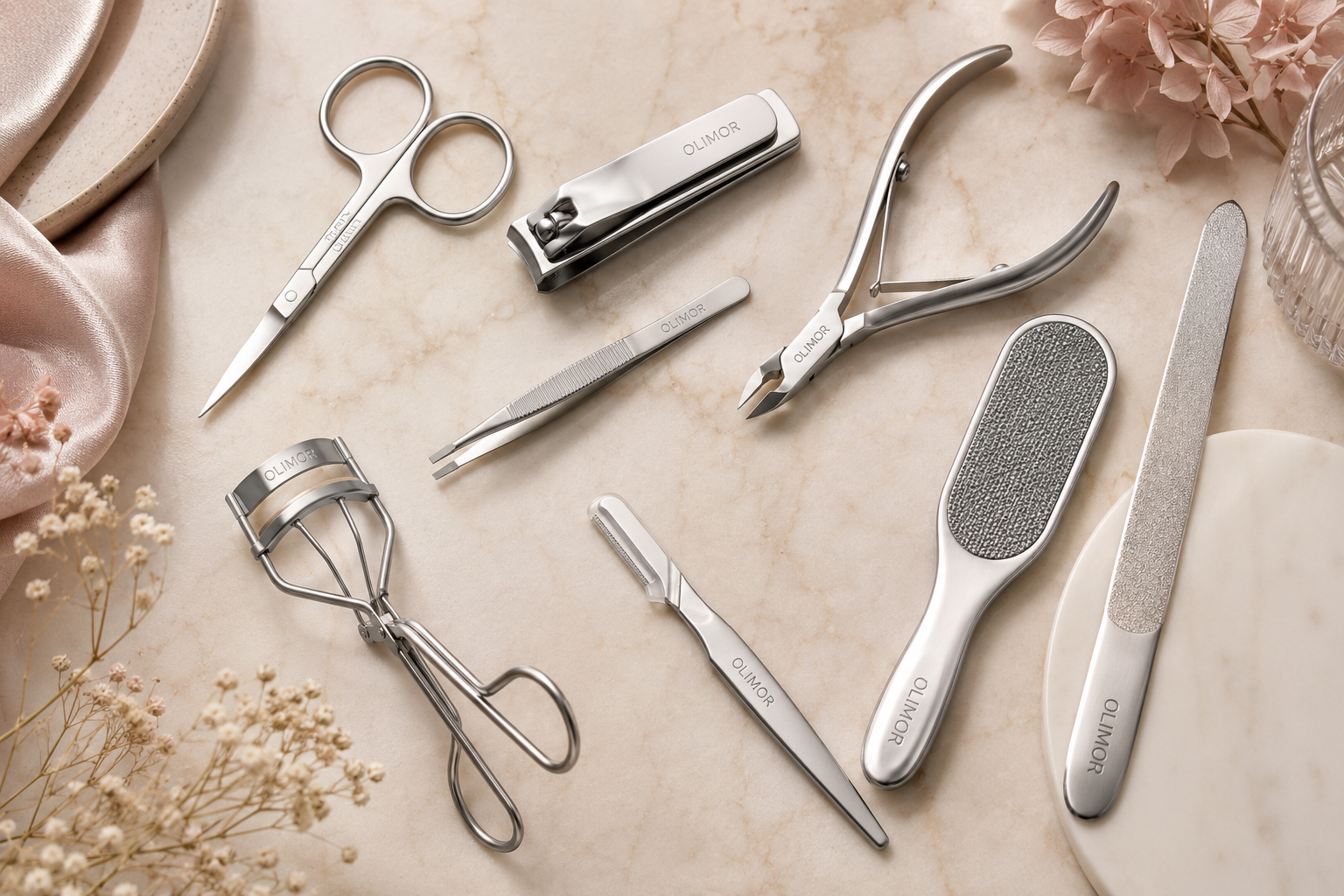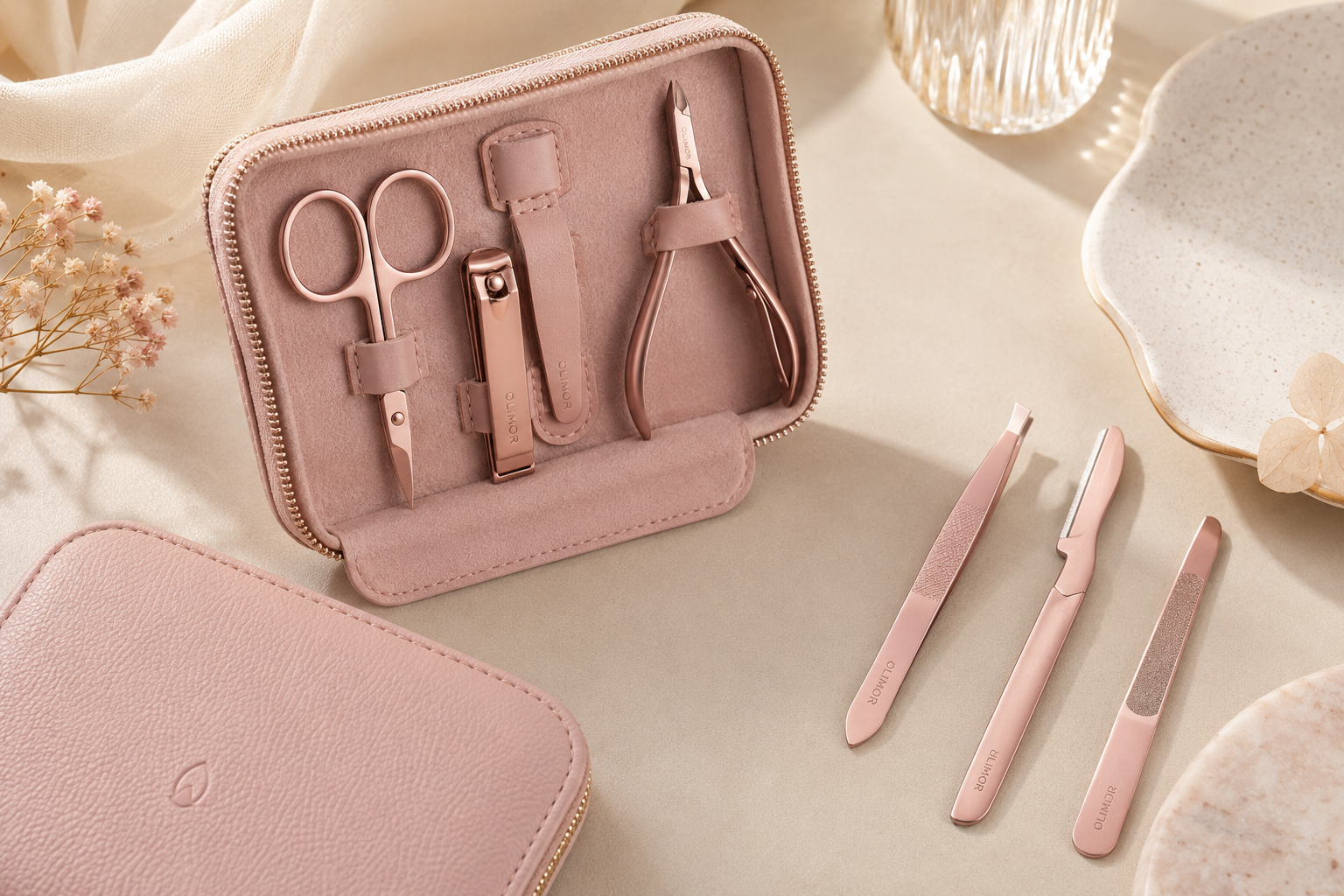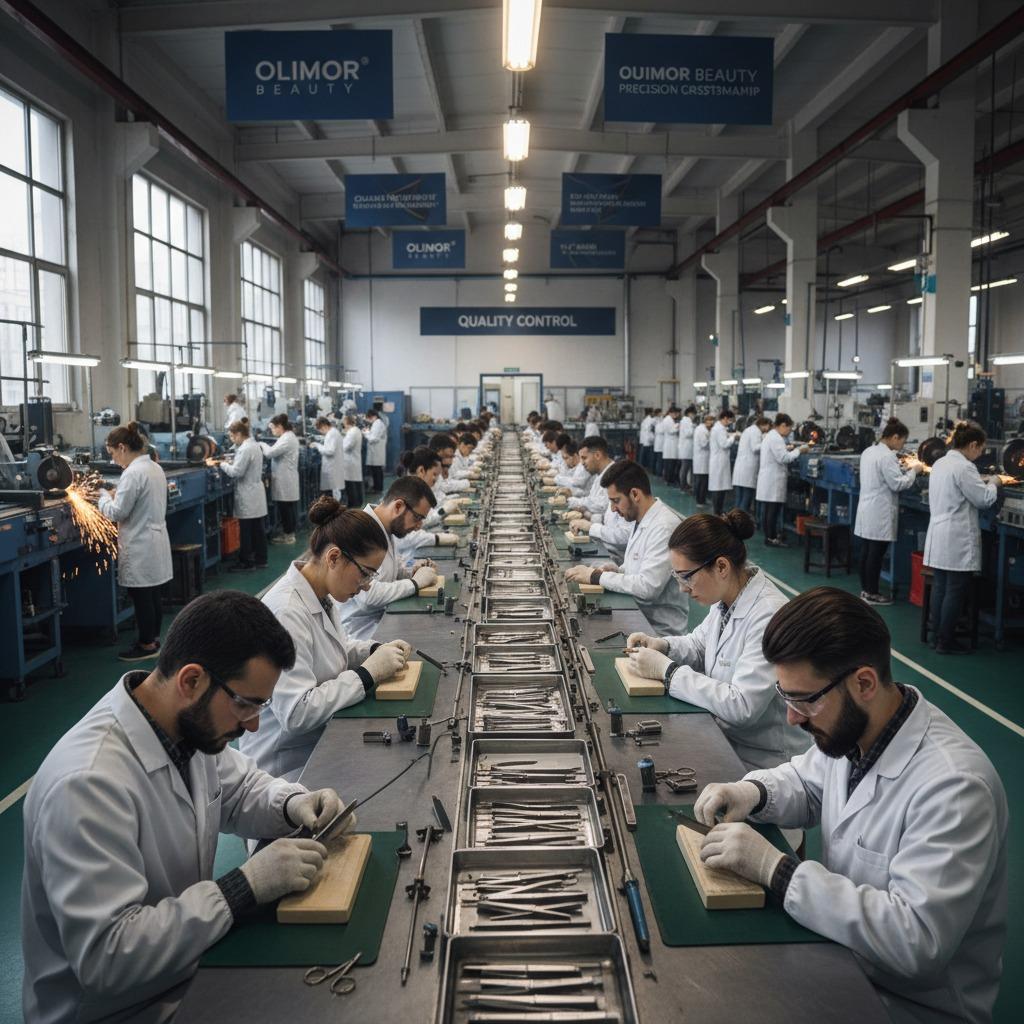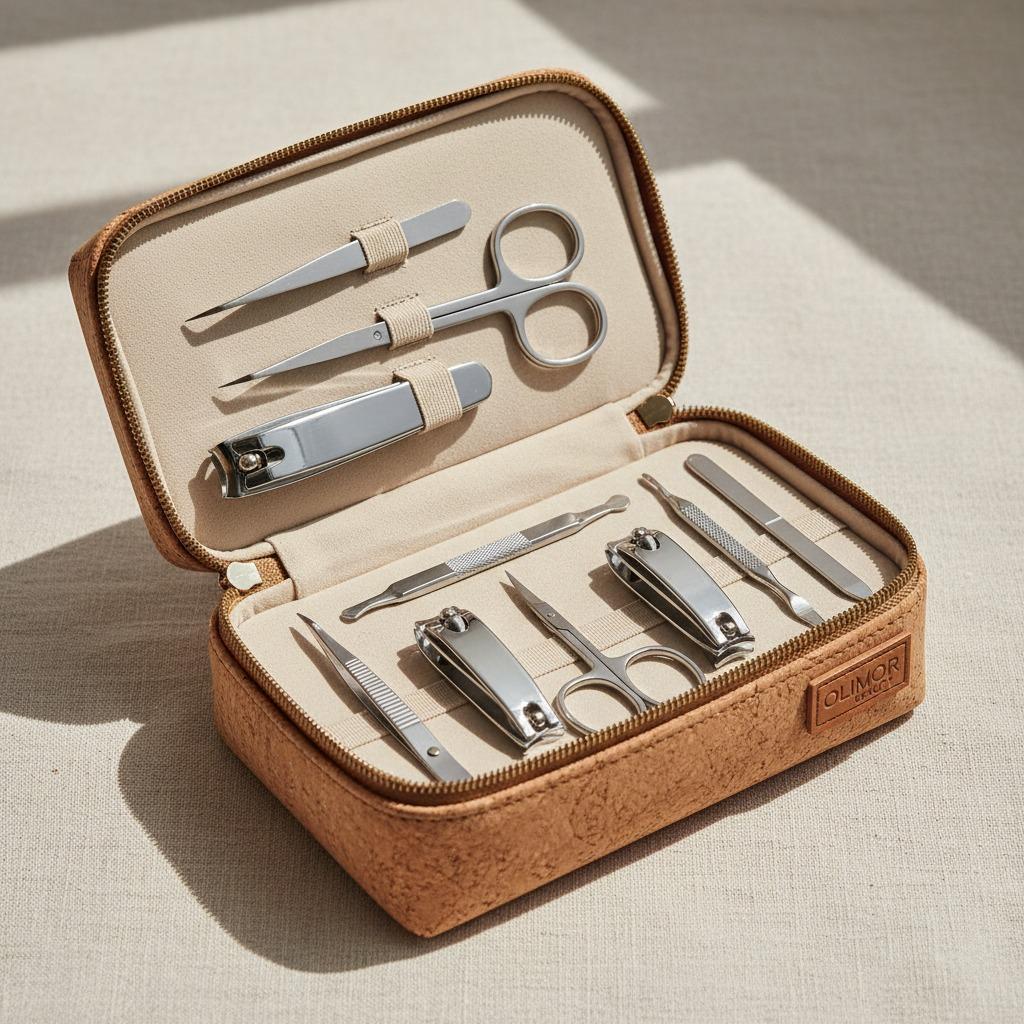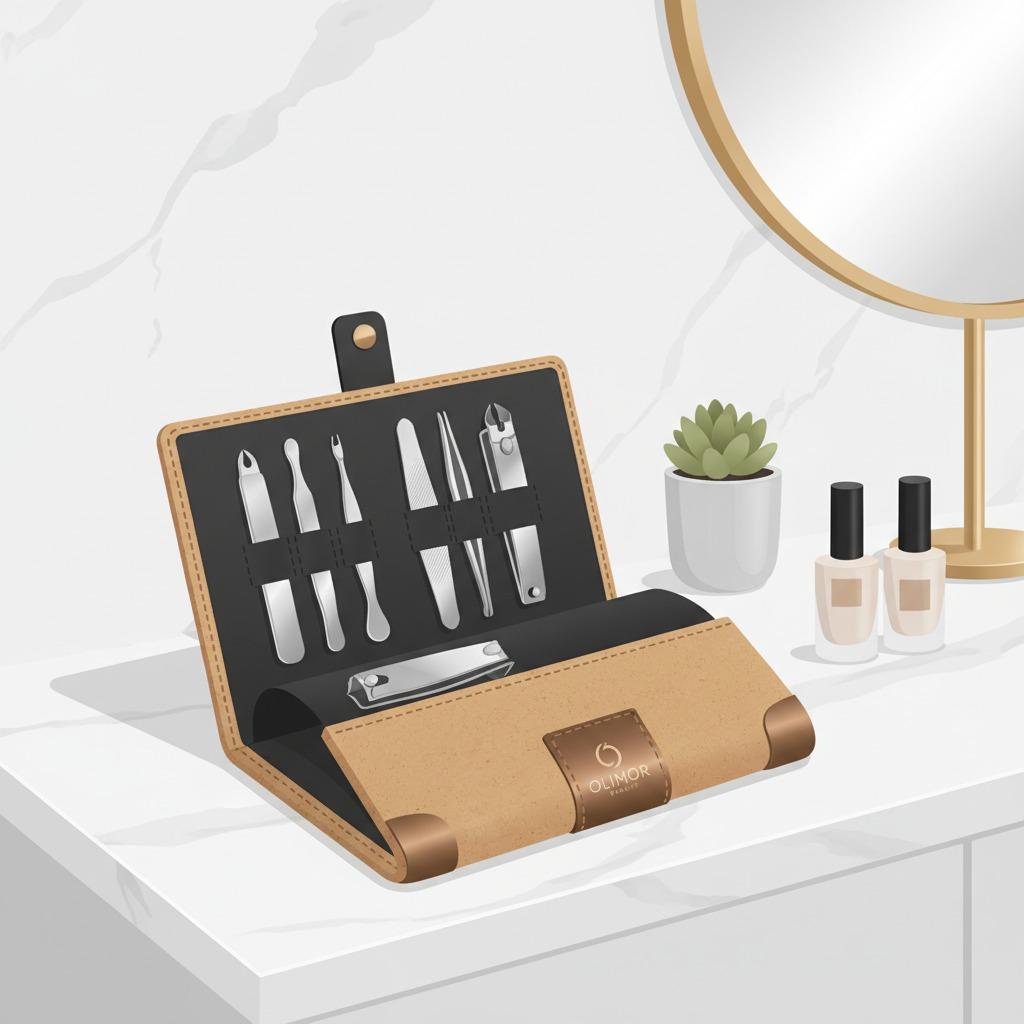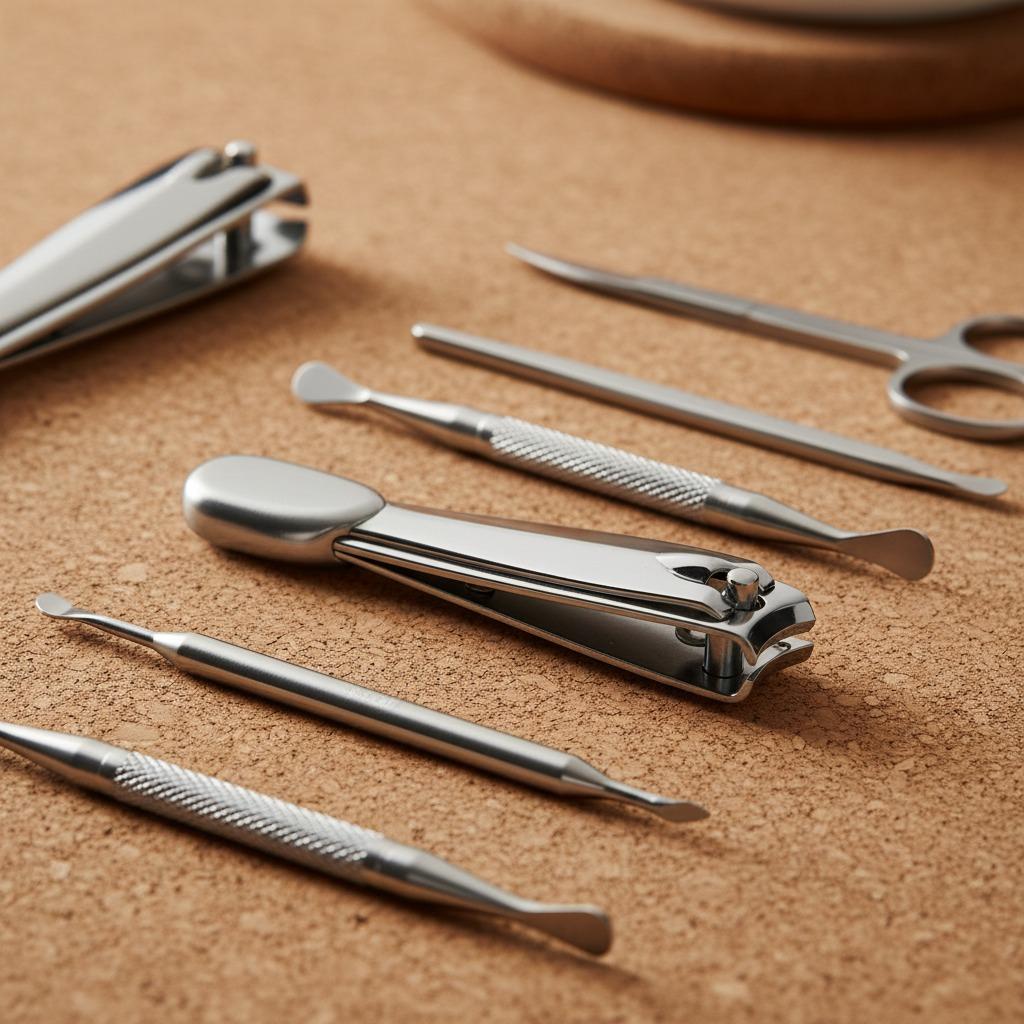











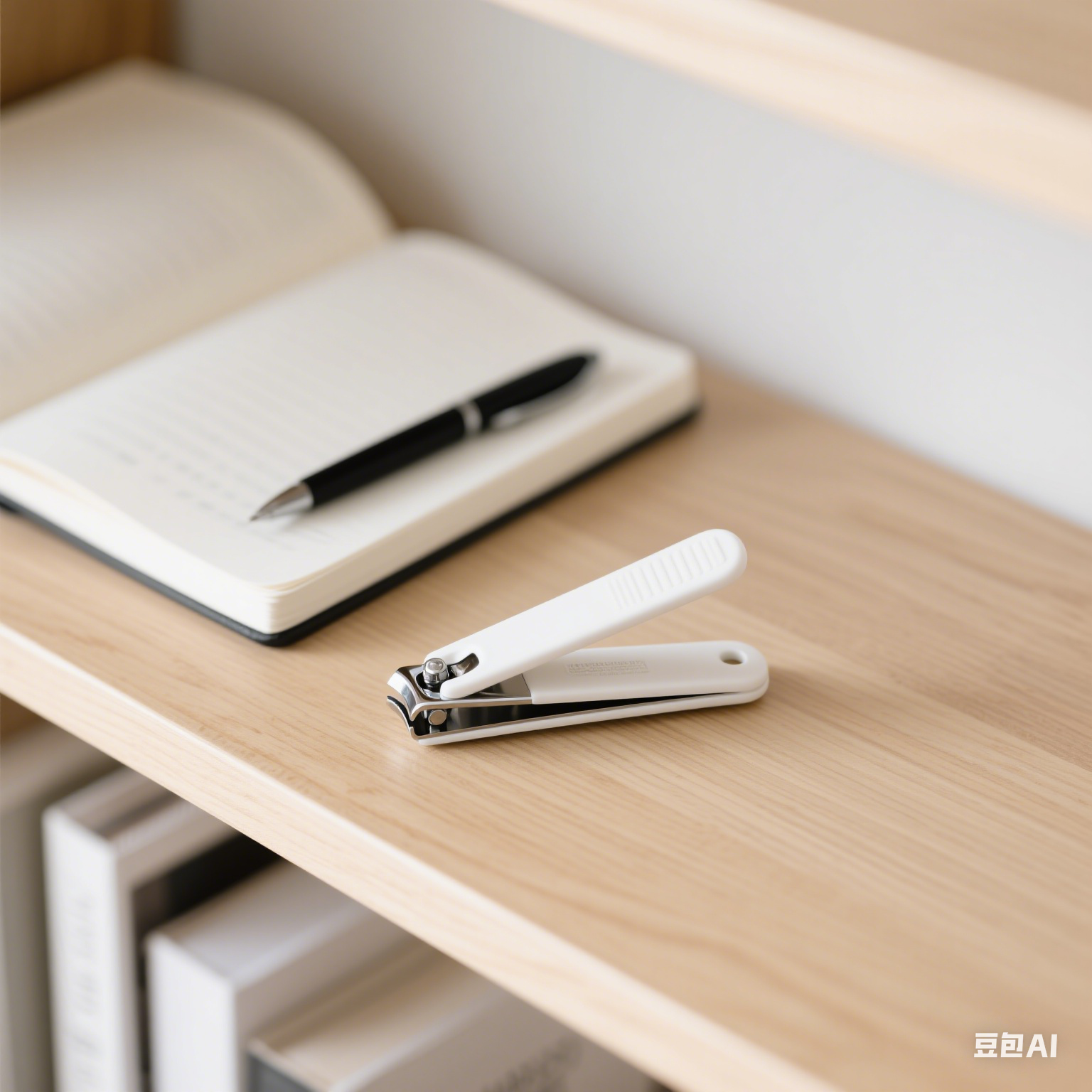
A good nail clipper should do one thing reliably: trim nails cleanly without crushing, splitting, or leaving ragged edges. That sounds simple, but it is exactly where many low-quality tools fail. For home grooming, travel kits, salons, gift sets, and personal care retail programs, stainless steel nail clippers remain a practical choice because they combine strength, corrosion resistance, and easy cleaning in a compact format.
The right clipper is not the one that looks the most polished in a catalog image. It is the one that cuts smoothly, feels controlled in the hand, stores safely, and remains easy to maintain over time. This guide focuses on the practical questions buyers and end users ask most often: how to judge cutting performance, how to choose a shape for fingernails or toenails, what affects comfort, and how to evaluate a supplier before placing a wider order. For broader assortment planning, you can also review related beauty tool products or compare options across a matching tool collection.
Why stainless steel is a practical material for nail clippers
Stainless steel is widely used for nail clippers because the tool regularly encounters moisture, skin oils, nail dust, and cleaning products. A clipper that rusts or stains too easily can become harder to maintain and less pleasant to use. Stainless steel helps resist corrosion when the tool is properly stored and cleaned, making it suitable for bathroom use, travel pouches, manicure sets, and general grooming kits.
Material choice also affects how the clipper works under pressure. The body of the tool must be rigid enough to keep the cutting edges aligned. If the body flexes or the hinge is inconsistent, the user may need to press harder, which can lead to uneven trimming or discomfort. In practical terms, a stainless steel clipper should feel stable, not flimsy.
For retail buyers and brands, the finish matters too, but it should be judged alongside function. A smooth polish can be easier to wipe clean. A slightly textured pressing area can improve control. A compact shape may be better for travel, while a larger format can be easier to handle for thicker nails. The best choice depends on the intended use, not on appearance alone.
What makes a nail clipper cut cleanly
Cutting precision is the main reason one clipper feels dependable and another feels frustrating. A well-made stainless steel nail clipper should trim the nail in a controlled motion, leaving a cleaner edge with less need for filing. A dull or poorly aligned edge may bend the nail before cutting it, which can cause jagged edges or tiny splits.
The shape of the cutting edge should also match the user’s purpose. A curved edge usually follows the natural shape of many fingernails. A straighter edge may be preferred for toenails because it can reduce the risk of cutting too deeply into the corners. For this reason, buyers should define the use case before selecting a product: fingernail clipper, toenail clipper, compact travel clipper, or general grooming tool.
Practical cutting checks
- Blade alignment: The edges should meet evenly across the full width without visible gaps.
- Pressure feel: The lever should move smoothly and consistently, not wobble or stick.
- Edge quality: A clean cutting edge should reduce tearing and crushing.
- Jaw opening: The opening should suit the nail thickness and intended use.
- Control: The clipper should allow small, measured cuts rather than forcing one aggressive trim.
When a clipper performs well, it usually reduces the need for extra filing. That is especially useful in manicure kits and retail assortments where the customer expects a complete grooming routine. A nail clipper can work as a standalone item, but it often performs best alongside matching tools such as files and cuticle accessories in a coordinated set.
Choosing the right size, shape, and grip
Comfort is easy to overlook because clippers are used for a short time, but poor ergonomics show up quickly. A lever that is too narrow, too loose, or too stiff can make trimming awkward. This is especially relevant for users with limited hand strength, thick toenails, or longer fingernails that require careful control.
Grip is not just a cosmetic detail. Even on a polished stainless steel tool, the lever area should allow controlled pressing. A wider pressing surface, a subtle contour, or a textured section can make the tool easier to manage. This matters more in humid bathrooms or after handwashing, when fingers may not be completely dry.
Size also changes the user experience. A compact clipper is useful in travel kits, handbags, and hotel amenity sets. A larger clipper can be easier for toenails and can feel more stable in the hand. For brands building a broader assortment, it is often useful to offer more than one size so different customer needs are covered without forcing one design to do everything.
Quick selection guide
| Use case | What to prioritize | Why it matters |
|---|---|---|
| Fingernail grooming | Curved edge, precise control, comfortable lever | Helps follow the natural nail shape |
| Toenail grooming | Stronger leverage, wider opening, stable body | Supports thicker nails and controlled trimming |
| Travel kits | Compact size, secure storage, easy cleaning | Fits small cases and reduces mess |
| Retail gift sets | Consistent finish, clean packaging, coordinated look | Improves shelf appeal and set presentation |
| Salon or professional use | Reliable cutting action, easy sanitation, durable hinge | Supports repeated handling and routine cleaning |
This type of side-by-side review helps buyers avoid over-specifying features that do not matter to the customer. In many cases, the best nail clipper is the one that matches the task clearly and performs that task without unnecessary complexity.
How to inspect samples before sourcing
For retailers, distributors, and private-label buyers, sample inspection is the most useful step before committing to a program. Similar-looking clippers can differ significantly in cutting feel, surface finishing, and consistency from piece to piece. A quick visual check is not enough. The sample should be handled, pressed, and tested on realistic nail types where appropriate.
Olimor Beauty focuses on practical beauty tools, so the main question is always whether the tool will hold up in real use. When evaluating a sample, look beyond the front-facing appearance and inspect the parts that affect function over time.
Sample inspection checklist
- Check whether the cutting edges meet evenly and do not show visible misalignment.
- Press the lever repeatedly to judge stability, resistance, and return feel.
- Inspect the non-cutting surfaces for rough edges, sharp corners, or uneven finishing.
- Look at the hinge area for looseness or poor assembly.
- Confirm that nail debris can be removed from the jaw and hinge area without difficulty.
- Review the size, shape, and packaging fit for the intended sales channel.
Buyers should also evaluate whether the product is suited to the packaging format they plan to use. A compact clipper may be ideal for a pouch or carded retail presentation, while a larger tool may suit a boxed grooming set. If you are assembling a larger range, it helps to compare the clipper against other items in the same product family so the design language feels consistent.
Hygiene, maintenance, and storage
Even stainless steel nail clippers need routine care. Nail dust, skin particles, and moisture can collect around the cutting edge and hinge. Cleaning is not only about appearance; it also helps preserve smooth operation and makes the tool more suitable for repeated use.
For personal grooming, a simple maintenance routine is usually enough. For shared or professional environments, cleaning and disinfection should follow local hygiene requirements and any salon procedures in place. If a buyer sells into regulated markets, it is sensible to check current supplier documents and local requirements, including applicable material or consumer-product rules such as EU REACH where relevant.
Simple maintenance routine
- Remove visible debris after each use with a clean tissue or small brush.
- Wipe the jaw and lever with a dry or lightly damp cloth.
- Allow the tool to dry fully before storing it.
- Keep it away from standing water, steam, and loose chemicals.
- Inspect the hinge and cutting edge regularly for rust spots, dullness, or looseness.
If the clipper begins to crush the nail instead of cutting it, leaves repeated rough edges, or feels unstable, it may be time to replace it. A sharp tool is usually safer and more comfortable than one that demands repeated force. For travel, store the clipper in a separate sleeve or pocket so the cutting edge does not rub against other metal items.
Supplier evaluation and commercial buying factors
When sourcing stainless steel nail clippers for retail or private label, buyers should treat the clipper as a functional tool, not a generic accessory. The main commercial factors are consistency, usability, presentation, and suitability for the intended customer. Price matters, of course, but it should be weighed against performance and the overall quality of the finished product.
Start with a clear product brief. Decide whether the clipper is meant for fingernails, toenails, travel sets, gift sets, or general grooming. Then define the presentation style, such as compact, premium, minimal, or value-oriented. A supplier can usually respond more effectively when the use case is specific.
Questions to ask a supplier
- How is blade alignment checked during production or final inspection?
- What finishing steps are used to reduce rough edges and improve handling?
- How is the hinge checked for smooth operation and stability?
- Can the product be packed for retail, gifting, or travel use?
- Are product samples available for evaluation before a larger order?
- What customization options are available for packaging or presentation?
For commercial buyers, this is also the right stage to review documentation. Ask for current product specifications, material declarations, and any relevant compliance paperwork your market requires. If you need a tailored quote or want to discuss packaging direction, you can send an inquiry with your intended use and channel. For direct contact about grooming-tool programs, you can also reach the team here.
When a stainless steel nail clipper is the right choice
Stainless steel nail clippers are a strong fit when the buyer values durability, easy cleaning, and a neat look in a small tool. They work well for household grooming, travel kits, retail personal-care assortments, and coordinated manicure sets. Their appeal is practical: they are compact, familiar, and easy to integrate into daily routines when the cutting edge and lever are well made.
They are especially useful when a brand wants a simple product that feels dependable rather than flashy. A good clipper does not need exaggerated claims. It just needs to cut cleanly, feel stable, and remain easy to maintain. That makes it a strong addition to a grooming range where customers expect straightforward functionality and a tidy finish.
If you are comparing formats across a beauty tool line, it can help to review related options in the wider product range and then narrow the selection by use case, size, and presentation. The best sourcing decision is usually the one that matches the customer’s actual routine, not the one with the longest feature list.
FAQ
Can I request a sample before placing an order?
In most sourcing discussions, samples are the best way to judge cutting action, finishing, and packaging fit. Ask early so you can inspect the tool in hand rather than relying only on photos.
What is the most important quality check for nail clippers?
Blade alignment and cutting feel are the two most important checks. If the edges do not meet evenly or the lever feels unstable, the tool is less likely to cut cleanly.
Can the clipper be customized?
Customization often depends on the product program and packaging direction. Buyers commonly discuss presentation, branding, and set composition first, then confirm what is possible with the supplier.
How do I compare different clipper styles?
Compare by use case first: fingernail, toenail, travel, retail, or gift set. Then review grip comfort, jaw opening, finish quality, and how easily the tool can be cleaned and stored.
What should I ask about lead time and quality control?
Ask how samples are approved, how inspection is handled, what documents are available, and how the supplier manages consistency across multiple units. Confirm details directly with the supplier before ordering.