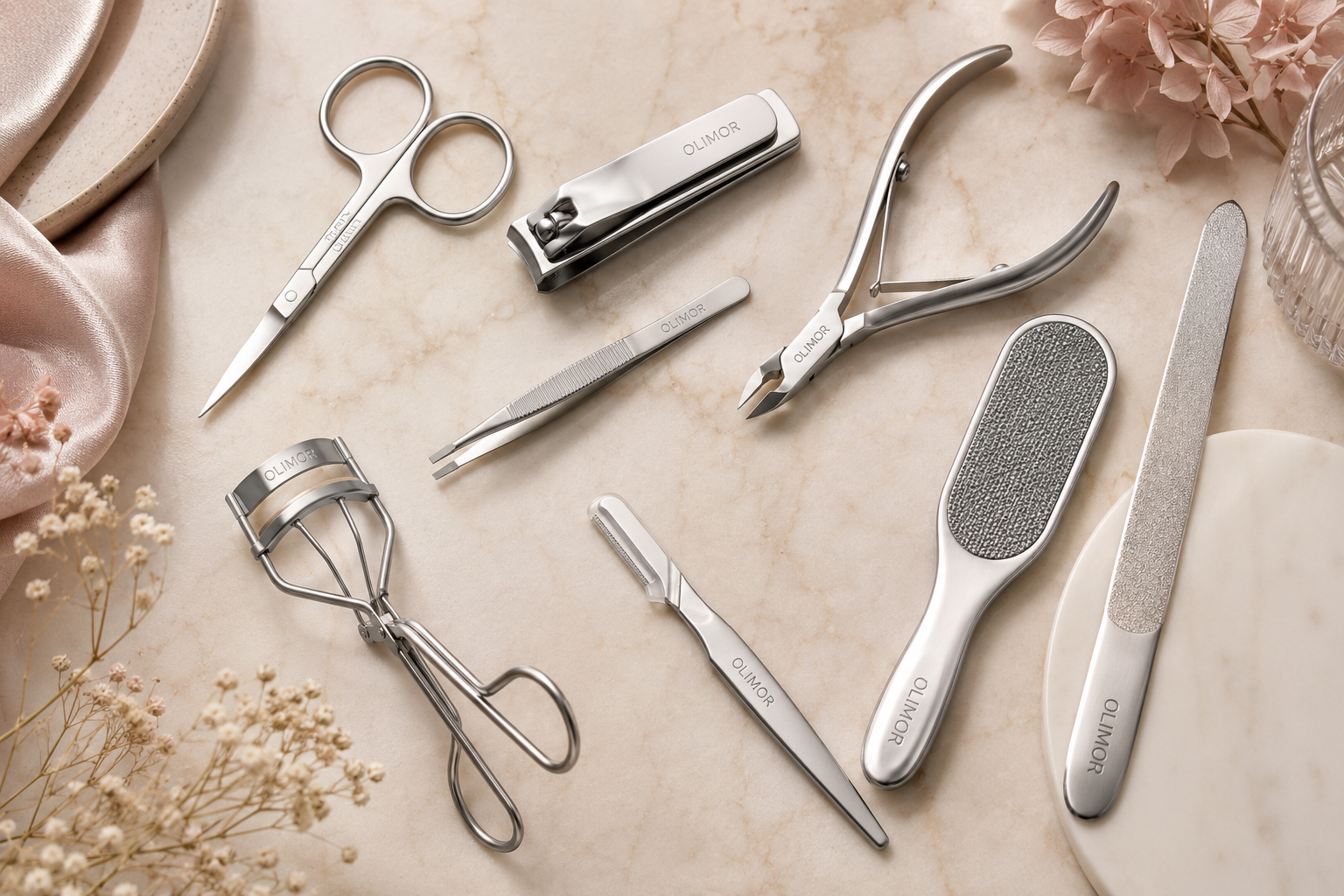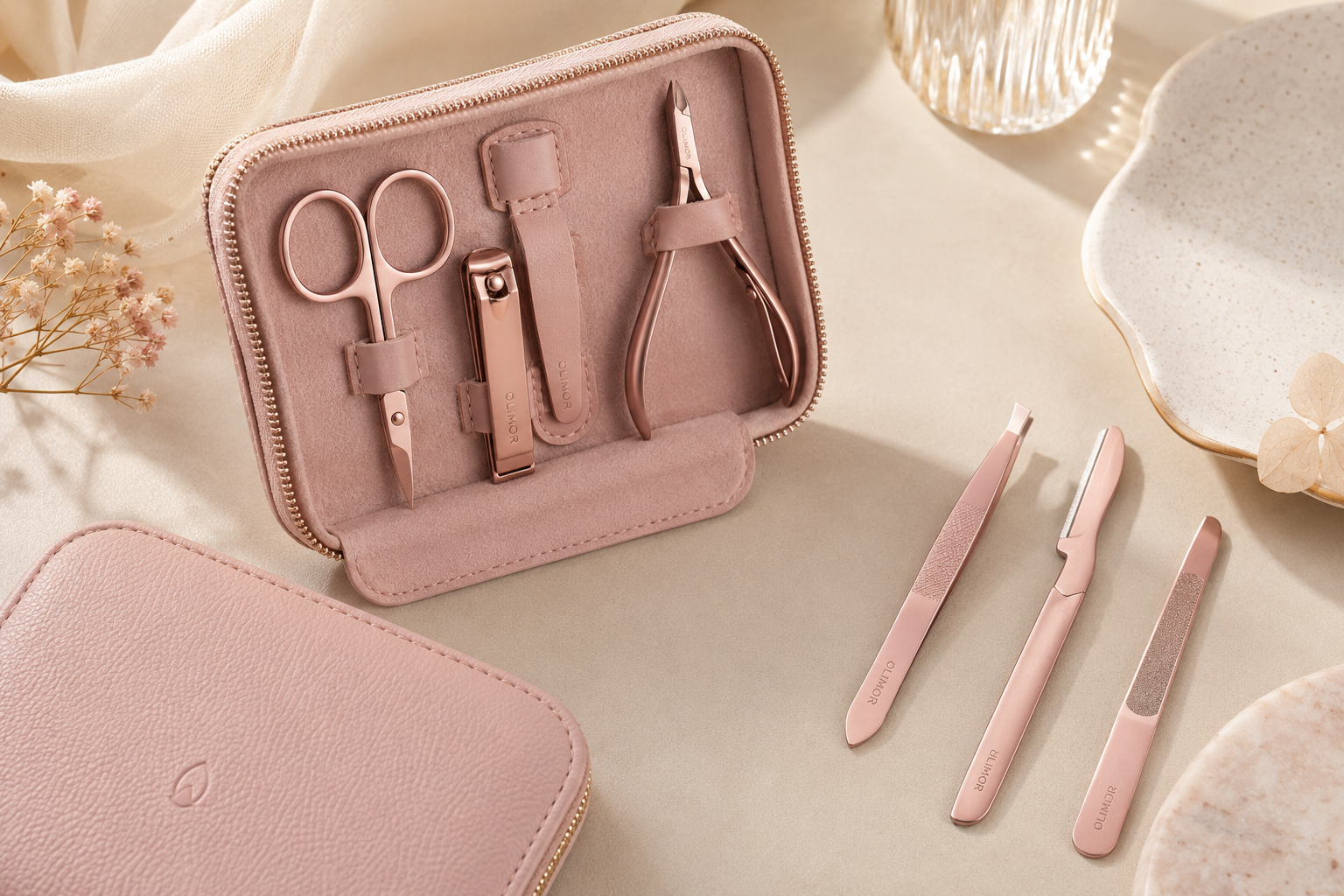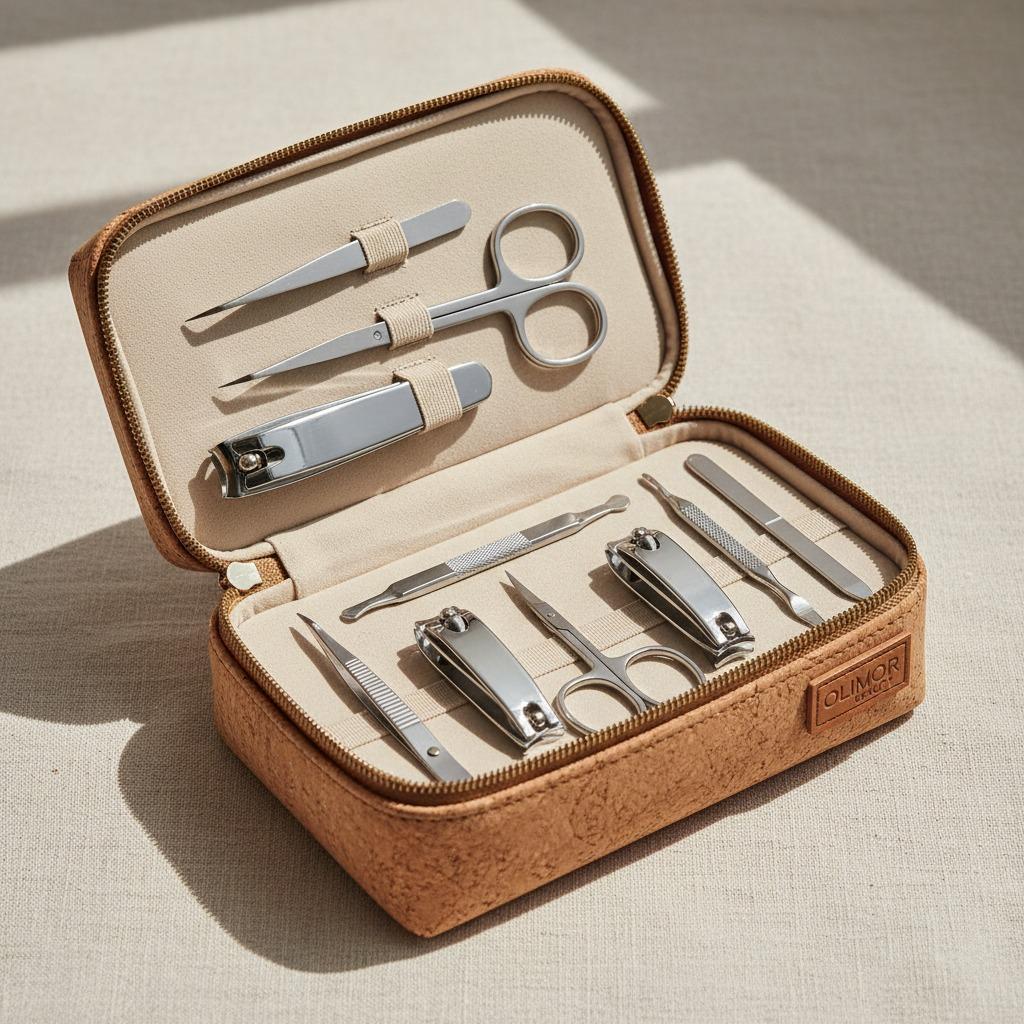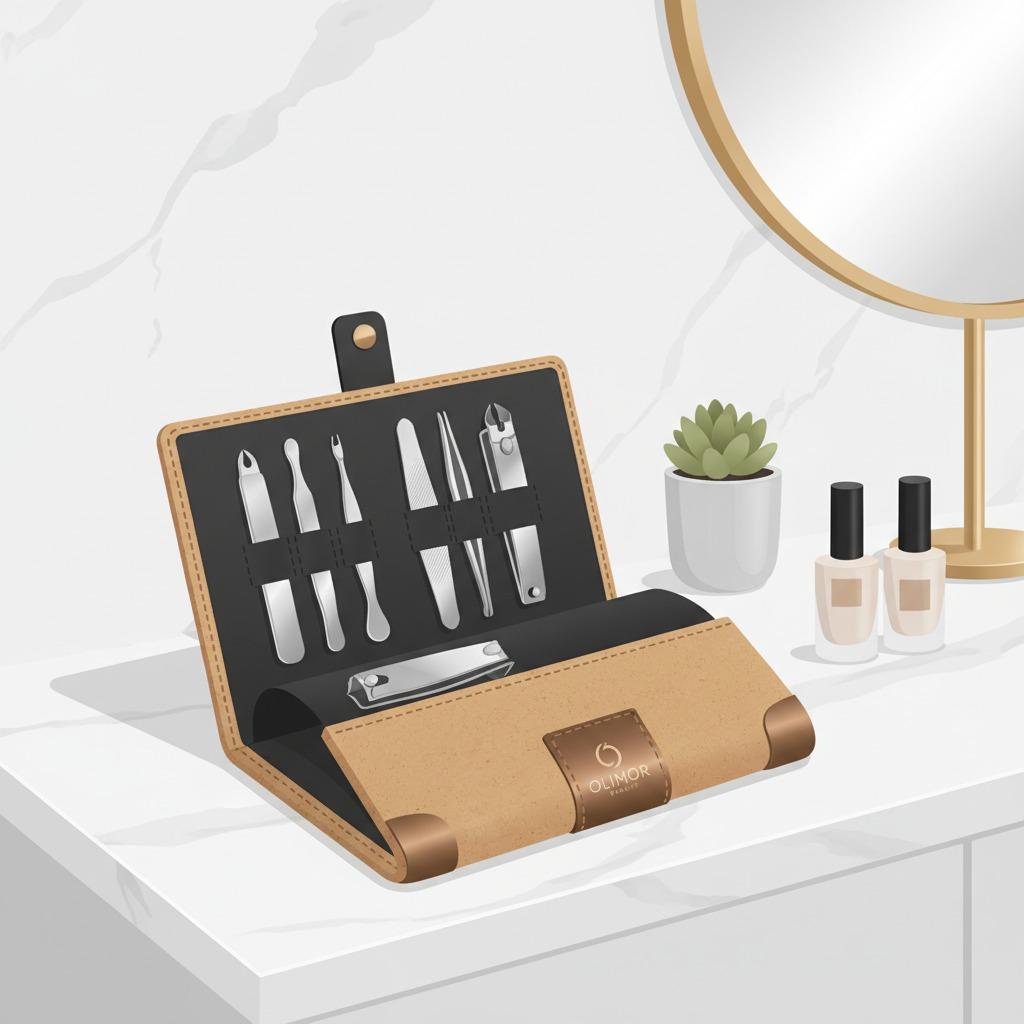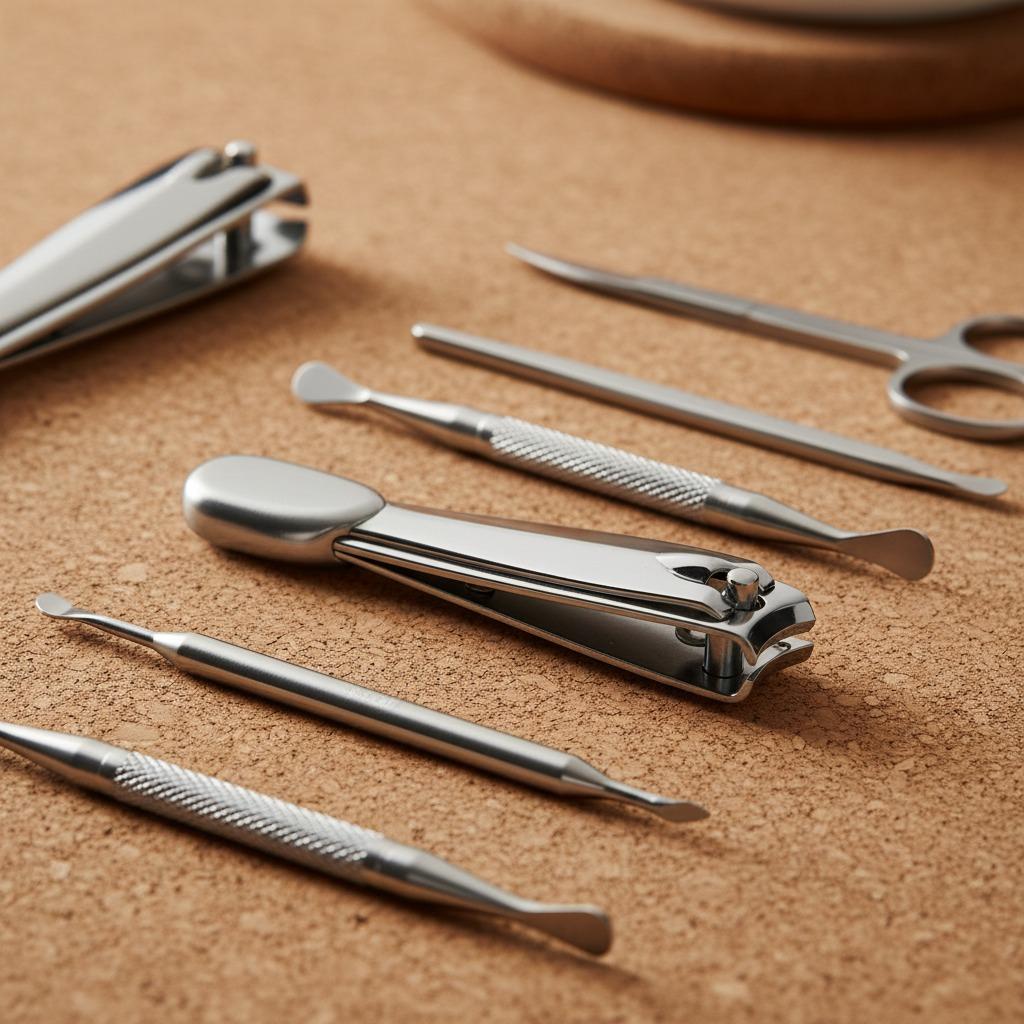











Spa personal care tools may be small, but they carry significant responsibility in a beauty business. A facial tool, grooming implement or retail skincare accessory can be used close to delicate skin, handled repeatedly by professionals and judged by customers as soon as the package is opened. For spas, salons, beauty retailers, distributors and private-label brands, buying spa personal care tools wholesale is not only about lowering unit cost. It is about sourcing products that feel consistent, look professionally finished, support practical hygiene routines and can be reordered with confidence.
The right sourcing approach helps reduce avoidable returns, improves customer trust and makes inventory planning easier. It also helps purchasing teams compare suppliers beyond a simple price sheet. Whether you are buying tools for treatment rooms, building a retail skincare accessory range or preparing an OEM personal care tools project, the strongest decisions start with clear use cases, sample checks, packaging requirements and quality expectations.
What Counts as Spa Personal Care Tools in Wholesale Buying?
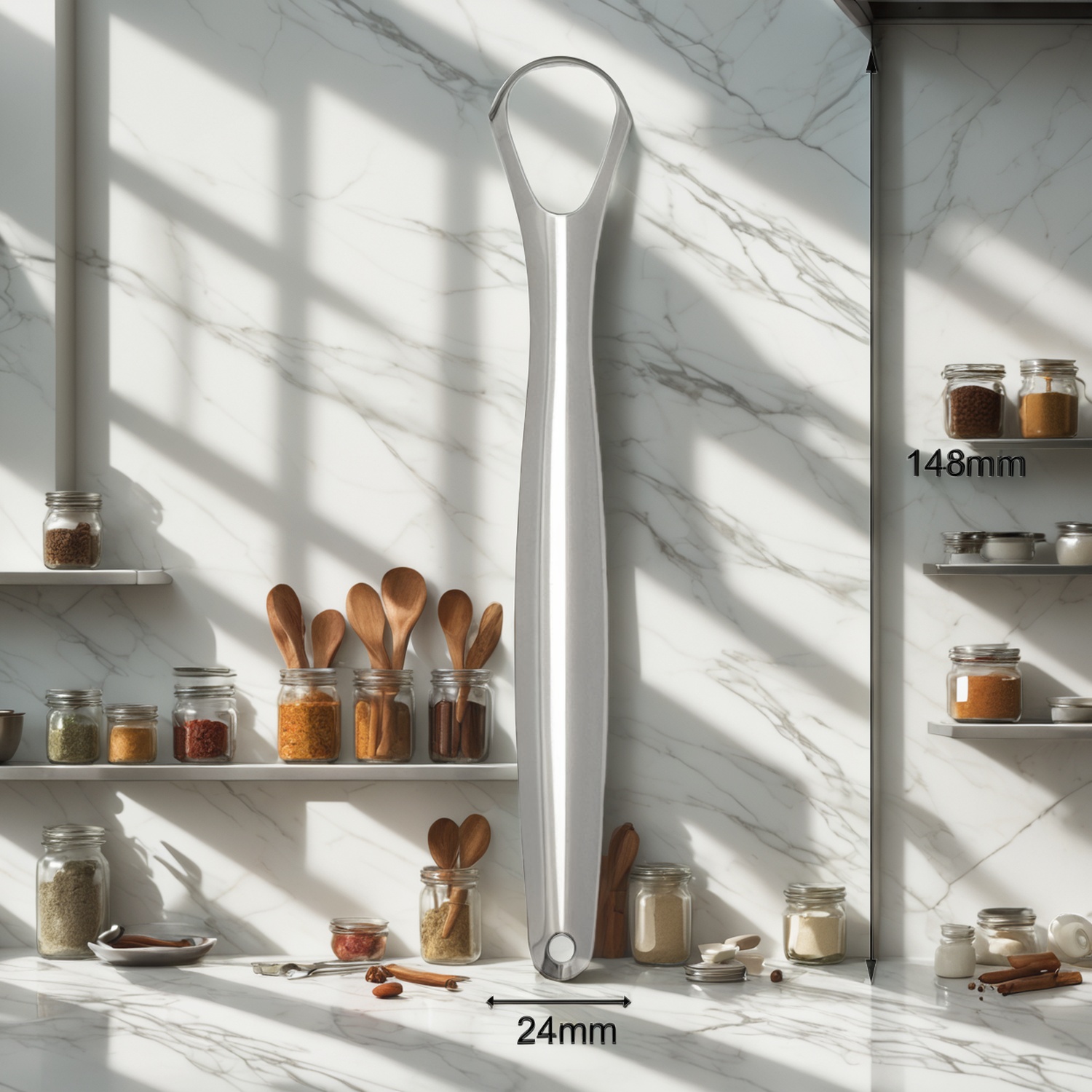
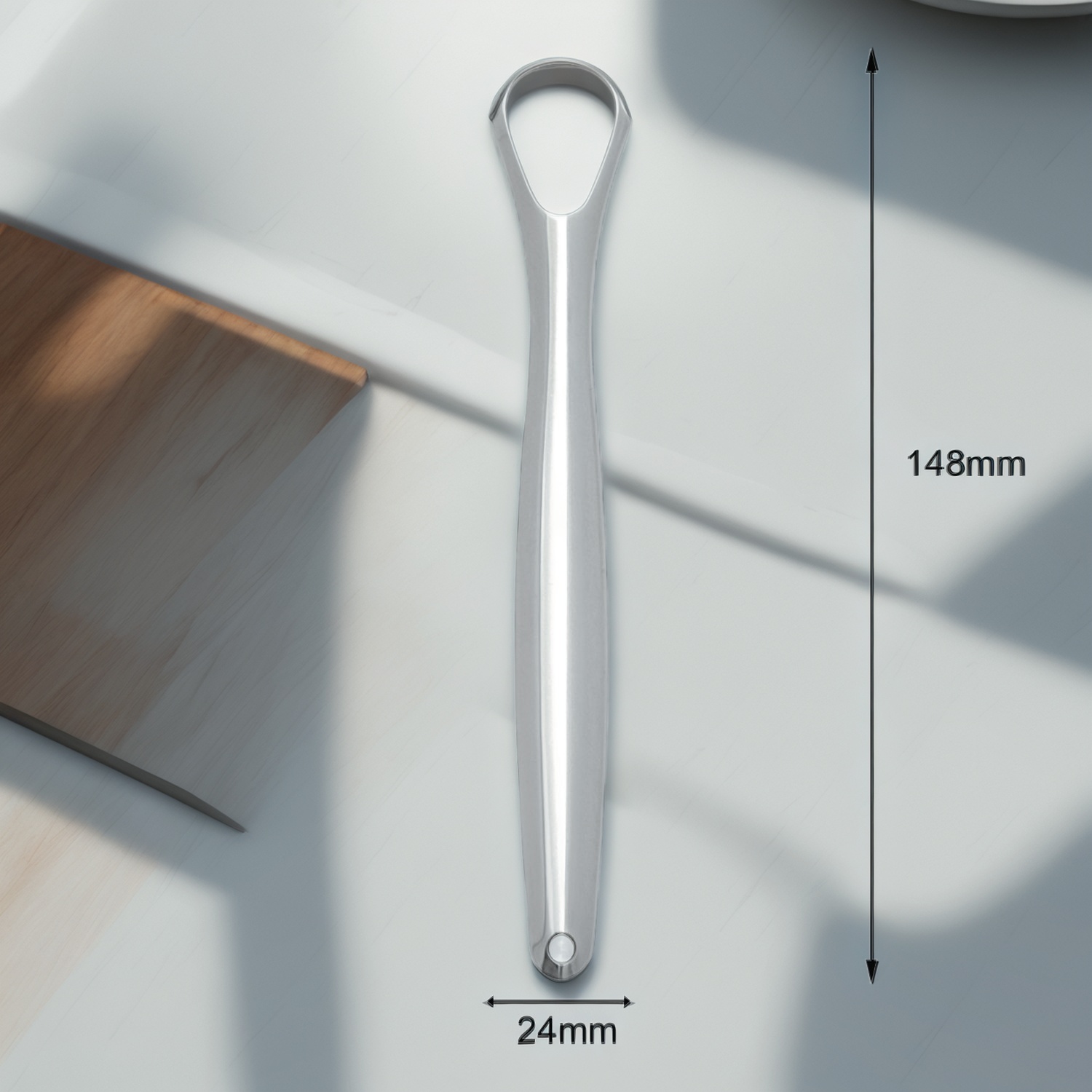
Spa personal care tools include a broad group of beauty and grooming accessories used for skincare, facial care, nail care, brow care and general personal maintenance. In Olimor Beauty’s product context, a stainless steel loop extractor is one example of a grooming tool designed for skincare use. This type of tool is often considered by professional estheticians, skincare retailers and consumers who want a more controlled tool than using fingers during a routine.
Wholesale buyers should separate tools by use environment before comparing prices. A product intended for a professional spa treatment room may need a different finish expectation, cleaning process, storage method and staff guidance than a retail accessory sold for home use. A distributor may also need tools that travel well in cartons, display neatly in stores and remain visually consistent across repeat orders.
Before you request a quotation, define the role of each item. Is it a treatment-room tool, a resale product, a promotional bundle item, a travel accessory or part of a branded skincare set? That answer affects material selection, packaging format, inspection criteria and the level of customization you should request.
Why Wholesale Spa Tools Matter for Service and Retail
Wholesale personal care tools usually support two business needs. The first is professional service use. Spas and salons need tools that can be handled comfortably, cleaned appropriately and used consistently by trained staff. The second is retail resale. Customers often want at-home care accessories after a facial, grooming service or consultation, and a well-chosen product range can extend the customer relationship beyond the treatment room.
For service businesses, the value of wholesale sourcing comes from standardization. When every treatment room uses the same tool type and quality level, staff training becomes easier and the customer experience becomes more predictable. For retailers and distributors, wholesale sourcing supports a more coherent assortment, better packaging control and clearer margin planning.
Buyers should also consider how tools fit the brand experience. A tool that looks attractive online may not be suitable if the edge feels rough, the grip is awkward or the packaging does not protect the product during shipping. Wholesale sourcing is strongest when visual appearance, user handling and operational practicality are evaluated together.
Key Selection Criteria for Spa Personal Care Tools
Reliable grooming tools wholesale programs depend on repeatable details. A single sample can look acceptable, but wholesale success depends on whether the same standard can be maintained at quantity and reordered later. Use the following criteria when reviewing beauty tool products for professional, retail or private-label use.
- Fit for intended use: Confirm whether the tool is designed for professional spa service, retail resale, home care, travel use, promotional kits or a branded set.
- Material suitability: Stainless steel is specifically relevant for tools such as loop extractors. Buyers should confirm whether the selected material is suitable for repeated handling and the intended skincare context.
- Surface finish: Check for rough edges, burrs, uneven polishing, visible glue marks, loose parts or seams that may affect comfort and perceived quality.
- Ergonomic handling: Tools should feel stable and comfortable in the hand, especially if staff will use them repeatedly during appointments.
- Cleaning practicality: Consider how the tool will be wiped, cleaned, dried and stored. Avoid unnecessary crevices if hygiene management is important.
- Packaging function: Packaging should protect the tool during transport and suit the channel, whether spa shelves, e-commerce shipping, gift sets or distributor cartons.
- Batch consistency: Ask how finish, shape, color, logo placement, assembly and packaging are controlled from one batch to the next.
- Claim support: If you plan to market a tool as cruelty-free, vegan-friendly, sustainable or ethically made, make sure the claim is clearly defined and supported by supplier documentation.
Evaluating Stainless Steel Loop Extractors
Olimor Beauty highlights a stainless steel loop extractor as a skincare grooming tool crafted from stainless steel for durability and rust resistance, with a purposeful design intended to aid skincare routines. For wholesale buyers, this category deserves careful evaluation because it is used with precision and may be purchased by both skincare enthusiasts and professional estheticians.
A loop extractor should feel stable in the hand and have a smooth contact area. Buyers should not treat it as a generic metal accessory. The shape of the loop, the polish of the surface and the grip area all influence the user experience. Multiple samples should be reviewed, not only one best-looking unit, because small finishing differences can affect customer perception.
If the tool is intended for retail sale, clear use guidance and responsible skincare messaging are important. Beauty businesses should avoid overpromising results or positioning an extractor as a substitute for professional skincare advice when a customer has irritated, inflamed or sensitive skin concerns. For spa environments, establish internal hygiene, cleaning, storage and replacement procedures before introducing reusable tools into services. Local regulations and professional protocols may vary, so buyers should verify requirements in their own market.
Cruelty-Free Beauty Tools: What Buyers Should Verify
Customer interest in cruelty-free beauty tools continues to shape product selection, but the term can mean different things depending on the product, market and sales channel. For beauty tools, it may relate to avoiding animal-derived materials, avoiding certain animal testing claims where applicable or aligning with ethical beauty values.
The safest approach is to separate product facts from marketing language. Product facts include material composition, component lists, production notes and packaging materials. Marketing language includes terms such as cruelty-free, vegan-friendly or ethically produced. If a tool includes a brush, sponge, pouch, handle covering or decorative component, confirm whether any material is animal-derived. If your retail partner or marketplace has claim policies, check them before packaging is printed.
Buyers should ask suppliers what documentation can be provided to support a claim, then decide whether that support is sufficient for the target market. Avoid placing broad ethical statements on packaging unless the wording is specific, supportable and accepted by your sales channel.
Manufacturing in Asia: Benefits and Buyer Responsibilities
Asia is a major hub for personal care tools manufacturing, offering production experience, technical knowledge, supplier networks and broad material availability. For wholesale buyers, this can provide access to many beauty tool categories, packaging formats and customization options. It can also make it easier to develop coordinated product ranges instead of sourcing every item from a different region.
At the same time, successful sourcing depends on clear communication. A manufacturer can only control to the standard that has been defined. If finish tolerance, packaging strength, color reference, logo position or carton labeling is important, those details should be written into the project requirements instead of discussed informally.
Buyers evaluating an Asian personal care tools manufacturer should consider communication quality, sampling discipline, inspection procedures and responsiveness to corrective feedback. A supplier’s ability to explain how products are checked can be as important as the appearance of the first sample. Consistent manufacturing is built through specifications, approved samples, production records and inspection routines.
For broader category planning, buyers can review Olimor’s beauty tool products or browse the personal care tool collections to consider how individual items may fit into a complete assortment.
Wholesale Supplier Evaluation Checklist
Price matters, but the lowest quoted price can become expensive if tools require repacking, create complaints or cannot be reordered consistently. Use this checklist to compare suppliers in a structured way before confirming a wholesale grooming tools order.
| Buyer concern | What to review | Why it matters |
|---|---|---|
| Tool consistency | Compare multiple samples for finish, shape, grip comfort and visible defects. | Customers expect every unit to feel the same, especially in retail sets. |
| Material and finish | Confirm material information, polishing quality, edges, coatings and assembled parts. | Material suitability and surface finish affect durability, comfort and customer confidence. |
| Packaging | Check protection, labeling space, barcode needs, instructions and display suitability. | Good packaging reduces damage and supports easier merchandising. |
| OEM readiness | Clarify logo options, artwork requirements, approval steps and sample confirmation. | Private-label projects need controlled communication before production. |
| Use and care information | Review whether instructions, warnings or cleaning notes are needed for the market. | Clear information helps customers use grooming tools responsibly. |
| Inspection process | Ask how incoming materials, in-process work and finished goods are checked. | Inspection routines help reduce inconsistent batches and late surprises. |
| Reorder planning | Discuss product continuity, packaging continuity and repeat order expectations. | Stable supply supports core inventory and seasonal promotions. |
OEM Personal Care Tools: Decisions to Make Before Production
OEM personal care tools projects require more detail than a standard off-the-shelf wholesale order. A private-label buyer may need to control product appearance, logo placement, packaging artwork, instruction wording, barcode placement, carton marks and assortment structure. These details should be confirmed before production begins.
Start with the commercial role of the product. A spa retail item may need a polished presentation and customer-facing instructions. A distributor carton may need efficient packing and easy product identification. A promotional bundle may need coordinated colors and packaging inserts. Each scenario creates different priorities for the manufacturer.
Next, confirm the approval path. Buyers should ask how samples are made, how changes are recorded, what counts as an approved sample and how production will be compared against that approval. If packaging is customized, artwork files, color references and wording approvals should be managed carefully. If a tool is part of a larger set, the buyer should check how each component is packed, protected and identified.
Olimor Beauty supports businesses looking for dependable sourcing support across personal care tools. If you are preparing a private-label program, you can send project requirements through the OEM inquiry page so the discussion starts with the right product, packaging and inspection details.
Quality Checks Before Confirming a Wholesale Order
A practical quality process does not need to be complicated, but it should be specific. Before placing a larger order, request samples that reflect the intended material, finish and packaging. Handle the products as your staff or customers would handle them. Look for comfort, balance, smoothness, packaging protection and visual consistency.
For reusable spa tools, ask how cleaning practicality should be considered and verify your own local hygiene obligations. For retail tools, evaluate whether instructions, cautions or care notes are clear enough for end users. For e-commerce, consider whether the package can survive shipping without making the product look used, scratched or poorly presented.
During production planning, buyers may reference public inspection and quality frameworks as conversation tools. For example, ISO 2859-1 is commonly associated with sampling procedures for inspection by attributes, and ISO 9001 is a widely known quality management systems standard. These references do not replace your own product specifications, and they should not be treated as proof of certification. Buyers should verify the applicable version, the supplier’s actual documentation and any requirements relevant to their market before relying on a standard in a purchase agreement.
Cost Factors Beyond Unit Price
Wholesale spa tool cost is influenced by more than the product itself. Material choice, surface finish, polishing time, assembly complexity, packaging style, customization, inspection requirements and order planning can all affect the final commercial result. A simple metal grooming tool in bulk packaging will not have the same cost structure as a retail-ready branded tool with printed packaging and inserts.
Buyers should also consider hidden cost factors. Poor packaging may increase damage. Inconsistent finishing may create customer returns. Unclear instructions may lead to misuse complaints. Weak communication may cause artwork delays or repacking work. In many cases, a slightly more disciplined sourcing process is more valuable than chasing the lowest initial quotation.
When comparing suppliers, ask for the assumptions behind the quotation. What packaging is included? Is customization included or separate? What sample approval steps are required? What inspection process is used? Are there changes that would affect cost if the buyer updates packaging, logo placement or product finish? These questions make quotations easier to compare fairly.
How to Choose the Right Beauty Tool Supplier
A reliable beauty tool supplier should help you move from a general product idea to a clearly defined wholesale order. Look for a supplier that can discuss product use, material choice, packaging needs, customization requirements and quality checks in practical terms. The best supplier evaluation is not only about whether a sample looks good; it is about whether the supplier can repeat that result and communicate clearly when changes are needed.
Before committing, prepare a short sourcing brief. Include the intended sales channel, target user, product type, packaging needs, branding requirements, claim expectations and any inspection priorities. This helps avoid vague conversations and makes supplier responses easier to compare.
If you want to discuss a spa, salon, retail or distributor program, Olimor can review your requirements and suggest a practical sourcing path. Use contact Olimor Beauty for a focused conversation about product selection, customization and next steps.
FAQ
Can I request samples before placing a wholesale order?
Yes. Samples are an important step for checking finish, handling, packaging and product suitability. Buyers should confirm whether the sample represents the intended production material, packaging and customization before using it as an approval reference.
Does Olimor offer customization for personal care tools?
Olimor supports OEM personal care tool discussions, including product and packaging requirements. Available options depend on the tool category, artwork needs and project details, so buyers should provide a clear brief before requesting confirmation.
How should I evaluate MOQ and lead time?
MOQ and lead time depend on product type, customization, packaging and production planning. Buyers should avoid assuming fixed numbers and should ask for project-specific details after the specification, sample requirements and packaging format are defined.
What quality checks should I ask about?
Ask how materials, surface finish, assembly, packaging and finished goods are inspected. For retail projects, also review labeling, instructions, carton marks and consistency against the approved sample.
Can beauty tools be marketed as cruelty-free?
They may be marketed that way only when the claim is clearly defined and supported. Buyers should verify material composition, component details and sales-channel claim policies before printing cruelty-free, vegan-friendly or ethical statements.