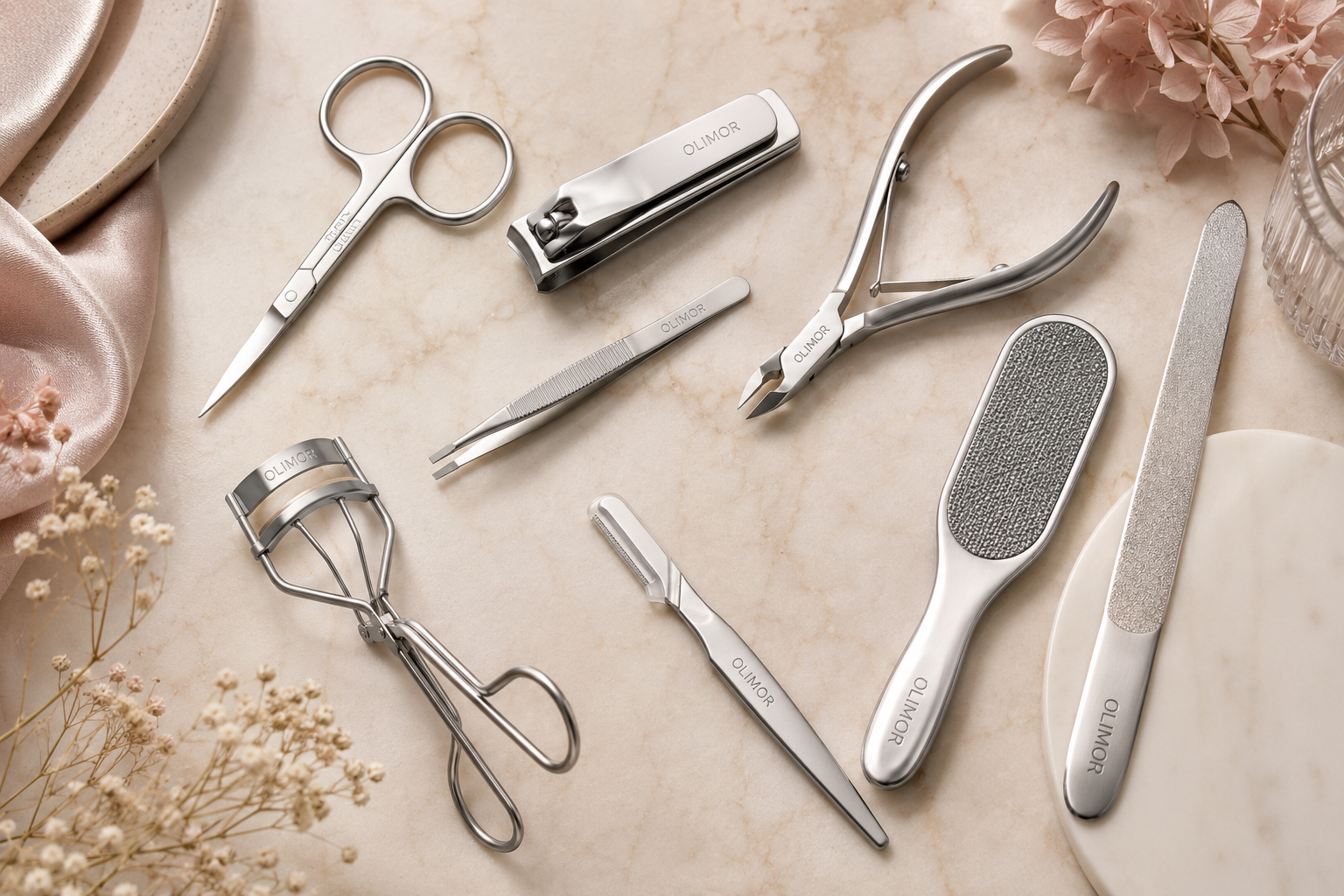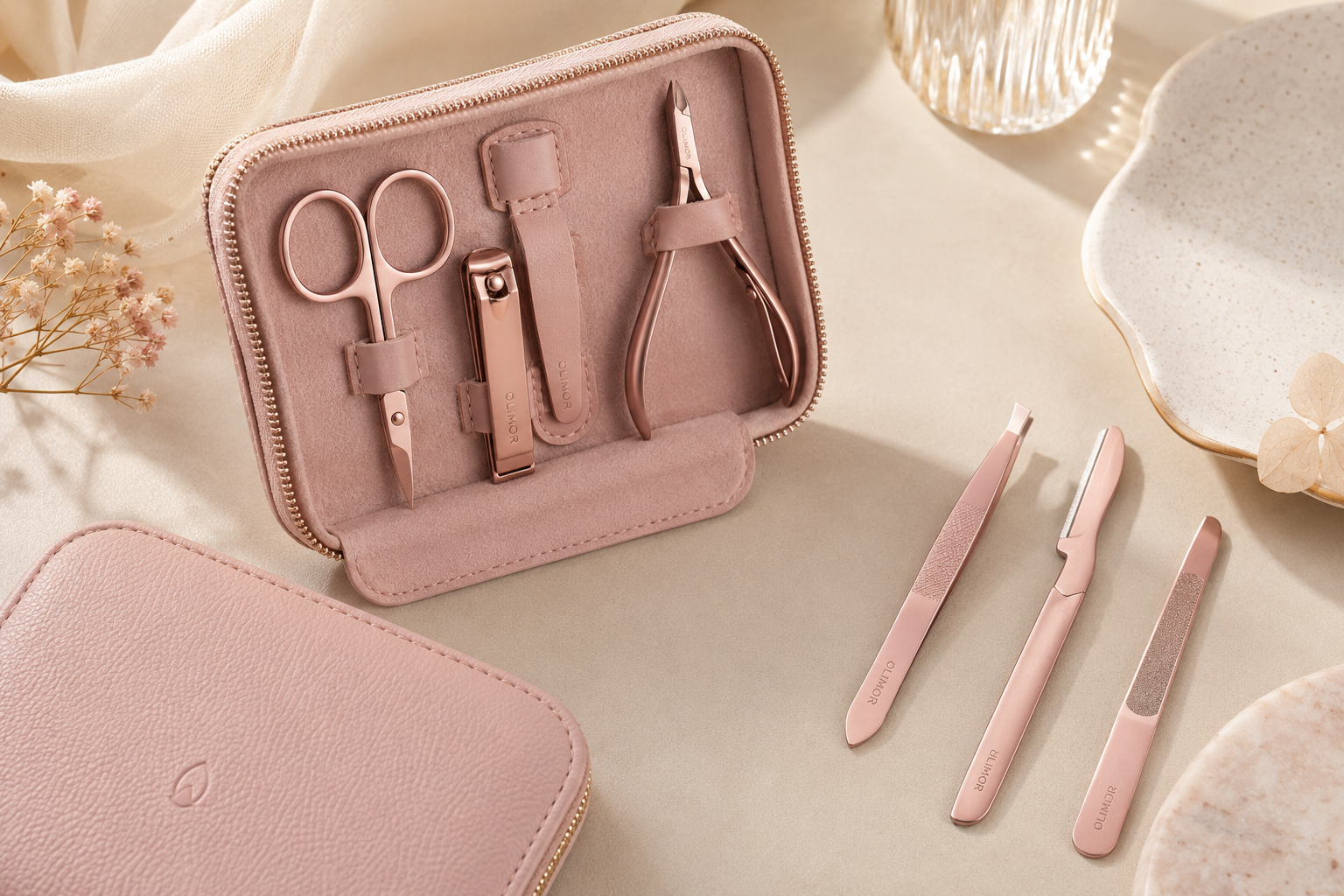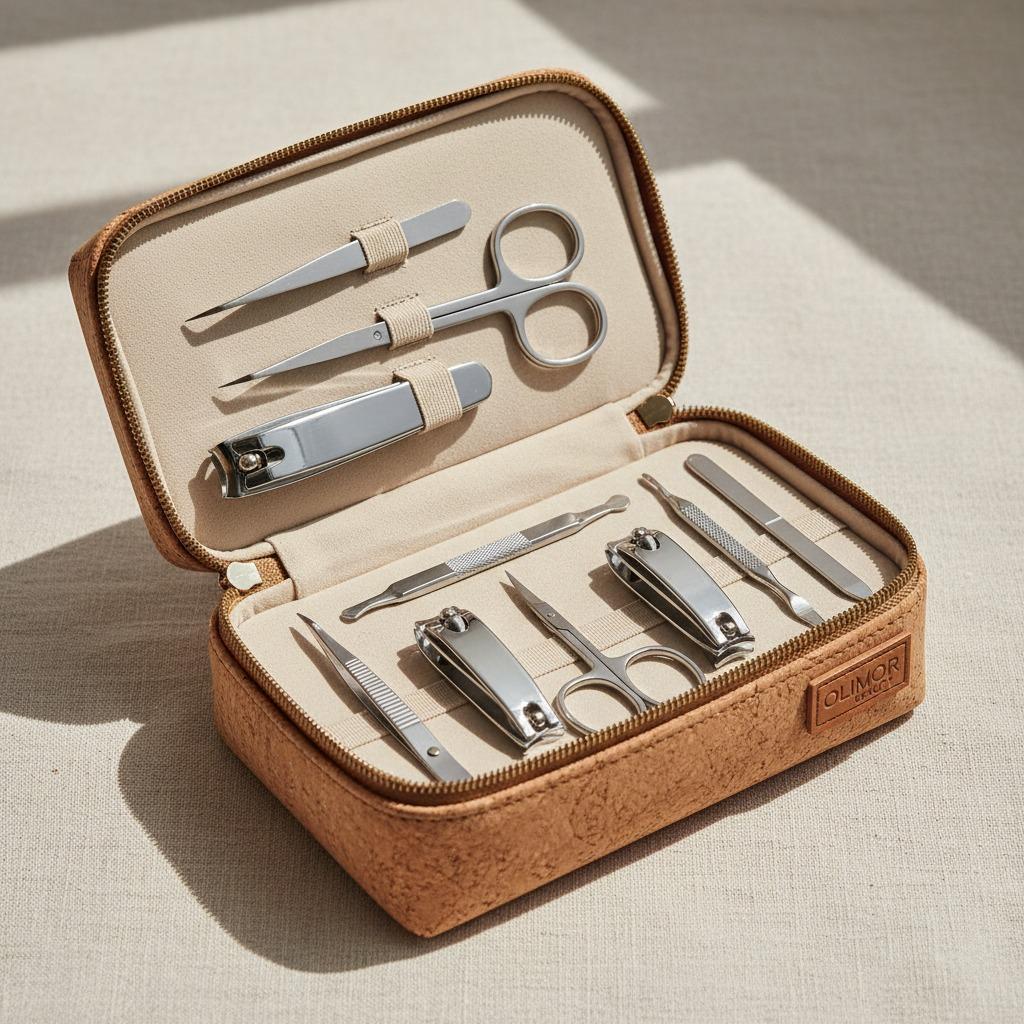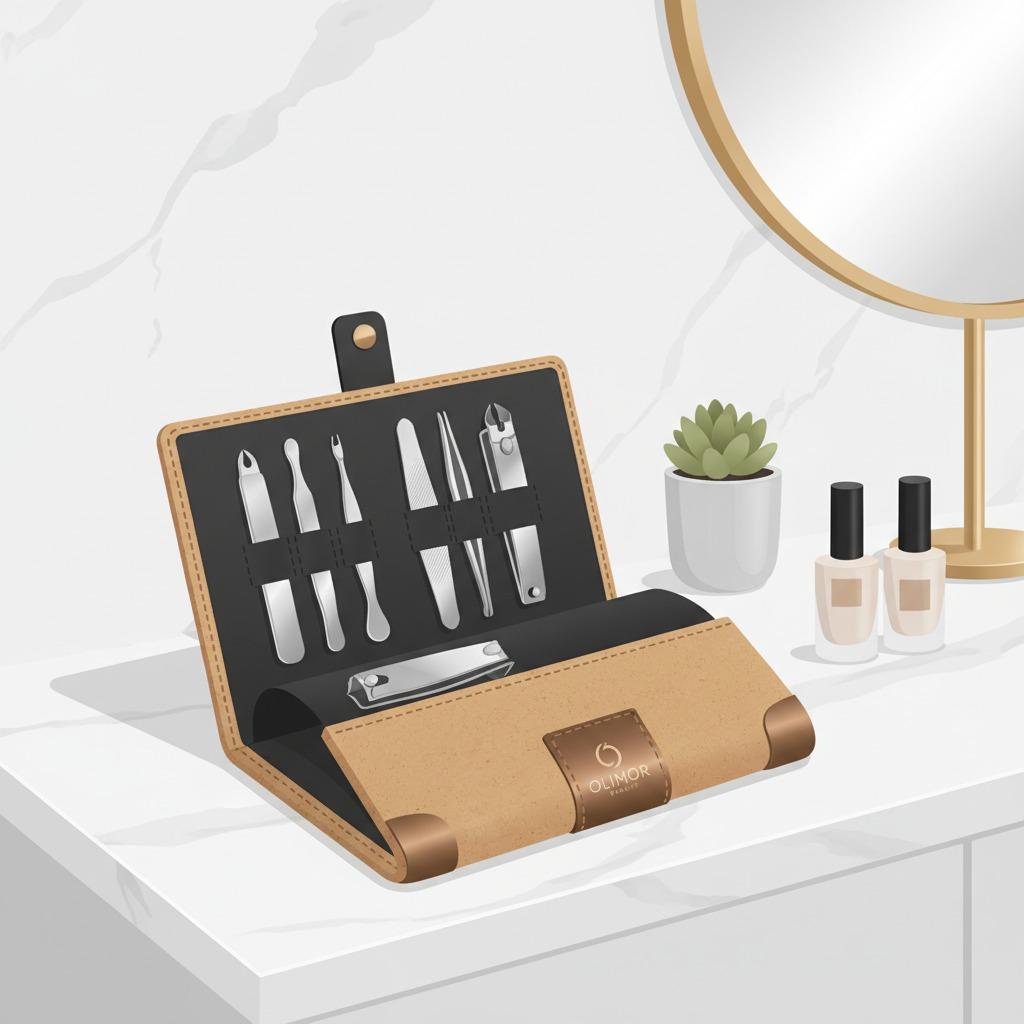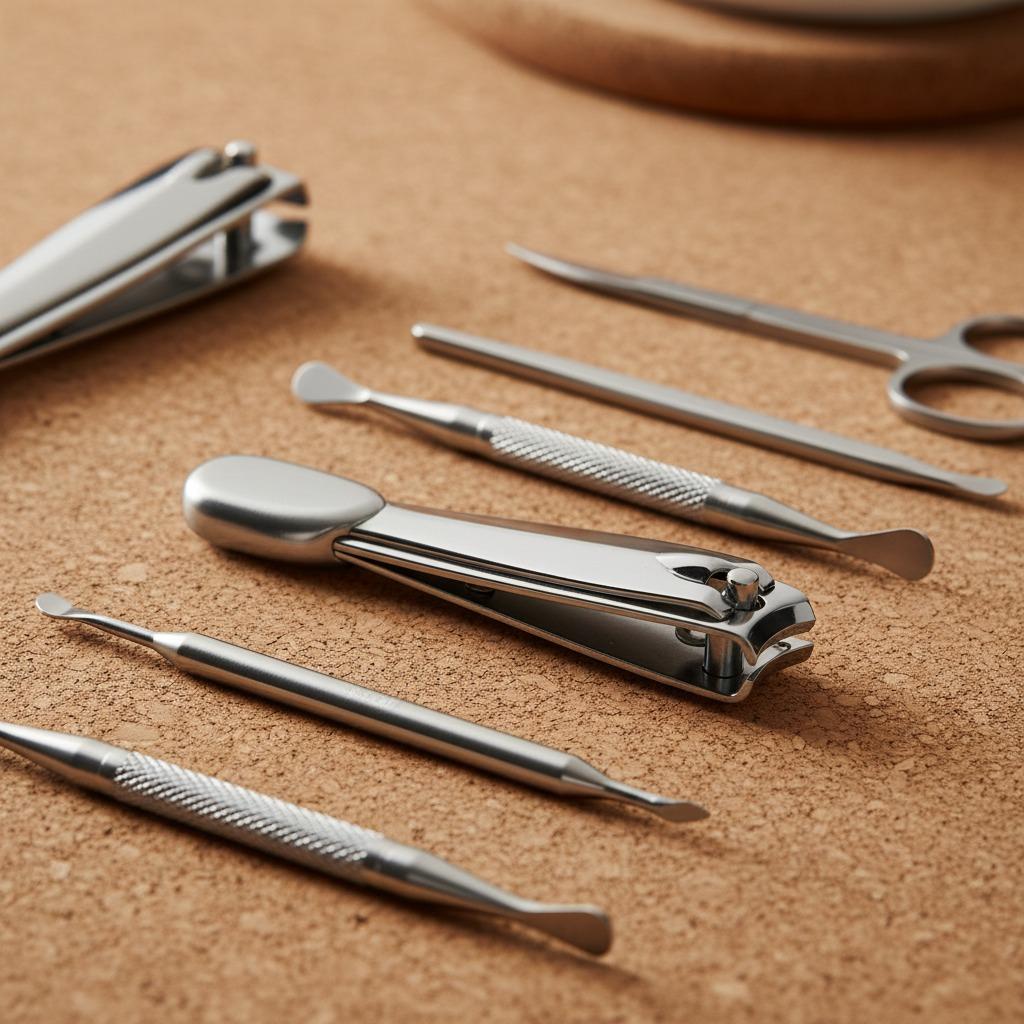












Salon buyers choose wholesale beauty tool distributors to keep daily services consistent, stocked and professional. The right supplier is not simply the one with the lowest unit price. A useful distributor helps a salon, spa or hospitality buyer compare suitable tools, plan repeat purchasing, ask practical product questions and avoid service interruptions caused by inconsistent stock.
This guide focuses on one common B2B purchasing decision: how to evaluate wholesale beauty tools for salon use, especially manicure and pedicure items such as the Gold Elegance Foot File. It is written for owners, managers, spa buyers and purchasing teams who need practical criteria for comparing distributors, placing bulk orders and keeping tools ready for repeated client-facing service.
What a Salon Really Needs from a Wholesale Beauty Tool Distributor
A beauty tool may look simple online, but salon use is demanding. Tools are handled repeatedly, moved between storage and stations, cleaned according to salon procedures, and used in front of paying clients. A distributor should therefore support more than a one-time purchase. It should make it easier to select categories, confirm suitability, reorder products and build a stable inventory plan.
For salons, the main value of wholesale buying is operational control. Buying single items only when stock runs low can lead to mismatched tools, urgent orders and inconsistent service setups. Bulk buying allows managers to equip stations evenly, keep backups available and reduce the time technicians spend searching for the right item before an appointment.
When comparing distributors, start with these commercial questions: Does the product range match your treatment menu? Can you review related categories together? Is it easy to ask about product details before ordering? Can the supplier support professional buyers rather than only occasional retail shoppers? These questions help separate a useful wholesale source from a catalog that only looks broad.
Olimor Beauty supplies wholesale beauty products for professional buyers in salon, spa and hospitality settings. Buyers can review available beauty tool products by category when building a purchasing list instead of selecting one isolated item at a time.
Match Products to Services Before Comparing Price
Price matters, but service fit should come first. A low-cost tool that does not match the treatment menu can create waste, while a tool selected for the right service flow can support smoother appointments and more predictable inventory use. Before requesting a quote or placing an inquiry, define where each product will be used.
For a nail salon, core categories may include manicure tools, pedicure tools and accessories used during routine treatments. A hotel spa may also consider items that support guest-facing preparation or amenity-related services. A full-service beauty business may need a broader range and should compare product collections by department, station or treatment room.
Pedicure tools deserve particular attention because they are visible to clients and often used during a service where comfort, hygiene and technician confidence are closely observed. Products such as the Gold Elegance Foot File should be evaluated as part of the full pedicure program: setup, use, cleaning workflow, storage, replacement and reordering.
Key Selection Criteria for Bulk Salon Beauty Tools
Bulk purchasing works best when every item has a reason to be in stock. A salon should avoid ordering tools simply because they look attractive or are available in quantity. Instead, create a selection standard that can be applied across different product types and suppliers.
| Selection point | What to check | Why it matters |
|---|---|---|
| Service fit | Confirm whether the tool supports manicure, pedicure, spa or add-on services already on the menu. | Prevents overbuying products that do not serve daily appointments. |
| Technician handling | Consider grip, control, setup time and whether staff can use the item comfortably during repeated service. | Reduces friction during busy periods and supports consistent work. |
| Client-facing appearance | Review whether the tool looks clean, professional and appropriate for the salon environment. | Visible tools influence how clients perceive care and organization. |
| Cleaning workflow | Check whether the product can fit your salon’s separation, cleaning, drying and storage process. | Helps staff follow hygiene routines without confusion. |
| Inventory consistency | Plan enough quantity for active stations, backups and replacement needs. | Keeps technicians from using mismatched or improvised tools. |
| Supplier communication | Ask how to confirm details, packaging, customization options or ordering requirements. | Improves purchasing confidence before committing to a bulk order. |
This type of checklist keeps the conversation objective. It also helps a manager compare spa product wholesalers without relying on generic claims or decorative product photos alone.
Where the Gold Elegance Foot File Fits in Pedicure Purchasing
The Gold Elegance Foot File is a product-specific example of why salon buyers should evaluate tools by use case. A foot file is not a decorative accessory. It is part of the pedicure workflow, and clients can see how it is presented, handled and maintained. For a salon refreshing its pedicure inventory, a dedicated foot care tool can help create a more organized service setup than relying on inconsistent or improvised items.
When considering this type of product for wholesale purchase, ask operational questions first. How many pedicure stations must be equipped at the same time? Will the foot file be used for standard pedicures, spa pedicures or selected add-on treatments? How will clean and used tools be separated during the day? How many backup pieces are needed so staff are not pressured to reuse a tool before it has gone through the salon’s procedure?
These questions are more useful than asking whether a foot file is simply suitable for salons. A compact studio with limited appointment volume will order differently from a larger salon with multiple pedicure chairs and weekend peaks. The product may be the same, but the buying plan should reflect appointment volume, staffing and storage space.
Appearance also matters. A client-facing pedicure tool should look appropriate for a professional setting. The word “gold” in the Gold Elegance Foot File refers to its product identity and visual positioning, not to any performance claim. Buyers should still inspect the product details, handling suitability and maintenance workflow before deciding whether it fits their salon.
How to Plan a Wholesale Order Without Overstocking
Wholesale purchasing should improve readiness without filling cabinets with tools that are not used. The best approach is to connect order quantity to real services. Start with appointment history, station count and replacement needs, then build a practical reorder system.
- List core services. Separate manicure, pedicure, spa and add-on services so every product has a defined role.
- Count active work points. Identify how many technicians, rooms or stations need the same item at the same time.
- Add backups for rotation. Keep additional tools available for cleaning cycles, damage, loss or busier-than-usual days.
- Set a reorder trigger. Decide the minimum stock level that should prompt a new inquiry or purchase before tools run out.
- Check storage capacity. Bulk tools should be stored cleanly, separated by status and easy for staff to find.
- Review after menu changes. If you add or remove treatments, update the purchasing list so inventory follows actual service demand.
This planning method is especially useful for small and mid-sized salons. It reduces emergency ordering, gives technicians more predictable setups and helps managers avoid spending money on products that do not support revenue-generating appointments.
Quality Inspection and Handling on Arrival
Professional buyers should inspect beauty tools when they arrive, before distributing them to stations. This does not require laboratory testing or complicated equipment. It means building a simple receiving process so issues are noticed early and stock is organized from the start.
Check that the ordered product type and quantity match the purchase record. Review packaging condition, product appearance and whether items are separated in a way that supports your storage system. For tools used in client-facing services, inspect for visible damage, inconsistent finish, loose components where applicable, sharp or rough edges where they should not be present, and anything that could affect handling.
Documenting this process is helpful for repeat purchasing. A simple receiving log can include supplier name, product name, arrival date, quantity received, staff member who inspected the order and any questions to raise with the supplier. This creates a record for future reorders and helps the salon compare suppliers based on actual experience rather than memory.
For B2B buyers considering a larger order, it may be sensible to discuss samples, product details or category options first. Olimor buyers can use the wholesale inquiry page to raise purchasing questions related to intended use, quantity planning or product selection.
Maintenance, Hygiene and Compliance Considerations
Tool selection and tool maintenance are connected. A salon should not buy any beauty tool without knowing how it will be cleaned, stored, inspected and retired from service. Local rules vary, so salons should verify current requirements from their state board, local health authority or equivalent regulator. In the United States, many salons also refer to disinfectant labels for EPA-registered products where applicable. Always follow the current label directions and local rules that apply to your location.
A practical salon procedure should separate clean tools from used tools at every stage. Clean tools should be stored in a dry, organized area. Used tools should have a defined holding area so they are not mixed with ready-to-use items. Staff should know who is responsible for cleaning, when tools return to service and what condition makes a tool unsuitable for client use.
Inspection should be routine, not occasional. Before a treatment begins, technicians should check that the tool is clean, intact and appropriate for the planned service. If a tool looks worn, damaged or difficult to clean, it should be removed from service according to the salon’s policy. This protects the client experience and prevents staff from making rushed decisions during busy schedules.
Managers should also consider how tools are assigned. Some salons issue sets by station, while others use a central preparation area. Either model can work if the rules are clear. The important point is traceability inside the business: staff should know where tools belong, what is ready for use and when stock needs replenishment.
Comparing Distributors: Beyond the Product Page
A product page is only the beginning of supplier evaluation. B2B buyers should also consider how a distributor supports purchasing decisions before and after an order. Clear category structure, practical communication and the ability to review related products can save time for salon managers who are buying across multiple service areas.
When comparing wholesale beauty tool distributors, review the range in a structured way. Look at manicure items, pedicure items, spa tools and any related accessories together. This helps identify whether one supplier can support a coordinated order or whether you will need multiple sources. Olimor’s product collections can help buyers compare related categories when planning a salon or spa purchasing list.
Also evaluate communication. A reliable purchasing process should allow buyers to ask commercially relevant questions: What product options are available? Can details be confirmed before ordering? Are customization discussions possible? What information does the supplier need to quote correctly? The goal is not to pressure the supplier into unsupported claims, but to gather enough information to make a responsible decision.
Cost should be reviewed as total purchasing impact, not only unit price. Factors may include product suitability, order size, packaging expectations, customization requirements, freight, replacement planning and the cost of service disruption if stock is inconsistent. A slightly cheaper item may not be the best option if it creates handling issues or does not fit the salon’s workflow.
Supplier Evaluation Checklist for Salon and Spa Buyers
Use this checklist before choosing a wholesale distributor or placing a larger order:
- Confirm that the supplier’s product range matches your current service menu.
- Identify which tools are essential for daily appointments and which are optional.
- Ask product-specific questions before ordering in bulk.
- Check whether the tool can fit your cleaning, storage and station workflow.
- Plan quantities based on active stations, backups and reorder triggers.
- Inspect goods on arrival and keep a simple receiving record.
- Verify local hygiene rules, current regulator guidance and applicable disinfectant label directions.
- Avoid unsupported assumptions about certifications, performance data or material specifications unless supplier documents confirm them.
- Review supplier communication, not just product photos.
- Reassess purchasing lists when your salon adds treatments, changes staffing or increases appointment volume.
Building a More Reliable Beauty Tool Purchasing Process
Choosing a wholesale distributor is a business decision that affects service quality, staff workflow and client perception. A strong process begins with the treatment menu, then moves into product selection, quantity planning, inspection, maintenance and reordering. Pedicure tools such as the Gold Elegance Foot File should be evaluated as part of a complete service system rather than as isolated items.
For salons, spas and hospitality buyers, the practical goal is consistency. Every station should have the right tools available, technicians should know how to handle and store them, and managers should be able to reorder before shortages affect appointments. This level of planning reduces rushed purchasing and helps client-facing services feel prepared.
Buyers who need to discuss product categories, intended use or purchasing next steps can contact Olimor Beauty. A restrained, information-led conversation is often the best starting point before committing to a larger wholesale order.
FAQ
Can salons request samples before placing a larger order?
Sample availability depends on the product and purchasing request. Buyers should ask the supplier directly and explain the intended salon use, target category and expected order plan so the request can be reviewed properly.
Is there a fixed MOQ for wholesale beauty tools?
Minimum order requirements can vary by product, customization need and order arrangement. Salons should confirm the current MOQ with the supplier before planning budgets or promoting a new service that depends on incoming stock.
Can beauty tools be customized for a salon or spa business?
Customization may be possible for certain products or orders, but options should be confirmed with the supplier. Buyers should avoid assuming logo, color, packaging or design changes are available until the supplier provides current details.
How should a salon check quality before using new tools?
Inspect products on arrival for correct item type, quantity, packaging condition and visible product issues. Then confirm that the tools fit your salon’s cleaning, storage and service workflow before distributing them to technicians.
How can buyers confirm lead time for wholesale orders?
Lead time should be confirmed during the inquiry or quotation process because it can depend on product availability, order size, customization and shipping arrangements. Always verify current timing with supplier documents before scheduling services around a new order.