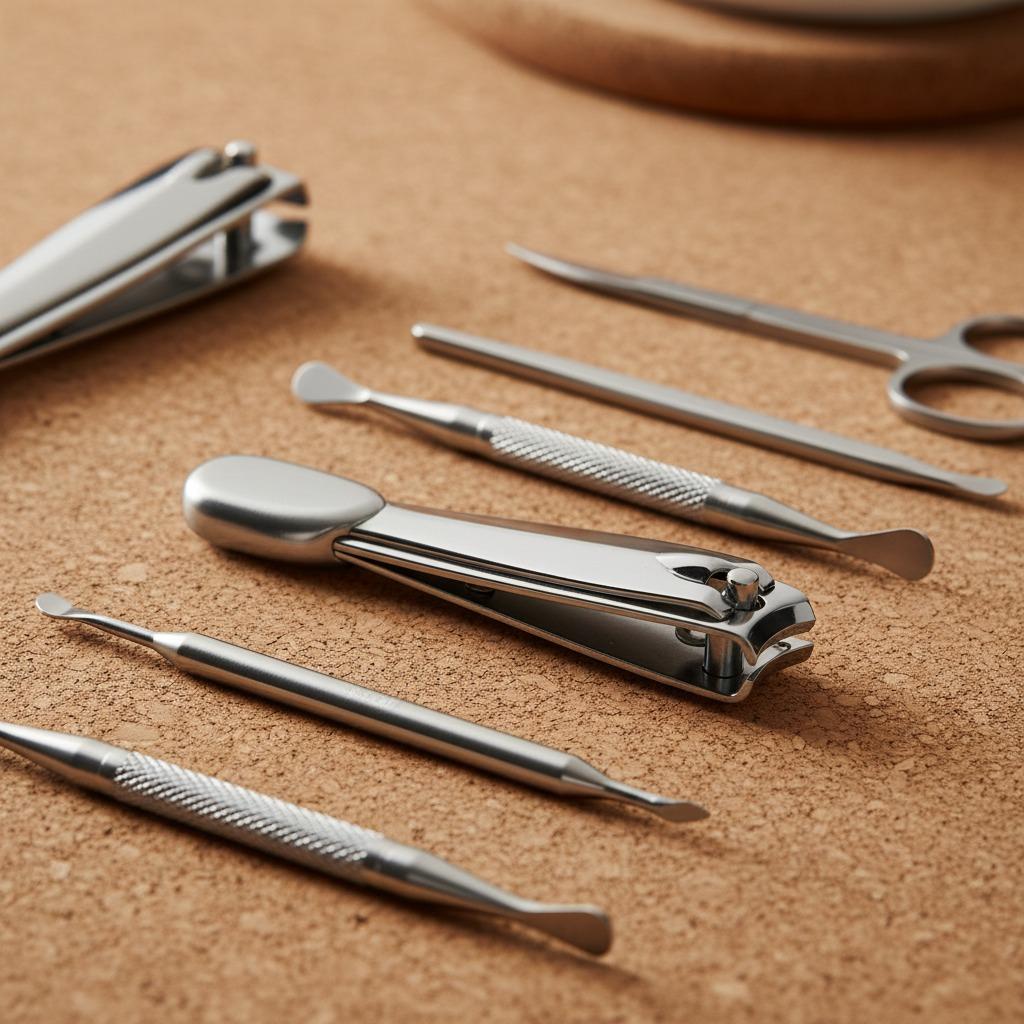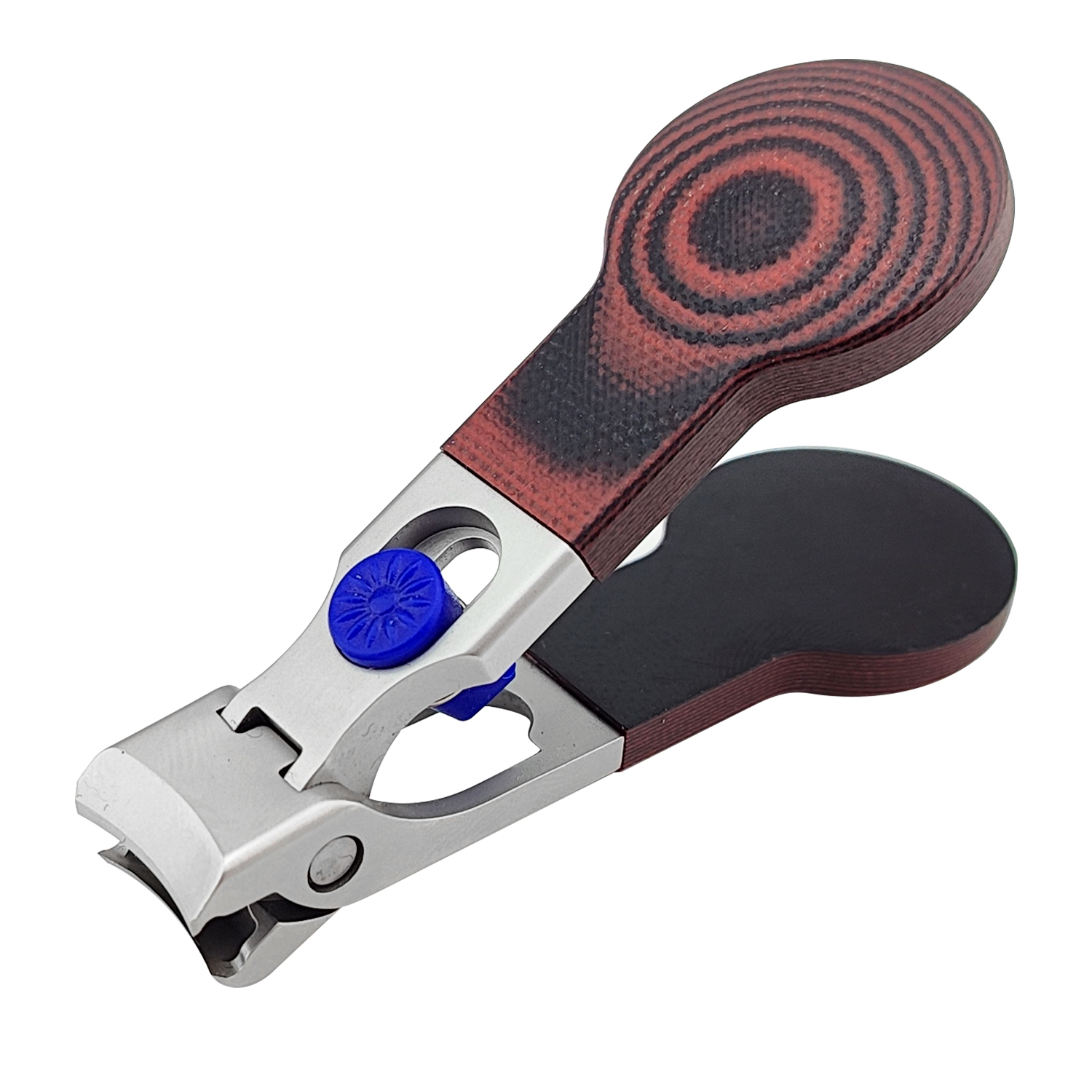
A nail clipper may look simple, but the difference between an ordinary trimming tool and a well-built one becomes clear after repeated use. Clean cutting, comfortable pressure, corrosion resistance, grip control and long-term edge performance all matter, especially for buyers sourcing grooming tools for retail, professional kits, salons, travel sets or personal care ranges. This nail clipper is designed around two material choices that directly affect daily performance: a powder-cast stainless steel cutting section and a G10 handle.
The combination is intended to balance strength, precision and handling comfort. Powder-cast stainless steel is used for the functional metal part, where density, wear resistance and blade stability are important. G10 is used for the handle, where lightweight strength, texture and secure hand control matter. For distributors, private-label buyers and grooming tool purchasers comparing options, understanding these materials helps determine whether the product fits the expected use case and quality position.
Why the Cutting Material Matters in a Nail Clipper
The cutting section is the core of any nail clipper. It must hold alignment, resist deformation and deliver a controlled cut through fingernails and tougher toenails. In this design, the stainless steel part is made using a powder-casting process. The original purpose of using this process is to create a high-density structure, which supports durability and resistance to wear over time.
For nail clippers, density and finishing quality are not abstract technical points. They influence whether the blades meet cleanly, whether the cutting edge stays consistent, and whether the user needs to apply excessive force. A poorly made clipper can crush, split or bend the nail instead of trimming it cleanly. A sharper and more stable cutting section helps create a smoother edge and a more predictable trimming motion.
Stainless steel is also a practical choice for grooming environments because nail tools often come into contact with moisture from bathrooms, wash stations, sanitizing routines or travel bags. While care is still required, stainless steel is widely preferred for personal grooming tools because it offers a useful balance of durability, clean appearance and everyday corrosion resistance.
What Powder Casting Adds to the Design
Powder casting is highlighted here because it supports a dense metal structure and allows refined shaping and finishing. In a compact tool such as a nail clipper, small details matter: blade geometry, contact points, surface smoothness and lever movement all affect how the product feels in the hand.
A smooth finish is also important for hygiene and user comfort. Rough edges, poorly finished corners or uneven surfaces can make a grooming tool unpleasant to hold and harder to keep clean. With powder-cast stainless steel, the goal is to produce a sturdy, precise cutting component that can support repeated use without feeling crude or overly heavy.
Buyers evaluating this type of clipper should look beyond the phrase “stainless steel” alone. Two products can both be described as stainless steel but perform differently depending on forming process, heat treatment, blade finishing, assembly quality and quality control. The powder-cast construction is most relevant when it contributes to blade strength, accurate cutting contact and a refined final surface.
The Role of the G10 Handle
The handle is made from G10, a composite material known for strength and lightweight properties. In grooming tools, the handle is not just a decorative element. It affects leverage, grip security and control, especially when trimming thicker toenails or when the tool is used repeatedly in a professional setting.
G10 is valued because it can provide a firm, textured grip without adding unnecessary weight. The handle texture supports a secure hold, including when hands are damp. This can be useful in bathroom settings, spa environments or backstage grooming kits where tools may be handled quickly between tasks. A secure grip reduces slipping and helps the user apply pressure in a more controlled way.
Comfort is also relevant for users with limited hand strength or for professionals who use grooming tools throughout the day. A handle that feels stable and balanced can reduce hand fatigue compared with a thin, slippery or awkwardly shaped lever. For a compact product, good grip design can make the tool feel more reliable and easier to control.
Best-Fit Use Cases for This Nail Clipper
This powder-cast stainless steel and G10 handle nail clipper can suit both personal and professional grooming applications. The durable metal cutting section and ergonomic handle make it appropriate for buyers who want a product positioned above the most basic disposable-style nail tools.
Common use cases include:
- Personal grooming kits: A durable clipper for users who want a stronger, more comfortable tool for routine fingernail and toenail trimming.
- Professional manicure and pedicure setups: A practical option where clean cutting, grip stability and repeated handling are important.
- Men’s grooming assortments: The stainless steel and G10 material combination can fit ranges that emphasize function, durability and a more technical appearance.
- Travel and compact care sets: The lightweight quality of G10 can help keep the tool manageable without sacrificing control.
- Retail beauty tool selections: A useful product for stores looking to differentiate nail care accessories by material and construction.
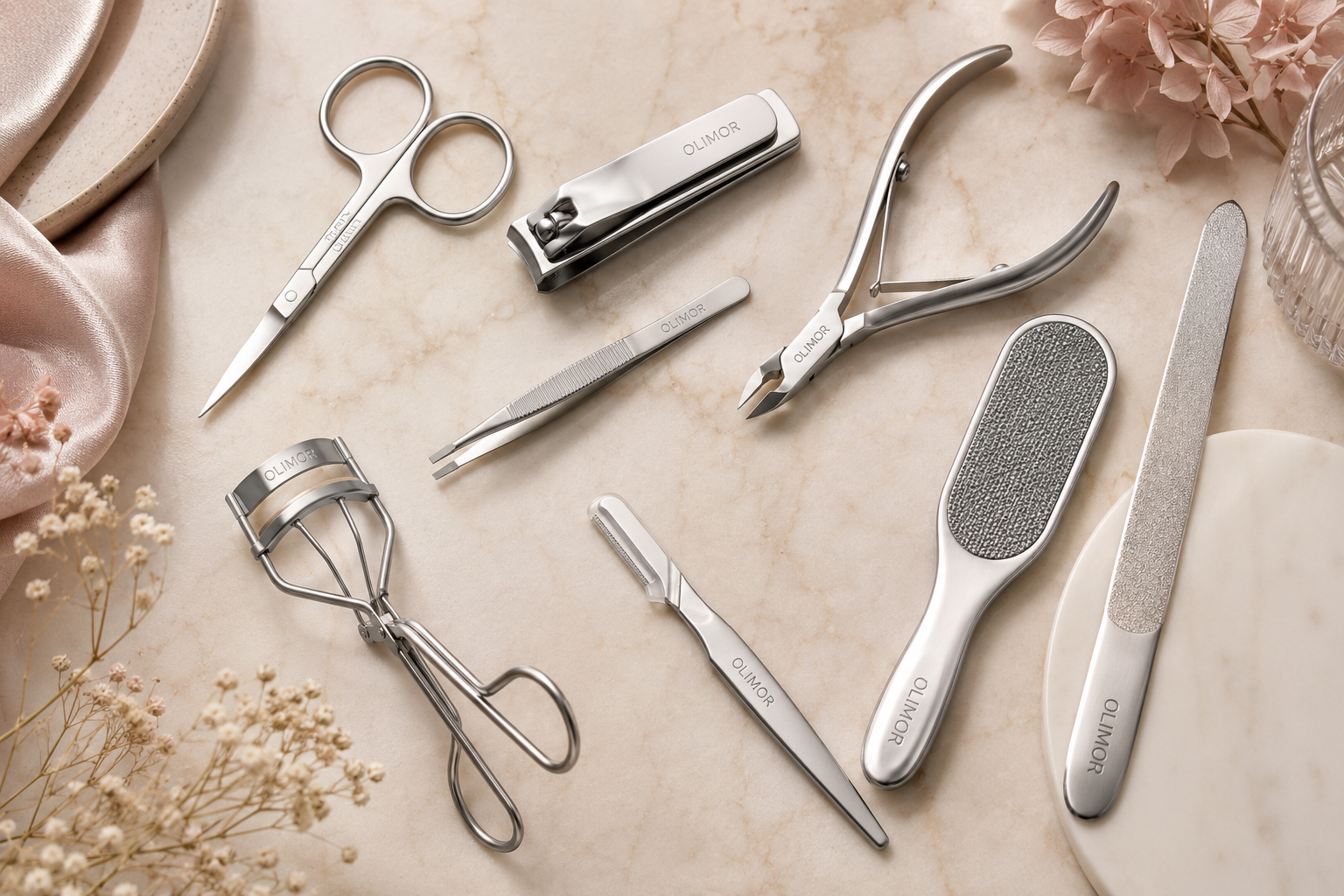
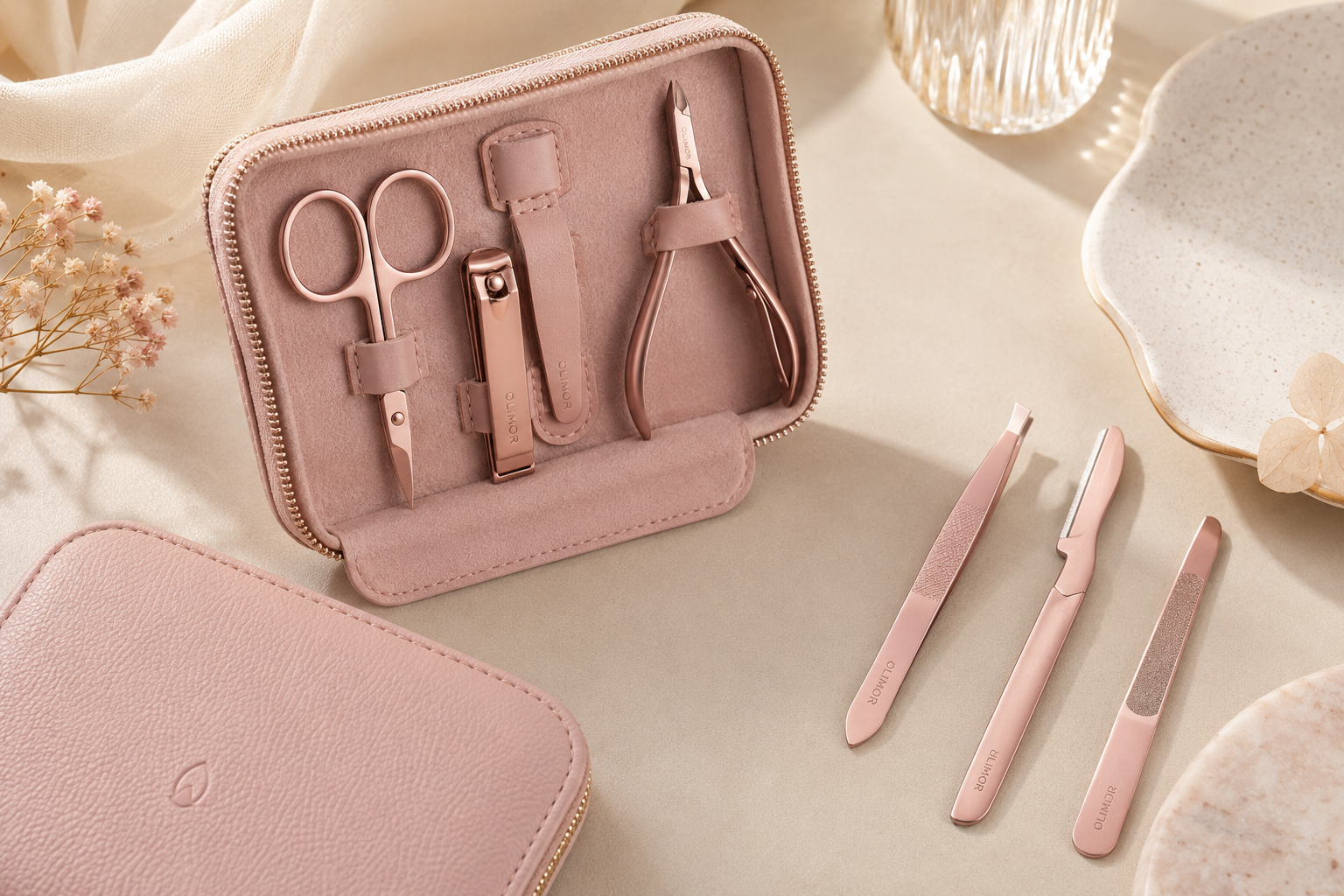
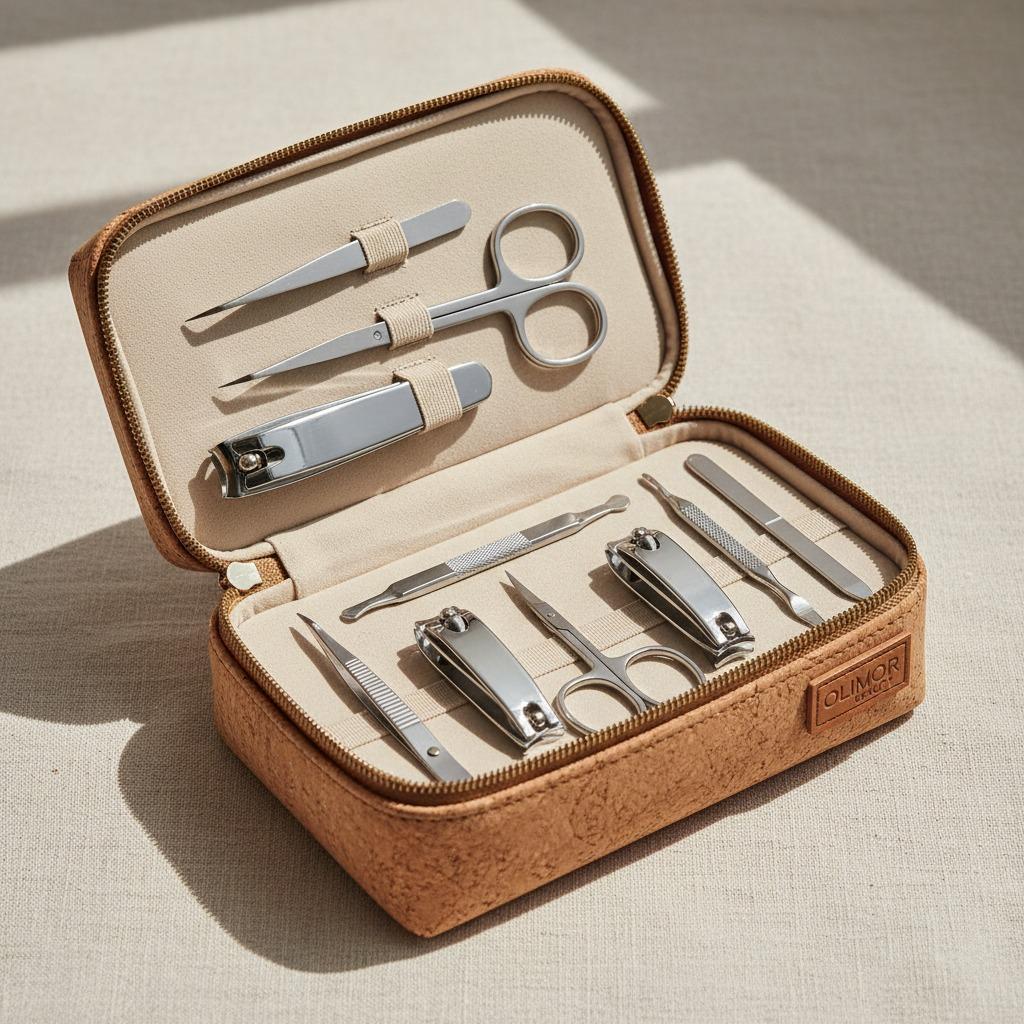
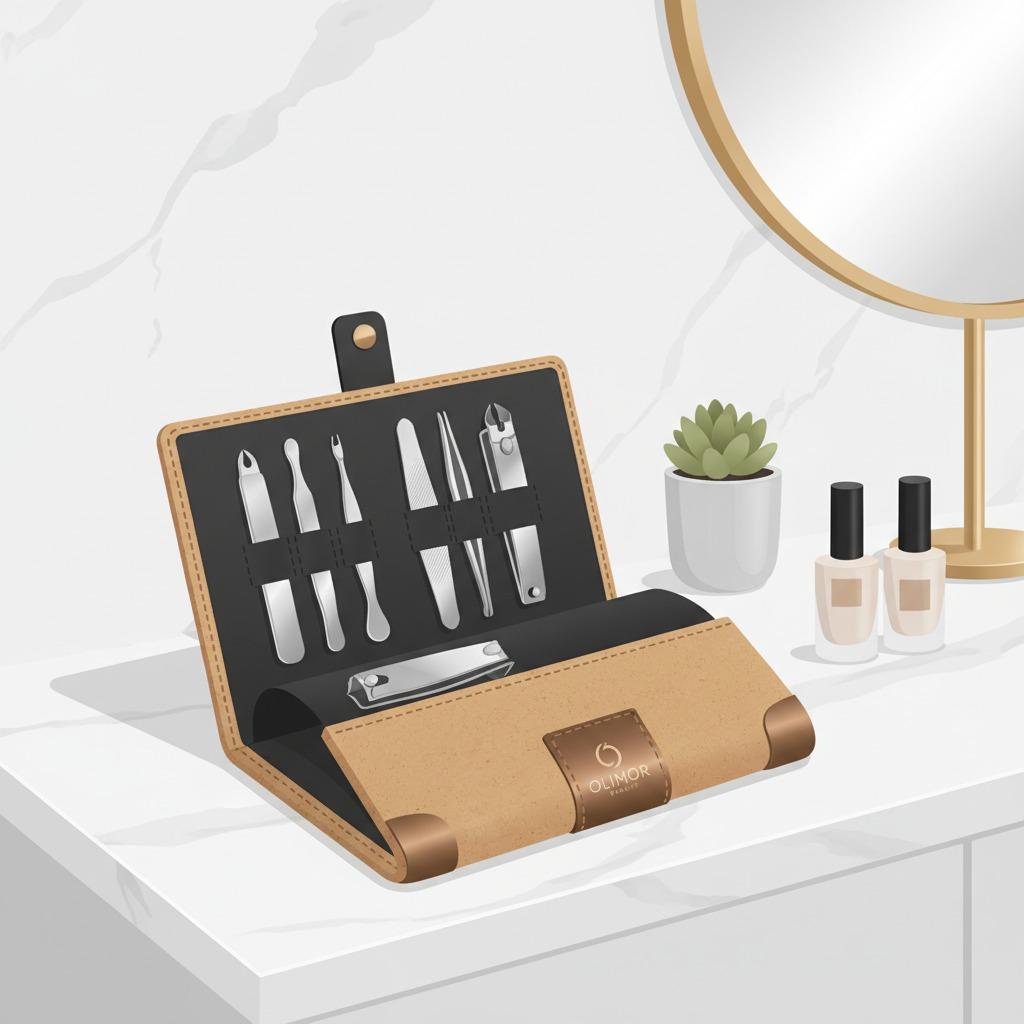
For broader sourcing comparison, buyers can review Olimor’s beauty tool products to evaluate how this type of nail clipper may fit alongside tweezers, manicure tools, mirrors or other grooming accessories.
Buyer Checklist: How to Evaluate Quality Before Ordering
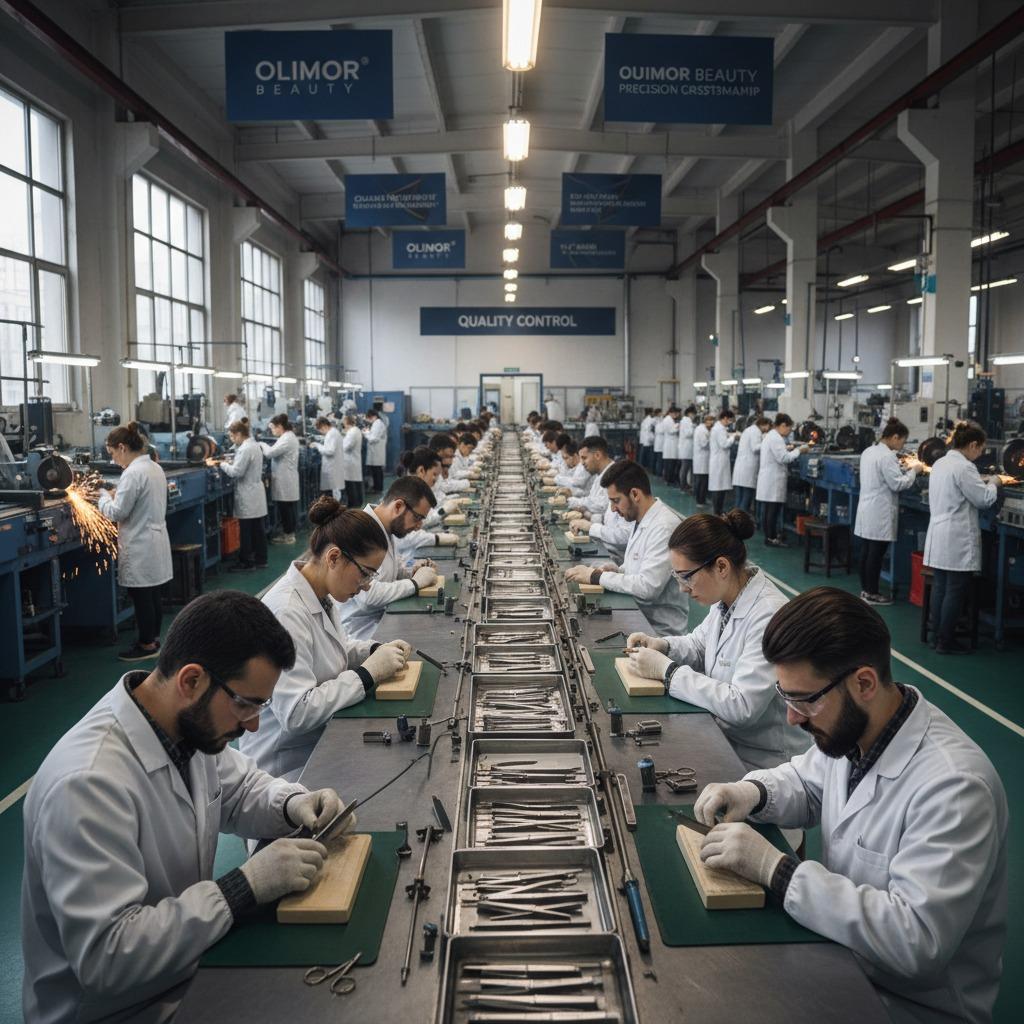
When sourcing a nail clipper with premium material claims, it is helpful to inspect the complete tool rather than focusing on one feature. The best-performing product is the result of material selection, blade finishing, assembly and consistent quality control.
| Evaluation Point | What to Check | Why It Matters |
|---|---|---|
| Blade alignment | Upper and lower cutting edges should meet evenly | Prevents crushing, uneven trimming and nail splitting |
| Cutting feel | Pressure should feel controlled, not stiff or loose | Improves comfort and user confidence |
| Surface finish | Look for smooth edges and clean finishing around touch points | Supports comfort, appearance and easier cleaning |
| Handle grip | Texture should provide traction without feeling abrasive | Helps maintain control when hands are wet or busy |
| Lever stability | Handle movement should be stable without excessive wobble | Supports accurate force transfer during trimming |
| Cleaning access | Design should not trap nail debris in difficult areas | Important for hygiene and maintenance |
For custom procurement, assortment planning or product matching, buyers can send an inquiry with intended market, packaging needs and expected usage scenario so the discussion focuses on practical requirements rather than generic product descriptions.
Maintenance Tips for Longer Service Life
Even a durable nail clipper benefits from proper care. Stainless steel and G10 are both suitable materials for a grooming tool, but daily habits still affect appearance, hygiene and cutting performance. After use, remove nail debris from the cutting area and wipe the clipper dry, especially if it has been used in a humid bathroom or near water.
If the clipper is used in a professional context, follow the cleaning and sanitation process required by the workplace or local practice standards. Avoid leaving the tool submerged for long periods unless the cleaning method has been confirmed as suitable for all components. Strong chemicals, prolonged moisture or rough storage can shorten the useful life of many grooming tools, even when the main materials are durable.
Storage is simple but important. Keep the clipper in a dry pouch, drawer or tool case where the cutting edges are protected from impact. Dropping a clipper onto a hard floor can affect blade alignment, which may reduce cutting precision. If the tool begins to pull, crush or split nails, inspect the edge alignment and lever action before continuing to use it.
How This Material Combination Supports Product Positioning
For beauty tool buyers, material selection often influences how a product is presented in a catalog or retail display. A powder-cast stainless steel cutting section communicates durability and precision, while the G10 handle adds a functional grip story that is easy for end users to understand. The pairing is especially useful for a nail clipper aimed at customers who care about tool feel, not only appearance.
This does not mean every market needs the same specification. A basic promotional kit may prioritize low cost and simple packaging, while a professional or premium grooming set may prioritize blade performance, handle comfort and long-term use. The value of this clipper is strongest where buyers want a nail trimming tool that can be explained through tangible features: dense stainless steel construction, sharp cutting performance, a lightweight composite handle and secure grip control.
Buyers developing a wider nail care range can also compare related categories through Olimor’s product collections to decide whether this clipper should stand alone, pair with other manicure tools or become part of a coordinated grooming set.
Final Considerations for Sourcing
A good nail clipper should cut cleanly, feel stable and hold up under repeated use. This model’s powder-cast stainless steel component is intended to provide durability, wear resistance and a precise cutting surface, while the G10 handle contributes lightweight strength and a secure grip. Together, these features make the clipper relevant for both personal grooming and professional tool assortments.
When comparing options, focus on the details that users will notice immediately: blade sharpness, grip confidence, lever feel, surface finish and ease of cleaning. Materials are important, but they should always translate into a better trimming experience. For buyers planning a nail care lineup or evaluating a tool for a specific retail channel, the most reliable choice is the one that aligns material quality with real user needs.
To discuss product suitability for a beauty tool program, packaging direction or assortment plan, buyers can contact Olimor for a focused conversation about the intended application.