










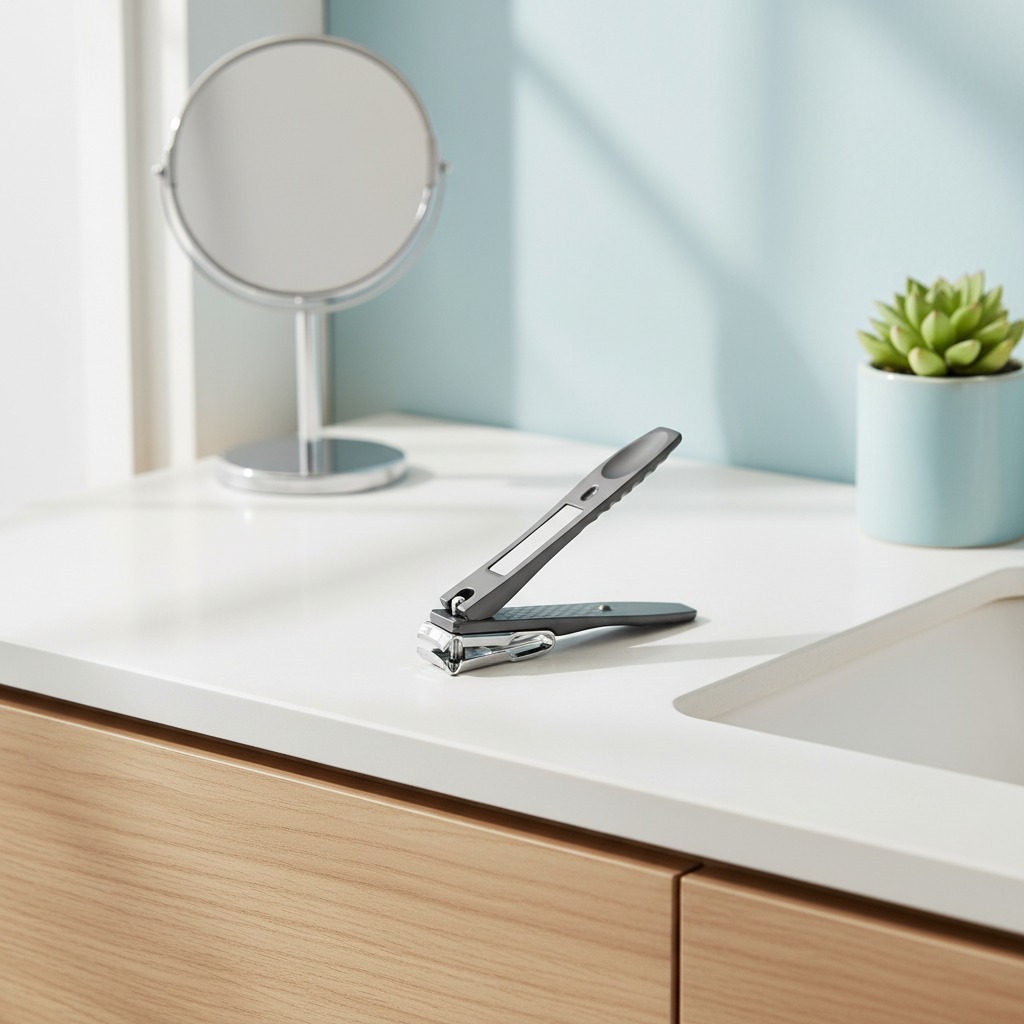
Choosing a reliable nail clipper supplier in China is a quality-control decision, not only a price comparison. For beauty retailers, grooming kit brands, salons, distributors, hotels, e-commerce sellers and private-label buyers, a nail clipper is a small tool that can strongly influence customer trust. If the lever feels loose, the blades cut unevenly, the surface finish scratches easily or the product arrives in weak packaging, the result can be complaints, returns and damage to your product line.
The right supplier should help you confirm practical details before a bulk order: blade alignment, cutting feel, grip comfort, stainless steel expectations, surface finish, packaging protection, sample approval and inspection criteria. China remains an important sourcing market for personal care and beauty tools because buyers can compare many product shapes, finishes, packaging formats and order structures. The challenge is separating a low quotation from a dependable supply partner.
This guide explains how B2B buyers can evaluate nail clipper manufacturers and trading partners with a clear, practical process. It also shows where Olimor Beauty can support buyers who need grooming tools for retail sets, travel kits, salon supply programs and private-label projects.
What Makes a Nail Clipper Supplier Reliable?
A reliable nail clipper supplier is not defined by a large catalog alone. Reliability appears in small details: whether the sample matches later production, whether the cutting edges meet evenly, whether the lever operates smoothly, whether surface finishing is consistent and whether packaging protects the product during transport and handling.
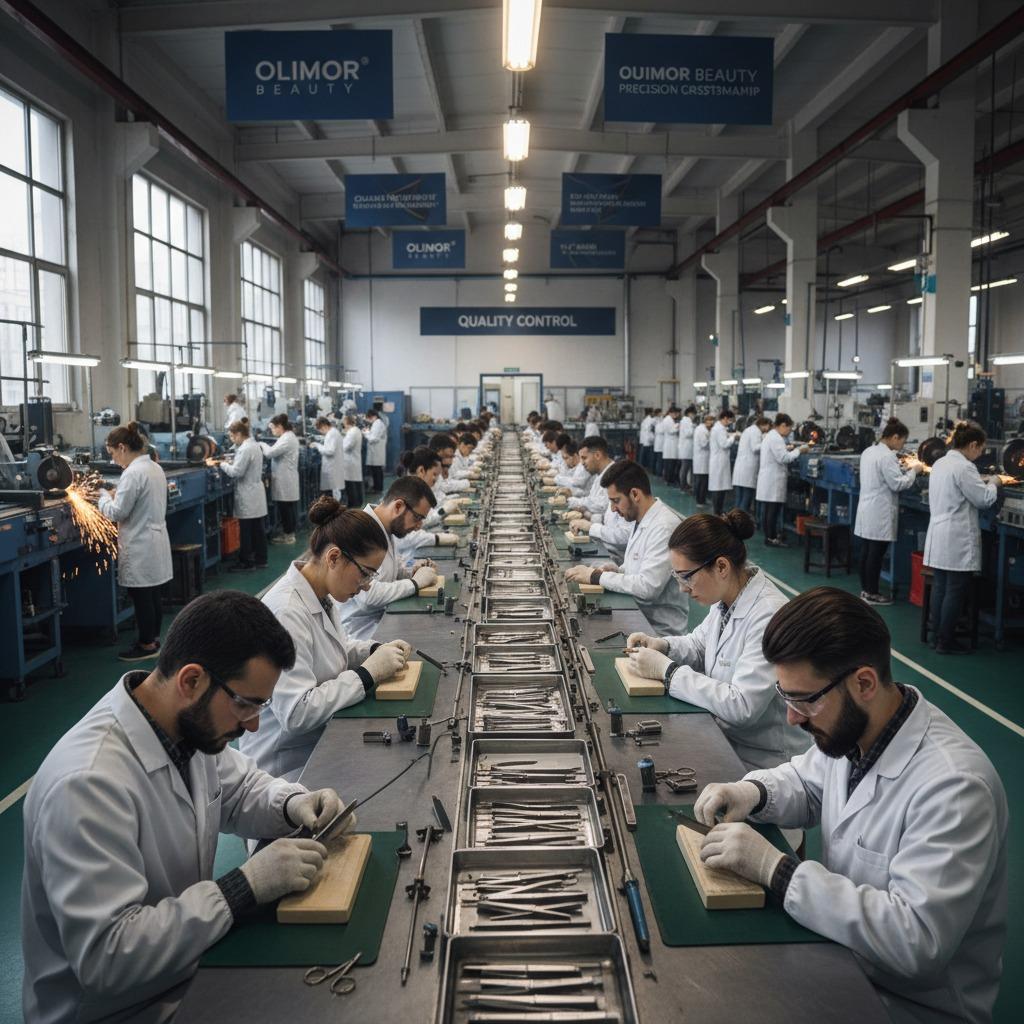
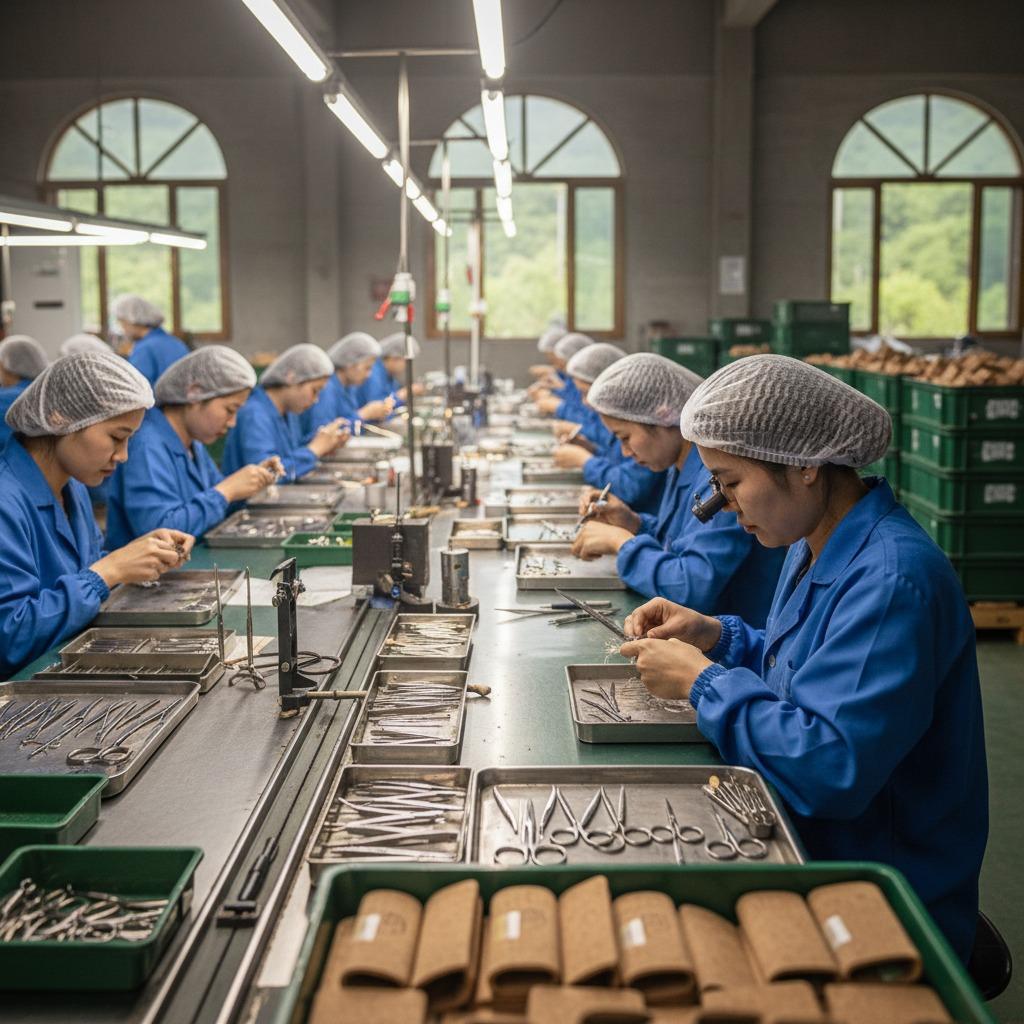
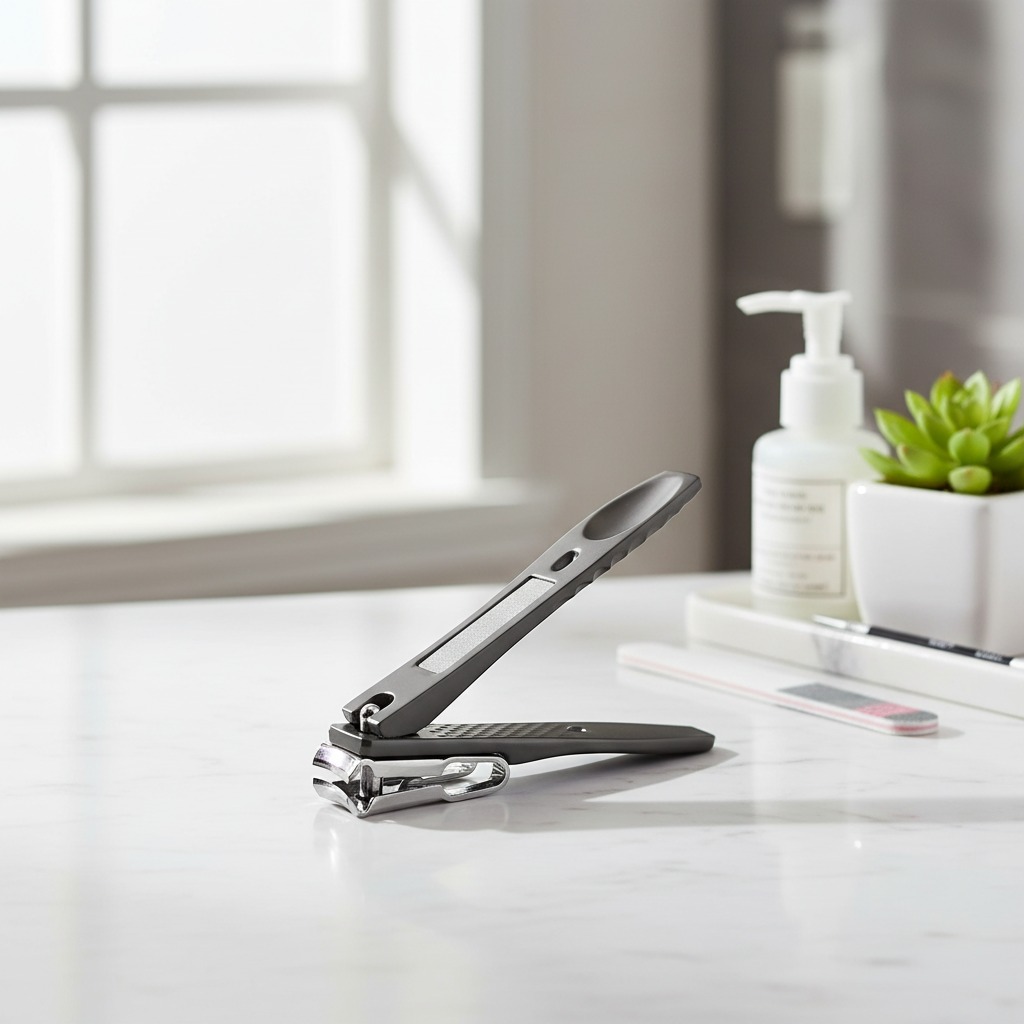
For B2B buyers, a dependable supplier should be able to discuss the product as a functional tool. Nail clippers may look simple, but stamping, grinding, polishing, assembly, coating, inspection and packing all affect the user experience. Small variations in blade alignment or hinge stability can change how cleanly the clipper cuts and how premium it feels in the hand.
When comparing a nail clipper supplier in China, focus on these reliability signals:
- Clear product specifications: The supplier can confirm the intended clipper size, material, finish, packaging type and use scenario.
- Functional understanding: The supplier can explain blade alignment, cutting feel, lever movement, grip comfort and surface finishing in practical terms.
- Sample-to-production control: The approved sample is treated as a benchmark for the bulk order.
- Inspection awareness: The supplier can describe appearance checks, function checks and packing checks before shipment.
- Packaging discipline: Retail packaging, kit insertion, bulk packing or e-commerce protection is considered before production starts.
- Responsive communication: Questions about customization, packing instructions and order details receive specific answers rather than vague promises.
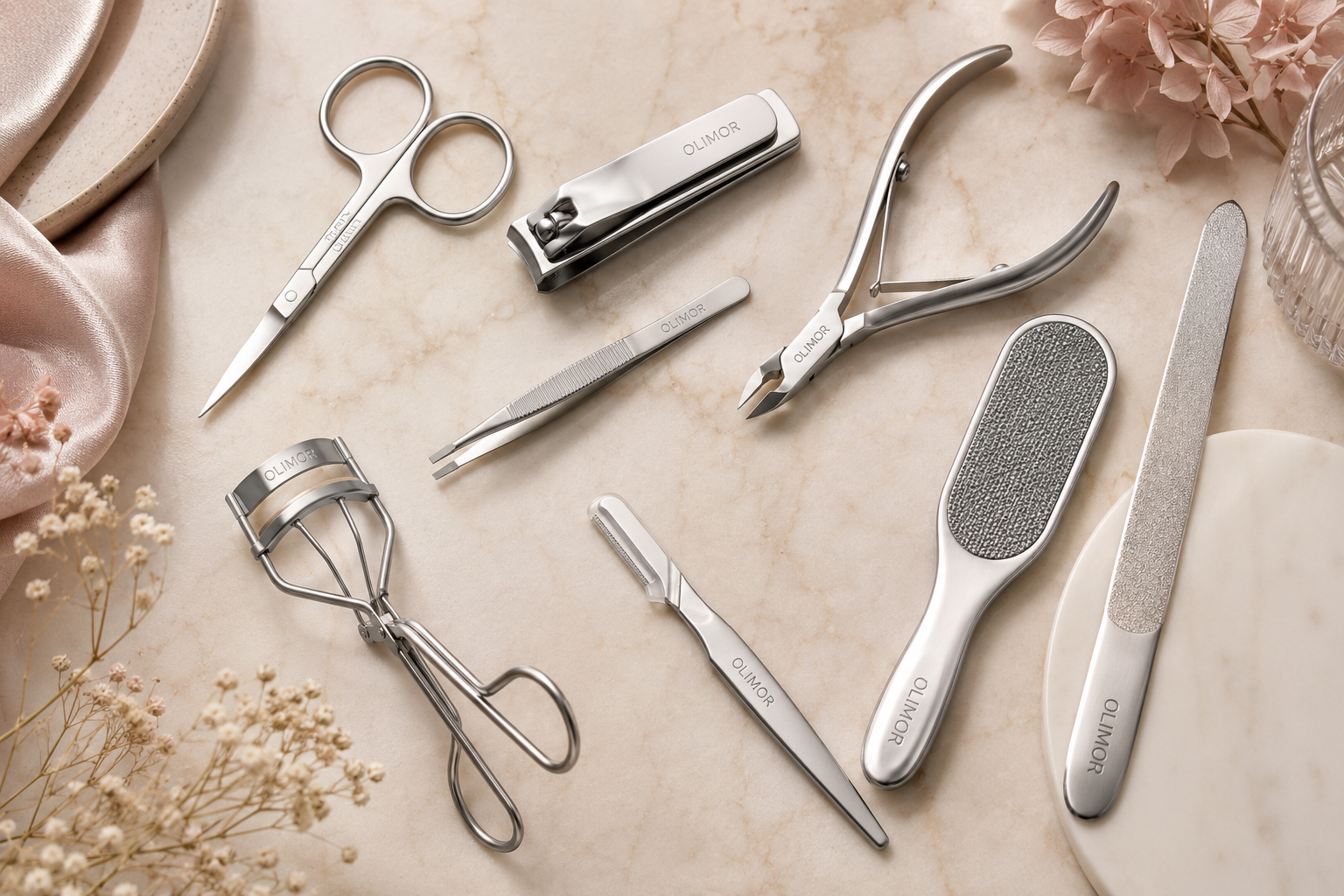
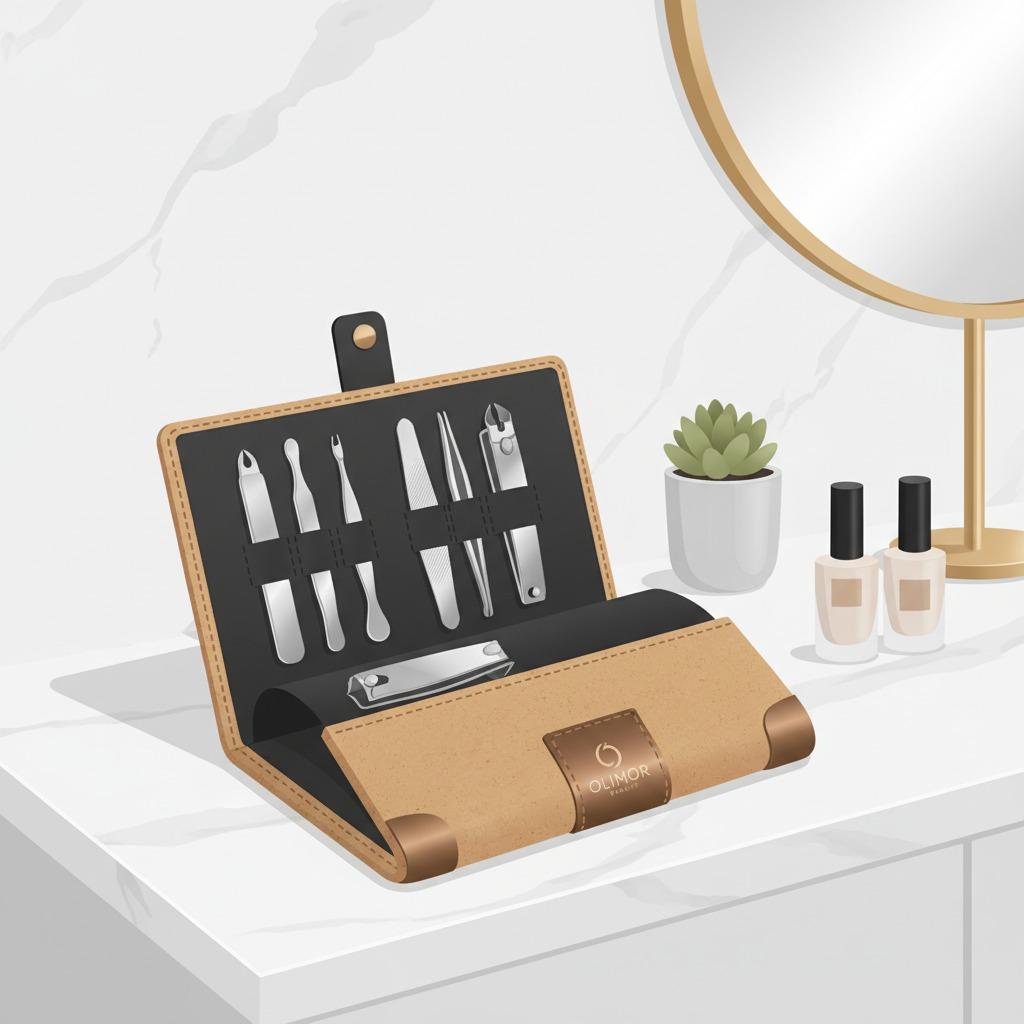
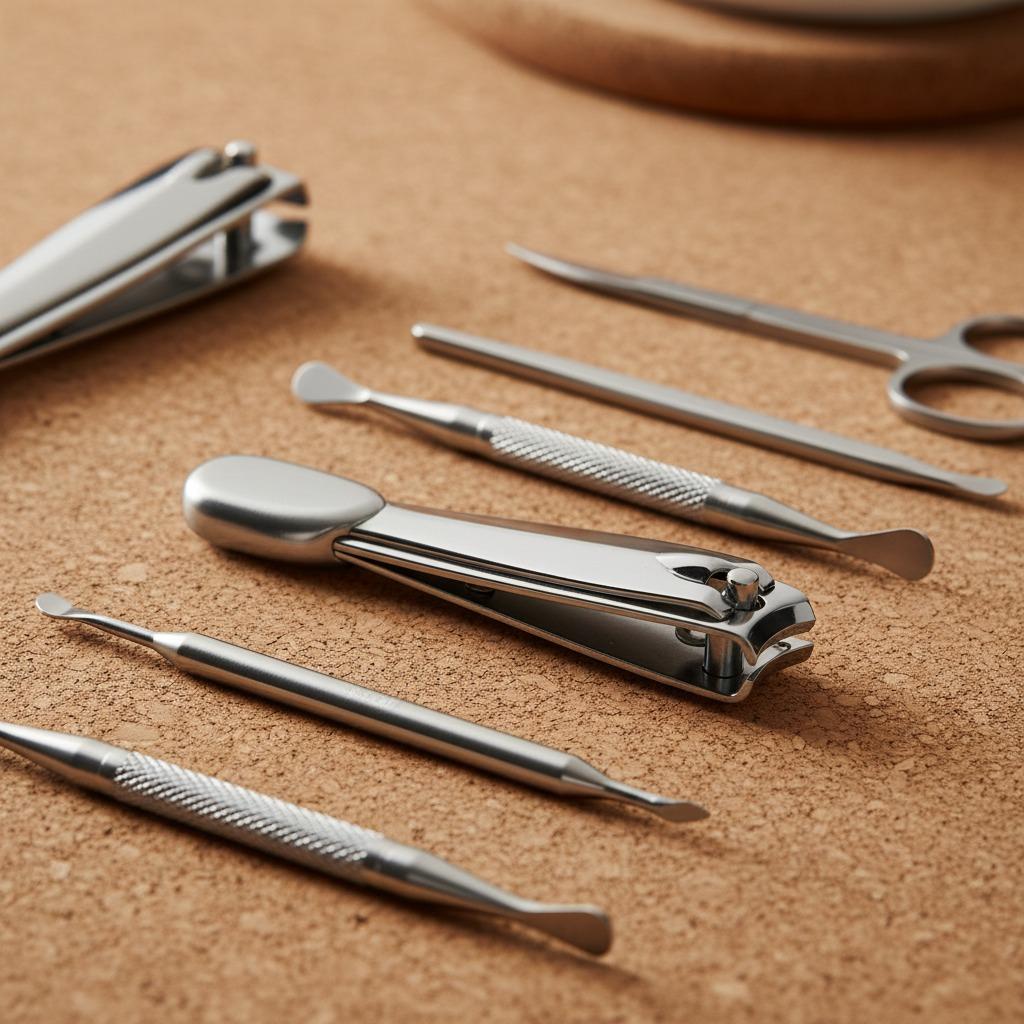
If you are building a wider grooming range, you can review Olimor beauty tool products to compare related categories and plan a consistent assortment around nail clippers, tweezers, scissors, files and other personal care tools.
Why B2B Buyers Source Nail Clippers from China
Many purchasing teams search for a nail clipper manufacturer in China because the market offers broad options for everyday retail tools, salon supplies, travel kits, grooming sets, hotel amenities and promotional products. Buyers can compare different clipper sizes, lever shapes, stainless steel finishes, matte or polished appearances, packaging formats and customization possibilities.
However, broad choice also creates sourcing risk. A low unit cost can become expensive if the product cuts poorly, arrives with visible defects, does not fit the packaging, or fails to match the confirmed sample. The best supplier for your business is the one that balances cost, function, inspection discipline and communication.
For importers, distributors and private-label buyers, the most useful supplier is often not the cheapest one. It is the partner that understands B2B documentation, sample approval, packaging confirmation, repeat-order consistency and the practical expectations of your sales channel.
Key Nail Clipper Details to Confirm Before Ordering
Before approving a bulk order, evaluate the nail clipper as a finished consumer product, not just as a metal part. A buyer should be able to define how the clipper will be used, how it should feel, how it will be packed and what defects are unacceptable. The following checklist table can help purchasing teams organize supplier comparisons.
| Decision Area | What to Check | Why It Matters |
|---|---|---|
| Clipper size and use | Confirm whether the item is intended for fingernails, toenails, travel kits, general household use, salon use or kit insertion. | Size affects cutting strength, user comfort, packaging layout and customer expectations. |
| Blade alignment | Inspect whether the upper and lower cutting edges meet evenly when pressure is applied. | Poor alignment can bend, crush or tear the nail and may cause negative reviews. |
| Cutting feel | Test whether the lever moves smoothly without excessive stiffness, wobbling or grinding. | A stable lever improves control and gives the user confidence in the tool. |
| Grip and ergonomics | Check handle shape, leverage, surface texture and comfort during repeated use. | Grip comfort matters for salon buyers, adult toenail use and premium grooming sets. |
| Material and finish | Confirm stainless steel expectations, polish, coating, color consistency and visible surface quality. | The finish affects rust-resistance expectations, retail appeal and brand positioning. |
| Edge finishing | Touch non-cutting areas, corners, lever edges and any file surface if present. | Burrs or rough corners can feel unsafe and may damage packaging. |
| Packaging format | Define bulk pack, pouch, carded pack, box, kit insertion or e-commerce-ready protection. | Packaging influences shipping protection, display, assembly efficiency and cost factors. |
| Inspection criteria | Agree on appearance checks, function checks, packing checks and how approved samples are referenced. | Clear criteria reduce disputes and support repeat-order consistency. |
How to Evaluate Nail Clipper Samples Like a Professional Buyer
Samples are where sourcing decisions become practical. Photos can show shape, finish and packaging style, but they cannot prove cutting performance, lever stability or hand feel. Treat samples as the start of your quality evaluation, not the final proof that production will be acceptable.
When samples arrive, test them in a structured way and record the results. If possible, ask several team members to evaluate the same sample so you can collect feedback on comfort, pressure, grip and first impression.
- Check appearance under bright light. Look for scratches, stains, dents, burrs, uneven coloring, weak printing, surface marks or packaging damage.
- Open and close the lever repeatedly. The lever should move smoothly and remain centered, without grinding, shifting or excessive looseness.
- Test actual cutting performance. Use suitable nail samples or controlled test materials to compare sharpness, cut cleanliness and pressure required.
- Evaluate hand comfort. Hold the product from different angles and consider whether the grip feels secure for the intended user.
- Compare multiple pieces. If you receive more than one sample, check whether they are consistent with each other.
- Inspect after use. Check whether the blade edge shows obvious deformation, whether the lever loosens and whether residue is easy to remove.
- Review packaging fit. The clipper should sit securely without rubbing, moving excessively or creating pressure marks.
- Record approval details. Keep photos, written notes, packaging references and confirmed specifications for production comparison.
For distributors and private-label buyers, the approved sample should become the shared benchmark. This makes the phrase “acceptable quality” more concrete for both buyer and supplier.
Manufacturing Questions That Reveal Supplier Capability
Generic claims such as “high quality” or “durable” are not enough. A strong supplier should be able to answer specific questions about production, finishing and inspection without overpromising. The purpose is not to complicate the buying process; it is to reduce uncertainty before money is committed to tooling, packaging or bulk production.
Questions about product construction
- What material is used for the clipper body and lever?
- Is the product intended for fingernails, toenails, travel use or general grooming?
- How is the blade edge formed, finished and checked?
- How is lever movement controlled during assembly?
- Which areas of the clipper are most likely to show burrs, surface marks or coating defects?
Questions about finishing and appearance
- What finish options are available, such as polished, matte or colored finishes?
- How are visible surfaces protected during packing and transport?
- Can the supplier maintain a consistent finish and lever feel across repeat orders?
- What appearance defects are rejected during inspection?
Questions about order control
- How are samples confirmed before mass production?
- What packaging details must be approved before production starts?
- How are labels, inserts, barcodes or kit components checked when applicable?
- What information should the buyer provide to avoid misunderstandings?
If answers remain vague, buyers may need revised specifications, additional samples, clearer packaging artwork, pre-shipment inspection or a more detailed written agreement before approving a larger order.
Packaging and Merchandising Considerations
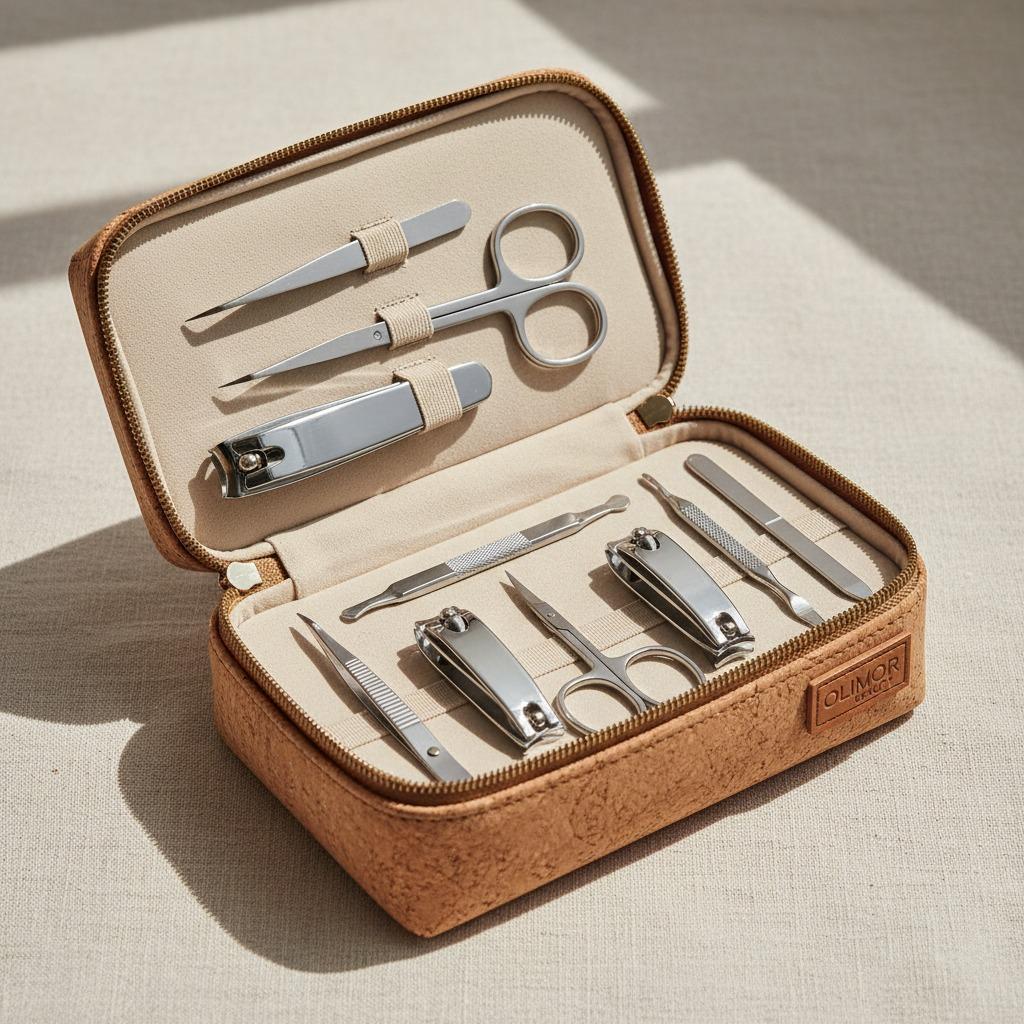
Nail clippers are sold in different channels, and each channel requires different packaging decisions. A salon distributor may prefer practical bulk packaging and easy counting. A retail brand may need carded packaging, a pouch or a box that communicates cleanliness and product purpose quickly. A grooming kit assembler may need compact packing that protects the surface while allowing efficient insertion into a set. An e-commerce seller may prioritize protection during parcel delivery.
Packaging should protect the cutting edge and surface finish while making the product easy to identify. For a matte or colored finish, packaging should reduce rubbing that could create visible marks before the item reaches the customer. Buyers should review packaging samples alongside product samples because a well-made clipper can still disappoint if it arrives scratched, loose in the pack or poorly presented.
Useful packaging questions include:
- Will the clipper be displayed on a shelf, sold online, inserted into a pouch or shipped in multipacks?
- Does the packaging need a hang hole, insert card, pouch, barcode label or retail box?
- Will the product move through a warehouse, kit assembly line or salon supply program?
- Does the packaging prevent the clipper from rubbing against other tools?
- Are product instructions, warnings or labeling requirements defined by the buyer’s target market?
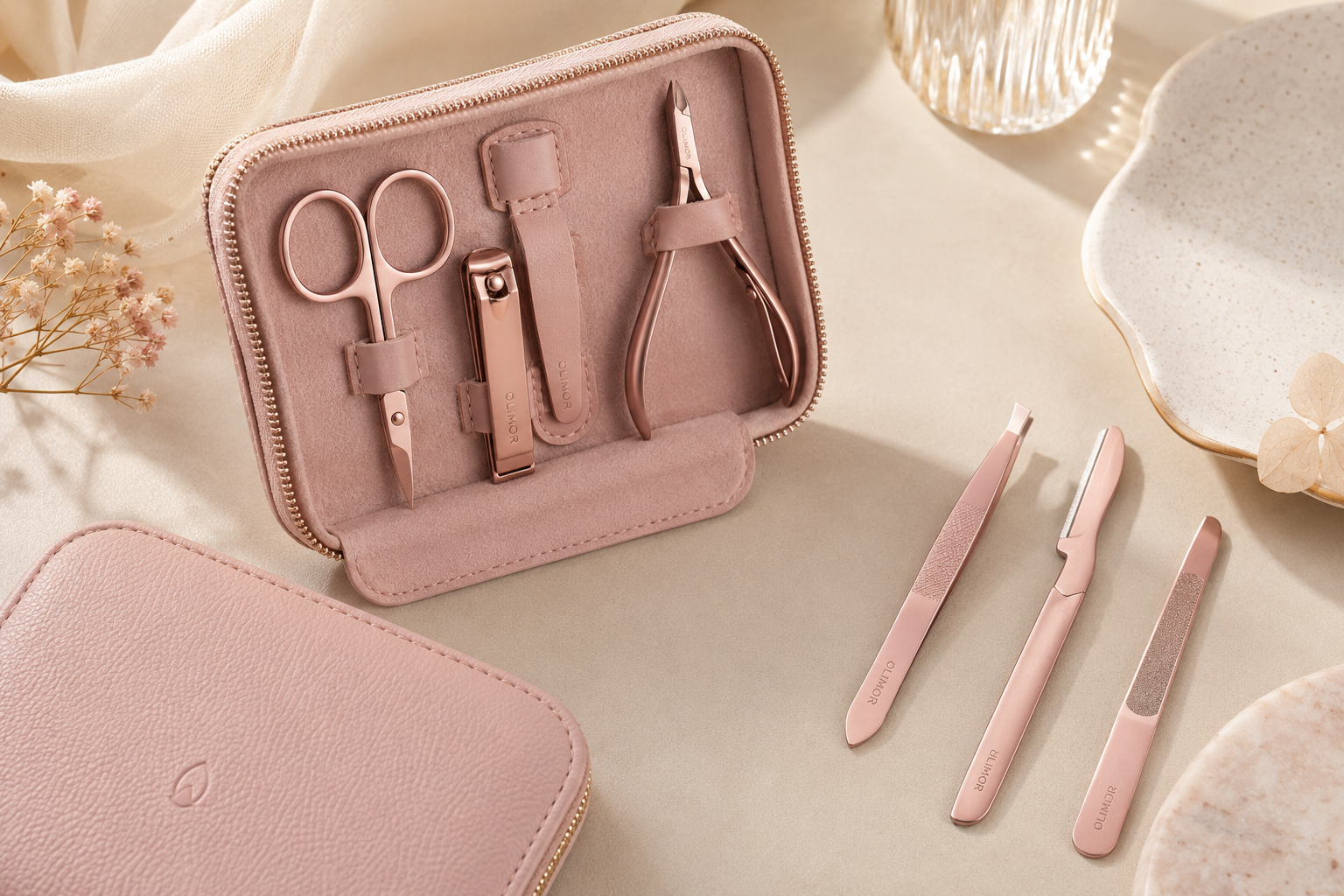
Buyers planning a coordinated product range can browse Olimor beauty tool collections to consider how nail clippers may fit with adjacent grooming items in a consistent visual and functional lineup.
Customization and Private-Label Considerations
Private-label nail clippers can support retail differentiation, gift sets, travel kits and promotional programs, but customization should be managed carefully. Buyers should confirm what can be customized, what requires artwork approval and what may affect cost or production planning.
Common discussion points include finish preference, packaging structure, logo placement, insert cards, labels, set configuration and whether the clipper is sold alone or with other grooming tools. The supplier should explain which customization options are practical for the selected product and which details need confirmation before mass production.
A good private-label process usually begins with product selection, then sample review, packaging discussion, artwork confirmation and final order approval. Avoid approving packaging based only on a digital image. Physical packaging fit matters, especially for clippers with coated or matte surfaces that may show rubbing if the pack is too tight or poorly structured.
Quality Checks and Documentation Buyers Should Discuss
Quality control for nail clippers should cover appearance, function and packing. Buyers do not need to invent overly complex testing requirements, but they should define what matters for their sales channel. For example, a salon supply buyer may focus heavily on cutting feel and hygiene-friendly cleaning, while a retail buyer may also emphasize surface appearance, packaging consistency and barcode accuracy.
Practical inspection points may include blade alignment, cutting function, lever movement, burrs, scratches, dents, finish consistency, packaging fit, label accuracy and carton condition. If a buyer uses third-party inspection, internationally recognized sampling approaches such as ISO 2859-1 may be relevant for defining inspection sampling plans. Buyers should verify the applicable version, market requirements and supplier documentation rather than assuming one standard covers every risk.
If your company has its own quality manual, share the relevant parts with the supplier before production. If you do not, create a clear purchase specification that lists the approved sample, finish, packaging type, acceptable appearance limits and any required documents. Clear expectations are especially important for repeat orders, where buyers expect the second and third shipment to match the first approved production.
Cost Factors Beyond the Unit Price
When buyers compare nail clipper quotations, the unit price is only one part of the sourcing decision. A cheaper product may become more expensive if it requires rework, causes customer complaints, damages your retail presentation or delays a kit assembly schedule. A realistic cost comparison should consider product function, finish stability, packaging structure, customization complexity, inspection needs and communication efficiency.
Important cost factors include the selected clipper size, material expectations, surface finish, packaging type, logo or label requirements, order quantity, inspection arrangements and shipping method. Buyers should ask suppliers to clarify what is included in the quotation and what is not. This helps avoid surprises related to packaging upgrades, artwork handling, carton marks, sample revisions or special packing instructions.
The best value supplier is the one that helps you reduce total risk. Stable cutting performance, clear specifications and dependable packing can protect your brand more effectively than a low price that leaves key details undefined.
How Olimor Supports B2B Nail Clipper Sourcing
Olimor Beauty works with B2B buyers who need practical beauty and grooming tools for retail assortments, salon supplies, travel kits and private-label projects. The focus is on helping buyers evaluate product details, packaging needs and order expectations before committing to bulk sourcing.
If you are comparing nail clipper options, prepare your intended sales channel, preferred finish, packaging concept, customization needs and target quality expectations. Olimor can then discuss suitable beauty-tool options and help you move from product selection to sample review and order communication. To start a sourcing discussion, send your requirements through the Olimor product inquiry page or contact the team through Olimor customer support.
Supplier Evaluation Checklist
Before approving a nail clipper supplier, use this quick checklist to reduce sourcing risk:
- Have you confirmed the intended use: fingernail, toenail, travel, salon, retail or kit component?
- Have you tested blade alignment and cutting feel on samples?
- Have you checked lever stability, grip comfort, burrs and surface finish?
- Have you compared several sample pieces for consistency?
- Have you approved physical packaging, not only packaging artwork?
- Have you defined appearance, function and packing inspection criteria?
- Have you confirmed customization details before production?
- Have you kept photos and written specifications for repeat-order reference?
- Have you clarified what is included in the quotation?
- Have you verified any applicable standards, inspection plans or market documentation for your destination market?
FAQ
Can I request nail clipper samples before placing a bulk order?
Yes. Samples are important for checking cutting performance, lever feel, finish, hand comfort and packaging fit. Buyers should treat the approved sample as a production benchmark and keep written notes or photos for reference.
Does Olimor support private-label or customized nail clipper packaging?
Customization can be discussed based on the selected product and project requirements. Buyers should provide artwork needs, logo placement ideas, packaging format and sales channel information so the practical options can be reviewed before production.
How should I discuss MOQ, lead time and pricing?
MOQ, lead time and pricing depend on product selection, packaging, customization and order details. Buyers should request a quotation based on clear specifications rather than comparing vague offers that may exclude important requirements.
What quality checks should be agreed before shipment?
Common checks include blade alignment, cutting function, lever movement, surface finish, burrs, scratches, packaging fit, label accuracy and carton condition. Buyers should verify any applicable inspection standard, market requirement and supplier documentation before shipment.