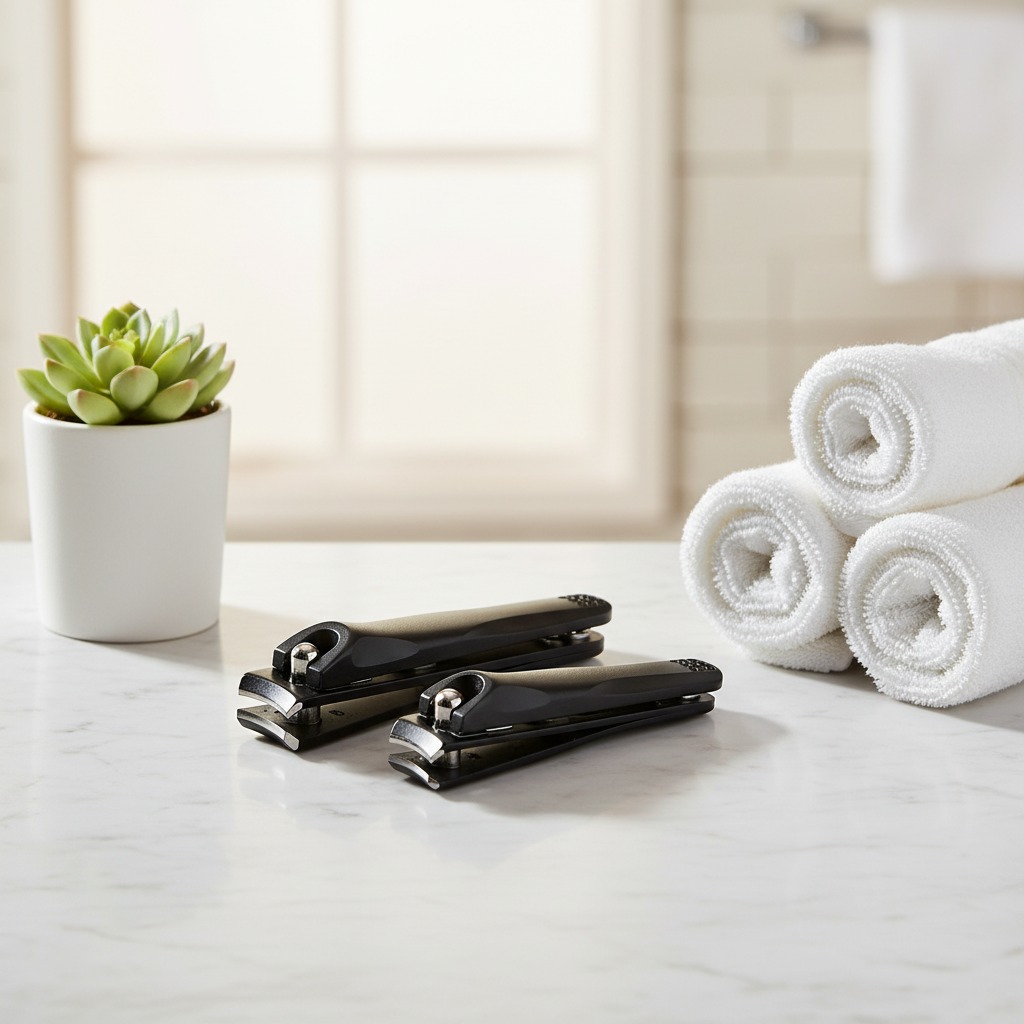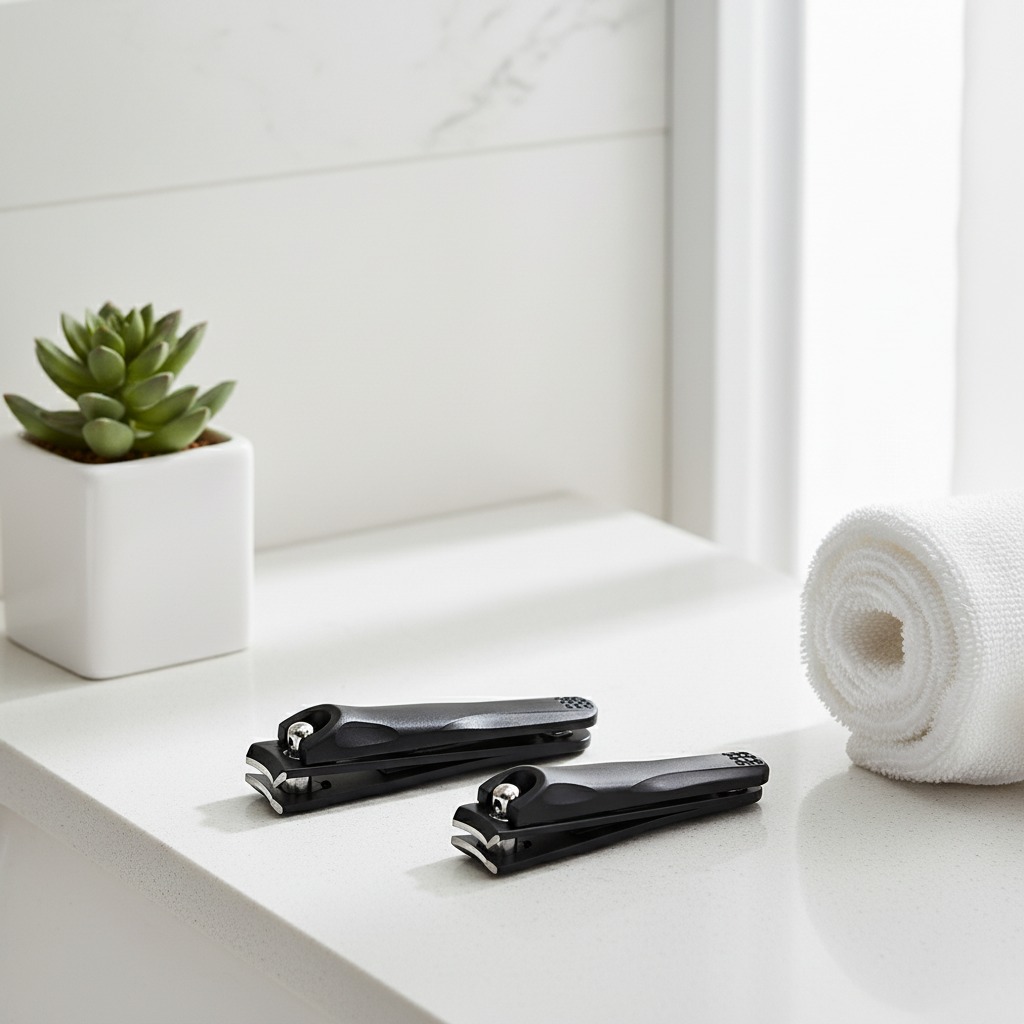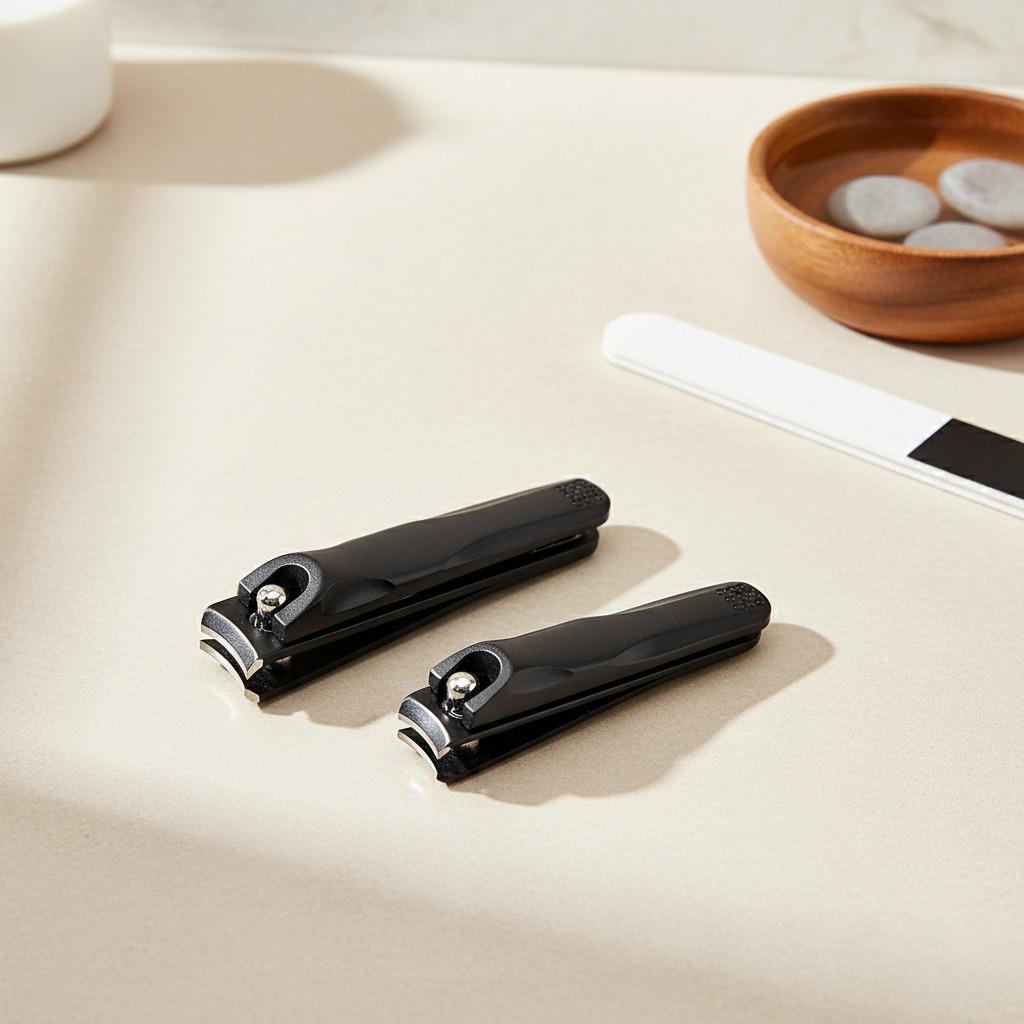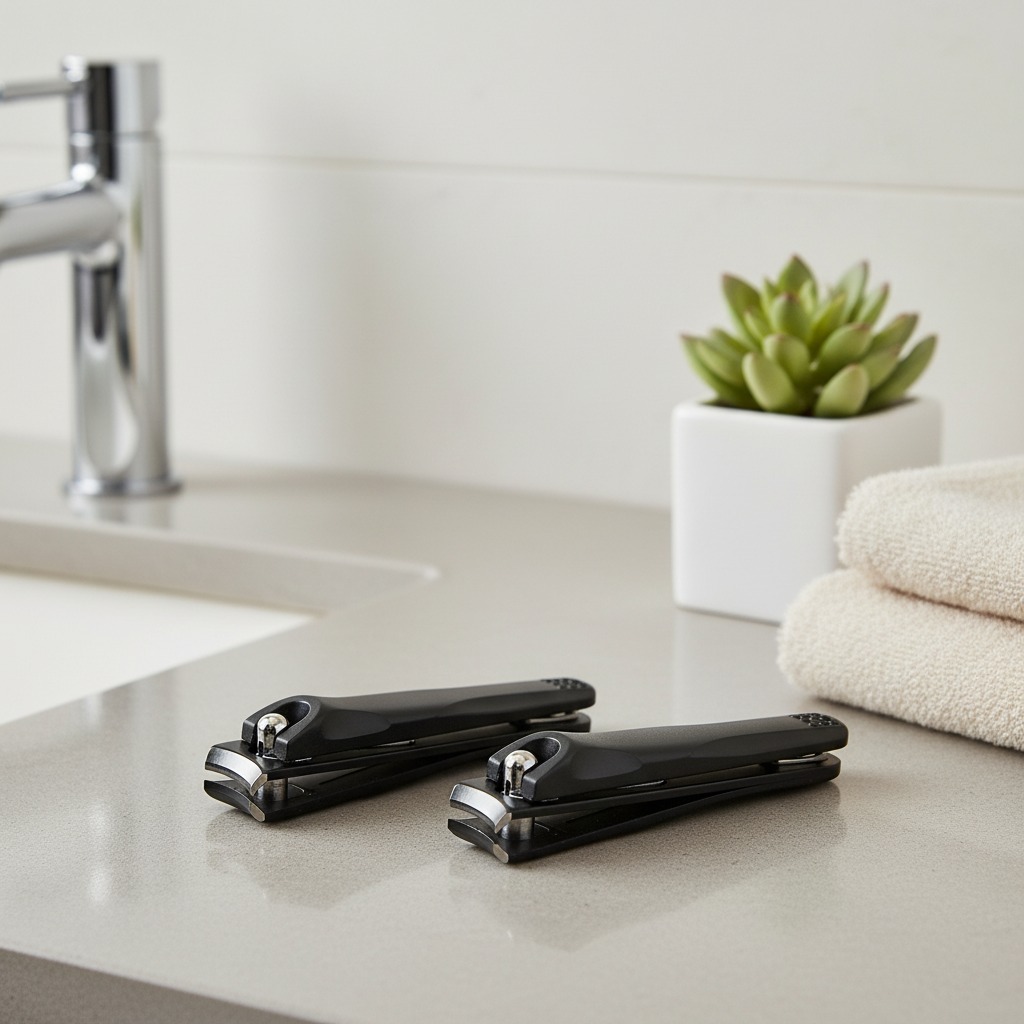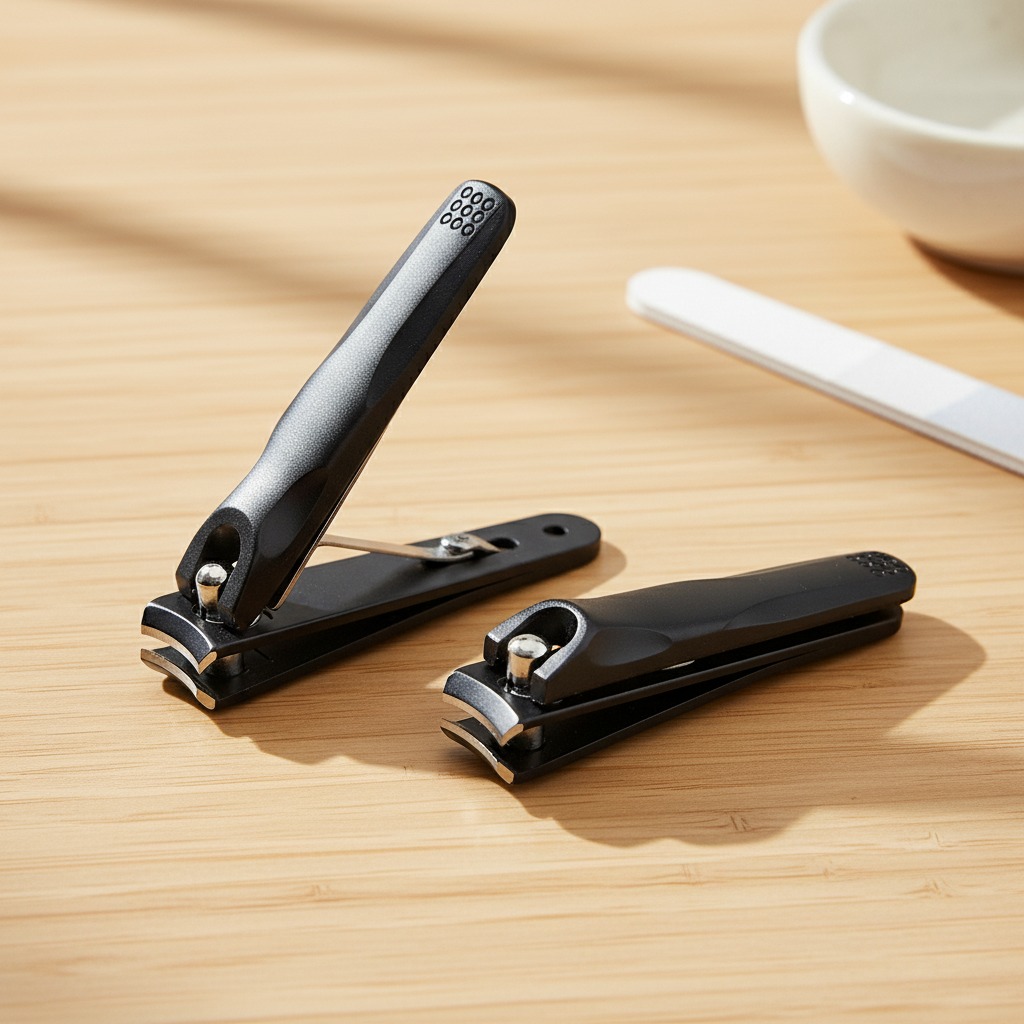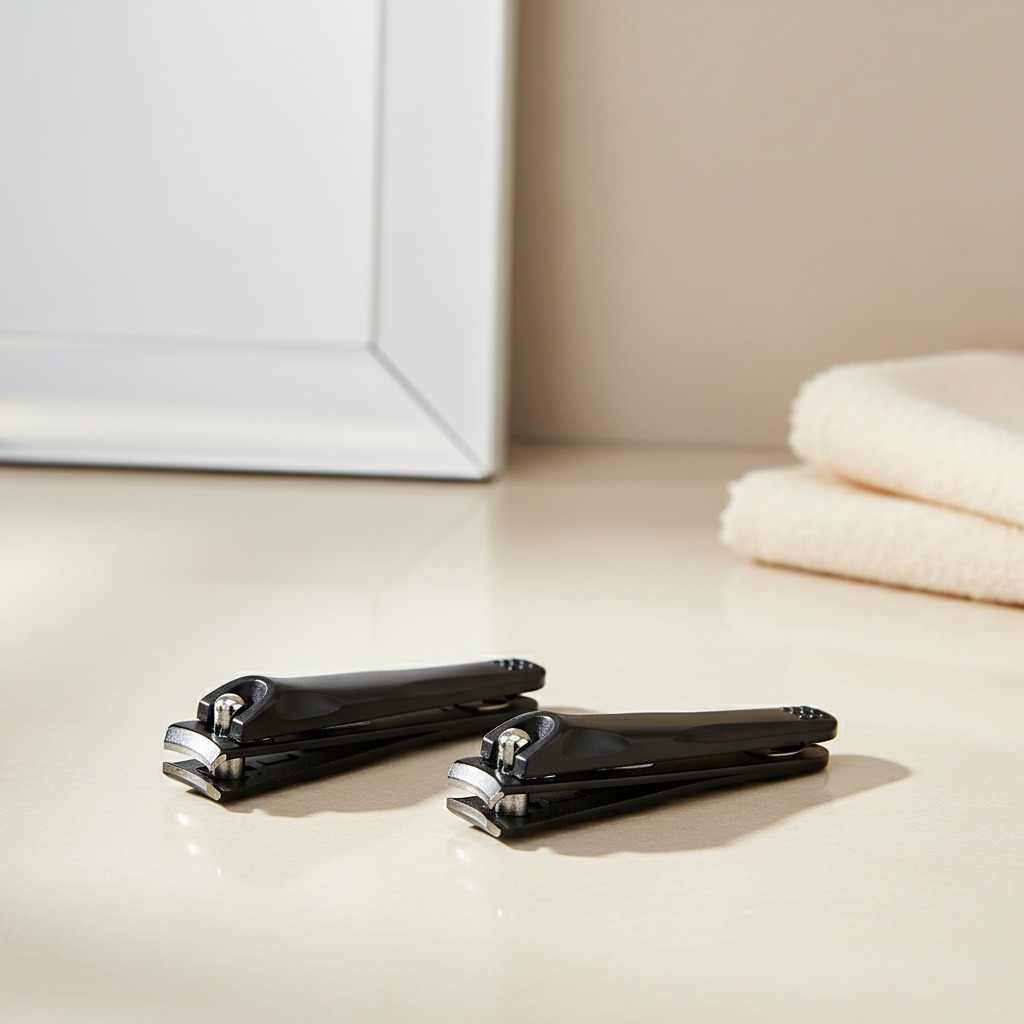












A nail clipper looks simple, but small manufacturing errors can quickly become visible to the user. A blade that is slightly misaligned can crush rather than cut. A rough edge can scratch the skin. A weak lever can feel unstable after only a short period of use. For beauty-tool brands, distributors and retailers, nail clipper quality control is not only about rejecting defective pieces at the end of the line. It is about building reliable checks into material selection, forming, sharpening, assembly, finishing and packaging.
This guide explains the main quality control points used in nail clipper manufacturing and how buyers can evaluate them when comparing suppliers or preparing a new order. It is written for teams sourcing personal care tools, private-label grooming items or retail-ready manicure accessories. If you are reviewing broader options, you can also browse Olimor Beauty beauty tool products or compare categories through our product collections.
Why Nail Clipper QC Requires More Than a Visual Check
Many nail clipper defects are not obvious when the product is lying closed in a package. A clipper may look polished and symmetrical but still fail during use because the cutting edges do not meet correctly, the hinge is too loose, or the lever does not transfer pressure efficiently. Quality control has to confirm both appearance and function.
The best QC approach separates checks into three groups. First are incoming checks, which confirm that the raw material and purchased parts are suitable. Second are in-process checks, which catch problems while blades, levers and bodies are being formed and finished. Third are final inspections, which evaluate cutting performance, safety, cleanliness, packaging and assortment accuracy before shipment.
For buyers, this matters because a low rejection rate at final inspection does not always mean the factory has strong process control. It may simply mean that only visible defects are being counted. A useful quality plan defines how sharpness, alignment, surface finish, hinge action and safety edges are measured, not just whether the clipper looks acceptable.
Material Selection and Incoming Inspection
Material selection is the foundation of a durable nail clipper. Stainless steel is widely used for nail clippers because it offers a balance of corrosion resistance, strength and clean appearance. Where a product is specified as surgical-grade stainless steel, the buyer should make sure the specification is documented clearly in the purchase agreement and supported by reasonable incoming inspection.
Incoming quality control can include checking material certificates, confirming thickness or dimensions, looking for surface defects and identifying batches before they enter production. The goal is traceability: if a hardness, rust resistance or finishing issue appears later, the production team should be able to identify which material batch was used.
Useful incoming checks may include:
- Material identity: confirmation that the agreed stainless steel type or finish requirement is being used.
- Surface condition: inspection for pits, scratches, stains or contamination that could remain visible after polishing.
- Dimensional consistency: verification that strip or sheet thickness supports stable forming and blade geometry.
- Batch traceability: clear labeling so production issues can be linked to specific raw material lots.
- Corrosion risk review: attention to storage, handling and cleaning so the finished tool does not develop early staining.
Blade Forming, Edge Geometry and Alignment
The cutting edges are the most important performance area of a nail clipper. A good clipper should cut cleanly with controlled pressure, leaving a smooth nail edge without splitting or tearing. That performance depends on blade geometry, sharpening quality and the way the upper and lower jaws meet.
During production, the body of the clipper is typically formed before sharpening, polishing and assembly. At each stage, dimensional variation can affect final performance. If the curve of the jaw is inconsistent, the blades may meet at the corners before the center. If sharpening leaves burrs, the clipper can feel rough or snag. If polishing rounds the edge too much, the tool may look attractive but lose cutting efficiency.
Quality inspectors should examine the blade edge under adequate lighting and, where appropriate, magnification. They should look for uneven grinding, burrs, dents, chips and gaps between the cutting edges. Alignment should be checked with the clipper closed and during cutting motion, because some hinge or lever problems appear only under pressure.
Sharpness and Cutting Performance Tests
Sharpness testing should be practical, repeatable and relevant to the intended user. Nail clippers are used on fingernails and toenails, and these can vary in thickness and hardness. A product positioned for general grooming should not require excessive hand force for a normal trim. A toenail clipper, if offered, usually needs stronger leverage and a jaw shape appropriate for thicker nails.
Factories may use synthetic test materials, sample nails or controlled cutting media to compare performance across production batches. The key is consistency. If every inspector uses a different method, results become subjective. Buyers should look for a defined standard: what material is cut, how many cuts are tested, what counts as an acceptable clean cut, and what happens when a sample fails.
| QC area | What to check | Why it matters |
|---|---|---|
| Cutting edge | Burrs, chips, uneven grinding, excessive rounding | Prevents jagged cuts and skin irritation |
| Jaw alignment | Upper and lower blades meet evenly | Reduces crushing, splitting and missed cuts |
| Cutting force | Clipper cuts test material without excessive pressure | Improves comfort and usability |
| Lever action | Smooth press, stable return, no wobble | Supports control during trimming |
| Finish safety | No sharp protrusions on handle, rivet or edges | Reduces scratch and snag risk |
Hinge, Lever and Durability Checks
A nail clipper is a small lever system. The blades may be sharp, but if the rivet, hinge or lever is poorly controlled, cutting performance will deteriorate. A loose hinge can make the jaws shift sideways. A tight hinge can make the clipper hard to open and close. A weak lever can bend or lose its snap after repeated use.
Durability testing often simulates repeated opening, closing and cutting motion. The original production concept for nail clipper QC commonly includes repeated hinge and spring compression checks to confirm that tension and alignment are maintained. For sourcing decisions, the exact test method should be agreed before production begins. Buyers do not need to dictate every machine setting, but they should define what “durable” means for the order.
A practical durability review can include cycle testing, lever pressure checks, rivet security inspection and post-test cutting evaluation. The post-test step is important: a clipper that survives repeated operation but no longer cuts cleanly has not passed the performance requirement.
Surface Finish, Safety and User Comfort
Surface finish is more than cosmetic. Nail clippers are handled close to the skin, stored in bathrooms and bags, and often sold as part of manicure kits. Rough finishing can cause scratches, catch on fabric or make the product feel cheap. Polishing, deburring and cleaning must be controlled so the finished clipper is safe to touch and easy to wipe clean.
Safety inspection should cover the entire product, not only the blades. Inspectors should check the lever, rivet area, file surface if included, side edges and any hanging hole or chain attachment. No loose parts, sharp protrusions or metal fragments should remain. If a protective coating or surface treatment is specified, it should be reviewed for even coverage and appearance without making unsupported claims about performance.
For retail buyers, user comfort is also part of quality. The lever should be easy to lift without feeling flimsy. The press should feel stable and controlled. The body should not twist under normal hand pressure. These are subjective impressions, but they can be made more consistent by using an approved pre-production sample as the reference for mass production.
Final Inspection and Packaging Control
Final inspection confirms that the finished goods match the order and are ready for shipment. It should include product function, appearance, quantity, labeling, packaging condition and assortment accuracy. Packaging is especially important for nail clippers because the blade edges can be damaged if items move freely during transport or rub against other metal tools.
Before approval, a buyer’s checklist should include:
- Confirm the clipper type, size, finish and any agreed accessories match the purchase order.
- Check cutting performance on the agreed test material or sample method.
- Inspect blade alignment, lever action and hinge stability.
- Review surface finish for scratches, stains, burrs and sharp non-cutting edges.
- Verify packaging protects the tool and presents the product cleanly for the sales channel.
- Confirm barcode, label, carton mark and instruction requirements if they apply to the order.
- Retain approved samples and inspection records for future comparison.
For private-label or customized projects, packaging approval should happen before mass production packaging is printed or assembled. This reduces the risk of correct products being delayed by incorrect labels, missing warnings or mismatched retail presentation.
How Buyers Can Communicate Quality Expectations
The most effective way to improve nail clipper quality is to define expectations early. Instead of relying on broad phrases such as “good quality” or “premium finish,” buyers should provide reference samples, target use cases and a written inspection checklist. A clipper designed for compact travel kits may have different priorities from a heavy-duty grooming tool or a gift set component.
When discussing a project with Olimor Beauty, consider sharing the sales channel, target user, expected packaging format and any required finish preference. This information helps align product selection and production review with the end market. You can contact Olimor for general questions or send an inquiry when you are ready to discuss sourcing details.
Quality control in nail clipper manufacturing is a sequence of small decisions: the right material, consistent forming, clean sharpening, stable assembly, safe finishing and protective packaging. When those controls are planned together, the result is a grooming tool that cuts cleanly, feels reliable in the hand and supports a stronger customer experience after purchase.