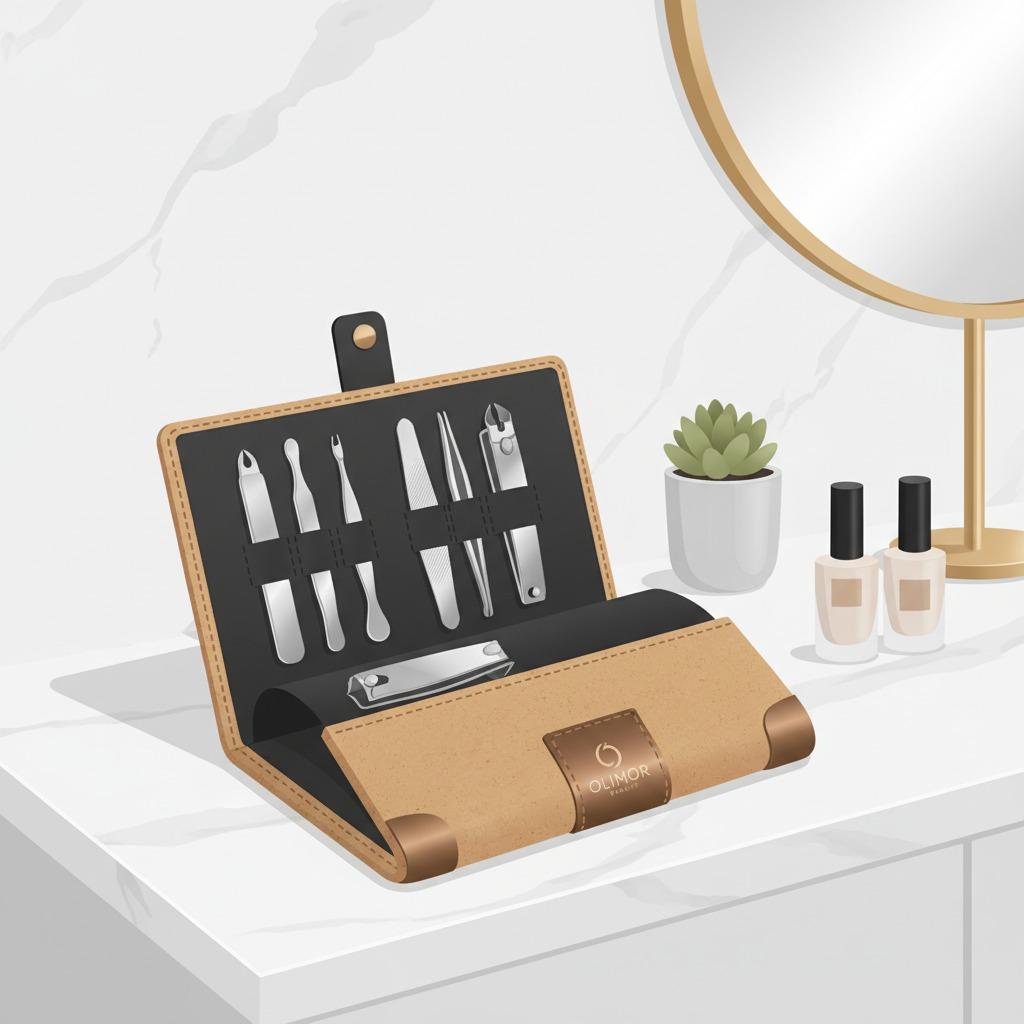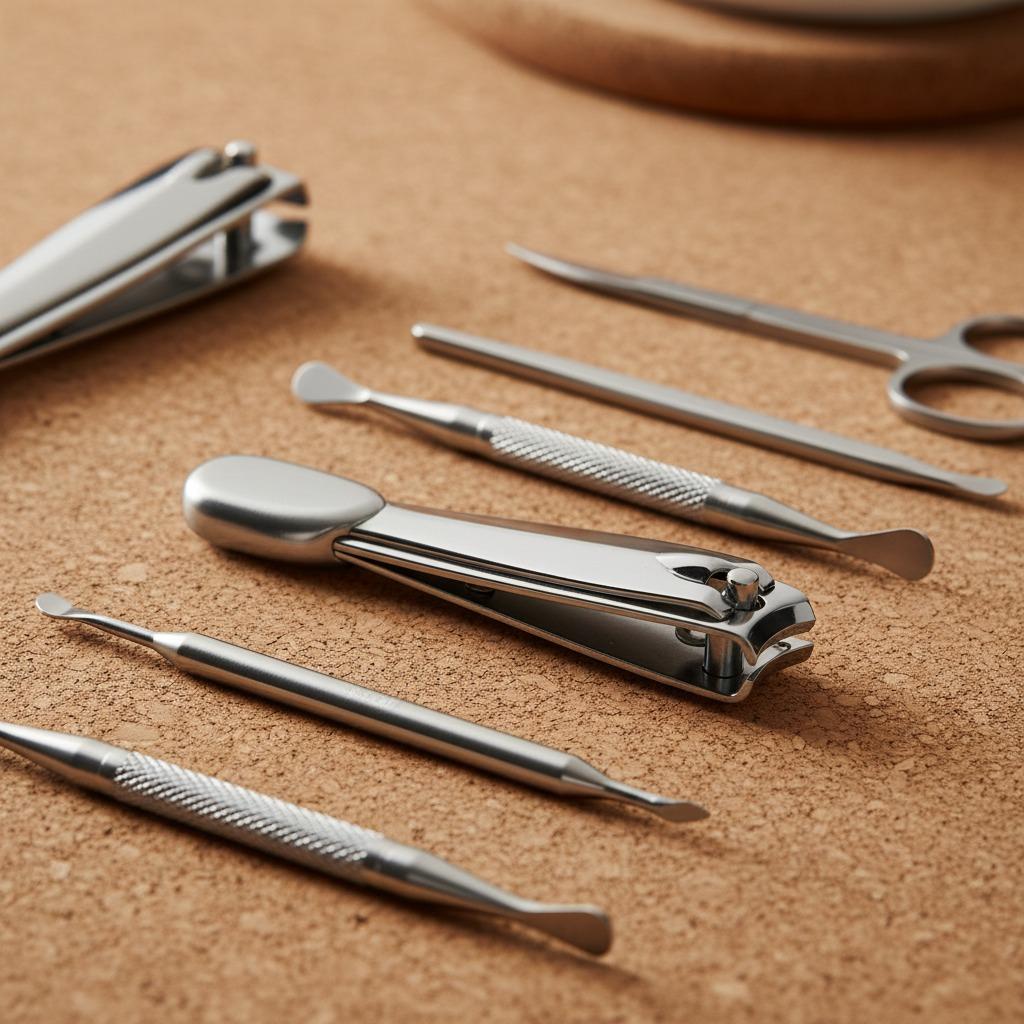











A nail clipper looks simple, but anyone who has used a dull or poorly balanced one knows how much the design matters. A weak clipper can bend the nail, leave a jagged edge, pinch the skin, or require repeated pressure to finish a basic trim. For personal care brands, salons, travel grooming kits, and everyday users, professional nail clippers should do one job consistently: cut cleanly with control.
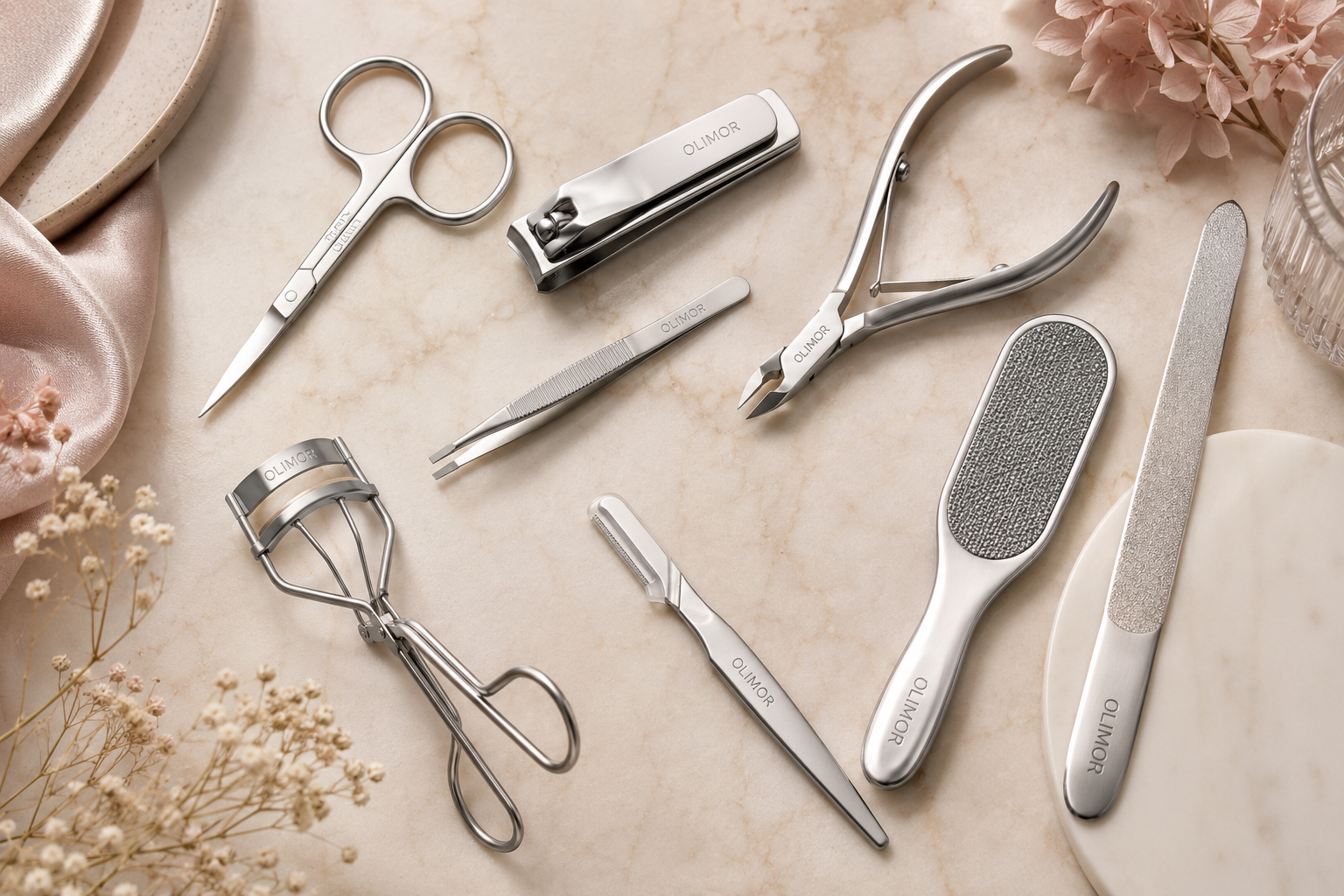
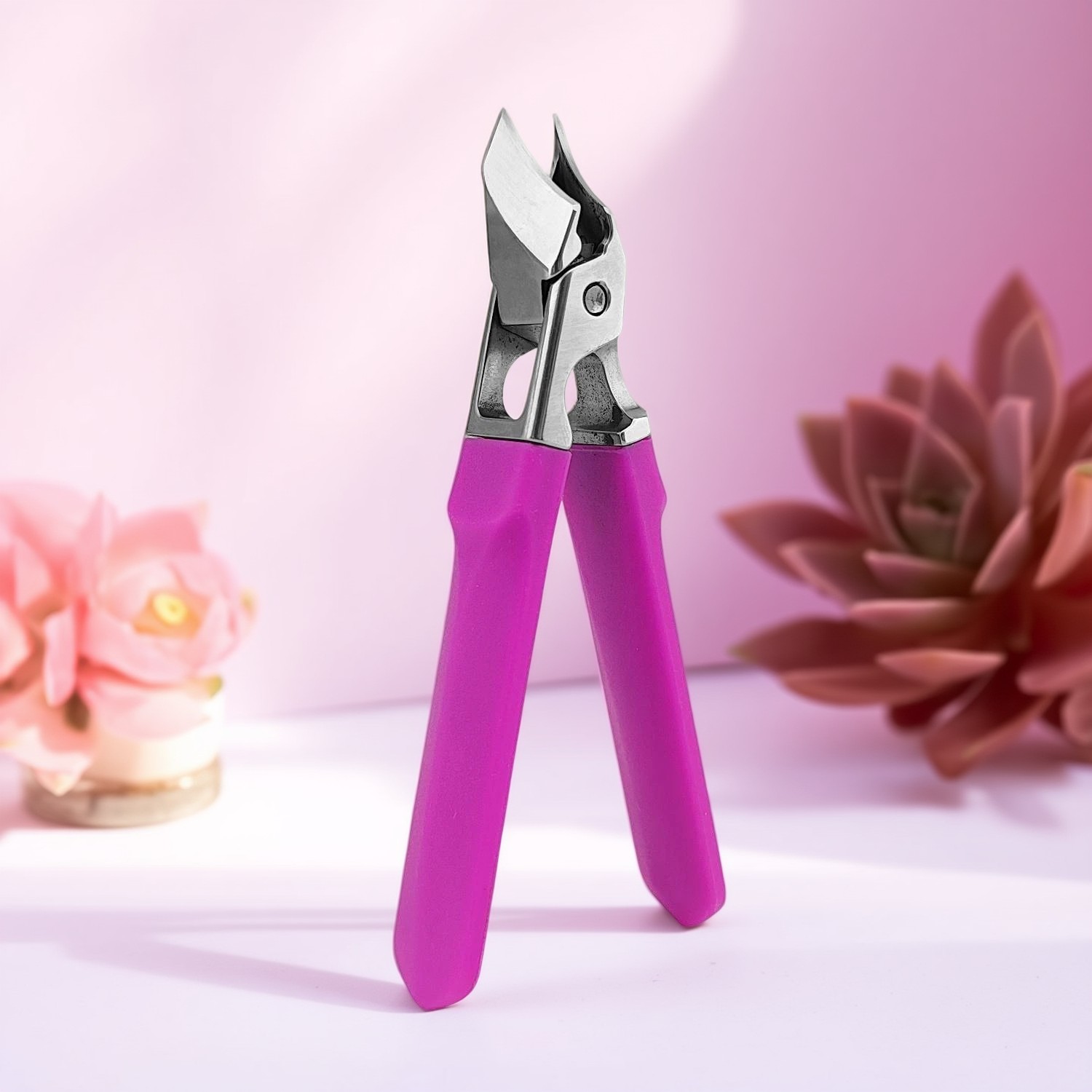
Olimor Beauty focuses on practical beauty tools for grooming routines, and a professional nail clipper is one of the most frequently used items in that category. The product shown here is designed around high quality stainless steel blades, an angled cutting edge, a textured non-slip grip, and a locking hinge for safer storage and portability. Those details are more than cosmetic; they affect precision, comfort, hygiene, and long-term usability.
Why Professional Nail Clippers Perform Differently
Many basic clippers fail because the cutting edges do not meet evenly, the lever flexes under pressure, or the handle becomes slippery in the hand. Professional nail clippers are built to reduce those problems. A cleaner cut means less filing afterward and less risk of rough nail edges catching on fabric. This is especially important for people who trim nails frequently, maintain short nails for work, or include nail care in a broader grooming service.
Stainless steel is a practical choice for nail tools because it is hard, smooth, and easier to clean than porous materials. In a nail clipper, the stainless steel blade must hold a precise cutting edge. Sharpness matters, but alignment matters just as much. If the upper and lower blades are not properly matched, even a sharp edge can crush instead of cut.
The angled blade design described for this clipper also supports more controlled trimming. A straight, flat edge can work for basic cuts, but an angled edge helps the user approach the nail from a more natural position. That is useful when shaping corners carefully or trimming nails without twisting the wrist too much.
Key Features to Check Before Selecting a Nail Clipper
Whether you are sourcing grooming tools for retail, adding a clipper to a personal care kit, or buying a reliable tool for home use, the best choice comes from evaluating the small details. Look beyond the surface finish and consider how the tool behaves in the hand.
- Blade material: Stainless steel blades are preferred for clean cutting and easier sanitation. Check that the blade edges meet evenly from one side to the other.
- Blade shape: An angled blade can improve visibility and control, especially when trimming along the natural nail curve.
- Handle comfort: A textured, non-slip grip helps reduce hand fatigue and gives better control when nails are tougher or thicker.
- Lever strength: The clipper should close smoothly without wobbling or requiring excessive force.
- Locking hinge: A locking hinge supports safer storage, keeps the tool compact, and makes it easier to carry in a grooming pouch or travel kit.
- Edge finish after cutting: A quality clipper should leave a neat edge that needs only light filing, not heavy correction.
For a broader view of available grooming items, you can explore Olimor beauty tool products or compare related product collections for personal care assortments.
Who Benefits Most from a High Quality Nail Clipper?
A professional nail clipper is useful for more than salon environments. It can serve different buyer groups because nail trimming is a universal care task, but the priorities may vary.
For home users, comfort and consistency are usually the main benefits. A non-slip handle is helpful when trimming after a shower or when hand lotion has been applied earlier in the day. A precise cut also reduces the temptation to tear or pick at rough nail edges.
For salons and grooming services, repeatability is important. Tools must feel controlled across many uses. A stainless steel clipper with a clean cutting action can support efficient service flow, while a compact locking hinge makes storage more orderly between appointments.
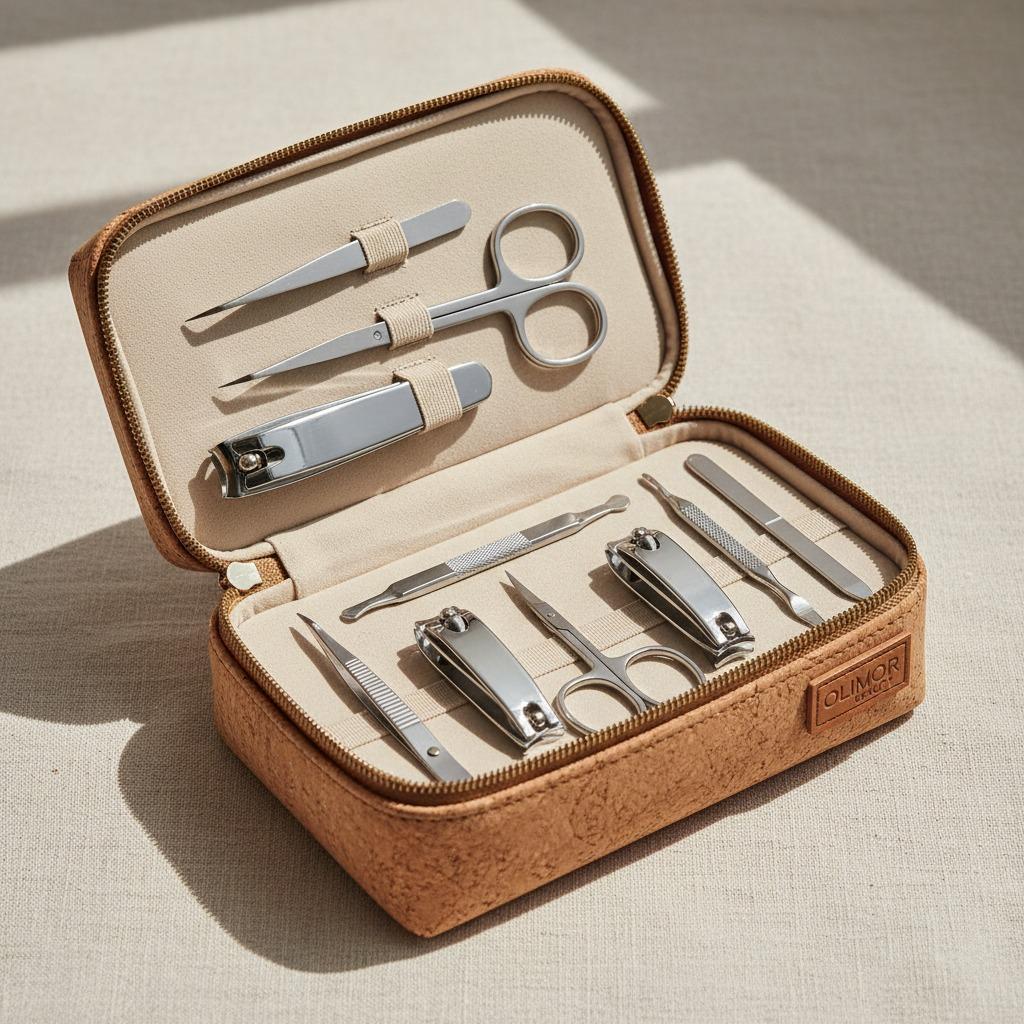
For travel kits, portability and safety matter. Loose clippers can snag fabric or open inside a bag. A locking hinge is a practical feature because it keeps the tool closed when not in use.
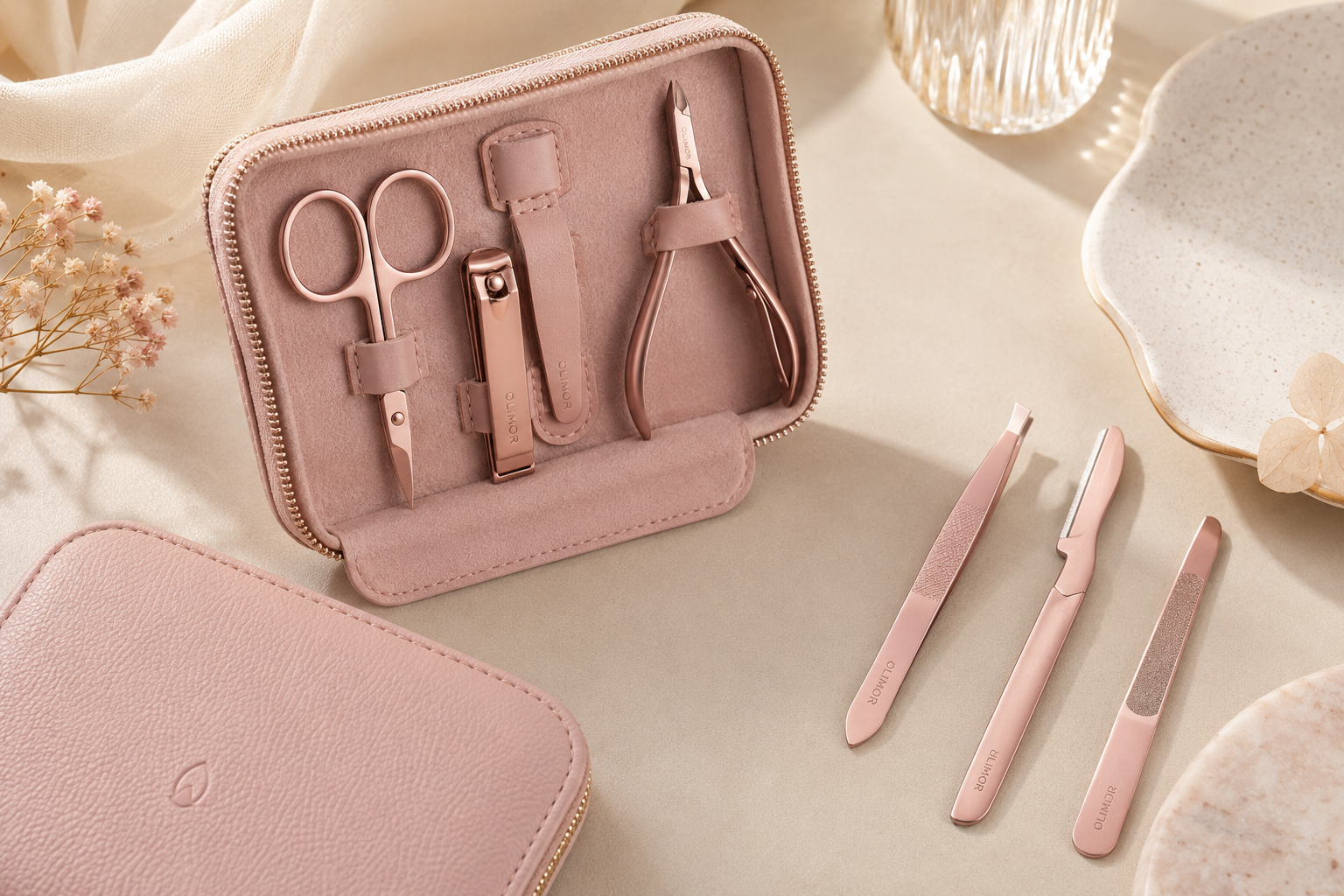
For brand buyers and kit developers, the clipper should fit the intended product experience. A manicure set aimed at daily grooming needs a dependable, easy-to-clean tool. A premium personal care kit should also consider tactile feel, grip texture, and the confidence the tool gives when first handled.
How to Use Nail Clippers for a Cleaner Trim
Even a well-made nail clipper performs best with the right technique. Cutting too aggressively or forcing the blade into the nail corner can create splits or uneven edges. Use small, controlled cuts and follow the natural shape of the nail.
- Clean the tool first. Wipe the blades before use, especially if the clipper has been stored in a shared drawer or travel bag.
- Soften nails when needed. If nails are very hard, trim after washing hands or showering, then dry the fingers so the grip remains secure.
- Cut in small sections. Avoid trying to remove the entire free edge in one large clip. Smaller cuts give better control.
- Do not cut too close. Leave a small white edge to reduce tenderness and help protect the nail bed.
- Refine with a file. A good clipper reduces filing time, but a few light strokes can smooth the final edge.
- Lock and store. After cleaning and drying, close the locking hinge before putting the clipper away.
Maintenance Tips for Stainless Steel Nail Clippers
Stainless steel nail clippers are easy to care for, but they still need basic maintenance. The biggest enemies of a grooming tool are trapped moisture, nail debris, and careless storage. After each use, brush or wipe away small nail pieces from the blade area. If the clipper is washed, dry it fully before closing it. Leaving moisture inside the hinge area can shorten the tool’s useful life.
Do not use a nail clipper on materials it was not designed to cut, such as wire, plastic packaging, or thick craft items. That can damage the blade alignment and reduce cutting precision. If the clipper begins to feel rough or uneven, inspect the cutting edge under good light. A misaligned edge or visible damage is a sign that the tool should be replaced rather than forced through the nail.
For multi-user environments, sanitation practices should match the setting’s hygiene requirements. Smooth stainless steel surfaces are easier to wipe than textured or porous materials, but the hinge and blade gap still need attention. A dedicated storage case or closed compartment can help keep the tool clean between uses.
Manufacturing and Sourcing Questions for Buyers
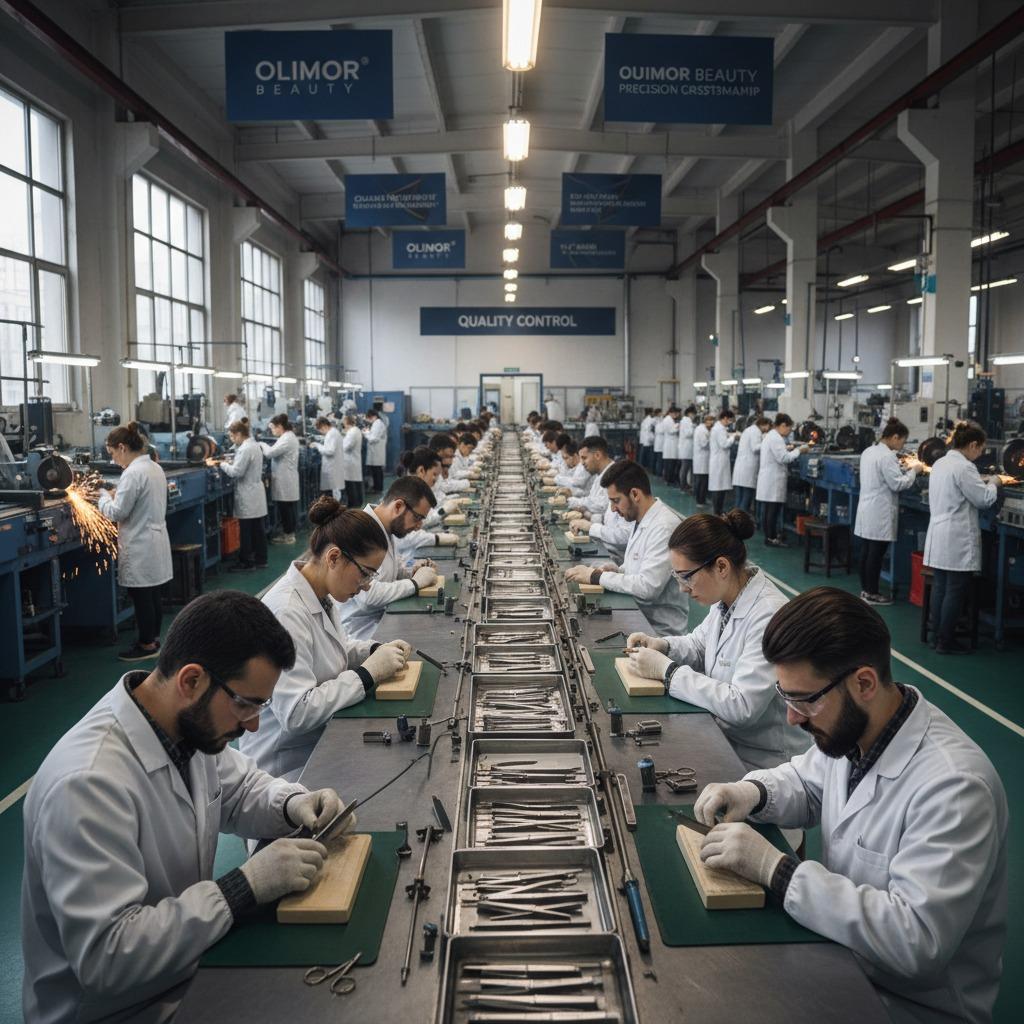
If you are evaluating nail clippers for a retail line, promotional grooming kit, or private assortment, the visual design is only one part of the decision. A buyer should compare function, consistency, packaging compatibility, and quality control expectations. When product specifications are not fully listed, use a structured checklist to keep evaluation objective.
- Does the stainless steel blade cut cleanly across different nail thicknesses?
- Do the upper and lower cutting edges meet evenly without visible gaps?
- Is the angled blade comfortable for both left-side and right-side trimming motions?
- Does the textured grip remain secure when hands are slightly damp?
- Does the locking hinge stay closed during normal handling and storage?
- Is the tool compact enough for the intended pouch, box, or retail packaging?
- Are surface edges smooth enough to avoid scratching hands or nearby items?
- Can the clipper be cleaned easily without trapping debris in hard-to-reach areas?
These questions help separate a visually attractive clipper from one that will satisfy repeat users. For sourcing discussions or product matching, you can send an inquiry with your intended use case, or contact Olimor for guidance on suitable beauty tool options.
The Bottom Line: Precision, Grip, and Safe Storage Matter
A professional nail clipper should not feel like a disposable accessory. The right tool gives a controlled cut, sits securely in the hand, stores safely, and remains easy to clean. Stainless steel blades, an angled cutting edge, a textured non-slip grip, and a locking hinge are all practical features that support better daily grooming.
For individuals, that means fewer rough edges and a more comfortable trimming routine. For businesses, it means selecting a nail care tool that customers can understand and use immediately. When evaluating professional nail clippers, focus on the details that affect real use: blade alignment, hand control, cutting smoothness, and storage safety. Those are the qualities that turn a small beauty tool into a dependable part of everyday care.