











A professional eyelash curler should do one job reliably: lift lashes from the base without pinching the eyelid, pulling hair, or leaving a hard crimp. For everyday users, makeup artists, salons, beauty retailers, and B2B sourcing teams, the best choice is not simply the most decorative tool. It is the curler that feels controlled in the hand, closes evenly, cushions the lash line, and remains easy to clean through repeated use.
This guide focuses on how to evaluate a professional eyelash curler for short and daily lashes. It uses practical product details such as textured metallic black handles, a gold-tone hinge and clamp, and a silicone pad designed to cushion the lashes during curling. These features matter because eyelash curlers work close to a sensitive area, where small differences in grip, clamp shape, and pad condition can change the user experience.
For B2B buyers, the same details also affect retail presentation, sample approval, quality inspection, customer satisfaction, and reorder decisions. A curler that looks polished but feels unstable will be difficult to recommend. A curler that opens smoothly, reaches shorter lashes, and can be inspected easily is more useful for a beauty assortment, salon kit, or private-label discussion.
What a Professional Eyelash Curler Should Achieve
A professional eyelash curler should create a lifted, natural-looking curve by applying controlled pressure through a cushioned pad. It should not require force. It should not pinch when positioned correctly. It should not bend lashes sharply at one point. The goal is steady lift from the lash root with a smooth curve that can be finished with mascara after curling.
The main performance areas are comfort, control, curl shape, and hygiene. Comfort depends on how confidently the user can place the clamp near the lash line. Control depends on the handle texture, hinge movement, and pressure response. Curl shape depends on the alignment between the upper clamp and the silicone pad. Hygiene depends on surfaces that can be wiped clean and inspected for residue, wear, or damage.
Short lashes make these requirements more important. With less length to capture, the clamp needs to approach the root area precisely. If the curler sits too far from the lash line, the lift may be barely visible. If it is pushed too close without good control, the eyelid may be pinched. A professional tool should help the user find the correct position with less hesitation.
Key Components to Evaluate Before Buying
When comparing eyelash curlers, divide the tool into its working parts. Appearance matters for retail and kit presentation, but performance is mostly determined by the handle, hinge, clamp, and pad. These areas should be checked during sample review, internal inspection, and routine use.
Handle grip and hand control
Textured handles provide a steadier contact point than a slippery surface, especially when hands are moisturized, when a makeup artist is working quickly, or when the user is new to eyelash curling. The metallic black handle finish also gives the tool a clean, professional look for a retail display or beauty kit. Buyers should check whether the handles feel balanced and whether the user can close the curler gradually rather than suddenly.
Hinge movement
The hinge controls how smoothly the curler opens and closes. A gold-tone hinge and clamp can add visual contrast, but the practical question is whether movement feels predictable. The tool should open wide enough to position the lashes clearly and close without catching. If the hinge feels rough during sample evaluation, it may reduce user confidence near the eye area.
Clamp alignment
The upper clamp should meet the silicone pad evenly. Uneven alignment can create inconsistent lift, with the center of the lash line curling more than the inner or outer areas. It can also increase the chance of pinching or creasing. For retailers and salons, clamp alignment should be part of incoming visual checks and display sample inspection.
Silicone pad condition
The silicone pad is the cushion between the clamp and the lashes. A smooth pad helps soften pressure and supports a more gradual curl. Buyers should inspect whether the pad sits properly in its channel and whether it appears smooth, clean, and secure. During use, a pad that becomes cracked, deeply grooved, sticky, or uneven should be replaced if replacement pads are available, or the curler should be removed from service.
Why Short Lashes Need Precision at the Root
Short lashes can be difficult to curl because there is less lash length for the clamp to hold. Many users with short, straight, or downward-pointing lashes need visible lift close to the root. A curler that cannot sit close enough to the lash base may produce little change, even if the user repeats the step several times.
A precision clamp helps because it allows the user to capture the lash hair near the base, where lift has the strongest visual effect. This does not mean pressing harder. In fact, heavy pressure is often the reason lashes appear bent instead of curled. The better approach is controlled placement, gentle closure, and a short hold, followed by a lighter press toward the middle of the lashes if a softer curve is desired.
For beauty consultants and retail staff, this is an important selling point to explain clearly. Users with short lashes often assume eyelash curlers do not work for them. The more accurate message is that short lashes need a curler with stable handling, close-root access, even clamp pressure, and a clean silicone pad. Technique and tool condition both matter.
Comparison Checklist for Buyers and Sourcing Teams
B2B buyers should evaluate an eyelash curler as both a beauty tool and a finished retail product. The following checklist can be used during sample review, supplier discussions, or internal product comparisons.
| Evaluation Area | What to Check | Why It Matters |
|---|---|---|
| Grip | Textured handles that feel stable during slow closure | Improves control and reduces slipping near the eye area |
| Clamp reach | Ability to position close to the lash root without forcing the tool | Helps short lashes achieve visible lift |
| Pad | Smooth silicone pad seated evenly in the clamp channel | Cushions the lashes and helps avoid sharp creasing |
| Hinge | Smooth opening and closing with predictable resistance | Supports safer, more confident use |
| Alignment | Upper clamp meets the pad evenly across the working area | Promotes consistent curl across the lash line |
| Finish | Metallic black handles and gold-tone clamp appear clean and presentable | Supports retail display, kit value, and giftable appearance |
| Maintenance | Surfaces can be wiped clean and inspected easily | Important for salons, testers, and repeat daily use |
| Supplier support | Clear answers on samples, packaging options, replacement pads, and inspection expectations | Reduces sourcing uncertainty before purchase planning |
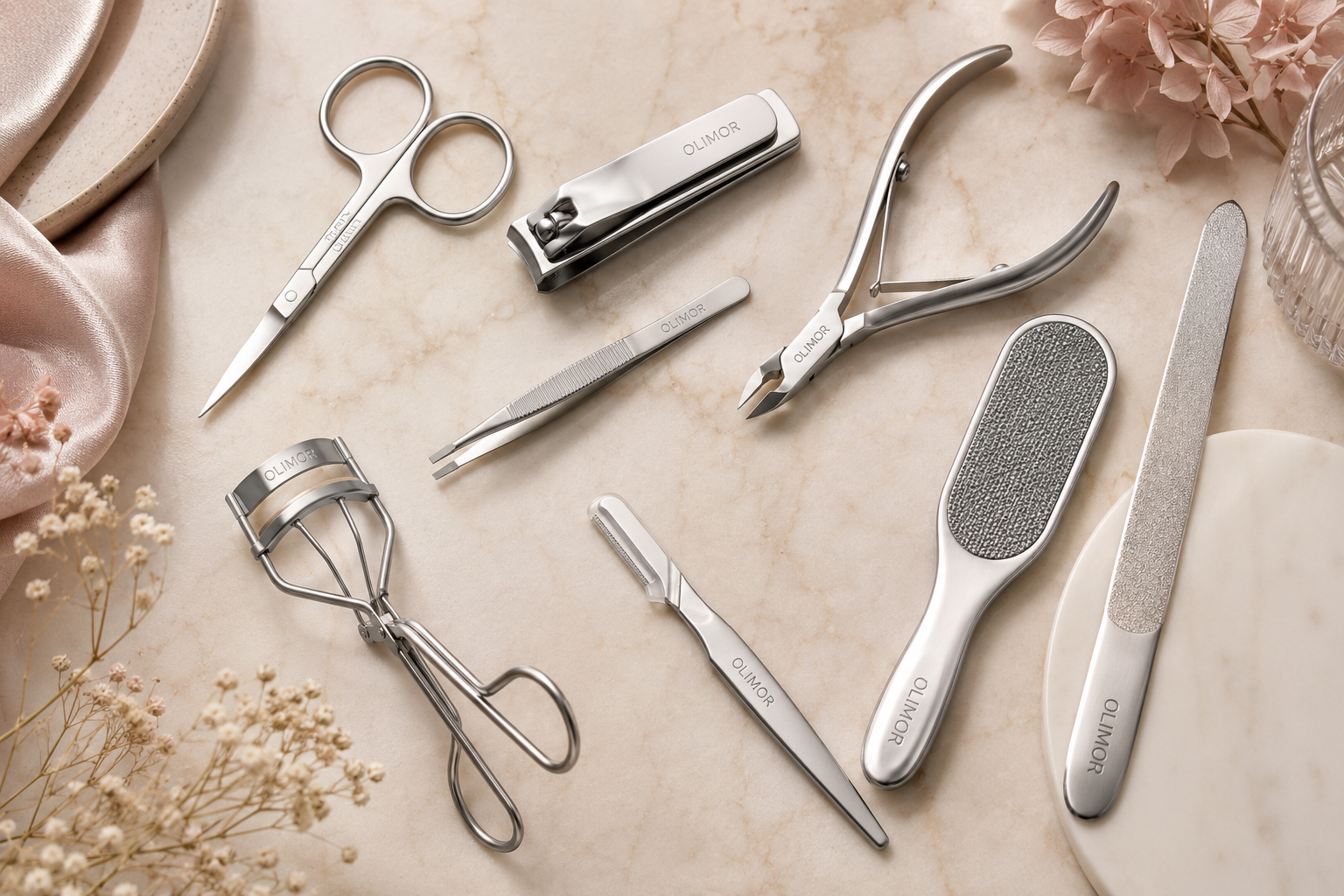
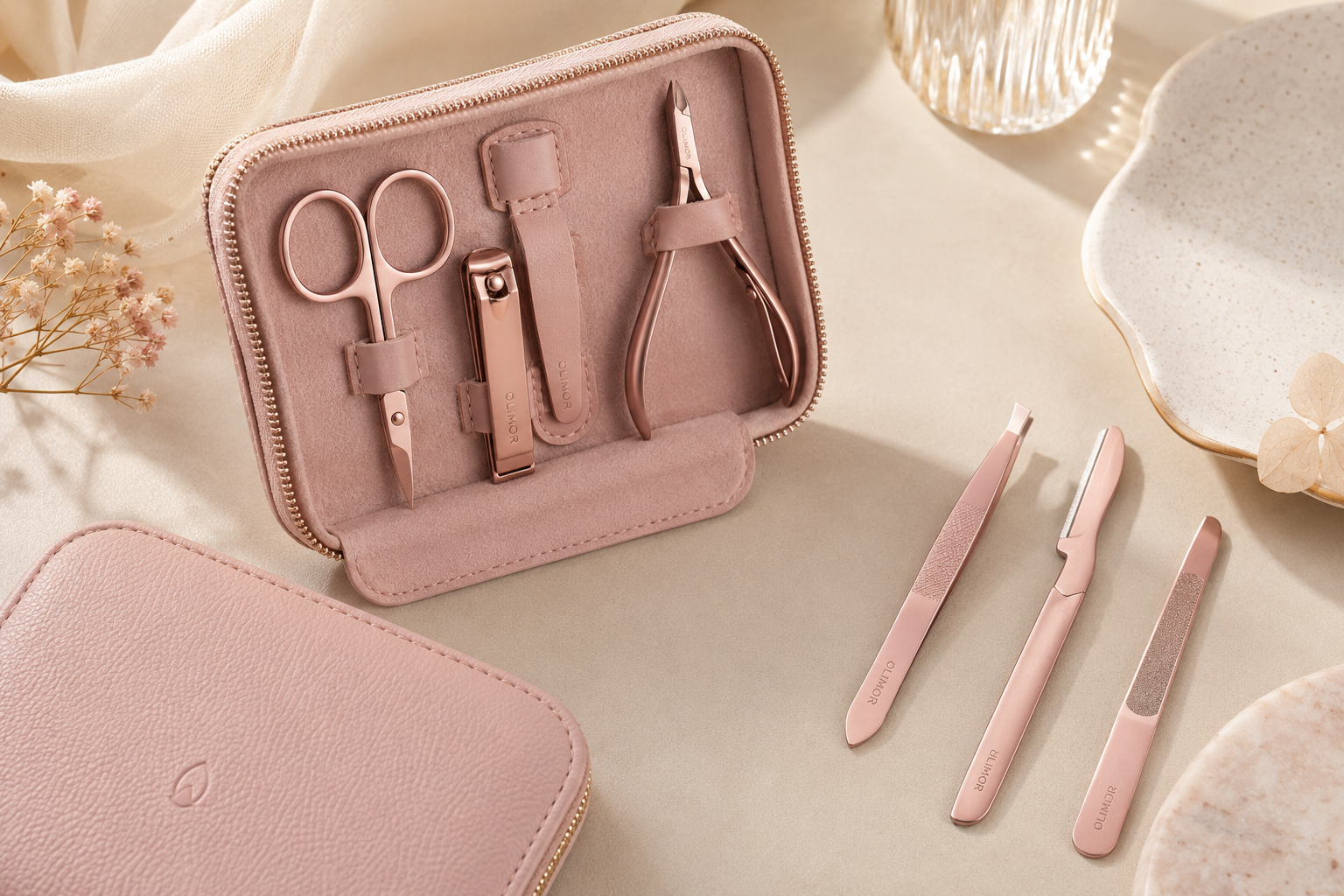
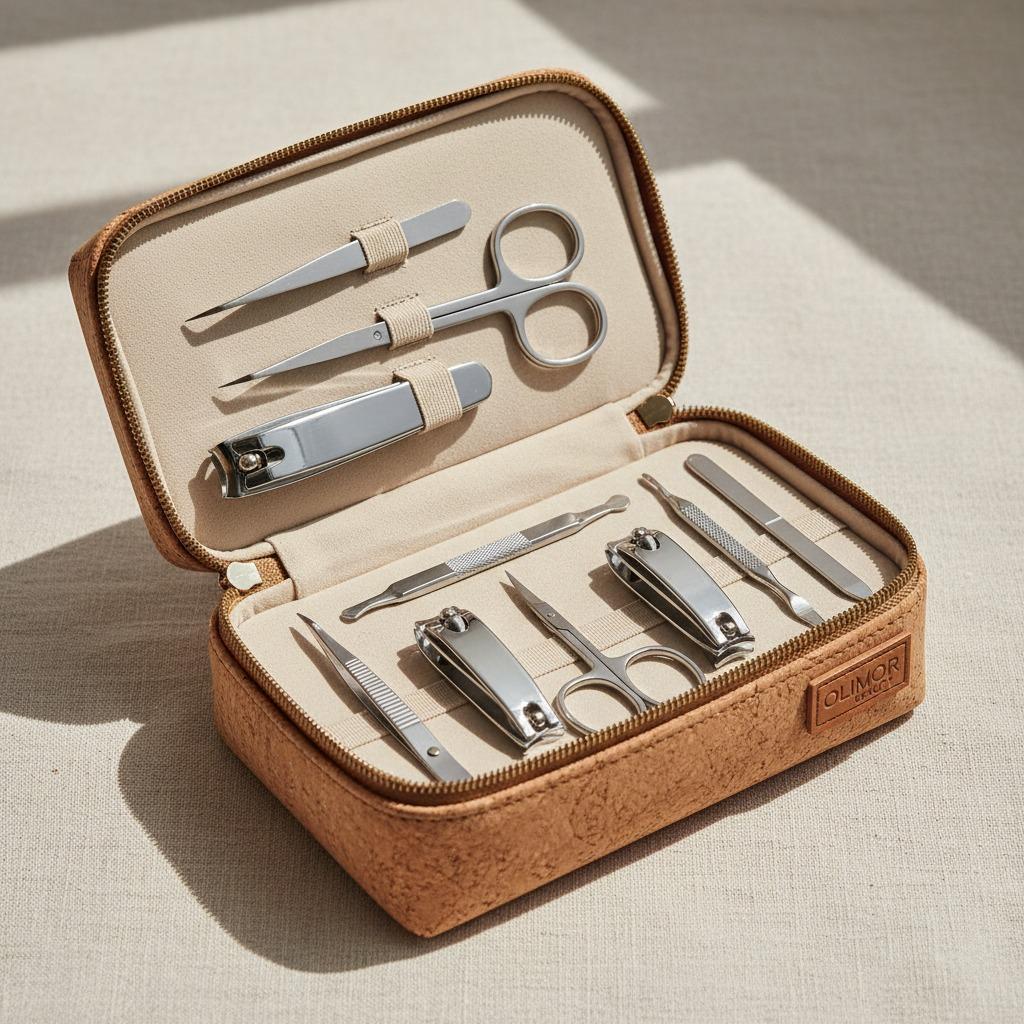
When comparing related beauty tools for an assortment, review the broader Olimor beauty tool range and consider how the eyelash curler fits with lash, brow, manicure, or skincare accessories. For category planning, the product collections can help buyers think beyond a single item and build a more complete retail or salon offer.
How to Use an Eyelash Curler Safely and Effectively
The safest way to curl lashes is to work on clean, dry lashes before applying mascara. Mascara can stiffen the lashes and may cause them to stick to the pad, making pulling or breakage more likely. Curl first, then apply mascara to help hold the lifted shape.
- Clean the lash area first. Remove old mascara, skincare residue, and oil so the lashes separate easily.
- Open the curler fully. Look slightly downward into a mirror so the lash base is visible.
- Place the clamp carefully. Position the silicone pad close to the lash root without touching the eyelid.
- Close slowly. Use gentle, controlled pressure rather than a sudden squeeze.
- Hold briefly. A short hold is usually enough; avoid forcing the handles.
- Optional second press. Move slightly outward along the lashes and press lightly for a softer curve.
- Finish after curling. Apply mascara only after the desired curl has been created.
If the curler pulls, pinches, or creates a sharp bend, stop and check placement, pad condition, and clamp alignment. Users should never continue pressing through discomfort. Makeup artists should also adapt positioning for each client because eye shape, lash direction, and lash length vary.
Maintenance, Hygiene, and Inspection Routines
An eyelash curler touches the eye area, so routine cleaning is essential. Makeup residue, oils, and dust can collect on the silicone pad and metal clamp. This buildup may affect curl performance and can make the tool look unsuitable for retail demonstration or professional use.
After use, wipe the pad and clamp with a clean, soft cloth. For a deeper clean, use an appropriate cosmetic tool cleaning method, then allow the curler to dry completely before storage. Avoid soaking the hinge for long periods, because trapped moisture can affect movement over time. Store the curler in a clean, dry place where the clamp cannot be bent by heavier tools.
For salons, testers, or shared kits, create a visible inspection routine. Check the pad for grooves, cracks, stickiness, or uneven seating. Check the hinge for smooth movement. Check the clamp for even closure. Check the finish for residue or damage that could affect presentation. Any curler that no longer closes evenly or feels uncomfortable during a basic handling check should be removed from daily service.
Retailers should also follow any applicable local hygiene rules for cosmetic testers and beauty tools. In the United States, the Food and Drug Administration provides public information on cosmetics and consumer safety, while the European Commission publishes cosmetics regulatory information for the EU market. Always verify current versions of relevant rules and request supplier documents appropriate to your selling market; do not rely on assumptions from product appearance alone.
Cost Factors Without Guesswork
The cost of a professional eyelash curler can be affected by design complexity, material selection, surface finish, packaging, order quantity, customization, replacement pad requirements, and inspection expectations. A metallic black handle finish with a gold-tone hinge and clamp may be evaluated differently from a plain finish because it affects appearance and presentation. Packaging for retail shelves may also differ from bulk packing for kits or salon supply.
For buyers, the most useful cost discussion starts with product purpose. A promotional item, a salon tool, a retail beauty accessory, and a private-label kit component may have different priorities. If the product is intended for short lashes, sample testing should focus on root access and clamp control. If the product is intended for a gift set or premium display, finish consistency and packaging presentation may become more important.
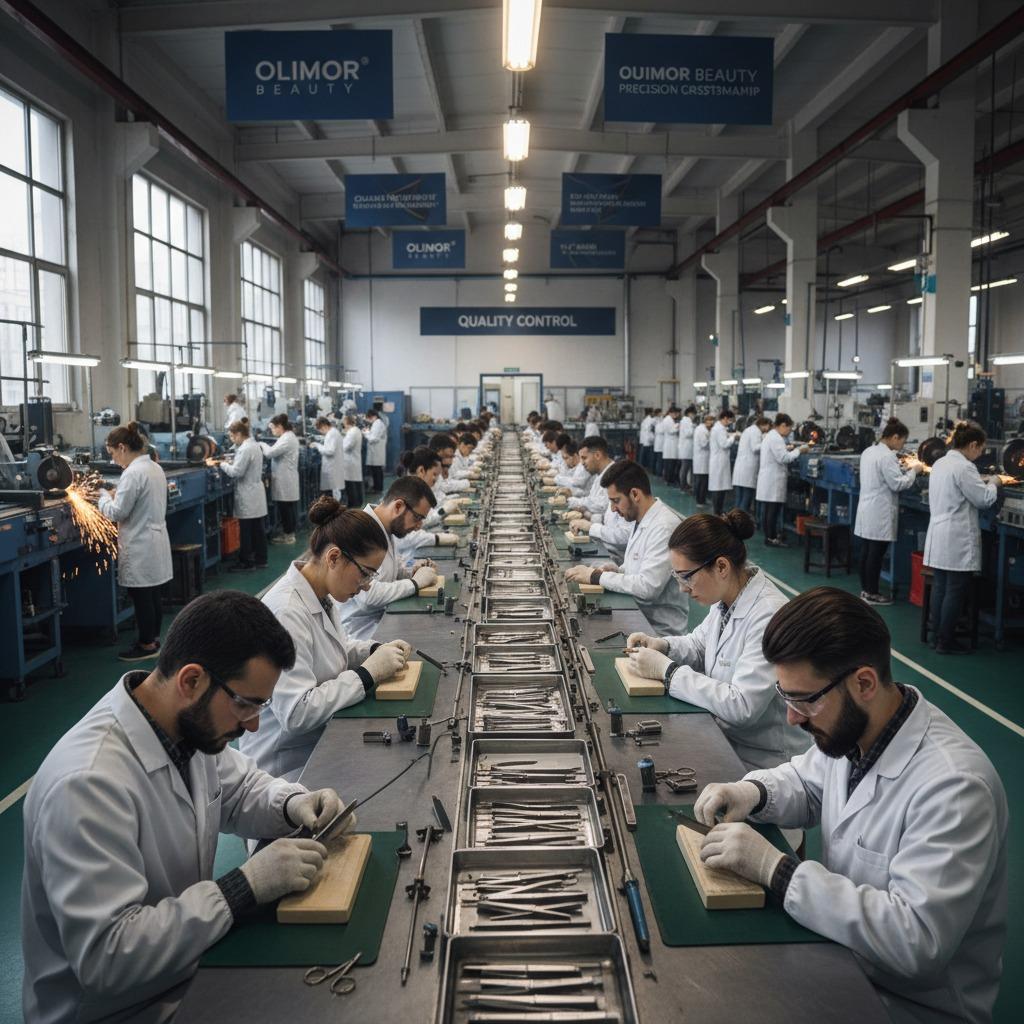
Avoid comparing suppliers only by unit quote. Ask what is included, what can be customized, how samples are handled, what inspection steps are available, and how replacement pads or packaging details are managed. A lower quote is less helpful if the clamp feels unstable, the pad fit is inconsistent, or the supplier cannot answer practical quality questions.
Supplier Evaluation Questions for B2B Buyers
Before committing to an eyelash curler order, prepare specific questions that connect the tool to your channel. A beauty retailer may care about packaging and shelf appeal. A salon supplier may care about durability and cleaning routines. A brand owner may care about customization, sample review, and repeatable quality.
- Can the supplier provide samples for handling, clamp alignment review, and short-lash usability checks?
- What customization options are available for finish, packaging, branding, or assortment planning?
- How are silicone pads, hinge movement, and clamp alignment checked before shipment?
- Are replacement pads available or can they be discussed as part of the product plan?
- What order requirements, production timing, and documentation apply to the specific inquiry?
For a tailored discussion, share your market, channel, packaging needs, and expected product positioning through the product inquiry form. If you are still comparing beauty tool options, you can also contact Olimor to discuss sourcing direction before finalizing specifications.
FAQ: Samples, MOQ, Customization, Quality, and Lead Time
Can I request a sample before placing an order?
Yes, sample discussion is a practical first step for evaluating grip, clamp movement, silicone pad comfort, finish, and packaging direction. Confirm sample availability, cost, shipping method, and review expectations directly with Olimor.
Is there a minimum order quantity?
MOQ depends on the product plan, customization needs, packaging choice, and production arrangement. Buyers should request current MOQ information for the exact eyelash curler specification under discussion rather than assuming one standard quantity.
Can the eyelash curler be customized?
Customization may involve areas such as finish, branding, packaging, or assortment requirements. Availability should be confirmed through supplier communication, because options can vary by product structure and order details.
How should quality be checked before approval?
Review samples for handle stability, hinge smoothness, clamp alignment, silicone pad seating, surface finish, and ease of cleaning. For business orders, agree on inspection points and required documents before production or shipment.
How long does production or delivery take?
Lead time depends on order quantity, customization, packaging, sample approval, and logistics. Ask for current timing based on your confirmed specification and destination instead of relying on a general estimate.
Final Buying Advice
A professional eyelash curler is worth selecting carefully because it works near a sensitive area and influences the daily makeup experience. For short lashes, the most important qualities are controlled handling, close-root access, smooth hinge movement, even clamp alignment, and a clean silicone pad that cushions the lash line.
For retailers, salons, and sourcing teams, evaluate the curler as a working tool first and a display product second. The metallic black textured handles, gold-tone hinge and clamp, and silicone pad create a polished and practical design direction, but the final decision should be based on sample handling, maintenance expectations, and supplier communication. When those points are reviewed clearly, an eyelash curler can become a reliable everyday beauty tool and a sensible addition to a professional assortment.